Which Cancer Has the Longest Life Expectancy?
Recent studies show a hopeful trend in fighting cancer. Some cancers now have much higher survival rates thanks to better treatments and early detection. For example, a study on colorectal cancer in China found a big improvement in survival rates. This is due to better medical care and early detection.cancer logoExploring Hereditary ovarian cancer links.
We will look into the most curable cancers and why they have high survival rates. Knowing which cancer is most treatable can give hope to patients and their families. Finding out what cancer has the highest survival rate is complex. It depends on when the cancer is found and how well the treatment works.
Key Takeaways
- Certain types of cancer have shown a significant increase in survival rates.
- Early detection and advanced treatments are key factors in improving survival rates.
- The survival rate for specific cancers can vary greatly depending on the stage at diagnosis.
- Understanding the most curable cancers can help patients make informed decisions.
- Advancements in medical research continue to improve the prognosis for various cancers.
Understanding Cancer Life Expectancy
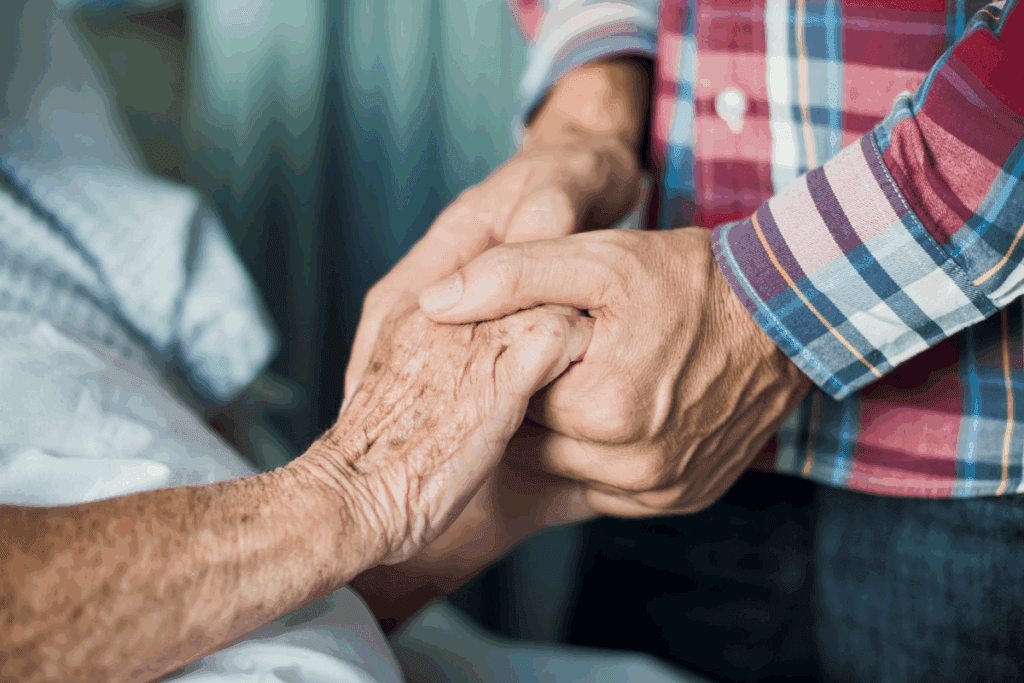
Cancer life expectancy is complex, influenced by many factors. These include the cancer type, stage at diagnosis, and treatment options. When we talk about cancer survival, we mean the percentage of people who live for a certain time after diagnosis.
What Factors Influence Life Expectancy?
Several key factors affect cancer patients’ life expectancy. These include the cancer type and stage, the patient’s health and age, and the treatment’s effectiveness.
- The type and stage of cancer at diagnosis
- The patient’s overall health and age
- The effectiveness of the chosen treatment plan
Early detection is vital for better survival rates. Cancers caught early are easier to treat, leading to better outcomes.
Importance of Early Detection
Early detection greatly improves treatment chances. Screening like mammograms, colonoscopies, and skin checks can find cancer early. This allows for timely treatment.
For example, the 5-year survival rate for cancers caught early is much higher. This shows how important regular screenings and check-ups are.
Role of Treatment Options
The choice of treatment depends on the cancer type, stage, and patient’s health. Treatment modalities include surgery, chemotherapy, radiation, and newer methods like targeted therapy and immunotherapy.
New treatments have improved survival rates for many cancers. For instance, targeted therapies can focus on cancer cells, reducing harm to healthy cells and improving results.
Types of Cancers with Extended Survival Rates
Some cancers have better survival rates because of good treatments and early detection. We’ll look at three cancers that have seen big improvements in survival rates.
Prostate Cancer
Prostate cancer is common in men but has a good survival rate if caught early. The American Cancer Society says the 5-year survival rate for prostate cancer is almost 100% if it’s caught early. Screening tests like the PSA test have greatly helped in improving survival rates.
Treatment for prostate cancer can be active surveillance, surgery, or radiation therapy. The choice depends on the cancer’s stage, how aggressive it is, and the patient’s health.
Thyroid Cancer
Thyroid cancer also has a high survival rate, mainly if caught early. The National Cancer Institute reports a 5-year survival rate of about 97% for thyroid cancer. Surgery and radioactive iodine therapy are often effective treatments.
There are different types of thyroid cancer, each with its own prognosis. The type and stage at diagnosis affect the outcome.
Testicular Cancer
Testicular cancer is less common but highly curable, mainly if caught early. The 5-year survival rate for testicular cancer is around 95% for all stages. Early detection through self-examination can greatly improve treatment success.
Treatment for testicular cancer usually involves surgery, chemotherapy, or radiation therapy. The choice depends on the cancer’s type and stage.
Looking at these cancers, it’s clear that early detection and effective treatments are key to better survival rates. The table below shows the 5-year survival rates for these cancers.
| Type of Cancer | 5-Year Survival Rate |
| Prostate Cancer (Localized) | Nearly 100% |
| Thyroid Cancer | About 97% |
| Testicular Cancer | Around 95% |
“The progress in cancer treatment is a testament to the power of medical research and innovation. As we continue to advance in our understanding of cancer, we are seeing more cancers become curable or manageable.”
– Oncologist
Knowing the survival rates and treatment options for different cancers helps patients make better choices. We keep seeing progress in cancer research, giving us hope for better outcomes in the future.
The Impact of Early Diagnosis
Diagnosing cancer early can greatly improve treatment chances. We’ll look at different screening methods for various cancers. We’ll also see how early detection affects treatment success.
Screening Methods
There are many ways to find cancer early. Mammograms help find breast cancer, colonoscopies find colorectal cancer, and PSA tests find prostate cancer. We also use genetic tests to find cancer risks.
Screening methods have gotten better over time. For example, low-dose CT scans for lung cancer are showing great results in high-risk groups.
Statistics on Early Detection
Early detection boosts cancer survival rates. For breast cancer, the five-year survival rate is over 90% when caught early. Cancer research shows early detection is key to better treatment.
Research proves early-stage cancers are more treatable. This highlights the importance of regular screenings. It’s vital for those with a family history of cancer or other risk factors.
Lifestyle Factors Affecting Cancer Survival
Research shows that lifestyle choices can greatly affect cancer survival rates. A healthy lifestyle is key in patient care. It plays a big role in how well patients do.
Diet and Nutrition
A balanced diet is vital for cancer patients. It gives them the nutrients they need to recover. Eating fruits, vegetables, and whole grains helps keep them strong and healthy.
Some foods can help cancer patients live longer. Antioxidant-rich foods like berries and leafy greens fight off stress and inflammation. Foods high in fiber, like whole grains and legumes, support digestion and the immune system.
- Incorporating a variety of colorful fruits and vegetables into your diet
- Choosing whole grains over refined grains
- Limiting processed and sugary foods
Exercise and Physical Activity
Exercise is also key for cancer patients. It helps improve treatment outcomes and lowers the risk of cancer coming back. Exercise keeps patients physically fit, reduces fatigue, and boosts their quality of life.
Studies show that exercise benefits cancer survival. It reduces inflammation, boosts the immune system, and strengthens the body’s defenses. Patients can enjoy activities like walking, swimming, and yoga.
“Exercise is a critical component of cancer care, and patients should be encouraged to engage in physical activity as part of their treatment plan.”
Oncologist
By adding a healthy lifestyle to their treatment, cancer patients can live longer and feel better.
Advances in Cancer Treatment
The world of cancer treatment is changing fast. New treatments are coming out to help patients more. We’re seeing a big change in how cancer is treated, with a focus on treatments that are made just for each person.
Targeted Therapies
Targeted therapies have changed cancer treatment a lot. They focus on specific parts of cancer cells that help them grow. These therapies are more precise, which means they harm fewer healthy cells and cause less side effects.
Examples of these therapies include tyrosine kinase inhibitors and monoclonal antibodies. They have shown great promise in fighting different types of cancer.
Immunotherapy Breakthroughs
Immunotherapy is a powerful tool in the fight against cancer. It uses the body’s immune system to find and fight cancer cells. This approach has shown amazing results in treating many cancers, giving patients new hope.
Some key immunotherapy strategies are checkpoint inhibitors and CAR-T cell therapy. They have shown great success in clinical trials.
As we keep moving forward in cancer treatment, it’s clear these new therapies are changing cancer care. We’re dedicated to giving our patients the latest and most effective treatments. This helps them live longer and better lives.
Patient Support Systems
The journey through cancer diagnosis and treatment is not just about medical care. It’s also about the support patients get. At this time, support systems are key in helping people deal with the disease.
Importance of Emotional Support
Emotional support is very important. It’s the emotional and psychological help patients get from loved ones, friends, support groups, and doctors. Research shows that strong emotional support leads to better outcomes and a better life quality.
Getting emotional support greatly helps patients cope with their diagnosis and treatment. Support groups are great because they let patients share their stories and connect with others facing the same issues.
Resources for Patients and Families
There are also important resources for patients and their families. These include counseling, financial help, and educational materials. These resources help ease the stress of cancer care.
Counseling services offer emotional support. Financial assistance programs help with the cost of treatment.
| Resource Type | Description | Benefit |
| Counseling Services | Professional counseling for patients and families | Emotional support and coping strategies |
| Financial Assistance Programs | Programs to help with treatment costs | Reduced financial burden |
| Support Groups | Groups for patients to share experiences | Community and understanding |
In conclusion, patient support systems are essential in cancer care. They offer emotional support and resources. This improves outcomes and quality of life for those with cancer.
Understanding Cancer Staging
Cancer staging is about figuring out how far cancer has spread in the body. It’s key for knowing how well a patient will do and what treatments to use. We’ll dive into the details of cancer staging and how it affects patient care.
What is Cancer Staging?
Cancer staging is a way to measure how far cancer has spread. It looks at the tumor size, if lymph nodes are affected, and if cancer has spread to other areas. The TNM system is the most used, standing for Tumor, Node, and Metastasis.
The TNM system helps classify cancer spread. ‘T’ shows the tumor size, ‘N’ checks lymph node involvement, and ‘M’ looks for metastasis in other parts of the body.
How Staging Affects Prognosis
The cancer stage at diagnosis is very important for predicting outcomes. Early stages usually mean a better chance of survival. Staging helps in planning the best treatment.
The American Cancer Society says early-stage cancer survival rates are much higher. For example, localized breast cancer has a 99% five-year survival rate. But, survival rates drop when cancer spreads to distant areas.
“The stage of cancer is a key factor in determining the most effective treatment plan and predicting patient outcomes.”
— American Cancer Society
Knowing about cancer staging is vital for patients, doctors, and researchers. It helps in making treatment plans that fit each patient’s needs. As cancer research improves, so will the importance of accurate staging.
The Importance of Clinical Trials
Clinical trials are key in the fight against cancer. They offer hope with new treatments. These studies test new medical approaches in people. They help advance cancer research and create new treatments.
What are Clinical Trials?
Clinical trials check if new treatments are safe and work well. For cancer, they compare new treatments to what we already use. The main goal is to see if the new treatment is safe and effective for patients.
How to Participate in Clinical Research
Joining a clinical trial is a big decision for patients. To join, patients must meet certain criteria. This includes the type and stage of cancer, past treatments, and overall health.
Patients should talk to their doctor about joining a trial. There are also online resources and registries that list trials. The National Cancer Institute’s website and clinicaltrials.gov are great places to start.
Living with Cancer: Survival Stories
Getting a cancer diagnosis can be scary. But, the stories of those who beat it are full of hope. They show us how strong and hopeful we can be.
Inspirational Patient Journeys
Cancer survivors share their battles, showing us how they faced and beat challenges.
Learning from Survivors’ Experiences
Survivors teach us important lessons. One key thing is the power of a support system. Family, friends, and support groups help a lot. Studies show they help patients feel better and have better mental health.
Survivors also stress the importance of staying positive and informed. “Being positive doesn’t mean ignoring problems,” a survivor says. “It means facing them with courage and hope.”
- Resilience: The ability to bounce back from adversity.
- Hope: A key element in coping with cancer.
- Support: A strong network can greatly impact a patient’s journey.
These stories and lessons show that cancer is curable for many. With the right mindset, support, and care, patients can beat this disease.
Future Directions in Cancer Research
Cancer research is moving forward fast. New treatments and ways to prevent cancer are being developed. These could lead to a cure for cancer.
Innovative Therapies on the Horizon
New therapies like targeted treatments and immunotherapy are being tested. They show great promise in clinical trials. This gives hope to people with different types of cancer.
Shifting Focus to Prevention
Preventing cancer is now a big focus. Studies on diet and exercise are helping us understand how to lower cancer risk. By combining these findings with better early detection, we aim to manage and cure cancer better.
Ongoing research and the latest treatments continue to provide hope for patients worldwide.
FAQ
What is the most curable type of cancer?
Prostate, thyroid, and testicular cancers are very curable. They have high survival rates. This is because of good treatments and early detection.
How does early detection impact cancer survival rates?
Early detection greatly boosts cancer survival chances. It lets doctors treat cancer early, leading to better results.
What lifestyle factors can affect cancer survival?
Eating well, staying active, and getting enough rest can help. They help manage side effects and keep you healthy.
What are the latest advances in cancer treatment?
New treatments like targeted therapies and immunotherapy offer hope. They help fight different cancers.
Why is patient support important for cancer patients?
Support systems are key for cancer care. They help with side effects and improve overall health and well-being.
What is cancer staging, and how does it affect prognosis?
Cancer staging classifies cancer based on its spread. It’s vital for planning treatment and predicting outcomes.
What are clinical trials, and how can patients participate?
Clinical trials test new treatments. Patients can join by talking to their doctor and checking clinical trial registries.
What are the future directions in cancer research?
New treatments and early detection methods are being explored. These could lead to better cancer care in the future.
What does the 5-year survival rate mean?
The 5-year survival rate shows how many patients live 5 years after diagnosis. It’s a key measure of treatment success.
Is cancer a death sentence?
No, cancer isn’t always fatal. Many cancers are curable, thanks to medical progress and research.
What are the most treatable forms of cancer?
Prostate, thyroid, testicular, and some skin cancers are highly treatable. They have high cure rates and effective treatments.
References
National Center for Biotechnology Information. Evidence-Based Medical Insight. Retrieved from https://www.ncbi.nlm.nih.gov/pmc/articles/PMC12037099/



 Departments
 Related Videos
 Our Doctors
 News
News