
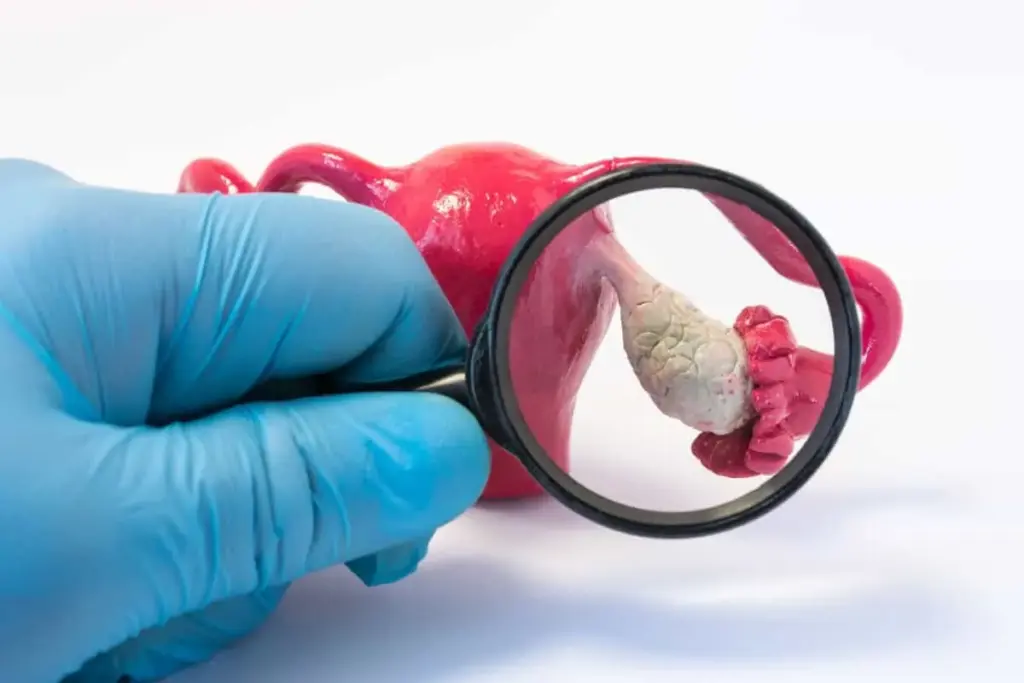
Did you know that nearly 80% of ovarian cancer cases come from just one cell type? Knowing where and how ovarian cancer starts is key for finding new ways to prevent, detect early, and treat it effectively around the world.
Where does cancer ovarian cancer start? Get amazing scary location facts and find powerful, vital ways to protect your essential health.
Studies show that over 80% of ovarian cancers start in the ovary or fallopian tube. They often begin in epithelial cells. This can lead to high-grade serous carcinomas, a common and aggressive type of cancer.
At Liv Hospital, we’re dedicated to top-notch healthcare and support for international patients. Our goal is to offer the latest medical treatments and caring support for those battling ovarian cancer.
Key Takeaways
- Nearly 80% of ovarian cancer cases originate from a single cellular source.
- The majority of ovarian cancers start in the ovary or fallopian tube.
- Epithelial cells are often the origin of ovarian cancer.
- High-grade serous carcinomas are a common and aggressive form of ovarian cancer.
- Liv Hospital provides complete care and advanced treatment options for ovarian cancer patients.
Understanding Ovarian Cancer: Origin and Prevalence
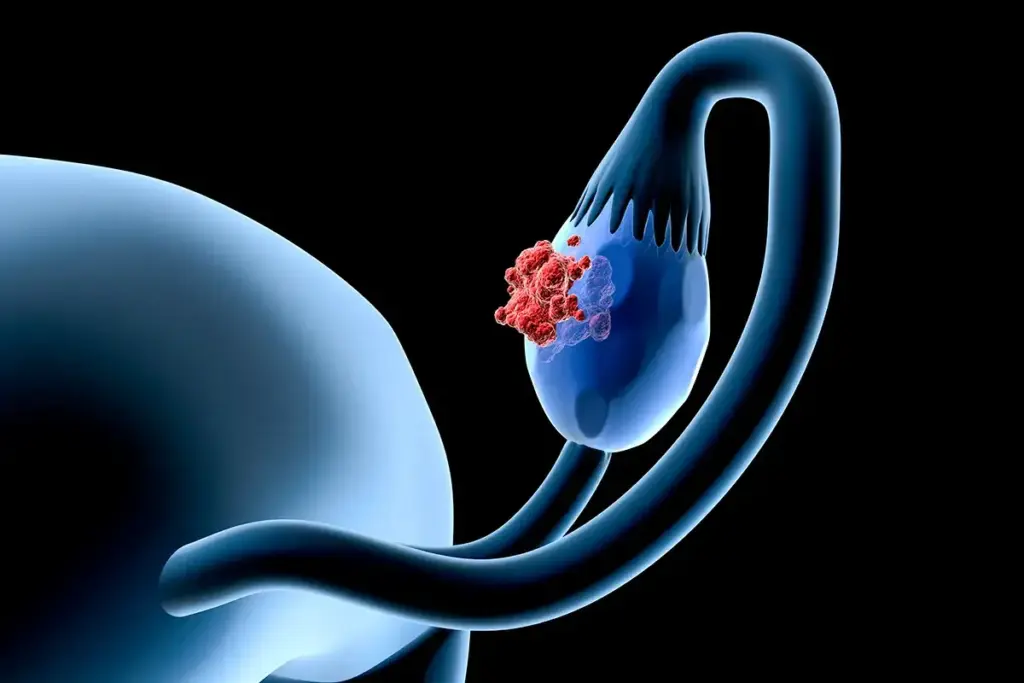
Ovarian cancer is a complex disease that affects thousands of women worldwide. It is mostly the epithelial type. We will explore its origins and global prevalence to understand its impact.
The Epithelial Origin of Most Ovarian Cancers
Epithelial ovarian cancers (EOCs) are the most common type, making up about four out of five cases. The epithelial origin of ovarian cancer is significant because it influences treatment approaches and prognosis. EOCs start from the epithelial cells on the ovaries or fallopian tubes. Knowing this is key for effective treatments.
Global Statistics and Incidence Rates
Ovarian cancer is among the top ten most common cancers in women worldwide. The ovarian cancer survival rate varies significantly depending on the stage at diagnosis and the type of ovarian cancer. The disease is more common in developed countries, showing the need for awareness and screening.
The Anatomy of Ovarian Cancer Development

Ovarian cancer starts with the ovaries and fallopian tubes. Knowing how these organs work helps us understand how cancer grows.
Structure of the Ovaries and Fallopian Tubes
The ovaries are oval-shaped and sit on each side of the uterus. They make eggs and hormones. The fallopian tubes connect the ovaries to the uterus, letting eggs travel. The outer layer of the ovaries and fallopian tubes is where most ovarian cancers start.
How Cancer Forms in Epithelial Cells
Cancer starts in epithelial cells when genes change. These changes can be caused by genes or the environment. Normal cells turn into cancer cells. These cells then grow and spread to other areas.
|
Cell Type |
Cancer Type |
Description |
|---|---|---|
|
Epithelial Cells |
Epithelial Ovarian Cancer |
The most common type, arising from the outer layer of the ovaries. |
|
Germ Cells |
Germ Cell Tumors |
Rare tumors that begin in the cells that produce eggs. |
Knowing how ovarian cancer starts is key to finding better treatments. Studies help improve how we treat ovarian cancer.
Types of Cancer Ovarian Cancer: The Dominance of Epithelial Origin
It’s important to know the different types of ovarian cancer to find the best treatments. Ovarian cancer is complex, with many types that have unique traits.
High-Grade Serous Carcinomas
High-grade serous carcinomas (HGSCs) are the most common and aggressive type of ovarian cancer. They are known for late diagnosis and poor prognosis. HGSCs often start in an advanced stage, making it hard to catch early. Scientists are working hard to understand HGSCs better to improve treatment.
Other Subtypes of Ovarian Cancer
While HGSCs are the most common, there are other types of ovarian cancer too. These include:
- Clear cell carcinomas
- Mucinous carcinomas
- Endometrioid carcinomas
Each type has its own characteristics and might need different treatments.
Risk Factors for Epithelial Ovarian Cancer
There are several risk factors for developing epithelial ovarian cancer. These include:
- Genetic mutations (e.g., BRCA1 and BRCA2)
- Family history of ovarian or breast cancer
- Reproductive factors, such as nulliparity or infertility
Knowing these risk factors helps us find who might need closer monitoring or preventive steps.
By understanding the different types of ovarian cancer and their risk factors, we can improve how we diagnose and treat them. The survival rate for stage 3 ovarian cancer and its prognosis depend on many things, like how well the treatment works and the patient’s health. Scientists are always looking for ways to make ovarian cancer curable, even in advanced stages.
Recognizing the Signs and Symptoms
It’s important to know the signs and symptoms of ovarian cancer. This knowledge can help improve survival rates and treatment outcomes. Ovarian cancer often has no symptoms in its early stages. So, it’s vital to be aware of its common signs and symptoms for early detection.
Early Warning Signs Often Missed
Ovarian cancer symptoms can be hard to spot because they are often similar to other health issues. Common early warning signs include:
- Pelvic or abdominal pain
- Bloating or increased abdominal girth
- Difficulty eating or feeling full quickly
- Urinary symptoms such as urgency or frequency
These symptoms can be mild and might be mistaken for other problems. This can lead to delays in getting a diagnosis. It’s important to know these signs and to see a doctor if they don’t go away.
When to Seek Medical Attention
If you notice any of these symptoms, it’s time to see a doctor:
|
Symptom |
Duration or Frequency |
|---|---|
|
Pelvic or abdominal pain |
Persists or worsens over time |
|
Bloating or abdominal girth increase |
Noticeable and persistent |
|
Difficulty eating or feeling full |
Occurs regularly |
Early detection is key to a higher ovarian cancer cure rate. If you’re experiencing any of these symptoms, talk to a healthcare professional for a detailed check-up.
Diagnosis and Staging of Epithelial Ovarian Cancer
Getting a correct diagnosis and knowing the stage of epithelial ovarian cancer is key. It helps doctors choose the right treatment. To diagnose this cancer, doctors use a few methods.
Diagnostic Procedures and Tests
There are several ways to find out if you have epithelial ovarian cancer. These include:
- Pelvic Examination: A detailed check of the pelvic area to look for any issues.
- Imaging Tests: Ultrasound, CT scans, and MRI to see the ovaries and find tumors.
- Laboratory Tests: Blood tests to check for tumor markers like CA-125.
- Biopsy: Taking tissue for a detailed look under a microscope.
Understanding the Staging System
The staging of epithelial ovarian cancer shows how far the cancer has spread. The FIGO (International Federation of Gynecology and Obstetrics) system is widely used:
- Stage I: Cancer is only in the ovaries.
- Stage II: Cancer has spread to the pelvis.
- Stage III: Cancer has spread outside the pelvis to other parts of the abdomen.
- Stage IV: Cancer has spread to distant organs.
Survival Rates by Stage
Survival rates for epithelial ovarian cancer depend on the stage at diagnosis. Here are the 5-year survival rates by stage:
|
Stage |
5-Year Survival Rate |
|---|---|
|
Stage I |
90% |
|
Stage II |
70% |
|
Stage III |
39% |
|
Stage IV |
17% |
Knowing the stage and survival rate helps in planning treatment and follow-up care.
Comprehensive Treatment Approaches
Ovarian cancer treatment is complex and needs a variety of approaches. The treatment choice depends on the cancer’s stage and type, and the patient’s health. We will look at surgical options, chemotherapy, targeted therapies, and immunotherapy. We will also talk about managing side effects and improving quality of life.
Surgical Interventions
Surgery is a key treatment for ovarian cancer. Surgical interventions aim to remove as much tumor as possible. We do procedures like hysterectomy and debulking surgery to get the best results.
The goal is to leave as little cancer behind as possible. This can improve the patient’s chances of recovery.
Chemotherapy Protocols
Chemotherapy uses drugs to kill cancer cells. Chemotherapy protocols for ovarian cancer include platinum and taxane drugs. We give chemotherapy through an IV or directly into the abdomen.
Targeted Therapies and Immunotherapy
Targeted therapies and immunotherapy are new ways to fight ovarian cancer. Targeted therapies target specific cancer growth factors. Immunotherapy uses the immune system to fight cancer cells.
We use treatments like PARP inhibitors and checkpoint inhibitors to improve treatment results.
Managing Side Effects and Quality of Life
It’s important to manage side effects and keep quality of life high. We offer supportive care like pain management and nutritional counseling. This helps patients deal with treatment side effects.
“The goal of treatment is not only to cure the disease but also to improve the patient’s quality of life.”
, says a renowned oncologist.
Prevention and Screening Strategies
Knowing the risks and taking action can help prevent ovarian cancer. By understanding what increases the risk and taking steps to lower it, people can reduce their chance of getting this disease.
Genetic Testing and Counseling
Genetic testing is key in finding those at high risk for ovarian cancer. BRCA1 and BRCA2 gene mutations are big risk factors. Testing can show if you have these mutations.
Counseling is a big part of genetic testing. It helps people understand their health risks and make choices about their future. For those with a family history of ovarian or breast cancer, counseling offers a personalized risk assessment and advice on how to stay safe.
Lifestyle Factors and Preventive Measures
Some lifestyle choices can also affect ovarian cancer risk. Keeping a healthy weight can help lower the risk. Using oral contraceptives has also been linked to a lower risk of ovarian cancer.
It’s also important to know about the risks of hormone replacement therapy. Talking to a healthcare provider about these risks is key.
By knowing about genetics and making healthy lifestyle choices, people can lower their risk of ovarian cancer. Regular health check-ups and talking to doctors are also important for early detection and prevention.
Liv Hospital’s Multidisciplinary Approach to Ovarian Cancer
Our team at Liv Hospital is committed to fighting ovarian cancer with a team effort. We know that each patient’s needs are different. So, we create a treatment plan that’s just right for them.
State-of-the-Art Diagnostic and Treatment Protocols
At Liv Hospital, we use the latest tools and methods to help our patients. Our advanced facilities and equipment help us make accurate diagnoses and effective treatments. Our team works together to make personalized treatment plans that might include surgery, chemotherapy, and targeted therapy.
International Standards and “5-Star Tourism Healthcare”
Liv Hospital aims to provide top-notch healthcare that meets global standards. We support international patients, making sure they have a comfortable and stress-free stay. Our “5-Star Tourism Healthcare” services offer language support, accommodation help, and personalized care for patients from all over.
Patient Success Stories and Outcomes
We’re proud of the success stories from our ovarian cancer patients at Liv Hospital. Our team’s approach has greatly improved survival rates and quality of life for our patients. We keep working to make our treatment even better for our patients.
Conclusion: Advances and Hope in Ovarian Cancer Care
Recent studies have greatly improved our understanding of ovarian cancer. They show that most cases start in the cells lining the fallopian tubes or ovaries. The National Cancer Institute found that the most common type of ovarian cancer starts in the fallopian tubes, not the ovaries.This new knowledge is leading to better research and treatments.
PARP inhibitors have changed treatment for advanced epithelial ovarian cancer with harmful BRCA gene mutations. Clinical trials show that long-term use of PARP inhibitors can slow cancer growth. Also, removing fallopian tubes before the ovaries is being tested to lower cancer risk in women with BRCA1 mutations.
These advances bring hope to ovarian cancer care, helping patients live better lives. As we keep looking for new treatments, the future of ovarian cancer care is bright. We’re dedicated to giving top-notch healthcare and support to patients from around the world, helping them recover.
FAQ
What is the most common origin of ovarian cancer?
Most ovarian cancers start from the epithelial cells. These cells cover the outer surface of the ovaries.
What are the different subtypes of ovarian cancer?
Ovarian cancer is diverse. The main types are high-grade serous carcinomas, clear cell carcinoma, endometrioid carcinoma, and mucinous carcinoma.
What are the risk factors for epithelial ovarian cancer?
Genetic mutations, family history, and reproductive factors increase risk. Lifestyle choices also play a role.
What are the common signs and symptoms of ovarian cancer?
Signs include abdominal bloating, pelvic pain, and feeling full quickly. Urinary urgency or frequency is also common.
How is ovarian cancer diagnosed and staged?
Diagnosis involves imaging tests, biopsy, and surgery. The FIGO staging system is used to stage it.
What are the treatment options for ovarian cancer?
Treatments include surgery, chemotherapy, targeted therapies, and immunotherapy. The choice depends on the disease’s stage and type.
What is the ovarian cancer survival rate by stage?
Survival rates vary by stage. Stage I has a better rate than stages III and IV.
Is ovarian cancer curable?
Early detection and treatment can cure ovarian cancer. Advanced stages require a more complex treatment plan.
What is the importance of genetic testing and counseling in ovarian cancer?
Genetic testing and counseling help identify high-risk individuals. They offer personalized prevention and screening strategies.
How does Liv Hospital approach ovarian cancer treatment and management?
Liv Hospital uses a multidisciplinary approach. It includes advanced diagnostic and treatment protocols, international standards, and support for international patients.
What are the advances in ovarian cancer care?
Advances include better diagnostic tools, targeted therapies, and immunotherapy. These offer hope for better outcomes and quality of life.
What is the stage 4 ovarian cancer survival rate?
The survival rate for stage 4 ovarian cancer varies. It depends on age, overall health, and treatment response.
What is the stage 3 ovarian cancer prognosis?
The prognosis for stage 3 ovarian cancer depends on disease spread and treatment response.
Reference
National Center for Biotechnology Information. Evidence-Based Medical Insight. Retrieved from