When some cancer treatments are underway, patients are often told to stay away from fresh fruit. This is because treatments like chemotherapy and radiation can make the immune system weak. This weakness makes it easier for infections from bacteria or other organisms in foods to take hold.
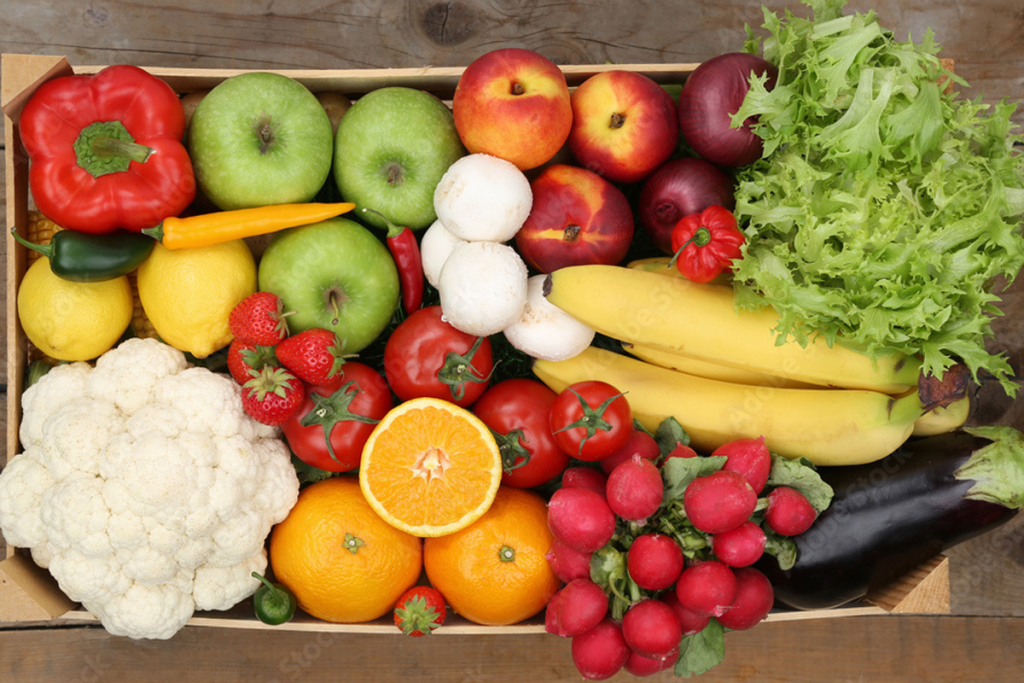
We know that sticking to a strict diet can be tough. But it’s really important to think about both getting enough nutrients and avoiding infections. Some foods, including fresh fruits, might have bacteria or fungi that could harm someone with a weak immune system. Learn the crucial details about cancer patient fresh fruit safety and the major infection risks associated with a neutropenic diet.
Key Takeaways
- Cancer treatments can weaken the immune system.
- Fresh fruit may pose an infection risk due to bacteria or fungi.
- Dietary restrictions are key during certain cancer treatments.
- Balancing nutrition and infection risk is essential.
- Knowing which foods to avoid during chemo can help manage risks.
The Relationship Between Cancer Treatment and Immune Function
Cancer treatments like chemotherapy and radiation really affect the immune system. They make it harder for the body to fight off infections. This can lead to many health problems for cancer patients.
How Cancer Treatments Affect the Immune System
Cancer treatments aim to kill fast-growing cells, including some immune cells. This can weaken the immune system. Neutropenia, a low neutrophil count, is a common side effect.
When talking about diet for cancer patients, we must think about these immune changes. Fresh fruits are good for health, but they might not be safe for patients on treatment. This is because of the risk of contamination.
Understanding Neutropenia and Immunosuppression
Neutropenia and immunosuppression raise the risk of infections in cancer patients. Neutropenia is a low neutrophil count. Immunosuppression is a broader term for immune dysfunction. Patients with these conditions need to be careful with their food choices.
- Key Considerations:
- Avoiding foods that are high-risk for contamination, such as raw or undercooked fruits and vegetables.
- Opting for cooked or processed alternatives when possible.
- Follow strict food handling and preparation guidelines to reduce exposure to pathogens.
For cancer patients, knowing how their treatment affects their immune system is key. It helps them make better diet choices. By understanding the risks and taking precautions, patients can manage their treatment better.

Cancer Patient Fresh Fruit Safety: The Core Concerns
Fresh fruit safety is a big worry for cancer patients because their immune systems are weak. When they’re getting cancer treatment, they’re more likely to get sick from contaminated fruits.
Bacterial and Fungal Contamination Risks
Fresh fruits can carry harmful germs like Salmonella, E. coli, and Listeria. These germs can cause serious infections in people with weak immune systems.
Key risks include:
- Contamination during handling and storage
- Inadequate washing practices
- Cross-contamination from other foods or surfaces
Why Even Washed Fruits May Pose Risks
Even if fruits are washed, they can be risky for cancer patients. Washing might not get rid of all germs, like if the fruit is already contaminated inside. Or if the washing isn’t done right.
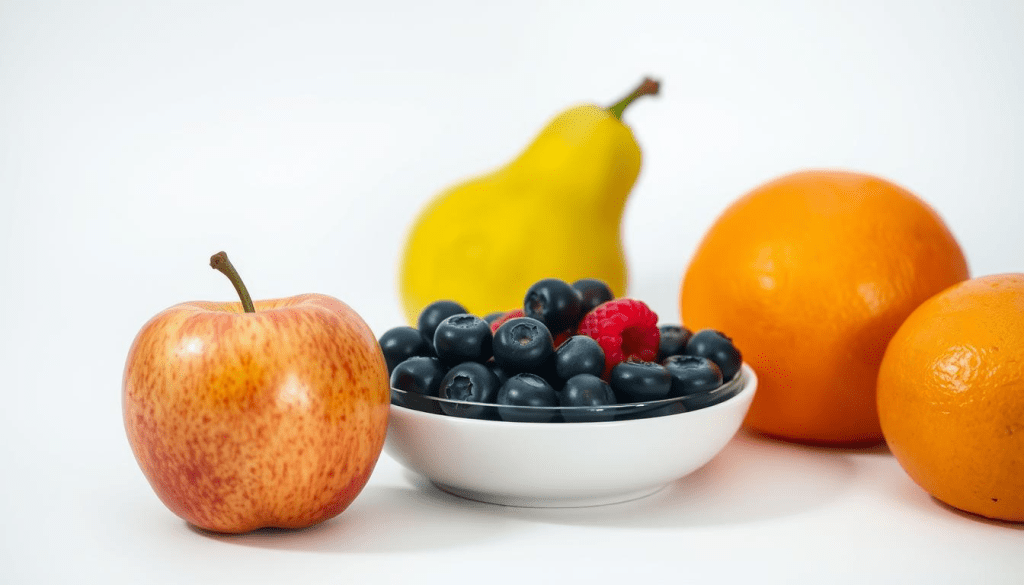
Some fruits are riskier than others. For example, fruits with lots of surface area or that get contaminated easily, like berries, are riskier. Low sugar fruits that are safe for cancer patients include:
- Citrus fruits like oranges and grapefruits
- Canned fruits, which are heated during canning, kill bacteria
- Cooked fruits, which can be a safer choice
To lower risks, cancer patients can try eating cooked or canned fruits instead. It’s also important to handle and prepare fruits properly.
The Neutropenic Diet Explained
When cancer patients are immunocompromised, a neutropenic diet helps lower infection risk. This diet is made to avoid harmful bacteria in some foods.
Foods Typically Restricted
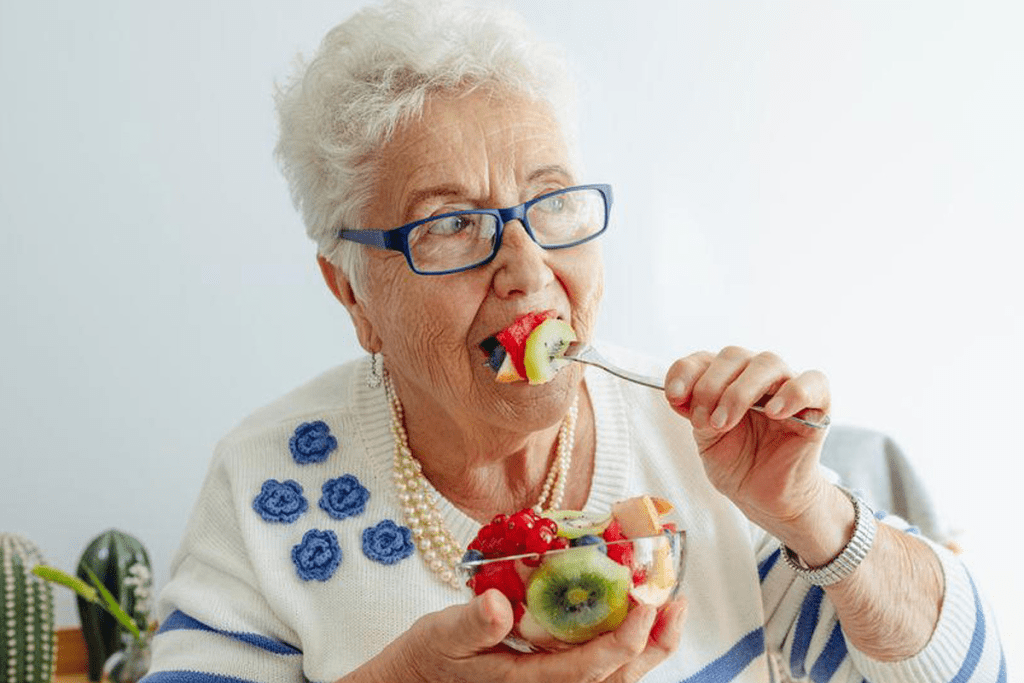
A neutropenic diet limits foods that can cause infections. These include raw or undercooked fruits and veggies, unpasteurized dairy, and raw meats. Raw fruits are very risky because they can have Salmonella or E. coli.
We suggest cancer patients stay away from:
- Raw or unwashed fruits and vegetables
- Unpasteurized juices and dairy products
- Raw or undercooked meats, eggs, and fish
By skipping these foods, patients can lower their risk of getting sick from food.
Historical Development of Neutropenic Diet Guidelines
The neutropenic diet started because cancer patients on chemo or bone marrow transplants get sick easily. These diets were made to help these patients avoid infections.
At first, these diets were based on what experts thought was best. But as research grew, so did the diet’s rules. Recent studies have questioned some of these rules, saying they might not be as strict as needed.
Even with changing rules, the main goal of the diet is to keep patients safe from harmful germs. As we learn more about fighting cancer, so will the diet’s advice.
Current Medical Research on Fruit Consumption During Cancer Treatment
Cancer patients often have to follow strict diets. But new research is changing how we think about fruit during treatment. It’s now clear that fresh fruit might not be as bad as we thought.
The 2011 Review on Neutropenic Diets
A big change came in 2011 with a review of neutropenic diets. This study questioned the idea that very strict diets prevent infections in neutropenic patients. It found that the old diets might not be as effective as we thought.
Recent Studies Challenging Traditional Restrictions
New studies are pushing back against old rules about fruit for cancer patients. They show that while some fruits can be risky, the danger can be lowered by proper handling. For example, washing fruits well and avoiding damaged ones is key.
The idea of “cancer killer juice” is getting more attention. Some people think certain juices can fight cancer. But, it’s important for patients to talk to their doctors before trying these juices.
Finding the “best juice for chemo patients” can be tough. Different juices work better for different people, based on their symptoms and treatment. For example, juices that are easy to digest and not too acidic might be better.
When thinking about “meals for cancer patients,” adding fruits safely is important. Patients and their caregivers need to learn how to handle food safely. This includes storing, washing, and preparing fruits correctly.
As research keeps growing, we’re learning more about fruits in cancer diets. This change is important for making sure patients get the nutrients they need from fruits. It also helps reduce the risks.
Official Guidelines from Cancer Organizations
Cancer organizations have set guidelines for fresh fruit safety in cancer patients. These guidelines help patients know which fruits are safe to eat during treatment.
National Comprehensive Cancer Network Recommendations
The National Comprehensive Cancer Network (NCCN) offers dietary advice for cancer patients. They warn that fresh fruit can pose a risk of infection. This is because of bacteria or fungi on the fruit.
The NCCN advises:
- Wash fresh fruits well before eating.
- People with weak immune systems should avoid fruits with rough skins.
- Canned or cooked fruits are safer choices.
American Cancer Society Stance on Fresh Produce
The American Cancer Society (ACS) also gives advice on eating fresh produce during cancer treatment. They highlight the need for proper food handling to avoid foodborne illnesses.
ACS key tips include:
- Wash your hands before touching fruits.
- Rinse fruits under running water to remove dirt and bacteria.
- Dry fruits with a clean towel or paper towel to reduce moisture.
Both organizations agree that while fresh fruits are good for cancer patients, safety comes first. By following these guidelines, patients can enjoy fruits’ nutritional benefits while avoiding risks.
Summary of Key Points:
- Thoroughly wash fresh fruits before eating.
- Avoid fruits that are hard to clean, especially if you have a weakened immune system.
- Consider canned or cooked fruits as safer options.
- Practice good hygiene when handling fruits.
When Fruit Restrictions Are Most Critical
The safety of eating fresh fruit for cancer patients depends on their treatment phase and immune status. Treatments like chemotherapy and stem cell transplants weaken the immune system. This makes patients more likely to get infections.
“Patients undergoing intensive treatments are at a higher risk of developing infections from contaminated food sources,” recent medical guidelines say. It’s important to know the risks during different treatment phases for cancer patients.
High-Risk Treatment Phases
Some cancer treatment phases are riskier for infections. For example, during chemotherapy, the body can’t fight off infections well. This is true for patients on intensive chemotherapy regimens or those who have had a stem cell transplant.
The National Cancer Network says, “Patients with neutropenia, a condition of low white blood cell counts, are at higher risk of infection. They may need to avoid fresh fruits that could be contaminated with harmful bacteria or fungi.”
Patient-Specific Risk Factors
Individual factors also affect the risk of eating fresh fruit. Patients with neutropenia or who are immunosuppressed should stick to a more restricted diet.
- Patients with a history of allergic reactions or sensitivities may need to avoid certain fruits.
- Those with compromised digestive systems may need to adjust their fruit consumption.
- Older adults or patients with comorbidities may require more stringent dietary controls.
By understanding these factors and working with their healthcare providers, cancer patients can make better diet choices. This helps balance nutrition needs with infection risks during treatment.
“Eating the right foods can help manage treatment side effects and support recovery,” cancer nutrition guidelines say. It’s key to tailor dietary advice to each patient’s needs and treatment phase.
Safe Food Handling Practices for Cancer Patients
For those with cancer, it’s key to handle food safely. Their immune systems are weaker, making them more prone to foodborne illnesses. So, it’s important to follow safe food handling to avoid infections.
Proper Washing and Preparation Techniques
Washing fruits and veggies well is a must to cut down on contamination risks. Rinse all produce under running water, even if you’re going to peel it. Use a vegetable brush to scrub firm-skinned fruits and veggies to remove dirt and bacteria.
After washing, dry the produce with a clean towel or paper towel. This step helps reduce bacterial contamination.
When preparing fruits, use clean utensils and cutting boards. Sanitize cutting boards after each use, like after handling raw meat, poultry, or seafood. A good diet for cancer includes fruits and veggies, but they must be handled safely.
Kitchen Hygiene and Cross-Contamination Prevention
Keeping your kitchen clean is vital for cancer patients. Clean and sanitize countertops, sinks, and utensils often to lower cross-contamination risks. Use separate cutting boards for different foods to stop bacteria from spreading.
Also, make sure all kitchen tools and equipment are clean and stored properly. Check food expiration dates and throw away expired or bad food. Cancer patients should eat low-sugar food that is ok for cancer patients as part of their diet.
Alternative Ways to Consume Fruits During Cancer Treatment
When fresh fruits are not safe during cancer treatment, there are other ways to get their benefits. Fresh fruits can sometimes be risky because of contamination. But there are safer ways to get the nutrients without the risks.
Cooked Fruit Options
Cooking fruits is a great way to enjoy their health benefits while avoiding contamination. Cooked fruits like apples, pears, or berries are safe when cooked right. Baking or stewing can make them easier to digest for those going through treatment.
Canned and Frozen Alternatives
Canned and frozen fruits are also good choices. Canned fruits are heated to kill bacteria and are packed in their own juice. Frozen fruits, if washed before freezing, keep most of their nutrients. Just make sure to check the labels for added sugars or preservatives.
Safe Juicing Practices
For those who like fruit juices, it’s important to juice safely. Use a juicer that’s clean and sanitized to avoid contamination. Choose juices that are pasteurized or made from canned or frozen fruits. Some juices, called “cancer killer juice,” might be helpful, but always talk to your doctor first.
Finding the best juice for chemo patients means looking at their nutritional needs and safety. Juices with antioxidants, like those from berries or citrus, are good. But how you make them is key to staying safe.
Eating a variety of good fruits, even if not fresh, can help with a balanced diet during treatment. Always talk to your healthcare team for advice on what to eat.
Nutritional Benefits of Fruits for Cancer Recovery
Fresh fruits are full of nutrients that help the body heal during cancer treatment. They offer important vitamins, minerals, and antioxidants. These can aid in cancer recovery and boost overall health.
Antioxidants and Cancer-Fighting Compounds
Fruits are loaded with antioxidants, which protect cells from harm. Berries like blueberries and strawberries are super high in antioxidants. Oranges, grapes, and pineapples also have lots of antioxidants and compounds that fight cancer.
Key antioxidants found in fruits include:
- Vitamin C
- Vitamin E
- Beta-carotene
- Polyphenols
How Fruit Consumption May Improve Treatment Outcomes
Eating fruits as part of a balanced diet can help cancer patients. The nutrients and antioxidants in fruits boost the immune system. They also reduce inflammation and support overall health.
Some ways fruit consumption may benefit cancer patients include:
- Enhancing immune function
- Reducing treatment side effects
- Supporting overall nutritional status
To illustrate the variety of fruits beneficial for cancer patients, consider the following image:
Special Considerations for Patients with Specific Symptoms
Patients with cancer may face unique challenges when it comes to eating. This includes how much fruit to eat. Cancer treatments can cause side effects that affect how we eat and what we eat. We’ll look at how to handle fruit intake when dealing with mouth sores, swallowing problems, and digestive issues.
Managing Fruit Consumption with Mouth Sores
Mouth sores, or mucositis, are common during cancer treatment. It’s important to pick soft fruits for the mouth and throat. Soft fruits like bananas and avocados are good choices. Avoid citrus fruits and those with small seeds or rough textures that can irritate sores.
Blending fruits into smoothies or pureeing them can make eating easier. Using a straw can also help avoid touching sores in the mouth with the fruit.
Adjusting Diet for Swallowing Difficulties
Some patients have trouble swallowing, or dysphagia, due to treatment. It’s important to change the texture of fruits to make them easier to swallow. Cooking or pureeing fruits can help. Avoid eating fresh fruits that are hard or have sharp edges.
For swallowing problems, choose soft fruits like ripe mangoes or cooked apples. These are easier to manage.
Digestive Issues and Fruit Tolerance
Cancer treatments can cause digestive problems like diarrhea or constipation. Patients need to pick fruits that help with these issues. For example, bananas are good for diarrhea because they’re easy to digest and full of potassium.
Patients with constipation might find relief in fruits high in fiber, like prunes or berries. It’s important to watch how your body reacts to different fruits and adjust your diet as needed.
By paying attention to their symptoms and adjusting their fruit intake, cancer patients can meet their nutritional needs during treatment.
Conclusion: Balancing Nutrition and Safety During Cancer Treatment
Cancer patients often struggle with eating fresh fruits during treatment. Fruits are key for nutrients, but they can also be risky due to contamination. We’ve looked into how cancer treatment and fruit eating interact, showing the importance of balancing nutrition and safety.
The secret to cancer patient fresh fruit safety is knowing the risks of different treatments. Patients on treatments like chemotherapy need to be extra careful with their diet. This includes being cautious with fresh fruits.
Finding foods good for cancer patients means looking at their nutritional value and risks. Cooked, canned, or frozen fruits are safer than fresh ones. They offer important nutrients without the risk of harmful bacteria or fungi.
Creating the best diet for cancer patients needs a personal touch. It depends on the cancer type, treatment, and patient needs. Healthcare providers are key in helping patients make smart diet choices during treatment.
By knowing the risks and taking steps to avoid them, cancer patients can enjoy fruits’ nutritional benefits. This way, they can reduce their exposure to harmful hazards.
FAQ
Why are cancer patients advised to be cautious with fresh fruits during treatment?
Cancer patients need to watch out for fresh fruits because their immune systems are weak. This makes them more likely to get sick from bacteria and fungi on fruits.
What is neutropenia, and how does it affect dietary choices?
Neutropenia means having too few neutrophils, a key white blood cell. It makes eating choices stricter to avoid getting sick from food.
Are all fresh fruits risky for cancer patients?
Not all fruits are the same risk for cancer patients. The danger depends on the fruit type, how it’s handled, and the patient’s health. Fruits that are hard to clean or have a high risk of contamination are riskier.
How can cancer patients safely consume fruits during treatment?
To safely eat fruits, cancer patients should wash and prepare them well. Choose fruits that are easy to clean. Also, consider cooked, canned, or frozen fruits when fresh ones are not safe.
What are some alternative ways to consume fruits if fresh fruits are not advised?
If fresh fruits are not safe, try cooked fruits, canned, or frozen ones. Safe juicing is also an option. These alternatives can give you the nutrients you need without the risk of infection.
Can cancer patients with mouth sores or swallowing difficulties consume fruits?
Yes, but they might need to eat softer fruits. Avoid acidic or rough fruits to not make mouth sores worse.
Are there specific fruits that are considered safer or more beneficial for cancer patients?
Some fruits are better because they have antioxidants and compounds that fight cancer. But the safety of a fruit depends more on how it’s handled than its type.
How do official cancer organizations guide fruit consumption during cancer treatment?
Groups like the National Cancer Institute and the American Cancer Society give food safety tips. They suggest fruits based on the latest research and what’s best for each patient.
What nutritional benefits do fruits offer to cancer patients?
Fruits are full of antioxidants, compounds that fight cancer, and vitamins and minerals. They help improve treatment results and aid in recovery.
How can kitchen hygiene practices impact the safety of fruits for cancer patients?
Keeping a clean kitchen is key. Wash fruits and utensils well, avoid cross-contamination, and store food right. This helps lower the risk of getting sick from fruits and other foods.
References
- Seitz, A., & Ajmera, R. (2024). Fruits to eat during and after cancer treatment. Healthline.https://www.healthline.com/nutrition/fruits-for-cancer-patients
- American Cancer Society. (2024). Food safety during cancer treatment.https://www.cancer.org/cancer/survivorship/coping/nutrition/weak-immune-system.html
- Bucks Healthcare NHS Trust. (2025). Food safety for people having chemotherapy (systemic anti-cancer therapy).https://www.buckshealthcare.nhs.uk/pifs/food-safety-for-people-having-chemotherapy/
- MedlinePlus. (2024). Safe eating during cancer treatment.https://medlineplus.gov/ency/patientinstructions/000061.htm
- Stanford Health Care. (2025). Food safety during cancer treatment.https://stanfordhealthcare.org/medical-clinics/cancer-nutrition-services/during-cancer-treatment/food-safety-during-cancer-treatment.html