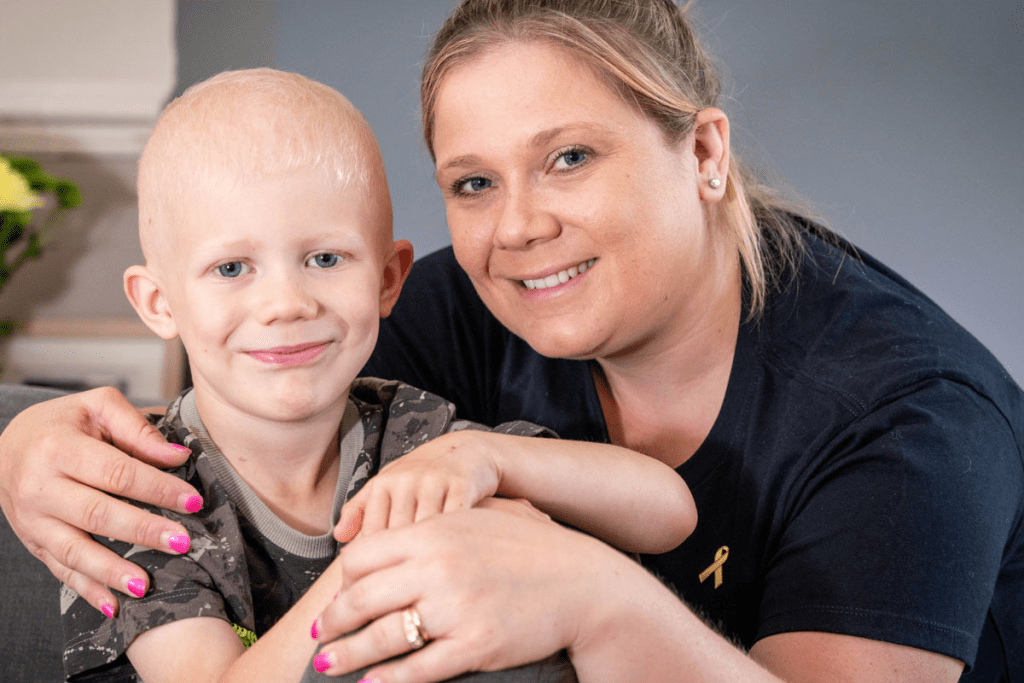
Getting a cancer diagnosis for a child is very tough. It can be a huge shock, even if you had some worries beforehand. This news changes everything, making it key to take special steps for their survival and health. What precautions might we take in a child? Get the crucial and powerful list of infection control precautions for young cancer patients during treatment.
When we start the cancer journey with our child, we must be ready for what’s coming. Around the world, about 9,550 kids (ages 0“14) and 5,140 teens (15“19) will get cancer in 2025. We need to take detailed steps at every stage to keep them safe and their family too.
Key Takeaways
- Comprehensive precautions are essential for children diagnosed with cancer.
- A multidisciplinary approach to care is vital for their well-being.
- Families need support throughout the cancer journey.
- Specialized care can significantly improve survival rates.
- Long-term vigilance is necessary to manage unique health risks.
Understanding Childhood Cancer: Statistics and Overview
Many families face the reality of cancer in children. It’s a rare but significant health issue worldwide. Knowing the current stats, common types, and early precautions is key.
Current Prevalence and Survival Rates
Childhood cancer is rare but has a big impact. The 5-year survival rate for kids with cancer is now about 86%. But, 60% to 90% of survivors face chronic health issues, with 20% to 80% facing severe effects.
This shows why treating cancer and caring for long-term effects are both important.
Common Types of Childhood Cancer
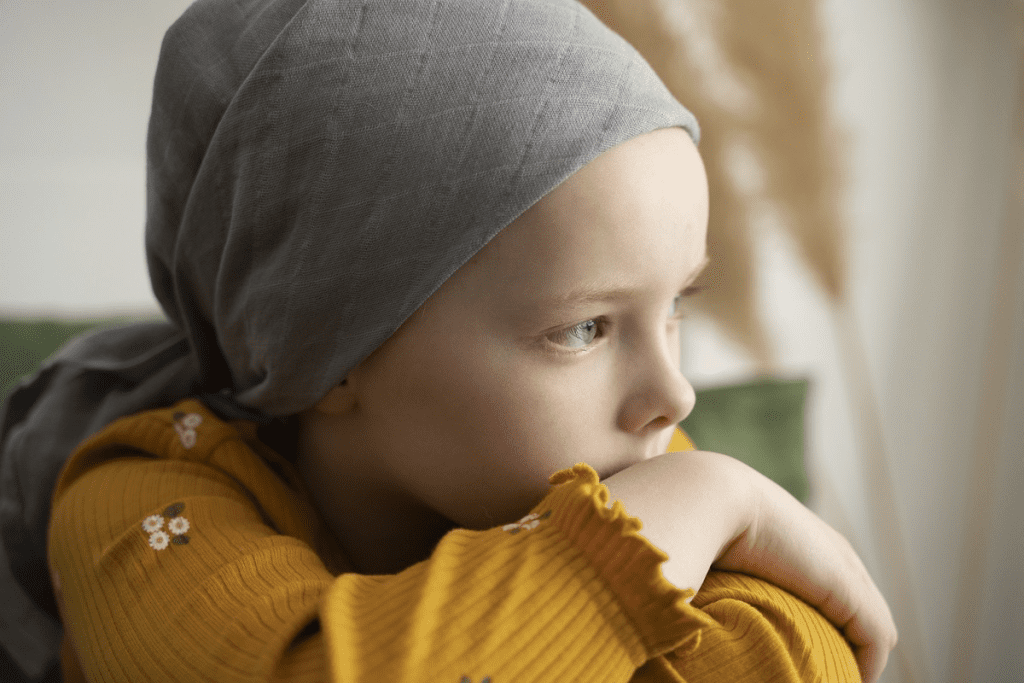
Childhood cancer includes many types, with leukemia being the most common. It makes up about 30% of childhood cancers. Other types are brain tumors, neuroblastoma, Wilms tumor, and lymphoma.
Knowing these types helps with early diagnosis and treatment. Each cancer type needs its own care plan.
The Importance of Early and Appropriate Precautions
Early diagnosis and the right precautions are key in fighting childhood cancer. The care team is essential in supporting families. They help from diagnosis to treatment and beyond.
Understanding the disease helps families make informed decisions. A team approach, including doctors, family support, and education, is vital for care.
Medical Precautions During Initial Diagnosis
When a child is diagnosed with cancer, the initial diagnosis is a critical period. It requires careful medical precautions. This phase is key to determining the best treatment and ensuring the child’s well-being.
This can be a challenging time for families. It’s essential to provide support and care during this period.
Comprehensive Testing and Accurate Staging
Comprehensive testing is vital during the initial diagnosis. It helps understand the extent and nature of the cancer. Various diagnostic tests, including imaging studies and biopsies, are used to accurately stage the cancer.
Accurate staging is important. It helps the medical team develop an effective treatment plan tailored to the child’s specific needs.
Accurate diagnosis and staging enable healthcare providers to identify the most appropriate treatment options. We work closely with families to ensure they understand the diagnosis and the recommended treatment plan.

Seeking Second Opinions
Seeking second opinions is a common and recommended practice during the initial diagnosis phase. It allows families to confirm the diagnosis and explore alternative treatment options. We encourage families to seek additional opinions from specialists.
A second opinion can provide reassurance. It helps families feel more confident in the chosen treatment plan. It’s an important aspect of navigating the complexities of cancer care and ensuring the child receives the most appropriate treatment.
Establishing a Multidisciplinary Medical Team
Establishing a multidisciplinary medical team is critical during the initial diagnosis. This team includes various healthcare professionals, such as oncologists, surgeons, radiologists, nurses, social workers, and psychologists. They work together to provide complete care.
By working together, the medical team can develop a cohesive treatment plan. This plan considers all aspects of the child’s health. Regular monitoring for growth, organ function, and secondary cancers is also important. It enables early detection and intervention if any issues arise.
Treatment-Related Precautions for Young Cancer Patients
When a child is diagnosed with cancer, we must carefully plan their treatment. This includes surgery, chemotherapy, and other methods. It’s important to talk openly with your child about their treatment.
Chemotherapy Considerations
Chemotherapy is a common treatment for kids with cancer. We focus on managing side effects like nausea and hair loss. It’s also important to watch their blood counts closely.
If your child is getting chemotherapy, remember, “Let’s manage the side effects together.” Understanding the role of chemotherapy is key.
Radiation Therapy Safeguards
Radiation therapy targets cancer in specific areas. It’s vital to deliver it precisely to avoid harming healthy tissues. Kids who get radiation to the head may face long-term risks.
Knowing these risks helps families make better decisions. It gives them a sense of control.
Surgical Intervention Precautions
Surgery is used to remove tumors. Care before and after surgery is critical to avoid complications. The surgery’s location and extent can affect long-term effects.
Children who have had certain treatments face higher risks. Tailoring precautions to each child’s situation is essential. If you’re wondering, “I have cancer now, what?” – knowing these precautions helps.
Stem Cell Transplant Precautions and Monitoring
Stem cell transplant is a complex procedure for cancer patients. It requires careful preparation and monitoring. This treatment is used for certain cancers, and its success depends on many factors.
Pre-Transplant Evaluations and Preparations
Before a stem cell transplant, patients need thorough evaluations. These tests check organ function, screen for infections, and assess cancer response. We prepare patients by:
- Reviewing their medical history
- Running necessary tests
- Checking their physical and emotional readiness
At Liv Hospital, we follow the latest protocols and international standards. We create a detailed cancer diagnosis letter. This letter outlines the patient’s condition, treatment plan, and other important information in a PDF format.
Infection Prevention During Transplantation
Patients are at high risk for infections during the transplant. We take several precautions, including:
- Using prophylactic antibiotics and antiviral medications
- Practicing strict hygiene in the treatment area
- Monitoring patients for infection signs
Long-term Monitoring Post-Transplant
After the transplant, long-term monitoring is key. We watch for complications or late effects. This includes regular check-ups, immune system monitoring, and GVHD or cancer recurrence detection. We stress the importance of:
- Regular appointments with the healthcare team
- Following medication and care plans
- Living a healthy lifestyle
By focusing on stem cell transplant precautions and monitoring, we improve cancer patient outcomes. Our goal is to provide personalized care for the best results.
Managing Immune System Vulnerability
It’s very important to manage a child’s immune system when they have cancer. Treatment can make their immune system weaker. This makes them more likely to get sick.
We need to find ways to keep them safe from infections. This is key to helping them stay healthy.
Infection Prevention Strategies
Keeping hands clean is a big part of preventing infections. Frequent handwashing is a must. Do it after using the bathroom, before eating, and after coughing or sneezing.
Also, try to avoid people who are sick. And stay away from crowded places, like during flu season.
Cleaning the environment is also important. Clean surfaces and toys often. Use soap and water first, then a disinfectant to kill germs.
Vaccination Considerations
Vaccines are very important for keeping infections away. But kids with cancer need special care with vaccines. Live vaccines are usually not given during treatment because they can cause problems.
Talk to the child’s doctor about vaccines. They will help decide the best schedule based on the child’s cancer and treatment.
Make sure family and caregivers are also up-to-date on their vaccines. This helps keep the child safe from getting sick.
Environmental Controls at Home and School
Keeping the home and school environment safe is key. Remove plants or flowers that can grow mold. This is dangerous for kids with weak immune systems.
Good air flow and a clean place are also important. At school, try to keep the child away from big groups. Work with the school to find a safe spot for them.
Nutritional Precautions and Support
When a child is diagnosed with cancer, getting the right nutrition is key. It helps them recover and stay healthy during treatment.
Maintaining Adequate Nutrition During Treatment
It’s hard to keep up with nutrition during cancer treatment. But it’s very important. It helps their immune system and makes them stronger. A balanced diet with proteins, fats, and carbs is best. A well-nourished child can better handle treatment.
Parents often wonder how to help with nutrition. We suggest eating a variety of foods and being flexible with meals. Children might have different tastes and cravings during treatment. Always talk to a healthcare provider or nutritionist for specific advice.
Managing Treatment-Related Dietary Challenges
Treatment can cause nausea, vomiting, and changes in taste. To manage these, plan meals carefully. Eating small meals often can help with nausea. Choosing foods like bananas, rice, and applesauce can also help.
Supplementation When Necessary
Some children might need extra nutrition during treatment. This could be in the form of supplements or feeding tubes. Always work with a healthcare team to decide the best option. Supplements should only be given with a doctor’s approval.
“Nutrition plays a vital role in supporting children during cancer treatment. Maintaining adequate nutrition, managing treatment-related dietary challenges, and supplementation when necessary are all important to meet the child’s nutritional needs.”
Getting a cancer diagnosis is a big change for the whole family. While it’s hard to know what to do, focusing on nutrition can help. It gives a sense of control and strength during a tough time. It’s okay to ask for help from healthcare professionals.
Monitoring for Late Effects in Cancer Patients
When a child is diagnosed with cancer, the journey doesn’t end with treatment. It extends into a period of careful monitoring for late effects. Nearly 60% to 90% of survivors develop at least one chronic health condition. Long-term monitoring is essential to detect late effects, ensuring their overall health and well-being.
Endocrine and Growth Complications
One of the critical areas of focus is endocrine and growth complications. Cancer treatment can affect the endocrine system, leading to issues such as growth hormone deficiency, thyroid problems, and pubertal disorders. We must closely monitor children’s growth and development, addressing any concerns promptly to mitigate long-term effects.
Key areas to monitor include:
- Growth rates and developmental milestones
- Thyroid function and hormone levels
- Pubertal development and any abnormalities
Cardiovascular Monitoring
Cardiovascular late effects are also a significant concern. Certain cancer treatments, such as anthracyclines and radiation therapy to the chest, can increase the risk of cardiovascular disease. We recommend regular cardiovascular monitoring, including:
- Echocardiograms to assess heart function
- Blood pressure monitoring
- Lipid profile checks
As emphasized by a study, “Survivors of childhood cancer are at increased risk for cardiovascular disease, highlighting the need for long-term follow-up care” (
Source: Childhood Cancer Survivor Study
).
Cognitive and Neurological Assessment
Cognitive and neurological late effects can significantly impact a child’s quality of life. We need to assess and address any issues related to cognitive function, learning disabilities, and neurological deficits. This includes:
- Regular neuropsychological evaluations
- Educational support and accommodations as needed
- Monitoring for signs of neurological problems, such as seizures or neuropathy
By being proactive and vigilant, we can help children who have been diagnosed with cancer lead healthier, more fulfilling lives. As we continue to advance in cancer care, it’s essential to prioritize long-term monitoring and support for survivors.
Psychological and Emotional Precautions
Getting a cancer diagnosis for a child is a big change. It needs quick emotional and psychological help. The fight against childhood cancer is tough, both medically and emotionally for the child and their family.
Communicating Effectively with Your Child
Telling your child about their diagnosis should be done in a way they can understand. Being honest and clear is important. Using simple and reassuring words helps them grasp what’s happening.
- Younger kids need basic ideas and reassurance of your support.
- Older kids and teens should get more details and be part of their care talks.
Supporting Mental Health
Keeping your child’s mental health strong is key during treatment. Talking openly about their feelings and fears helps them deal better.
- Watch for signs of anxiety or depression.
- Keep them involved in fun activities to feel normal.
- Think about getting professional counseling if it’s needed.
Family Counseling and Support Systems
Families facing childhood cancer really benefit from counseling and support. Family therapy helps everyone deal with the diagnosis and treatment together.
- Support groups for families offer a sense of community and understanding.
- Counseling helps with the emotional impact on siblings and other family members.
- Using these resources makes your family stronger during tough times.
By focusing on psychological and emotional care, families can handle the challenges of childhood cancer better. Making sure your child and family get the support you need is key to your well-being on this journey.
Educational and Social Considerations
When kids have cancer, their education and friends matter a lot. It’s key to keep them learning and connected. This helps them stay happy and grow well.
School Accommodations and Planning
Going back to school after cancer is big. School accommodations depend on the treatment. Parents should talk to teachers and school leaders to make a special plan.
Good planning means knowing the child’s school level and how treatment affects learning. It might include flexible scheduling or educational technology. Sometimes, extra tutoring is needed.
Maintaining Peer Relationships
Keeping friends is important for kids’ feelings and social skills, even with cancer. It helps if the child, friends, and teachers stay in touch.
Parents can help by sharing updates and encouraging visits or letters. A strong support network is key for a child’s mental health and feeling part of the group.
Addressing Learning Disruptions
Cancer treatment can mess with school. It’s because of missed days, tiredness, and brain changes. We need a plan that helps with school and managing treatment side effects.
Teachers and parents can find the best ways to help. This might be modified assignments or assistive technology. It helps kids keep up with schoolwork.
By focusing on education and friends, we help kids with cancer. We support their learning and social growth during tough times.
Conclusion
When a child is diagnosed with cancer, families face many challenges. We’ve looked at the key steps to support kids with cancer. This includes medical care at the start and help with school and friends later on. Places like livhospital.com offer a wide range of support for families dealing with childhood cancer.
Knowing how to support a child with cancer is vital. Care goes beyond just medicine. It includes food, mental health support, and help with school. This all-around approach helps families give their child the best care possible.
The path for a child with cancer needs a caring community. Together, we can help families deal with this tough time. With support and knowledge, families can face the challenges of childhood cancer with strength and hope.
FAQ
What are the common types of childhood cancer?
Childhood cancer can include leukemia, lymphoma, and brain tumors. Leukemia is the most common, making up about 30% of all cases.
How can we manage a child’s immune system vulnerability during cancer treatment?
To protect a child’s immune system, use infection prevention strategies. This means washing hands often, avoiding crowds, and staying away from sick people. Vaccines and controlling the environment at home and school are also key.
What nutritional precautions should be taken during cancer treatment?
Keeping a child’s nutrition up during treatment is important. This can be done by managing diet challenges and using supplements when needed. A balanced diet with all the necessary nutrients helps keep the child healthy.
How can families cope with the emotional and psychological impact of a childhood cancer diagnosis?
Talking about the diagnosis in a way the child can understand is important. Supporting mental health and using family counseling can help. These steps help families deal with the emotional and psychological effects.
What are the possible late effects of cancer treatment, and how can they be monitored?
Cancer treatment can lead to late effects like growth problems and heart issues. Regular checks, including growth and heart health, are important. They help find problems early.
How can we support a child’s educational and social needs during cancer treatment?
Supporting a child’s education and social life during treatment is vital. This includes making school adjustments and keeping up friendships. Working with the healthcare team and educators is key to a smooth transition.
What is the importance of seeking second opinions during the initial diagnosis?
Getting a second opinion can offer more insights and confirm a diagnosis. It’s very helpful in complex cases, ensuring the child gets the right treatment.
How can families prepare for stem cell transplantation?
Preparing for a stem cell transplant involves evaluations and preparations to identify risks. Preventing infections during transplant is critical. Long-term monitoring after transplant helps catch any late effects.
What are the key considerations for managing treatment-related dietary challenges?
Managing diet challenges during treatment needs careful planning. This might mean adjusting the diet, using supplements, and working with a dietitian. A personalized nutrition plan is essential.
How can we address learning disruptions caused by cancer treatment?
Overcoming learning disruptions requires teamwork. This includes the healthcare team, educators, and family. Developing a personalized learning plan and providing extra support are important steps.
References
- Stavleu, D. C., et al. (2024). Less restrictions in daily life: A clinical practice guideline for children with cancer. Pediatric Oncology, 31(6), 456-470.https://www.ncbi.nlm.nih.gov/pmc/articles/PMC11162397/
- Blood Cancer United. (2020). Caring for your child during treatment.https://bloodcancerunited.org/childhood-blood-cancer/caring-your-child-during-treatment