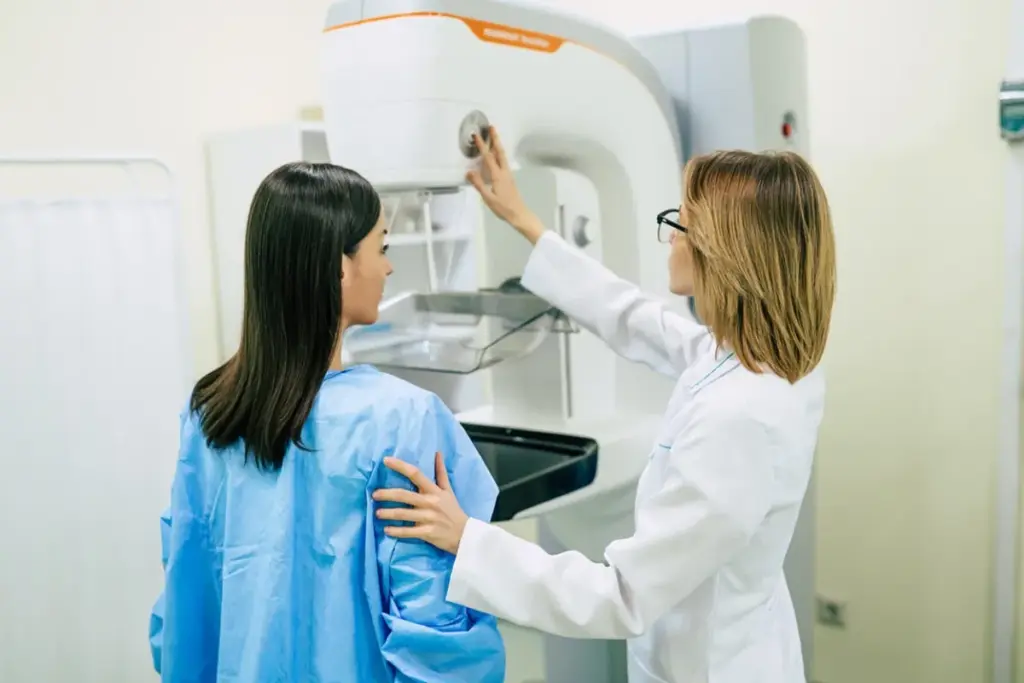
As we face a surge in cancer cases in the US by 2025, it’s more important than ever to know the early signs. At Liv Hospital, we stress the need for early detection. This can greatly improve survival rates.
Several key indicators may signal cancer. These include unexplained weight loss, persistent pain or fatigue, new or changing lumps, and changes in skin or moles. Knowing these signs helps people get medical help quickly.
Know these cancer symptoms today. Discover 4 amazing scary warning signs and find powerful, vital ways to monitor your essential body health.
Key Takeaways
- Early detection of cancer significantly improves 5-year survival rates.
- Four key warning signs include unexplained weight loss, persistent pain or fatigue, new or changing lumps, and changes in skin or moles.
- Liv Hospital is committed to delivering world-class, protocol-driven care for international patients.
- Recognizing early warning signs is key for timely intervention.
- Awareness of these signs empowers individuals to seek medical attention promptly.
The Growing Concern of Cancer in America
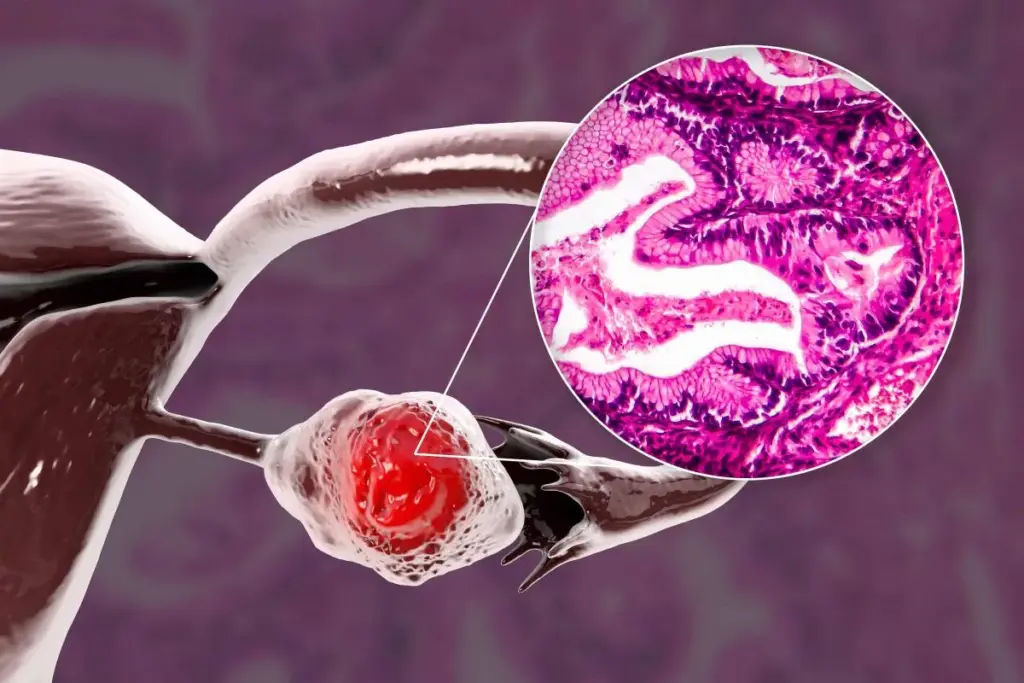
Cancer is becoming a big worry in America. Looking at the current numbers and what’s expected in the future, it’s clear that cancer is a major health problem.
Current Statistics and 2025 Projections
By 2025, the U.S. is expected to see over 2 million cancer cases. This is a big jump from today’s numbers. It shows that cancer is putting a lot of strain on our healthcare system. We’re seeing more cancer cases in different groups of people.
- A projected 2 million+ cancer cases by 2025.
- Increasing cancer incidence among diverse populations.
- Rising trends in specific cancer types.
Increasing Trends in Women and Younger Adults
Cancer is hitting women and younger adults harder. This change in who gets cancer is making us realize we need to focus more on early detection. We must understand these trends to create better health programs.
- Increased incidence of certain cancers in younger women.
- Rising cancer rates among adults under 50.
- The need for age-specific cancer screening and awareness programs.
By studying these trends, we can lessen the impact of cancer on our society.
Why Early Detection is Critical for Survival
Early detection in cancer is very important. It greatly affects survival rates. It’s a key part of managing cancer, making treatments more effective and improving patient outcomes.
Impact on Five-Year Survival Rates
Early detection boosts five-year survival rates for many cancers. When caught early, treatments work better, leading to better results. For example, early breast cancer detection often means a higher survival rate, even before symptoms show.
Studies show early detection can raise survival chances by up to 90% for some cancers. This highlights the need for regular screenings and knowing warning signs.
The Challenge of Recognizing Early Warning Signs
But, spotting early signs can be hard. Many first symptoms are non-specific. This makes it tough to tell if it’s just a common illness or cancer.
We need to teach people about common cancer signs. Knowing these signs and acting early can greatly increase survival chances.
Understanding Cancer Symptoms and Their Development
Understanding how cancer symptoms develop is crucial as they follow specific patterns rather than occurring randomly. They happen because of the tumor and how the body reacts to it.
How Cancer Affects Body Systems
Cancer can hit many parts of the body, causing different symptoms. For example, tumors in the stomach can lead to pain, trouble swallowing, or changes in bowel movements. Cancers in the lungs might cause coughing, wheezing, or trouble breathing.
Key body systems affected by cancer include:
- Digestive System: Symptoms like nausea, loss of appetite, or changes in bowel movements.
- Respiratory System: Symptoms such as coughing, wheezing, or difficulty breathing.
- Nervous System: Symptoms like headaches, seizures, or neurological deficits.
As cancer gets worse, it can make the whole body feel bad. This can lead to symptoms like tiredness, weight loss, or fever. Knowing these effects is key for good care.
Why Symptoms Vary by Cancer Type and Stage
The symptoms of cancer can change a lot based on the type and stage. Early cancers might not show symptoms, but advanced ones can cause severe ones.
Factors influencing symptom variation include:
- Tumor Location: Cancers in different parts of the body can cause distinct symptoms.
- Cancer Stage: Early-stage cancers may be asymptomatic, while later stages can present more pronounced symptoms.
- Tumor Biology: The genetic makeup of the tumor can influence its growth rate and symptom presentation.
This quote shows why personalized medicine is so important in cancer care.
)
By understanding how cancer affects different parts of the body and how symptoms change, we can catch it early. This helps us find better ways to treat it.
Warning Sign #1: Unexplained Weight Loss
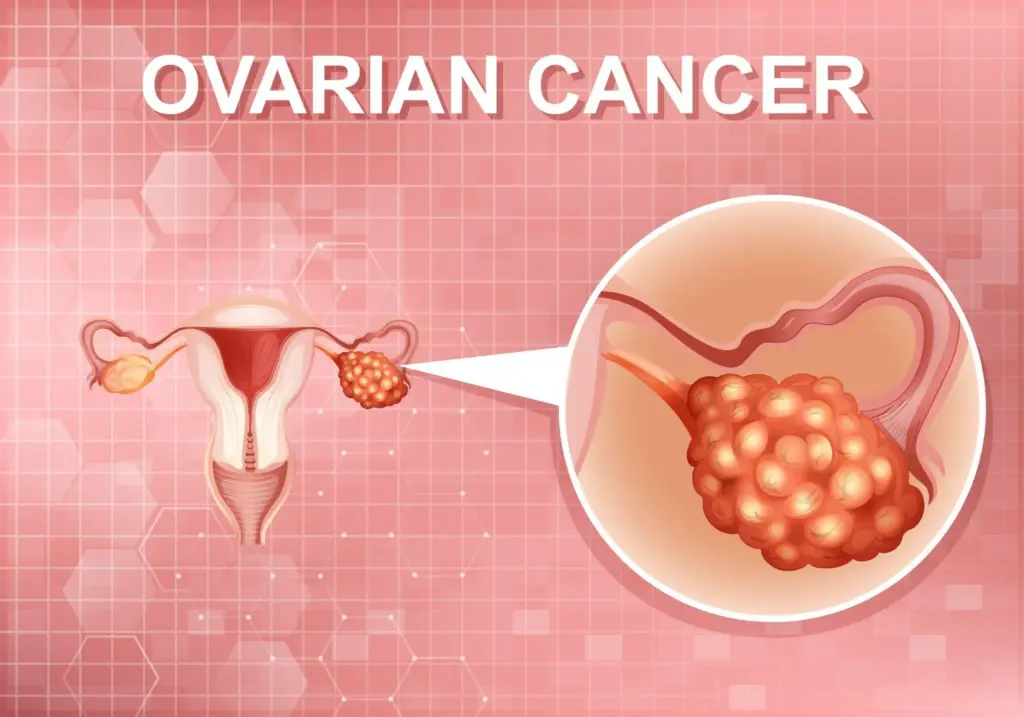
Many cancer patients lose weight without trying. This can be an early sign of the disease. It’s a symptom that needs medical attention.
How Cancer Causes Weight Loss
Cancer can cause weight loss in several ways. Tumors can change how the body uses energy. They can also make it harder to eat and digest food.
Key factors contributing to weight loss in cancer patients include:
- Metabolic changes induced by the tumor
- Reduced appetite due to the disease or its treatment
- Changes in taste and smell
- Difficulty swallowing or digesting food
When Weight Loss Should Concern You
Weight loss is a worry if it’s unexplained and significant. Losing more than 5% of body weight in six months or less is a big deal.
Keep an eye on your weight and health. If you lose weight without trying, see a doctor.
Cancer Types Most Associated with Weight Loss
Some cancers are more likely to cause weight loss. These include:
- Pancreatic cancer
- Esophageal cancer
- Lung cancer
- Stomach cancer
Knowing the link between weight loss and cancer can help catch it early. If you’re losing weight without trying, get medical help.
Warning Sign #2: Persistent Pain or Unexplained Fatigue
Persistent pain or unexplained fatigue could mean a serious health issue, like cancer. Almost 30% of cancer patients experience these symptoms. They can really affect their life quality.
Understanding Cancer-Related Pain
Cancer pain comes from tumors growing, spreading, or treatment side effects. This pain can be steady or come and go, and its strength can change. It’s important to know that cancer pain is not just being sensitive. It’s a sign that something is wrong in your body.
The reasons for cancer pain are complex. Tumors can touch nerves and tissues, causing pain. For example, bone metastasis often leads to pain in advanced cancer.
Cancer-Related Fatigue: Beyond Normal Tiredness
Cancer fatigue is a severe and lasting symptom for many patients. It’s not like regular tiredness that rest can fix. This fatigue is a deep exhaustion that doesn’t improve with sleep or rest.
Many things can cause cancer fatigue. The cancer itself, treatments like chemo and radiation, and mental health issues like anxiety and depression play a role. It’s key to manage this symptom to better the lives of cancer patients.
Cancer Types Commonly Presenting with Pain and Fatigue
Many cancers can cause persistent pain or unexplained fatigue. Some common ones include:
- Pancreatic cancer: Often presents with abdominal pain and weight loss.
- Bone cancer or metastasis: Can cause significant pain due to bone destruction.
- Lung cancer: May cause chest pain and fatigue, specially in advanced stages.
- Leukemia: Can cause fatigue, anemia, and bone pain.
Spotting these symptoms early and knowing they might be linked to cancer can help get a diagnosis and treatment sooner. This can greatly improve patient outcomes.
Warning Sign #3: New or Changing Lumps
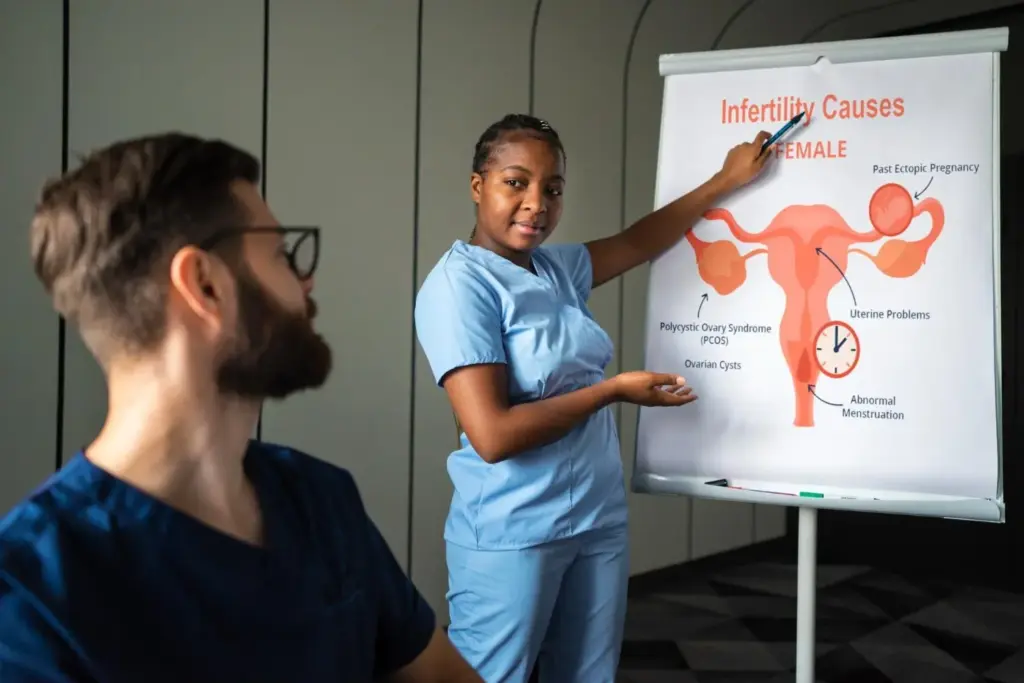
Spotting new or changing lumps is key because they might mean cancer is present. These lumps often show up in the breast, testicles, and soft tissues. Knowing how to spot them early can save lives.
How to Identify Suspicious Lumps
Suspicious lumps can look different, but some signs are clear. Look out for lumps that are new, growing, or changing in texture. Watch for any changes in size, shape, or tenderness. Lumps that don’t hurt but feel firm are a big worry and need a doctor’s check.
Self-Examination Techniques
Doing self-exams regularly is a great way to find lumps early. Women should check their breasts every month for any unusual lumps. Men should look for swelling or lumps in their testicles. Knowing what your body usually feels like helps spot any oddities. Make sure to check all areas carefully.
Breast, Testicular, and Soft Tissue Cancer Connections
New or changing lumps are often linked to breast, testicular, and soft tissue cancers. Breast cancer usually shows up as a painless lump. Testicular cancer might cause a lump or swelling in the testicle. Soft tissue cancers, like sarcomas, can appear as a growing lump in fat, blood vessels, or other tissues. Knowing these links helps you get medical help if you see any unusual changes.
We urge everyone to take care of their health by knowing their body and doing regular self-exams. If you find any new or changing lumps, see a doctor right away for a full check-up and advice.
Warning Sign #4: Changes in Skin or Moles
It’s important to watch for changes in your skin or moles to catch skin cancer early. Skin cancer, like melanoma, often shows up as changes in the skin or new moles. Spotting these signs early can make a big difference in treatment.
The ABCDE Rule for Melanoma Detection
The ABCDE rule helps spot moles that might be cancerous. It stands for Asymmetry, Border irregularity, Color variation, Diameter, and Evolving. Knowing these signs can help you figure out if a mole is suspicious.
- Asymmetry: If a mole isn’t symmetrical, it might be a warning sign.
- Border irregularity: Moles with odd, notched, or scalloped borders could be a problem.
- Color variation: Moles with many colors or uneven color are a sign of melanoma.
- Diameter: Melanomas are usually bigger than a pencil eraser.
- Evolving: Changes in size, shape, or color over time are a big concern.
a dermatologist, says, “The ABCDE rule is a simple yet effective tool for identifying moles that may require further examination.”
“Early detection of melanoma significantly improves survival rates. Being vigilant about changes in your skin is a key step in cancer prevention.”
Non-Melanoma Skin Changes to Watch For
Other than melanoma, there are other skin changes that could mean cancer. Look out for new growths, sores that don’t heal, and changes in skin texture or color. It’s important to see a doctor if you notice anything odd.
|
Skin Change |
Description |
|---|---|
|
New Growths |
New moles or growths on the skin that were not previously present. |
|
Sores that Don’t Heal |
Sores or ulcers that persist and do not heal within a reasonable timeframe. |
|
Changes in Skin Texture or Color |
Noticeable changes in the texture or color of the skin, such as redness, thickening, or darkening. |
2025 Melanoma Projections: Over 100,000 Cases
By 2025, we expect over 100,000 melanoma cases. This makes it more important than ever to catch skin cancer early. Regular skin checks and watching for changes are key.
As we move forward, education and awareness about skin cancer signs will be vital. Understanding the warning signs and taking action can help reduce skin cancer cases.
Recognizing Common Cancer Symptoms by Body System

It’s important to know the symptoms of cancer in different parts of the body. This knowledge helps in catching cancer early and treating it effectively. Cancer can show up in many ways, making it key to be alert to these signs.
“The key to surviving cancer is early detection,” health groups often say. Spotting the signs of different cancers is the first step to getting help on time.
Digestive and Gastrointestinal Signs
Cancer in the digestive system can cause many symptoms. These include:
- Changes in bowel habits, such as constipation or diarrhea
- Abdominal pain or discomfort
- Difficulty swallowing or feeling full quickly
- Unexplained weight loss
These signs might point to cancers like colorectal, stomach, or esophageal cancer. If you notice changes in your bowel habits or stomach pain, see a doctor.
Respiratory and Pulmonary Indicators
Cancers in the lungs often show symptoms related to breathing. Common signs are:
- Persistent coughing or coughing up blood
- Chest pain or discomfort that worsens with deep breathing
- Shortness of breath or wheezing
- Recurring respiratory infections
These symptoms might mean lung cancer or other lung cancers. If you have a long-lasting cough or trouble breathing, get medical help right away.
Neurological and Systemic Manifestations
Cancer can also affect the brain and body functions. Symptoms include:
- Headaches or seizures
- Weakness or numbness in the limbs
- Changes in vision or hearing
- Generalized fatigue or weight loss
These signs might point to brain tumors or other brain cancers. Systemic symptoms like tiredness and weight loss can happen with many cancers. If you have ongoing or severe neurological symptoms, see a doctor.
As we learn more about cancer, spotting symptoms early is key to better treatment. Knowing how cancer can show up helps us take care of our health.
When to See a Doctor: Taking Action on Warning Signs
Knowing when to see a doctor for strange symptoms is key to good cancer care. We need to listen to our bodies and know when something feels off.
Distinguishing Between Common Illness and Potencial Cancer
Telling common illnesses from cancer can be tough. But, there are some rules to help. Common illnesses usually have a clear reason and get better with treatment. But, if a symptom keeps coming back, gets worse, or seems odd, you should see a doctor.
- Be aware of persistent or unusual symptoms.
- Monitor changes in your body and overall health.
- Don’t hesitate to seek medical advice if you’re unsure.
Preparing for Your Doctor’s Appointment
Getting ready for your doctor’s visit can really help. Here’s how:
- Document your symptoms: Keep a record of when your symptoms started, how long they’ve lasted, and any factors that make them better or worse.
- Gather your medical history: Bring information about your medical history, including previous illnesses, surgeries, and medications you’re currently taking.
- List your questions: Write down any questions or concerns you have to discuss with your doctor.
By being ready and knowing when to go to the doctor, you can play a big part in your health care. This could even lead to better results.
Cancer Screening Recommendations by Age and Risk Factor
Cancer is a big health worry, so knowing about screening is key. Screening helps find cancer early and prevent it. There are guidelines to help everyone make the right choices.
Screening plans vary by age and risk. We’ll look at general guidelines and those for high-risk groups. This will help you take care of your health better.
General Population Screening Guidelines
For most people, screening plans depend on age and risk. For example, women should start getting mammograms at 40 or 45. Men and women should start colon cancer screening at 45 if they’re at average risk. These plans help find cancer early, when it’s easier to treat.
Key screening recommendations for the general population include:
- Breast Cancer: Annual mammograms start at 40 or 45.
- Colon Cancer: Start screening at 45 with options like colonoscopy.
- Cervical Cancer: Pap smears and HPV tests start at 21, based on past results.
High-Risk Group Recommendations
People at higher risk, like those with family history or genetic mutations, need earlier screening. For example, those with colon cancer history might start screening before 45. Those with BRCA mutations might need more frequent breast cancer checks.
For high-risk individuals, the approach to cancer screening may include:
- Risk Assessment: Check family history and genetics to find risk levels.
- Early and Frequent Screening: Start screening early or do it more often based on risk.
- Advanced Screening Techniques: Use advanced tests for those at higher risk.
Following these guidelines can help prevent and detect cancer early. It’s important to talk to your doctor about your screening plan. They’ll help based on your age and risk factors.
Reducing Your Cancer Risk Through Preventive Measures

Understanding and using preventive measures can greatly lower your chance of getting cancer. Cancer prevention covers many areas, including personal habits and the environment.
Cancer risk comes from genetics, lifestyle, and the environment. By focusing on what we can change, like our lifestyle and awareness of our surroundings, we can lower our risk.
Lifestyle Modifications That Make a Difference
Choosing a healthy lifestyle is key to preventing cancer. Important changes include:
- Dietary Changes: Eating lots of fruits, vegetables, and whole grains can help lower cancer risk.
- Regular Exercise: Staying active improves health and can lower the risk of some cancers.
- Avoiding Tobacco: Not using tobacco products is very important because it lowers the risk of many cancers.
- Maintaining a Healthy Weight: Being overweight or obese increases cancer risk. Staying at a healthy weight helps.
Health experts say, “A healthy lifestyle is key to preventing cancer. Making smart choices about diet, exercise, and avoiding harmful substances can greatly reduce cancer risk.”
“The most effective way to reduce cancer risk is through a combination of healthy lifestyle choices and awareness of environmental carcinogens.”
—Cancer Researcher
Environmental Exposure Reduction Strategies
Reducing exposure to harmful environmental factors is also important for cancer prevention. Strategies include:
|
Environmental Factor |
Reduction Strategy |
|---|---|
|
UV Radiation |
Use protective clothing, seek shade, and apply sunscreen regularly. |
|
Chemical Exposures |
Avoid harmful chemicals at home and work by following safety rules. |
|
Air Pollution |
Stay updated on air quality and limit outdoor time when it’s bad. |
By using these preventive measures, we can help lower cancer rates and improve health.
Advanced Diagnostic Methods for Cancer Detection
The field of cancer detection is changing fast with new technologies. These new tools are key to catching cancer early and accurately.
Modern Imaging Technologies
Modern imaging is a big help in finding cancer. Tools like Magnetic Resonance Imaging (MRI) and Positron Emission Tomography (PET) scans give doctors a close look at tumors. This helps them spot cancer more easily.
- MRI shows detailed images of soft tissue tumors.
- PET scans spot active tumors by their metabolic signs, telling the difference between good and bad growths.
|
Imaging Technology |
Primary Use in Cancer Detection |
Benefits |
|---|---|---|
|
MRI |
Soft tissue tumor imaging |
High-resolution images, detailed tumor assessment |
|
PET Scan |
Metabolic activity assessment |
Identifies malignant tumors based on metabolic rate |
Laboratory Tests and Biomarkers
Laboratory tests, like biomarker analysis, add to the accuracy of diagnosis. Biomarkers are special molecules in blood or tissues that show cancer might be present.
Some biomarkers used for cancer diagnosis include:
- Prostate-Specific Antigen (PSA) for prostate cancer.
- Cancer Antigen 125 (CA-125) for ovarian cancer.
- Carcinoembryonic Antigen (CEA) for colorectal cancer.
Emerging Diagnostic Approaches
New methods, like liquid biopsies, are coming soon. They might let us find cancer even earlier. Liquid biopsies check for tumor DNA in blood, aiming for early detection.
These new tools are changing how we fight cancer. They help doctors find and treat cancer better.
Liv Hospital’s Approach to Cancer Care
Our mission at Liv Hospital is to offer top-notch, protocol-driven cancer care. We aim to make a real difference. We strive to provide cancer treatment that meets the highest global standards.
Globally Competitive, Protocol-Driven Care
At Liv Hospital, we focus on care that’s both globally competitive and follows the latest protocols. We keep up with the newest treatment methods. This ensures our patients get the best care possible.
Our protocol-driven approach means every patient gets a treatment plan made just for them. Our team of experts works together to ensure top-quality care.
Innovation and Multidisciplinary Excellence
Our vision at Liv Hospital is to lead in innovation and multidisciplinary excellence in cancer care. We aim to create an environment where different disciplines work together. This vision is seen in our modern facilities and our team’s commitment to staying ahead in cancer treatment.
Innovation is at the heart of our practice, driving us to use new technologies and methods. Our team approach ensures every aspect of a patient’s care is considered, from start to finish.
Ethical, High-Quality Preventive Services
At Liv Hospital, we value ethical practice and high-quality preventive services. We aim to empower our patients with the knowledge to prevent or detect cancer early. This is when it’s most treatable.
“Prevention is a key part of our cancer care program. We focus on educating patients about risk factors and the importance of early detection.”
Our preventive services are all-encompassing, covering screening, education, and risk assessment. We’re committed to providing care that’s effective, respectful, and considers our patients’ needs.
Conclusion: Empowering Yourself Through Awareness
Learning about cancer warning signs and how to prevent it is key. This knowledge helps people take control of their health. It’s a powerful way to fight cancer.
Liv Hospital is here to help you on this journey. We focus on early detection and care. Knowing the signs is the first step to beating cancer.
Together, we can make a difference in the fight against cancer. Education and awareness are our tools. They help us find cancer early and save lives.
FAQ
What are the common warning signs of cancer that I should be aware of?
Look out for unexplained weight loss, persistent pain or fatigue, and new or changing lumps. Also, watch for changes in skin or moles. Knowing these signs can help you get medical help quickly.
How does cancer affect different body systems, and what are the symptoms?
Cancer can hit many body systems, causing different symptoms. For example, digestive cancers might lead to changes in bowel habits or stomach pain. Respiratory cancers could cause a persistent cough or trouble breathing.
What is the significance of unexplained weight loss in cancer diagnosis?
Unexplained weight loss is a big warning sign for cancer, like pancreatic and esophageal cancer. It happens because cancer changes how you metabolize food and can make you lose your appetite.
How can I identify suspicious lumps, and what types of cancer are associated with them?
Spotting suspicious lumps means being aware and checking yourself regularly. New or changing lumps can signal cancers like breast, testicular, and soft tissue cancers.
What is the ABCDE rule for melanoma detection, and why is it important?
The ABCDE rule helps spot moles that might be cancerous. It stands for Asymmetry, Border irregularity, Color variation, Diameter, and Evolving. It’s key for catching melanoma early, as it’s expected to hit over 100,000 cases by 2025.
When should I seek medical attention for potentially cancerous symptoms?
See a doctor if you have symptoms like unexplained weight loss, persistent pain or fatigue, or new or changing lumps. It’s important to know the difference between common illnesses and cancer symptoms.
What are the recommended cancer screening guidelines, and how do they vary by age and risk factor?
Screening guidelines depend on your age, risk factors, and other personal details. For most people, screenings are based on age and average risk. But, those at higher risk might need to start screening earlier or more often.
How can I reduce my cancer risk through preventive measures?
Lower your cancer risk by eating well, exercising, and avoiding tobacco. Also, try to avoid harmful environmental exposures like UV radiation and certain chemicals.
What are the advancements in diagnostic technologies for cancer detection?
New imaging like MRI and PET scans give detailed tumor info. Lab tests, including biomarker analysis, offer more precise diagnosis. Even newer methods, like liquid biopsies, promise to detect cancer even earlier.
What is Liv Hospital’s approach to cancer care, and what values do they uphold?
Liv Hospital aims to provide top-notch cancer care that meets global standards. They focus on delivering care that’s both effective and compassionate. Their values include ethical practice and a commitment to quality preventive services.
Reference
UDS Health. Cancer Statistics 2025. https://udshealth.com/blog/cancer-statistics-2025/
UChicago Medicine. Latest National Statistics Reflect Shift in Cancer Burden Toward Women and Young People. https://www.uchicagomedicine.org/forefront/cancer-articles/2025/may/latest-national-statistics-reflect-shift-in-cancer-burden-toward-women-and-young-people
American Cancer Society (ACS). 2025 Cancer Facts and Figures. https://www.cancer.org/content/dam/cancer-org/research/cancer-facts-and-statistics/annual-cancer-facts-and-figures/2025/2025-cancer-facts-and-figures-acs.pdf
National Cancer Institute (NCI). Cancer Signs and Symptoms. https://www.cancer.gov/about-cancer/understanding/what-is-cancer/signs-symptoms
Centers for Disease Control and Prevention (CDC). Cancer Symptoms. https://www.cdc.gov/cancer/dcpc/prevention/symptoms.htm