Oncology is rapidly evolving, with many and effective treatments now available for cancer patients. We are seeing big changes in the field. New therapies are making a big difference in how well patients do.
New discoveries, like CAR T-cell therapy and next-generation precision medicines, are opening up new options for patients everywhere. These breakthroughs show a move towards treatments that are more tailored to each patient’s needs.
Key Takeaways
- Oncology treatments are becoming increasingly diverse and effective.
- Recent advances include CAR T-cell therapy and precision medicines.
- These innovations improve survivorship rates and patient outcomes.
- Modern cancer care is moving towards personalized and targeted therapies.
- Patients worldwide are benefiting from these advancements in oncology.
The Evolution of Cancer Treatment and Oncology Care
Cancer treatment has changed a lot over the years. This change comes from new medical technology and a better understanding of cancer. Looking back, we see a journey filled with innovation and a move towards treatments that fit each person’s needs.
Historical Perspective on Cancer Treatments
Cancer treatment has a long history, starting with surgery. Later, radiation therapy and chemotherapy were added. These steps forward have led to better care for patients.
|
Era |
Primary Treatments |
Notable Advances |
|---|---|---|
|
Early 20th Century |
Surgery, Radiation Therapy |
Introduction of Radiation Therapy |
|
Mid-20th Century |
Chemotherapy |
Development of Chemotherapy Agents |
|
Late 20th Century |
Combination Therapies |
Use of Multimodal Treatment Approaches |
|
21st Century |
Targeted Therapies, Immunotherapy |
Precision Medicine, Advances in Cancer Research |
Modern Oncology: A Multidisciplinary Approach
Today, treating cancer involves many experts working together. This team approach makes sure each patient gets care that fits their needs. It uses the newest cancer treatments.
Innovative Cancer Treatment Approaches like targeted therapy and immunotherapy have made a big difference. These treatments are now part of everyday care. They show our dedication to making cancer treatment better.
Understanding Cancer: The Foundation for Treatment Selection
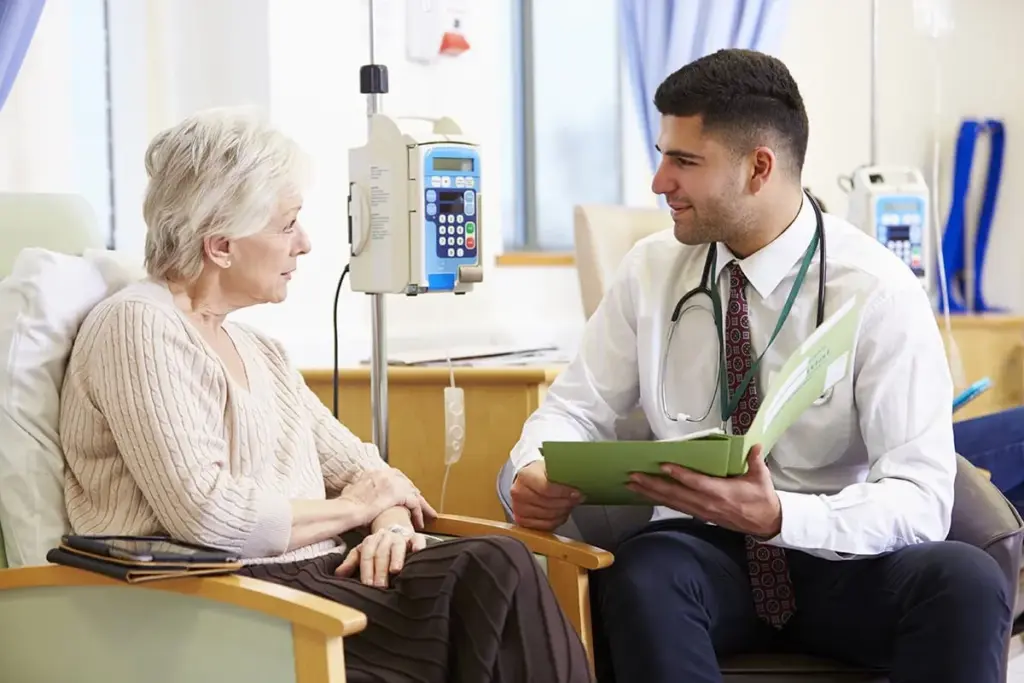
It’s key to understand cancer to make good treatment plans. Cancer is a complex disease with uncontrolled cell growth and spread. Knowing how it develops and grows is vital.
How Cancer Develops and Spreads
Cancer starts with genetic changes that let cells grow out of control. These cells can then invade nearby tissues and spread to other parts of the body. Understanding how cancer spreads is key to picking the right treatments.
The spread of cancer involves several steps. These include invasion, getting into blood vessels, traveling through the blood, getting out of blood vessels, and settling in new places. Each step is a chance to stop cancer growth.
Cancer Staging and Its Impact on Treatment Decisions
Cancer staging shows how far cancer has spread. It’s important for knowing how likely a patient will do well and for choosing treatments. The TNM system is often used to stage cancer, looking at the tumor, nearby lymph nodes, and if cancer has spread.
Knowing the stage of cancer is very important. It helps doctors pick the best treatment. For example, early cancers might just need surgery or radiation. But cancers that have spread a lot might need stronger treatments like chemotherapy.
“The accurate staging of cancer is essential for selecting the most effective treatment plan and improving patient outcomes.”
An Oncologist
Ovarian cancer is often found late, making treatment harder. It’s important to catch it early, like in Louisiana where it’s a big problem. Knowing the stage and type of ovarian cancer helps doctors give better treatment plans.
- Early Detection: Finding cancer early can greatly improve treatment results.
- Personalized Medicine: Treating each person based on their cancer can make treatments more effective.
- Multidisciplinary Approach: Using different treatments like surgery, radiation, and chemotherapy together can help fight cancer better.
Surgical Oncology: Removing Cancer Through Operation
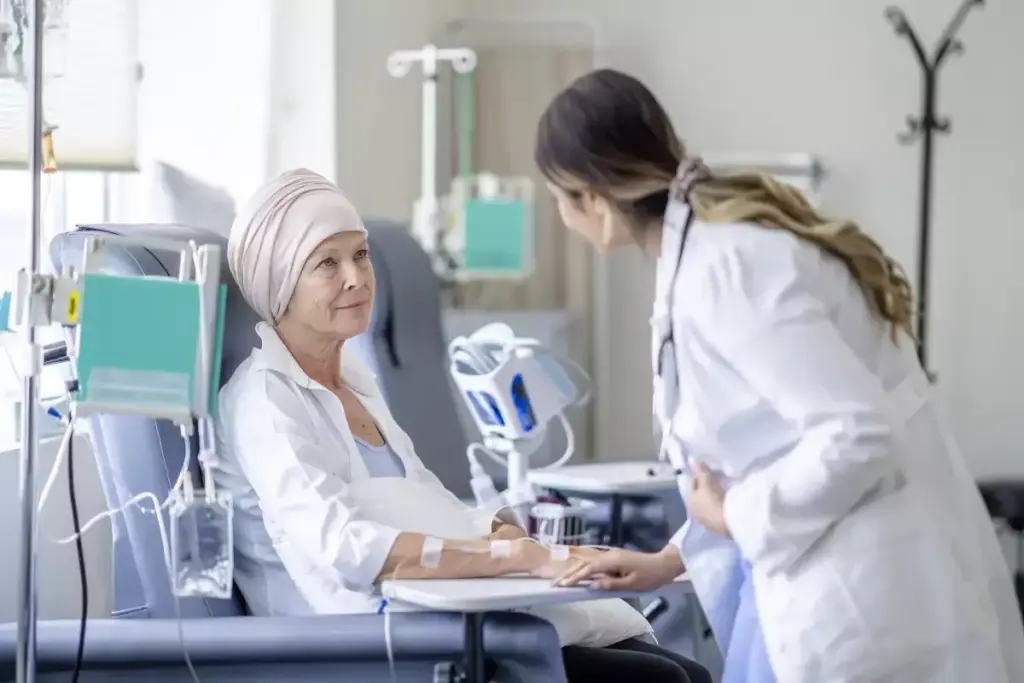
Cancer surgery has grown with new methods like minimally invasive and robotic surgeries. Surgical oncology is key in removing cancerous tissues and tumors.
Surgical oncology is vital in cancer treatment. It offers many techniques based on the patient’s needs. The choice of surgery depends on the cancer’s type, size, and location, and the patient’s health.
Types of Cancer Surgeries
Cancer surgeries are categorized by purpose and extent. The main types are:
- Curative Surgery: Removes the tumor and some tissue to get rid of the cancer.
- Debulking Surgery: Makes a tumor smaller to help other treatments work better.
- Palliative Surgery: Relieves symptoms to improve life quality, not to cure cancer.
- Preventive Surgery: Removes tissue at risk of becoming cancerous, for those with high-risk genes.
Each surgery type is chosen based on the patient’s condition and cancer characteristics.
Minimally Invasive Surgical Techniques
Minimally invasive surgery uses smaller cuts than traditional surgery. It causes less damage and trauma. Techniques include:
- Laparoscopic surgery, using small cameras and tools through tiny cuts.
- Endoscopic surgery, used for cancers in hollow organs.
These methods lead to quicker healing, less pain, and smaller scars. A study in a Journal says, “Minimally invasive surgery is now common for many cancer surgeries, benefiting patients a lot.”
“The move to minimally invasive surgery is a big step forward in surgical oncology. It improves patient results and recovery.”
Robotic Surgery in Oncology
Robotic surgery is a high-tech form of minimally invasive surgery. It uses robotic systems to improve the surgeon’s skills. The benefits include:
|
Benefits |
Description |
|---|---|
|
Enhanced Precision |
The robotic system allows for precise movements, reducing the risk of damage to surrounding tissues. |
|
Improved Visualization |
High-definition 3D visualization provides a clear view of the surgical site. |
|
Reduced Recovery Time |
Smaller incisions result in less trauma and faster healing. |
Robotic surgery is great for complex procedures. It has been used in surgeries for many types of cancer.
As we keep improving in surgical oncology, new technologies and methods will help treat cancer better. The future of cancer surgery looks bright, with ongoing research aiming to better patient outcomes.
Radiation Therapy: Targeting Cancer Cells with Precision
Radiation therapy is a key treatment for many cancers. It uses high-energy particles or waves to kill or harm cancer cells. This stops them from growing and spreading. It can be used alone or with other treatments like surgery or chemotherapy.
External Beam Radiation
External beam radiation therapy (EBRT) uses a machine outside the body to send radiation to the cancer. It’s flexible and can treat tumors of all sizes and locations.
New techniques like intensity-modulated radiation therapy (IMRT) and stereotactic body radiation therapy (SBRT) have improved EBRT. They help target tumors more precisely, protecting healthy tissues.
Internal Radiation (Brachytherapy)
Brachytherapy places a radioactive source inside or near the tumor. It delivers high doses of radiation to cancer cells while protecting healthy tissues. It’s often used for cancers of the prostate, cervix, and breast.
Brachytherapy’s main benefit is its ability to target tumors directly. This reduces damage to nearby healthy areas. It can be a permanent or temporary procedure.
Advances in Radiation Delivery Systems
New technologies have made radiation therapy more precise and effective. Image-guided radiation therapy (IGRT) and adaptive radiation therapy allow for real-time adjustments. This ensures accurate delivery of radiation to the tumor.
These advancements have led to better treatment results and fewer side effects. As technology keeps improving, we can expect even more precise and effective radiation therapy.
Chemotherapy: Systemic Treatment for Cancer
Chemotherapy is a key treatment for cancer. It can be used alone or with other treatments. It targets cancer cells all over the body, making it a vital part of cancer care.
Mechanisms of Chemotherapy
Chemotherapy uses drugs to kill cancer cells or stop them from growing. These drugs can be given in different ways. The choice depends on the cancer type, its stage, and the patient’s health.
Chemotherapy drugs work in different ways. Some damage the DNA of cancer cells, stopping them from reproducing. Others stop cells from dividing, slowing cancer growth.
Administration Methods and Protocols
Chemotherapy can be given in several ways. It can be injected into a vein, taken by mouth, or injected into muscles or under the skin. The method depends on the cancer type and the drugs used.
Treatment plans are made just for each patient. They consider the cancer type, stage, patient’s health, and past treatments. Chemotherapy cycles treat cancer cells and let the body recover between treatments.
Managing Chemotherapy Side Effects
It’s important to manage chemotherapy side effects to improve patient life quality. Common side effects include tiredness, nausea, hair loss, and a higher risk of infections. We help patients manage these with supportive care, like medicines for nausea and ways to fight tiredness.
Knowing about side effects and having a plan to deal with them helps patients handle chemotherapy better. This way, they can keep their quality of life during treatment.
Targeted Therapy: Precision Medicine in Cancer Treatment and Oncology
Targeted therapy is a big step forward in fighting cancer. It focuses on specific parts of cancer cells. This makes treatments more precise, fitting each cancer’s unique needs.
Molecular Targets and Mechanisms
Targeted therapies find and attack special molecules cancer cells use to grow. These molecules are proteins or genes on or inside cancer cells. By hitting these targets, therapies can stop cancer cells from growing.
Some therapies block signals that tell cancer cells to multiply. Others help the immune system find and kill cancer cells better.
A top oncologist says, “Targeted therapy has changed how we fight cancer. It’s more precise than old treatments.” This method not only works better but also hurts fewer healthy cells.
Types of Targeted Therapies
There are many types of targeted therapies, each targeting different cancer mechanisms. Some common ones include:
- Monoclonal antibodies that target specific proteins on cancer cells
- Tyrosine kinase inhibitors that block enzymes involved in cancer cell growth
- Proteasome inhibitors that disrupt protein degradation in cancer cells
These therapies can be used alone or with other treatments like chemo or radiation to boost their effect.
Genetic Testing for Treatment Selection
Genetic testing is key in finding the right targeted therapies. It looks at a patient’s cancer genes to see which therapies will work best. This means testing for specific genetic changes linked to certain therapies.
“The use of genetic testing in treatment has changed the game for cancer care. It lets us give more personalized and effective treatments.” –
An Oncologist
As we learn more about cancer’s molecular roots, targeted therapy will become even more vital. It offers new hope for patients and doctors.
Immunotherapy: Harnessing the Body’s Defenses
Immunotherapy uses the body’s immune system to fight cancer. It helps the body’s defenses find and destroy cancer cells better. This new way of treating cancer is full of hope for patients.
Checkpoint Inhibitors
Checkpoint inhibitors help the immune system fight cancer by removing blocks. They stop proteins that keep immune cells from attacking cancer. This has shown great promise in treating many cancers.
CAR T-Cell Therapy
CAR T-cell therapy takes T cells from the blood, changes them, and puts them back. These T cells then find and destroy cancer cells. It’s been very successful in treating some blood cancers and is being tested for others.
Cancer Vaccines
Cancer vaccines help the immune system see and attack cancer cells. They can prevent cancer in people at high risk or treat it in those who already have it.
Cytokine Therapy
Cytokine therapy uses proteins to boost the immune system’s fight against cancer. These proteins can make other immunotherapies work better or be used alone.
|
Immunotherapy Type |
Mechanism |
Application |
|---|---|---|
|
Checkpoint Inhibitors |
Block proteins that prevent immune cells from attacking cancer |
Various types of cancer |
|
CAR T-Cell Therapy |
Genetically modify T cells to recognize cancer cells |
Blood cancers, other types of cancer |
|
Cancer Vaccines |
Trigger immune response to recognize and attack cancer cells |
Prevention and treatment of cancer |
Hormone Therapy: Controlling Hormone-Sensitive Cancers
Hormone therapy is a key treatment for hormone-sensitive cancers. It helps control cancers driven by hormones, like some breast and prostate cancers. This therapy changes the body’s hormonal balance to slow or stop cancer growth.
Hormone Therapy for Breast Cancer
For breast cancer, hormone therapy is used when the cancer grows because of hormones like estrogen. Selective estrogen receptor modulators (SERMs) and aromatase inhibitors are common treatments. SERMs block estrogen receptors on cancer cells. Aromatase inhibitors lower estrogen production in the body.
Hormone Therapy for Prostate Cancer
In prostate cancer, hormone therapy aims to lower male hormones like testosterone. These hormones can make prostate cancer grow. Medications can reduce testosterone levels or block its effects on cancer cells.
Side Effects and Management
Hormone therapy can cause side effects like hot flashes, fatigue, and mood changes. It’s important to manage these side effects to improve patient quality of life. We help patients monitor and reduce side effects, so they can keep up with their treatment plans.
Stem Cell Transplantation in Cancer Treatment
Stem cell transplantation is a new hope for many cancers. It replaces damaged stem cells with healthy ones. This helps the body make new blood cells.
Types of Stem Cell Transplants
There are two main types of stem cell transplants for cancer: autologous and allogeneic.
Autologous transplants use the patient’s own stem cells. These are collected, stored, and then given back after treatments.
Allogeneic transplants use stem cells from another person. This type counts on the immune system to fight cancer.
The Transplantation Process and Recovery
The process starts with conditioning therapy. This includes chemotherapy and/or radiation to kill cancer cells and weaken the immune system.
Then, the patient gets the stem cell infusion, like a blood transfusion. The stem cells go to the bone marrow to make new blood cells.
Recovering from a stem cell transplant is tough. It needs careful care to avoid infections and graft-versus-host disease (GVHD) in allogeneic transplants.
We know the journey with stem cell transplantation is hard and emotional. Our team is here to offer full care and support. We help from the start to the end of the process.
Combination Therapies: Multimodal Approaches to Cancer
Combination therapies are a big step forward in fighting cancer. They mix different treatments to make a plan that works best for each patient. This way, we can tackle cancer more effectively.
Neoadjuvant and Adjuvant Therapies
Neoadjuvant therapy is given before the main treatment, like surgery. It makes the tumor smaller and fights cancer cells that have spread. This helps make surgery more successful.
Adjuvant therapy comes after the main treatment. It kills any cancer cells left behind. This lowers the chance of cancer coming back.
Benefits of Neoadjuvant Therapy:
- Reduces tumor size, making it easier to remove surgically
- Addresses microscopic disease early
- Can improve overall survival rates
Cancer experts say, “Neoadjuvant therapy is now a key part of treating some cancers. It gives patients a better shot at success.”
“The integration of neoadjuvant and adjuvant therapies into treatment plans has revolutionized the way we approach cancer care.”
Designing Effective Combination Regimens
Creating good combination regimens is all about knowing the patient’s needs and the cancer type. We aim to make treatments work well together without harming the patient too much.
Key Considerations:
- Patient’s overall health and medical history
- Cancer type, stage, and genetic characteristics
- Potential synergies and antagonisms between therapies
By weighing these factors, we can make treatments that help more patients with different cancers.
Emerging Oncology Treatments and Future Directions
New treatments in oncology are changing how we fight cancer. They offer more effective and tailored options. As research grows, we see new therapies that are changing cancer treatment.
Personalized Cancer Vaccines
Personalized cancer vaccines are a big step forward. They target specific cancer cells, boosting the body’s fight against them. This approach is tailored to each patient’s cancer, aiming to improve results and lower the chance of cancer coming back.
Creating these vaccines involves complex steps like genetic sequencing and bioinformatics. But the benefits are huge, opening up new ways to fight different cancers.
CRISPR and Gene Editing
CRISPR-Cas9 gene editing is a game-changer for cancer treatment. It lets us edit genes that help cancer grow, making cancer cells easier to target. CRISPR is new but has a lot of promise for the future of cancer care.
Scientists are looking at how CRISPR can modify immune cells to fight cancer better. While there are hurdles, CRISPR could greatly change how we treat cancer.
Artificial Intelligence in Treatment Planning
Artificial intelligence (AI) is being used to improve cancer treatment planning. AI looks at lots of data, like medical images and genetic info, to help decide treatments. This could make cancer diagnosis more accurate and treatment plans more personalized.
AI could also help predict how well a treatment will work. As AI gets better, it will likely have a big impact on fighting cancer.
Supportive and Palliative Care in Oncology
Cancer care is more than just treating the disease. It’s about giving patients full support during their journey. Supportive and palliative care are key parts of oncology. They help ease symptoms, pain, and stress from cancer and its treatment.
Managing Treatment Side Effects
It’s vital to manage cancer treatment side effects to keep patients’ quality of life high. Side effects like nausea, fatigue, and hair loss are common. We use many ways to lessen these effects, such as medicine, diet changes, and rest.
For example, antiemetic drugs can really help with nausea and vomiting from chemo. Also, eating right can help manage diet side effects and keep patients strong during treatment.
|
Side Effect |
Management Strategy |
|---|---|
|
Nausea and Vomiting |
Antiemetic medications, dietary adjustments |
|
Fatigue |
Rest, physical therapy, nutritional support |
|
Hair Loss |
Counseling, scalp cooling |
Pain Management Strategies
Managing pain is a big part of supportive and palliative care. We use many strategies, each one tailored to the patient’s needs. This includes medicines, procedures, and other therapies.
Medicines like opioids and NSAIDs are often used. Procedures like nerve blocks can also help. And other therapies like acupuncture and mindfulness can make pain feel less and improve mood.
Improving Quality of Life During Treatment
Improving life for cancer patients means looking at all their needs. We focus on physical, emotional, and social health. We work with patients and their families to create care plans that include support services and help with the healthcare system.
By adding supportive and palliative care to treatment plans, we help patients deal better with their disease. This makes their life during treatment much better.
Complementary and Alternative Approaches
Many patients are looking for ways to improve their cancer care. They are exploring complementary and alternative approaches. These methods can help with treatment side effects and improve well-being.
Complementary therapies work alongside traditional treatments. Alternative therapies replace them. It’s important for patients to know the difference and talk to their doctors.
Evidence-Based Complementary Therapies
Some complementary therapies are showing great promise. They include:
- Acupuncture: Helps manage pain, nausea, and other symptoms.
- Mindfulness and meditation: Reduces stress and improves mental well-being.
- Yoga: Enhances physical function and reduces fatigue.
- Massage therapy: Relieves pain and reduces anxiety.
These therapies can be part of a patient’s treatment plan. They help improve quality of life.
|
Therapy |
Benefits |
Considerations |
|---|---|---|
|
Acupuncture |
Pain relief, nausea reduction |
Ensure practitioner is licensed and experienced |
|
Mindfulness/Meditation |
Reduces stress, improves mental well-being |
Can be practiced anywhere, guided recordings available |
|
Yoga |
Improves physical function, reduces fatigue |
Choose classes designed for cancer patients |
Integrating Complementary Approaches with Conventional Treatment
Combining complementary therapies with traditional cancer treatments needs careful planning. Patients should talk to their healthcare team. This way, they can create a complete care plan.
By mixing evidence-based complementary therapies with traditional treatments, patients can see better results. They can also enjoy a better quality of life.
Selecting the Right Treatment Plan: Personalized Oncology
In oncology, personalized treatment plans are changing how we care for patients. They focus on the unique traits of each cancer. This approach makes treatments more effective and improves results.
Factors Influencing Treatment Decisions
Many things help decide the best treatment for a cancer patient. These include the cancer type and stage, the patient’s health, genetic changes, and what they prefer.
- Cancer Type and Stage: Knowing the cancer type and stage is key to choosing the right treatment.
- Genetic Mutations: Genetic tests can show mutations that affect treatment choices, like BRCA1 and BRCA2 in breast cancer.
- Patient Health and Preferences: A patient’s health and what they want from treatment are also important.
The Role of Tumor Boards and Multidisciplinary Teams
Tumor boards and teams are vital for making treatment plans. These teams include doctors, surgeons, radiologists, and pathologists. They work together to find the best treatment for each patient.
|
Team Member |
Role in Treatment Planning |
|---|---|
|
Oncologist |
Offers expertise on treatments like chemotherapy and targeted therapy. |
|
Surgeon |
Looks at if surgery is possible and fits into the treatment plan. |
|
Radiologist |
Decides if radiation therapy is needed and its benefits. |
Patient Advocacy and Shared Decision-Making
Patient advocacy and shared decision-making are key in personalized oncology. Patients are encouraged to be involved in their care. They work with their team to make informed treatment choices.
This approach ensures care is not just effective but also meets the patient’s needs and values.
Conclusion: The Future of Cancer Treatment and Patient Care
The world of cancer treatment is changing fast. This is thanks to cancer research and new medical tech. Patient care will stay a top priority in these advancements.
Europe has seen a big leap in cancer treatment. Almost 200 new medicines have been approved, and survival rates have gone up. This shows how far we’ve come. The future looks even brighter with more innovation on the way.
We’re on the verge of big changes in cancer treatment. Personalized medicine, new combos, and cutting-edge treatments like vaccines and gene editing are coming. These will be key in making cancer care better.
By keeping up the research and working together, we can make a big difference. A brighter future for cancer patients is within reach.
FAQ
What are the main types of cancer treatments available?
Cancer treatments include surgery, radiation, and chemotherapy. There’s also targeted therapy, immunotherapy, and hormone therapy. These can be used alone or together to fight cancer.
How does chemotherapy work in cancer treatment?
Chemotherapy uses drugs to kill cancer cells. It can be taken by mouth or given through an IV. The treatment plan depends on the cancer type and stage.
What is the difference between immunotherapy and chemotherapy?
Immunotherapy uses the body’s immune system to fight cancer. Chemotherapy kills cancer cells directly. Immunotherapy can offer targeted and lasting results, while chemotherapy treats more cancers.
What is targeted therapy, and how is it used in cancer treatment?
Targeted therapy uses drugs that target cancer growth. It’s used for cancers with specific genetic changes or biomarkers.
How is radiation therapy used to treat cancer?
Radiation therapy kills cancer cells with high-energy rays. It can be given from outside or inside the body. The method depends on the cancer’s type and location.
What is hormone therapy, and how is it used to treat cancer?
Hormone therapy blocks or removes hormones that help cancer grow. It’s used for cancers like breast and prostate. It can slow or stop cancer growth.
What is stem cell transplantation, and how is it used in cancer treatment?
Stem cell transplantation replaces damaged stem cells with healthy ones. It’s used for cancers needing high-dose treatments. It helps the bone marrow make new blood cells.
What are combination therapies, and how are they used in cancer treatment?
Combination therapies use treatments like chemotherapy and surgery together. This approach can improve results and lower the chance of cancer coming back.
What are some emerging oncology treatments, and what are their benefits?
New treatments include personalized vaccines and CRISPR gene editing. They aim to better treatment outcomes and reduce side effects. They also improve patient care.
How can patients manage treatment side effects and improve their quality of life during cancer treatment?
Patients can manage side effects by working with their healthcare team. They can use supportive care and add complementary therapies to their plan.
What is personalized oncology, and how does it influence treatment decisions?
Personalized oncology tailors treatments to each patient. It considers genetic profiles and medical history. This approach can lead to better results and fewer unnecessary treatments.
How do tumor boards and multidisciplinary teams contribute to cancer care?
Tumor boards and teams bring together experts for patient care discussions. This teamwork ensures patients get the best and most effective treatment.
What is the role of patient advocacy and shared decision-making in cancer care?
Patient advocacy and shared decision-making empower patients. They provide accurate info and support patient autonomy. This fosters teamwork between patients and healthcare providers.
National Center for Biotechnology Information. Evidence-Based Medical Insight. Retrieved from https://www.ncbi.nlm.nih.gov/pmc/articles/PMC5951632/