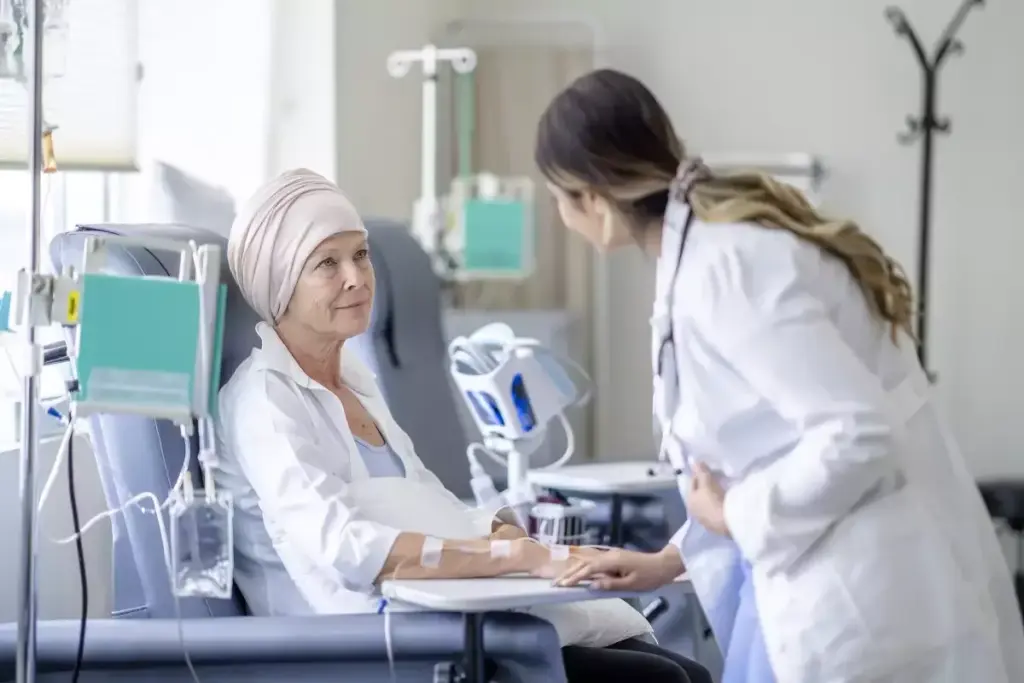
New studies are showing a shift in cancer treatments. They are moving away from old methods like chemotherapy. Now, they focus on advanced techniques like precision medicine and immunotherapy. Explore cancer treatment and new amazing alternatives to chemo. Discover powerful medical breakthroughs that offer hope for a healthy future.
A new hope is tislelizumab-jsgr plus chemotherapy for cervical cancer. It might lead to a new way to treat cancer.
Key Takeaways
- Emerging cancer treatments focus on precision medicine and immunotherapy.
- Tislelizumab-jsgr plus chemotherapy shows promise for locally advanced cervical cancer.
- New methods aim to improve efficacy and reduce side effects.
- Precision medicine tailors treatment to individual patient needs.
- Immunotherapy harnesses the immune system to fight cancer.
The Evolution of Cancer Treatment Beyond Chemotherapy

Chemotherapy has been a key part of cancer care for decades. It has helped manage many types of cancer. But, it also has its challenges, like severe side effects and resistance.
Historical Context of Chemotherapy
Chemotherapy started in the early 20th century with nitrogen mustard’s discovery. This began a new era in cancer treatment. New drugs and combinations have evolved over time to improve results and reduce harm.
Limitations and Side Effects of Traditional Approaches
Chemotherapy has many side effects, like nausea and hair loss. These come from its broad impact on cells. This has led to a search for more precise and effective treatments.
|
Limitation |
Description |
Impact on Patients |
|---|---|---|
|
Non-specific targeting |
Chemotherapy affects both cancerous and healthy cells. |
Severe side effects, including hair loss and nausea. |
|
Development of resistance |
Cancer cells can become resistant to chemotherapy drugs. |
Reduced efficacy of treatment over time. |
|
Limited efficacy in certain cancers |
Some cancers respond poorly to chemotherapy. |
Need for alternative treatment strategies. |
New treatments, like targeted therapies and immunotherapies, are changing cancer care. They offer better and safer options for patients.
Understanding the Paradigm Shift in Cancer Care
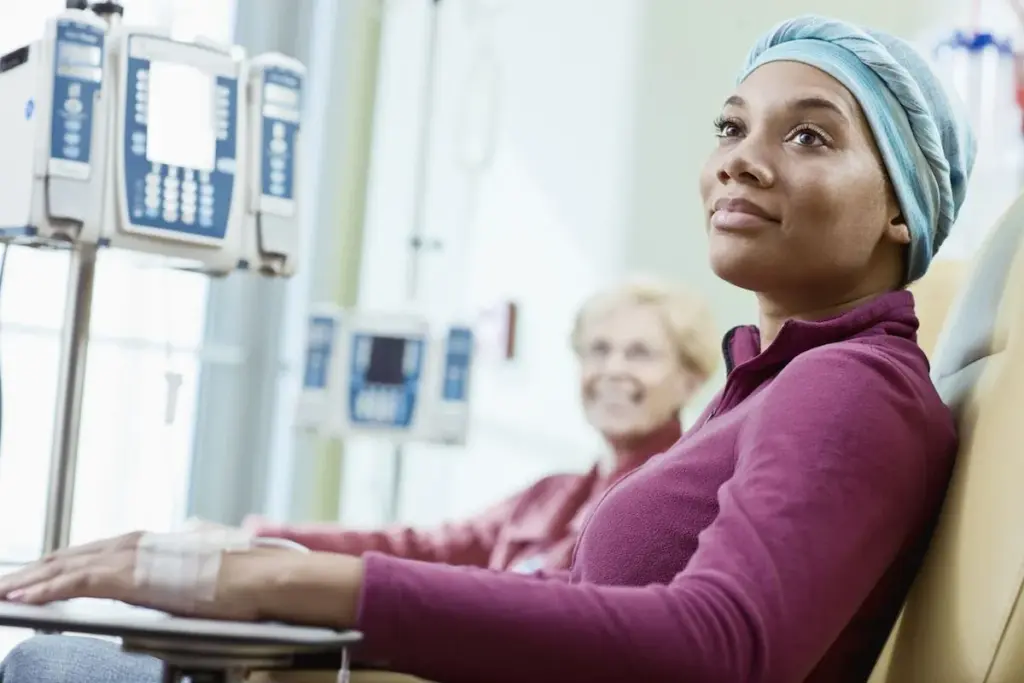
The search for a cancer cure has led to new ways to treat the disease. Cancer research shows that a single treatment doesn’t work for everyone. Now, doctors focus on personalized treatment plans based on each patient’s genetic makeup.
Why Alternatives to Chemotherapy Are Needed
Chemotherapy has been a mainstay in cancer treatment for years. But it has big drawbacks and side effects. These can really hurt a patient’s quality of life. Also, some cancers don’t respond well to chemotherapy, making new treatments essential.
Cancer cells can also develop resistance to chemotherapy. This makes finding new treatments that work harder a top priority.
The Move Toward Personalized Treatment Approaches
Genetic profiling and precision medicine have led to personalized treatment plans. Doctors can now target specific genetic mutations in cancer. This makes treatments more effective and reduces side effects.
Personalized medicine uses genomic testing to find the best treatments for each patient. This approach is changing cancer care, giving hope to those who didn’t respond to traditional treatments. As we learn more about cancer genetics, finding a cure to cancer seems more possible.
Precision Medicine: Tailoring Treatment to Genetic Profiles
Precision medicine is changing cancer treatment by making therapies fit each person’s genetic makeup. This new way of treating cancer is a big step forward. It gives hope to those with certain genetic changes.
Genomic testing is key in planning cancer treatments. It looks at a patient’s cancer DNA to find specific mutations. These mutations help doctors know how to best fight the cancer.
Genomic Testing and Cancer Treatment Planning
Genomic testing checks the DNA of cancer cells for genetic changes. This info helps doctors pick the best treatment. For example, some genetic changes make tumors more likely to respond to certain drugs.
The testing starts with a biopsy or blood test. Then, advanced tech analyzes the cancer cells’ DNA. This tech finds mutations, amplifications, or deletions in genes that drive cancer growth.
Matching Therapies to Specific Genetic Mutations
After knowing a patient’s cancer genetics, doctors can match therapies to specific genetic mutations. This targeted method makes sure patients get treatments that work best for their cancer.
For instance, people with cancers with EGFR or BRAF mutations might get special drugs. These drugs target those specific mutations. This approach boosts treatment success and lowers side effects by avoiding ineffective treatments.
As precision medicine grows, so will better cancer treatments. New targeted therapies and better genomic testing will be key. They will shape the future of cancer care.
Immunotherapy: Harnessing the Body’s Natural Defenses
Immunotherapy is a new way to fight cancer. It uses the body’s immune system to attack cancer cells. This method is different from traditional treatments.
Checkpoint Inhibitors and Their Mechanism
Checkpoint inhibitors are a key part of immunotherapy. They help the immune system fight cancer better. Drugs like pembrolizumab and nivolumab are used to treat melanoma and lung cancer.
These drugs block proteins that slow down the immune system. This lets the immune system attack cancer cells more easily.
Cancer Vaccines and Cytokine Therapies
Cancer vaccines help the immune system find and kill cancer cells. They are not like regular vaccines. They are used to treat cancer, not prevent it.
Cytokine therapies use proteins to boost the immune system. Interleukin-2 (IL-2) and interferons are examples. They help the immune system fight cancer better.
|
Type of Immunotherapy |
Mechanism |
Examples |
|---|---|---|
|
Checkpoint Inhibitors |
Block proteins that inhibit immune responses |
Pembrolizumab, Nivolumab |
|
Cancer Vaccines |
Stimulate immune system to recognize cancer cells |
Provenge (Sipuleucel-T) |
|
Cytokine Therapies |
Boost immune response |
Interleukin-2 (IL-2), Interferons |
Immunotherapy offers new hope for cancer treatment. It could lead to better outcomes and even cures. As research grows, immunotherapy will likely play a bigger role in fighting cancer.
Targeted Therapies: Precision Strikes Against Cancer Cells
Targeted therapies are different from traditional chemotherapy. They aim to hit cancer cells directly, with less harm to healthy tissues. This is because they target specific molecules or pathways that cancer cells rely on.
Differences from Chemotherapy
Targeted therapies have a big advantage over chemotherapy. They can tell cancer cells from healthy ones, something chemotherapy often can’t. They are made to attack specific proteins or genes that help cancer cells grow.
This makes them less likely to harm normal cells. As a result, patients often experience fewer side effects. Also, these therapies can work better on cancers with certain genetic changes.
Types of Targeted Therapy Approaches
There are many types of targeted therapies being used in cancer treatment. These include:
- Monoclonal antibodies that mark cancer cells for destruction by the immune system.
- Tyrosine kinase inhibitors that block enzymes cancer cells use to grow.
- Cancer growth inhibitors that stop cancer cells from dividing.
- Apoptosis inducers that make cancer cells die.
These therapies can be used alone or with other treatments like chemotherapy or radiation. This can make them more effective.
“The development of targeted therapies has been a game-changer in cancer treatment, opening up new, less toxic ways to fight cancer.”
Oncologist
As scientists learn more about cancer, new targeted therapies are being developed. This means more options for patients and doctors in the future.
Breakthrough in KRAS Inhibitors: Treating the “Undruggable”
KRAS inhibitors are a new hope for cancers once thought untreatable. The KRAS gene is often mutated in cancers like lung, colorectal, and pancreatic. This makes KRAS inhibitors a key area of research.
Targeting KRAS mutations has been tough due to their complex nature. But, new insights into KRAS proteins have opened doors for effective inhibitors.
Second-Generation KRAS Inhibitors
Second-generation KRAS inhibitors are showing great promise. They aim to target specific mutations, like G12C in lung cancer. This could lead to better treatments.
Clinical trials show these inhibitors can shrink tumors and improve patient outcomes. For example, sotorasib and adagrasib are effective against advanced NSCLC with the G12C mutation.
RAS-Targeted Small Molecules for Previously Untreatable Cancers
RAS-targeted small molecules are a new way to fight cancers thought untreatable. They aim to block mutant RAS proteins without harming normal cells. This could reduce chemotherapy’s side effects.
These therapies are a big step towards finding a cancer cure. By targeting cancer’s genetic causes, they could lead to more lasting results.
As research grows, KRAS inhibitors and RAS-targeted small molecules could change cancer treatment. These breakthroughs highlight the need for more research and innovative treatments.
Innovative Light-Based Therapies: The Georgia State University Approach
Georgia State University is leading a new wave in cancer treatment. They use fluorescent dyes to find and target tumors. This method is part of a bigger change towards better and less harsh treatments.
The use of fluorescent dyes in cancer treatment is a big step forward. These dyes are attached to molecules that find cancer cells. This makes tumors stand out during surgery or when treatments are given.
This method makes cancer treatment more precise. It could also protect healthy tissues from damage.
Fluorescent Dyes in Cancer Treatment
Fluorescent dyes are being tested to see if they can make cancer treatments work better. When used with light-based therapies, they help doctors see where tumors are. This makes it easier to remove cancerous tissues.
Experts say that using fluorescent dyes could change how we do surgery and targeted therapy. It could make treatments more effective.
“The precision offered by fluorescent dyes is a game-changer in cancer surgery, allowing for more accurate removal of tumors and sparing of healthy tissue.”
Oncologist
Precision Delivery to Tumor Sites
The Georgia State University method focuses on delivering treatments right to the tumor. Fluorescent dyes guide the treatment, making it more effective and reducing side effects. This could greatly improve how well treatments work.
Researchers at Georgia State University are working hard to make this technology better for all types of cancer. Their early results are promising. As it gets better, it will likely be a key part of cancer treatment in the future.
Allogeneic CAR T-Cell Therapy: Engineering Immune Responses
Allogeneic CAR T-cell therapy is changing how we fight cancer. It makes a patient’s T-cells better at finding and killing cancer cells.
Mechanism of CAR T-Cell Therapy
CAR T-cell therapy starts by taking T-cells from a patient. Then, these cells are changed to find and destroy cancer cells. After that, they are put back into the patient.
This therapy has shown great promise, mainly in blood cancers. But, it’s a personalized treatment that needs a patient’s own cells.
Advancements in Allogeneic Approaches
Allogeneic CAR T-cell therapy uses donor T-cells. This makes it possible to have treatments ready for many patients. It’s faster and more accessible.
New methods in allogeneic CAR T-cell therapy aim to lower risks. Gene editing is used to make donor T-cells safer for patients.
“The development of allogeneic CAR T-cell therapies represents a significant step forward in making this potentially life-saving treatment more widely available.” –
Oncologist
Comparing autologous and allogeneic CAR T-cell therapies shows allogeneic’s benefits:
|
Characteristics |
Autologous CAR T-Cell Therapy |
Allogeneic CAR T-Cell Therapy |
|---|---|---|
|
Cell Source |
Patient’s own T-cells |
Donor T-cells |
|
Preparation Time |
Several weeks to months |
Significantly reduced, as cells are pre-prepared |
|
Availability |
Limited by patient’s condition and manufacturing time |
More readily available, as it’s an off-the-shelf product |
|
GVHD Risk |
Lower risk |
Higher risk, mitigated by gene editing techniques |
Allogeneic CAR T-cell therapy is set to change cancer treatment. It offers a more accessible and possibly more effective option for patients.
Novel Drug Development: KCL-HO-1i and Chemotherapy Resistance
The creation of drugs like KCL-HO-1i is a big step forward in fighting chemotherapy resistance. Chemotherapy is a key part of cancer treatment. But, many cancer cells develop resistance, making it less effective.
Overcoming Treatment Resistance Mechanisms
Chemotherapy resistance comes from many sources. This includes genetic changes in cancer cells, better drug removal, and changes in the tumor environment. Drugs like KCL-HO-1i aim to tackle these issues.
KCL-HO-1i blocks specific ways cancer cells avoid chemotherapy. By doing this, it makes cancer cells more sensitive to treatment. This leads to better treatment results.
Enhancing Conventional Treatment Efficacy
Adding drugs like KCL-HO-1i to current treatments can greatly improve results. These drugs help overcome resistance, making chemotherapy more effective.
A study found that using KCL-HO-1i with chemotherapy led to better tumor responses. This was compared to using chemotherapy alone.
|
Treatment Regimen |
Tumor Response Rate |
Progression-Free Survival |
|---|---|---|
|
Chemotherapy Alone |
40% |
6 months |
|
Chemotherapy + KCL-HO-1i |
70% |
9 months |
The development of KCL-HO-1i and similar drugs is a major breakthrough in cancer treatment. It offers new hope for those who have stopped responding to traditional chemotherapy.
Cancer Treatment and Its Impact on Survival Rates
New cancer treatments have greatly improved survival rates for some cancers. Medical research and technology have led to better therapies. These new treatments are more effective and have fewer side effects than old ones.
Improved Outcomes in Breast Cancer
Breast cancer survival rates have seen big improvements. Early detection and tailored treatment plans have helped a lot. The 5-year survival rate for breast cancer patients has gone up a lot.
Survival Rate Statistics for Breast Cancer:
|
Stage at Diagnosis |
5-Year Survival Rate |
|---|---|
|
Localized |
99% |
|
Regional |
86% |
|
Distant |
28% |
Progress in Other Cancer Types
Other cancers have also seen better survival rates. For example, leukemia treatment has improved a lot. New treatments like targeted therapies and immunotherapies are showing great promise in trials.
Progress in cancer treatment comes from ongoing research and innovation. As new treatments come out, the future looks brighter for cancer patients. It’s important to keep up with the latest in cancer treatment to make informed choices.
The Clinical Trial Pipeline: Emerging Therapies
The clinical trial pipeline for cancer treatments is growing fast. Many new therapies are showing great promise. This growth is key to improving cancer care, bringing new ways to treat the disease.
Promising Treatments in Development
New therapies like immunotherapies and targeted therapies are moving forward. They aim to work better and cause fewer side effects than old treatments.
Some exciting new treatments include:
- CAR T-cell therapies that are engineered to target specific cancer cells
- Checkpoint inhibitors that release the brakes on the immune system, allowing it to attack cancer cells more effectively
- Novel drug combinations that aim to overcome treatment resistance
|
Therapy Type |
Description |
Potential Benefits |
|---|---|---|
|
CAR T-cell Therapy |
Engineered T-cells that target cancer cells |
High response rates in certain cancers |
|
Checkpoint Inhibitors |
Drugs that enhance immune response against cancer |
Durable responses, long-term survival benefits |
|
Novel Drug Combinations |
Combinations of drugs to overcome resistance |
Improved efficacy, overcoming treatment resistance |
How to Access Experimental Therapies
Trying experimental therapies through clinical trials is an option for those who’ve tried everything else. To join a trial, you must meet certain criteria. This includes your cancer type and stage, past treatments, and overall health.
To find clinical trials, check the National Cancer Institute’s website or clinical trial registries. Always talk to your doctor to see if a trial is right for you.
Multidisciplinary Approaches to Cancer Care
Today, treating cancer involves many different methods. This approach is tailored to each patient’s needs. It looks at the disease’s physical, emotional, and psychological sides.
Integrating Different Treatment Modalities
At the core of cancer care is mixing various treatments. This means combining surgery, chemotherapy, and other therapies. It’s all about what’s best for each patient.
Benefits of Integrated Treatment Modalities:
- Improved treatment outcomes through a complete approach
- Enhanced patient experience with coordinated care
- Better management of side effects through multimodal support
|
Treatment Modality |
Description |
Benefits |
|---|---|---|
|
Surgery |
Removal of tumors and affected tissues |
Potential for cure in early-stage cancers |
|
Chemotherapy |
Use of drugs to kill cancer cells |
Effective for systemic disease control |
|
Immunotherapy |
Stimulation of the immune system to fight cancer |
Potential for long-term disease control with fewer side effects |
The Role of Supportive Care
Supportive care is key in cancer treatment. It focuses on managing symptoms, side effects, and the emotional impact of cancer. This includes helping patients and their families.
Adding supportive care to treatment plans helps patients live better lives. It improves outcomes and supports patients on their cancer journey.
Patient-Centered Treatment Selection
The shift towards patient-centered treatment selection is changing cancer care. It tailors therapies to fit each patient’s needs. This means treatments are not just effective but also meet the patient’s personal goals and expectations.
Factors Influencing Treatment Decisions
Many things affect treatment choices in cancer care. These include the cancer type and stage, the patient’s health, and their personal preferences. Genomic testing is key in finding the best treatments by looking at the tumor’s genetic makeup.
The patient’s lifestyle, support system, and the side effects of treatments are also important. For example, someone with a strong support system might handle aggressive treatments better. On the other hand, someone with many health issues might need a gentler approach.
Shared Decision-Making in Cancer Care
Shared decision-making is a team effort. It involves patients, healthcare providers, and sometimes family or caregivers. This ensures decisions are based on the latest medical evidence, the patient’s preferences, and their values.
Good shared decision-making means clear talks about the pros and cons of treatments. Decision aids and patient education materials help patients understand their options. This way, they can make informed choices.
|
Factors |
Description |
Impact on Treatment |
|---|---|---|
|
Type and Stage of Cancer |
Determines the aggressiveness and type of treatment needed. |
High |
|
Patient’s Overall Health |
Influences the patient’s ability to tolerate certain treatments. |
High |
|
Personal Preferences |
Affects the choice between different treatment options with varying side effects. |
Medium |
|
Lifestyle and Support System |
Impacts the patient’s ability to adhere to treatment and recover. |
Medium |
|
Genomic Testing |
Identifies genetic mutations that can be targeted by specific therapies. |
High |
By considering these factors and engaging in shared decision-making, healthcare providers can offer care that truly meets the patient’s needs. This improves outcomes and enhances the quality of life for cancer patients.
Organizations Advancing Modern Cancer Treatment Standards
Many leading organizations are pushing the boundaries in cancer treatment. They offer new hope to people all over the world. Their goal is to make treatments better and improve life for those with cancer.
Research Institutions Leading Innovation
These changes are reshaping cancer care.
- Creating targeted therapies that work better and have fewer side effects
- Exploring how immunotherapy can treat different cancers
- Looking into new ways to beat treatment resistance
Thanks to their efforts, these organizations are making cancer treatment better. They are bringing us closer to finding a cure for cancer.
Conclusion
The way we treat cancer is changing fast. New ideas like precision medicine, immunotherapy, and targeted therapies are leading the way. These advancements are making cancer treatment more hopeful than ever before.New treatments like KRAS inhibitors and allogeneic CAR T-cell therapy are giving patients better options. Combining different treatments and care plans is also helping patients more. This mix of approaches is making a big difference.Even though finding a cure is a big goal, we’ve made a lot of progress. As we keep pushing forward, we expect to see even better results. The future of cancer treatment looks bright, and research will play a key role in finding a cure.
FAQ
What is the new cancer treatment instead of chemotherapy?
New treatments include precision medicine, immunotherapy, and targeted therapies. These offer more effective and personalized care for cancer patients.
Is there a cure for cancer?
There’s no single cure for cancer yet. But, treatments like immunotherapy and targeted therapies are showing great promise. They could lead to cures for some cancers.
What is precision medicine in cancer treatment?
Precision medicine tailors treatments to each patient based on their genes. This makes treatments more effective and targeted.
How does immunotherapy work in cancer treatment?
Immunotherapy uses the body’s immune system to fight cancer. It includes treatments like checkpoint inhibitors and cancer vaccines. These help the immune system target cancer cells.
What are targeted therapies, and how do they differ from chemotherapy?
Targeted therapies aim directly at cancer cells, sparing healthy cells. Chemotherapy, on the other hand, can harm both cancerous and healthy cells, causing more side effects.
What is the significance of KRAS inhibitors in cancer treatment?
KRAS inhibitors, like second-generation ones, are promising for cancers with KRAS mutations. They offer new hope for patients with these cancers.
How does CAR T-cell therapy work, and what are its benefits?
CAR T-cell therapy engineers immune cells to attack cancer. It’s a potentially curative treatment for some cancers. Advances in allogeneic CAR T-cell therapies are ongoing.
What is the role of multidisciplinary approaches in cancer care?
Multidisciplinary care combines surgery, radiation, and medical oncology. It provides a complete care plan, including supportive care for patient needs.
How do emerging cancer treatments impact survival rates?
New treatments like precision medicine and immunotherapy have improved survival rates. They’ve made a big difference in cancers like breast cancer. They’re expected to keep improving cancer outcomes.
What factors influence treatment decisions in cancer care?
Decisions are based on cancer type, stage, patient preferences, and health. This highlights the importance of patient and doctor collaboration in making treatment plans.
What is the future of cancer treatment beyond chemotherapy?
The future looks bright with ongoing advancements in precision medicine and immunotherapy. These could lead to more effective and personalized treatments, improving cancer outcomes.
Are there new medical treatments being developed for cancer?
Yes, many new treatments are being developed. These include novel drugs, targeted therapies, and immunotherapies. They’re being tested in clinical trials to ensure their safety and effectiveness.
How can patients access experimental cancer therapies?
Patients can try experimental therapies through clinical trials. These studies test new treatments. You can find them through online registries, healthcare providers, or cancer research institutions.
References
National Center for Biotechnology Information. Evidence-Based Medical Insight. Retrieved from https://pmc.ncbi.nlm.nih.gov/articles/PMC12264600/