
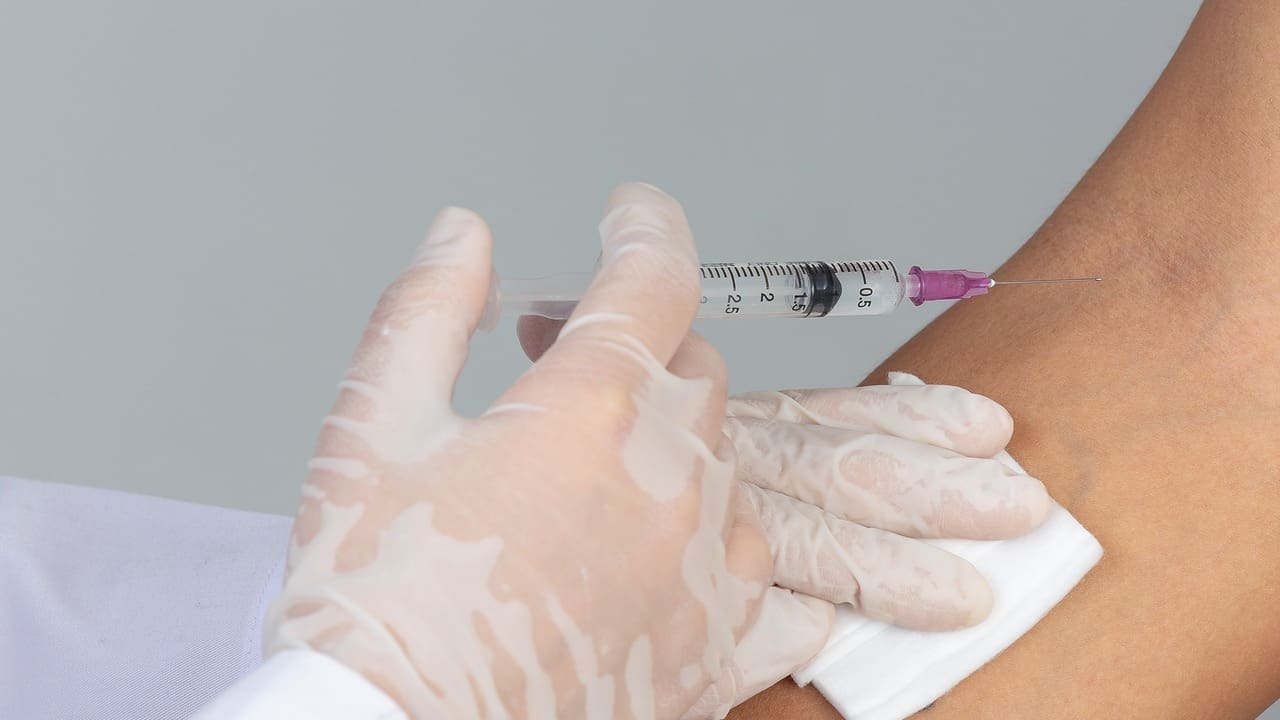
At Liv Hospital, we are dedicated to top-notch healthcare for international patients. The field of cancer treatment is growing fast. Cancer vaccines are showing great promise.
Cancer vaccines boost the body’s defense against cancer. They use the immune system to find and fight cancer cells better.
There’s a lot of progress in cancer vaccination strategies. This gives patients new hope. Exploring the different types of cancer vaccines shows their huge promise.
Key Takeaways
- Cancer vaccines are a type of treatment that harnesses the immune system’s power to fight cancer.
- There are different types of cancer vaccines, each with its unique mechanism of action.
- Cancer vaccines offer a promising approach in the fight against cancer.
- Liv Hospital is at the forefront of providing advanced cancer treatments, including cancer vaccines.
- The development of cancer vaccines is a rapidly evolving field with significant potential.
The Emerging Role of Cancer Vaccines in Oncology
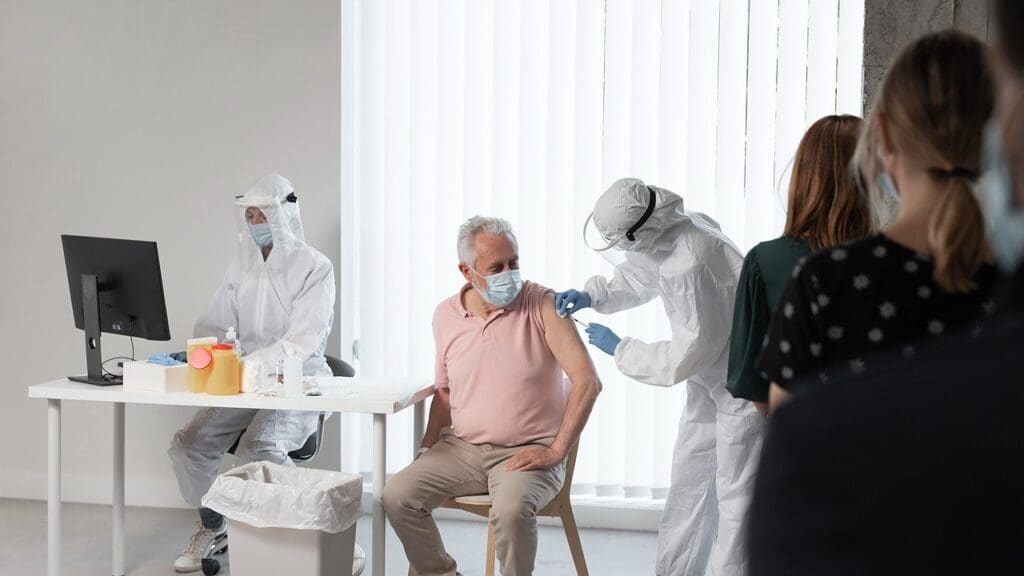
Immunotherapeutic vaccines are leading a big change in cancer treatment. They bring new hope to patients everywhere. As we learn more about cancer, vaccines are becoming more important in fighting it.
Cancer Immunotherapy Revolution
The field of cancer immunotherapy is growing fast. Immunotherapeutic vaccines are key in this growth. They help the body fight cancer cells better, making treatment more targeted.
Defining Cancer Vaccines and Their Purpose
Cancer vaccines aim to stop or treat cancer by boosting the immune system. They are different from regular vaccines. Instead of preventing infections, they target cancer cells.
Global Impact and Terminology (Including “Vacuna Cancer”)
The term “vacuna cancer” (cancer vaccine) is used worldwide. It shows the global fight against cancer through immunotherapy. As research improves, cancer vaccines will have a bigger impact on health globally.
We’re seeing a big change in how we treat cancer. Cancer vaccines are at the forefront of this change.
Immunotherapy Vaccines: A Breakthrough Approach to Cancer Treatment
Immunotherapy vaccines have changed how we treat cancer. They help our bodies fight cancer cells better. This is thanks to our immune system’s power.
How Cancer Evades the Immune System
Cancer cells hide from our immune system. They look like normal cells or stop our immune from working. Knowing how they do this helps us make better treatments.
Principles of Cancer Immunotherapy
Cancer immunotherapy boosts our immune system’s fight against cancer. It uses immunotherapy vaccines. These vaccines help our immune system attack cancer cells.
Tumor Antigens and Immune Response
Tumor antigens are on cancer cells and can start an immune response. Immunotherapy vaccines target these antigens. This helps our immune system find and destroy cancer cells.
| Key Components | Function in Immunotherapy |
|---|---|
| Tumor Antigens | Trigger an immune response against cancer cells |
| Immunotherapy Vaccines | Stimulate the immune system to recognize and attack cancer cells |
| Immune Cells | Execute the immune response against cancer |
Understanding how cancer hides from our immune system is key. By using immunotherapy, we can make treatments more effective. Tumor antigens play a big role in this.
How Do Cancer Vaccines Work in the Body?
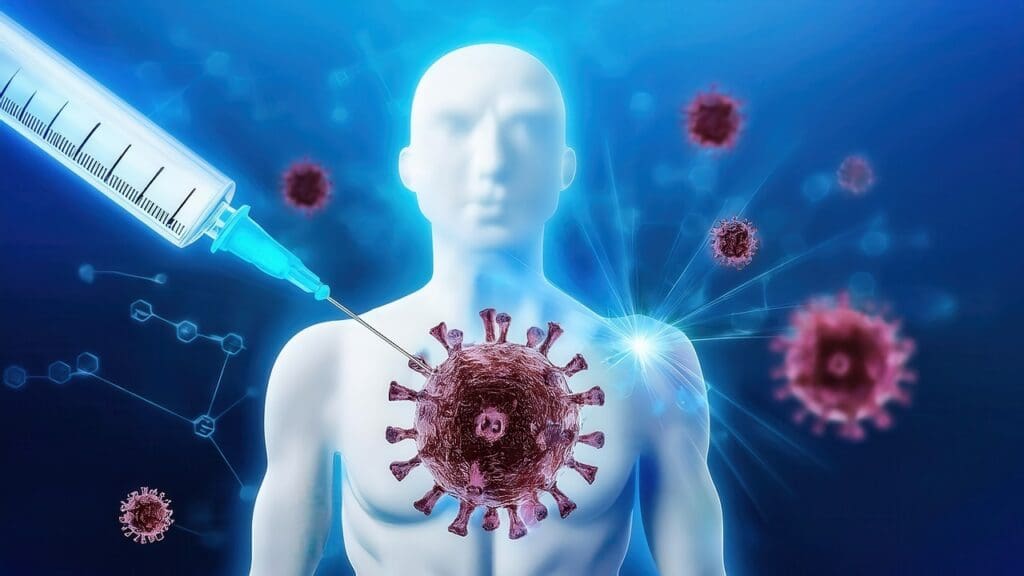
Cancer vaccines are a new way to fight cancer. They use the body’s immune system to attack cancer cells. These vaccines are a promising addition to traditional treatments.
Activating the Immune System Against Cancer
Cancer vaccines introduce tumor antigens to the body. This helps the immune system fight cancer cells better. We use different antigens and ways to deliver them to boost the immune response against cancer.
T-Cell Response and Cancer Recognition
T-cells are key in how cancer vaccines work. They are a type of immune cell that can kill infected cells or start other immune responses. By making T-cells stronger, cancer vaccines help the body fight cancer cells better.
Differences from Traditional Preventive Vaccines
Cancer vaccines are different from vaccines that prevent infections. They are made to treat cancer, not prevent it. They help the immune system fight cancer cells, making them a treatment tool.
The Immune Memory Response
Cancer vaccines also create an immune memory response. This means the immune system remembers cancer cells. It can then fight them faster and more effectively if cancer comes back. This is key for managing cancer long-term and preventing it from coming back.
Understanding how cancer vaccines work shows their big promise in treating cancer. As research keeps improving, we hope cancer vaccines will play a big role in cancer care.
The 4 Types of Cancer Vaccines Explained
Cancer vaccines have evolved into several types, each with its own benefits. It’s important to understand these differences to see how far cancer treatment has come.
Protein and Peptide-Based Vaccines
These vaccines target specific proteins or peptides on cancer cells. They aim to trigger a strong immune response.
Mechanism of Action
They work by showing these proteins or peptides to the immune system. This makes the immune system attack cancer cells with these markers.
Current Research and Applications
Scientists are working hard to make these vaccines more effective. Many are in clinical trials.
Nucleic Acid Vaccines (DNA and RNA)
Nucleic acid vaccines use DNA or RNA to make cells produce specific proteins. This leads to an immune response against cancer.
How They Deliver Genetic Instructions
These vaccines give cells genetic instructions. The cells then produce the needed protein, starting an immune response.
Advantages Over Traditional Approaches
They are flexible and can be developed quickly. This makes them a strong tool against cancer.
Cellular Vaccines
Cellular vaccines use cells to boost the immune system. This can include dendritic cells or whole tumor cells.
Dendritic Cell Vaccines
Dendritic cell vaccines load dendritic cells with tumor antigens. These cells are then given to patients to spark an immune response.
Whole Tumor Cell Vaccines
Whole tumor cell vaccines use irradiated tumor cells. They aim to trigger a wide immune response against the tumor.
Viral Vector Vaccines
Viral vector vaccines use viruses to deliver genetic material. This material prompts an immune response against cancer cells.
Using Viruses as Delivery Systems
Engineered viruses are used to safely deliver genetic material. They are designed to be harmless but effective.
Safety and Efficacy Considerations
Ensuring safety and effectiveness is key. Ongoing research focuses on improving these vaccines for cancer treatment.
| Type of Vaccine | Mechanism | Advantages |
|---|---|---|
| Protein/Peptide-Based | Stimulates immune response against specific tumor antigens | Highly targeted |
| Nucleic Acid (DNA/RNA) | Instructs cells to produce specific proteins | Flexible, rapid development |
| Cellular | Uses cells to stimulate immune response | Broad immune response |
| Viral Vector | Delivers genetic material using viruses | Effective delivery system |
Preventive Cancer Vaccines: Stopping Cancer Before It Starts
Preventive cancer vaccines are a new way to fight cancer. They target the causes before they become a problem. These vaccines could greatly lower the number of certain cancers by stopping them early.
Virus-Associated Cancers
Many cancers come from viruses. Vaccines against these viruses are key in stopping cancer before it starts. Viruses like Human Papillomavirus (HPV) and Hepatitis B cause various cancers, including cervical, anal, and liver cancers.
HPV Vaccines (Gardasil and Cervarix)
HPV vaccines, like Gardasil and Cervarix, work well to prevent infections that lead to cervical cancer. Gardasil also protects against other HPV-related cancers.
“The introduction of HPV vaccines has been a game-changer in the prevention of cervical cancer.”
Hepatitis B Vaccine and Liver Cancer Prevention
The Hepatitis B vaccine is also very important. Hepatitis B infection is a big risk for liver cancer. By vaccinating against Hepatitis B, we can lower liver cancer worldwide.
Success Rates and Population Impact
These vaccines have made a big difference in public health. HPV vaccination can cut HPV infections by up to 90% in those who get it. Hepatitis B vaccination has also helped lower liver cancer in areas with high Hepatitis B rates.
By using vaccines on a large scale, we can make big steps in preventing cancer. This will help lower the global cancer problem.
Therapeutic Cancer Vaccines: Fighting Existing Cancer
Therapeutic cancer vaccines are gaining attention for treating different cancers. They aim to boost the immune system to fight cancer cells. This approach shows promise in battling existing cancers.
Goals and Mechanisms of Treatment Vaccines
The main goal of these vaccines is to improve the immune system’s fight against cancer. They introduce specific antigens to the immune system. This triggers a targeted attack on cancer cells with those antigens.
The process involves activating dendritic cells. These cells are key in starting and managing the immune response.
Current Applications in Clinical Practice
These vaccines are being tested for various cancers like melanoma, prostate cancer, and lung cancer. Recent studies suggest they work well when combined with other treatments.
Challenges in Therapeutic Vaccination
Despite their promise, therapeutic cancer vaccines face hurdles. Tumors vary greatly, and the tumor environment can suppress the immune system. Overcoming these obstacles is essential for better vaccine results.
Patient Selection Criteria
Choosing the right patients for vaccine trials is key. The cancer stage, past treatments, and certain biomarkers are considered. These factors help decide who can benefit from the vaccine.
| Criteria | Description | Importance |
|---|---|---|
| Cancer Stage | Advanced or metastatic disease | High |
| Previous Treatments | Failure of standard therapies | Medium |
| Biomarkers | Presence of specific tumor markers | High |
FDA-Approved Cancer Vaccines: Current Options
Cancer vaccines are a new hope in fighting cancer. The FDA has approved several vaccines. They help prevent and treat different types of cancer.
Sipuleucel-T (Provenge) for Prostate Cancer
Sipuleucel-T, known as Provenge, is a cancer vaccine for prostate cancer. It’s made from the patient’s immune cells. These cells are treated in a lab to fight prostate cancer cells.
Studies show Sipuleucel-T can help men with advanced prostate cancer live longer. It boosts the immune system to attack cancer cells.
Preventive Vaccines with FDA Approval
There are also vaccines to prevent cancer. The FDA has approved vaccines for HPV and hepatitis B virus. These viruses can cause certain cancers.
HPV vaccines like Gardasil and Cervarix protect against cancers caused by HPV. The hepatitis B vaccine stops HBV infection, which can lead to liver cancer.
The Approval Process and Clinical Trials
The FDA checks cancer vaccines very carefully. They go through many clinical trials. These tests check if the vaccine is safe and works well.
Clinical trials are key. They help find out if a vaccine is safe and effective for people.
Insurance Coverage and Accessibility
Insurance coverage for cancer vaccines varies.
But, getting these vaccines can be hard, mainly in poor areas. Work is being done to make vaccines more available and affordable.
| Vaccine | Type | Cancer Prevention/Treatment |
|---|---|---|
| Sipuleucel-T (Provenge) | Therapeutic | Prostate Cancer |
| Gardasil, Cervarix | Preventive | Cervical, Anal, Oropharyngeal, Penile, Vulvar, Vaginal Cancers |
| Hepatitis B Vaccine | Preventive | Liver Cancer |
As research keeps improving, we’ll see more cancer vaccines. This brings hope for fighting and preventing cancer.
Cancer Shots: Administration and Patient Experience
Administering cancer shots is a key part of cancer treatment. It involves careful thought about many factors. These shots aim to boost the immune system to fight cancer cells.
Cancer Injections: Procedures and Protocols
Cancer shots are given through injections, either in the muscle or under the skin. The exact method depends on the vaccine type and the patient’s needs. For more on immunotherapy, including cancer vaccines, check Dana-Farber’s resource on immunotherapy.
Treatment Schedules and Duration
The treatment schedule for cancer shots varies a lot. Some vaccines need several injections over weeks or months. Others might be used with other treatments. The treatment length depends on the vaccine, how the patient responds, and the overall plan.
Managing Side Effects and Reactions
Side effects of cancer shots include redness, swelling, or pain at the site. Patients might also feel tired or have flu-like symptoms. In rare cases, more serious reactions can happen. It’s important to talk to a healthcare provider about managing these side effects.
What Patients Should Know Before Treatment
Before getting cancer shots, patients should know the benefits and risks. It’s vital to share any health issues, allergies, or worries with a doctor. Knowing the treatment plan, possible side effects, and what to expect can help patients feel ready and supported during their treatment.
Combining Cancer Vaccines with Other Treatments
The use of cancer vaccines with other treatments is changing how we fight cancer. By mixing different ways to treat cancer, we can make treatments better. This opens up new options for patients.
Synergy with Checkpoint Inhibitors
Using cancer vaccines with checkpoint inhibitors is very promising. Checkpoint inhibitors help the immune system fight cancer cells better. Together, they make the immune system stronger against tumors.
Integration with Conventional Cancer Therapies
Cancer vaccines can also work with treatments like chemotherapy and radiation. This mix can shrink tumors and make them easier to target. Personalized treatment plans that include vaccines and traditional therapies are being made to help patients more.
Personalized Vaccination Strategies
One big plus of combining vaccines with other treatments is making personalized vaccination strategies. By making vaccines fit a patient’s tumor, treatments can work better.
Improving Response Rates Through Combination
Combining cancer vaccines with other therapies can greatly improve how well treatments work.
- Enhanced immune response
- Better tumor targeting
- Reduced risk of recurrence
As research goes on, we’ll see more creative ways to treat cancer. These new combinations will likely make treatments even better.
The Future of Cancer Vaccination: Emerging Research
Cancer vaccination is on the verge of a big change. This is thanks to personalized neoantigen vaccines and mRNA technology. These new areas of research could greatly change how we fight cancer.
Personalized Neoantigen Vaccines
Personalized neoantigen vaccines are a big step forward in cancer treatment. They target specific mutations in tumors. This could help many people with different types of cancer.
mRNA Technology Applications
mRNA technology is becoming key in cancer vaccines. It can make vaccines that really fight cancer cells. This is a big deal for fighting cancer.
Expanding Cancer Types for Vaccination
Research is also looking to use vaccines for more types of cancer. They want to find ways to fight tumors that are hard to reach. This could be a game-changer.
Overcoming Resistance Mechanisms
Another important area is finding ways to beat resistance to vaccines. Researchers are working hard to make vaccines last longer and work better. This could make a big difference for patients.
As research keeps moving forward, the future of cancer vaccines looks bright. We could see big improvements soon that will help patients a lot.
Conclusion: The Promise and Challenges of Cancer Vaccines
Cancer vaccines are a promising new way to fight cancer. They offer hope for better treatment options. There are different types of vaccines, each working in its own way.
For example, Sipuleucel-T (Provenge) is approved for prostate cancer. HPV vaccines like Gardasil and Cervarix help prevent certain cancers. New technologies, like mRNA-based vaccines, are also being tested.
Even with these advances, there are challenges ahead. We need to make vaccines work better for more people. We also need to find ways to overcome resistance to these treatments.
But, as research keeps going, cancer vaccines will become more important. They might be used with other treatments to make them more effective. This could lead to better outcomes for patients.
So, cancer vaccines are a key part of the fight against cancer. They offer hope to those affected by this disease. With ongoing research, they will play a bigger role in treatment.
What are cancer vaccines and how do they work?
Cancer vaccines are a special kind of treatment that helps the body fight cancer. They work by introducing specific proteins to the body. This triggers the immune system to attack cancer cells.
What are the different types of cancer vaccines?
There are four main types of cancer vaccines. These include protein/peptide-based, nucleic acid (DNA and RNA), cellular, and viral vector vaccines. Each type works in a unique way and is used for different purposes.
How do cancer vaccines differ from traditional preventive vaccines?
Cancer vaccines are made to treat or prevent cancer from coming back. Traditional vaccines, on the other hand, prevent infections. Cancer vaccines help the body fight cancer cells, while traditional vaccines protect against specific diseases.
What is the role of tumor antigens in cancer vaccines?
Tumor antigens are proteins found on cancer cells. Cancer vaccines use these antigens to start an immune response. This helps the body recognize and attack cancer cells.
Are there any FDA-approved cancer vaccines?
Yes, the FDA has approved several cancer vaccines. These include sipuleucel-T (Provenge) for prostate cancer and preventive vaccines like HPV vaccines (Gardasil and Cervarix) and hepatitis B vaccine.
How are cancer vaccines administered?
Cancer vaccines are given through injections. The treatment schedule and how long it lasts depend on the vaccine and the patient’s needs.
What are the benefits of combining cancer vaccines with other treatments?
Using cancer vaccines with other treatments can make them more effective. This combination can lead to better results and higher response rates.
What is the future of cancer vaccination?
New research areas, like personalized neoantigen vaccines and mRNA technology, are promising. They could make more types of cancer treatable and improve treatment outcomes.
Can cancer vaccines be used to prevent cancer?
Yes, some cancer vaccines can prevent certain types of cancer. For example, HPV vaccines and hepatitis B vaccine can protect against virus-related cancers by building immunity.
What are the challenges associated with therapeutic cancer vaccines?
Therapeutic cancer vaccines face several challenges. These include finding the right patients, dealing with different types of tumors, and managing side effects. Researchers are working to overcome these issues and improve treatment results.
Are cancer vaccines covered by insurance?
Insurance coverage for cancer vaccines varies. It depends on the vaccine, the patient’s needs, and the insurance provider. Patients should talk to their healthcare provider and insurance company to find out about coverage.
References
- Oncology Practice Management: https://oncpracticemanagement.com/issues/2021/march-2021-vol-11-no-3/therapeutic-cancer-vaccines-the-next-frontier
- Cancer Research Institute (CRI): https://www.cancerresearch.org/immunotherapy-by-treatment-types/cancer-vaccines
- BOC Sciences: https://www.bocsci.com/resources/definition-and-classification-of-cancer-vaccines.html
- National Center for Biotechnology Information (NCBI) / PMC: https://pmc.ncbi.nlm.nih.gov/articles/PMC9217071/
- National Center for Biotechnology Information (NCBI) / PMC: https://pmc.ncbi.nlm.nih.gov/articles/PMC10459477/