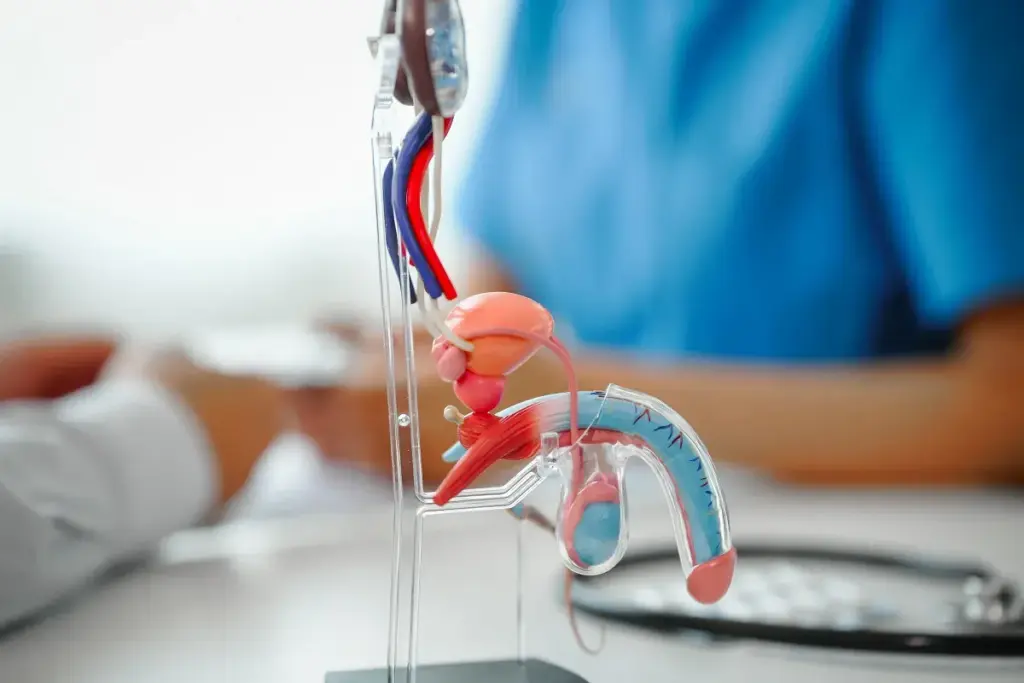
Testicular cancer is a big worry for young men. Many don’t realize how serious it is. One in every 250 men will develop testicular cancer in their lifetime. It’s the most common cancer in men aged 15 to 35.
Cancer zodiac signs aren’t medical, but testicular cancer is. Learn the amazing survival rates and how doctors find a powerful cure.
We’ll look into the dangers of testicular cancer and why catching it early is so important. Knowing how serious this disease is helps spread awareness. It also encourages men to look after their health.
Key Takeaways
- Testicular cancer is the most common cancer among young men.
- Early detection is key to treating testicular cancer.
- Knowing the risks can help prevent testicular cancer.
- Spreading awareness and education is vital for men’s health.
- Testicular cancer can be deadly if not caught and treated quickly.
Understanding Testicular Cancer
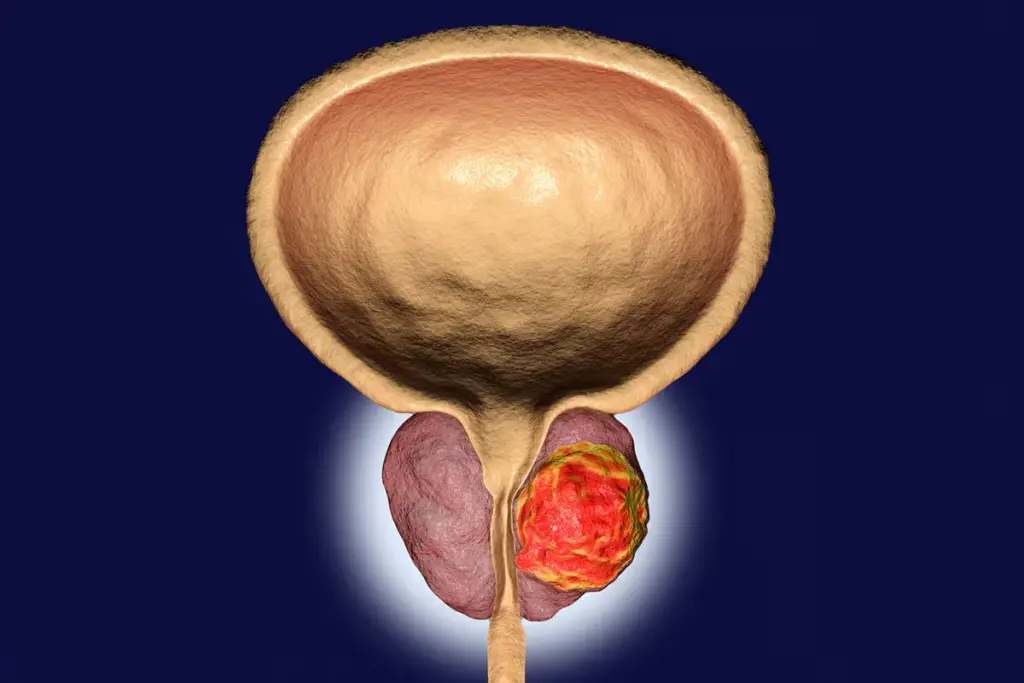
Knowing about testicular cancer is key to catching it early and saving lives. We’ll look into what it is, why catching it early matters, and the signs to watch for.
Definition and Overview
Testicular cancer starts in the testicles, which are vital for men’s health. It happens when cells in the testicles grow out of control and form tumors. There are two main types: seminoma and non-seminoma. The exact causes of testicular cancer are not known, but some risk factors have been found.
The risk factors for testicular cancer include:
- Abnormal testicle development
- Family history of testicular cancer
- Previous history of testicular cancer
- Undescended testes (cryptorchidism)
Importance of Early Detection
Early detection of testicular cancer is crucial, as the cure rate exceeds 95% when diagnosed early. Understanding risk factors and recognizing early signs can significantly impact outcomes.
Regular self-checks and doctor visits are key to catching cancer early. Men should get to know what their testicles look and feel like normally. This helps spot any changes.
|
Stage at Diagnosis |
Survival Rate |
|---|---|
|
Stage I |
Over 95% |
|
Stage II |
80-95% |
|
Stage III |
50-80% |
Common Symptoms to Watch For
Knowing the signs of testicular problems is vital for early detection. Look out for:
- A lump or swelling in the testicle
- Pain or discomfort in the testicle or scrotum
- A feeling of heaviness in the scrotum
- Dull ache in the lower abdomen or groin
If you observe any of these symptoms, consult a doctor promptly for evaluation. These signs can mean different things, but a doctor can figure out what’s going on.
Risk Factors for Testicular Cancer
Testicular cancer risk comes from genetics, age, and environment. Knowing these factors helps spot high-risk men early. This can lead to catching the disease before it’s too late.
Age and Demographics
Young and middle-aged men face the highest risk of testicular cancer. The American Cancer Society says the risk peaks at 30 years old. Men with undescended testes or past testicular issues are also at higher risk.
|
Age Group |
Relative Risk |
|---|---|
|
15-35 years |
High |
|
35-45 years |
Moderate |
|
45+ years |
Low |
Family History and Genetics
Family ties are key in testicular cancer risk. Men with a family history of the disease are at higher risk. Certain genetic conditions, like Klinefelter syndrome, also raise the risk.
“Having a brother with testicular cancer increases a man’s risk about 8- to 12-fold, while having a father with the disease increases the risk about 4- to 6-fold.”
– American Cancer Society
Environmental Factors
Environmental factors might play a role in testicular cancer. Chemicals like pesticides and heavy metals could be risks. Lifestyle choices, like diet and exercise, might also affect risk, but more research is needed.
Understanding genetics, age, and environment helps us spot high-risk men. This leads to early detection and treatment.
Staging and Grading of Testicular Cancer
Staging and grading are key in managing testicular cancer. They help us know how far the disease has spread. This info guides us in choosing the right treatment.
What is Staging?
Staging tells us how far testicular cancer has spread in the body. It shows if it has moved to other areas. This is vital for picking the best treatment.
We use imaging tests like CT scans and MRI to stage cancer. Blood tests also help by checking tumor markers. The TNM system is a common way to stage testicular cancer. It looks at the tumor size, lymph node spread, and distant metastasis.
|
Stage |
Description |
|---|---|
|
Stage I |
Cancer is limited to the testicles. |
|
Stage II |
Cancer has spread to the retroperitoneal lymph nodes. |
|
Stage III |
Cancer has spread beyond the retroperitoneum to other parts of the body. |
How Grading Impacts Treatment
Grading looks at cancer cells to see how much they’re like normal cells. It tells us how fast the cancer might grow and spread.
Grading helps us understand the tumor’s aggressiveness. This helps us choose the right treatment. Seminomas usually have a better outlook than non-seminomas.
Knowing the tumor grade is important for treatment planning. It helps decide between surgery, chemotherapy, or radiation therapy.
Treatment Options for Testicular Cancer
Testicular cancer treatment includes surgery, radiation, and chemotherapy. The right treatment depends on the cancer type and stage. It also depends on the patient’s health.
Orchidectomy: The Primary Surgical Approach
Surgery is a key treatment for testicular cancer. The most common surgery is an orchidectomy. This involves removing the testicle with the tumor.
This surgery helps diagnose the cancer type. It is often enough to cure early-stage cancer.
Role of Radiation Therapy
Radiation therapy kills cancer cells with high-energy rays. It’s often used for seminoma, a common testicular cancer. It’s best for early-stage or lymph node cancer.
Chemotherapy for Testicular Cancer
Chemotherapy uses drugs to kill cancer cells. It’s used for non-seminoma or when cancer spreads. Chemotherapy can be given before or after surgery.
|
Treatment Option |
Application |
Benefits |
Potential Side Effects |
|---|---|---|---|
|
Surgery (Orchidectomy) |
Primary treatment for testicular cancer |
Curative for early-stage disease, helps in diagnosis |
Temporary pain, swelling, risk of infection |
|
Radiation Therapy |
Used for seminoma, specially in early stages |
Effective in killing cancer cells in lymph nodes |
Fatigue, skin irritation, risk of secondary cancers |
|
Chemotherapy |
Used for non-seminoma or advanced cancer |
Effective in treating cancer that has spread |
Nausea, hair loss, increased risk of infections |
Prognosis and Survival Rates
The outlook for testicular cancer changes a lot based on when it’s found. Knowing these details is key for both patients and doctors to choose the right treatment.
Current Statistics
Early detection makes a big difference in testicular cancer survival rates. The latest numbers show a 5-year survival rate of about 95% for this cancer. This number can change based on when the cancer is found.
Here are some specific survival rates:
- Localized Testicular Cancer: The 5-year survival rate is about 99% when the cancer is found early.
- Regional Testicular Cancer: If the cancer has spread to nearby areas, the 5-year survival rate is around 96%.
- Distant Testicular Cancer: For cancer that has spread far, the 5-year survival rate is about 73%.
Factors Affecting Survival
Several things can change how well someone with testicular cancer does. These include:
- Stage at Diagnosis: Finding the cancer early makes a big difference in survival.
- Type of Testicular Cancer: The outlook is different for seminoma and non-seminoma types.
- Overall Health: People in better health usually do better.
- Response to Treatment: How well the cancer responds to treatment is key to long-term survival.
|
Stage at Diagnosis |
5-Year Survival Rate |
|---|---|
|
Localized |
99% |
|
Regional |
96% |
|
Distant |
73% |
In summary, while testicular cancer has a good outlook, early detection is key. Knowing what affects survival helps patients make better choices about their treatment.
Impact of Testicular Cancer on Life Expectancy
Testicular cancer can greatly affect life expectancy if caught and treated early. It’s important to understand how survival rates have changed and the importance of ongoing monitoring.
Overall Survival Trends
Thanks to new treatments, survival rates for testicular cancer have gone up a lot.
In the United States and other countries, the 5-year survival rate is over 95%. This boost is mainly because of early detection and better treatments.
Importance of Regular Monitoring
After treatment, regular check-ups are key to catch any signs of cancer coming back.
We suggest a follow-up plan with regular doctor visits, scans, and tests for tumor markers. This helps find any problems early on.
|
Stage at Diagnosis |
5-Year Survival Rate |
|---|---|
|
Localized |
99% |
|
Regional |
96% |
|
Distant |
73% |
Coping with a Testicular Cancer Diagnosis
Being told you have testicular cancer is tough. It hits your body, mind, and spirit hard. At first, you might feel shocked, deny it, or be scared. It’s okay to feel these ways. Understanding that dealing with testicular cancer is a journey is key.
Emotional and Psychological Support
Getting emotional and psychological support is vital. Family, friends, and healthcare professionals can make a big difference. They offer comfort, help, and advice during tough times.
Here are some ways to find support:
- One-on-one counseling or therapy to talk about your feelings
- Support groups to share experiences and find common ground
- Online forums for advice and community support
The American Cancer Society says, “Getting support is a sign of strength, not weakness.” Looking for help is a big step towards healing and coping.
Reaching Out for Help
Looking for help is a big part of dealing with testicular cancer. It’s not just about medical treatment. Healthcare providers can suggest counseling, support groups, and other resources.
Here are some resources to consider:
- Local cancer support groups for counseling and social events
- National cancer hotlines for immediate support
- Online platforms and apps for connecting with resources and support
A cancer survivor said, “The journey with cancer is not one to be walked alone; it’s vital to surround yourself with caring people.”
“Support is not just about being there; it’s about being actively involved in the healing process.”
By recognizing the need for emotional and psychological support, you can cope better with testicular cancer. We urge anyone affected to look into the resources and support networks available. This can help you find the help you need.
Role of Support Groups and Resources
When you get diagnosed with testicular cancer, you start a journey. Support groups and resources are key to help you. They make a big difference in your fight against cancer.
Finding Local Support Groups
Local support groups let you share your story and get support. You can find people who face the same challenges. To find these groups, talk to your doctor or check online resources like the American Cancer Society’s Cancer Survivors’ Network.
- Ask your healthcare provider for recommendations
- Check online directories such as the American Cancer Society’s Cancer Survivors’ Network
- Contact local cancer organizations or hospitals for information on support groups
Asan oncologist, notes, “Support groups are very helpful. They give you a sense of community and understanding, which is key when facing testicular cancer.”
National Organizations and Hotlines
National organizations and hotlines also offer great support. They provide information on testicular cancer, emotional support, and help with awareness. These groups help you understand your options and offer support.
- Access to information on testicular cancer, including treatment options and clinical trials
- Emotional support through hotlines and online support groups
- Advocacy and awareness efforts to promote understanding and research into testicular cancer
Examples of national organizations include the Testicular Cancer Society and the Cancer Support Community. They offer online support groups, educational materials, and help with awareness.
“The support of others who understand what you’re going through can be a powerful tool in coping with testicular cancer.” –
Testicular Cancer Survivor
Advancements in Testicular Cancer Research
Medical technology and research are changing how we treat testicular cancer. We now understand the disease better and how to treat it more effectively. This means better outcomes and a better quality of life for patients.
New Treatment Modalities
New treatments for testicular cancer are being developed. These include targeted therapies and immunotherapies. They aim to be more precise, harming fewer healthy cells and causing fewer side effects.
Targeted therapy attacks specific cancer cell traits, stopping them from growing and spreading. Immunotherapy uses the body’s immune system to fight cancer. It’s a promising area of research, making treatments more effective and lasting.
We’re also seeing more precision medicine. This means treatments are made just for each person, based on their genes and molecular makeup.
Clinical Trials and Their Importance
Clinical trials are key in testicular cancer research. They test new treatments, compare them, and find side effects. Patients get access to new treatments and help researchers understand the disease better.
We suggest talking to your doctor about joining a clinical trial. It’s a chance to try new treatments and help find better ones. The data from these trials helps improve treatment strategies and outcomes.
Clinical trials are very important. They help:
- Evaluate new treatments’ safety and effectiveness
- Find the best treatment combinations
- Deepen our understanding of testicular cancer biology
As we keep exploring testicular cancer research, clinical trials will be even more vital. By supporting and joining these trials, we can work towards better treatments and management of testicular cancer.
Prevention and Awareness Strategies
Regular self-examinations are key in fighting testicular cancer. They help us catch the disease early. This knowledge is vital for those at risk.
Promoting Regular Self-Examinations
Doing self-exams monthly is a smart move. Men should get to know their testicles well. This makes spotting any oddities easier.
- Examine each testicle gently but firmly between your thumb and fingers.
- Check for any lumps, swelling, or changes in size or consistency.
- Feel for any changes in the epididymis, the tube at the back of the testicle that stores sperm.
The Role of Education in Prevention
Learning about testicular cancer is important. Education teaches men about risks and symptoms. It motivates them to check themselves regularly.
|
Educational Aspect |
Description |
Impact |
|---|---|---|
|
Awareness of Risk Factors |
Understanding personal risk factors, such as family history. |
Encourages vigilance and regular check-ups. |
|
Symptoms Recognition |
Knowledge of common symptoms like testicular swelling or pain. |
Prompts early medical consultation. |
|
Self-Examination Techniques |
Training on how to perform self-exams correctly. |
Enhances early detection capabilities. |
Conclusion: Importance of Awareness and Early Detection
Testicular cancer is a serious health issue that needs quick action. We’ve looked at what it is, who’s at risk, and how to treat it. We also talked about the role of support systems.
Knowing about testicular cancer is key. It helps find the disease early. This knowledge lets people take care of their health and possibly get better faster.
Finding testicular cancer early is very important. It makes treatments work better and raises survival chances. We urge everyone, but those at higher risk, to check themselves often. If they find something odd, they should see a doctor right away.
Together, we can fight testicular cancer by spreading awareness and finding it early. We need to keep supporting research and learning more about this disease.
FAQ
How common is testicular cancer?
Testicular cancer is rare but common among young men. We aim to help those affected with information and support.
What are the risk factors for testicular cancer?
Risk factors include age, family history, genetics, and undescended testicles. Knowing these can help in early detection.
What are the symptoms of testicular cancer?
Symptoms include a testicular lump, swelling, pain, and a feeling of heaviness. Being aware of these signs is important.
How is testicular cancer staged?
Staging shows how far the cancer has spread. It helps decide the treatment plan and prognosis.
What are the treatment options for testicular cancer?
Treatments include surgery, radiation, and chemotherapy. The choice depends on the cancer’s stage and type.
How effective are the treatments for testicular cancer?
Treatment success varies by diagnosis stage and health. We strive to provide the best care.
Can testicular cancer be prevented?
No sure prevention exists, but regular self-exams and awareness can lead to early detection. This improves outcomes.
How does testicular cancer affect life expectancy?
Life expectancy varies by diagnosis stage and treatment response. Post-treatment monitoring is key.
What support is available for those diagnosed with testicular cancer?
We offer emotional support, counseling, and group meetings. These help cope with the diagnosis.
Are there any new advancements in testicular cancer research?
Yes, research explores new treatments and clinical trials. Clinical trials can improve treatment options.
Why is awareness and early detection important?
Awareness and early detection are vital for managing testicular cancer. We encourage proactive health steps and regular check-ups.
Is testicular cancer genetic?
Yes, genetics play a role, with family history being a factor. Knowing your family history can assess your risk.
Can external factors affect testicle function?
Yes, environmental exposures can impact testicle function and health. We provide information on maintaining testicular health.
How can I find local support groups for testicular cancer?
We can help find local and national support groups. They offer help and guidance for those with testicular cancer.
Reference
National Center for Biotechnology Information. Evidence-Based Medical Insight. Retrieved from https://www.ncbi.nlm.nih.gov/books/NBK563159/[5