Pirtobrutinib is a highly selective, non-covalent Bruton’s Tyrosine Kinase (BTK) inhibitor. As a targeted therapy, it is designed to overcome resistance that often develops with older, covalent BTK inhibitors.
Drug Overview
- Generic Name: Pirtobrutinib (formerly known as LOXO-305)
- US Brand Names: Jaypirca®
- Drug Class: Non-Covalent (Reversible) Bruton’s Tyrosine Kinase (BTK) Inhibitor
- Route of Administration: Oral (Tablet)
- FDA Approval Status: Traditionally Approved for oncological indications
What Is It and How Does It Work? (Mechanism of Action)
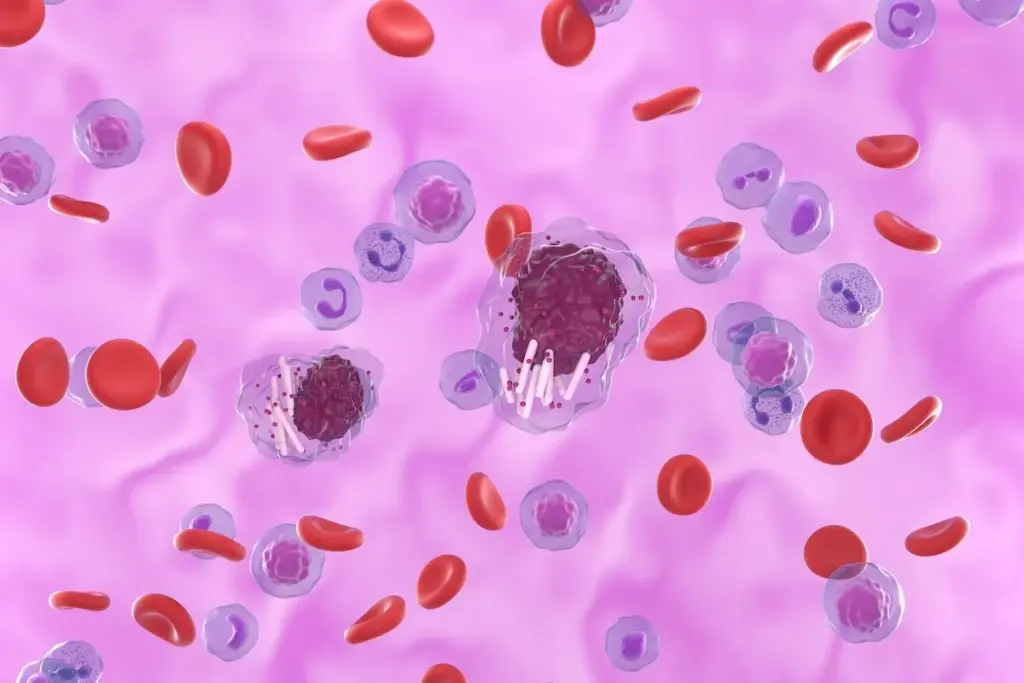
Pirtobrutinib is a small molecule that selectively and reversibly targets the BTK enzyme, a protein critical for B-cell growth, survival, and proliferation. It is effective against both the wild-type and mutated forms of BTK.
- Molecular Target: The drug targets Bruton’s Tyrosine Kinase (BTK). BTK plays a critical role in signaling through the B-cell receptor (BCR) pathway.
- Cellular Impact: Pirtobrutinib is a non-covalent (reversible) inhibitor. This means it does not rely on binding to the specific C481 cysteine residue on the BTK protein, which is the site of resistance mutations (e.g., C481S) that frequently cause failure of older, covalent BTK inhibitors. By inhibiting BTK activation, pirtobrutinib prevents the downstream signaling of the BCR pathway.
- Result (Anti-Proliferation/Apoptosis): Inhibition of the BCR pathway prevents the activation and proliferation of malignant B-cells, leading to their eventual elimination. This mechanism works irrespective of the BTK C481 mutation status.
- Bone Affinity: The drug has shown effectiveness in reducing biomarkers associated with tumor burden (e.g., CCL3 and CCL4).
FDA-Approved Clinical Indications
Pirtobrutinib (Jaypirca) is FDA-approved for specific adult B-cell malignancies.
Oncological Uses
- Chronic Lymphocytic Leukemia/Small Lymphocytic Lymphoma (CLL/SLL): Indicated for adults with relapsed or refractory CLL/SLL who have previously been treated with a covalent BTK inhibitor.
- Note: The indication was initially granted accelerated approval in 2023 for patients who received at least two prior lines of therapy, including a BTK inhibitor and a BCL-2 inhibitor, but has been expanded/converted to traditional approval for a broader group of patients.
- Mantle Cell Lymphoma (MCL): Indicated for adult patients with relapsed or refractory MCL after at least two lines of systemic therapy, including a BTK inhibitor.
Non-oncological Uses
- No current FDA-approved non-oncological indications were found.
Dosage and Administration Protocols
Pirtobrutinib is administered orally as a continuous treatment until disease progression or unacceptable toxicity.
| Indication/Regimen | Standard Dosage (Oral) | Frequency | Administration Notes |
| CLL/SLL and MCL | 200 mg | Once daily | Swallow whole with water, with or without food, at the same time each day. Avoid high-fat meals. |
Dose Adjustments and Special Considerations
| Condition | Dose Modification Strategy | Notes |
| Severe Renal Impairment (eGFR 15-29 mL/min) | Reduce dose to 100 mg once daily. If current dose is 100 mg, reduce to 50 mg; if 50 mg, discontinue. | Pharmacokinetics are unknown for patients on dialysis. |
| Hepatic Impairment | Data not available. | Use with caution in liver disease, as it may worsen the condition. |
| Strong CYP3A Inhibitors (e.g., specific antifungals) | Avoid coadministration. If unavoidable, reduce pirtobrutinib dose to 50 mg. | The drug is metabolized primarily by CYP3A4. |
| Cytopenia/Non-Hematologic Toxicity | Interrupt therapy until recovery to Grade 1 or baseline; subsequent occurrences may require permanent dose reduction to 100 mg once daily. | Mandatory monitoring of blood counts is required. |
Clinical Efficacy and Research Results
Pirtobrutinib has established superiority in patients whose cancer has become resistant to prior BTK inhibitors, a significant unmet need.
- Superior Progression-Free Survival (PFS) (BRUIN CLL-321): In patients previously treated with a covalent BTK inhibitor, pirtobrutinib significantly improved PFS compared to investigator’s choice of IdelaR or BR. Median PFS was 11.2 months in the pirtobrutinib arm versus 8.7 months in the investigator’s choice arm (Hazard ratio 0.58; p-value 0.0105).
- Favorable Safety/Tolerability: Pirtobrutinib demonstrated a more favorable safety profile compared to the investigator’s choice arm in clinical trials. Grade ≥3 adverse events were lower in the pirtobrutinib arm (57.7%) compared with the investigator’s choice arm (73.4%).
- First-Line Potential (ASH 2025 Context): A recent trial showed pirtobrutinib significantly outperformed bendamustine plus rituximab (BR) in previously untreated CLL/SLL. The PFS rate was 93.4% for pirtobrutinib versus 70.7% for BR at a median follow-up of 28 months, supporting its potential as a new standard of care.
- Overcoming Resistance: Pirtobrutinib is effective against CLL cells harboring both wild-type and C481S mutant BTK, demonstrating its ability to overcome the most common resistance mechanism to covalent BTK inhibitors.
Safety Profile and Side Effects
Critical Warning: None
The prescribing information includes warnings and precautions for infections, hemorrhage, cytopenias, cardiac arrhythmias, secondary primary malignancies, hepatotoxicity, and embryo-fetal toxicity.
Common Side Effects (>10%)
- Hematologic: Hemoglobin decrease (42%), platelet decrease (39%), neutrophil decrease (36%).
- Systemic: Fatigue (29%), musculoskeletal pain (27%), edema (18%), fever (13%).
- Gastrointestinal: Diarrhea (19%), constipation (13%), abdominal pain (11%), nausea (11%).
- Respiratory/Infections: Pneumonia (16%), cough (14%), dyspnea (17%).
Serious Adverse Events
- Infections: Grade ≥3 infections occurred in 17% of patients. The most common fatal infections were COVID-19, pneumonia, and sepsis. Opportunistic infections have been reported.
- Hemorrhage: Major hemorrhage (Grade ≥3 or central nervous system bleeding) occurred in 2.4% of patients. Fatal bleeding events have been reported.
- Cardiac Arrhythmias: Heart rhythm problems, including atrial fibrillation or flutter, have been reported with BTK inhibitors.
- Hepatotoxicity: Liver damage can occur. Symptoms include dark urine, pale stools, or yellow eyes/skin.
- Secondary Primary Malignancies: Risk of developing new cancers, including skin cancer, is increased.
Connection to Stem Cell & Regenerative Medicine
Pirtobrutinib’s role is evolving, extending beyond simple cancer cell elimination into immunomodulation and pre-treatment for subsequent cellular therapies:
- Immunomodulatory Effects: While older covalent BTK inhibitors often suppress T-cell activation, pirtobrutinib was found not to affect T-cell activation markers. Crucially, it enhanced the T-cell-mediated killing of neoplastic B-cells in vitro and promoted Th1 polarization, suggesting it partially rescues the immunosuppressive phenotype associated with CLL.
- Synergy with CAR T-cell Therapy: As a non-covalent BTK inhibitor, pirtobrutinib is being investigated for its potential role in preparing patients for chimeric antigen receptor (CAR) T-cell therapy. Its favorable safety profile and ability to sustain disease control make it a potential bridging agent.
- Overcoming Resistance: The drug’s mechanism of action—maintaining efficacy despite the common C481 BTK mutation—is a key advancement in targeted medicine, ensuring the BTK pathway remains targetable, potentially improving candidacy for subsequent therapies.
Patient Management and Practical Recommendations
Pre-treatment
- Infection Screening: Baseline infection status should be assessed. Infection prophylaxis, including antimicrobial prophylaxis and vaccinations, should be considered for high-risk patients.
- Cardiac Assessment: Pre-existing heart rhythm problems, high blood pressure, and history of cardiac disease should be assessed.
- Labs: Complete blood counts (CBCs) must be monitored regularly due to the risk of cytopenias. Liver function should also be monitored.
Precautions During Treatment
- Drug Interactions: Avoid coadministration with strong CYP3A inducers or inhibitors unless dose is adjusted, as pirtobrutinib is metabolized by CYP3A4.
- Bleeding Risk: Use caution when coadministering with anticoagulants or antiplatelet agents, and monitor closely for signs of bleeding.
- Infections: Pirtobrutinib should be paused if patients develop active infections during treatment.
Do’s and Don’ts
- DO:
- DO: Report any signs of bleeding or bruising, including black or tarry stools, blood in urine, or severe headache, immediately.
- DO: Inform your doctor immediately about any signs of heart rhythm changes, such as fast, slow, or irregular heartbeat, or dizziness.
- DO: Use effective contraception during treatment and for at least one week after the last dose if you or your partner can become pregnant.
- DO: Practice sun safety (sunscreen, hat, clothing) to reduce the risk of new skin cancers.
- DON’T:
- DON’T: Take more of the medicine, take it more often, or for a longer time than your doctor ordered.
- DON’T: Stop, interrupt, or reduce the dose of pirtobrutinib without consulting your healthcare provider.
- DON’T: Breastfeed during treatment or for one week after your last dose.
Legal Disclaimer
This guide is for informational purposes only and is intended for international patients and healthcare professionals. It does not replace professional medical advice, diagnosis, or treatment. Dosing and protocols may vary by patient status, concurrent therapies, and local regulatory guidelines. Always consult with a qualified oncologist or healthcare provider regarding specific medical conditions and treatment plans.