Learn about Pancreatic Cancer, its definition, its two main types, the challenge of early diagnosis, and the critical role of specialized surgeons in treatment.
Send us all your questions or requests, and our expert team will assist you.


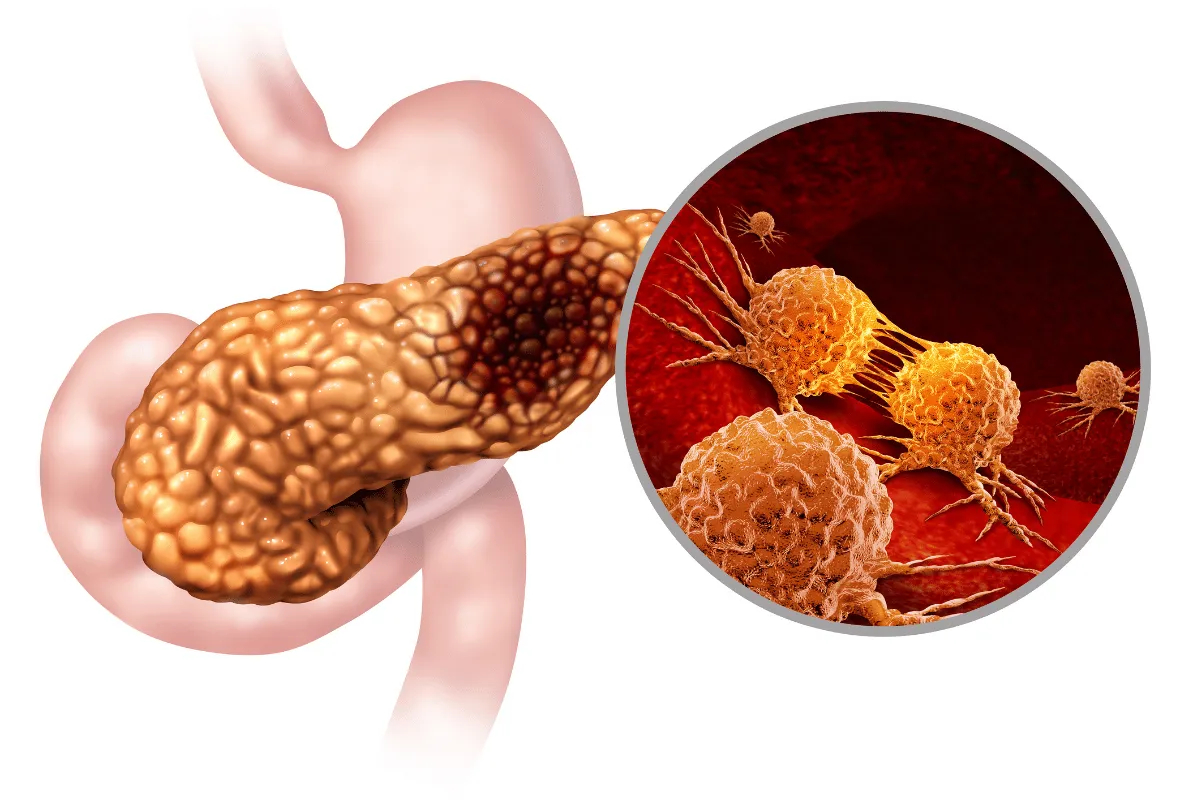
Pancreatic cancer starts when changes in the DNA of pancreatic cells upset the normal balance of cell growth and death. Normally, cells only divide to replace old or damaged ones. But when enough mutations build up, this control is lost. The cells begin to grow out of control, forming a tumor. These cancer cells can spread into nearby tissues and, importantly, can break away and travel through the lymphatic system or blood to other parts of the body. This spread is called metastasis.
About ninety-five percent of pancreatic cancers are called adenocarcinomas. These tumors start in the exocrine cells, especially those lining the pancreatic ducts. Pancreatic Ductal Adenocarcinoma is known for being aggressive and for forming a thick, fibrous tissue around the tumor called the stroma. This stroma can squeeze blood vessels and make it harder for treatments to reach the tumor, which is one reason this cancer is tough to treat.
A smaller group of pancreatic cancers comes from neuroendocrine cells and are called Pancreatic Neuroendocrine Tumors (pNETs). Some of these tumors make extra hormones and cause symptoms, while others do not. Neuroendocrine tumors usually grow more slowly than adenocarcinomas and are treated differently. Knowing exactly which type of cell the cancer started in is important because it guides the choice of treatment.

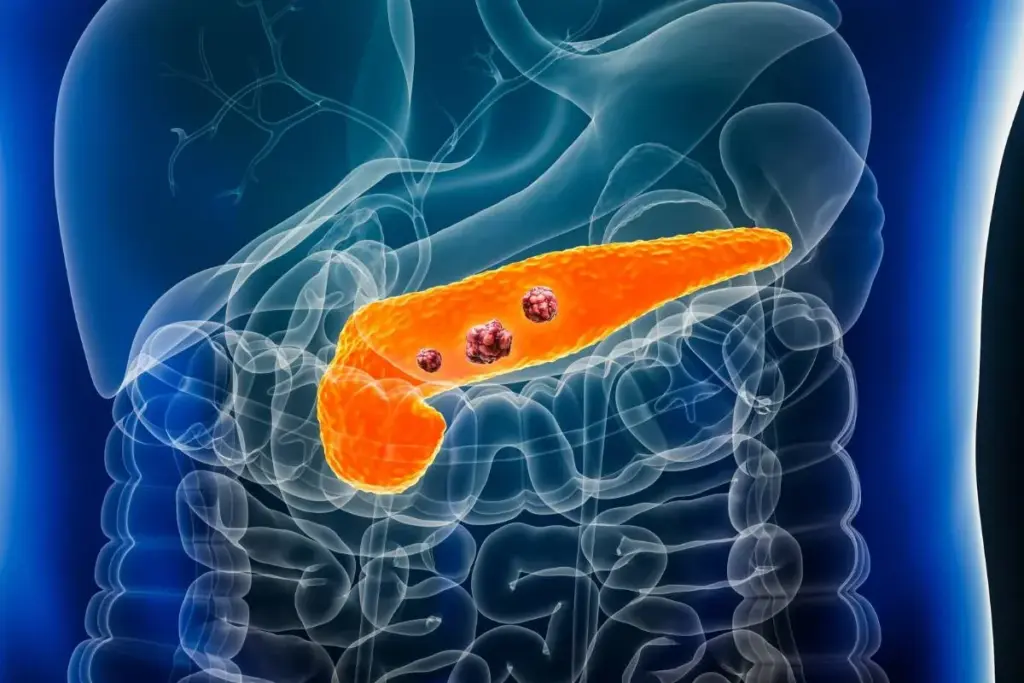
Pancreatic cancer is a major health problem worldwide because it is aggressive and often diagnosed late. It is called a silent disease since early tumors usually do not cause clear symptoms. By the time signs like jaundice, weight loss, or stomach pain appear, the cancer is often advanced or has spread. This delay highlights the importance of knowing the risk factors and finding better ways to detect the disease early.
In recent years, pancreatic cancer rates have been slowly increasing in developed countries. This rise is linked to lifestyle factors like obesity, diet, and an aging population. However, new scientific advances are changing the outlook. With better genetic testing, less invasive surgeries, and targeted treatments, patients are living longer and with a better quality of life.
The approach to this disease has shifted from a purely survival-based metric to a chronic disease management model for many patients. This involves not only attacking the tumor but also managing the systemic effects of the disease, such as malnutrition and pain. High-volume medical centers now employ multidisciplinary teams dedicated solely to this pathology, ensuring that patients have access to the full spectrum of modern medical innovation.
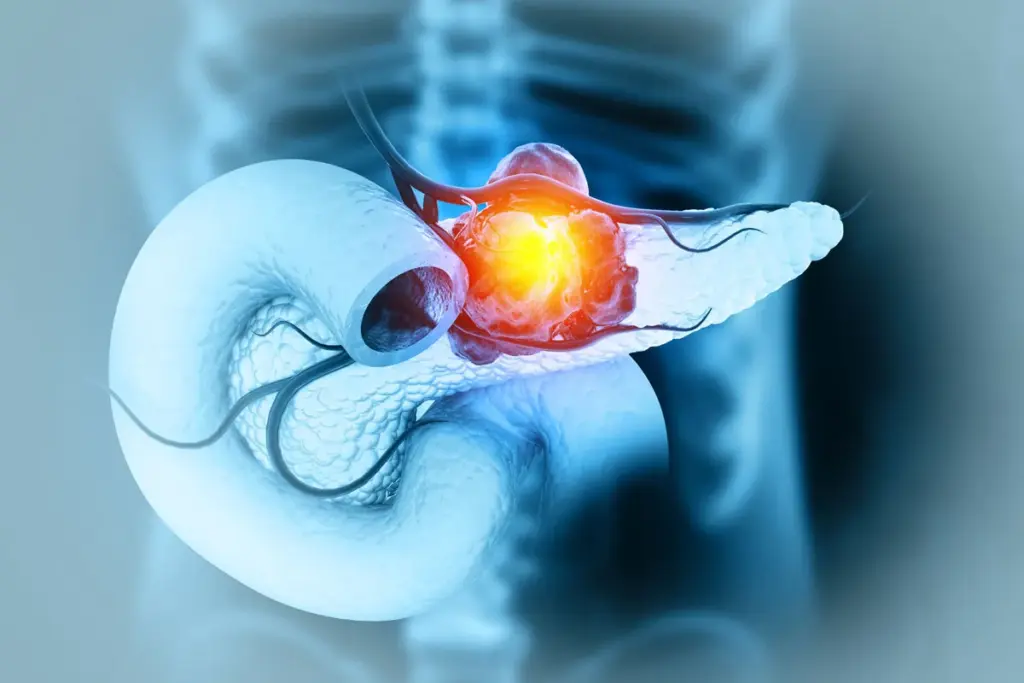
Accurately classifying a pancreatic tumor is key to planning the right treatment. Besides exocrine and endocrine tumors, there are also cystic tumors in the pancreas that need careful review. Many cysts are harmless, but some, like Intraductal Papillary Mucinous Neoplasms or Mucinous Cystic Neoplasms, can turn into cancer. Finding these early gives doctors a chance to prevent cancer through regular monitoring or surgery.
There are several types of exocrine tumors besides the common ductal adenocarcinoma. These include acinar cell carcinomas, which start in the cells that make enzymes, and solid pseudopapillary neoplasms, which are rare and usually have a better outlook. Other rare types are adenosquamous carcinoma and colloid carcinoma. Each type has its own genetic features and behavior, which affects the choice of treatment and surgery.
For neuroendocrine tumors, classification is based on the grade of the cancer, which is determined by the proliferation rate of the cells (Ki-67 index). Grade 1 and Grade 2 tumors are well differentiated and tend to grow slowly, while Grade 3 tumors are poorly differentiated and behave more aggressively, like adenocarcinomas. Furthermore, functional NETs are named according to the hormone they overproduce, such as insulinomas (insulin), glucagonomas (glucagon), or gastrinomas (gastrin). This intricate classification system underscores the necessity of advanced pathological analysis in the management of pancreatic disease.

Send us all your questions or requests, and our expert team will assist you.
Exocrine pancreatic cancer arises from the cells lining the ducts that produce digestive enzymes and is the most common and aggressive form. Neuroendocrine tumors arise from the hormone-producing islet cells, are generally rarer, and often have a slower growth rate and a different response to treatment compared to exocrine tumors.
While all cancers are genetic at the cellular level due to DNA mutations, only a small percentage of pancreatic cancers are hereditary, meaning an inherited gene mutation is passed down through families. The majority of cases are sporadic, resulting from random mutations acquired during a person’s lifetime, driven by aging or environmental factors.
The stroma is a dense, fibrous tissue that surrounds pancreatic cancer cells and is created by the tumor itself. This dense barrier supports tumor growth and acts as a shield, collapsing blood vessels and making it difficult for chemotherapy drugs and immune cells to reach cancer cells effectively.
The location determines both the symptoms and the surgical options. Tumors in the head of the pancreas often block the bile duct early, causing jaundice, which leads to earlier detection. Tumors in the body or tail may grow larger without causing specific symptoms and usually require different surgical procedures than those in the head.
Precursor lesions are non-invasive abnormalities in the pancreatic tissue that have the potential to develop into invasive cancer over time. Common examples include Intraductal Papillary Mucinous Neoplasms and Pancreatic Intraepithelial Neoplasia, and their identification allows for monitoring or intervention before cancer develops.

 Cancer
 Cancer
 Cancer
 Cancer
 Cancer
 Cancer
Leave your phone number and our medical team will call you back to discuss your healthcare needs and answer all your questions.
Your Comparison List (you must select at least 2 packages)