
Did you know that Cancers detected by PET scan have changed how we find cancer? They help doctors spot many cancers early. Studies show they work well for lung, breast, and lymphoma cancers.
PET scan oncology imaging is key in finding and tracking cancer. It shows how active the body’s cells are. This helps doctors find cancer cells and plan the best treatment.
Key Takeaways
- PET scans are a key tool in cancer diagnosis.
- They are good at finding lung, breast, and lymphoma cancers.
- PET scans help track cancer and plan treatment.
- Finding cancer early with PET scans can lead to better treatment.
- PET scans show detailed activity in the body’s cells.
Understanding PET Scans in Cancer Detection
PET scans are key in finding and managing cancer. They spot areas where cells are very active. This is because cancer cells use more energy than normal cells.
What is a PET Scan?
A PET scan uses a special sugar molecule to find cancer. This molecule, Fluorodeoxyglucose (FDG), is taken up by cells. Cancer cells use more of it, making them show up on the scan.
How PET Scans Detect Cancer
PET scans find cancer by looking for high activity. Cancer cells use more sugar, so they show up on the scan. This helps doctors see where the cancer is and how big it is.
PET scans are better than other tests because they look at how cells work. They help find cancer early and see how well treatments are working.
FDG-PET: The Standard for Cancer Imaging
FDG-PET is the top choice for cancer imaging. It shows where cancer is because cancer cells are very active. Studies prove it’s great for finding, checking, and watching cancer.
Many studies back up using FDG-PET for cancer care. It’s a key tool for doctors to plan the best treatment.
How PET Scans Work to Identify Cancer Cells
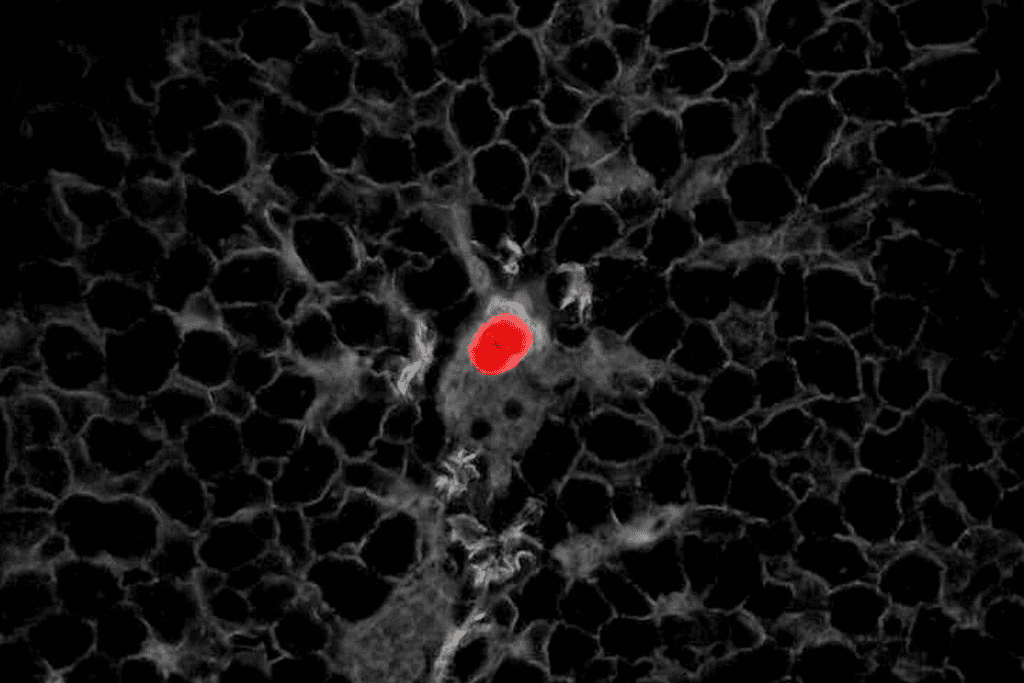
PET scans can spot cancer cells by noticing tiny changes in how cells work. They use special substances called radiotracers. These substances emit positrons and are taken up by cells, showing how active they are.
The Science Behind Radiotracer Uptake
Radiotracers, like Fluorodeoxyglucose (FDG), act like glucose to cells. Cancer cells, with their high activity, grab more FDG. This makes them show up clearly on a PET scan. The uptake of radiotracers shows how active cells are, helping find cancer.
First, a tiny dose of radiotracer is given to the patient. It builds up in active areas. The PET scanner then spots the positrons, making detailed images of the body’s activity.
Metabolic Activity and Cancer Detection
Cancer cells use more glucose than normal cells. PET scans use this to find cancer. The more radiotracer a cell takes up, the more active it is.
- More metabolic activity means more radiotracer uptake.
- This shows cancerous activity.
- PET scans can find cancer early, before it changes much.
Integration with CT and MRI Scans
Combining PET scans with CT and MRI scans makes them even better. PET/CT and PET/MRI scans mix metabolic info from PET with detailed images from CT or MRI.
This combo has many benefits, like:
- Better finding of cancerous tissues.
- More accurate cancer spread and staging.
- Help for biopsies and treatments.
Studies show PET/CT and PET/MRI improve how well we diagnose and treat cancer.
Cancers Detected by PET Scan: An Overview
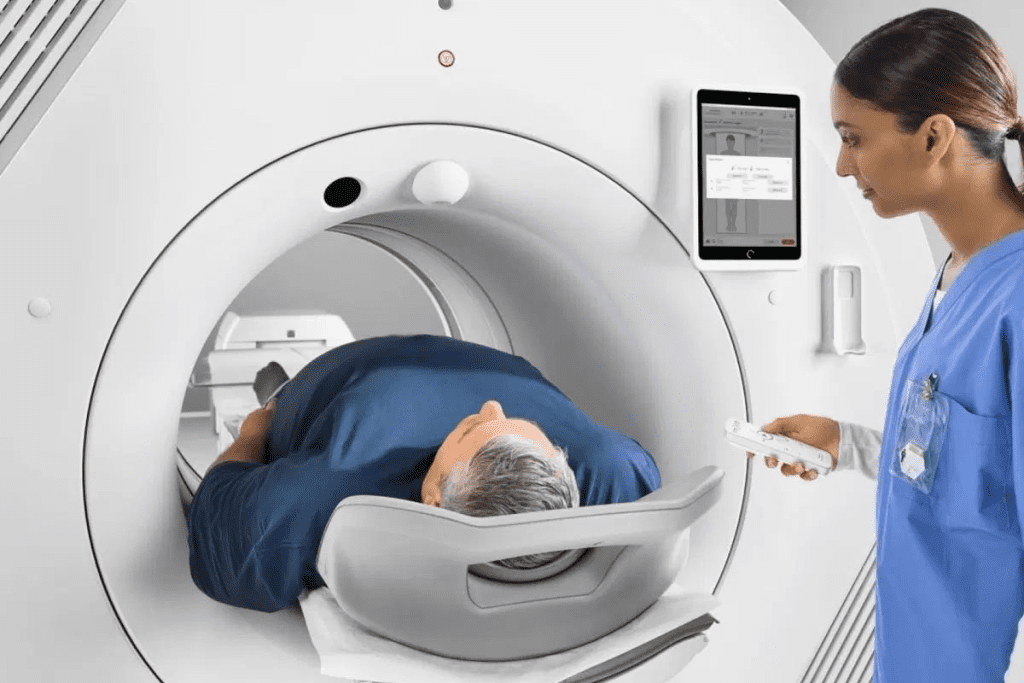
PET scans have greatly improved cancer detection. They can spot many types of cancer. This makes PET scans key in fighting cancer, showing how active cancer cells are.
Common Cancer Types Identified
PET scans are great at finding lung, breast, and colorectal cancer. These cancers are common and can be caught early with PET scans. This helps because PET scans can find cancer even when it’s small.
They also work for other cancers like lymphoma, melanoma, and some in the gut. This is because cancer cells use more energy, which PET scans can detect. They use a special tracer called FDG (Fluorodeoxyglucose) to find these cells.
Sensitivity and Specificity Rates
The sensitivity and specificity of PET scans depend on the cancer type and where it is. PET scans are very good at finding cancers that use a lot of energy. For example, they’re great at finding and checking lung cancer and lymphoma. But, they can sometimes mistake inflammation for cancer, leading to false positives.
Research shows PET scans help a lot in managing cancer. They give accurate information on how far cancer has spread and how well treatments are working. Using PET scans with other imaging like CT and MRI makes them even better at finding cancer.
When PET Scans Are Most Effective
PET scans are most useful for staging cancer, checking how treatments are working, and finding cancer that has come back. They’re also good at finding where a cancer started and checking if it has spread. This is because they show how active the tumor is, adding to what other scans show.
In short, PET scans are a powerful tool in cancer detection and management. They’re great at finding cancer and seeing how it’s spreading. As cancer treatment gets better, PET scans will keep playing a big role.
Lung Cancer Detection with PET Scans
PET scans are key in finding and planning treatment for lung cancer. Lung cancer is a big killer worldwide. Finding it early can save lives.
PET scans are now a main tool for lung cancer detection. They show how active tumors are metabolically.
Non-Small Cell Lung Cancer
Most lung cancers are Non-Small Cell Lung Cancer (NSCLC). PET scans help find and stage NSCLC. They spot the main tumor, lymph nodes, and distant spread.
Early use of PET scans for NSCLC can greatly improve treatment results. They catch cancer cells early, before they grow much.
Small Cell Lung Cancer
Small Cell Lung Cancer (SCLC) is fast-growing and aggressive. PET scans help stage SCLC and see if it has spread.
PET scans are key in figuring out how far SCLC has spread. This helps decide treatment.
Staging and Treatment Planning
Knowing the cancer stage is vital for treatment. PET scans give detailed info on disease spread. This helps doctors plan the best treatment.
PET scan data helps create custom treatment plans. These might include surgery, chemo, radiation, or a mix.
- PET scans help find who can have surgery.
- They help plan radiation therapy by showing the tumor size.
- PET scans check how well treatment is working. This lets doctors make changes if needed.
Lymphoma and PET Scan Effectiveness
PET scans are key in diagnosing and tracking lymphoma. Lymphoma affects the lymphatic system and includes Hodgkin and non-Hodgkin types.
PET scans use special tracers to see how active tumors are. This is very helpful for lymphoma. It helps find how far the disease has spread and how well treatments are working.
Hodgkin Lymphoma Detection
Hodgkin lymphoma has Reed-Sternberg cells and is often FDG-avid. This makes PET scans very good at finding and staging it. They help make staging and treatment response more accurate.
Non-Hodgkin Lymphoma Imaging
Non-Hodgkin lymphoma is diverse and not all types show up well on PET scans. Some are FDG-avid and easy to spot, but others may not show up as clearly.
Treatment Response Assessment
PET scans are key in seeing how well treatments work for lymphoma. They help find out who is responding well and who isn’t. This info is important for deciding on treatment plans.
In summary, PET scans greatly improve lymphoma management. They provide detailed information for diagnosis and treatment planning. Their ability to detect Hodgkin and non-Hodgkin lymphoma and track treatment response makes them essential in oncology today.
Colorectal Cancer Identification
PET scans are key in managing colorectal cancer. They help find primary tumors, track recurrence, and check for metastasis. This tool is vital for accurate staging and treatment planning.
Primary Tumor Detection
PET scans find primary colorectal tumors by spotting cancer cells’ high activity. FDG-PET is great for tumors that take up a lot of glucose. They can tell apart cancerous from non-cancerous growths, but they’re not perfect.
PET scans are good at finding tumors in hard-to-reach places. They can spot tumors in patients with blockages that make colonoscopy hard.
Recurrence Monitoring
Keeping an eye out for recurrence is key in colorectal cancer care. PET scans are very good at finding cancer early. This early catch can lead to better treatment and outcomes.
“PET/CT has become an essential tool in the follow-up of patients with colorectal cancer, particular in detecting recurrence and assessing treatment response.”
NCCN Guidelines
When using PET scans for monitoring, we look at how tumor metabolism changes. A drop in FDG uptake means treatment is working. But an increase might mean cancer is coming back or not responding to treatment.
Metastatic Disease Evaluation
PET scans are also great for checking if cancer has spread in colorectal patients. They spot distant metastases, which is key for accurate staging and choosing the right treatment.
| Metastatic Site | Role of PET Scan |
| Liver | Detection of liver metastases, assessment of resectability |
| Lung | Identification of pulmonary metastases |
| Peritoneum | Detection of peritoneal carcinomatosis |
In summary, PET scans are a powerful tool in colorectal cancer management. They offer vital info on primary tumors, recurrence, and metastasis. Their use in care has greatly improved patient outcomes.
Breast Cancer and PET Scan Applications
Mammography is the main tool for finding breast cancer. But, PET scans are key in some cases, like advanced stages or certain tumor types.
When PET Scans Are Used for Breast Cancer
PET scans help figure out how far the disease has spread. They’re useful when mammography and ultrasound don’t give clear results. They’re best for advanced stage breast cancer, where cancer might have spread to other parts of the body.
Doctors decide to use PET scans based on the first diagnosis, tumor details, and the patient’s health. For example, PET scans can spot cancer in lymph nodes or distant places. This is key for figuring out the cancer stage and treatment plan.
Limitations Compared to Mammography
PET scans have their downsides compared to mammography. They’re not as good at finding small tumors. Mammography is better for catching early-stage breast cancer. PET scans are mainly for more advanced cases or specific situations.
Another issue is false positives. PET scans might show cancer where there isn’t any. This can cause worry and extra tests. It’s important to look at PET scan results with other test results in mind.
Advanced Stage Assessment
In advanced breast cancer, PET scans are vital for seeing how far the disease has spread. Knowing this helps doctors choose the best treatment, like surgery, chemo, or radiation.
PET scans give a full-body view, spotting cancer in places like bones, liver, or lungs. This detailed look helps doctors accurately stage the cancer. It also lets them check how well treatments are working over time.
Head and Neck Cancers Visualization
Head and neck cancers are now better seen with PET scans. This technology has changed how we diagnose cancer. PET scans are key in managing head and neck cancers. They give vital info for diagnosis, staging, and planning treatments.
Squamous Cell Carcinoma Detection
Squamous cell carcinoma is the most common head and neck cancer. PET scans spot the activity of these cancer cells. This helps in knowing how far the disease has spread.
Many studies back the use of PET scans for squamous cell carcinoma. They help find cancerous tissues and check how well treatments work. This is key for making better treatment plans and helping patients.
Unknown Primary Tumor Identification
Some patients have metastatic head and neck cancer without knowing where it started. PET scans are key in finding these unknown primary tumors. They show where cancer might be by looking at metabolic activity.
Finding unknown primary tumors with PET scans is very important. It helps doctors find the cancer’s source and plan the right treatment. This makes diagnosis and patient care better.
Post-Treatment Surveillance
After treatment, PET scans watch for cancer coming back. They can spot changes in metabolism early. This means doctors can act fast if cancer returns.
| Application | Benefits |
| Squamous Cell Carcinoma Detection | Accurate staging, assessment of disease extent |
| Unknown Primary Tumor Identification | Improved diagnostic accuracy, targeted treatment planning |
| Post-Treatment Surveillance | Early detection of recurrence, timely intervention |
PET scans have changed how we manage head and neck cancers. They give important info for diagnosis, treatment, and watching for cancer return. Their role in finding squamous cell carcinoma, unknown primary tumors, and after treatment shows their value in better patient care.
Melanoma and PET Scan Imaging
PET scans help find metastatic melanoma more accurately. Melanoma is a serious skin cancer that needs precise tracking. PET scans are now used more often for this purpose.
Metastatic Melanoma Detection
PET scans are great for finding melanoma that has spread. They can spot cancer in other parts of the body that other tests can’t. This is because PET scans are very sensitive.
Key benefits of PET scans in metastatic melanoma detection include:
- High accuracy in identifying metastatic sites
- Ability to assess the whole body in a single scan
- Useful in monitoring response to treatment
Whole-Body Assessment Benefits
PET scans are good at checking the whole body. This is very helpful for melanoma, as it can spread to many organs.
“The use of PET scans in melanoma has revolutionized the way we stage and monitor this disease, giving a complete view of the body’s involvement.”
| Benefits | Description |
| Comprehensive Staging | PET scans accurately stage by finding all disease sites. |
| Treatment Planning | PET scan info helps plan treatments like surgery, chemo, or radiation. |
| Monitoring Response | PET scans check how well treatments are working. |
Limitations in Early-Stage Disease
PET scans work well for finding melanoma that has spread. But, they’re not as good for early-stage disease. Small tumors or those with low activity might not show up well.
It’s important to know these limits to use PET scans right in treating melanoma patients.
Gastrointestinal Cancers Beyond Colorectal
PET scans are key in finding and treating many cancers in the gut, like esophageal, pancreatic, stomach, and liver cancers.
Esophageal Cancer
Esophageal cancer is very aggressive. PET scans are very important for finding and checking how far it has spread. FDG-PET scans help spot cancer that has moved to other parts of the body and see how well treatments are working.
- Primary tumor detection
- Staging and restaging
- Treatment response assessment
Pancreatic Cancer
Pancreatic cancer is tough to catch early. PET scans help find it, see how big it is, and if it has spread to other places.
Key applications include:
- Tumor detection and characterization
- Staging and assessing resectability
- Monitoring treatment response
Stomach Cancer
Stomach cancer can also be checked with PET scans, mainly for how far it has spread and how treatments are doing. While not perfect for very early cancer, PET scans are great for finding cancer that comes back or spreads.
Liver Cancer
Liver cancer, like hepatocellular carcinoma, can be looked at with PET scans. FDG-PET is helpful, mainly for finding cancer that has spread outside the liver.
PET scans are very useful in treating many gut cancers. They help doctors find, check, and plan treatments for these cancers.
Gynecologic and Genitourinary Cancers
PET scan technology is a big help in finding and treating gynecologic and genitourinary cancers. It helps doctors make accurate diagnoses and plan treatments. This technology is used in many types of these cancers, making detection and management better.
Ovarian Cancer
Ovarian cancer is a type where PET scans are very useful. PET scans help figure out how far ovarian cancer has spread, which is key for planning treatment. Studies show PET scans are great for spotting when cancer comes back and how well treatments work.
Cervical and Endometrial Cancers
PET scans are also important for cervical and endometrial cancers. They show how active the cancer cells are, which tells doctors how aggressive the cancer is. For cervical cancer, PET scans help find out if cancer has spread to lymph nodes or other parts of the body. For endometrial cancer, they help find cancer that has come back and see how treatments are working.
Bladder Cancer
Bladder cancer also benefits from PET scans. They help figure out how far bladder cancer has spread. PET scans can also check if treatments are working and if cancer has come back.
Testicular Cancer
PET scans are very useful for testicular cancer too. They help find any leftover cancer after treatment and see how active the remaining cancer cells are. This info is very important for deciding what to do next.
PET scans are very useful in treating many cancers. They give detailed info about the cancer’s activity. This helps doctors find, stage, and manage gynecologic and genitourinary cancers better.
Hematologic Malignancies Beyond Lymphoma
Hematologic malignancies, like multiple myeloma and leukemia, greatly benefit from PET scans. These scans help doctors accurately diagnose and stage these diseases. They also show how well treatments are working and if the disease might come back.
Multiple Myeloma
Multiple myeloma is a blood cancer that grows in the bone marrow. PET scans are very helpful in multiple myeloma. They help find how far the disease has spread, spot disease outside the bone marrow, and check if treatments are working.
PET scans are key in the early stages and follow-up of patients. They help find active disease, check treatment success, and spot early signs of relapse.
Leukemia Detection Challenges
Leukemia is another blood cancer that’s hard to detect and track with PET scans. While PET scans can spot high activity that might mean leukemia, they’re not as straightforward as with lymphoma or multiple myeloma.
Using PET scans for leukemia is tricky. It’s hard to apply findings across different types of leukemia. Also, PET scans might miss early or low-activity leukemia cells.
Bone Marrow Involvement Assessment
Bone marrow involvement is key in many blood cancers, including leukemia and multiple myeloma. PET scans offer valuable insights into how much bone marrow is involved. This helps doctors make better treatment plans and understand the disease’s size.
PET scans are great because they can check bone marrow involvement without invasive tests. This means fewer bone marrow biopsies and a clearer picture of the disease.
Brain Tumors and PET Scan Capabilities
PET scans are key in diagnosing and managing brain tumors. They give insights into tumor behavior and characteristics. This makes them essential in neuro-oncology for planning treatments and caring for patients.
Primary Brain Tumors
PET scans are great for checking primary brain tumors like gliomas and glioblastomas. They use FDG (fluorodeoxyglucose) to see how active the tumors are. Tumors that are very active might need more aggressive treatment.
PET scans are also good when MRI or CT scans can’t find the tumor. They give metabolic info that helps figure out how aggressive the tumor is and how it might react to treatment.
Differentiating Tumor from Radiation Necrosis
It’s hard to tell if a brain tumor is coming back or if it’s just radiation damage. PET scans are very good at solving this problem. They check the metabolic activity in the tumor area.
This helps decide what to do next. If it’s a tumor coming back, you might need surgery, chemo, or more radiation. But if it’s radiation damage, you might not need to do as much.
Alternative Radiotracers for Brain Imaging
While FDG is common, there are other tracers like FET (fluoroethyltyrosine) and FLT (fluorothymidine) for brain tumor scans. These tracers can give more specific info about the tumor.
They show things like how fast the tumor is growing and how it takes in amino acids. This info helps doctors make treatment plans that are just right for each patient, which can lead to better results.
Rare Cancers and Special Cases
Rare cancers and special cases often need advanced tools like PET scans for management. These cancers are less common but present unique challenges. PET scans are proving to be a valuable tool in addressing these challenges.
Neuroendocrine Tumors
Neuroendocrine tumors (NETs) come from neuroendocrine cells. PET scans, using 68Ga-DOTATATE, are very sensitive in finding NETs. This is key for accurate staging and treatment planning.
PET scans have improved diagnosis in NETs. They are better than traditional imaging for small or complex tumors.
Soft Tissue Sarcomas
Soft tissue sarcomas are rare and come from mesenchymal cells. PET scans help assess these tumors, focusing on their metabolic activity and treatment response. This information helps in making clinical decisions.
| Cancer Type | PET Scan Application | Benefits |
| Neuroendocrine Tumors | Detection and Staging | High sensitivity, accurate staging |
| Soft Tissue Sarcomas | Assessing metabolic activity and treatment response | Guides clinical decision-making |
| Thyroid Cancer | Detecting recurrence and metastasis | Improved detection of recurrent disease |
Thyroid Cancer
In thyroid cancer, PET scans are key when recurrence or metastasis is likely. PET scans are very sensitive in finding thyroid cancer recurrence. This makes them valuable in patient follow-up.
Pediatric Cancer Applications
PET scans are increasingly used in pediatric oncology. They help assess disease extent, monitor treatment response, and detect recurrence. The use in pediatric patients must consider radiation exposure.
PET scans are versatile and valuable in oncology, including rare cancers and special cases. As diagnostic and therapeutic strategies evolve, PET scans’ role will likely grow.
Limitations of PET Scans in Cancer Detection
PET scans are a key tool in finding cancer, but they have their limits. It’s important for doctors and patients to know these limits. This helps in making the right choices about diagnosis and treatment.
Small Tumor Limitations
PET scans struggle to spot small tumors. This makes early cancer detection hard. Tumors smaller than 5-8 mm might not show up because of the partial volume effect.
Key challenges with small tumors include:
- Limited spatial resolution
- Partial volume effect
- Difficulty in distinguishing small tumors from background activity
False Positives and Negatives
False positives and negatives are big issues with PET scans. False positives can cause unnecessary worry and harm. False negatives can delay treatment.
Common causes of false results include:
- Inflammation or infection
- Recent surgery or trauma
- Certain medications or treatments
Cancer Types with Poor FDG Uptake
Not all cancers show up well on PET scans. Some, like neuroendocrine tumors or mucinous carcinomas, have low FDG uptake. This makes them harder to find.
Cancers with poor FDG uptake include:
- Neuroendocrine tumors
- Mucinous carcinomas
- Some types of prostate cancer
Patient-Related Factors Affecting Results
Many things about the patient can affect PET scan results. High blood sugar can compete with FDG uptake. Body size can also impact image quality.
Patient factors to consider:
- Blood glucose levels
- Body habitus
- Recent food intake
Knowing these limits helps doctors better understand PET scan results. This leads to better care for patients.
Conclusion: The Role of PET Scans in Cancer Management
PET scans are key in managing cancer, from finding it to planning treatment. They are good at spotting many cancers, like lung, lymphoma, and breast cancer.
Using PET scans has made cancer care better. They show how cancer works and where it is. This helps doctors plan the best treatment.
PET scans have changed how we fight cancer. They help doctors see how the cancer is doing. As technology gets better, PET scans will help even more.
FAQ
What is a PET scan, and how is it used in cancer detection?
A PET scan is a medical test that shows how active cells are in the body. It uses a special tracer to do this. Doctors use it to find cancer, see how far it has spread, and check if treatments are working.
What types of cancers can be detected using a PET scan?
PET scans can find many cancers. This includes lung, breast, and lymphoma cancers. They also find melanoma, colorectal, and head and neck cancers. Plus, they can spot cancers in the pancreas, ovaries, testicles, bladder, and more.
How does FDG-PET work in cancer imaging?
FDG-PET uses a tracer called FDG. Cancer cells take up a lot of FDG. The PET scan then finds this FDG. This helps doctors see where the cancer is.
Can PET scans detect cancer at an early stage?
PET scans can find some cancers early. But, how well they work depends on the cancer type and other things.
Are PET scans used for monitoring cancer recurrence?
Yes, PET scans help watch for cancer coming back. They are useful when other tests aren’t clear.
Can PET scans be used for all types of cancer?
PET scans are good for many cancers. But, they might not work as well for cancers that don’t use a lot of energy.
How do PET scans compare to other imaging modalities like CT and MRI scans?
PET scans show how active cells are, which is different from what CT and MRI scans show. Using PET with CT or MRI can make diagnosis better.
Are there any specific preparations required for a PET scan?
Yes, you usually need to not eat for a while before a PET scan. You might also need to avoid some activities or medicines that could affect the results.
Can PET scans be used to assess the effectiveness of cancer treatment?
Yes, PET scans help see if cancer treatment is working. This helps doctors change treatment plans if needed.
References
- Fischer, B. M., Lassen, U., & Mortensen, J. (2016). PET/CT is a cost-effective tool against cancer. EJNMMI Research, 6, Article 40.