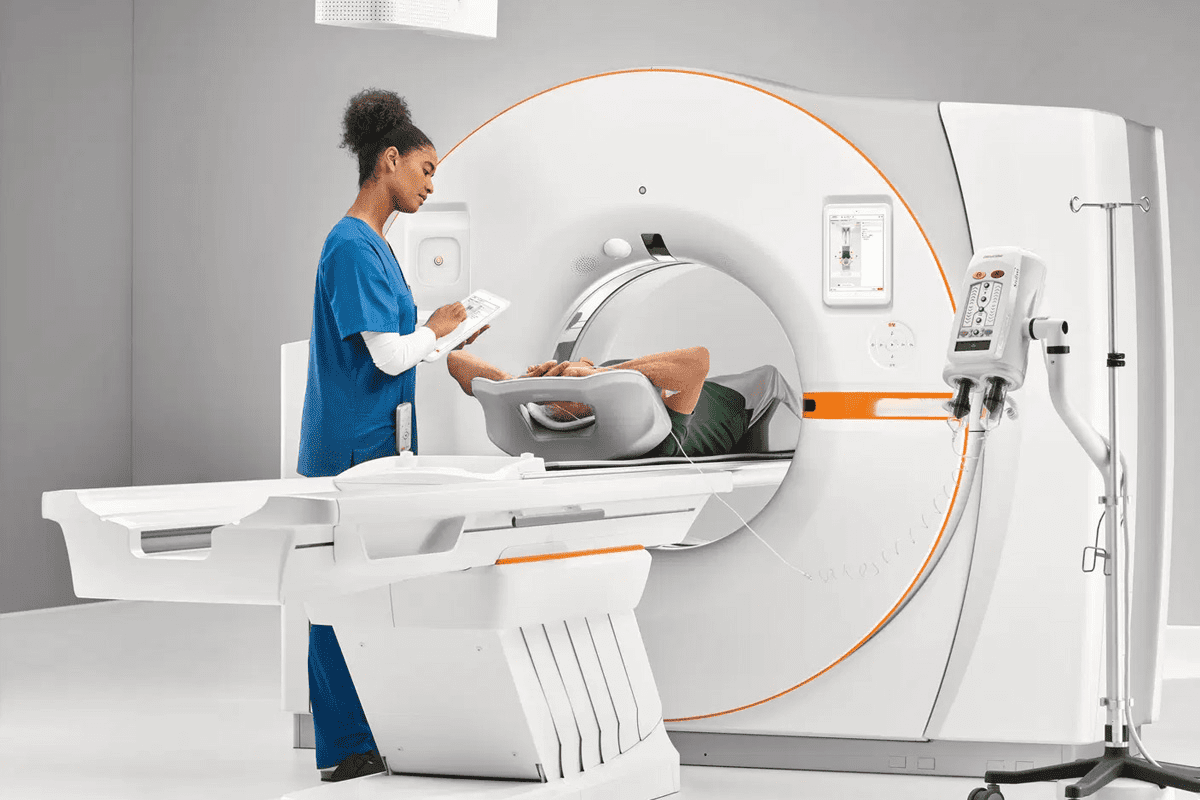
PET scans are key in finding cancers, but they have limits. Cancers not seen on PET scan, many cancer cases are missed by PET scans alone.
PET scans help doctors determine cancer spread and monitor treatment effectiveness. But, some tumors may not show up on a PET scan. This is because of the type of cancer and how active it is.
This makes us think about the limits of PET scans in finding cancers. We need other ways to diagnose cancer too.
Key Takeaways
- PET scans have limitations in detecting certain types of cancers.
- Some tumors may not be visible on a PET scan due to their type or metabolic activity.
- Complementary diagnostic approaches may be necessary to accurately diagnose cancer.
- PET scans play a vital role in cancer diagnosis and treatment monitoring.
- Understanding PET scan limitations is essential for effective cancer diagnosis.
Understanding PET Scan Technology in Cancer Detection
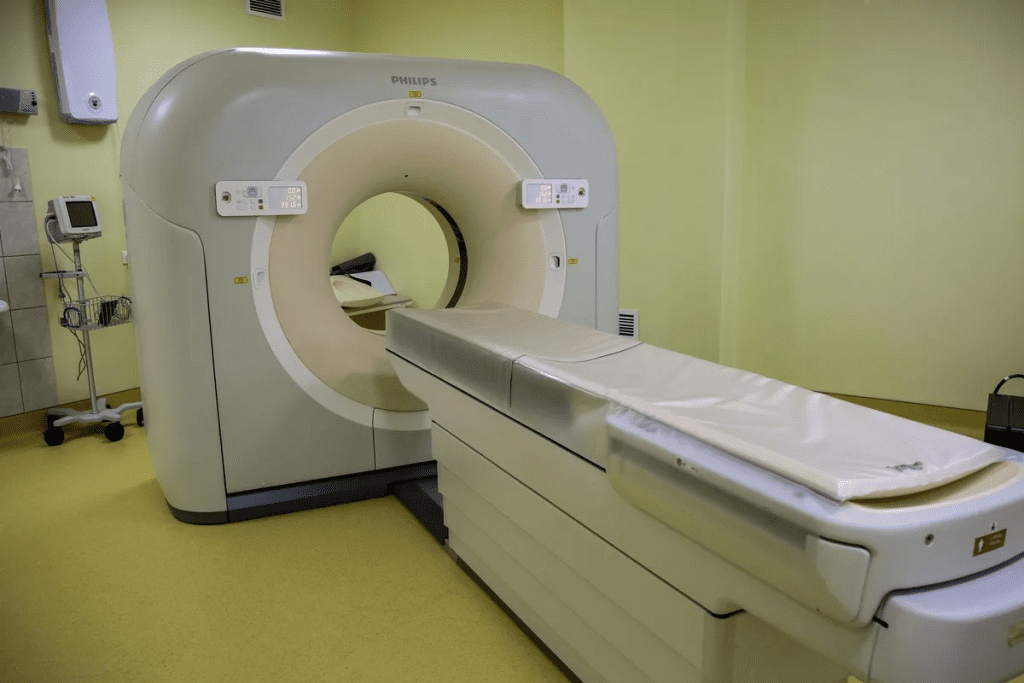
PET scan technology is key in finding and managing cancer. It shows how cells in the body work. This is vital for doctors to treat cancer well.
How PET Scans Work
PET scans use tiny amounts of radioactive tracers. The most common one is Fluorodeoxyglucose (FDG). It’s a special sugar that PET scans can see.
First, the tracer is injected into the patient. Then, cells take it in. Cancer cells, because they grow fast, take in more. The PET scan catches the radiation from the FDG. This makes images that show where cells are most active.
The Role of FDG in Cancer Imaging
FDG is very important in finding cancer. It goes to cells that use a lot of sugar. Cancer cells use a lot of sugar, so FDG PET scans are great at finding them.
- FDG PET scans are used for diagnosing and staging various types of cancer.
- They help in assessing the response of cancer to treatment.
- FDG PET can identify cancer recurrence earlier than some other imaging modalities.
PET scans are very good at finding cancer because they show how cells work. Knowing how PET scans work and the role of FDG helps doctors use them better. This is important for managing cancer.
Why Some Cancers Are Not Visible on PET Scans
PET scans are very useful but can’t find all cancers. It’s important for patients and doctors to know this. It helps with making a diagnosis and treatment plans.
Metabolic Activity and Glucose Uptake
PET scans look for cancers by checking how much glucose they use. Cancers that don’t use much glucose are hard to see. This is because they blend in with the rest of the body.
The scan uses FDG (Fluorodeoxyglucose) to spot cancer. But, tumors that grow slowly or use less glucose are tricky to find.
Size Limitations in Detection
The size of a tumor also matters. Small tumors might not show up on a PET scan, even if they’re active. This is because PET scans have limits in how well they can see small things.
- Tumors less than 8-10 mm in size may not be detectable.
- The spatial resolution of PET scans can be a limiting factor.
Biological Factors Affecting Visibility
Many things can affect if a cancer shows up on a PET scan. These include the cancer type, where it is, and if there’s inflammation or infection. These can make it hard to see the cancer.
Some cancers might not take up much FDG because of how they grow. Knowing this helps doctors understand PET scan results better.
Factors Affecting PET Scan Sensitivity in Cancer Detection
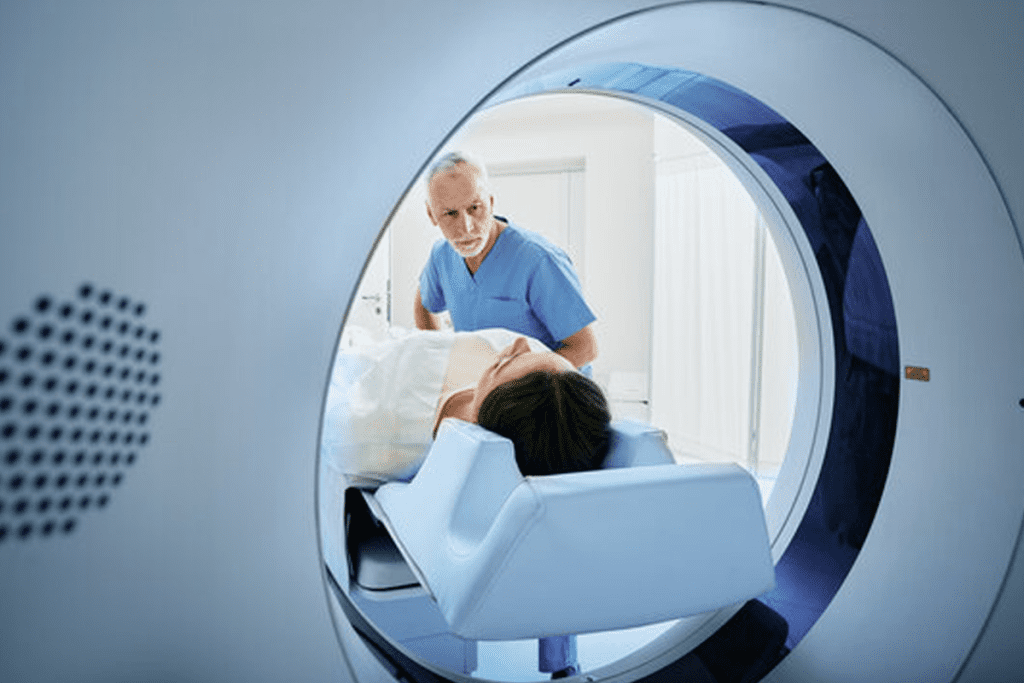
PET scan sensitivity is key in finding cancer. Many things affect how well PET scans work. Knowing the
se factors helps make PET scans better for doctors.
Patient-Related Variables
Things about the patient can change how well PET scans work. Metabolic rate and blood glucose levels are important. High glucose can make FDG uptake lower, making scans less sensitive.
Patient movement during the scan can also mess up the image. It might hide or make lesions look bigger than they are.
Other things like obesity and diabetes can also affect the scan. Obesity can make images blurry, and diabetes can change how glucose is used in the body.
Technical and Procedural Considerations
How the PET scan is done also matters. The type of PET scanner used can change how clear the images are. Newer scanners can find more.
Image reconstruction algorithms and attenuation correction methods are also important. They help make images better and find lesions easier.
The dose of FDG given is another key factor. The right amount is needed for good images, but too much can be harmful. When the PET scan is done after FDG is given also matters. It needs time for the FDG to be taken up by tissues.
Timing of Imaging After Treatment
When the PET scan is done after treatment is very important. Inflammation and healing can make FDG uptake look like cancer. So, scans are often done at certain times after treatment to avoid mistakes.
In summary, PET scan sensitivity in cancer detection depends on many things. These include patient factors, technical aspects, and when the scan is done after treatment. Knowing these helps make PET scans better for finding cancer.
Cancers Not Seen on PET Scan: A Detailed Look
PET scans have their limits when it comes to finding all cancers. They are very useful in diagnosing and staging cancer. But, they can miss some cancers, making treatment plans tricky.
Common Traits of PET-Negative Cancers
PET-negative cancers often have traits that make them hard to spot on PET scans. These traits include:
- Low metabolic activity: Cancers that don’t take up much glucose are tough to find.
- Small size: Tiny tumors might not show up because of PET scan resolution limits.
- Specific tumor biology: Some tumors, like certain neuroendocrine tumors, might not show up on PET scans.
Knowing these traits helps doctors understand PET scan results better. It guides them to take further steps in diagnosis.
Clinical Implications of False Negatives
False negatives on PET scans can lead to big problems. They can cause delays in diagnosis and wrong treatment plans. For example:
“False-negative PET scans can lead to underestimation of disease extent, potentially resulting in inadequate treatment and poorer outcomes.”
Doctors need to know these risks. They should use other tests when PET scans don’t show anything but they think there might be a problem.
To deal with PET scan limits, doctors can:
- Use other imaging like MRI or CT scans.
- Try specialized PET tracers for specific tumors.
- Use all the information they have to make treatment plans.
Prostate Cancer: Detection Challenges with Standard PET
Prostate cancer is hard to spot with standard PET scans. This is because the tumors don’t show much activity. So, we need new ways to see prostate cancer.
Specialized Tracers for Prostate Cancer
New tracers have been made to help find prostate cancer. These tracers look for a protein called PSMA. It’s found more in prostate cancer cells.
With tracers like Ga-PSMA-11, PET scans can find prostate cancer better. Even when regular PET scans can’t. This makes diagnosing prostate cancer easier.
Clinical Management Strategies
Managing prostate cancer well means using different imaging methods. Doctors need to know when standard PET scans aren’t enough. They should use advanced tracers for better results.
Certain Types of Lung Cancers and PET Limitations
PET scans work differently for different lung cancers. Some types are harder to spot. Lung cancer is made up of many kinds, each with its own growth pattern and how it uses energy.
Bronchioloalveolar Carcinoma and Adenocarcinoma
Bronchioloalveolar carcinoma (BAC) and adenocarcinoma, like those with lepidic features, don’t take up much energy. This makes them hard to find with PET scans. They don’t show up well because they don’t use enough FDG.
Adenocarcinoma, the most common lung cancer, shows different levels of energy use. This makes it tricky to spot with PET scans.
Small Pulmonary Nodules Below Detection Threshold
Small nodules in the lungs are also a problem for PET scans. Nodules smaller than 8-10 mm are often missed. This is because PET scanners can’t see them well.
The partial volume effect is when small spots seem to use less energy than they really do. This can lead to missing small but dangerous nodules.
New PET scanner tech is key. It helps spot small nodules and the low energy use of some lung cancers better.
Neuroendocrine Tumors: Variable Visibility on PET
Neuroendocrine tumors are tricky to spot on PET scans because they act differently. These tumors come from special cells in the body, like the pancreas, thyroid, and lungs. Their varied metabolic activity makes them hard to find.
Carcinoid Tumors and Low FDG Uptake
Carcinoid tumors are a type of neuroendocrine tumor. They often don’t show up well on PET scans because they don’t take up much FDG. This is because they grow slowly and don’t use energy as fast as other tumors. So, we might need other imaging methods or special PET tracers to find them.
“The low FDG avidity of carcinoid tumors poses a significant challenge in their detection using conventional PET scanning,” notes a study on neuroendocrine tumor imaging. This shows we need better ways to diagnose them.
Pancreatic Neuroendocrine Tumors
Pancreatic neuroendocrine tumors (PNETs) are also hard to find on PET scans. Some PNETs show up well, but others don’t, depending on their type and activity. We need a detailed plan for diagnosing them, which might include CT and MRI scans.
- PNETs can be functional or non-functional, affecting their detectability.
- Functional PNETs may secrete hormones, potentially aiding in their diagnosis.
- Non-functional PNETs, on the other hand, are often found later.
Specialized Imaging for Neuroendocrine Malignancies
Standard PET scans aren’t always enough for neuroendocrine tumors. That’s why we use special imaging like 68Ga-DOTATATE. It targets receptors on these tumors, helping us find and stage them better.
Using different imaging methods, along with tests and clinical checks, is key. A clinical expert says, “A multimodality approach is key to overcoming the limitations of PET scanning in neuroendocrine tumor diagnosis.”
Hepatocellular Carcinoma and PET Scan Challenges
Hepatocellular carcinoma (HCC) is hard to detect with PET scans because of its unique metabolism. The success of PET scans in finding HCC depends on the tumor’s activity and how it takes up glucose.
Metabolic Characteristics Affecting Detection
The way HCC metabolizes affects how well it shows up on PET scans. Tumors that don’t take up much glucose or have low activity are hard to spot. This makes it tough to diagnose HCC.
Key factors influencing PET scan sensitivity for HCC include:
- Tumor size and location
- Level of glucose uptake
- Presence of underlying liver disease
| Factor | Impact on PET Scan Detection |
| Tumor Size | Smaller tumors may be below the detection threshold |
| Glucose Uptake | Low uptake can result in false negatives |
| Liver Disease | Underlying conditions can affect scan interpretation |
Complementary Imaging Techniques
Because PET scans have their limits, other imaging methods are used to get a clearer picture. These include CT scans, MRI, and contrast-enhanced ultrasound.
CT scans give detailed views of the body’s structures. They can spot tumors that PET scans miss. MRI shows soft tissues better, helping to identify liver lesions.
Using PET scans with other imaging methods helps doctors find and understand HCC better. This leads to better care for patients.
Brain Tumors: Why PET Has Limited Utility
PET scans have trouble finding brain tumors because of high background glucose metabolism. This makes it hard to spot tumors in the brain using PET scans.
High Background Brain Glucose Metabolism
The brain uses a lot of glucose, which makes PET scans tricky. The high glucose uptake by brain cells hides tumor activity. This is a big problem for tumors with low metabolic rates.
Low-Grade Gliomas and Detection Issues
Low-grade gliomas are hard to find on PET scans. They have lower metabolic rates than other tumors. This makes it tough to see them against normal brain tissue.
Advanced Neuroimaging Alternatives
Advanced imaging is needed for brain tumors, like low-grade gliomas. Magnetic Resonance Imaging (MRI) is better at showing soft tissues. It’s often used with PET to get better results. New PET tracers are also being made to find tumors better.
Using different imaging methods together is a good idea. It helps doctors find tumors more accurately. This leads to better treatment plans.
Thyroid Cancer Variants Missed by Standard PET
Standard PET scans might miss some thyroid cancers, like well-differentiated ones. This makes it hard to diagnose and plan treatment.
Well-Differentiated Thyroid Cancers
Well-differentiated thyroid cancers, like papillary and follicular types, don’t take up much FDG. This makes them hard to spot on PET scans. So, we need other ways to find them accurately.
These cancers grow slowly and don’t use much glucose. This means PET scans might miss them. This could delay finding and treating the cancer.
Specialized PET Tracers for Thyroid Imaging
To fix PET scan problems, new tracers have been made. I (iodine-124) is one. It’s better at finding thyroid cancer, including the harder-to-spot types.
Using I PET/CT can find cancer that PET scans miss. This helps doctors plan better treatments.
Integrated Diagnostic Approach
Using PET scans with other tests like ultrasound and CT is key. This mix helps get a clearer picture of thyroid cancer.
Adding clinical assessment and histopathological evaluation is also important. It makes sure patients get the right treatment, even if PET scans aren’t clear.
Mucinous and Cystic Tumors: Structural Challenges
It’s important to understand the challenges of detecting mucinous and cystic tumors. Their unique compositions can affect how visible they are on imaging tests.
How Tumor Composition Affects Imaging
The makeup of mucinous and cystic tumors can change a lot. This affects how well they show up on tests like PET scans. Mucinous tumors have a lot of mucin, which means they might not show up well on PET scans. This is because PET scans look for glucose uptake.
Cystic tumors have fluid-filled spaces. This can make them hard to spot. The fluid in these spaces might not show up on PET scans, leading to false negatives.
Ovarian and Pancreatic Mucinous Neoplasms
Ovarian and pancreatic mucinous neoplasms are tough to find. They have both solid and cystic parts. Their mucinous nature makes them hard to see on PET scans, so other imaging methods are needed.
Detection Alternatives for Mucinous Cancers
Because PET scans have limits, other imaging methods are key. CT and MRI scans can show more about these tumors. They help spot things PET scans might miss.
Special nuclear medicine tests can also help find these tumors. Using different tracers can make them more visible. A mix of imaging methods is usually the best way to diagnose these tumors.
Renal Cell Carcinoma and Urological Malignancies
Finding renal cell carcinoma and other urological cancers is hard because of their unique metabolism. These cancers affect the kidneys, bladder, and urinary system. They need a deep understanding of their metabolic profiles for accurate imaging and diagnosis.
Metabolic Characteristics of Kidney Cancers
Renal cell carcinoma (RCC) has different metabolic activities, making it hard to spot on PET scans. Clear cell RCC, the most common type, takes up a lot of glucose, which helps in detection. But, other types like papillary and chromophobe RCC might be harder to find because they don’t take up as much glucose.
The metabolism of kidney cancers changes based on genetics and the tumor’s environment. For example, some genetic changes can alter how tumors use glucose, affecting their visibility on PET scans.
Bladder Cancer Visualization Challenges
Bladder cancer is tricky to see because of the bladder’s shape and how it works. The bladder’s glucose uptake can hide or look like cancer, leading to wrong results. Also, the bladder is close to other parts of the pelvis, making it hard to read images.
To solve these problems, special imaging methods and patient prep are used. For example, waiting longer to take images or preparing patients in certain ways can help see bladder cancers better.
Optimal Imaging Protocols for Urological Cancers
For urological cancers, the best imaging uses both anatomy and function. CT and MRI are often used with PET for kidney cancers. The right imaging depends on the tumor and the patient’s health.
For bladder cancer, contrast-enhanced CT or MRI can show how far the tumor has spread. Fludeoxyglucose (FDG)-PET/CT is also useful, mainly for finding cancer in other parts of the body.
Knowing how urological cancers work and using the best imaging can help doctors find and treat these cancers better.
Slow-Growing Tumors and Indolent Malignancies
It’s important to know about indolent malignancies for good cancer care. These are cancers that grow slowly, unlike aggressive ones.
Specific Examples: Follicular Lymphoma and Marginal Zone Lymphoma
Follicular lymphoma and marginal zone lymphoma grow slowly. They are hard to find because they grow slowly.
Follicular lymphoma is a slow-growing lymphoma. It causes swollen lymph nodes. Doctors often watch it closely at first.
Monitoring Strategies for Indolent Cancers
For slow-growing cancers, doctors use regular check-ups and tests. They might also wait and watch. This helps avoid too much treatment too soon.
Deciding when to act is key. It depends on the tumor, the patient’s health, and symptoms.
| Cancer Type | Growth Rate | Common Symptoms |
| Follicular Lymphoma | Slow | Swollen lymph nodes, fatigue |
| Marginal Zone Lymphoma | Slow | Swollen lymph nodes, abdominal pain |
Managing slow-growing tumors well needs a careful plan. This includes watching closely and acting when needed.
Improving Detection: Alternative and Complementary Imaging Methods
PET scans are just one tool in a wide range of imaging techniques. These include CT, MRI, and specialized nuclear medicine methods. They all aim to improve cancer detection. Combining these methods is key to better diagnosis and treatment planning.
Role of CT and MRI in Cancer Detection
CT and MRI scans give detailed views of the body’s structures. CT scans are great for finding tumors in the lungs and liver. MRI is better for soft tissues, like the brain and spine.
Using CT or MRI with PET scans can make cancer staging more accurate. It helps spot cancer spread early.
In hepatocellular carcinoma, MRI shows tumor size and blood vessel details. This info adds to what PET scans provide. For prostate cancer, MRI helps guide biopsies and check disease spread.
Specialized Nuclear Medicine Techniques
Other nuclear medicine methods are also key in cancer detection. Single Photon Emission Computed Tomography (SPECT) is used for many cancer types. It’s useful when PET scans aren’t available or when specific tracers are needed.
Bone scans with technetium-99m methylene diphosphonate (Tc-99m MDP) are great for finding bone metastases. They help in treating prostate and breast cancer by showing bone involvement.
Multimodality Imaging Approaches
The future of cancer imaging is in multimodality approaches. This means combining different imaging techniques. For example, PET/CT and PET/MRI fusion imaging give both metabolic and anatomical details in one scan.
These methods improve diagnosis and treatment planning. As cancer care advances, using multiple imaging modalities will be essential. It will help tailor treatments to each patient’s needs.
Conclusion: Navigating the Limitations of PET Scanning in Cancer Diagnosis
PET scans are key in finding cancer, but knowing their limits is essential. Some cancers, like prostate, lung, and thyroid, might not show up on PET scans. This is because they don’t have much activity or are too small.
To overcome these challenges, doctors use a mix of methods. They might use CT and MRI scans too. Special PET tracers and combining different imaging can help spot cancers better. This way, doctors can give patients the best care possible.
Understanding PET scan limits and using other imaging tools is vital. This approach helps doctors make better choices. It leads to better care and outcomes for patients dealing with cancer.
FAQ
What are the limitations of PET scans in cancer detection?
PET scans can miss some cancers. This includes cancers that don’t take up much glucose, are small, or have special biology.
Why are some cancers not visible on PET scans?
Some cancers are hard to spot on PET scans. This is because they don’t take up enough glucose or are too small. Their biology can also play a role.
What types of cancers are often missed by PET scans?
PET scans might miss cancers like prostate, some lung cancers, neuroendocrine tumors, and brain tumors. They also might miss well-differentiated thyroid cancers.
How does the metabolic activity of a tumor affect its visibility on a PET scan?
Tumors that don’t use much glucose are hard to see on PET scans. This is because they don’t take up enough glucose to be detected.
Can PET scans detect all types of prostate cancer?
No, PET scans can’t find all prostate cancers. This is true for cancers with low activity. Special tracers might help find them better.
What are the challenges in detecting lung cancer with PET scans?
PET scans can struggle with certain lung cancers. This includes bronchioloalveolar carcinoma and adenocarcinoma. They also might miss small nodules.
How are neuroendocrine tumors detected if they are not visible on PET scans?
If PET scans can’t find neuroendocrine tumors, other methods can. This includes somatostatin receptor imaging or other nuclear medicine techniques.
What alternative imaging methods can be used to detect cancers not visible on PET scans?
Other methods like CT, MRI, and special nuclear medicine can find cancers PET scans miss.
Can slow-growing tumors be detected using PET scans?
Slow-growing tumors are hard to spot on PET scans. This is because they don’t use much glucose. Monitoring strategies might be used instead.
How can a more detailed approach improve cancer detection?
Using PET scans with CT, MRI, and clinical checks can help find and understand cancers better.
What is the role of specialized PET tracers in cancer imaging?
Special PET tracers can help find specific cancers. This includes prostate and thyroid cancers by targeting their unique features.
How do mucinous and cystic tumors affect PET scan detection?
Mucinous and cystic tumors are tricky to find on PET scans. Their makeup can affect how much glucose they use.
What are the optimal imaging protocols for urological cancers?
For urological cancers, like kidney and bladder cancers, the best approach is a mix of PET scans, CT, and MRI. This helps in finding and understanding them better.
References
- Chen, Y., & Li, J. (2022). Advantages and limitations of total-body PET scanning. Diagnostics, 12(2), 426.https://www.mdpi.com/2075-4418/12/2/426
- Delbeke, D., Coleman, R. E., Guiberteau, M. J., Brown, M. L., Royal, H. D., Siegel, B. A., … & Townsend, D. W. (2006). Procedure guideline for tumor imaging with 18F-FDG PET/CT 1.0. Journal of Nuclear Medicine, 47(5), 885“895. https://jnm.snmjournals.org/content/47/5/885
- Gambhir, S. S. (2002). Molecular imaging of cancer with positron emission tomography. Nature Reviews Cancer, 2(9), 683“693.https://www.nature.com/articles/nrc882