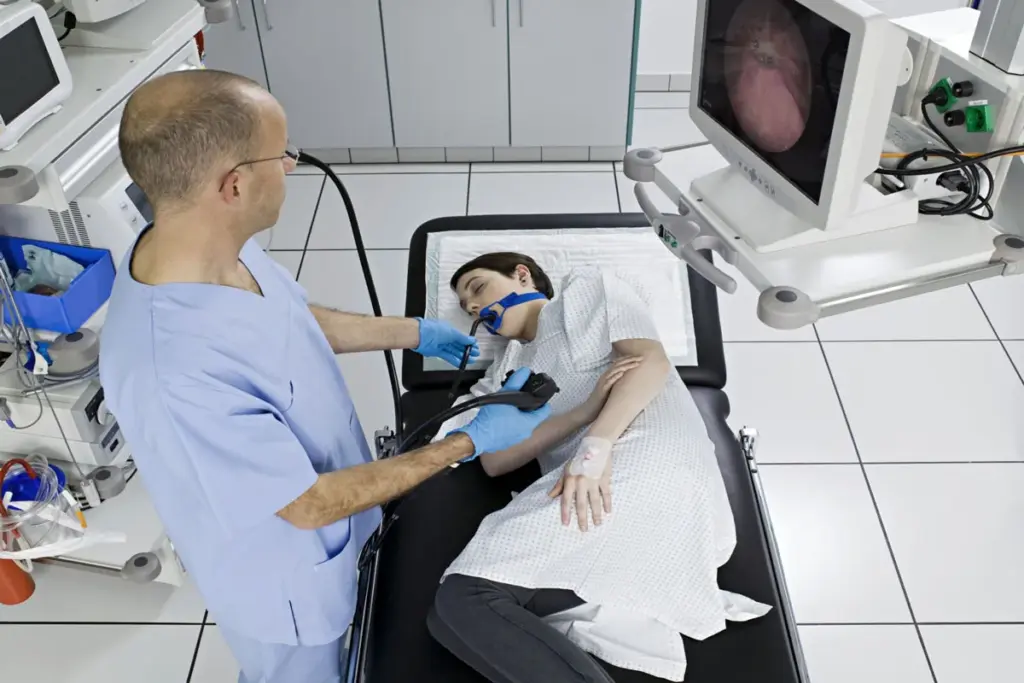
Medical technology is changing fast, with new methods replacing old ones. These new ways are less painful, very precise, and let patients heal quicker. They are changing how we care for patients.
New options like transnasal endoscopy, video capsule endoscopy, and robotic flexible scopes are leading the way. They are making diagnosis easier and more comfortable for patients.
Looking into these new methods, it’s clear that the future of checking for health issues is all about the patient. It’s about making sure patients are comfortable and getting accurate results.
Key Takeaways
- New procedures are emerging as less invasive alternatives to traditional endoscopy.
- Transnasal endoscopy, video capsule endoscopy, and robotic flexible scopes are some of the innovative options.
- These alternatives offer faster recovery times and higher accuracy.
- The diagnostic landscape is being transformed with a focus on patient comfort and efficiency.
- Emerging technologies are making diagnostic procedures more patient-centric.
Understanding Traditional Endoscopy and Its Limitations
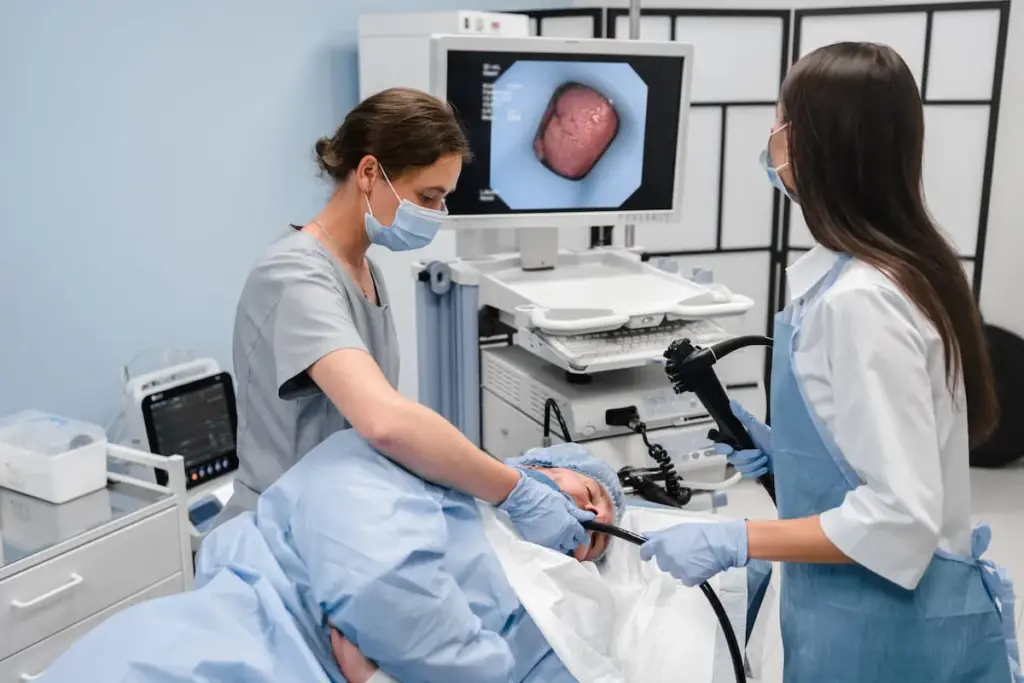
It’s important to know how traditional endoscopy works to see how it has improved. This method has been key in finding and treating stomach problems.
What is an Endoscopy?
An endoscopy lets doctors see inside the upper digestive system. They use a flexible tube with a camera. It helps find issues like acid reflux and ulcers.
Doctors might use a numbing spray for the throat. Sometimes, they give sedation to help the patient relax. The whole thing usually takes 15 to 30 minutes.
Common Uses of Traditional Endoscopy
Traditional endoscopy is used for many things, like:
- Checking for stomach pain, trouble swallowing, and bleeding.
- Doing biopsies to look for abnormal cells.
- Removing polyps or objects from the stomach.
Doctors can spot problems that other tests miss by looking inside the stomach.
Limitations and Patient Concerns
Even though it’s helpful, traditional endoscopy has its downsides. Some worries include:
- Patients might feel anxious or uncomfortable during it.
- Sedation can be risky and takes time to recover from.
- The tube can cause gagging or discomfort.
These issues have led to new ways to make endoscopy less scary and more accurate.
The Need for Less Invasive Alternatives
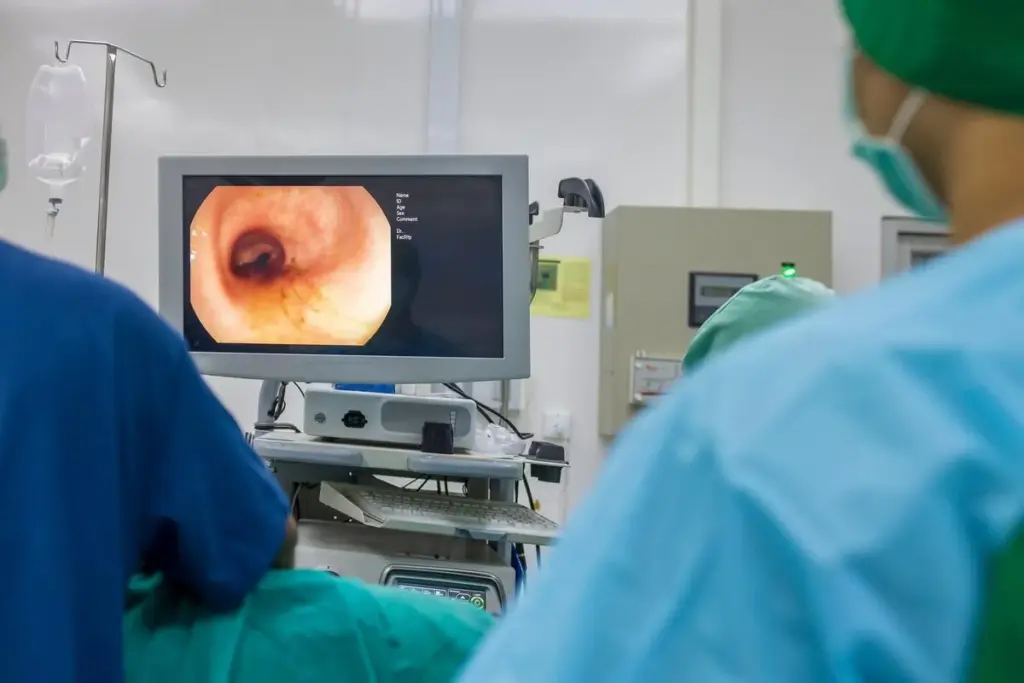
Traditional endoscopy is effective but has drawbacks. These include discomfort, safety issues, and a poor patient experience. This has led to the search for less invasive options.
Patient Discomfort and Anxiety
Traditional endoscopy can cause a lot of discomfort and anxiety. Many patients feel anxious before the procedure . This anxiety might stop some people from getting the tests they need.
We know how important patient comfort is. Sedation can help, but it also has risks. So, there’s a push for methods that cause less pain.
Sedation Risks and Recovery Time
Sedation used in traditional endoscopy has risks like breathing problems and long recovery times. Research shows it can make recovery longer, affecting how happy patients are and how quickly procedures can be done.
“The use of sedation in endoscopy has been associated with increased risks and complications, highlighting the need for safer alternatives.”
New, less invasive methods aim to avoid sedation. This reduces risks and shortens recovery times. It makes patients safer and helps services run more smoothly.
Cost Considerations
Traditional endoscopy, including sedation, can be very expensive. The costs include sedation, monitoring, and recovery facilities. Sedation complications can also add to healthcare costs.
Transnasal Endoscopy (TNE): A Gentler Approach
For those who fear traditional endoscopy, transnasal endoscopy (TNE) is a kinder option. It’s known for diagnosing stomach problems with less pain and worry.
How TNE Works
With TNE, a thin, flexible tube goes through the nose, not the mouth. This makes checking the upper stomach area more comfy. Most people don’t need sedation, which is a big plus.
The 98% Sensitivity and 100% Specificity Advantage
TNE is very good at finding problems. A 2015 UK study found it was 98% sensitive and 100% specific for diagnosing Barrett’s Esophagus. This high accuracy is key for good care and treatment plans.
Reduced Anxiety and Discomfort Benefits
TNE is great at making patients feel less anxious and uncomfortable. It skips the mouth and sedation, making the test easier to handle. This is a big plus for those who need to go through it often or have had bad experiences before.
|
Procedure |
Sensitivity |
Specificity |
Patient Comfort |
|---|---|---|---|
|
Transnasal Endoscopy (TNE) |
98% |
100% |
High |
|
Traditional Endoscopy |
Variable |
Variable |
Low-Moderate |
The table shows TNE’s strong points: it’s both accurate and comfortable. This makes it a good choice over traditional endoscopy.
The Revolutionary Capsule Technology Transforming Diagnostics
Capsule endoscopy is a big leap in medical technology. It involves swallowing a tiny camera capsule. This capsule takes pictures of the digestive system as it moves through the body.
How Capsule Endoscopy Differs from Traditional Methods
Unlike old methods, capsule endoscopy is painless and doesn’t need sedation. The capsule endoscopy camera is small enough to swallow. It moves through the body, taking clear pictures.
This approach is better because it doesn’t use a tube. It’s more comfortable for patients. The camera inside can take thousands of high-quality images.
The 50,000+ Images Advantage
Capsule endoscopy can take over 50,000 pictures at once. This gives doctors a detailed look at the digestive system. It helps find problems that other tests might miss.
With so many images, doctors can analyze more. This might lead to quicker diagnosis and treatment of stomach issues.
Patient Experience When Swallowing the Camera
Swallowing a camera might sound scary. But the pill cam or pillcam is made to be easy to swallow. Most people find it barely uncomfortable.
The process is simple: swallow the capsule with water, and it starts taking pictures. The pictures are sent to a recorder on the patient. Doctors then review the data to help diagnose.
Cell Sampling Devices: The Cytosponge Breakthrough
The diagnosis of esophageal cancer has seen a big leap forward with Cytosponge. This new device is set to change how we find esophageal cancer. It’s more comfortable and might work better than old methods.
How Cell Sampling Works
Cytosponge is a capsule that turns into a sponge in your esophagus. It collects cells for tests, looking for cancer. This method is easier and less scary than old ways.
To use it, you swallow a small capsule with a string. It dissolves and turns into a sponge. Then, pulling on the string gets the sponge out, bringing cells for tests.
Early Detection Rates for Esophageal Cancer
Cytosponge is great for catching esophageal cancer early. Research shows it can find cancer early, helping treatment work better. Finding cancer early is key to beating it.
It’s very good at spotting problems in the esophagus. This means it finds cancer accurately and doesn’t mistake healthy cells for cancer.
High Acceptability and Lower Cost Benefits
Cytosponge is liked by patients because it’s easy and doesn’t hurt much. It’s also cheaper, which is good for everyone. This makes it a great choice for health care.
It’s not just good for finding cancer. It makes getting checked out easier, which means more people might get tested. This could lead to catching cancer sooner.
Robotic Flexible Scopes: Precision and Control
<SEP-12177_image_7>
Robotic flexible scopes are a big step forward in endoscopy. They offer unmatched precision and control. These devices are made to improve both diagnosis and treatment, beating traditional methods.
The Medrobotics Flex Robotic System
The Medrobotics Flex Robotic System is a top example of these scopes. It uses a flexible, robotic endoscope that can move through tight spaces easily. Its design lets doctors control it with great accuracy, making procedures more precise.
Accessing Complex Areas Previously Difficult to Reach
The Medrobotics Flex System can reach places old endoscopes couldn’t. This is a big plus for surgeries in the upper airways and digestive tract. It’s a game-changer for complex procedures.
Minimally Invasive Lesion Removal Capabilities
Robotic scopes also make it easier to remove lesions without big cuts. This lowers the chance of problems and helps patients heal faster. The system’s clear views and control make it a key tool in today’s medicine.
|
Feature |
Traditional Endoscopy |
Robotic Flexible Scopes |
|---|---|---|
|
Precision and Control |
Limited by manual dexterity |
Enhanced robotic precision |
|
Accessibility |
Limited to straightforward paths |
Ability to navigate complex anatomy |
|
Lesion Removal |
More invasive, higher risk |
Minimally invasive, reduced risk |
As endoscopy keeps getting better, robotic scopes like the Medrobotics Flex will be key. They’re set to change how we do diagnosis and treatment in the future.
Comparing Effectiveness of New Endoscopic Alternatives
<SEP-12177_image_8>
New endoscopic methods are being tested for their ability to diagnose, comfort, and quick recovery. It’s key to see how they stack up in terms of effectiveness.
Diagnostic Accuracy Across Procedures
How well a procedure can diagnose is very important. Capsule endoscopy is great at finding problems in the small intestine. Transnasal endoscopy (TNE) is also very accurate, with a 98% sensitivity and 100% specificity in some cases.
Let’s look at the accuracy of different endoscopic methods in this table:
|
Procedure |
Diagnostic Accuracy |
Specificity |
|---|---|---|
|
Capsule Endoscopy |
High yield for small intestine lesions |
Varies by condition |
|
Transnasal Endoscopy (TNE) |
98% sensitivity |
100% specificity |
|
Robotic Flexible Scopes |
High precision in complex areas |
High |
Patient Comfort and Anxiety Levels
Patient comfort and anxiety are also key. Capsule endoscopy is often more comfortable because it doesn’t need sedation. Transnasal endoscopy might cause some discomfort but is less invasive than traditional methods.
A study found that:
- Capsule endoscopy made patients the least anxious.
- Transnasal endoscopy was moderately uncomfortable but was preferred for its less invasive nature.
Recovery Time Comparisons
Recovery time is also important. Capsule endoscopy needs little to no recovery time because it’s non-invasive. Traditional endoscopy, which uses sedation, takes longer to recover from.
Here’s a look at recovery times for different procedures:
|
Procedure |
Recovery Time |
|---|---|
|
Capsule Endoscopy |
Minimal to none |
|
Transnasal Endoscopy (TNE) |
Short, usually less than an hour |
|
Traditional Endoscopy |
Several hours due to sedation |
In conclusion, each new endoscopic method has its own benefits. Capsule endoscopy is great for diagnosing with little discomfort. Transnasal endoscopy is less invasive but very accurate. Robotic flexible scopes are precise in complex cases.
The Patient Experience with Modern Alternatives
Modern endoscopy alternatives are changing how patients feel during procedures. They make things more comfortable and easier to get to. Let’s look at how these changes affect patients from start to finish.
Preparation Requirements
Getting ready for these new endoscopy methods is different for each one. For example, capsule endoscopy means fasting for a few hours before swallowing a tiny camera. But, the prep work is usually less hard than before. Transnasal endoscopy (TNE) also needs little prep, with some getting a spray to numb their nose.
Patients like how easy it is to get ready for these new methods. For instance, after TNE, they can usually go back to their day right away. This is because it doesn’t need sedation.
|
Procedure |
Preparation Requirement |
Sedation Required |
|---|---|---|
|
Capsule Endoscopy |
Fasting for a few hours |
No |
|
Transnasal Endoscopy (TNE) |
Local anesthetic spray (optional) |
No |
|
Robotic Flexible Scopes |
Varies by procedure |
Typically, yes |
During the Procedure: What to Expect
During the procedure, patients find it more comfortable than old methods. For capsule endoscopy, swallowing a pill-sized camera captures the digestive tract’s images. It’s painless and doesn’t need sedation.
“The capsule endoscopy was surprisingly easy. I swallowed the capsule, and it was over in a matter of minutes,” said a patient who underwent the procedure.
For TNE, some might feel nasal discomfort, but it’s usually okay. A local anesthetic can make it less uncomfortable.
Recovery and Follow-up
Recovering from these new methods is faster than old ways. Capsule endoscopy lets patients go back to normal right away, no sedation needed. TNE recovery is also quick, with most back to normal soon.
Aftercare depends on the procedure and what’s found. For capsule endoscopy, patients come back to have the recorder taken out, and images are reviewed. TNE might involve talking about results and what’s next with the doctor.
We stress the need for follow-up care. It’s key to support patients fully through their diagnostic journey.
Medical Conditions Best Suited for Each Alternative
Knowing which medical conditions each endoscopy method is best for is key. This helps in diagnosing and treating patients effectively. Each method is suited for different conditions.
Small Intestine Diagnostics and Capsule Endoscopy
Capsule endoscopy has changed how we diagnose small intestine issues. It involves swallowing a tiny camera capsule that takes thousands of images. Capsule endoscopy is great for finding problems like Crohn’s disease, bleeding, and tumors in the small bowel. It’s non-invasive and doesn’t need sedation, making it popular.
Barrett’s Esophagus and Transnasal Endoscopy
Transnasal endoscopy (TNE) is good for checking and diagnosing Barrett’s Esophagus. This condition can lead to esophageal cancer. TNE is less invasive and doesn’t need sedation, perfect for regular checks. It’s very good at catching early signs of Barrett’s Esophagus.
- Regular monitoring without sedation
- High diagnostic accuracy
- Reduced risk of complications
When Traditional Endoscopy Is Stil Necessary
Even with new options, traditional endoscopy is sometimes the best choice. It’s needed for things like removing polyps, taking biopsies, and opening up narrow areas. It’s also used when a detailed look or specific treatment is needed.
Insurance Coverage and Accessibility
Insurance coverage is key to making new endoscopic methods available to patients. As these new diagnostic tools grow in use, it’s vital for patients and doctors to know about insurance. This knowledge helps everyone involved.
Current Insurance Landscape for New Procedures
Insurance for new endoscopic procedures varies a lot. Some plans cover new methods like transnasal endoscopy or capsule endoscopy. But, others might not, seeing them as experimental or cosmetic.
Key factors influencing insurance coverage include:
- The specific type of procedure
- The patient’s insurance provider
- The medical necessity as determined by a healthcare professional
- The availability of alternative treatments
Out-of-Pocket Expenses
Patients need to know about out-of-pocket costs for new endoscopic options. These costs can include deductibles, copays, and coinsurance. They change based on the insurance plan and the procedure.
For example, capsule endoscopy might have a higher copay than traditional endoscopy. Or, if insurance doesn’t cover it, patients might have to pay the full cost.
Advocating for Coverage
It’s important for patients to fight for insurance coverage for new endoscopic methods. This means knowing how to appeal to their insurance, getting support from doctors, and joining patient advocacy groups.
Steps to advocate for coverage:
- Review your insurance policy to understand what is covered
- Consult with your healthcare provider to determine medical necessity
- Submit a pre-approval request to your insurance provider
- If denied, file an appeal with additional supporting documentation
By understanding insurance and fighting for coverage, patients can get the new endoscopic procedures they need.
The Future of Endoscopic Procedures
New technologies are changing endoscopy, helping both patients and doctors. These changes will keep making endoscopic procedures better.
Advancements in Technology
Several new technologies are set to change endoscopy. These include:
- Capsule Endoscopy: This lets doctors see the inside of the digestive system without surgery. It takes thousands of pictures as it moves through.
- Robotic Flexible Scopes: These scopes are more flexible and precise. They make it easier to do complex procedures.
- Endoscopic Cameras: New camera tech gives clearer images and smaller cameras. They can be used in many endoscopy procedures.
Integration of Artificial Intelligence
Artificial intelligence (AI) is starting to help in endoscopy. It’s used for diagnosing and guiding procedures.
Predicted Advancements in the Next Decade
In the next ten years, endoscopy will keep getting better. We can expect:
- Even smaller equipment for less invasive procedures.
- AI and machine learning to make diagnoses and procedures better.
- New techniques and tech to treat more conditions.
These changes will lead to better care and faster recovery times. We’re committed to keeping up with these advances for our patients.
Finding Providers Offer Advanced Alternatives
Exploring new endoscopic procedures requires finding the right healthcare provider. Now, patients can choose from transnasal endoscopy, capsule endoscopy, and robotic flexible scopes. These options are beyond traditional endoscopy.
Questions to Ask Your Healthcare Provider
Looking for a provider with advanced endoscopic options? It’s key to ask the right questions. Here are some to consider:
- What experience do you have with these new procedures?
- What are the benefits and risks associated with each alternative?
- Are there any clinical trials or research studies available that I can participate in?
- How will the results of the procedure be communicated to me?
These questions help patients make informed choices. They ensure they get the best care available.
Specialized Centers and Clinics
Many specialized centers and clinics offer advanced endoscopic procedures. These places have teams with expertise in gastroenterology, surgery, and radiology. When choosing a center or clinic, look at:
- The qualifications and experience of the medical staff
- The availability of the latest technology and equipment
- Patient reviews and satisfaction ratings
Some clinics may also be part of clinical trials for new treatments. This gives patients access to the latest advancements.
Participating in Clinical Trials
For those wanting the latest treatments, participating in clinical trials is an option. Trials help show how safe and effective new treatments are. To find trials, patients can:
- Ask their healthcare provider for recommendations
- Search online databases such as ClinicalTrials.gov
- Contact pharmaceutical companies directly to inquire about ongoing trials
By joining clinical trials, patients get new treatments and help medical research advance.
Conclusion
We’ve looked at new ways to do endoscopy, like transnasal endoscopy, capsule endoscopy, and robotic scopes. These new methods are better for patients. They cause less pain, are more accurate, and make patients happier.
Capsule endoscopy, or pill cam, has changed how we check the gut. It’s a non-invasive way to see inside the body. Knowing about endoscopy helps patients choose the best care for themselves.
These new methods will change endoscopy a lot in the future. Technology and artificial intelligence will make exams even better. We’ll see more precise and comfy ways to check the body.
Using these new tools, doctors can give patients better care. This means more comfortable and effective tests. It’s all about making patients’ health better and easier to manage.
FAQ
What is capsule endoscopy?
Capsule endoscopy is a procedure where a patient swallows a small camera capsule. This capsule takes images of the digestive tract, mainly the small intestine.
How long does a traditional endoscopy take?
Traditional endoscopy can last from 15 to 60 minutes. The exact time depends on the procedure’s purpose and complexity.
What are the benefits of transnasal endoscopy over traditional endoscopy?
Transnasal endoscopy is less invasive and doesn’t need sedation. This makes it more comfortable for patients, reducing anxiety and discomfort.
What is the Cytosponge used for?
The Cytosponge is a tool for early esophageal cancer detection. It’s more acceptable and cost-effective than traditional methods.
How does robotic flexible scope technology improve endoscopic procedures?
Robotic flexible scopes, like the Medrobotics Flex Robotic System, offer precision and control. They allow for complex area access and minimally invasive procedures.
Are the new endoscopic alternatives as effective as traditional endoscopy?
Studies show that alternatives like capsule endoscopy and transnasal endoscopy are as accurate as traditional endoscopy. They also offer benefits in patient comfort.
What kind of preparation is required for capsule endoscopy?
For capsule endoscopy, patients need to fast before swallowing the capsule. They may also receive diet and medication instructions.
Is insurance coverage available for the new endoscopic alternatives?
Insurance coverage for new endoscopic alternatives varies. Some plans cover them, but patients may face out-of-pocket costs. It’s important to check with the insurance provider.
How can I find healthcare providers that offer advanced endoscopic alternatives?
To find providers, ask your healthcare provider for recommendations. You can also search for specialized centers or participate in clinical trials.
What are the future advancements expected in endoscopic procedures?
Future advancements include artificial intelligence integration. This is expected to improve diagnostic accuracy and patient experience in the next decade.
What medical conditions are best diagnosed with capsule endoscopy?
Capsule endoscopy is great for diagnosing small intestine conditions. This includes bleeding, Crohn’s disease, and tumors.
Can traditional endoscopy be necessary?
Yes, traditional endoscopy is needed for some procedures. This includes taking biopsies and performing therapeutic interventions.
References
- ScienceDirect. Gastrointestinal endoscopy: techniques, challenges, and outcomes.
https://www.sciencedirect.com/science/article/pii/S0016508516350577