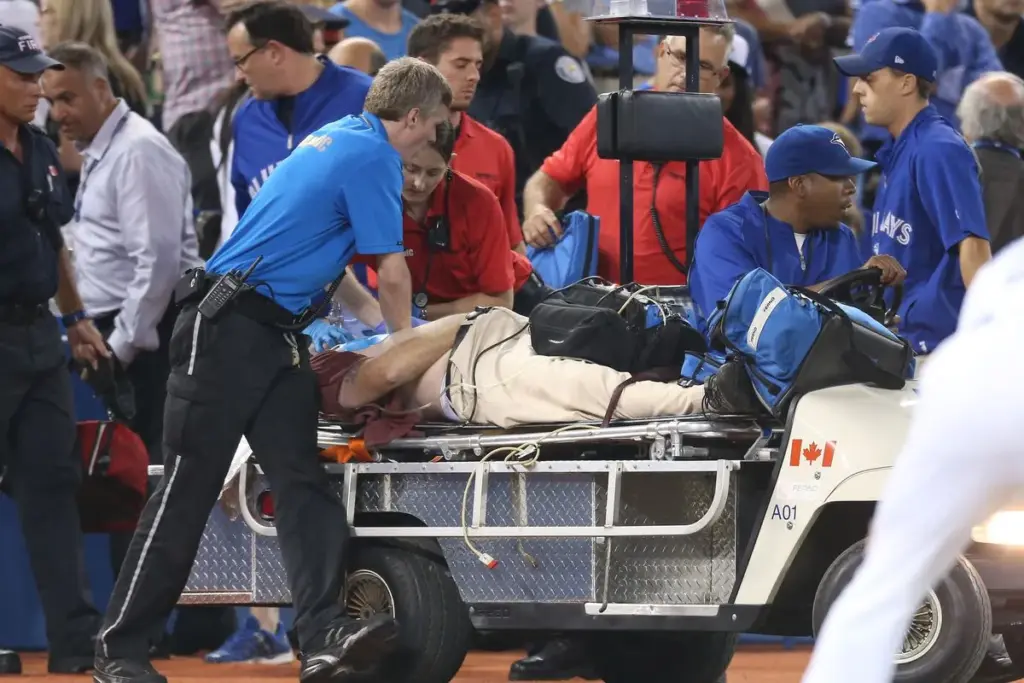
Every year, thousands of people worldwide die from sudden cardiac arrest. Often, they don’t show any warning signs.
Timely medical help is key in such cases. Survival depends on immediate action. The time for effective treatment is very short.
Knowing about cardiac arrest symptoms and how to act can save lives. As a top healthcare provider, we offer world-class care to international patients.
Key Takeaways
- Cardiac arrest can occur without warning signs.
- Immediate medical intervention is critical for survival.
- Understanding cardiac arrest symptoms is vital.
- Timely treatment can greatly improve outcomes.
- Comprehensive healthcare support is available for international patients.
The Critical Timeline: How Quickly Death Occurs in Cardiac Arrest

When cardiac arrest strikes, time is of the essence. It’s a serious condition where the heart stops, cutting off blood and oxygen to organs. Knowing how fast things happen after a cardiac arrest is key to saving lives.
Minute-by-Minute Progression After Cardiac Arrest
Right after cardiac arrest, organs, like the brain, start to get damaged fast.
In the first minute, the brain starts to lack oxygen. Brain cells can’t handle being without oxygen for long, and damage starts quickly.
By 2-3 minutes, brain damage is likely if no CPR or other help is given. The chance of bringing someone back to life gets smaller with each minute.
The 4-6 Minute Window for Brain Survival
The window for action is extremely brief.
Between 4 to 6 minutes, the brain gets very damaged without enough oxygen. This is a critical time for CPR and defibrillation to make a difference in survival.
Emergency medical professionals work in high-stress situations where every second matters. This shows how urgent it is to act fast in cardiac arrest cases.
|
Time |
Brain Status |
Intervention Importance |
|---|---|---|
|
0-1 minute |
Oxygen deprivation starts |
Immediate CPR is key |
|
2-3 minutes |
Significant brain damage likely |
High |
|
4-6 minutes |
Severe brain damage |
Critical for CPR and defibrillation |
Understanding Cardiac Arrest: Definition and Mechanisms

Cardiac arrest happens when the heart stops beating without warning. It needs quick medical help. This happens when the heart’s electrical system goes wrong, stopping it from beating right.
This stops blood and oxygen from reaching the brain and other important organs.
Many people mix up cardiac arrest with a heart attack. But they are not the same. A heart attack is when blood flow to the heart is blocked. Cardiac arrest is when the heart suddenly stops working.
Knowing how cardiac arrest works is key to treating it right and fast.
What Happens When the Heart Suddenly Stops
When cardiac arrest happens, the heart stops suddenly. This stops blood from flowing, cutting off oxygen to organs. The brain is very sensitive to this lack of oxygen and can get damaged quickly.
- The heart’s electrical activity becomes disorganized.
- The heart muscle fails to contract effectively.
- Blood circulation comes to a halt, leading to a lack of oxygen delivery.
Electrical vs. Mechanical Cardiac Failure
Cardiac arrest can be caused by electrical or mechanical problems. Electrical failure is when the heart’s electrical system gets messed up. This can cause irregular heartbeats like ventricular fibrillation. Mechanical failure is when the heart’s physical function fails, like in cardiac tamponade or massive pulmonary embolism.
Key differences between electrical and mechanical cardiac failure:
- Electrical failure is often related to issues with the heart’s electrical conduction system.
- Mechanical failure may result from conditions such as cardiac tamponade or massive pulmonary embolism.
Knowing these differences helps doctors choose the right treatment. Quick action is vital in treating cardiac arrest.
Cardiac Arrest vs. Heart Attack: Critical Differences
It’s important to know the difference between cardiac arrest and heart attack. Both are heart-related but have different symptoms and treatments. Knowing the difference can save lives.
Why They Are Often Confused
Many people mix up cardiac arrest and heart attack because they both affect the heart. But they are not the same. A heart attack happens when a blockage cuts off blood to the heart, causing damage.
Cardiac arrest, on the other hand, is when the heart suddenly stops beating. This usually happens because of an electrical problem in the heart.
“The key difference lies in their immediate impact on the heart’s functioning.” A heart attack can lead to cardiac arrest if it’s severe. But they are not the same condition.
Different Symptoms and Emergency Responses
Heart attack symptoms include chest pain, shortness of breath, and nausea. You might also feel pain in your arms, back, neck, jaw, or stomach.
Cardiac arrest symptoms are more severe. They include sudden loss of consciousness, no breathing, and no pulse.
For a heart attack, you need to get medical help right away. But you can usually talk and get some basic treatment like aspirin. For cardiac arrest, CPR and a defibrillator are key to get the heart beating again.
Recognizing Sudden Cardiac Arrest Symptoms
Knowing the signs of cardiac arrest can save lives. This serious condition needs quick medical help. We’ll look at the key symptoms that show a cardiac arrest might be happening.
Warning Signs That May Precede Cardiac Arrest
Some people may feel warning signs before a cardiac arrest. These include chest pain or discomfort, shortness of breath, and lightheadedness or dizziness. Spotting these signs early can help prevent a cardiac arrest or get medical help fast.
Other signs might be fatigue, palpitations or irregular heartbeats, and pain or discomfort in the arms, back, neck, jaw, or stomach. Knowing these signs and getting medical help if they happen is key.
Immediate Signs That Cardiac Arrest Is Occurring
When cardiac arrest happens, the signs are urgent and serious. The person might collapse suddenly, become unresponsive, and stop breathing or breathe abnormally. They might also have seizure-like activity or agonal breathing, showing brain distress from lack of blood flow.
It’s vital to spot these signs and act fast. Call emergency services and start CPR if you can. Quick action can greatly improve survival chances and prevent brain damage.
Survival Statistics: The Reality of Cardiac Arrest
Cardiac arrest survival rates are very low, showing how urgent medical help is needed. This life-threatening condition requires quick and effective treatment to save lives.
Knowing the survival rates for cardiac arrest helps us understand how vital timely medical care is. This knowledge is key for both out-of-hospital and in-hospital cases.
Out-of-Hospital Survival Rates
Survival rates for out-of-hospital cardiac arrest (OHCA) are lower than for in-hospital cases. Studies show that OHCA patients have a 5% to 10% survival rate on average. This rate can change based on several factors.
Factors Influencing OHCA Survival Rates:
- Prompt CPR: Quick CPR by bystanders can double or triple a victim’s survival chance.
- AED Use: Using an AED soon after cardiac arrest can greatly improve survival rates.
- EMS Response Time: Fast EMS response is key to better survival chances.
In-Hospital Cardiac Arrest Outcomes
In-hospital cardiac arrest (IHCA) survival rates are higher than OHCA. This is because IHCA happens in a monitored setting where quick medical help is possible.
|
Category |
Survival Rate |
|---|---|
|
Immediate Survival |
40% – 50% |
|
Survival to Discharge |
20% – 30% |
|
Long-term Survival |
10% – 20% |
The survival statistics for cardiac arrest highlight the urgent need for effective medical care. Whether it happens in or out of the hospital, cardiac arrest needs immediate action to increase survival chances.
The “Time = Brain” Equation in Cardiac Arrest
Cardiac arrest is a race against time. The longer without oxygen, the less chance the brain has to survive. The brain needs oxygen fast to avoid damage.
When cardiac arrest happens, the heart stops. This stops blood and oxygen from reaching the brain. The sooner the brain gets oxygen, the less damage it will suffer.
How Each Minute Affects Neurological Outcomes
Every minute without help after cardiac arrest lowers survival chances. It also increases the risk of brain damage. Studies show a 7-10% drop in survival rate for each minute without action.
Neurological outcomes are closely tied to the duration of cardiac arrest. The longer without oxygen, the more brain cells die. This can lead to lasting cognitive and physical problems.
Cellular Death Timeline During Oxygen Deprivation
Oxygen loss starts a chain of events that kills brain cells. In 4-6 minutes of cardiac arrest, brain cells start to die. By 10 minutes, the damage is usually too much, leading to poor outcomes or death.
The timeline of cellular death shows how urgent medical help is. Knowing this timeline stresses the need for quick CPR and AED use in cardiac arrest.
Common Causes of Sudden Cardiac Arrest
Sudden cardiac arrest happens for many reasons. Knowing these causes helps us find ways to prevent and treat it.
Cardiovascular Triggers
Heart problems are the main reasons for sudden cardiac arrest. These include:
- Coronary artery disease, the top cause, leading to heart attacks that can trigger cardiac arrest.
- Cardiomyopathy, a disease of the heart muscle that can lead to arrhythmias.
- Valvular heart disease, where problems with the heart valves can cause cardiac arrest.
- Arrhythmias, like ventricular fibrillation, which can lead to cardiac arrest if not treated quickly.
Non-Cardiac Causes of Cardiopulmonary Arrest
While heart problems are common, other causes can also lead to cardiopulmonary arrest. These include:
- Respiratory arrest due to conditions like asthma or chronic obstructive pulmonary disease (COPD).
- Trauma, such as severe injuries that can lead to cardiac arrest.
- Drowning or near-drowning incidents.
- Drug overdose or poisoning.
Knowing these non-heart causes is key to giving full care.
|
Cause |
Description |
Prevention Strategies |
|---|---|---|
|
Coronary Artery Disease |
Narrowing or blockage of coronary arteries |
Lifestyle changes, medication, surgery |
|
Cardiomyopathy |
Disease of the heart muscle |
Medication, lifestyle changes, device therapy |
|
Respiratory Arrest |
Failure of respiratory system |
Oxygen therapy, medication, mechanical ventilation |
By knowing the causes of cardiac arrest, we can target our efforts to lower risk and improve results.
Risk Factors: Who Is Most Vulnerable to Cardiac Arrest
Cardiac arrest doesn’t affect everyone equally. Some groups face a higher risk. Knowing these risk factors is key to preventing and treating cardiac arrest early.
Medical Conditions That Increase Risk
Some medical conditions make cardiac arrest more likely. These include:
- Coronary Artery Disease: This is the top cause of cardiac arrest. It happens when arteries get too narrow or blocked.
- Heart Failure: If the heart can’t pump well, it can lead to cardiac arrest.
- Cardiomyopathy: Diseases of the heart muscle can mess up the heart’s electrical system.
- Arrhythmias: Abnormal heart rhythms can cause cardiac arrest if not treated quickly.
Lifestyle and Demographic Risk Factors
Lifestyle choices and who you are also affect your risk of cardiac arrest.
- Smoking: Smoking harms the heart and increases the risk.
- Obesity and Physical Inactivity: Being overweight and not exercising can lead to heart disease.
- Age and Gender: The risk goes up with age, and men are more at risk than women.
- Family History: Having heart disease in your family can raise your risk.
By understanding these risk factors, we can take steps to prevent cardiac arrest. Managing health conditions and living a healthier lifestyle can help lower the risk.
The Chain of Survival: Critical Response Timeline
In cardiac arrest cases, a quick and coordinated response is key, as the chain of survival shows. This concept outlines steps that, taken fast, can greatly improve survival chances. It’s not just a medical rule; it’s a lifeline connecting victims to needed care in critical times.
Immediate Recognition and Activation of Emergency Response
The first step in the chain of survival is recognizing cardiac arrest and starting the emergency response. This step is vital as it sets the stage for further actions. Spotting cardiac arrest signs like sudden collapse and no breathing is essential. Calling emergency services or alerting someone nearby is the next step to get help fast.
Acting fast is critical. The quicker help is called, the sooner care can be given. This quick response is what we call the golden minutes for intervention.
The Golden Minutes for Intervention
The golden minutes are the critical time right after cardiac arrest when help can greatly improve outcomes. During this time, doing CPR and using an Automated External Defibrillator (AED) if there is one can greatly increase survival chances. The American Heart Association says CPR should be done with at least 2 inches of chest compression and 100 to 120 compressions per minute, with full chest recoil between each.
These interventions’ success depends a lot on time. Starting CPR quickly helps keep blood and oxygen flowing to vital organs until more help arrives. So, knowing and acting on the chain of survival is not just a medical rule; it’s about saving lives.
By understanding the chain of survival and acting fast, we can greatly improve cardiac arrest outcomes. It’s a call to action for everyone to be ready to respond in these critical moments. This way, we can use the golden minutes to save lives.
CPR: The First Line of Defense Against Death from Cardiac Arrest
Cardiopulmonary resuscitation, or CPR, is the first step in cardiac arrest. It keeps someone alive until medical help arrives. When someone’s heart stops, CPR helps by keeping blood flowing and oxygen in vital organs.
How CPR Extends the Survival Window
CPR is key because it keeps blood and oxygen flowing to the brain and other vital organs. The sooner CPR is started, the better the chances of survival. Studies show CPR can double or triple a victim’s survival chances if done right and fast.
Here’s how CPR makes a difference:
- Maintains blood circulation to vital organs
- Provides oxygen to the brain, reducing the risk of neurological damage
- Bridges the gap until defibrillation and advanced medical care can be administered
Proper CPR Techniques and Guidelines
To be effective, CPR must be done correctly. The American Heart Association guidelines recommend the following steps for CPR:
- Check the scene for safety and call for emergency medical help
- Start chest compressions at a rate of 100-120 per minute
- Provide rescue breaths after every 30 compressions
- Continue CPR until emergency medical personnel arrive
It’s also important to note that CPR techniques can vary slightly depending on the age of the victim and the rescuer’s level of training. Proper training is essential to perform CPR effectively.
|
CPR Component |
Adult |
Child |
Infant |
|---|---|---|---|
|
Compression Depth |
At least 2 inches |
About 2 inches |
About 1.5 inches |
|
Compression Rate |
100-120/min |
100-120/min |
100-120/min |
|
Rescue Breaths |
2 breaths after 30 compressions |
2 breaths after 30 compressions |
2 breaths after 30 compressions |
As emphasized by the American Heart Association, “CPR, when done by bystanders, is a critical part of the cardiac arrest response system.” This highlights the need for CPR training for everyone.
“The timely application of CPR can significantly improve outcomes for cardiac arrest victims, making it a critical skill for everyone to learn.”
American Heart Association
By learning and using the right CPR techniques, we can greatly improve survival chances for cardiac arrest victims. It’s a simple yet powerful act that can save lives.
Defibrillation: How Fast It Must Happen to Prevent Death
Using defibrillation quickly can save lives in cardiac arrest. It delivers an electric shock to the heart to restore a normal beat. When the heart stops, it needs defibrillation fast to work.
The Science Behind Defibrillator Effectiveness
Defibrillators analyze the heart’s rhythm and shock it back to life. How well it works depends on how fast it’s used, the heart’s condition, and the situation. Studies show quick action leads to better results.
Key Factors Influencing Defibrillation Success:
- Time to Defibrillation: The sooner, the better.
- Type of Cardiac Arrest: It works best for VF or VT.
- Underlying Health Conditions: Some heart issues can affect success.
Using an Automated External Defibrillator (AED)
AEDs are for non-professionals in public places. They check the heart’s rhythm and tell if a shock is needed. They’re easy to use, with voice and visual help.
“Early defibrillation is key to survival from cardiac arrest. The use of AEDs has been shown to significantly improve outcomes when used promptly.”
To use an AED, follow these steps:
- Turn on the AED and follow voice prompts.
- Expose the patient’s chest and attach the electrode pads as indicated.
- The AED will analyze the heart rhythm; if a shock is advised, ensure no one is touching the patient and press the shock button.
- Continue CPR as directed by the AED.
|
Step |
Action |
Notes |
|---|---|---|
|
1 |
Turn on AED |
Follow voice prompts |
|
2 |
Attach Electrode Pads |
Expose patient’s chest |
|
3 |
Analyze Heart Rhythm |
AED advises if shock is needed |
In conclusion, defibrillation is vital and must be done quickly to save lives. Knowing how defibrillators work and how to use an AED can greatly increase survival chances.
Emergency Medical Response to Cardiac Arrest
When someone has a cardiac arrest, getting to the hospital fast is key. Cardiac arrest is very serious and needs quick help. The work of EMS is vital in saving lives.
What Happens When EMS Arrives
When EMS gets there, they quickly check the situation. They start giving medical help right away. This includes CPR and using an AED if needed.
Key interventions include:
- Administering CPR to maintain blood flow
- Using an AED to restore a normal heart rhythm
- Providing oxygen to help restore normal breathing
- Monitoring vital signs to assess the patient’s condition
Advanced Life Support Interventions
Advanced life support (ALS) is very important for cardiac arrest. Trained paramedics or EMTs do ALS. They use special treatments to help the heart and keep the patient safe.
Some of the key ALS interventions include:
- Administering medications to help restore a normal heart rhythm
- Using advanced airway management techniques to ensure adequate oxygenation
- Providing cardiac monitoring to track the patient’s heart activity
- Implementing IV therapy to administer medications and fluids
Understanding how EMS helps in cardiac arrest shows their big role in saving lives. Their quick and right actions can greatly help patients in cardiac arrest.
Hospital Treatment Following Cardiac Arrest
Hospital treatment for cardiac arrest is complex. It aims to help patients recover quickly. Doctors check the patient’s condition right away to decide the best treatment.
Immediate Critical Care Interventions
The first steps in the hospital are to keep the patient stable. This means fixing life-threatening problems. Doctors focus on:
- Keeping the heart beating right
- Helping the lungs breathe properly
- Checking the brain for damage
Therapeutic hypothermia is a key treatment. It cools the body to protect the brain. This helps reduce brain damage from cardiac arrest.
Therapeutic Hypothermia and Neuroprotection
Doctors start cooling the body soon after cardiac arrest. They aim to keep the body temperature between 32°C and 36°C for 24 hours. This method has been shown to:
|
Benefit |
Description |
|---|---|
|
Reduced metabolic rate |
Lessens the brain’s need for oxygen, which may reduce damage |
|
Minimized oxidative stress |
Reduces harmful free radicals that can harm brain cells |
|
Improved neurological outcomes |
Increases chances of survival with better brain function |
Identifying and Treating Underlying Causes
While immediate care is vital, finding and treating the cause of cardiac arrest is also key. This might include:
- Cardiac catheterization to find and fix heart disease
- ECG monitoring to spot irregular heartbeats
- Imaging tests to find heart problems
By using these methods together, we can offer full care. This care not only saves lives but also improves their quality of life.
Recovery Timelines After Surviving Cardiac Arrest
Knowing how long it takes to recover from cardiac arrest is key for survivors and their families. The path to getting better is complex. It involves medical, physical, and emotional hurdles.
Physical Recovery Expectations
How fast someone recovers from cardiac arrest can differ a lot. Several things affect this, like how long the heart stopped, how well CPR was done, and the person’s health before the event.
The first steps in recovery are about making the patient stable and dealing with any immediate health problems. This usually happens in a hospital. There, doctors can watch the patient closely and help when needed.
Key aspects of physical recovery include:
- Regaining strength and mobility
- Managing pain and discomfort
- Addressing any cardiac or other medical issues
Neurological Outcomes Based on Downtime
How well the brain does after cardiac arrest is a big worry. The brain is very sensitive to not getting enough blood and oxygen. How long the heart stopped is a big factor in brain recovery.
|
Downtime |
Potential Neurological Outcome |
|---|---|
|
0-4 minutes |
Generally good recovery |
|
4-6 minutes |
Variable outcomes; some may experience significant neurological impairment |
|
>6 minutes |
Higher likelihood of severe neurological damage |
As
“The sooner CPR is initiated and the more effectively it is performed, the better the chances for a favorable neurological outcome.”
This shows how important quick and good medical help is.
Long-term Quality of Life Considerations
Long-term life quality for cardiac arrest survivors depends on many things. These include how much brain damage there is, any health problems they had before, and the support they get.
Survivors might face new challenges, but with the right care, many live well. Rehab helps a lot. It includes physical, occupational, and speech therapy. This helps survivors get back to living their lives.
We know every survivor’s journey is different. Our healthcare team is dedicated to giving personalized care. We aim to help each person through their recovery.
Preventing Cardiac Arrest: Reducing Your Risk
To prevent cardiac arrest, we need to take both medical steps and make lifestyle changes. Knowing the risks and acting early can greatly lower your chance of cardiac arrest.
Medical Interventions for High-Risk Individuals
For those at high risk, medical help is key. This can include:
- Implantable Cardioverter-Defibrillators (ICDs): These devices watch your heart and shock it back to normal if needed.
- Medications: Drugs help with high blood pressure, heart failure, and irregular heartbeats.
- Catheter Ablation: This procedure removes bad electrical paths in the heart.
These treatments work best when paired with lifestyle changes.
Lifestyle Modifications That Save Lives
Making lifestyle changes is also vital. Important steps include:
- Dietary Changes: Eating more fruits, veggies, whole grains, and lean meats is good for your heart.
- Regular Exercise: Staying active boosts heart health.
- Smoking Cessation: Quitting smoking lowers heart disease risk.
- Stress Management: Reducing stress with meditation or yoga is helpful.
Combining these lifestyle changes with medical help can greatly lower your risk of cardiac arrest.
It’s important to work with your doctor to create a plan that’s right for you.
Conclusion: The Race Against Time in Cardiac Arrest
Knowing the urgent timeline of cardiac arrest is key to saving lives. The phrase “time is brain” shows how fast we must act. Every minute matters when cardiac arrest happens, and the time for help is short.
We’ve looked into the details of cardiac arrest, from what it is to how it differs from a heart attack. Spotting warning signs and symptoms early is vital. This helps start emergency actions like CPR and using defibrillators.
The chain of survival is important. It includes recognizing the problem, doing CPR, using defibrillators, and getting advanced care. Knowing the risks and taking steps to prevent cardiac arrest can help. Quick and right hospital care is also essential for those who make it through.
In summary, cardiac arrest is a serious emergency that needs quick action. By raising awareness and improving how we respond and treat it, we can save more lives. The fight against time in cardiac arrest is a challenge we must face with speed and care.
FAQ
What is cardiac arrest?
Cardiac arrest happens when the heart suddenly stops. This leads to a lack of blood and oxygen to vital organs.
What is the difference between cardiac arrest and heart attack?
A heart attack blocks blood flow to the heart, damaging the muscle. Cardiac arrest is when the heart stops beating. It can be caused by a heart attack or other factors.
What are the symptoms of cardiac arrest?
Symptoms include sudden loss of consciousness, no breathing, or no pulse. Warning signs can be chest pain, shortness of breath, or dizziness.
How quickly does death occur from cardiac arrest?
Death can happen in 4-6 minutes without medical help. The brain is very sensitive to oxygen lack.
What is the importance of CPR in cardiac arrest?
CPR is key in cardiac arrest. It keeps blood and oxygen flowing to vital organs. This helps until medical help arrives.
How does defibrillation work in cardiac arrest?
Defibrillation uses a device to shock the heart back to normal. It works best quickly, within minutes of the arrest.
What is the chain of survival in cardiac arrest?
The chain of survival includes recognizing the condition, calling for help, CPR, defibrillation, and advanced care.
Can cardiac arrest be prevented?
Yes, it can be prevented or risk reduced. This is done by managing health conditions, living a healthy lifestyle, and getting medical care for high-risk individuals.
What are the risk factors for cardiac arrest?
Risk factors include heart disease, smoking, age, and family history.
What happens during hospital treatment following cardiac arrest?
Treatment includes critical care, cooling the brain, and finding and treating the cause.
What are the recovery expectations after surviving cardiac arrest?
Recovery varies based on the arrest’s length and medical care quality. Some may recover fully, while others face long-term challenges.
How can I learn CPR and use an automated external defibrillator (AED)?
Learn CPR and AED use by taking a course. These are available at hospitals, community centers, and through medical training organizations.
References
JAMA Network. Evidence-Based Medical Insight. Retrieved from https://jamanetwork.com/journals/jamacardiology/fullarticle/2835966