
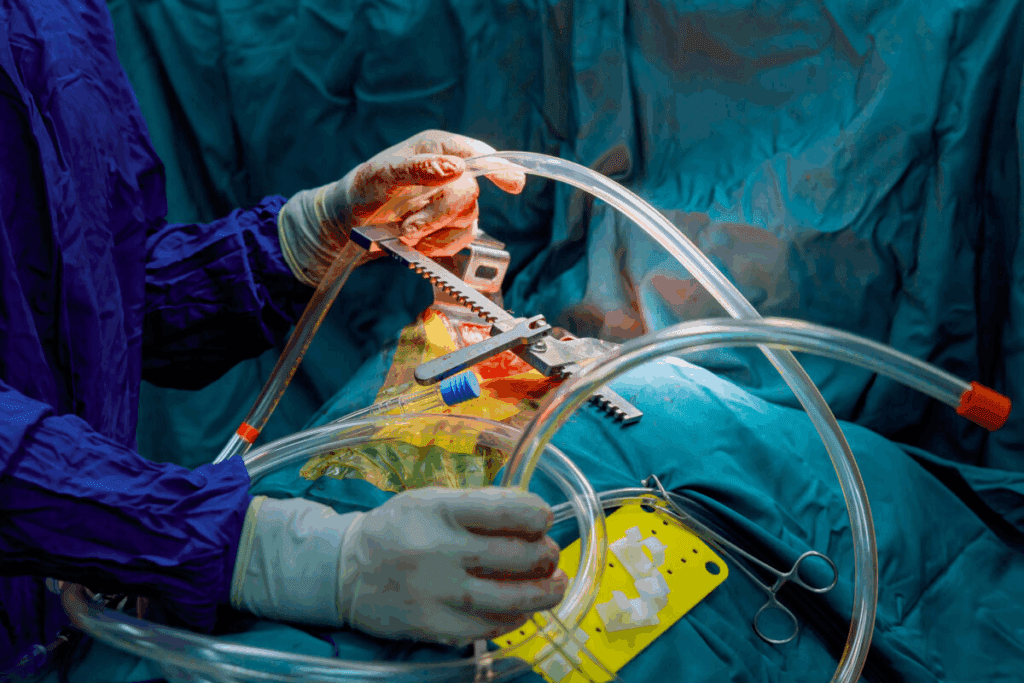
AtLiv Hospital, we know how vital cardiac balloon procedures are. They help treat blocked arteries and stop heart attacks. These steps are key to better patient care and saving lives.
Cardiac balloon angioplasty is a major treatment. It uses a small balloon to open up narrow or blocked arteries. This improves blood flow, lowering the chance of heart attacks.
We will dive into 7 important facts about heart stents and angioplasty. We aim to highlight the latest in heart treatment.
Key Takeaways
- Understanding the role of cardiac balloon procedures in treating heart conditions.
- The difference between balloon angioplasty and stenting.
- The benefits of angioplasty in preventing heart attacks.
- How heart stents improve patient outcomes.
- The importance of state-of-the-art techniques in modern heart treatment.
What Are Cardiac Balloon Procedures and Why Are They Performed?
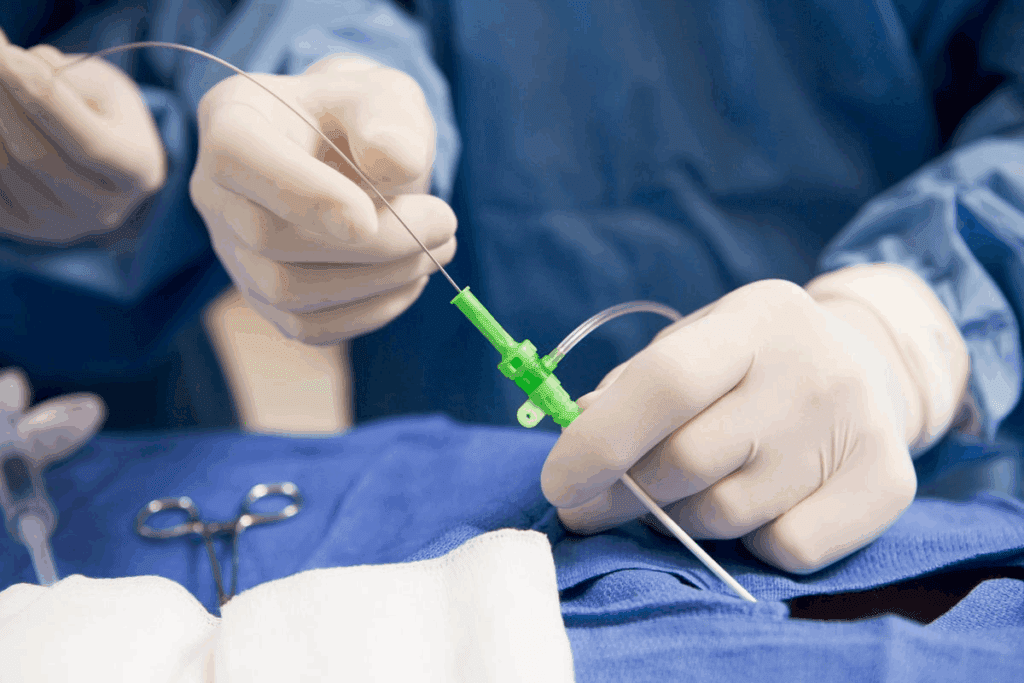
We use cardiac balloon procedures to treat heart conditions by improving blood flow. These procedures are key in interventional cardiology. They help restore normal heart function.
The Purpose of Interventional Cardiology
Interventional cardiology uses catheter-based treatments for heart diseases. Cardiac balloon procedures are a main part of this field. They open blocked arteries without open-heart surgery.
By inflating a balloon at the blockage, we restore blood flow. This reduces symptoms like chest pain and shortness of breath.
Common Conditions Treated with Cardiac Balloon Procedures
Cardiac balloon procedures mainly treat coronary artery disease and angina. When coronary arteries narrow or block, it reduces blood flow. This can cause chest pain or heart attacks.
By doing balloon angioplasty, we clear these blockages. This improves blood flow. We also use stent placement to keep arteries open.
The stent and balloon technology has changed heart disease treatment. It offers a less invasive option than surgery. This method shortens recovery time and lowers the risk of complications.
Understanding cardiac balloon procedures helps patients see their benefits. These advanced medical techniques are key in improving patient outcomes and quality of life.
Key Fact #1: How Balloon Angioplasty Opens Blocked Arteries

Balloon angioplasty is a key part of heart care. It’s a way to open blocked arteries without surgery. This method has changed how we treat heart disease, helping many patients.
The Step-by-Step Process of Balloon Angioplasty
The process starts with a catheter being guided to the blocked artery. Then, a balloon inflates to widen the artery. This lets blood flow again. Sometimes, a stent is used to keep the artery open.
The steps are:
- Accessing the blocked artery through a small incision in the wrist or groin
- Guiding the catheter to the blocked area using fluoroscopy
- Inflating the balloon to compress plaque and widen the artery
- Placing a stent to maintain arterial patency
- Confirming the success of the procedure through angiography
A leading cardiologist says, “Balloon angioplasty is key in fighting heart disease. It helps patients recover quickly and improves their health.”
“The introduction of balloon angioplasty has significantly reduced the need for open-heart surgery, transforming the landscape of cardiac care.”
Types of Angioplasty Balloon Catheters
There are many types of angioplasty balloon catheters. Each is for different situations. The right one depends on the blockage and the patient.
The main types include:
- Compliant balloons, which can stretch beyond their nominal diameter
- Non-compliant balloons, which maintain their size and are used for precise stent deployment
- Cutting balloons, used for complex lesions or in-stent restenosis
- Scoring balloons, designed to reduce the risk of dissection during angioplasty
Knowing about these catheters helps us customize the treatment. This way, we can get the best results for our patients.
Key Fact #2: Heart Stent and Balloon Combination Therapy
Treating blocked arteries often involves using a heart stent and balloon therapy together. This combo keeps arteries open and ensures blood flows well to the heart. It’s a common and effective method.
Why Stents Are Placed After Balloon Dilation
After using a balloon to widen an artery, a stent is placed to keep it open. This is a standard practice in heart care. It helps prevent future blockages and is a minimally invasive solution.
Stents are placed for several reasons:
- To keep the artery open and maintain blood flow
- To prevent elastic recoil of the artery
- To reduce the risk of restenosis
- To improve long-term outcomes for patients
Types of Cardiac Stents Available
There are many types of cardiac stents, each with its own benefits. The right stent depends on the patient’s condition and the blockage’s complexity.
Common stents include:
- Bare-metal stents
- Drug-eluting stents
- Bioresorbable vascular scaffolds
Knowing about different stents helps us tailor care for our patients. The heart stent and balloon therapy keeps getting better, thanks to ongoing research.
Key Fact #3: The Minimally Invasive Nature of Putting a Balloon in Heart
Minimally invasive cardiac balloon procedures are changing how we treat heart disease. They have greatly reduced the need for open-heart surgery. This makes treatment safer and more comfortable for patients.
Access Points: Femoral vs. Radial Approach
The cardiac balloon procedure can be done in different ways. We usually use the femoral artery in the groin or the radial artery in the wrist. The choice depends on the patient’s condition and body.
The radial approach is gaining popularity because it has fewer complications and quicker recovery. But, the choice between femoral and radial access depends on many factors. These include the patient’s vascular anatomy and the procedure’s needs.
| Access Point | Advantages | Disadvantages |
| Femoral | Larger access for complex procedures | Higher risk of bleeding complications |
| Radial | Lower risk of bleeding, quicker recovery | Limited access for very complex cases |
Local vs. General Anesthesia Requirements
Cardiac balloon procedures usually don’t need general anesthesia. We use local anesthesia to numb the area where the catheter is inserted.
This method reduces the risks of general anesthesia and helps patients recover faster. Patients stay awake, which lets us watch their condition closely.
What Patients Experience During the Procedure
Patients might feel some discomfort when the balloon is inflated. This discomfort is usually short-lived and goes away once the balloon is deflated.
We make sure patients are comfortable during the procedure. Our team watches their vital signs and offers reassurance when needed.
The whole process, from start to finish, is designed to be smooth and stress-free. Knowing what to expect helps patients feel more at ease and confident in their care.
Key Fact #4: Ballooning of the Heart Reduces Mortality Rates
Cardiac balloon procedures have changed how we treat heart disease. They have greatly lowered death rates worldwide. These treatments improve blood flow to the heart, saving lives and improving patients’ quality of life.
Statistical Evidence of Improved Outcomes
Many studies show balloon angioplasty’s success in cutting down death rates from heart disease. For example, a study in the Journal of the American College of Cardiology found it lowers major heart problems more than just medicine.
Key statistics highlighting the benefits of cardiac balloon procedures include:
- Reduced mortality rates: Studies have shown a significant decrease in mortality among patients treated with balloon angioplasty.
- Improved symptom relief: Patients experience a reduction in angina symptoms, improving their quality of life.
- Minimally invasive: The procedure is less invasive than traditional surgery, leading to quicker recovery times.
Comparison to Historical Treatment Methods
Before, treating heart disease mostly involved medicine and surgery like CABG. These methods are effective but riskier and more invasive than balloon angioplasty.
| Treatment Method | Success Rate | Recovery Time |
| Balloon Angioplasty | 95% | 1-3 days |
| CABG | 90% | 6-12 weeks |
| Medical Therapy Alone | 70% | Varies |
Quality of Life Improvements
Cardiac balloon procedures do more than just lower death rates. They greatly improve patients’ lives. By fixing blood flow, they ease symptoms like chest pain and shortness of breath. This lets patients do more and feel better about their health.
The heart stent and balloon combo offers many benefits. It relieves chest pain, prevents heart attacks, and is less invasive. As technology advances, these treatments will likely get even better.
Key Fact #5: Heart Procedure Balloon for Diagnosis and Treatment
Heart procedure balloons are very versatile. They help doctors diagnose and treat heart issues in one go. This is key in cardiology, where quick and accurate diagnosis and treatment are essential.
Diagnostic Angiography with Balloon Capability
Diagnostic angiography is a big part of cardiac catheterization. It lets cardiologists see the coronary arteries and find blockages or narrow spots. With a balloon, they can act fast, making treatment smoother.
A catheter is put into the artery, and a contrast agent is used to see inside. If there’s a blockage, the balloon can be used to open the artery, improving blood flow.
Immediate Intervention Advantages
Being able to go from diagnosis to treatment right away is a big plus. It means fewer extra procedures, less risk for the patient, and faster recovery.
Quickly fixing blockages helps prevent more heart damage. This improves patient results and cuts down on healthcare costs by avoiding more procedures and hospital stays.
Fractional Flow Reserve Measurements
Fractional flow reserve (FFR) measurements are a key tool for checking how bad a blockage is. They measure the pressure difference across a blockage, helping doctors understand its effect on blood flow.
FFR helps doctors choose the best treatment, like balloon angioplasty or stenting. This tailored approach makes sure patients get the best care for their specific needs.
| Diagnostic Capability | Treatment Benefit | Clinical Outcome |
| Accurate visualization of coronary arteries | Immediate intervention with balloon angioplasty | Restored blood flow and reduced cardiac damage |
| Fractional flow reserve measurements | Personalized treatment strategy | Improved patient outcomes and reduced healthcare costs |
| Diagnostic angiography with balloon capability | Streamlined treatment process | Enhanced patient safety and reduced recovery time |
In conclusion, heart procedure balloons are a powerful tool in cardiology. They combine precise diagnosis with quick treatment, leading to better patient care, lower costs, and improved health outcomes.
Key Fact #6: Balloon Angioplasty vs Stent: Clinical Considerations
Cardiologists face a tough choice when treating coronary artery disease. They must decide between balloon angioplasty and stenting. Each option has its pros and cons, based on different clinical factors.
Restenosis Rates Comparison
Restenosis, or artery narrowing, is a big worry when comparing these treatments. Studies show stenting, with drug-eluting stents, cuts down restenosis risk more than balloon angioplasty alone.
Drug-eluting stents are now the go-to choice. They release medicine that stops new tissue growth, lowering restenosis risk.
| Procedure | Restenosis Rate |
| Balloon Angioplasty | 20-30% |
| Bare Metal Stenting | 10-20% |
| Drug-Eluting Stenting | 5-10% |
Cost-Effectiveness Analysis
Cost is another key factor. Balloon angioplasty might seem cheaper at first, but repeat procedures can add up. Stenting is pricier upfront but can save money in the long run due to lower restenosis rates.
A study found drug-eluting stents cut healthcare costs over time.
Patient Selection Criteria
Choosing the right treatment depends on the patient. Things like lesion complexity and health conditions matter. These factors help decide between balloon angioplasty and stenting.
For complex cases, stenting might be better. But for simpler ones, balloon angioplasty could work. It’s all about the patient’s specific needs.
In summary, picking between balloon angioplasty and stenting is complex. It involves looking at restenosis rates, cost, and patient factors. By weighing these, doctors can choose the best treatment for each patient.
Key Fact #7: Heart Attack Balloon Angioplasty as Emergency Treatment
Heart attack balloon angioplasty is a key emergency procedure. It can greatly improve survival rates if done quickly. Balloon angioplasty with stenting is very effective in restoring blood flow to the heart during an attack.
Door-to-Balloon Time Importance
The door-to-balloon time is very important for heart attack patients. It’s the time from when a patient arrives at the hospital to when they get balloon angioplasty. Shorter times are linked to better outcomes. Hospitals aim to keep this time as short as possible to save lives.
- Rapid assessment and diagnosis are key.
- Quick activation of the cath lab is vital.
- Streamlined procedures help avoid delays.
Outcomes Based on Intervention Timing
The timing of heart stent and balloon intervention greatly affects patient outcomes. Early use of balloon angioplasty can lower death rates and improve long-term survival. The sooner the treatment, the less heart damage there is.
- Early intervention reduces infarct size.
- Prompt treatment improves left ventricular function.
- Timely cardiac balloon procedures enhance overall survival.
Post-Procedure Survival Rates
Survival rates for patients after heart attack balloon angioplasty improve with quick treatment. Balloon angioplasty with stenting offers lasting results and cuts down on the need for more procedures.
In summary, heart attack balloon angioplasty is a critical emergency treatment. It greatly improves patient outcomes when done quickly. Understanding the importance of door-to-balloon time and prompt intervention helps healthcare providers improve care for heart attack patients.
Recovery After Cardiac Balloon Procedures
After a cardiac balloon procedure, recovery is key. We watch over you closely and teach you how to get better. This time is very important for your treatment’s success.
Hospital Stay Duration
Patients stay in the recovery room for hours or overnight after the procedure. The time in the hospital varies. But usually, patients go home in 1-2 days if everything goes well.
Activity Restrictions
It’s important to avoid heavy lifting, bending, or hard work for a few days. We suggest you start doing normal things again slowly. Always listen to your doctor’s advice.
Medication Requirements
Doctors often give blood-thinning meds to stop blood clots near the stent. It’s vital to take your meds as told and go to all follow-up visits. This helps us see how you’re doing.
| Recovery Aspect | Guidelines | Importance |
| Hospital Stay | 1-2 days post-procedure | Monitoring for complications |
| Activity Level | Avoid strenuous activities | Prevents injury and promotes healing |
| Medication | Adhere to prescribed regimen | Prevents blood clots around the stent |
Follow-up care is very important. It helps us see how you’re getting better and solve any problems early. We really stress the need for these visits for the best results.
By sticking to the recovery plan, you can greatly improve your chances of a good outcome after a heart balloon operation. We’re here to support you every step of the way.
Innovations in Heart Surgery Balloon Procedure Technology
The world of heart care is changing fast, thanks to new heart surgery balloon procedure tech. These updates make cardiac balloon procedures safer and more effective. They also help patients recover faster.
Biodegradable Stent Platforms
One big leap is the biodegradable stent platforms. Unlike metal stents, these dissolve over time. This could lower the risk of stent-related problems.
Biodegradable stents are made to break down naturally. This helps the body heal better. It’s great for people with tough coronary artery disease.
Robotic-Assisted Interventions
Robotic help is another big step in heart surgery. It lets doctors do procedures with better control and precision. Robotic assistance can lead to better results and fewer problems.
This tech also cuts down on radiation for patients and doctors.
Imaging Advancements During Procedures
New imaging tech is key in improving cardiac balloon procedures. Tools like IVUS and OCT give clear views of arteries. This helps doctors place stents and balloons more accurately.
These images help doctors understand artery anatomy better. They make smarter choices during procedures.
As we keep pushing the limits of heart surgery balloon procedure tech, we’re moving towards better care. Biodegradable stents, robotic help, and advanced imaging are changing how we treat heart diseases.
Conclusion: The Evolving Landscape of Cardiac Balloon Interventions
Cardiac balloon procedures are getting better, giving hope to those with heart disease. New technology and techniques have made these treatments safer and more effective. They are now a key part of cardiology today.
These procedures, like cardiac balloon and heart stent, are getting more advanced. Heart attack balloon angioplasty is now a key emergency treatment. It has greatly improved patient results.
As we keep improving these methods, we’re seeing better survival rates and quality of life for patients. The future of heart care will likely be shaped by new advancements in cardiac balloon procedures. This includes better stent technology and imaging.
Understanding the good and bad of these treatments helps doctors care for heart disease patients better. This leads to better results for patients.
FAQ
What is a cardiac balloon procedure?
A cardiac balloon procedure, also known as angioplasty, is a treatment for blocked arteries. It uses a catheter to reach the artery. Then, a balloon is inflated to widen it, and a stent is placed to keep it open.
Why are cardiac balloon procedures performed?
These procedures treat conditions like coronary artery disease and heart attacks. They help restore blood flow to the heart, easing symptoms and improving health.
What is the difference between balloon angioplasty and stenting?
Balloon angioplasty widens a blocked artery with a balloon. Stenting involves placing a stent to keep the artery open. Both are often used together to prevent re-narrowing.
What are the benefits of using a heart stent and balloon combination therapy?
Using a heart stent and balloon therapy is more effective for blocked arteries. The stent keeps the artery open, reducing future blockages and improving health outcomes.
What can I expect during a cardiac balloon procedure?
You might feel some discomfort when the balloon is inflated. The procedure is done with local anesthesia, and you may stay awake.
How long does it take to recover from a cardiac balloon procedure?
Recovery time varies, but most stay in the hospital briefly. You’ll need to follow a recovery plan, including activity limits and medication, for the best results.
What are the latest innovations in cardiac balloon procedure technology?
New technologies include biodegradable stents, robotic-assisted procedures, and better imaging. These advancements make the procedures safer and more effective.
Can cardiac balloon procedures be used for diagnosis and treatment?
Yes, they can be used for both. Diagnostic angiography with balloon capability allows for immediate treatment. Fractional flow reserve measurements help assess the severity of blockages.
How do cardiac balloon procedures improve outcomes during a heart attack?
Quick intervention with cardiac balloon procedures is key during a heart attack. Fast treatment can greatly improve survival rates and outcomes.
What are the clinical considerations when choosing between balloon angioplasty and stenting?
Considerations include restenosis rates, cost, and patient selection. Stenting is often chosen to lower the risk of re-narrowing, despite the higher cost.
Are cardiac balloon procedures minimally invasive?
Yes, they are minimally invasive. They involve small incisions and the use of catheters to guide the balloon and stent.
References
- National Heart, Lung, and Blood Institute. (2023). Living with a stent.
https://www.nhlbi.nih.gov/health/stents/living-with
- MedlinePlus. (2024). Angioplasty and stent placement – heart. U.S. National Library of Medicine.
https://medlineplus.gov/ency/article/007473.htm



 Departments
 Related Videos
 Our Doctors
 News
News