Awake during cardiac catheterization? Yes. It’s best safe practice. You feel no pain, just pressure. Learn why being awake is vital for safety.
Every year, over 1 million heart cath procedures are done in the U.S. Cardiac catheterization, or heart cath, is a way to check and fix heart problems. It starts with a catheter being put into an artery in the leg or arm. Then, it’s guided to the heart.
Doctors use angiography to see the heart’s blood vessels during this. They look for blockages, like lad blockage or rca blockage. Knowing if you’re awake during a heart cath can make you feel less scared and more ready for it.
Key Takeaways
- Cardiac catheterization is a common procedure for diagnosing heart conditions.
- The procedure involves inserting a catheter into an artery.
- Angiography is used during the procedure to visualize blockages.
- Patients often wonder if they are awake during the procedure.
- The procedure can help identify blockages like lad or rca blockage.
Understanding Cardiac Catheterization
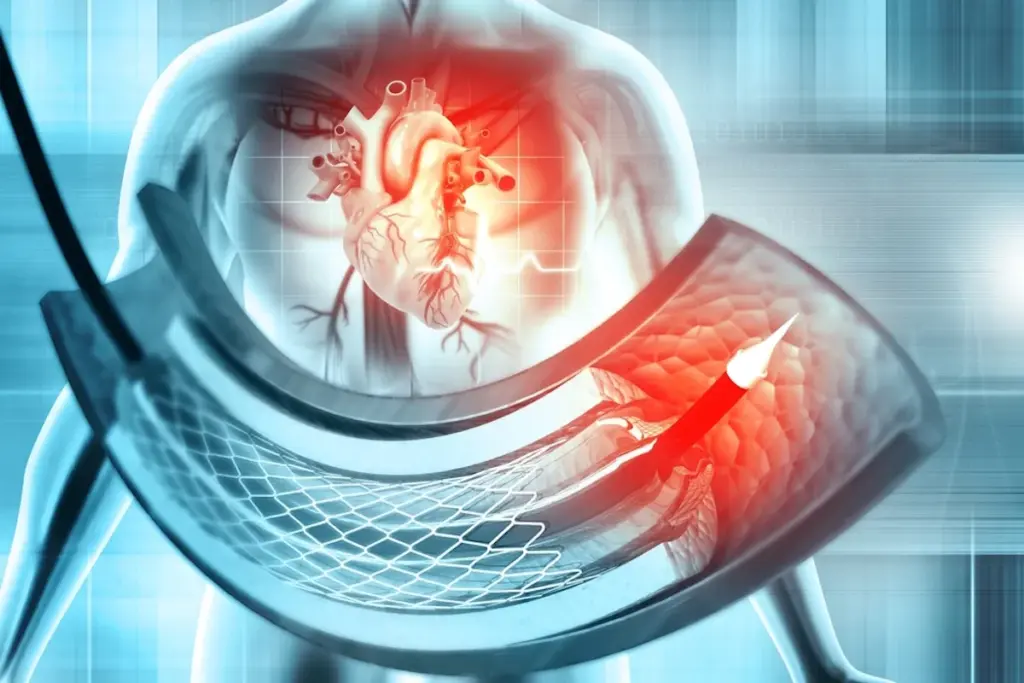
The cardiac catheterization process is complex but vital in cardiology. It involves inserting a thin, flexible tube into an artery. This tube, called a catheter, is guided to the heart. Cardiac catheterization helps diagnose and treat heart conditions, giving insights into coronary artery disease.
Definition and Medical Purpose
Cardiac catheterization is a procedure that accesses the heart through a catheter. Its main purpose is to see the coronary arteries, find blockages, and treat them. It lets cardiologists directly check the heart’s structure and function.
Diagnostic vs. Interventional Procedures
Cardiac catheterization can be used for both diagnosis and treatment. Diagnostic catheterization finds blockages and diagnoses coronary artery disease. Interventional catheterization, like angioplasty and stenting, treats blockages. The choice depends on the patient’s condition and the procedure’s findings.
- Diagnostic Procedures: Used to see the heart and its arteries, diagnose coronary artery disease, and check the heart’s function.
- Interventional Procedures: Includes treatments like angioplasty to open blocked arteries and stenting to keep them open.
Common Reasons for Undergoing a Heart Cath
People get cardiac catheterization for many reasons, mainly to diagnose or treat coronary artery disease. Symptoms like chest pain, abnormal stress test results, and acute coronary syndromes are common reasons. Blockages in arteries like the LAD or RCA are also reasons for this procedure.
- Diagnosing Coronary Artery Disease: To find blockages and see how severe they are.
- Assessing Blockage Severity: To decide if stenting or CABG is needed.
- Treating Blockages: To do angioplasty and stenting to improve blood flow.
Consciousness During Heart Catheterization
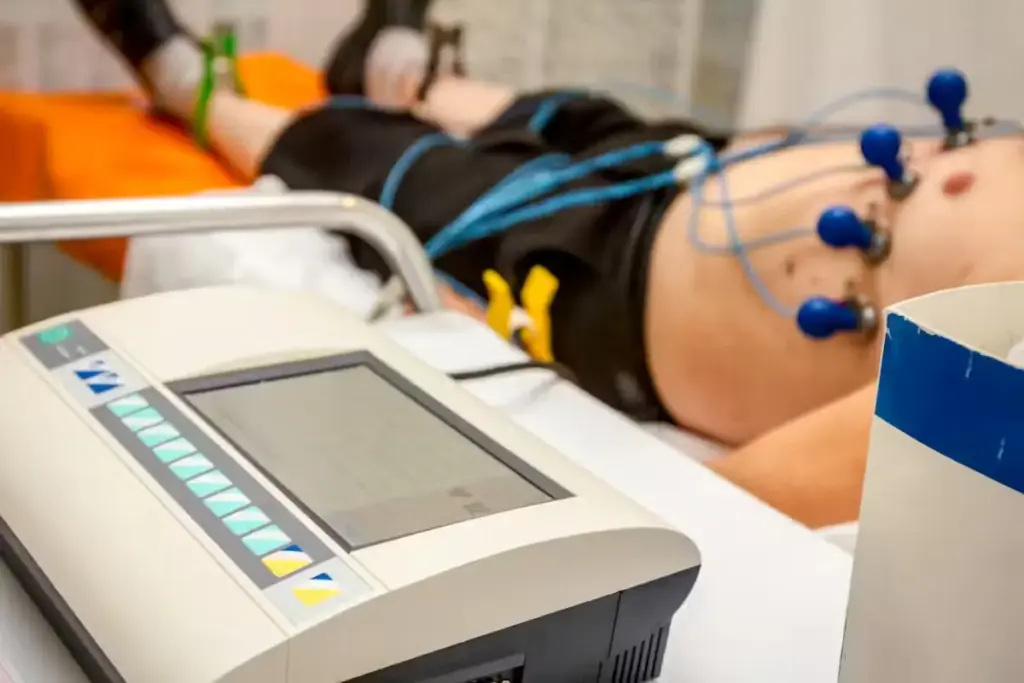
During a heart catheterization, the patient’s comfort is a top priority. This procedure is minimally invasive but needs careful attention to the patient’s comfort.
The Standard Approach: Conscious Sedation
Conscious sedation is the usual method used in cardiac catheterization. It involves giving medications to relax the patient. This way, the patient can stay awake and follow instructions if needed.
This approach balances comfort with the need for the patient to respond during the procedure. It also helps reduce anxiety and discomfort, making the experience more bearable.
When General Anesthesia Might Be Used
General anesthesia is sometimes recommended instead of conscious sedation. This is usually for more complex procedures or for patients who find it hard to stay calm.
General anesthesia puts the patient completely to sleep. It’s beneficial in some cases but requires more careful monitoring. It also carries a slightly higher risk compared to conscious sedation.
What Patients Experience While Awake
Patients who are awake during the procedure may feel a slight pinch when the catheter is inserted. But most find it to be painless.
They can usually breathe on their own. They might be asked to take deep breaths or hold their breath during imaging. The medical team is always there to check on their comfort and adjust the sedation if needed.
|
Aspect |
Conscious Sedation |
General Anesthesia |
|---|---|---|
|
Patient State |
Awake, relaxed |
Asleep |
|
Procedure Complexity |
Suitable for most procedures |
Used for complex cases or high anxiety |
|
Recovery Time |
Generally quicker recovery |
May have longer recovery time |
|
Monitoring Requirements |
Standard monitoring |
More intensive monitoring required |
Preparing for Your Cardiac Catheterization
Getting ready for your cardiac catheterization is key to a smooth process. We’ll walk you through the steps. This includes tests, adjusting medications, and what to do on the day of the procedure.
Pre-Procedure Testing and Evaluation
You’ll have several tests before your procedure. These check your health and heart condition. Tests might include blood work, ECGs, and imaging like echocardiograms or stress tests.
These tests help your team plan your procedure. They make sure it’s the best choice for you.
Table: Common Pre-Procedure Tests
|
Test |
Purpose |
|---|---|
|
Blood Work |
Evaluate kidney function, blood cell count, and clotting factors |
|
Electrocardiogram (ECG) |
Assess heart rhythm and detect any abnormalities |
|
Echocardiogram |
Examine heart structure and function |
|
Stress Test |
Evaluate heart function under stress |
Medication Adjustments Before the Procedure
You might need to change or stop some medications before your procedure. This includes blood thinners and diabetes meds. Your doctor will tell you how to manage your meds.
Following these instructions is important to reduce risks during the procedure.
Fasting and Other Day-of Instructions
On the day of your procedure, you’ll need to fast from midnight. You’ll also get instructions on when to arrive and what to wear.
We suggest:
- Arrive 1-2 hours before your procedure
- Wear loose, comfy clothes
- Leave valuables at home
What to Bring to the Hospital
Bring these items to the hospital:
- A list of your current medications and dosages
- Any relevant medical records or test results
- A responsible adult to drive you home after the procedure
- Comfortable clothing to change into after the procedure
If you have a blockage in the LAD or RCA, your team will discuss the procedure with you. They’ll explain what to expect.
The Heart Cath Procedure Step by Step
Learning about the heart cath procedure can ease your worries. We’ll explain each step, from getting ready to the final diagnosis. This way, you’ll know what to expect at every stage.
Arrival and Initial Preparation
When you arrive, our team will welcome you. They’ll help you get ready by changing into a gown and setting up an IV. They’ll also check your vital signs.
Sedation Administration
We give you conscious sedation to make you comfortable. This sedation relaxes you but keeps you awake and able to respond.
Catheter Insertion Process
Inserting the catheter is a key part of the procedure. Our skilled cardiologist will put a thin, flexible catheter into an artery. They’ll guide it to your heart using X-rays.
Imaging and Diagnosis Phase
With the catheter in place, we inject dye into your arteries. This dye shows up on an X-ray, helping us see any blockages. This step is vital for diagnosing heart disease and finding the right treatment.
|
Procedure Step |
Description |
|---|---|
|
Arrival and Preparation |
Patient check-in, IV placement, and vital sign monitoring |
|
Sedation Administration |
Conscious sedation to ensure patient comfort |
|
Catheter Insertion |
Insertion of catheter into an artery and guided to the heart |
|
Imaging and Diagnosis |
Contrast dye injection and X-ray imaging to visualize blockages |
Knowing these steps helps you prepare for the heart cath procedure. Our team is dedicated to caring for you with kindness and clear communication.
Understanding Coronary Artery Disease
Coronary artery disease happens when arteries get blocked. This can lead to serious heart problems. It’s a big cause of illness and death around the world. Knowing how it works is very important.
How Arteries Become Blocked
Arteries get blocked by a buildup of plaque. This is a mix of fat, cholesterol, and other stuff. Over time, this plaque can harden or break apart. This causes blood clots that can narrow or block the artery.
The “Widow Maker” and Other Critical Blockages
The left anterior descending (LAD) artery is very dangerous. A blockage here is called the “widow maker.” It can cause a big heart attack and increase the chance of death.
Other arteries, like the right coronary artery (RCA), can also have serious blockages. Each one has its own risks and problems.
The size and location of the blockage affect treatment choices and outcomes.
Measuring Blockage Severity
Doctors measure blockage severity by how much of the artery is blocked. A blockage of 50% or more is serious. A blockage of 70% or more is very severe.
This measurement helps decide if a blockage needs treatment, like angioplasty or stenting.
When Blockages Require Intervention
Not every blockage needs treatment right away. But big or severe blockages often do. The decision to treat depends on the blockage’s size, the patient’s symptoms, and heart health.
Stenting, often with drug-eluting stents, is a common treatment for blocked arteries.
Understanding coronary artery disease is key to managing it well. Patients and doctors can make better choices about treatment by knowing how blockages happen and when to act.
What Happens If Blockages Are Found During a Heart Cath
If a blockage is found during the procedure, the cardiologist will quickly decide what to do next. They look at how bad the blockage is, the patient’s health, and any symptoms. This helps them choose the best action.
Immediate Decision-Making Process
When blockages are found, the team quickly talks about what to do. They look at how bad the blockage is, where it is, and how it affects the heart. This helps them decide if they should do more during the same session.
Converting from Diagnostic to Interventional Procedure
If a big blockage is found, we might switch to an interventional procedure right away. This could mean using a balloon to open the artery or putting in a stent. Doing this during the same session means the patient won’t need another procedure.
When Stenting Is Recommended vs. Other Treatments
Choosing stenting or other treatments depends on the blockage and the patient’s history. Stenting is often chosen because it’s effective and less invasive. But, other treatments like medicine or lifestyle changes might be suggested too.
Patient Awareness During Treatment Decisions
We make sure the patient knows what’s happening and gets to help decide. Even though they’re awake, thanks to sedation, we make sure they’re comfortable. We explain everything clearly to them.
Stent Placement During Cardiac Catheterization
Stent placement is a precise and critical step for those with coronary artery disease. Stents are small, mesh-like devices that keep arteries open. This improves blood flow to the heart.
What Is a Coronary Stent?
A coronary stent is a tiny, expandable tube for the coronary arteries. It’s used when a blockage is found during cardiac catheterization.
The Stent Placement Process
The process of placing a stent involves several steps. First, the cardiologist finds the blockage with angiography. Then, a balloon angioplasty widens the artery. Lastly, the stent is deployed to keep it open. This is done under conscious sedation, keeping the patient comfortable.
Key Steps in Stent Placement:
- Identification of blockage
- Balloon angioplasty to widen the artery
- Deployment of the stent
Types of Stents Available
There are many types of stents, each with its own features. Bare-metal stents are traditional, while drug-eluting stents release medication to prevent re-narrowing. The choice depends on the patient’s history and the blockage’s severity.
How Many Stents Can Be Placed
The number of stents placed varies based on blockage severity and number. Sometimes, multiple stents are needed to address all blockages. The decision to use multiple stents is based on the patient’s health and the procedure’s risks.
As medical technology advances, stent placement becomes safer and more effective. This offers patients a reliable treatment for coronary artery disease.
Risks and Complications of Heart Catheterization
Cardiac catheterization is usually safe, but knowing the risks is important. Understanding these helps manage what to expect and the possible outcomes.
Common Minor Complications
Most people do well after cardiac catheterization. But, some might face minor issues like:
- Bruising or bleeding at the catheter site
- Allergic reactions to the contrast dye used during the procedure
- Temporary changes in kidney function, which is more common in those with kidney problems
These issues are usually easy to handle and often fix themselves or need just a little treatment.
Serious but Rare Complications
Though rare, serious problems can happen. These include:
- Heart attack or stroke during or after the procedure
- Coronary artery perforation, a rare but serious condition
- Infection at the catheter site, which can be treated with antibiotics
It’s important to know about these risks, even though they are rare.
Risk Factors That Increase Complication Rates
Some factors can make complications more likely. These include:
- Advanced age
- Presence of kidney disease or diabetes
- History of bleeding disorders or taking anticoagulant medications
Knowing these risk factors helps doctors prepare and watch patients more closely.
How Risks Are Minimized During the Procedure
Healthcare providers take many steps to reduce risks. These include:
- Careful patient selection and pre-procedure evaluation
- Using the right sedation and pain management
- Having experienced operators perform the procedure
- Monitoring patients closely during and after the procedure
By following these steps, the chance of complications is greatly reduced.
“The key to a successful cardiac catheterization lies not only in the technical skill of the operator but also in the complete care provided before, during, and after the procedure.”
Recovery After a Heart Cath
After a cardiac catheterization, patients start a healing phase. This phase needs both medical care and personal effort. It’s designed to help patients heal well and avoid complications.
Immediate Post-Procedure Monitoring
Patients are taken to a recovery area after the procedure. Here, they are watched closely for any immediate issues. This is key to catch problems like bleeding from the catheter site early.
Medical staff check vital signs and watch for any signs of trouble or pain. They keep an eye on blood pressure and heart rate.
Hospital Stay Duration
The time spent in the hospital varies. It depends on the patient’s health and the procedure details. Some might go home the same day, while others need to stay overnight for more observation.
Activity Restrictions After Discharge
After leaving the hospital, patients get specific instructions. They are told to avoid heavy lifting and strenuous activities. Bending is also restricted.
They should also avoid soaking the catheter site in water until it heals. Showering is usually okay, though.
When to Seek Medical Attention
If patients have severe chest pain, trouble breathing, or severe bleeding, they should get help right away. Signs of infection at the catheter site also need immediate attention.
|
Symptom |
Description |
Action |
|---|---|---|
|
Severe Chest Pain |
Prolonged or severe discomfort in the chest area |
Seek immediate medical attention |
|
Difficulty Breathing |
Shortness of breath or feeling winded without exertion |
Seek immediate medical attention |
|
Severe Bleeding |
Uncontrolled bleeding from the catheter site |
Apply pressure and seek immediate medical attention |
By following these guidelines and knowing the signs of trouble, patients can recover safely and effectively.
Living with Heart Stents
Heart stents give many patients a second chance at life. But, they must take care of themselves after the procedure. It’s important to keep the stent working well and the heart healthy.
Medication Requirements
Patients with heart stents need to take medicines to stop blood clots. Antiplatelet therapy is key, using aspirin and another drug like clopidogrel. How long you take these medicines depends on the stent and your health.
It’s vital to follow your doctor’s advice on taking these medicines. Not taking them as told can lead to serious problems.
Lifestyle Adjustments
Changing your lifestyle is important for heart stent patients. Regular exercise, a heart-healthy diet, and quitting smoking are recommended. Keeping an eye on your weight, blood pressure, and cholesterol is also important.
- Eat lots of fruits, veggies, whole grains, and lean meats.
- Do the exercise your doctor says is good for you.
- Stay at a healthy weight to ease your heart’s work.
- Keep your blood pressure and cholesterol in check.
Long-term Outlook and Stent Durability
The outlook for heart stent patients is usually good, with stents lasting many years. But, how long a stent lasts depends on your health, other conditions, and following care instructions.
Sometimes, more procedures are needed to keep the stent working. Regular check-ups with your doctor are key to keeping an eye on the stent and your heart.
- Go to all your follow-up appointments with your cardiologist.
- Tell your doctor right away if you notice any new or bad symptoms.
- Keep living a heart-healthy lifestyle to help your heart stay strong.
Alternatives to Cardiac Catheterization
Cardiac catheterization isn’t the only way to check for heart disease. Other tests and methods can give us important information. With new technology, we have more options for diagnosing and treating heart issues.
Diagnostic Alternatives
For those who don’t need the invasive nature of cardiac catheterization, there are non-invasive diagnostic tests. These include:
- Stress Tests: Check how the heart works under stress, usually through exercise or medicine.
- Coronary Computed Tomography Angiography (CCTA): A non-invasive imaging test that shows detailed pictures of the heart and its blood vessels.
- Cardiac Magnetic Resonance Imaging (MRI): Gives detailed images of the heart’s structure and function without ionizing radiation.
When Bypass Surgery Is Preferred
When big blockages are found, bypass surgery might be better than catheter-based treatments. This surgery makes a detour around the blocked part of the artery. It helps blood flow better to the heart.
Medical Management Options
Not every blockage needs immediate action. For some, medical management through lifestyle changes and medicine can work well. This method aims to lower risk factors and manage symptoms.
Emerging Technologies and Approaches
The field of cardiology is always changing, with emerging technologies bringing new ways to diagnose and treat heart disease. These include advanced imaging, new stent designs, and innovative surgeries. For example, research on treating LAD blockage and 70 percent heart blockage is ongoing.
Looking ahead, the future of heart care will mix old and new methods. It will be tailored to each patient’s needs.
Special Considerations for Different Patient Groups
Some patients need special care during cardiac catheterization for the best results. We know each patient is different. So, we tailor our care to meet their needs.
Elderly Patients
Elderly patients often have complex health histories. This can make cardiac catheterization more challenging. Careful pre-procedure evaluation is key to reduce risks.
We look at factors like kidney function, blood vessel access, and bleeding risks. For them, conscious sedation is often chosen to avoid general anesthesia risks. But, we decide based on each patient’s health and the procedure.
Patients with Kidney Disease
Patients with kidney disease face a higher risk of kidney damage from contrast. We use minimal contrast volume and explore other imaging options when we can.
Before the procedure, we make sure patients are well-hydrated. We also closely watch their kidney function. Sometimes, we give medications to protect their kidneys.
Diabetic Patients
Diabetic patients need careful blood sugar management during cardiac catheterization. We adjust their medications before the procedure to avoid blood sugar imbalances.
Monitoring blood glucose levels during and after is essential. We also focus on vascular access and infection risks, as diabetics heal wounds slower.
Patients with Previous Heart Procedures
Patients with past heart procedures, like stent placement or bypass grafting, get a detailed review of their history. Knowing about their previous stent (e.g., LAD stent) helps us plan the catheterization.
We check if previous stents and grafts are open and if there were any complications. This helps us prepare for any challenges during the procedure.
Preparing Mentally for Your Heart Cath
Getting ready for a cardiac catheterization is more than just knowing the procedure. It’s about feeling emotionally ready too. We’re here to support you, making sure you’re both physically and mentally ready.
Managing Anxiety About Being Awake
Feeling anxious about being awake during a procedure is normal. To help, try relaxation techniques like deep breathing or meditation. These can calm your mind and reduce worries.
Tips for Managing Anxiety:
- Practice relaxation techniques like deep breathing or meditation
- Discuss your concerns with your cardiologist
- Understand the steps involved in the procedure to alleviate unknowns
Questions to Ask Your Cardiologist
Being informed is key to feeling prepared. Ask your cardiologist about the procedure, including what to expect and the chance of finding blockages. This includes lad blockage or rca blockage, and the need for a heart stent.
Some questions to consider asking:
- What are the risks associated with my procedure?
- How will I be sedated during the procedure?
- What are the next steps if a blockage is found?
- Can you explain the heart stent meaning and its implications for my treatment?
What to Expect Emotionally During Recovery
Recovery from a heart cath can be emotional. You might feel relieved or anxious about the results. We’re here to support you emotionally and physically during this time.
Emotional Recovery Tips:
- Allow yourself time to rest and recover
- Follow the post-procedure instructions provided by your healthcare team
- Reach out to family or friends for support if needed
By understanding what to expect and managing your anxiety, you can face your heart cath with confidence. We’re here to support you every step of the way.
Conclusion
Understanding cardiac catheterization is key for patients going through it. This is true whether it’s for checking the heart or for placing stents to fix blockages. We’ve looked at what happens during a heart cath, from start to finish, and why knowing what’s happening is important.
Even though cardiac catheterization is usually safe, knowing about possible risks is helpful. This knowledge lets patients make better choices about their treatment. By understanding how angiography works and what interventional procedures can do, patients can make more informed decisions.
In the end, knowing a lot about your heart health is very powerful. We urge patients to talk to their cardiologist about their specific situation. This way, they can be ready for their procedure and the care that follows.
FAQ
What is cardiac catheterization?
Cardiac catheterization, or heart cath, is a procedure to diagnose and treat heart issues. It involves inserting a thin tube called a catheter into a blood vessel. The tube is then guided to the heart.
Are you awake during a heart cath?
Yes, patients are usually awake during a heart cath. They are given sedation to relax and feel comfortable.
What is coronary artery disease?
Coronary artery disease happens when arteries to the heart get blocked or narrowed. This is due to plaque buildup, reducing blood flow.
What is the “widow maker” artery?
The “widow maker” is a blockage in the left anterior descending (LAD) artery. This artery is critical for supplying blood to a big part of the heart.
How is blockage severity measured during a heart cath?
Angiography measures blockage severity. It involves injecting dye into arteries and taking X-rays to see the blockages.
What happens if blockages are found during a heart cath?
If blockages are found, the doctor might perform an interventional procedure. This could be stenting to open the artery and improve blood flow.
What is stent placement?
Stent placement involves putting a small, mesh-like device called a stent into a blocked artery. It keeps the artery open and improves blood flow.
How many stents can be placed during a heart cath?
The number of stents depends on the patient’s condition and blockage severity. Multiple stents can be placed in one procedure.
What are the risks and complications of heart catheterization?
Heart catheterization is generally safe but carries risks. These include minor issues like bruising and bleeding, and serious problems like heart attack and stroke.
How long does it take to recover from a heart cath?
Recovery from a heart cath takes a few days. Patients may feel discomfort, bruising, and fatigue. Most can return to normal activities within a week.
What are the alternatives to cardiac catheterization?
Alternatives include non-invasive tests like stress tests and echocardiograms. Medical management with medications and lifestyle changes is also an option.
How can I prepare mentally for a heart cath?
To mentally prepare, ask questions and understand the procedure. Following pre-procedure instructions helps. Emotional support from loved ones is also important.
What are the special considerations for elderly patients undergoing a heart cath?
Elderly patients may need special care due to comorbidities and kidney disease. These factors can affect the procedure and recovery.
Can I have a heart cath if I have kidney disease?
Yes, patients with kidney disease can have a heart cath. They may need hydration and medication adjustments to protect their kidneys.
How do I know if I need a stent?
A doctor decides if a stent is needed based on blockage severity and other factors. Patients should discuss their condition with their cardiologist.
What is the average age for stent placement?
The average age for stent placement varies. It depends on the patient’s condition and medical history. Stents can be placed in patients of all ages.
Can the “widow maker” artery be stented?
Yes, the “widow maker” artery can be stented. Stenting is used to treat blockages in this critical artery.
How many arteries in the heart can be blocked?
Multiple arteries can be blocked, and blockage severity varies. Treatment, including stenting and bypass surgery, depends on the patient’s condition.
What is the long-term outlook for stent durability?
Stents are designed to be durable but can narrow over time. Patients with stents need ongoing monitoring and may need additional procedures.
What are the medication requirements after stent placement?
Patients with stents need antiplatelet medications to prevent clotting. Medication regimens vary based on individual factors.
Reference
National Center for Biotechnology Information. Evidence-Based Medical Insight. Retrieved from https://www.ncbi.nlm.nih.gov/books/NBK564323/