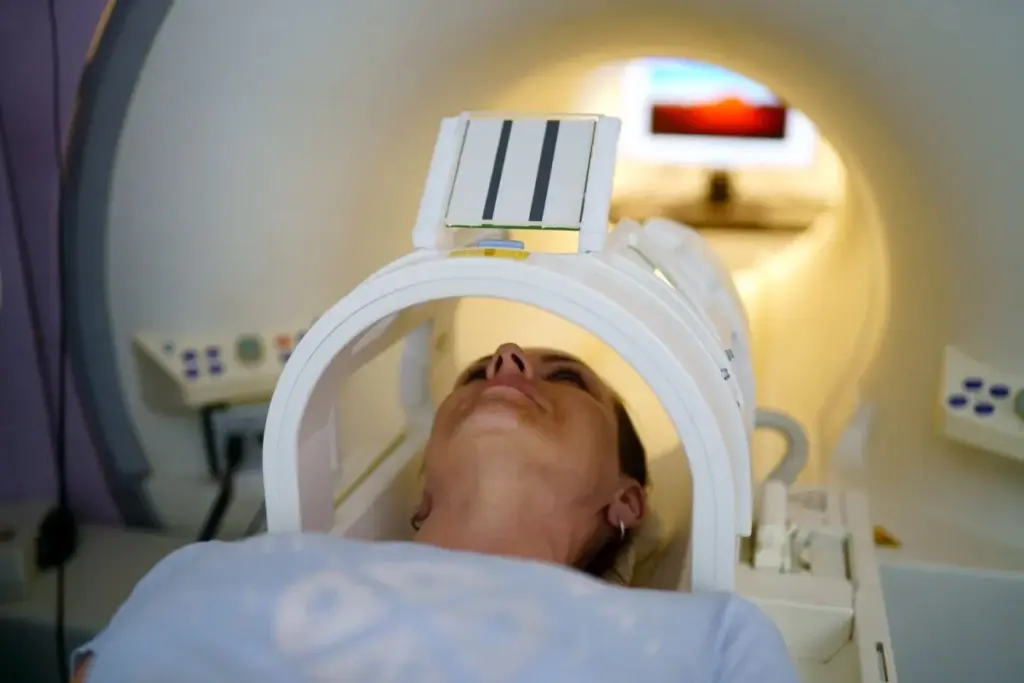
Heart disease is a big problem worldwide. Getting an accurate diagnosis is key to treating it well. A heart MRI is a safe way to see the heart’s details. Cardiac MRI is an essential tool for heart health. Learn why you might need this amazing scan to detect various heart issues.
We use a cardiac MRI scan to find and track heart problems. It works with tests like heart catheterization. This helps us see the heart’s shape and spot issues.
Getting an MRI scan on the heart gives patients important info. It helps doctors create plans to help the heart.
Key Takeaways
- A heart MRI is a non-invasive test that provides detailed heart images.
- It’s used to diagnose and monitor various heart conditions.
- The test is often used alongside other diagnostic procedures.
- A cardiac MRI scan helps healthcare providers understand heart anatomy.
- It enables the development of targeted treatment plans for patients.
Understanding Cardiac MRI
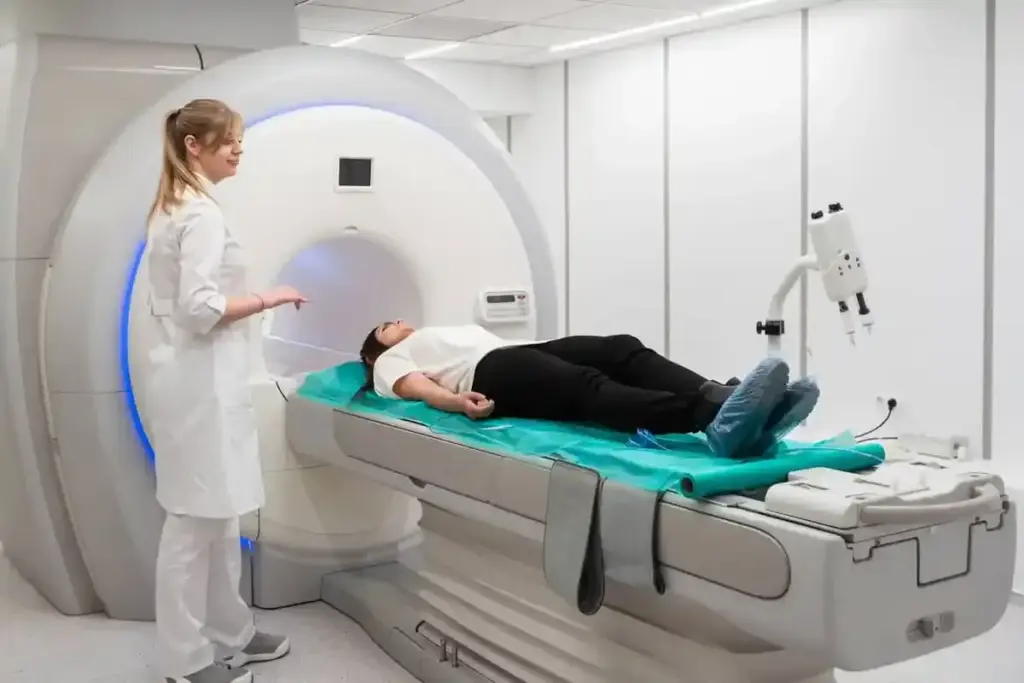
Cardiac MRI is a top-notch tool for looking at the heart. It gives detailed pictures of the heart’s shape and how it works. This is key for spotting and treating heart problems.
What is a Cardiac MRI?
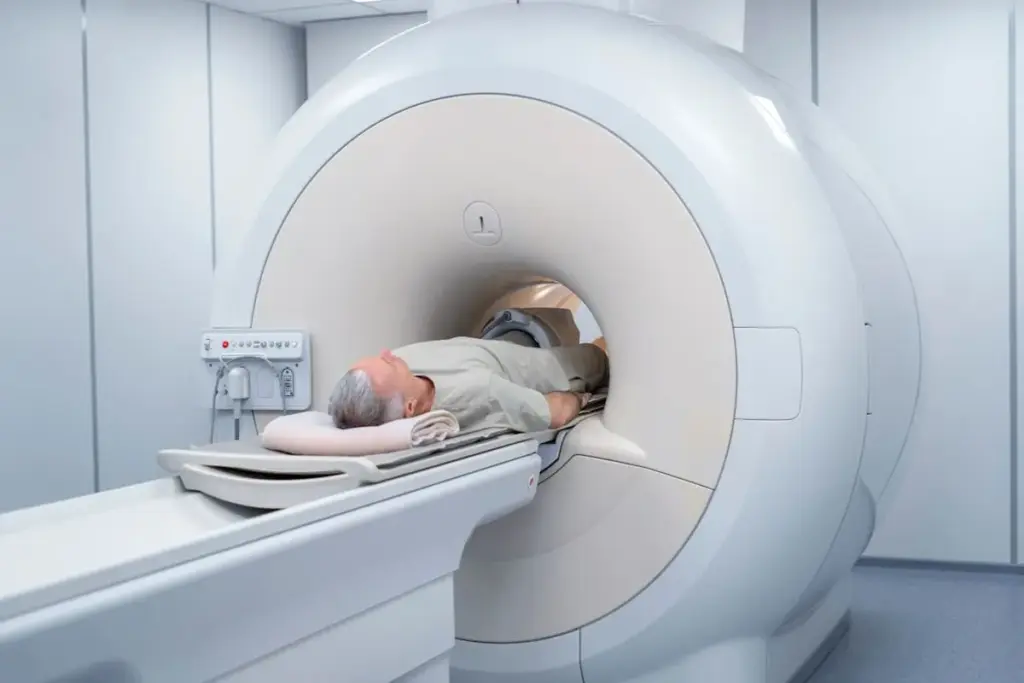
A Cardiac MRI is a safe test that shows the heart’s details. It uses strong magnetic fields and radio waves. Unlike some tests, it doesn’t use harmful radiation.
It’s great for finding issues like coronary artery disease, heart failure, and congenital heart defects. The clear pictures help doctors understand the heart better. This leads to better diagnosis and treatment plans.
How Does Cardiac MRI Work?
Cardiac MRI uses magnetic fields and radio waves to make heart images. The patient lies in a big magnet. The magnetic field and radio waves create signals for the images.
This tech makes detailed images. These images show the heart’s shape, how it works, and blood flow. They give a full view of the heart’s health.
Benefits of Cardiac MRI
Cardiac MRI is non-invasive and doesn’t use harmful radiation. It gives detailed heart images. This makes it a top choice for heart health checks.
It also helps see how bad heart disease is, plan treatments, and check if they work. Its detailed info makes it a favorite among cardiologists.
Reasons for Cardiac MRI
Cardiac MRI is a key tool for diagnosing heart problems. It gives detailed images of the heart. This helps doctors see how well the heart is working.
Assessing Heart Disease
Cardiac MRI is great for checking heart disease. It shows how bad coronary artery disease is. It also finds damaged heart tissue and checks the heart’s function.
It can see the heart’s chambers and blood vessels clearly. This is important for finding coronary artery disease. The disease makes arteries narrow or block.
Evaluating Heart Function
Cardiac MRI is also used to check the heart’s function. It’s key for diagnosing heart failure. It sees how well the heart pumps blood.
It measures the heart’s ejection fraction. This is how much blood the left ventricle pumps out with each beat. It shows how well the heart is working.
Monitoring Existing Conditions
For people with heart conditions, cardiac MRI helps track changes. It checks if treatments are working. It also finds any new problems early.
Regular scans show how heart disease is changing. This helps doctors change treatment plans as needed.
|
Reason for Cardiac MRI |
Description |
|---|---|
|
Assessing Heart Disease |
Determining the severity of coronary artery disease and identifying damaged heart tissue |
|
Evaluating Heart Function |
Assessing the heart’s pumping ability and measuring ejection fraction |
|
Monitoring Existing Conditions |
Tracking changes in heart conditions over time and assessing treatment effectiveness |
Preparing for a Cardiac MRI
Getting ready for a cardiac MRI can make you feel less anxious. It’s a detailed test that shows the heart’s inside. Being ready is key for good results and a comfortable time.
What to Expect Before the Scan
Before your cardiac MRI, there are important steps to take. You’ll likely need to remove metal items like jewelry and clothes with metal. This is because the MRI’s strong magnetic fields can mess with metal objects.
Medication and Claustrophobia: Tell your doctor about any medicines you’re taking. Some might need to be changed before the scan. If you’re scared of tight spaces or have metal implants, talk to your doctor. They can help with any worries or discomfort.
“The key to a successful cardiac MRI is preparation. By understanding what to expect and following the guidelines provided by your healthcare team, you can help ensure a smooth and effective procedure.”
Medical Expert
Guidelines for Patients
To get the most from your cardiac MRI, follow these tips:
- Get there 30 minutes early to fill out papers and get ready.
- Wear comfy, metal-free clothes. Some places might give you a gown.
- Don’t eat big meals or drink caffeine before. It can make you uncomfortable.
- If you have questions, ask your doctor. They’re there to help you.
Being informed and prepared helps make your cardiac MRI safe and useful. It gives your doctors the info they need to care for you.
The Cardiac MRI Procedure
Understanding the cardiac MRI procedure is key. It’s a detailed diagnostic tool that shows the heart’s structure and function. Knowing what to expect can make the process easier.
Step-by-Step Overview
The procedure starts with lying on a table that moves into a big machine. The MRI uses a strong magnetic field and radio waves to create images. You’ll need to stay very quiet and might be asked to hold your breath.
Our team will watch over you to make sure you’re comfortable and safe. They’ll talk to you through an intercom to guide you and answer any questions.
Duration of the Procedure
The time needed for a cardiac MRI varies. It can last from 30 minutes to several hours. This depends on how detailed the scan needs to be.
We know waiting for results can be hard. But, our team works hard to give you accurate and quick results.
Contrast Agents in Cardiac MRI
At times, a contrast agent is used to improve image quality. It’s given through an IV line. This agent makes certain heart areas stand out, giving more detailed info.
Our team decides if you need a contrast agent. They’ll explain everything clearly to you.
Understanding the cardiac MRI procedure can alleviate any concerns or anxieties you may have. If you have questions or need more info, our team is here to help.
Interpreting Cardiac MRI Results
Understanding cardiac MRI results is key for diagnosing and treating heart issues. These results give detailed images of the heart’s structure and function. This helps doctors assess the heart’s health.
Who Reviews the Results?
Cardiologists or radiologists usually review cardiac MRI results. They are experts in reading MRI scans. They look for signs of heart disease or damage.
” This knowledge is vital for accurate diagnosis and treatment planning.
Common Findings and Their Implications
Common findings include heart disease or previous heart damage. The meaning of these findings depends on the patient’s condition and medical history.
- Coronary Artery Disease: Cardiac MRI can show narrowing or blockages in the coronary arteries, helping guide treatment.
- Heart Failure: The scan can check the heart’s pumping efficiency and find damaged heart muscle.
- Congenital Heart Defects: Cardiac MRI is great for diagnosing and monitoring congenital heart defects, showing detailed heart structure images.
By accurately interpreting cardiac MRI results, healthcare providers can create better treatment plans.
Risks and Considerations
Cardiac MRI is a key tool for doctors, but it comes with risks. Knowing these risks helps patients understand what to expect. It’s important to be well-informed.
Safety Profile of Cardiac MRI
Cardiac MRI is usually safe, but there are risks. The main worry is how the contrast agent might react with you. Most people do fine, but some might have allergic reactions or kidney issues. If you have kidney disease, tell your doctor before the MRI.
Some people might feel anxious or claustrophobic in the MRI machine. We offer open MRI machines and sedation to make you more comfortable.
Contraindications and Precautions
Some conditions mean you can’t have a cardiac MRI or need extra care. For example, if you have certain metal implants, like pacemakers, you might not be able to have one. If you have these implants, talk to your doctor.
“The presence of certain metal implants can pose a significant risk during a cardiac MRI. It’s vital for patients to inform their healthcare providers about any metal implants or devices.”
People with severe kidney disease might not be able to have the contrast agent. We look at each patient’s history to find the safest option. Pregnant women should talk to their doctor about the risks and benefits of MRI.
- Presence of certain metal implants
- Severe kidney disease
- Pregnancy
- Claustrophobia or anxiety
By knowing these risks and taking precautions, we make sure cardiac MRI is safe for our patients.
Enhancements in Cardiac MRI Technology
Cardiac MRI technology has made big strides, with faster scans and clearer images. These changes help doctors better understand heart problems. This means they can give more accurate diagnoses and treatments.
Advances in Imaging Techniques
New imaging methods in cardiac MRI have improved a lot. For example, 4D flow MRI shows how blood moves and the heart works. This helps doctors plan treatments for heart issues.
Also, parallel imaging and compressed sensing make scans quicker without losing quality. These are great for people who find it hard to stay calm or breathe during the scan.
|
Imaging Technique |
Description |
Benefits |
|---|---|---|
|
4D Flow MRI |
Visualizes blood flow and cardiac function in detail |
Aids in diagnosis and treatment planning |
|
Parallel Imaging |
Accelerates MRI data acquisition |
Reduces scan time, improving patient comfort |
|
Compressed Sensing |
Reconstructs images from undersampled data |
Enhances scan efficiency and image quality |
Future Trends in Cardiac MRI
The future of cardiac MRI looks bright. Researchers are working hard to make images even clearer and more accurate. They’re using artificial intelligence (AI) and machine learning to improve how images are analyzed.
There’s also a focus on making MRI work with more devices and procedures. This means cardiac MRI can help with even more complex cases.
- Integration of AI and machine learning for enhanced image analysis
- Advancements in MRI-compatible devices for broader applications
- Continued improvement in imaging techniques for better diagnostic accuracy
As cardiac MRI tech keeps getting better, we’ll see even more precise tools. These will help doctors give patients more accurate diagnoses and treatments. This is good news for everyone involved.
Comparing Cardiac MRI to Other Imaging Options
Cardiac MRI is a key tool in heart diagnostics. But how does it stack up against echocardiography and CT scans? Knowing the differences between these methods helps pick the right test for heart issues.
Cardiac MRI vs. Echocardiography
Echocardiography uses sound waves to see the heart. It’s good for checking heart function and structure. But Cardiac MRI gives clearer images of the heart’s details and can spot tissue problems better.
Key differences include:
- Imaging detail: Cardiac MRI shows more detailed images, mainly for soft tissues.
- Functional assessment: Echocardiography is better for live heart function checks.
- Operator dependency: Echocardiography needs more skill than Cardiac MRI.
Cardiac MRI vs. CT Scans
CT scans use X-rays to show the heart and blood vessels in detail. They’re great for finding coronary artery disease and calcium in the arteries.
Comparison points:
|
Feature |
Cardiac MRI |
CT Scans |
|---|---|---|
|
Radiation Exposure |
No radiation |
Involves X-ray radiation |
|
Soft Tissue Detail |
Excellent for soft tissue characterization |
Limited soft tissue detail |
|
Coronary Artery Assessment |
Can assess coronary artery disease without contrast in some cases |
Excellent for coronary artery calcium scoring and angiography with contrast |
Patient Testimonials and Experiences
Cardiac MRI has changed lives for many patients. We’ve collected stories from those who’ve had the test. They share how it helped them understand their heart health better.
Impact on Patient Care
People who’ve had cardiac MRI feel relieved and clear about their heart health. For example, one patient got a clear diagnosis from a cardiac MRI. This led to better treatment and results. Their stories show how cardiac MRI improves care.
Expert Insights
Doctors also value cardiac MRI for its detailed heart information. It works well with other tests like the cardiac catheterization test. This helps doctors create better treatment plans for each patient.
Sharing these stories helps us see how important cardiac MRI is in healthcare. As the technology gets better, we’ll see even more accurate diagnoses and better care for patients.
FAQ
What is a cardiac MRI, and how does it differ from other imaging tests?
A cardiac MRI is a non-invasive test that uses magnetic fields and radio waves. It creates detailed images of the heart. Unlike CT scans, it doesn’t use harmful radiation, making it safer for many patients.
Why might a doctor recommend a cardiac MRI?
A doctor might suggest a cardiac MRI to check for heart disease or to see how well the heart is working. It helps find out how bad coronary artery disease is. It also checks the heart’s chambers and helps plan treatment.
How do I prepare for a cardiac MRI?
To get ready for a cardiac MRI, follow certain steps. Remove metal objects, avoid certain medicines, and tell your doctor about any medical conditions or implants. It’s key to follow your doctor’s instructions for a successful scan.
What happens during a cardiac MRI procedure?
During a cardiac MRI, you lie on a table that moves into a big machine. The machine uses magnetic fields and radio waves to make images of your heart. The process is usually painless but might feel claustrophobic or uncomfortable.
How long does a cardiac MRI procedure take?
A cardiac MRI usually takes 30 to 90 minutes. The exact time depends on the scan’s needs and the images required.
Are there any risks or contraindications associated with cardiac MRI?
Cardiac MRI is mostly safe, but there are risks and things to avoid. These include metal implants, claustrophobia, and allergic reactions to contrast agents. Always talk to your doctor about your medical history and any concerns before the MRI.
How are cardiac MRI results interpreted?
A radiologist or cardiologist looks at the MRI images to find any problems. They check the heart’s function and make a diagnosis or suggest more tests or treatment.
What are the benefits of using contrast agents in cardiac MRI?
Contrast agents make MRI images clearer, helping to see the heart’s structures and function better. This is useful for checking coronary artery disease or cardiac damage.
How does cardiac MRI compare to other cardiac imaging options?
Cardiac MRI has many benefits, like high-resolution images without radiation. But, the best imaging method depends on the patient’s needs and what information is needed for diagnosis and treatment.
What advancements have been made in cardiac MRI technology?
New technology in cardiac MRI has made it more accurate and useful. These include better imaging techniques, faster scans, and improved image processing.
National Center for Biotechnology Information. Evidence-Based Medical Insight. Retrieved from https://pmc.ncbi.nlm.nih.gov/articles/PMC7937599/
National Center for Biotechnology Information. Evidence-Based Medical Insight. Retrieved from https://pmc.ncbi.nlm.nih.gov/articles/PMC7937599/