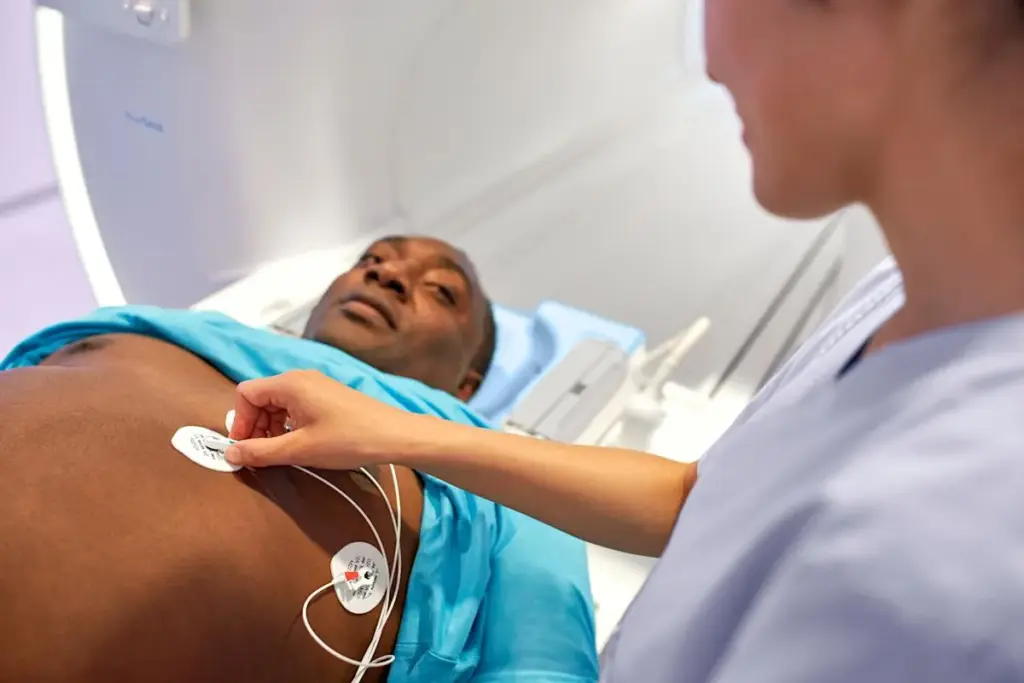
Did you know that cardiac MRI is key in cardiology? It gives detailed images of the heart’s structure and function. This non-invasive test helps doctors see heart health clearly, aiding in diagnosis and treatment. Cardiac MRI provides proven accuracy for heart health. Discover why doctors trust this amazing imaging tool for diagnosis.
We count on cardiac MRI to check heart function and spot problems, like after a heart attack. Getting the diagnosis right is vital for making good rehab plans. This includes cardiac rehab workout routines and other cardiac rehabilitation phases. Knowing how accurate cardiac MRI is helps us support patients better through heart attack rehab and more.
Key Takeaways
- Cardiac MRI is a non-invasive imaging test that provides detailed images of the heart.
- It plays a critical role in diagnosing and managing heart conditions.
- Accurate diagnosis is essential for effective heart attack rehabilitation.
- Cardiac rehab workout routines are tailored based on the diagnosis.
- Understanding cardiac rehabilitation phases is critical for patient care.
What is a Cardiac MRI?
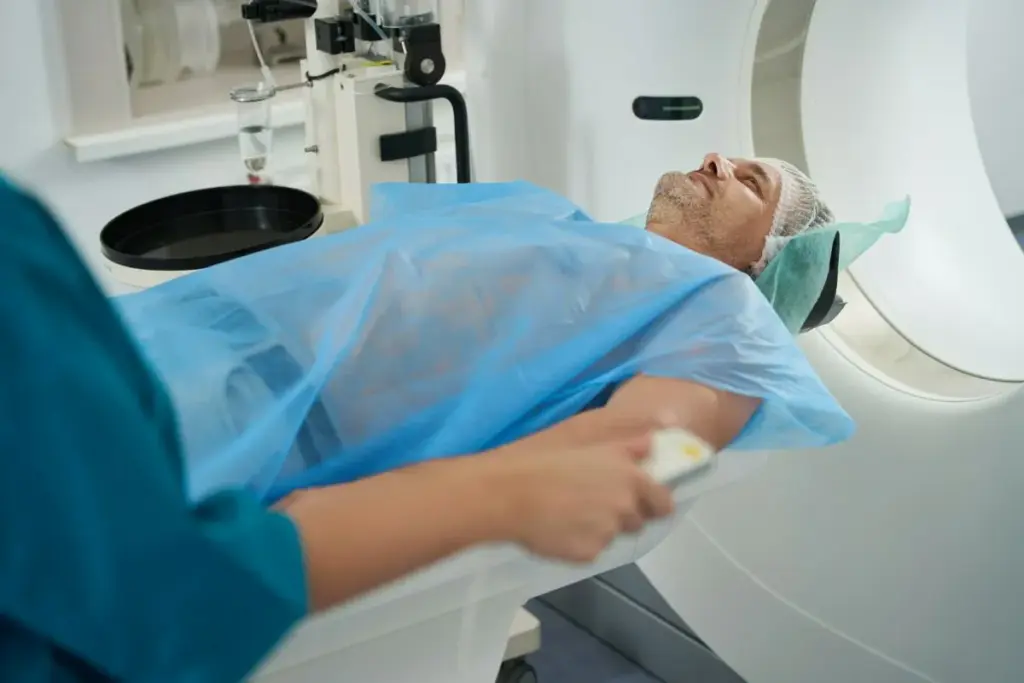
Cardiac MRI uses magnetic fields and radio waves to show the heart in detail. It’s a non-invasive way to see how the heart works. This helps doctors diagnose and keep track of heart problems.
Definition and Purpose
A cardiac MRI is a way to see the heart using strong magnetic fields and radio waves. It helps doctors find heart diseases and check how well the heart is working. It also shows if treatments are working.
This method is great because it shows the heart’s details clearly. It doesn’t use harmful radiation. This makes it safer for people who need to have many tests.
- Diagnosing heart conditions such as coronary artery disease
- Assessing the heart’s function and structure
- Monitoring the effectiveness of heart treatments
Key Components of the Procedure
The cardiac MRI process has important parts that work together. They help make clear images of the heart.
First, a strong magnetic field aligns the body’s protons. Then, radio waves disturb these protons. This creates signals that the MRI machine uses to make detailed images.
The main parts are:
- Magnetic field generator: Creates the strong magnetic field needed for imaging.
- Radiofrequency coils: Send and receive radio waves to capture signals.
- Computer system: Makes the images from the signals.
The Importance of Cardiac Imaging
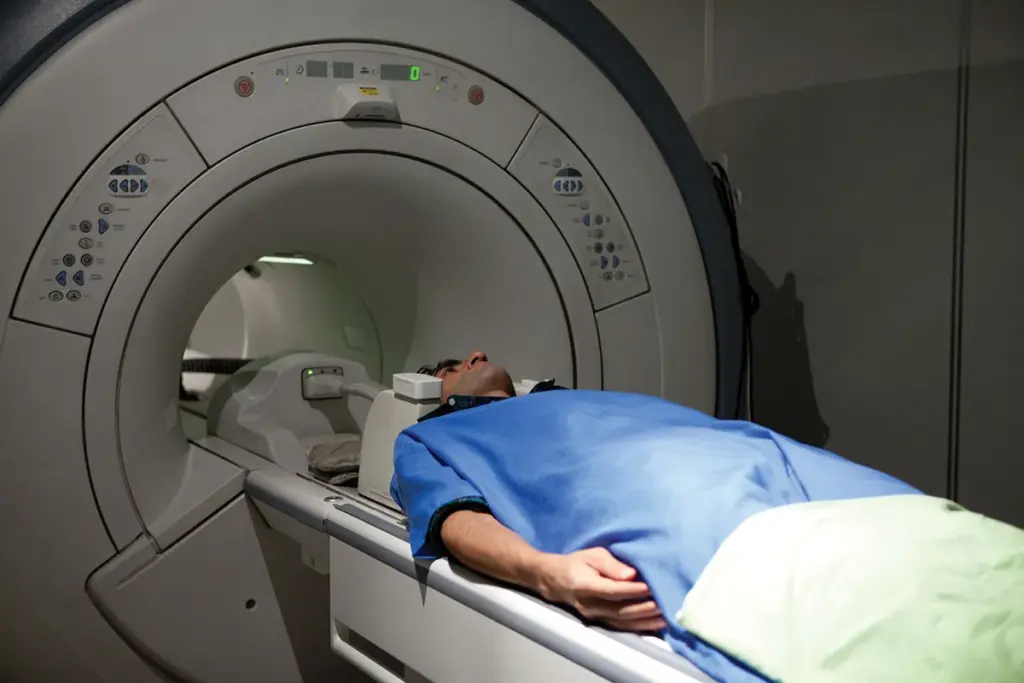
\Medical technology has made cardiac imaging a key tool for diagnosis. It helps doctors assess and treat heart conditions. This way, they can make better decisions for patient care.
Assessing Heart Disease
Cardiac imaging is key for checking heart disease. It lets us see the heart’s structure and function clearly. This helps diagnose conditions like coronary artery disease and heart valve problems.
For example, cardiac MRI gives detailed heart images. This helps us see how well the heart is working. It’s important for deciding the best treatment, like cardiac rehabilitation protocol.
Monitoring Treatment Effectiveness
Cardiac imaging is also for tracking treatment success. It shows how the heart changes over time. This is vital for managing heart failure and adjusting treatments.
For instance, after starting cardiac rehab phases, imaging shows if the heart is getting better. This helps us fine-tune the treatment plan for the best care.
Identifying Risk Factors
Cardiac imaging helps spot heart disease risks. It finds early signs of problems, like artery plaque. Finding these risks early helps prevent bigger heart issues.
Also, cardiovascular physical therapy and cardio pt can target these risks. By using imaging and clinical data, we create personalized plans for each patient.
|
Aspect |
Description |
Benefit |
|---|---|---|
|
Assessing Heart Disease |
Detailed visualization of heart structure and function |
Accurate diagnosis and treatment planning |
|
Monitoring Treatment Effectiveness |
Tracking changes in heart function over time |
Adjustments to treatment for better outcomes |
|
Identifying Risk Factors |
Early detection of potentially cardiac issues |
Preventive measures to reduce cardiac risk |
How Cardiac MRI Works
Cardiac MRI uses strong magnetic fields and radio waves for detailed heart images. It’s a non-invasive tool that’s key in heart health.
Technology Behind MRI Scans
MRI scans work on nuclear magnetic resonance. Patients lie in a strong magnetic field. This aligns hydrogen nuclei in their body.
Radio waves then disturb these nuclei. The MRI machine captures these signals. It uses them to create detailed heart images.
Key components of the MRI technology include:
- A strong magnetic field to align hydrogen nuclei
- Radiofrequency coils to transmit and receive signals
- Gradient coils to spatially encode the signals
- A computer system to reconstruct the images
Contrast Agents: What You Need to Know
Contrast agents make MRI images clearer. In cardiac MRI, they’re injected to highlight heart areas. This includes coronary arteries and damaged heart tissue.
Gadolinium-based contrast agents (GBCAs) are often used. They’re safe but can cause side effects. These include allergic reactions and, rarely, a condition called nephrogenic systemic fibrosis (NSF) in those with severe kidney disease.
|
Contrast Agent Type |
Common Use |
Potential Side Effects |
|---|---|---|
|
Gadolinium-based |
Enhancing MRI images of heart structures |
Allergic reactions, NSF in patients with kidney disease |
|
Non-gadolinium-based |
Alternative for patients with kidney issues |
Varies depending on the agent |
The Timing and Duration of the Scan
The time needed for a cardiac MRI scan varies. It can take from 30 minutes to over an hour.
Several factors affect the scan’s length. These include the image complexity, the use of contrast agents, and the patient’s ability to stay calm during the scan.
We know the scan’s length can worry patients. But, the detailed images from cardiac MRI are critical for diagnosing and treating heart conditions.
Accuracy of Cardiac MRIs
Understanding how accurate cardiac MRI is is key for both patients and doctors. It’s a top tool for diagnosing and managing heart diseases. This is because it captures detailed images of the heart.
Reliability of Results
Cardiac MRI results are considered highly reliable due to their ability to provide clear and detailed images of the heart’s structure and function. This is because it can show clear, detailed images of the heart’s structure and function. It’s proven to be accurate in diagnosing heart conditions like coronary artery disease and cardiomyopathy.
MRI is a valuable tool in clinical practice for detecting coronary artery disease.
“Cardiac MRI has emerged as a valuable non-invasive imaging modality for the assessment of coronary artery disease, providing high diagnostic accuracy.”
Comparison to Other Imaging Techniques
Cardiac MRI has advantages over other imaging methods like echocardiography and CT scans. It offers better soft tissue detail without ionizing radiation. This makes it safer for patients needing repeated scans.
|
Imaging Technique |
Diagnostic Accuracy for Coronary Artery Disease |
Radiation Exposure |
|---|---|---|
|
Cardiac MRI |
High |
No |
|
Echocardiography |
Moderate |
No |
|
CT Scan |
High |
Yes |
Statistical Evidence of Accuracy
Studies show cardiac MRI’s high accuracy. A meta-analysis found it had a 89% sensitivity and 87% specificity in detecting coronary artery disease. This proves its reliability in clinical settings.
Cardiac MRI is also key in cardiac rehab phase 1 and cardiac rehabilitation phase 2. It helps create accurate assessments for treatment plans and tracks patient progress.
In conclusion, the accuracy of cardiac MRI is backed by clinical evidence. It’s a trusted tool in cardiology. Its role in cardiovascular rehabilitation programs is invaluable, improving patient care and outcomes.
Preparing for a Cardiac MRI
To get the most out of your cardiac MRI, it’s essential to understand how to prepare for the scan. Proper preparation is key to ensuring that the procedure is conducted safely and effectively.
Patient Guidelines Before the Procedure
Before undergoing a cardiac MRI, there are several guidelines that patients should follow. It’s important to inform your healthcare provider about any metal objects or implants you have, as these can interfere with the MRI machine. Also, patients should remove any jewelry, glasses, or other metal items before the scan.
Patients are usually advised to arrive a few minutes early to complete any necessary paperwork. You should also wear comfortable, loose-fitting clothing without metal fasteners. In some cases, you may be required to change into a hospital gown.
Medications and Restrictions
Certain medications may need to be adjusted or stopped before the cardiac MRI. It’s essential to discuss your current medications with your healthcare provider to determine the best course of action. Also, patients may be asked to avoid eating or drinking for a certain period before the scan, though this can vary.
What to Expect During the Scan
During the cardiac MRI, you will be asked to lie on a table that slides into the MRI machine. The scan is typically painless, but you may experience some discomfort due to the confined space or the need to remain very quiet for a long time. You will be able to communicate with the MRI technologist through an intercom, and they will guide you through the process.
Risks and Limitations of Cardiac MRI
Cardiac MRI is a powerful tool for diagnosing heart issues. Yet, it comes with its own set of risks and limitations. We will look into these aspects to help patients and healthcare providers understand better.
Common Side Effects
Most people have a smooth experience with cardiac MRI. But, some might face side effects. These can include feeling claustrophobic, allergic reactions to the contrast agent, and discomfort from staying in one position for a long time.
Knowing about these side effects is key to ensuring patient comfort and safety. This is a big part of cardiac rehabilitation phases.
Contraindications for MRI Use
Some conditions might stop a patient from getting a cardiac MRI. This includes having metal implants like pacemakers or metal fragments. Also, severe kidney disease can be a risk due to the contrast agent used.
Before the procedure, healthcare providers must check patients for any cardiac MRI risks. They need to take the right precautions.
Understanding the Limitations of MRI
Like any tool, cardiac MRI has its limits. The quality of images can be affected by how well the patient stays calm and by certain health conditions. It also might not work for all heart issues or for patients with certain implants.
In cardiovascular rehabilitation programs, knowing these limits is essential. It helps in accurately reading MRI results and making the right decisions for patient care. This might include the need for cardiac rehab phase2.
Interpretation of MRI Results
Understanding cardiac MRI results is key to diagnosing and treating heart issues. It’s vital for knowing how the heart works and what treatments are best.
Who Analyzes the Images?
Specialists called radiologists look at cardiac MRI images. They work with cardiologists to make sure the findings fit the patient’s health.
What the Findings Mean
Cardiac MRI results can show many things. They can find scar tissue, ischemia, or how well the heart pumps. This info helps diagnose diseases like coronary artery disease, cardiomyopathy, and heart failure.
Follow-Up Tests and Actions
After getting MRI results, more tests or actions might be needed. For example, if the MRI shows big problems with coronary arteries, a doctor might recommend cardiac rehabilitation phase 3. This helps the patient get better and improve their heart health.
The cardiac rehabilitation protocol includes cardiovascular physical therapy. It’s made just for the patient’s needs and abilities.
Getting MRI results right is very important for good patient care. By understanding the results and what comes next, patients can help with their treatment and recovery.
Advances in Cardiac MRI Technology
The world of cardiac care is changing fast thanks to new MRI tech. Doctors can now diagnose and treat heart issues better. These tech upgrades are making a big difference in how well patients do.
Innovations in Imaging
Cardiac MRI imaging has made huge strides, with clearer images and quicker scans. These innovations in imaging give doctors a better look at the heart. This helps them spot and treat complex heart problems.
New advanced imaging techniques like diffusion tensor imaging and strain imaging are key. They show how the heart works and can catch problems early.
The Role of Artificial Intelligence
Artificial intelligence (AI) is becoming a big player in cardiac MRI. AI can quickly and accurately read MRI images. It spots things that might not be seen by humans.
AI in cardiac MRI is making diagnosis better and faster. This lets doctors spend more time on patient care.
Future Trends in Cardiac Imaging
The future of cardiac imaging looks bright, thanks to ongoing MRI tech improvements. AI will play an even bigger role, and new imaging methods will emerge.
These advancements will make MRI scans more accurate and efficient. This means better care for heart patients. As MRI tech keeps getting better, treatment plans will become more tailored and effective.
Cost and Accessibility of Cardiac MRI
Cardiac MRI is a key tool for diagnosing heart issues. It comes with costs that patients and healthcare providers must consider. Ensuring access to this tool is essential for quality care without financial strain.
Typical Costs in the U.S.
In the U.S., cardiac MRI costs vary. Factors like the facility, technology, and insurance play a role. On average, it can cost between $1,000 and $3,000 or more.
Several elements affect the cost:
- Facility Fees: Hospital-based facilities tend to charge more than independent centers.
- Technologist and Radiologist Fees: The cost can rise based on the professionals’ fees.
- Contrast Agents: Using contrast agents adds to the expense.
- Additional Procedures: Extra procedures or sequences can increase the cost.
Insurance Coverage Considerations
Insurance for cardiac MRI varies by provider and policy. Many plans cover it when it’s medically necessary. It’s important for patients to know their coverage, including:
- Deductibles and Co-pays: Patients must pay these costs themselves.
- Pre-authorization Requirements: Some insurers need pre-authorization before the procedure.
- Network Providers: Choosing in-network providers can lower costs.
Access in Rural vs. Urban Areas
Access to cardiac MRI facilities varies between rural and urban areas. Urban areas have more options, making it easier for patients. Rural areas face limited access, requiring longer travel.
Key points to consider include:
- Availability of Facilities: Urban areas have more facilities, making access easier.
- Travel and Accommodation Costs: Rural patients may face extra expenses for travel and stay.
- Telemedicine and Mobile Units: Telemedicine and mobile MRI units are being explored to improve rural access.
Understanding these factors helps patients and healthcare providers manage cardiac MRI costs and access. This ensures the tool is used effectively for heart health.
Patient Experiences with Cardiac MRI
Exploring patient experiences with cardiac MRI shows how important education and preparation are. They help reduce fear and worry.
Common Concerns and Misconceptions
Many patients worry about cardiac MRI, often because of wrong ideas about it. They might fear the noise, the tight space in the MRI machine, or what the results might show.
Claustrophobia is a big worry for some. But, our places have open MRI machines to help with this. Our team is also ready to offer support and reassurance during the whole process.
Testimonials and Case Studies
Real stories from patients who had cardiac MRI show how key a caring team is. For example, one patient said that the staff’s clear explanations really helped calm their nerves.
“The team was very understanding and explained everything in detail. It made a huge difference in my experience.”
A cardiac MRI patient
Studies also prove that good education before the MRI makes the experience better and more successful.
Professional Recommendations for Patients
To have a good experience, we suggest that patients:
- Get there early to do any needed paperwork and get ready before the test.
- Do what their healthcare team tells them to do, like removing jewelry or metal items.
- Don’t hesitate to ask questions or share any worries with the MRI staff.
By doing these things and keeping communication open, patients can have a more comfortable and successful cardiac MRI experience.
Frequently Asked Questions
Understanding cardiac MRI can be daunting, but we’re here to address some of the most frequently asked questions.
Duration of the Procedure
A cardiac MRI typically takes between 30 to 90 minutes to complete. This depends on the scan’s complexity and the technology used.
The time can vary. This is due to factors like the need for contrast agents and the heart conditions being assessed.
Is it Safe for Everyone?
Cardiac MRI is generally safe for most patients. But, some with specific medical implants or conditions may not be eligible.
It’s important to tell your healthcare provider about any metal implants, claustrophobia, or health concerns before the procedure.
What Happens After the MRI?
After the cardiac MRI, the images are analyzed by a radiologist or cardiologist.
The results are then shared with your healthcare provider. They will discuss the findings and any necessary follow-up actions with you.
|
Procedure Aspect |
Details |
|---|---|
|
Duration |
30 to 90 minutes |
|
Safety |
Generally safe, but certain conditions may apply |
|
Post-Procedure |
Results analyzed and communicated to healthcare provider |
Conclusion: The Value of Cardiac MRIs
Cardiac MRI is a key tool for checking heart health. It shows how well the heart is working. This is important for treating heart problems.
It gives clear images that doctors use to find and treat heart issues. This makes it a top choice for many doctors. It’s also good for checking how well treatments are working.
Key Takeaways and Future Assessments
Knowing about cardiac rehab is important for those getting a cardiac MRI. This rehab helps people recover from heart issues. It includes exercise, learning, and support.
We suggest talking to your doctor about your heart health. Regular checks are key to keeping your heart in good shape. This way, you can benefit from the latest in cardiac MRI technology.
FAQ
What is a cardiac MRI, and how does it work?
A cardiac MRI is a non-invasive test that shows the heart’s details. It uses strong magnetic fields and radio waves. These fields align hydrogen atoms in the body, creating signals for detailed images.
How long does a cardiac MRI take?
A cardiac MRI usually takes 30 to 90 minutes. This time varies based on the scan’s complexity and needed information.
Is a cardiac MRI safe?
Yes, a cardiac MRI is safe when done right. But, people with metal implants or pacemakers might not qualify.
What should I expect during a cardiac MRI?
During a cardiac MRI, you’ll lie on a table in a big machine. You must stay very quiet and might need to hold your breath. The machine makes loud noises, so you might wear earplugs or headphones.
Do I need to prepare for a cardiac MRI?
Yes, you’ll need to prepare. Avoid certain meds, remove metal, and wear comfy clothes. Your doctor will give you specific instructions.
Can I have a cardiac MRI if I have a pacemaker or other implants?
It depends on your implant type. Some are safe for MRI, but others aren’t. Always tell your doctor about any implants before the test.
How accurate are cardiac MRIs?
Cardiac MRIs are very accurate. They’re great for checking heart function and finding heart problems. They’re also good at spotting scar tissue.
What are the benefits of cardiac MRI compared to other imaging tests?
Cardiac MRI has many benefits. It gives clear images, is non-invasive, and checks heart function without radiation.
Will I need to undergo additional testing after a cardiac MRI?
Maybe. Your doctor might suggest more tests or treatments based on the MRI results. This could include more imaging or stress tests.
Can I get the results of my cardiac MRI immediately?
No, the results take time. A radiologist or cardiologist will review the images. Then, your doctor will discuss the findings with you.
How do I access my cardiac MRI results?
Your doctor will share the results with you. You might also get a copy of the report. You can check your results online or by contacting your doctor’s office.
JAMA Network. Evidence-Based Medical Insight. Retrieved from https://jamanetwork.com/journals/jamacardiology/fullarticle/2805949
National Center for Biotechnology Information. Evidence-Based Medical Insight. Retrieved from https://pubmed.ncbi.nlm.nih.gov/34038016/