
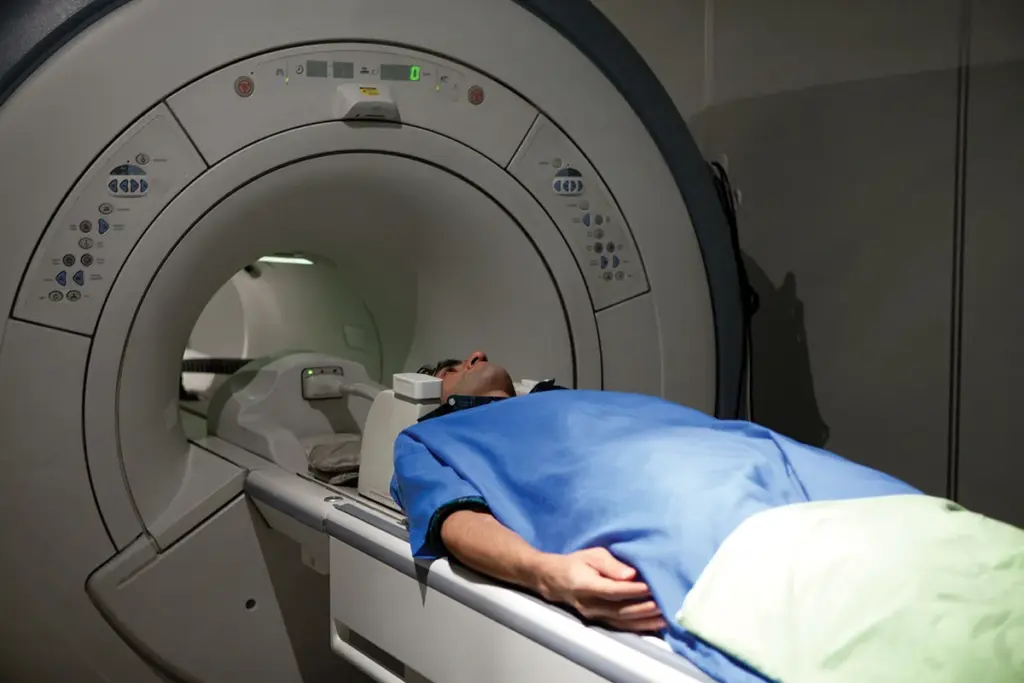
Nearly 800,000 Americans have heart attacks each year. Many of these are due to clogged arteries. A key tool for checking heart health is the cardiac MRI. It gives detailed pictures of the heart’s shape and how it works. Does a cardiac MRI show clogged arteries? Reveal hidden blockages and vital heart facts with this amazing scan. Get the accurate truth now.
We use this test to find and track heart problems. This includes assessing the presence of any artery blockages.
Clogged arteries, or coronary artery disease, happen when plaque builds up. This can lead to heart attacks and other heart problems. The cardiac MRI is important for spotting these blockages and checking the heart’s health.
Key Takeaways
- Cardiac MRI is a valuable diagnostic tool for assessing heart health.
- It can detect clogged arteries and evaluate their impact on heart function.
- Clogged arteries are a leading cause of heart attacks and cardiovascular disease.
- Early detection through cardiac MRI can significantly improve treatment outcomes.
- Non-invasive and highly detailed, cardiac MRI is a key asset in cardiovascular care.
Understanding Cardiac MRI
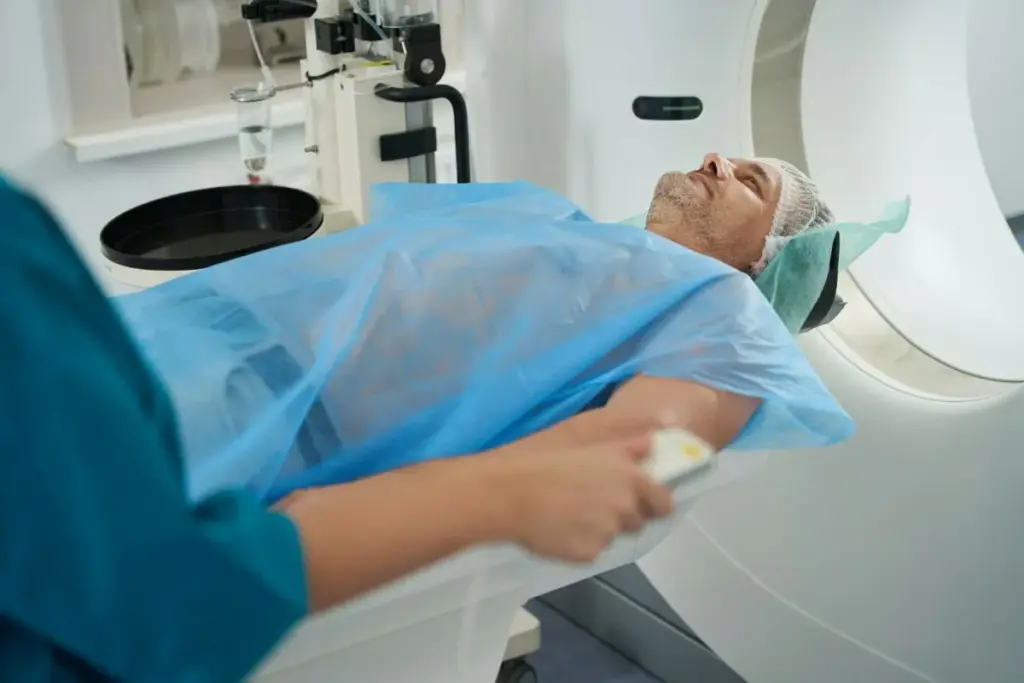
\Cardiac MRI uses a strong magnetic field and radio waves to show the heart’s inside. It’s a non-invasive way to see the heart’s structure. This method is key for diagnosing and treating heart problems.
What is a Cardiac MRI?

A cardiac MRI is a high-tech tool that shows the heart’s details. It doesn’t use harmful radiation, making it safe. This makes it a great choice for doctors.
Cardiac MRI is great for checking the heart’s chambers, valves, and tissues. It helps find heart issues like coronary artery disease. It shows the heart’s anatomy and how it works.
How Does Cardiac MRI Work?
The MRI machine uses a strong magnetic field and radio waves to create images. When a patient is in the machine, the magnetic field aligns their body’s hydrogen atoms. Then, radio waves disturb these atoms, sending signals to the machine.
These signals help make detailed images of the heart. Doctors can see the heart’s structure and function in real-time. This helps them diagnose and monitor heart conditions. The detailed images from cardiac MRI are key for planning treatments.
The Purpose of Cardiac MRI
Cardiac MRI is used for many important reasons. It helps diagnose heart conditions and check blood flow. This method gives detailed pictures of the heart, helping doctors plan the best treatment.
Diagnosing Heart Conditions
Cardiac MRI is key in finding heart problems, like coronary artery disease. It looks at the heart’s shape and how it works. This helps spot issues like damaged heart areas, odd heartbeats, and valve problems.
It can spot heart damage from a heart attack early. It also finds conditions like cardiomyopathy and myocarditis, which harm the heart muscle.
Assessing Blood Flow
Cardiac MRI also checks how blood moves through the heart and its vessels. This is important for spotting clogged arteries and other heart diseases. These can cause big problems if not treated.
It helps doctors see how bad any blockages are. They can then plan treatments like diet changes, medicines, or surgery. Thanks to cardiac MRI, doctors can do this without risky tests or harmful radiation.
Clogged Arteries Explained
Understanding clogged arteries is key to keeping your heart healthy. Clogged arteries, also known as coronary artery disease, happen when plaque builds up. This blocks blood flow to the heart.
What Are Clogged Arteries?
Clogged arteries are a serious issue. They happen when the arteries that supply blood to the heart get narrowed or blocked. This buildup is made of fat, cholesterol, calcium, and more. Over time, it can harden or rupture, cutting off blood flow to the heart and possibly leading to a heart attack.
This condition develops slowly over years. It might not show symptoms until a major event, like a heart attack. Knowing the risk factors and causes is important for managing and preventing clogged arteries.
Causes of Clogged Arteries
Many factors contribute to clogged arteries. Lifestyle choices and genetics play big roles. Here are some main causes:
- High Cholesterol: Too much LDL cholesterol can cause plaque buildup in arteries.
- Smoking: It damages blood vessel linings, making them more likely to block.
- Diabetes: High blood sugar can damage arteries and raise heart disease risk.
- Hypertension: High blood pressure can wear down arteries, making them narrow and block.
- Family History: A family history of heart disease can increase your risk of clogged arteries.
Knowing these causes helps in preventing and managing clogged arteries. Regular health checks and a healthy lifestyle are key to reducing risk.
|
Risk Factor |
Description |
Impact on Heart Health |
|---|---|---|
|
High Cholesterol |
Elevated LDL cholesterol levels |
Increases plaque buildup, risk of heart attack |
|
Smoking |
Damages blood vessel lining |
Higher risk of artery blockage |
|
Diabetes |
High blood sugar levels |
Damages arteries, increases cardiovascular risk |
The Relationship Between Cardiac MRI and Clogged Arteries
It’s important to know how cardiac MRI and clogged arteries are connected. Cardiac MRI, or Magnetic Resonance Imaging, is a top-notch tool for checking the heart. It shows detailed pictures of the heart’s shape and how it works.
Detecting Clogged Arteries with Cardiac MRI
Cardiac MRI can spot clogged arteries by looking at blood flow and the coronary arteries. It uses special imaging to show the heart’s details and any blockages. It’s very good at finding coronary artery disease, which is why it’s key in cardiology.
One big plus of cardiac MRI is it gives a full view of the heart without needing to do surgery. Doctors can see where blood flow is low, which might mean there are clogged arteries.
Limitations of Cardiac MRI in Detecting Clogged Arteries
Even though cardiac MRI is great, it’s not perfect. It might miss small blockages or those in tiny parts of the heart. How well it works can also depend on the patient’s health and the MRI technology used.
To get a better idea of what cardiac MRI can and can’t do, let’s look at a comparison:
|
Diagnostic Feature |
Cardiac MRI |
Traditional Angiography |
|---|---|---|
|
Non-invasive |
Yes |
No |
|
Ability to Detect Small Blockages |
Limited |
High |
|
Visualization of Coronary Arteries |
Detailed |
Very Detailed |
|
Assessment of Blood Flow |
Yes |
Limited |
This table shows what cardiac MRI is good at and where it falls short. It’s a non-invasive way to see the heart, but it might not catch tiny blockages as well as other methods.
Alternative Imaging Techniques
Cardiac MRI is a key tool for diagnosing heart issues. But, CT Angiography and Traditional Angiography also have important roles. They offer unique insights and benefits, making them vital in some cases.
CT Angiography
CT Angiography is a non-invasive test that uses X-rays to show the heart’s blood vessels. It’s great for spotting blockages and checking the coronary arteries. One big plus is it can show the heart’s blood vessels clearly without needing to insert catheters.
To do CT Angiography, a contrast dye is injected into a vein. The dye makes the coronary arteries stand out, helping spot any problems. This method is good for those who can’t have an MRI or need a closer look at their coronary arteries.
Traditional Angiography
Traditional Angiography, or coronary angiography, is a more invasive procedure. It involves putting a catheter into a blood vessel and guiding it to the coronary arteries. A contrast dye is then released, and X-ray images are taken to see the arteries. This method is top-notch for finding complex coronary artery disease and planning treatments like angioplasty.
Even though Traditional Angiography is the best for diagnosing coronary artery disease, it’s riskier than non-invasive tests like CT Angiography. Yet, it offers real-time images and allows for immediate treatment if needed. This makes it a key tool for both diagnosing and treating heart diseases.
Both CT Angiography and Traditional Angiography are important in managing heart diseases. The choice between them and Cardiac MRI depends on the patient’s condition, medical history, and what information is needed for diagnosis.
Preparing for a Cardiac MRI
To get the most out of your cardiac MRI, it’s important to know what it involves and how to prepare. A cardiac MRI is a detailed test to check the heart’s structure and function. Preparing well is key to making the procedure safe and effective.
Pre-Procedure Guidelines
Before your cardiac MRI, there are important steps to follow for a smooth experience.
- Remove Metal Objects: Take off all metal items, like jewelry, glasses, and clothes with metal parts. This is for safety and to avoid image distortion.
- Inform Your Doctor: Tell your doctor about any metal implants, such as pacemakers or artificial joints. Some implants might not work with the MRI machine.
- Medications: Some medicines might need to be stopped before the scan. Your doctor will tell you if you need to change your medication.
- Clothing: Wear clothes that are comfortable and don’t have metal. You might be given a gown to wear during the test.
What to Expect During the Scan
Here’s what you can expect during the cardiac MRI scan:
- Lying Stil: You’ll lie on a table that moves into the MRI machine. It’s important to stay very quiet to get clear images.
- Breathing Instructions: You might get instructions on how to breathe. This helps capture images of the heart at the right time.
- Noise: The MRI machine is very loud, making knocking sounds. You might get earplugs or headphones to help block out the noise.
- Communication: You can talk to the MRI technician through an intercom system.
|
Preparation Step |
Description |
|---|---|
|
Remove Metal Objects |
Remove all jewelry, glasses, and clothing with metal parts. |
|
Inform Your Doctor |
Disclose any metal implants, such as pacemakers or artificial joints. |
|
Medication Adjustment |
Follow your doctor’s advice on adjusting your medications before the scan. |
|
Comfortable Clothing |
Wear metal-free, comfortable clothing or a provided gown. |
|
Lying Stil |
Remain very quiet during the scan to ensure clear images. |
|
Breathing Instructions |
Follow breathing instructions to capture images at specific points. |
By following these guidelines and knowing what to expect, you can make sure your cardiac MRI goes well.
Interpreting Cardiac MRI Results
Understanding your cardiac MRI results is key to treating heart issues. A cardiac MRI gives detailed images of the heart. This helps doctors check the heart’s health.
Understanding the Images
Cardiac MRI images are complex. They need a skilled eye to understand. These images show the heart’s size, valve health, and any scars or inflammation.
Doctors look for signs of heart problems in these images. They check for:
- Abnormal heart structure, like thick walls or big chambers.
- Issues with blood flow, like blocked arteries.
- Scars from past heart damage.
Table: Common Findings on Cardiac MRI
|
Finding |
Description |
Potential Implication |
|---|---|---|
|
Left Ventricular Hypertrophy |
Thickening of the left ventricle wall |
High blood pressure, heart valve problems |
|
Reduced Ejection Fraction |
Decreased heart pumping efficiency |
Heart failure, cardiomyopathy |
|
Delayed Enhancement |
Scarring or fibrosis in the heart muscle |
Previous heart attack, cardiomyopathy |
When to Consult a Specialist
If your MRI shows any issues, see a specialist. A cardiologist or radiologist can explain your results. They’ll suggest the best next steps.
See a specialist if you have:
- Abnormal EKG results.
- Chest pain, shortness of breath, or palpitations.
- A family history of heart disease.
By seeing a specialist, you get a precise diagnosis and treatment plan. It’s tailored to your needs.
Treatment Options for Clogged Arteries
Treating clogged arteries needs a mix of lifestyle changes and medical treatments. We know managing clogged arteries is complex. It requires addressing the causes and symptoms.
Lifestyle Changes
Healthy lifestyle changes are key in managing clogged arteries. Dietary modifications are important. Eating foods low in saturated fats, cholesterol, and sodium is essential. Adding fruits, vegetables, whole grains, and lean proteins can boost heart health.
Regular physical activity is also vital. Activities like walking, cycling, or swimming for 150 minutes a week can improve blood flow. Quitting smoking and drinking less alcohol are also important for heart health.
- Eating a heart-healthy diet rich in omega-3 fatty acids
- Maintaining a healthy weight through a combination of diet and exercise
- Engaging in regular physical activity
- Quitting smoking
- Limiting alcohol consumption
Medical Treatments
Medical treatments are often needed to manage clogged arteries. Medications like statins, beta-blockers, and antiplatelet agents help. They lower cholesterol, blood pressure, and prevent blood clots.
In some cases, more serious procedures are needed. Angioplasty and stenting are used to open blocked arteries. Angioplasty uses a balloon to widen the artery, and a stent keeps it open.
“The goal of treating clogged arteries is not just to improve symptoms but to reduce the risk of heart attack and stroke. A treatment plan that includes lifestyle changes and medical treatments can greatly improve outcomes.” –
A cardiology expert
An EKG can show signs of heart issues but isn’t used to directly diagnose clogged arteries. Yet, it’s useful for checking heart health and guiding further tests.
Conclusion: The Role of Cardiac MRI in Heart Health
Cardiac MRI is key in finding and treating heart problems, like clogged arteries. It gives doctors the info they need to make good treatment plans. Knowing how cardiac MRI works helps us see its big role in keeping our hearts healthy.
This tool is great for spotting heart disease early. It can show more than an EKG about heart function and blood flow. This detail is vital for choosing the right treatment for clogged arteries.
Thanks to cardiac MRI, doctors can make treatment plans that fit each patient’s needs. This makes cardiac MRI a big part of good heart care. It helps improve heart health for everyone.
FAQ
What is a cardiac MRI, and how does it work?
A cardiac MRI is a non-invasive test that shows the heart’s details. It uses magnetic fields and radio waves. These tools align hydrogen atoms in the body and create heart images.
Can a cardiac MRI detect clogged arteries?
Yes, it can spot clogged arteries, known as coronary artery disease. It shows the coronary arteries’ details. This helps find blockages or narrowing.
What are the limitations of cardiac MRI in detecting clogged arteries?
Cardiac MRI is great, but it misses small or distant artery disease. Also, metal implants or pacemakers might stop you from getting a cardiac MRI.
How does cardiac MRI compare to other imaging techniques, such as CT angiography?
Cardiac MRI and CT angiography are both useful. But they focus on different things. MRI shows the heart’s function and structure. CT angiography is better for seeing the coronary arteries.
What should I expect during a cardiac MRI scan?
During a scan, you’ll lie on a table that slides into a big machine. You must stay calm and follow breathing instructions. The scan lasts between 30 to 90 minutes.
How are cardiac MRI results interpreted?
A specialist, like a cardiologist or radiologist, looks at the images. They check for any problems or blockages. Then, they give a report to your doctor, who talks about it with you.
What are the treatment options for clogged arteries?
Treatments include lifestyle changes and medical treatments. Diet, exercise, and medicines to lower cholesterol or blood pressure are options. Sometimes, surgery like angioplasty or bypass is needed.
Can an EKG detect a heart attack or clogged arteries?
An EKG shows the heart’s electrical activity. It might show signs of a heart attack or ischemia. But, it doesn’t directly show clogged arteries. More tests, like MRI or CT angiography, are needed to confirm.
Will a normal EKG rule out a heart attack or clogged arteries?
No, a normal EKG doesn’t mean you’re safe. Some heart attacks or artery disease aren’t shown on an EKG. More tests are needed to diagnose.
Can cardiac MRI detect heart failure?
Yes, it can spot heart failure by checking the heart’s function and structure. It looks at the heart’s pumping, valves, and more. This helps diagnose heart failure.
Is cardiac MRI a safe procedure?
Cardiac MRI is usually safe. But, it’s not for everyone with metal implants, pacemakers, or certain conditions. Your doctor will check if it’s safe for you.
National Center for Biotechnology Information. Evidence-Based Medical Insight. Retrieved from https://pmc.ncbi.nlm.nih.gov/articles/PMC3377522/