
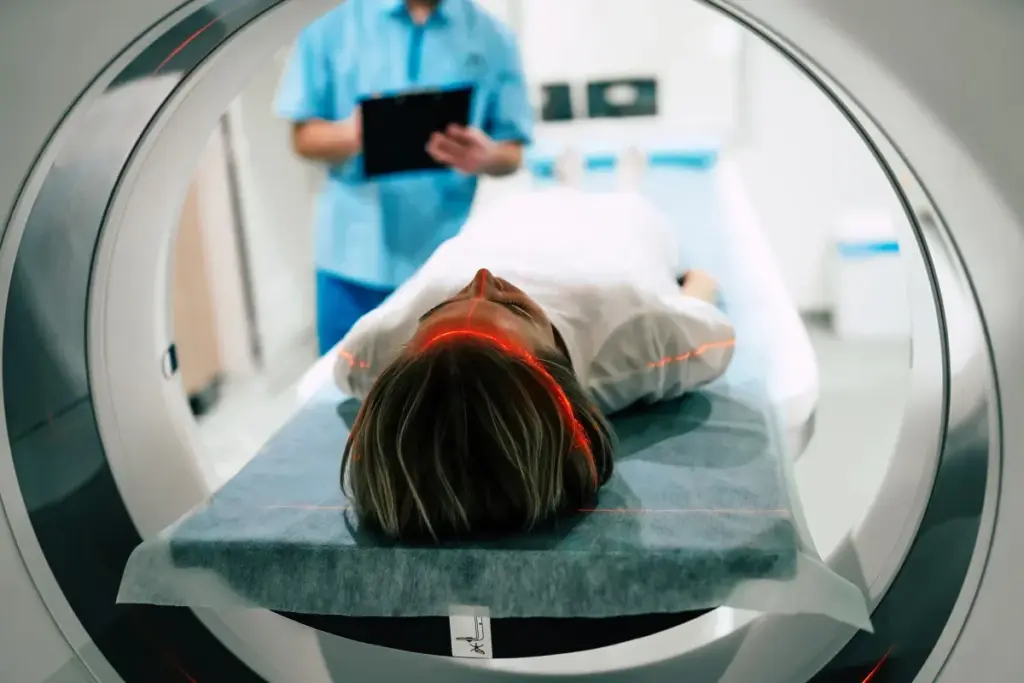
Did you know that nearly 1 in 5 people who get a cardiac MRI aren’t ready? This can cause delays, stress, and missed diagnoses. Understanding what a cardiac MRI is and how to prepare for it is essential. Find out what to avoid before a cardiac MRI. This essential guide covers bad mistakes to ensure your scan is safe, quick, and highly accurate.
A cardiac MRI is a non-invasive test to check heart health. It shows detailed images of the heart’s structure and function. Keeping a healthy heart rate is important during the test. So, what’s a good heart rate for men, and how can you prepare?
Key Takeaways
- Understand the cardiac MRI procedure to avoid last-minute surprises.
- Know what to do and what not to do before the test.
- Maintain a healthy heart rate during the test.
- Be aware of the average heart rate for men and how it impacts the test.
- Follow specific guidelines to ensure a successful cardiac MRI.
Understanding Cardiac MRI

A Cardiac MRI gives a detailed look at the heart’s structure and function. It helps diagnose various heart conditions. This non-invasive method is key for understanding heart health and making treatment plans.
What is Cardiac MRI?
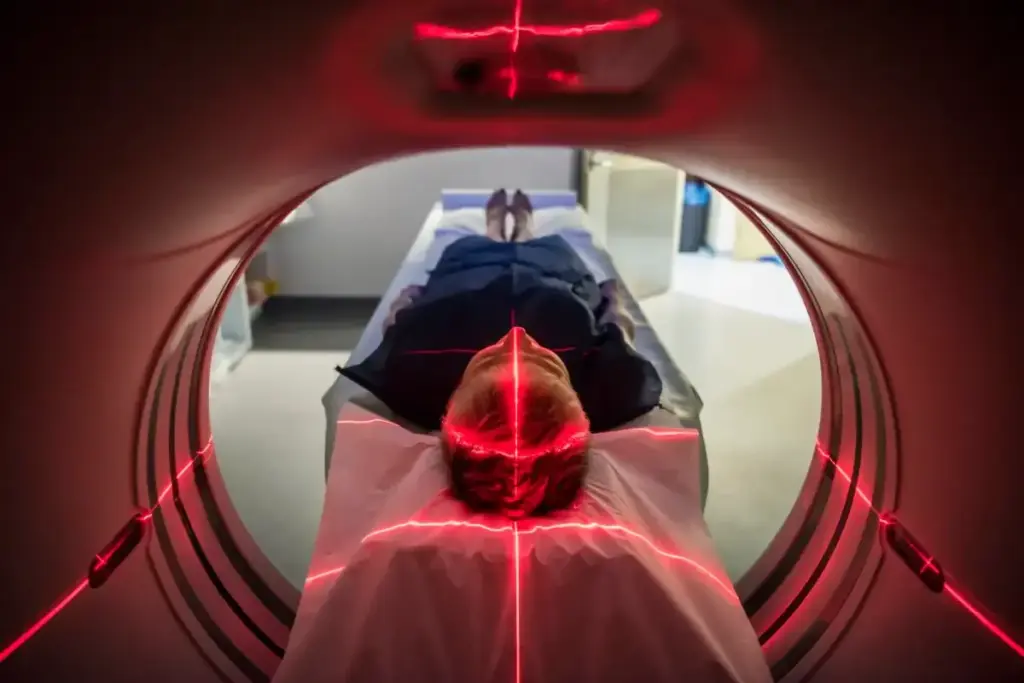
Cardiac MRI, or Cardiac Magnetic Resonance Imaging, is a high-tech tool. It uses magnetic fields and radio waves to create detailed heart images. It shows the heart’s anatomy, function, and blood flow, helping doctors diagnose and manage heart disease.
Importance of Cardiac MRI in Heart Health
The role of Cardiac MRI in heart health is huge. It’s great for checking the heart’s function, finding scar tissue, and seeing how much heart disease there is. For example, a normal heart rate for adults is between 60 to 100 beats per minute (bpm). Cardiac MRI can spot irregularities in heart rhythm and structure that might change this rate.
Some key benefits of Cardiac MRI include:
- Detailed imaging of the heart’s structure and function
- Assessment of heart disease without the need for ionizing radiation
- Guidance for treatment decisions, including surgery and medication
- Monitoring of heart health over time
How Does Cardiac MRI Work?
Cardiac MRI uses a strong magnetic field and radio waves to create heart images. You lie on a table that slides into a big, cylindrical MRI machine. The machine takes detailed images of the heart from different angles, giving a full view of its structure and function.
During the scan, you need to stay very quiet and might be asked to hold your breath. This ensures clearer images. The procedure is usually safe, but it’s important to listen to the instructions and tell your healthcare team about any metal implants, claustrophobia, or other concerns.
Preparing for a Cardiac MRI
Being well-prepared is key for a successful cardiac MRI. This test helps check your heart’s health. To make sure the test goes well, follow a few important steps.
Guidelines for Preparation
To get ready for a cardiac MRI, you need to follow some rules. First, learn what a cardiac MRI is and how it helps diagnose heart issues. It gives detailed pictures of your heart. This helps doctors see how well your heart is working, including its rate.
- Take off all metal things like jewelry, glasses, and clothes with metal parts. This ensures your safety during the MRI.
- Tell your doctor about any medicines you’re taking. Some might need to be changed or stopped before the test.
- Listen to any food or drink rules from your doctor. You might need to fast or avoid certain foods that could affect your heart rate.
It’s also crucial to be aware of what constitutes a normal heart rate. For adults, it’s usually between 60 to 100 beats per minute. Knowing this can help you understand your heart better.
Importance of Following Instructions
It’s very important to follow the preparation instructions carefully. Not following these can mean the test might be rescheduled or the results could be wrong. By following the instructions, you help make sure the MRI gives accurate information about your heart.
Preparing for a cardiac MRI may feel overwhelming. However, by following these steps and consulting with your healthcare provider, you can make the process smoother and more effective.
Common Medications to Avoid
Before getting a cardiac MRI, it’s key to know which medicines to skip. Some can change your heart rate and blood pressure. This might mess up your MRI results. We’ll help you know which medicines to avoid and why talking to your doctor is important.
Caffeine and Stimulants
Caffeine and stimulants can make your heart rate and blood pressure go up. This might mess with your cardiac MRI’s quality. It’s best to not have caffeinated drinks or foods, or certain medicines with stimulants, for 24 hours before. Keeping your normal heart rate is key for good test results.
Certain Heart Medications
Some heart medicines, like beta-blockers and anti-arrhythmic drugs, can affect your heart during the MRI. Tell your doctor about all your medicines, including heart ones. They’ll tell you if you should keep taking them or stop before the test.
Discussing Medications with Your Doctor
Talking openly with your doctor about your medicines is a must. They’ll check your medicines and tell you what to do before your cardiac MRI. This keeps you safe and makes sure the test is accurate. Knowing what a heart healthy life means and keeping a normal heartrate helps you get ready for the test.
Dietary Restrictions
Dietary restrictions are key when getting ready for a cardiac MRI. They help make sure the test is accurate and safe. We suggest following certain dietary guidelines to get your body ready.
Fasting Requirements
Some cardiac MRI tests need you to fast beforehand. Fasting means not eating or drinking for 4 to 6 hours before the test. But, the exact fasting time can change based on the MRI type and your health. We’ll give you all the details when you book your appointment.
It’s very important to stick to the fasting rules. Consuming food or beverages prior to the test may compromise the quality of the images. This might mean you have to do the test again.
Foods to Avoid Before the Procedure
There are also foods and drinks you should avoid before your MRI. Stay away from caffeine and heavy meals because they can mess with your heart rate and blood pressure. For adults, a normal heart rate is between 60 to 100 bpm, and good blood pressure is around 120/80 mmHg.
|
Food/Drink |
Recommendation |
|---|---|
|
Caffeine |
Avoid for at least 24 hours before the test |
|
Heavy Meals |
Avoid for at least 4 hours before the test |
|
High-Sugar Foods |
Avoid for at least 4 hours before the test |
Keeping a healthy bpm and good bp is important for heart health. We recommend talking to your healthcare provider about your diet and any worries. This will help you get ready for your cardiac MRI.
Avoiding Metal and Gadgets
To ensure a safe and smooth cardiac MRI, patients must leave certain items behind. Preparing for a cardiac MRI can seem daunting. But, by following our guidelines, you can make the process a success.
Importance of Metal-Free Conditions
The cardiac MRI machine uses strong magnetic fields to create detailed heart images. Metal objects can be risky, causing injury or disrupting the imaging. A metal-free environment is key for your safety and accurate MRI results.
Being metal-free helps us assess your heart health better. We can then understand what a healthy heart rate is for you. This is vital for diagnosing and managing heart conditions.
Common Items to Leave Behind
Before your cardiac MRI, please avoid bringing these items:
- Jewelry, including necklaces, earrings, and rings
- Clothing with metal parts, such as zippers or buckles
- Hairpins or other hair accessories with metal
- Dental appliances or retainers (please inform us if you have any)
- Electronic devices, including smartphones and watches
Leaving these items behind ensures a safe procedure. It’s also a chance to talk with your healthcare provider. You can learn what to expect and how to manage your heart health, including what is a good pulse for you.
Clothing and Accessories Recommendations
Choosing the right clothes for a cardiac MRI is important. It affects your comfort and the scan’s success. Getting ready properly means dressing right for your scan.
What to Wear for Your Cardiac MRI
Wearing the right clothes for your cardiac MRI is key. Wear loose, comfy clothes without metal. This keeps you comfortable and helps get clear images. Choose clothes that let you move easily, as you’ll need to stay very quiet on the MRI table.
Stay away from clothes with metal zippers or buttons. Go for simple, metal-free clothes that won’t mess with the MRI. Some places might give you a gown, so check ahead of time.
Removing Jewelry and Accessories
It’s also important to take off any jewelry or accessories that could mess with the MRI. Remove all metal items, like watches and necklaces, before the scan. This keeps you safe and prevents image problems.
- Remove any metal jewelry or accessories.
- Avoid wearing clothing with metal parts.
- Consider wearing comfortable, loose clothing.
By following these tips, you can have a smooth cardiac MRI. If you’re unsure about what to wear or remove, ask your doctor. Keeping a healthy resting heart and being ready for your MRI are key to heart health.
Managing Anxiety Before the MRI
Managing anxiety is key for a good cardiac MRI experience. It helps patients stay calm and cooperate. Many patients feel anxious about getting a cardiac MRI.
Techniques to Stay Calm
There are ways to stay calm before and during a cardiac MRI. Deep breathing exercises can slow your heart rate. This brings it closer to the normal heart rate per minute of 60-100 bpm for adults. This is considered a healthy heart bpm.
Progressive muscle relaxation can also help. It reduces anxiety by releasing physical tension. Visualization techniques can help too. They let patients imagine themselves in calm places, reducing anxiety.
|
Technique |
Description |
Benefit |
|---|---|---|
|
Deep Breathing Exercises |
Involves slow, deliberate breaths to calm the body |
Reduces heart rate, promoting a normal heart beat |
|
Progressive Muscle Relaxation |
Tensing and relaxing different muscle groups |
Releases physical tension, reducing anxiety |
|
Visualization |
Imagining oneself in a calm, safe environment |
Distracts from anxiety, promoting relaxation |
Addressing Concerns with Healthcare Providers
It’s important for patients to talk about their concerns with healthcare providers. This helps them understand what to expect during the cardiac MRI. It also helps to reduce fears about the unknown.
Healthcare providers can offer advice on managing anxiety. They might suggest relaxation techniques or medication. Knowing the average heart rate for adults is between 60-100 bpm can also reassure patients. It gives them a clear idea of what is normal.
By using these techniques and talking openly with healthcare providers, patients can lower their anxiety. This makes the cardiac MRI process smoother and less stressful.
Communication with Healthcare Providers
To have a smooth cardiac MRI, talking openly with your healthcare team is key. You should share your medical history, current health, and any worries you have.
Asking Questions Ahead of Time
Before your cardiac MRI, it’s important to ask questions. This can help reduce any anxiety or concerns you might have. Here are some questions to consider:
- What are the specific preparations required for the cardiac MRI?
- Are there any medications or foods that I should avoid before the procedure?
- How long will the procedure take, and what can I expect during it?
- Are there any possible risks or complications associated with the cardiac MRI?
By asking these questions, you can understand the process better. This makes you feel more at ease on the day of the procedure.
Informing About Pre-existing Conditions
Telling your healthcare providers about any pre-existing conditions is vital for your safety. This includes:
- Any previous heart conditions or surgeries
- Presence of metal implants, pacemakers, or other devices
- Known allergies or sensitivities to contrast agents
- Other significant medical conditions that could impact the procedure
Keeping your health status open helps your healthcare team adjust the procedure for you. This ensures a safe and effective cardiac MRI experience.
A normal average adult heart rate is between 60 to 100 beats per minute. An 80 beats per minute heart rate is within the normal range for adults. Knowing your heart rate and overall cardiac health is key for diagnosing and managing heart disease. If you’re worried about your heart health or have symptoms, talking to your healthcare provider is essential.
What to Expect During the Procedure
A cardiac MRI is a non-invasive test that checks your heart health. You’ll be examined carefully by a skilled MRI technician during the procedure.
Duration of the Cardiac MRI
A cardiac MRI usually takes 30 to 90 minutes. The exact time depends on the scan’s complexity and what your doctor needs to know.
Here are some key points to consider regarding the duration:
- The actual scanning time is usually between 15 to 60 minutes.
- Additional time is required for preparation, including positioning on the MRI table and setting up the necessary equipment.
- In some cases, the procedure may be longer if contrast dye is used or if you need to undergo stress testing.
Role of the MRI Technician
The MRI technician is key to a successful cardiac MRI. They:
- Position you correctly on the MRI table to get clear images.
- Operate the MRI machine and adjust settings as needed.
- Talk to you throughout the procedure to ensure your comfort and safety.
A good pulse or heart rate is important during the procedure. A normal heart rate is between 60 to 100 beats per minute. But, what’s considered a good pulse can vary. It depends on your age, fitness level, and medical conditions. If you’re worried about your heart rate or have questions about heart disease, talk to your healthcare provider.
Post-Procedure Guidelines
Your cardiac MRI is done, but you need to take care of yourself after it. Your healthcare team will give you important guidelines to follow. These are to keep you safe and make sure the test works well.
These guidelines help you recover well and know when you can go back to your usual activities.
Aftercare Instructions
After your cardiac MRI, you’ll get specific instructions. You might need to watch for any bad reactions, deal with any discomfort, and know the signs of serious problems.
It’s very important to follow these instructions closely. This is for your own safety and well-being.
Resuming Normal Activities
Most people can go back to their usual activities right after a cardiac MRI. But, your healthcare provider might tell you differently.
Knowing what a “normal heart rate” or “healthy heart beat” is important. You should also keep an eye on your heart rate after the test.
A normal heart rate is between 60 to 100 beats per minute (bpm) for adults. If you notice anything strange, like a high hr or irregular heartbeats, call your healthcare provider.
|
Activity |
Guideline |
|---|---|
|
Resuming Normal Activities |
Typically immediate, unless specified by your healthcare provider |
|
Monitoring Heart Rate |
Normal heart bpm: 60-100; watch for any unusual changes |
|
Recognizing Healthy Heart Beat |
Regular rhythm, no skipped beats or palpitations |
By following the aftercare instructions and keeping an eye on your heart health, you can have a smooth recovery after your cardiac MRI. If you have any worries or questions, always talk to your healthcare provider.
Conclusion: Importance of Adherence
Following the guidelines before and during a cardiac MRI is key. We’ve covered how to prepare, like avoiding certain meds and foods. We also talked about managing anxiety and talking to your doctor.
Key Takeaways
To have a good cardiac MRI, follow the prep steps. This means no caffeine or certain meds, fasting when needed, and no metal items. Knowing what happens during the test and following aftercare is also important. A healthy heart rate is a sign of good health, and a cardiac MRI can spot problems.
Final Considerations
If you’re worried about your heart or feel it’s heavy, see your doctor. They can decide if a cardiac MRI is right for you. By following these steps, you can have a successful MRI and learn about your heart health.
FAQ
What is a cardiac MRI, and how does it work?
A cardiac MRI is a non-invasive test that uses strong magnetic fields and radio waves. It creates detailed images of the heart. This test helps diagnose and monitor heart conditions, giving detailed info about the heart’s structure and function.
What should I avoid doing before a cardiac MRI?
Before a cardiac MRI, avoid certain medications and substances like caffeine. Remove metal objects and gadgets. Also, follow specific dietary restrictions, such as fasting or avoiding certain foods and drinks.
Can I take my medications before a cardiac MRI?
It’s important to talk to your doctor about your medications before a cardiac MRI. Some heart medications might need to be avoided or adjusted.
What are the dietary restrictions for a cardiac MRI?
Patients may need to fast or avoid specific foods and drinks before the test. Your healthcare provider will tell you the exact dietary restrictions.
Why is it essential to avoid metal objects during a cardiac MRI?
Avoiding metal objects is key for safety during a cardiac MRI. The strong magnetic fields can interact with metal, causing harm or affecting the test’s quality.
What should I wear for a cardiac MRI?
Wear comfortable, metal-free clothing for a cardiac MRI. Avoid jewelry and accessories that may interfere with the test or cause discomfort.
How can I manage anxiety before a cardiac MRI?
Techniques like deep breathing and relaxation can help manage anxiety before a cardiac MRI. Talking to healthcare providers about your concerns can also be helpful.
What can I expect during a cardiac MRI procedure?
The cardiac MRI procedure involves lying on a table that slides into the MRI machine. The MRI technician will guide you through it. The test usually takes between 30 to 90 minutes.
Are there any aftercare instructions following a cardiac MRI?
After the test, you may need to follow specific aftercare instructions. This could include resuming medications or avoiding certain activities. Your healthcare provider will guide you on when you can resume normal activities.
Is a cardiac MRI safe?
A cardiac MRI is generally safe when done correctly and under experienced healthcare professionals’ supervision.
What is a normal heart rate during a cardiac MRI?
A normal heart rate varies from person to person. It’s usually between 60 to 100 beats per minute. Fitness level and medical conditions can affect heart rate.
Can I have a cardiac MRI if I have a high heart rate?
Having a high heart rate doesn’t necessarily mean you can’t have a cardiac MRI. But, it’s important to discuss any concerns with your healthcare provider. They may need to take extra steps to ensure the test’s success.
National Center for Biotechnology Information. Evidence-Based Medical Insight. Retrieved from https://pmc.ncbi.nlm.nih.gov/articles/PMC10894027/