
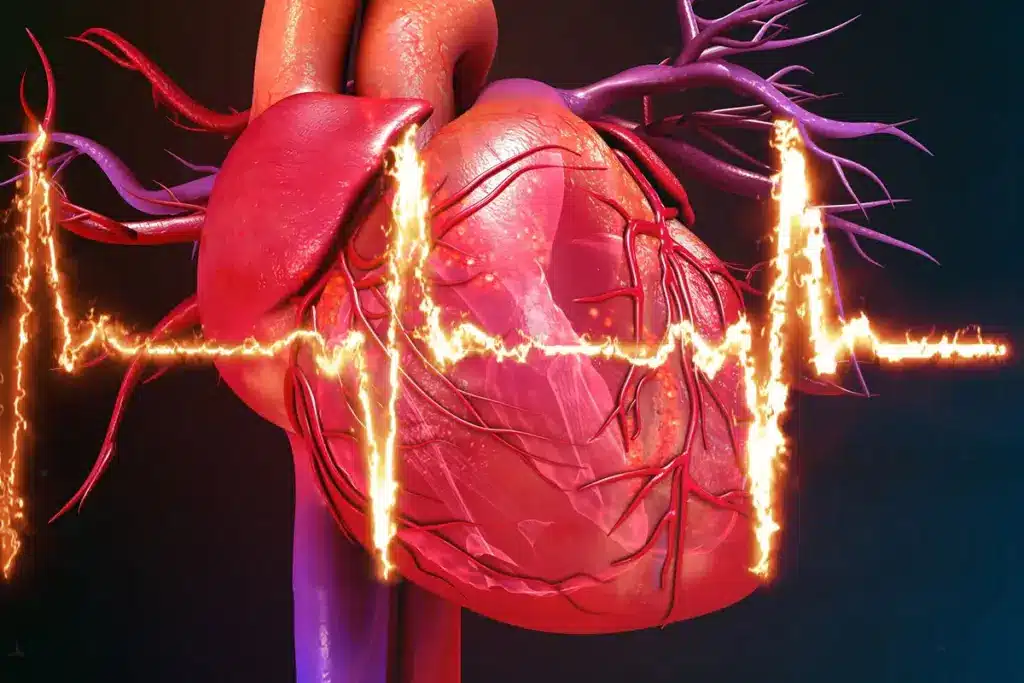
Heart failure affects over 26 million people worldwide. Many go undiagnosed or misdiagnosed. Accurate diagnosis is key for effective treatment. Can a cardiac MRI detect heart failure? Spot dangerous signs early with this best diagnostic tool. Get the vital answers you need right now.
Cardiac MRI is a valuable tool in cardiology. It gives detailed images of the heart’s structure and function.
We will look at how Cardiac MRI helps diagnose heart failure. It shows its capabilities and importance in patient care. Understanding Cardiac MRI helps healthcare professionals make better decisions. Patients get the right treatment on time.
Key Takeaways
- Cardiac MRI is a non-invasive diagnostic tool used to assess heart conditions.
- It provides detailed images of the heart’s structure and function.
- Cardiac MRI helps diagnose heart failure and other cardiac conditions.
- Accurate diagnosis is vital for effective treatment and management.
- Cardiac MRI plays a vital role in patient care and treatment planning.
Overview of Cardiac MRI Technology
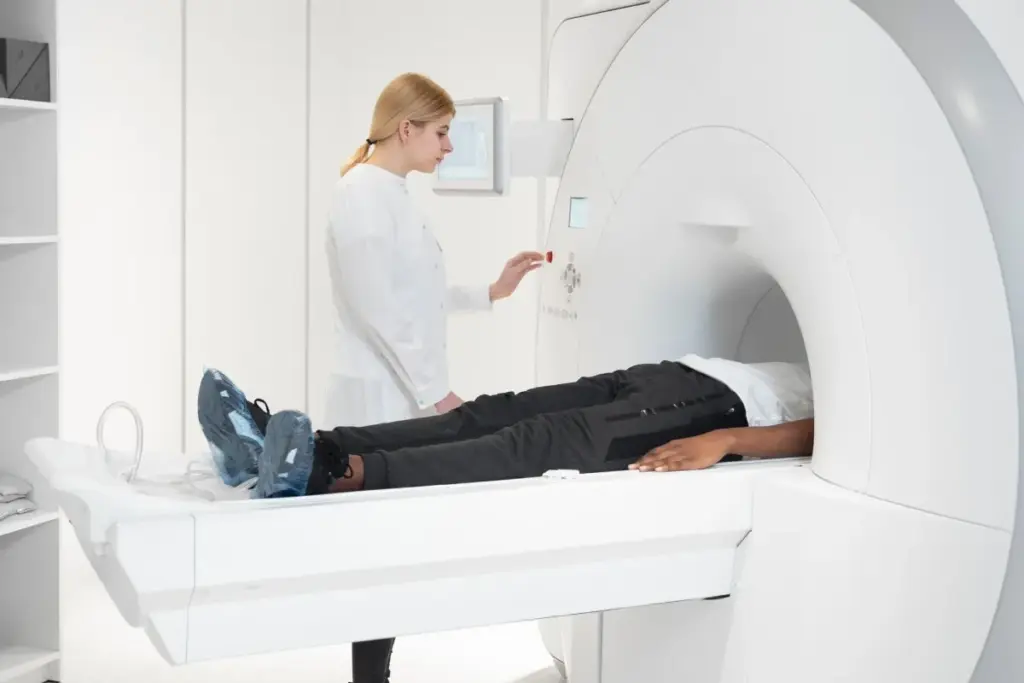
Cardiac MRI technology has changed cardiology by giving deep insights into the heart. It’s a key tool for diagnosing and managing heart diseases. It’s also a non-invasive way to check the heart, unlike older methods.
What is Cardiac MRI?
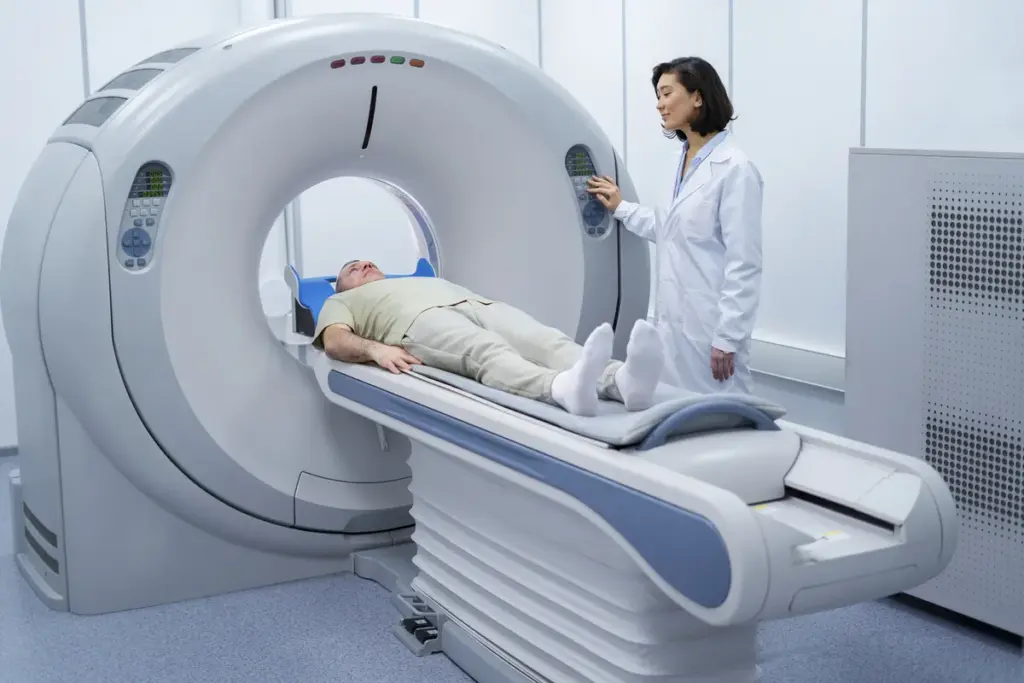
Cardiac MRI, which stands for Magnetic Resonance Imaging, is a diagnostic tool that employs magnetic fields and radio waves to create images of the heart. It creates detailed images of the heart without ionizing radiation or invasive procedures.
We use cardiac MRI to check the heart’s structure and function. It helps diagnose heart conditions like coronary artery disease and cardiomyopathy.
How Cardiac MRI Works
Getting a cardiac MRI involves lying on a table that slides into a big, cylindrical machine. The machine makes a strong magnetic field around the body. Radio waves disturb the body’s atoms, creating signals for detailed images.
We might use ECG gating to match the images with the heartbeat. This makes sure the images are clear and show the heart’s function and structure well.
Advantages Over Other Imaging Techniques
Cardiac MRI stands out because it gives high-resolution images without contrast agents or radiation. It’s better than CT scans or echocardiography for heart anatomy and function. This makes it a key diagnostic tool in cardiology.
- Detailed images of heart structure and function
- No ionizing radiation
- Non-invasive procedure
- Ability to assess heart function and anatomy simultaneously
While other imaging like cath lab or catheterization lab is useful, cardiac MRI offers a full view of heart health. Choosing the right imaging modality helps ensure accurate diagnosis and treatment.
Indications for Cardiac MRI
Cardiac MRI is a key tool for diagnosing heart issues. It gives us detailed views of the heart’s structure and how it works. This helps us spot and manage many heart problems.
Diagnosing Heart Conditions
Cardiac MRI is great for finding heart issues like heart failure and coronary artery disease. It shows the heart’s chambers, walls, and valves in detail. This lets us check how well the heart is working and find any problems.
Using cardiac MRI for diagnosing heart conditions has many benefits. These include:
- High-resolution images of the heart’s anatomy
- Checking how well the heart functions and blood flows
- It’s non-invasive and safe for most patients with implants
Assessing Heart Muscle and Function
Cardiac MRI helps us see how well the heart muscle works. This is key for planning the best treatment for heart patients. It shows how well the heart pumps and spots damaged areas.
The table below shows important metrics we check during a cardiac MRI:
|
Metric |
Description |
Clinical Significance |
|---|---|---|
|
Ejection Fraction (EF) |
Percentage of blood pumped out of the left ventricle |
Shows if the heart is failing or has cardiomyopathy |
|
Wall Thickness |
Measurement of the ventricular walls |
Thick or thin walls can point to heart issues |
|
Cardiac Output |
Volume of blood pumped by the heart per minute |
Important for checking the heart’s overall function |
Evaluating Congenital Heart Disease
Cardiac MRI is also key for checking congenital heart disease. It lets us see the heart’s anatomy in detail and spot any abnormalities. This info is vital for planning surgeries or other treatments.
Cardiac MRI has many benefits for evaluating congenital heart disease. These include:
- Detailed images of complex heart anatomy
- Checking how severe congenital defects are
- Helping plan surgeries and check on them afterwards
By using cardiac MRI, we can give top-notch care to patients with congenital heart disease. This ensures the best results for them.
Heart Failure: Understanding the Condition
Heart failure happens when the heart can’t pump enough blood. This makes everyday life hard for those affected.
Definition
Heart failure is a long-term condition where the heart pumps blood poorly. It’s not a sudden stop but a slow decline. The heart’s failure to pump enough blood causes fatigue, swelling, and shortness of breath.
Causes and Risk Factors
Many things can lead to heart failure, like coronary artery disease and high blood pressure. Knowing these risk factors helps prevent and treat heart failure early. Lifestyle choices like smoking and being overweight also matter.
- Coronary artery disease
- High blood pressure
- Diabetes
- Heart valve problems
- Smoking and obesity
Symptoms
Symptoms of heart failure vary based on its type and severity. Common signs include shortness of breath, fatigue, and swelling. Spotting these symptoms early is key to timely treatment.
Some symptoms include:
- Shortness of breath during activity or at rest
- Fatigue and weakness
- Swelling in legs, ankles, and feet
- Rapid weight gain
How Cardiac MRI Aids in Heart Failure Diagnosis
Cardiac MRI is key in diagnosing heart failure. It gives detailed images of the heart’s structure and how it works. This tool is vital in cardiology for its deep insights into heart anatomy and function.
Visualizing Heart Anatomy
Cardiac MRI shows the heart’s anatomy in great detail. It looks at the chambers, valves, and big blood vessels. This is important for spotting structural problems that might lead to heart failure.
Doctors can see the heart’s size, shape, and how its parts are doing. This helps them understand the heart better.
Identifying Structural Abnormalities
Cardiac MRI is great at finding heart structure problems. It can spot ventricular septal defects, atrial septal defects, and other heart defects from birth. It also finds cardiomyopathy, where the heart muscle gets too big or thick, making it hard to work right.
Evaluating Blood Flow and Function
Cardiac MRI is also great for checking blood flow and heart function. It sees how blood moves through the heart and into big vessels. This helps find any blood flow problems.
It also checks how well the heart pumps. This gives important info on the heart’s function. It helps doctors diagnose heart failure.
Preparing for a Cardiac MRI
Getting ready for a cardiac MRI is important. This test gives detailed heart images. It helps doctors find and track heart problems.
What to Expect During the Procedure
You’ll lie on a table that moves into a big machine for a cardiac MRI. It’s a non-invasive test that lasts 30 to 90 minutes. This time depends on the scan’s complexity.
- You’ll be placed on the table for the best heart images.
- The MRI tech will talk to you through an intercom to guide you.
- You might need to hold your breath for clear images.
- A contrast agent might be given through an IV line.
It’s important to stay very quiet during the scan for clear images. The machine might make loud noises. But, you’ll get earplugs or headphones to block the sound.
Pre-Appointment Guidelines
To make your cardiac MRI go smoothly, follow these steps:
- Tell your doctor about any metal implants or devices you have.
- Take off metal objects like jewelry and clothes with metal parts before the scan.
- Get there early to do paperwork and change into a gown if needed.
- Tell the MRI tech if you’re worried about claustrophobia or anxiety.
Safety Considerations
Safety is key during a cardiac MRI. Tell the MRI tech about any medical conditions or implants that might affect the machine. Important safety points include:
- The MRI’s strong magnetic field can affect metal implants or devices.
- Some people might feel claustrophobic or anxious; tell the tech if you do.
- The contrast agent used is usually safe, but tell your doctor about allergies or kidney problems.
Knowing what to expect and following guidelines helps make your cardiac MRI safe and successful. If you have questions or concerns, talk to your healthcare provider.
Interpreting Cardiac MRI Results
Cardiac MRI results are analyzed in detail. This includes looking at the heart’s structure, how it works, and blood flow. It’s a complex task that needs a deep understanding of the heart and how to spot both normal and abnormal signs.
Key Metrics Evaluated
Several important metrics are checked when looking at cardiac MRI results. These help understand the heart’s health. Here are some of them:
- Left Ventricular Ejection Fraction (LVEF): Shows how well the left ventricle pumps blood.
- Ventricular Volumes: Measures the blood in the ventricles at different times.
- Myocardial Thickness: Checks the heart muscle’s thickness, which can show hypertrophy.
- Wall Motion Abnormalities: Looks for areas of the heart muscle that don’t move right.
These metrics give insights into the heart’s function and help spot problems.
Normal vs. Abnormal Findings
It’s important to know the difference between normal and abnormal findings in cardiac MRI. Normal results mean the heart is healthy. But, abnormal results can point to heart issues.
Abnormal findings might include:
- Reduced LVEF, which means the heart isn’t pumping well.
- Enlarged ventricular volumes, which could mean heart failure or other problems.
- Irregular myocardial thickness, a sign of hypertrophic cardiomyopathy.
Knowing these differences is key for accurate diagnosis and treatment.
Role of Cardiologists in Analysis
Cardiologists are essential in analyzing cardiac MRI results. They use their knowledge to:
- Understand complex imaging data.
- Link MRI findings with symptoms and other tests.
- Plan treatments based on MRI results.
By using their knowledge of the heart and MRI data, cardiologists can make accurate diagnoses and effective treatment plans.
Case Studies: Cardiac MRI in Action
Cardiac MRI’s power is shown in case studies. It helps manage heart conditions by giving insights into the heart’s structure and function. This makes it a key tool in diagnosing and treating heart diseases.
Successful Diagnoses Using Cardiac MRI
Many case studies show cardiac MRI’s success in diagnosing heart conditions. For example, a patient with heart failure symptoms was diagnosed with left ventricular dysfunction and scarring through a cardiac MRI. This led to a treatment plan that included medication and lifestyle changes.
A young athlete who had a sudden cardiac arrest was also helped by cardiac MRI. It found hypertrophic cardiomyopathy, leading to timely treatment and preventing further issues.
Key findings from these case studies include:
- Accurate diagnosis of heart conditions using cardiac MRI
- Effective treatment planning based on cardiac MRI results
- Improved patient outcomes due to timely and targeted interventions
Challenges Faced in Interpretation
Interpreting cardiac MRI results can be tough. Issues like image quality, patient movement, and artifacts can make it hard. For instance, breathing artifacts in one case study made it hard to assess left ventricular function accurately.
To tackle these challenges, cardiologists and radiologists work together. They use advanced techniques like motion correction and image enhancement to improve accuracy.
|
Challenge |
Solution |
|---|---|
|
Image quality issues |
Advanced image enhancement techniques |
|
Patient movement |
Motion correction algorithms |
|
Artifacts |
Artifact reduction techniques during image acquisition |
Long-term Patient Outcomes
Patients diagnosed with cardiac MRI often see significant improvements. A study showed that those treated with MRI guidance had better survival rates and fewer hospitalizations for heart failure.
For example, a patient with heart failure was managed effectively through a personalized treatment plan. This led to a better quality of life and reduced symptoms over time.
Long-term benefits observed in patients include:
- Improved survival rates
- Reduced hospitalization rates due to heart failure
- Enhanced quality of life through targeted treatment plans
Other Diagnostic Tools for Heart Failure
Cardiac MRI is a key tool for diagnosing heart conditions. But, other tests also help detect heart failure. We use these tests together to understand a patient’s heart health fully.
Comparison with Echocardiography
Echocardiography is a common test for heart failure. It uses sound waves to create heart images. Unlike MRI, echocardiography is easier to get and can be done at the bedside. But, it might not show as much detail as MRI for some heart parts.
Echocardiography is great for showing the heart in real-time. This helps us see how the heart works during different times. It’s very useful for finding heart valve problems.
The Role of CT Scans
CT scans help evaluate heart failure too. They give detailed images of the heart and its surroundings. CT scans are best for checking coronary artery disease, a common heart failure cause.
CT scans are good at showing the coronary arteries clearly. This helps find blockages or other issues. But, they use radiation and might not be good for everyone.
When to Use Other Imaging Techniques
The right test depends on the patient’s condition and what we need to know. For example, if a patient has a pacemaker, MRI might not work. Instead, we might use echocardiography or CT scans.
Sometimes, we use more than one test to understand a patient’s heart better. For example, we might use echocardiography to check heart function and MRI for detailed heart structure. This way, we get a clearer picture of the patient’s heart health.
The choice of test depends on what we’re trying to find out and the patient’s needs. By using different tests, we can make more accurate diagnoses. This helps us create better treatment plans for heart failure patients.
Future of Cardiac MRI Research
Cardiac MRI research is on the verge of a new era. This is thanks to new imaging technology. We will see big improvements in diagnosing and treating heart problems, like heart failure.
Emerging Technologies and Innovations
New technologies are making Cardiac MRI better. Advanced imaging sequences and artificial intelligence are being added. This means we can see the heart more clearly and accurately.
New contrast agents are also helping. They make it easier to see certain heart issues. This helps doctors diagnose and treat patients better.
Potential Impact on Heart Failure Treatment
New technologies could change how we treat heart failure. With better images, doctors can tailor treatments to each patient. This makes treatments more effective.
Cardiac MRI can also help find heart failure early. This means doctors can start treatments sooner. As research gets better, Cardiac MRI will be even more important for heart failure care.
Ongoing Clinical Trials and Findings
There are ongoing trials to test new Cardiac MRI methods. These trials are key to making sure new tech is safe and works well.
Recent trials have shown great results. They suggest new Cardiac MRI techniques can help patients more. As more trials finish, we’ll see these new methods used in hospitals. This will improve care for heart failure patients.
Conclusion: Importance of Cardiac MRI in Heart Healthcare
Cardiac MRI is key in heart care. It gives detailed heart images. This helps doctors diagnose and treat heart issues, like heart failure.
Key Findings
Our talk shows how important cardiac MRI is. It lets doctors see the heart’s structure and blood flow. Knowing about catheterization and heart cath recovery helps too.
Discussing Heart Health
We urge readers to talk to their doctors about heart health. Discussing the benefits of cardiac MRI and other tests is important. As cardiac imaging gets better, we’ll learn more about treating heart failure.
Advancements in Cardiac Imaging
New technologies in cardiac MRI research are exciting. They promise to make diagnosing and treating heart issues better. By keeping up with heart health news, we can all help improve heart care.
FAQ
What is a cardiac MRI, and how does it differ from other imaging tests like echocardiography or CT scans?
A cardiac MRI is a non-invasive test that uses magnetic fields and radio waves. It creates detailed images of the heart. Unlike echocardiography and CT scans, it doesn’t use radiation. This makes it safer for patients.
How does cardiac MRI help in diagnosing heart failure?
Cardiac MRI helps diagnose heart failure by showing the heart’s structure and function. It can spot structural problems and check blood flow. This information helps doctors understand how well the heart is working.
What are the indications for a cardiac MRI?
Cardiac MRI is used for many heart conditions, like heart failure. It checks the heart’s function and structure. It’s also used to see how heart disease progresses and if treatments are working.
How should I prepare for a cardiac MRI?
To prepare for a cardiac MRI, remove metal objects and avoid certain foods and drinks. Tell your doctor about any implants or conditions. We give detailed instructions to make the process safe and smooth.
What can I expect during a cardiac MRI procedure?
During a cardiac MRI, you’ll lie on a table that slides into a machine. You’ll need to stay very quiet and might get instructions on breathing. The test is painless and usually takes 30 to 60 minutes.
How are cardiac MRI results interpreted?
Cardiologists analyze MRI images to check the heart’s health. They look for important signs like how well the heart pumps and if there are any problems. This helps them understand the heart’s condition.
How does cardiac MRI compare to other diagnostic tools like echocardiography and CT scans?
Cardiac MRI gives detailed images of the heart, often more than echocardiography or CT scans. But, the best tool depends on the heart condition and the patient’s needs.
What is the future of cardiac MRI research?
Research in cardiac MRI is exploring new technologies. These advancements aim to improve the test’s ability to diagnose and treat heart conditions. This could lead to better patient care.
Can cardiac MRI be used to diagnose heart conditions other than heart failure?
Yes, cardiac MRI can diagnose many heart conditions. It’s great for seeing the heart’s anatomy and function. This makes it a key tool in cardiology.
Are there any risks or side effects associated with cardiac MRI?
Cardiac MRI is usually safe, but it’s not for everyone. Some might feel claustrophobic or uncomfortable. We take steps to minimize risks and make the experience as comfortable as possible.
National Center for Biotechnology Information. Evidence-Based Medical Insight. Retrieved from https://pubmed.ncbi.nlm.nih.gov/35554592/



 Departments
 Related Videos
 Our Doctors
 News
News