
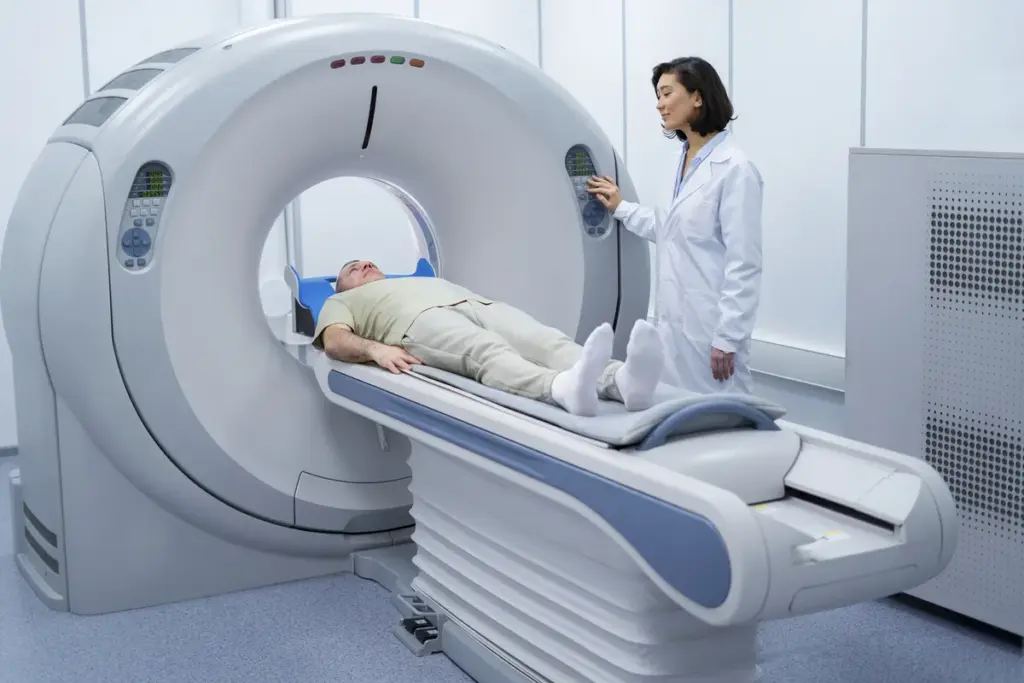
Heart disease is a big problem worldwide. To find and treat heart problems, cardiologists use advanced tests like the Cardiac MRI.
Cardiac MRI makes detailed pictures of the heart. It helps find issues and plan treatments. This test is safe and key for spotting heart problems. It lets heart specialists give the right care.
Key Takeaways
- Cardiac MRI is a non-invasive imaging test used to diagnose heart conditions.
- It provides detailed images of the heart’s structure and function.
- Heart doctors use Cardiac MRI to identify possible heart issues.
- The test helps cardiologists create effective treatment plans.
- Cardiac MRI is essential for diagnosing heart-related problems.
Understanding Cardiac MRI: An Overview
Cardiac MRI plays a crucial role in the diagnosis and treatment of heart diseases. Cardiology doctors use it to see the heart’s details and how it works.
What is Cardiac MRI?
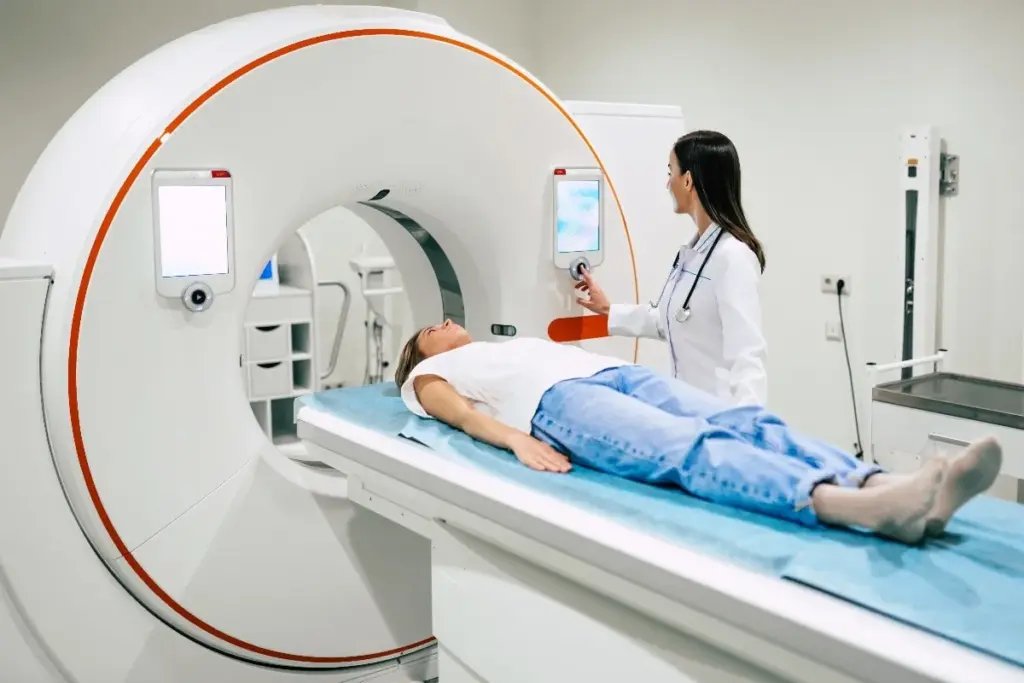
Cardiac MRI is a non-invasive test that shows the heart’s details. It uses strong magnetic fields and radio waves. This tool is vital in cardiology, helping us understand patient care.
It’s safer than other tests because it doesn’t use harmful radiation. This is great for patients needing many tests.
How Does Cardiac MRI Work?
During a Cardiac MRI, you lie on a table that moves into a big machine. The machine takes pictures of the heart from different sides. A cardiologist then looks at these pictures to find and track heart problems.
You might need to hold your breath for a bit to get clear pictures. The whole thing usually takes 30 to 60 minutes.
Key Benefits of Cardiac MRI
Cardiac MRI has many benefits. It gives clear images of the heart without harmful radiation. This is very helpful for patients who need to be checked often.
|
Benefit |
Description |
|---|---|
|
High-Resolution Imaging |
Provides detailed images of the heart’s structure and function. |
|
Non-Invasive |
No surgical incisions are required, reducing the risk of complications. |
|
No Ionizing Radiation |
Makes it a safer option for repeated imaging and for certain patient populations. |
|
Comprehensive Assessment |
Allows for the evaluation of heart function, blood flow, and possible scarring. |
In conclusion, Cardiac MRI is a powerful tool in cardiology. Knowing how it works and its benefits helps both patients and doctors make better choices for heart health.
Conditions Diagnosed with Cardiac MRI
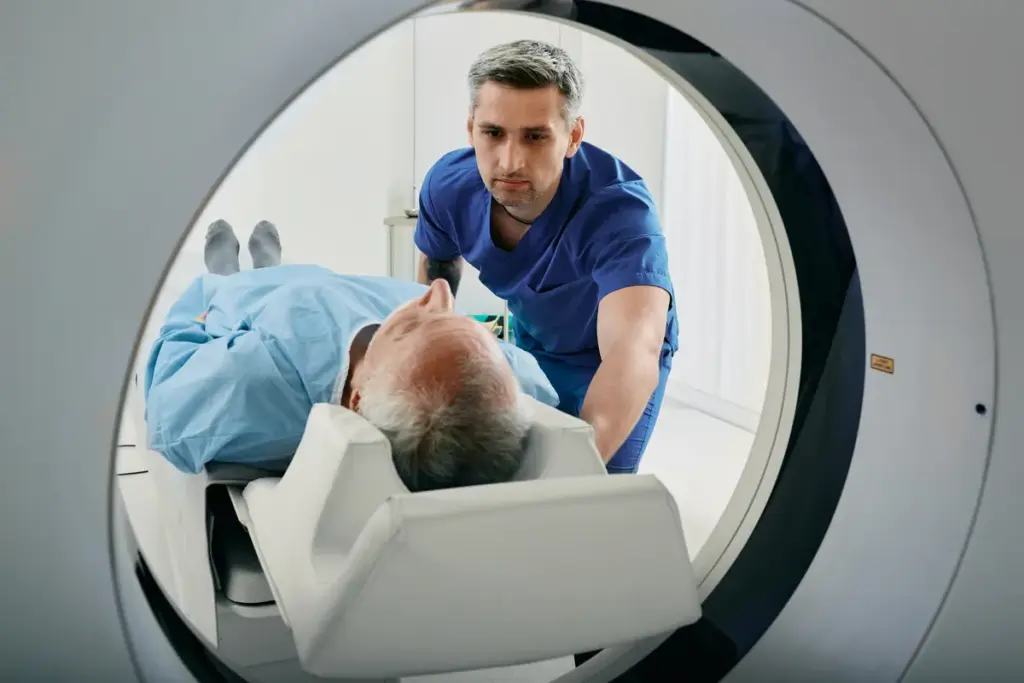
Cardiac MRI gives detailed images of the heart. It helps diagnose conditions like coronary artery disease and heart failure. This tool is key for cardiologists to understand heart disease in their patients.
Identifying Heart Disease
Cardiac MRI is vital in spotting heart disease, affecting millions globally. It shows the coronary arteries and finds blockages or issues. This info is key for treatment plans.
Heart specialists use Cardiac MRI to see how bad heart disease is. This helps them plan treatments like angioplasty or bypass surgery. The detailed images from Cardiac MRI are more accurate than other methods.
Assessing Cardiac Function
Cardiac MRI also checks the heart’s function. It looks at how well the heart pumps, the size and thickness of heart chambers, and overall output. This is important for diagnosing heart failure and cardiomyopathy.
By looking at cardiac function, specialists can see how severe the condition is. They can then plan the right treatment, like medication, lifestyle changes, or surgery, based on the patient’s needs.
Detecting Myocardial Scarring
Cardiac MRI can spot myocardial scarring, which often comes from heart attacks or other heart issues. Knowing the extent of scarring helps in planning treatment.
Scarring can harm the heart’s function. Cardiac MRI shows where and how much scarring there is. This lets cardiologists create a treatment plan that fits the patient’s needs, improving their life and health.
The Cardiac MRI Procedure Explained
The cardiac MRI procedure captures detailed images of the heart. It’s a non-invasive test that helps find and track heart problems.
Preparation for the Exam
Before the cardiac MRI, several steps are taken. Patients must remove metal objects like jewelry and glasses. This prevents the MRI machine from being disrupted.
We also ask patients to wear clothes without metal. And to arrive early to fill out paperwork. It’s important to tell our team about any medical implants or allergies you have.
- Remove all metal objects, including jewelry and glasses.
- Wear comfortable, metal-free clothing.
- Arrive early to complete paperwork.
- Inform our team about any medical implants or allergies.
What to Expect During the Scan
During the scan, you’ll lie on a table that moves into the MRI machine. It’s important to stay very quiet to get clear images.
Our MRI technologist will help you through it. They’ll explain everything and make sure you’re comfortable. You might get contrast dye to make the images better. The scan is painless, but you might hear loud noises.
- Lie on the movable table and slide into the MRI machine.
- Remain very quiet during the scan.
- Follow the MRI technologist’s instructions.
- Be prepared for loud noises during the scan.
Post-Procedure Guidelines
After the scan, you can usually go back to your normal activities. We will give you detailed instructions on what to do next.
If you got contrast dye, you might be watched for a bit. It’s important to follow our guidelines to stay safe and get accurate results.
- Resume normal activities unless instructed not to.
- Follow post-procedure guidelines provided by our team.
- Report any unusual symptoms or reactions.
Comparing Cardiac MRI to Other Imaging Tests
In cardiology, we have many imaging tests. Cardiac MRI, CT scans, and echocardiography are among them. Each has its own strengths and weaknesses. The right test depends on the situation.
Cardiac MRI stands out for its detailed heart images without radiation. This is great for patients needing many tests or who are worried about radiation.
Cardiac MRI vs. CT Scans
CT scans and Cardiac MRI both show the heart’s details. But they work differently. CT scans use X-rays, while Cardiac MRI uses magnetic fields and radio waves.
|
Characteristics |
Cardiac MRI |
CT Scans |
|---|---|---|
|
Imaging Technique |
Magnetic fields and radio waves |
X-rays |
|
Radiation Exposure |
No |
Yes |
|
Soft Tissue Detail |
Excellent |
Good |
The table shows Cardiac MRI’s strength in soft tissue detail without radiation. This makes it a top choice for some patients.
Cardiac MRI vs. Echocardiography
Echocardiography uses ultrasound to see the heart. It’s good for checking heart function and structure live. But, it can be limited by the person doing the test and the patient’s body.
“Cardiac MRI offers a more detailed look at the heart, which is key when echocardiography falls short.”
Cardiac MRI gives a deeper look at the heart. It’s very useful in complex cases or when more info is needed than echocardiography can give.
Choosing between Cardiac MRI, CT scans, and echocardiography depends on the question, the patient, and what’s available.
Risks and Limitations of Cardiac MRI
It’s important for patients and doctors to know about the risks and limits of Cardiac MRI. This test is very useful, but we must be careful. Knowing the risks helps us use it safely and effectively.
Safety Considerations
Cardiac MRI is mostly safe, but we need to watch out for some things. The strong magnetic field can affect some medical implants. Also, some people might feel scared because of the tight space in the MRI machine.
We check everyone before the test to find any problems. We also tell patients to tell us about any implants, allergies, or worries they have.
Limitations in Diagnosis
Cardiac MRI gives us clear pictures of the heart. But, it’s not perfect. Things like movement or metal objects can mess up the images. Also, it’s not good for people with very bad kidney disease because of the contrast agents.
The table below shows the main risks and limits of Cardiac MRI:
|
Risk/Limitation |
Description |
Mitigation Strategy |
|---|---|---|
|
Claustrophobia |
Fear of enclosed spaces |
Provide sedation or use open MRI machines when possible |
|
Allergic Reactions to Contrast Dye |
Adverse reactions to the contrast agent |
Use alternative contrast agents or premedicate patients with allergies |
|
Interactions with Medical Implants |
Potential for MRI to interfere with certain implants |
Screen patients for implants before the procedure |
In summary, Cardiac MRI is a great tool, but we must know its risks and limits. This knowledge helps us take care of patients better and make smart choices.
The Role of Contrast Agents in Cardiac MRI
In cardiac MRI, contrast agents help make diagnoses more accurate. They improve image quality, showing the heart’s structure and function in detail.
What are Contrast Agents?
Contrast agents are substances that make body structures or fluids stand out in medical images. In cardiac MRI, they highlight the heart’s anatomy. This makes diagnosing certain conditions easier.
There are many types of contrast agents, like gadolinium-based agents. These are often used in cardiac MRI. They are known for improving image quality.
“The use of contrast agents has significantly improved the diagnostic capabilities of cardiac MRI, enabling healthcare professionals to make more accurate diagnoses.”
Benefits of Using Contrast Agents
Using contrast agents in cardiac MRI has many benefits. It improves image quality, enhances diagnostic accuracy, and better shows the heart’s structures.
- Improved image quality: Contrast agents reduce image ambiguity, making it easier to spot abnormalities.
- Enhanced diagnostic accuracy: Clearer images help in making more accurate diagnoses.
- Better visualization: Contrast agents highlight specific heart areas, like the myocardium and blood vessels.
|
Benefits |
Description |
|---|---|
|
Improved Image Quality |
Enhances the clarity of cardiac MRI images |
|
Enhanced Diagnostic Accuracy |
Aids in making more accurate diagnoses of heart conditions |
|
Better Visualization |
Highlights specific areas of the heart, such as the myocardium and blood vessels |
At our cardiology office, we use the latest contrast agents and techniques. This ensures our patients get the most accurate diagnoses possible.
Interpreting Cardiac MRI Results
Getting your Cardiac MRI results is a big moment for your heart health. These results show a detailed view of your heart’s structure and function. They help doctors diagnose and manage heart conditions well.
Understanding the Report
Cardiac MRI results are checked by skilled cardiologists or radiologists. They look at the images for any oddities. The report will list the findings, like heart function, blood flow, and any heart problems.
Your healthcare provider will look at several important things in your Cardiac MRI results. These include:
- Ejection fraction, which shows how well your heart pumps blood
- Any scar tissue or fibrosis
- Heart structure issues, like valve problems or congenital defects
- Signs of ischemia or reduced blood flow to the heart muscle
Knowing these details is key to figuring out the best treatment for your heart.
Follow-Up Consultations
After getting your Cardiac MRI results, you need to see your cardiologist again. Your doctor will explain the findings, answer your questions, and plan any treatment or tests you might need.
Be ready for your consultation by:
- Writing down your questions and concerns
- Bringing any relevant medical records or previous test results
- Talking about your symptoms and any changes in your condition
This meeting is a chance to learn more about your heart health. It’s also a time to work with your healthcare team to create a care plan just for you.
Innovations and Advances in Cardiac MRI Technology
We are seeing big changes in cardiac MRI technology. These changes are making patient care better. They improve image quality and make diagnosis faster and more accurate.
Latest Techniques in Cardiac Imaging
New techniques in cardiac MRI are changing the game. Advanced cardiac imaging sequences give us clearer views of the heart. This helps doctors understand heart health better.
Artificial intelligence (AI) in cardiac MRI analysis is another big step. AI finds things in images that humans might miss. This makes diagnosis more accurate.
|
Technique |
Description |
Benefits |
|---|---|---|
|
Advanced Cardiac Imaging Sequences |
Provides detailed views of the heart’s structure and function |
Enhanced diagnostic accuracy, better assessment of cardiac health |
|
AI in Cardiac MRI Analysis |
Identifies patterns and anomalies in MRI images |
Improved diagnostic accuracy, early detection of possible problems |
Future Trends in Cardiac MRI
Cardiac MRI technology will keep getting better. We’ll see faster and more efficient scanning techniques. This means patients will spend less time in the MRI machine, making them more comfortable and saving money.
Another trend is the increased use of cardiac MRI in personalized medicine. It will help doctors create treatment plans that fit each patient’s needs. This could lead to better health outcomes.
- Faster scanning techniques to improve patient comfort and reduce costs
- Increased use of cardiac MRI in personalized medicine for tailored treatment plans
- Continued advancements in AI to further enhance diagnostic capabilities
As cardiac MRI technology gets better, we’ll see big improvements in heart care. These changes will help patients and give doctors better tools to manage heart health.
The Importance of Cardiac MRI in Heart Health
Cardiac MRI is key to keeping the heart healthy. It gives detailed pictures of the heart’s structure and how it works. This helps us watch the heart’s health over time, find problems early, and stop them from getting worse.
Monitoring Heart Health
Having regular cardiac MRI lets us see how the heart changes. This helps us act fast and improve how well patients do. It helps us catch problems early, which lowers the chance of heart disease.
Prevention through Regular Imaging
Regular imaging helps prevent problems by finding them early. This means we can treat them quickly and avoid serious issues. Our cardiology services, including MRI, help keep the heart healthy. If you’re worried about your heart, talk to our specialists. They can tell you more about how cardiac MRI helps.
FAQ
What is a cardiac MRI, and what is it used for?
A cardiac MRI is a non-invasive test that shows detailed images of the heart. It uses magnetic fields and radio waves. It helps diagnose and monitor heart conditions like coronary artery disease and heart failure.
How does a cardiac MRI work?
A cardiac MRI uses a strong magnetic field and radio waves to create images. You lie on a table that slides into a big machine. This machine takes pictures of your heart from different angles.
What are the benefits of using a cardiac MRI?
Cardiac MRI offers high-resolution images of the heart. It can diagnose many heart conditions and track disease changes. It’s also non-invasive, making it safe and comfortable for patients.
What conditions can be diagnosed with a cardiac MRI?
Cardiac MRI can spot heart conditions like coronary artery disease and heart failure. It can also find scarring and assess heart function. It detects abnormalities in the heart’s structure.
How do I prepare for a cardiac MRI?
To prepare, remove metal objects like jewelry and glasses. Wear loose, comfy clothes. You might need to list your medications and medical conditions.
What can I expect during a cardiac MRI scan?
During the scan, you lie on a table that slides into the machine. You’ll need to stay calm and hold your breath sometimes. The test is usually painless but might cause claustrophobia or discomfort.
Are there any risks or limitations associated with cardiac MRI?
Cardiac MRI is generally safe but has some risks. These include claustrophobia, allergic reactions to contrast agents, and limitations in diagnosing certain conditions.
What is the role of contrast agents in cardiac MRI?
Contrast agents improve MRI images. They highlight heart areas, helping diagnose conditions like coronary artery disease.
How do I understand my cardiac MRI results?
Understanding your results requires a doctor’s explanation. They’ll interpret the images and discuss any findings, diagnoses, or further steps.
How often should I have a cardiac MRI?
The frequency of MRI tests varies. It depends on your heart health and monitoring needs. Your doctor will decide the best schedule for you.
References
National Center for Biotechnology Information. Evidence-Based Medical Insight. Retrieved from https://pmc.ncbi.nlm.nih.gov/articles/PMC11606607/[1