

<image1>
Did you know over 1 million heart MRI procedures are done every year worldwide? They help diagnose and monitor heart conditions. Heart MRI gives us important insights into the heart’s health, spotting problems early.
Getting a heart MRI can make people nervous, even more so for those with an implantable cardioverter defibrillator (ICD). While it’s mostly safe, there are some MRI side effects to know about. In this article, we’ll look at the possible side effects of cardiac imaging with MRI.
Key Takeaways
- Heart MRI is a valuable diagnostic tool for identifying heart conditions.
- Patients with an ICD should inform their doctor before undergoing a heart MRI.
- Potential side effects of heart MRI include claustrophobia and allergic reactions to contrast agents.
- We will discuss the safety considerations for patients with implantable devices.
- Understanding the benefits and risks of heart MRI can help patients make informed decisions.
Understanding Cardiac MRI

A cardiac MRI is a non-invasive procedure used to diagnose heart conditions. It’s key for seeing how the heart works and its structure.
Definition and Purpose
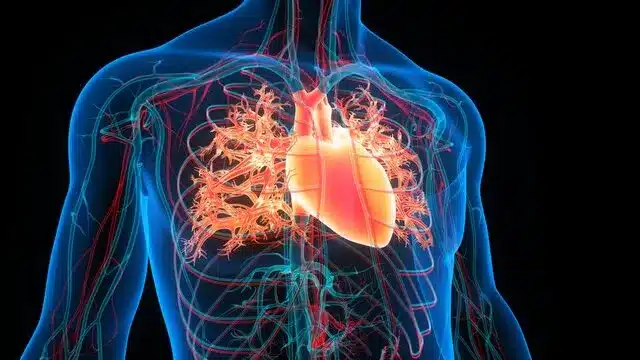
The cardiac MRI, or cardiac magnetic resonance imaging, uses a magnetic field and radio waves. It creates detailed images of the heart. Its main goal is to diagnose heart diseases, plan treatments, and track the heart’s health over time.
It’s very helpful for people with implantable cardioverter-defibrillators (ICDs). These devices control dangerous heart rhythms. But, some implants might make an MRI not safe, so patients need to be checked first.
How It Works
The MRI machine makes a strong magnetic field that aligns body protons. Radio waves then disturb these protons, creating signals. The MRI picks up these signals to make detailed heart images.
Here’s a quick look at how it happens:
- The patient lies on a table that slides into the MRI machine.
- The MRI machine generates a strong magnetic field.
- Radio waves are applied to create signals from the body’s protons.
- These signals are used to create detailed images of the heart.
|
Component |
Function |
|---|---|
|
Magnetic Field Generator |
Creates the strong magnetic field necessary for imaging. |
|
Radio Wave Transmitter |
Sends radio waves to disturb the protons in the body, generating signals. |
|
Signal Receiver |
Captures the signals emitted by the protons, which are then used to create images. |
|
Computer System |
Processes the signals to form detailed images of the heart. |
Knowing how a cardiac MRI works helps patients understand its role in heart care. It shows the advanced diagnostic tools available today.
Benefits of Cardiac MRI
Cardiac MRI gives us detailed images of the heart. It’s a key tool for diagnosing and managing heart issues. We use it to understand the heart’s structure and function.
Advantages of a Non-Surgical Approach
The benefits of Cardiac MRI include its non-invasive nature. This means no surgery or instruments are needed. It’s safer and more comfortable for patients.
Because it’s non-invasive, Cardiac MRI can be done often without risk. This helps in tracking heart conditions over time.
Comprehensive Cardiac Imaging
Cardiac MRI gives us detailed MRI results that are key for diagnosing the heart. It shows the heart’s anatomy clearly. This helps doctors see how well the heart is working and spot problems.
The detailed images from Cardiac MRI are very useful. They help in planning treatments, including surgery or other therapies.
|
Diagnostic Modality |
Non-Invasive |
Detail Level |
Radiation Exposure |
|---|---|---|---|
|
Cardiac MRI |
Yes |
High |
No |
|
Cardiac CT Scan |
Yes |
High |
Yes |
|
Echocardiography |
Yes |
Moderate |
No |
Common Side Effects of Cardiac MRI
Knowing about the side effects of Cardiac MRI can ease worries. This test is key for diagnosing heart issues. Yet, it’s important to know about the physical and mental effects it might cause.
Potential Physical Reactions
Physical reactions to Cardiac MRI can differ. Some common issues include feeling cold in the MRI room. Others might have allergic reactions to the dye used in some scans.
|
Physical Reaction |
Description |
Frequency |
|---|---|---|
|
Cold Environment Discomfort |
Feeling cold due to the MRI room temperature |
Common |
|
Allergic Reactions to Contrast |
Rash, itching, or other reactions to the contrast dye |
Less Common |
Psychological Effects
The mental impact of a Cardiac MRI is significant. Anxiety and claustrophobia are common. The MRI’s enclosed space can cause panic or discomfort.
To lessen these effects, many places use open MRI machines or wider bores. They also offer sedation and communication through intercoms to ease anxiety.
|
Psychological Effect |
Mitigation Strategy |
|---|---|
|
Claustrophobia |
Open MRI machines, sedation |
|
Anxiety |
Communication with MRI staff, sedation |
Rare Side Effects of Cardiac MRI
Cardiac MRI is usually safe, but there are rare side effects to know about. These can be serious and it’s important to understand them. This knowledge helps keep patients safe and makes informed choices.
Allergic Reactions to Contrast
One rare but serious side effect is an allergic reaction to the contrast used. The contrast, often gadolinium-based, is usually safe. But, some people might have an allergic reaction. This can range from mild symptoms like hives to severe anaphylaxis. It’s key for patients to tell their doctor about any allergies before a Cardiac MRI.
“The American College of Radiology says allergic reactions to gadolinium-based contrast agents are rare. They happen in about 0.1% to 0.2% of cases.”
Claustrophobia Concerns
Claustrophobia, or fear of enclosed spaces, is another rare side effect. The MRI machine’s design can trigger or worsen claustrophobia. For those who fear tight spaces, this can be a big worry. To help, some MRI places offer open machines or sedation to relax patients.
- Open MRI machines offer more space, reducing claustrophobic reactions.
- Conscious sedation helps patients relax and feel calm during the MRI.
Even though these side effects are rare, knowing about them is important. Talking to your healthcare provider about any fears or allergies before the MRI is vital.
Comparing Cardiac MRI with Other Imaging Techniques
Choosing the right imaging method for heart conditions is key. Cardiac MRI, CT scans, and echocardiography are all options. Each has its own benefits and drawbacks, depending on the patient’s needs and the diagnostic goal.
Cardiac CT Scan
A cardiac CT scan uses X-rays to show the heart’s details. It’s great for spotting calcium in arteries and checking for heart disease. CT scans are quicker and can be used in emergencies. But, they use radiation and don’t show soft tissues as well as MRI.
Key differences between Cardiac MRI and CT scans include:
- No radiation exposure with cardiac MRI
- Better soft tissue characterization with cardiac MRI
- Faster procedure time with CT scans
Echocardiography
Echocardiography, or echo, uses sound waves to image the heart. It’s widely available and shows heart function and structure in real-time. Echo is great for checking valves and spotting some heart issues. But, it might not be as detailed as MRI for complex heart problems.
The choice between echocardiography and cardiac MRI often depends on the specific diagnostic question being asked. For detailed heart structure and function, MRI is often better. It’s also used for certain heart condition assessments.
In summary, cardiac MRI, CT scans, and echocardiography are all useful for diagnosing heart issues. Each has its own strengths for different situations. Knowing these differences helps choose the best imaging method for a patient.
Preparing for a Cardiac MRI
Getting ready for a cardiac MRI involves several steps. We’ll help you understand what to do before and during the scan. Knowing what to expect can help you feel more at ease.
Pre-Procedure Instructions
Before your cardiac MRI, there are important steps to take. Tell your doctor about any metal implants, like pacemakers or ICDs. Also, talk about any allergies to contrast agents.
You might need to follow a special diet or adjust your medications. It’s important to follow these instructions to get the best results from your scan.
What to Expect on the Day
On the day of your MRI, arrive a little early. You’ll need to fill out paperwork and change into a gown. Then, you’ll go to the MRI suite for a detailed explanation.
“The key to a successful cardiac MRI is preparation and understanding. By knowing what to expect, patients can significantly reduce their anxiety and ensure a smoother experience.” –
Expert in Radiology
During the scan, you’ll lie on a table that moves into the MRI machine. The procedure is usually painless, but you might feel some discomfort from lying there for a long time. You can talk to the MRI staff through an intercom.
Having someone with you can be helpful. Make sure you have all your documents and information ready.
- Confirm the time and location of your cardiac MRI.
- Bring any relevant medical records or previous imaging results.
- Wear comfortable, metal-free clothing.
By following these tips, you can make your cardiac MRI as easy as possible. If you have any questions or concerns, talk to your healthcare provider.
During the Cardiac MRI Procedure
A cardiac MRI is a non-invasive test that shows the heart’s structure and function. We want to make this experience comfortable and informed for you.
The Experience Inside the MRI Machine
During a cardiac MRI, you’ll lie on a table that moves into the MRI machine. The machine is a big, cylindrical tube. It uses a magnetic field and radio waves to create detailed images of your heart.
You might hear loud tapping or knocking sounds during the test. We provide earplugs or headphones to make it more comfortable. Inside the machine, you can talk to the MRI technologist through an intercom system. It’s important to stay very quiet and not move during the imaging.
You might need to hold your breath for short times, depending on the test.
Duration of the Procedure
A cardiac MRI usually takes between 30 to 90 minutes. The exact time depends on the images needed and if a contrast agent is used. If you’re getting a cardiac MRI with contrast, it might take longer.
|
Procedure Aspect |
Description |
Duration/Details |
|---|---|---|
|
Preparation Time |
Time taken before the procedure starts |
15-30 minutes |
|
Imaging Time |
Actual time inside the MRI machine |
30-90 minutes |
|
Contrast Administration |
Use of contrast agent during the procedure |
Additional 10-15 minutes |
|
Total Time |
Overall duration including preparation and imaging |
45-120 minutes |
Knowing what to expect during a cardiac MRI can help reduce anxiety. We aim to make this process as smooth and comfortable as possible. This ensures you get the care you need.
Post-Procedure Considerations
After your cardiac MRI, there’s more to do. We’ll help you understand what comes next. This includes recovery time and making sense of your results.
Recovery Time and Follow-Up
Most people can go back to their usual activities right after a cardiac MRI. But, if you got a contrast agent, rest for a bit. It might make you feel dizzy or nauseous.
- Follow-Up Appointments: Your doctor will want to see you again to talk about your MRI. This meeting is key to figuring out what’s next for your health.
- Understanding Your Results: Your MRI will show detailed pictures of your heart. We’ll explain what these pictures mean, including any issues they might show.
Understanding Your Results
Your cardiac MRI results are very important. They help doctors understand your heart health. Here’s what you need to know:
|
Result Type |
Description |
Implications |
|---|---|---|
|
Normal |
Your heart looks and works like it should. |
Just keep up with regular check-ups. |
|
Abnormalities |
There might be scars, irregular heartbeats, or other problems. |
You might need more tests or treatment. |
|
Detailed Imaging |
It shows a detailed view of your heart’s shape and how it works. |
This helps doctors diagnose and plan treatment. |
In the table above, we explain the different results you could get from your cardiac MRI. We cover what each result means and why it’s important.
Frequently Asked Questions
It’s important to know if cardiac MRI is safe, mainly for those with pacemakers or implants. We’ll answer common questions about its safety and how it works with different implants.
Safety of Cardiac MRI
Cardiac MRI safety is a big worry for both patients and doctors. Most people can safely get a cardiac MRI. But, some conditions and implants might make it riskier.
One big worry is how the MRI’s strong magnetic field affects metal implants or devices. We check patients with these implants carefully before they get a cardiac MRI.
Key Safety Considerations:
- Presence of ferromagnetic materials in the body
- Type and model of pacemakers or implantable cardioverter-defibrillators (ICDs)
- Other implants such as artificial joints or surgical clips
Impact on Pacemakers and Implants
The effect of MRI on pacemakers and implants is a big concern. Old pacemakers often couldn’t be used near MRI machines. But, newer devices are more likely to be safe for MRI.
It’s key to remember that not all pacemakers or ICDs are the same. Whether they can safely go through an MRI depends on their design and the maker’s rules.
|
Device Type |
Potential MRI Interaction |
Precautions |
|---|---|---|
|
Traditional Pacemakers |
Risk of heating, movement, or malfunction |
Careful screening, monitoring during MRI |
|
Modern MRI-Compatible Pacemakers |
Minimal to no significant interaction |
Manufacturer’s guidelines, monitoring |
|
ICDs and AICDs |
Varying levels of compatibility; possible inappropriate therapy |
Device-specific assessment, programming adjustments |
“The safety of patients with cardiac implants undergoing MRI procedures has significantly improved with advancements in device technology and MRI techniques.”
— Cardiologist
Always talk to your doctor before getting a cardiac MRI, if you have a pacemaker or implant. They can tell you if it’s safe for you.
When to Consult Your Doctor
After a cardiac MRI, it’s key to watch your health closely. Know when to see your doctor. Look out for any unusual signs or symptoms that might mean you need medical help.
Monitoring for Adverse Reactions
Watch for signs like dizziness or allergic reactions to the contrast dye. Also, be aware of any changes in your heart rhythm. If you notice these symptoms, get medical help right away. It’s also important to have a full check-up with your doctor after the MRI.
Importance of Long-Term Monitoring
If you have an ICD or pacemaker, regular checks are a must. They help make sure your device is working right. Schedule regular visits with your doctor to keep an eye on your heart health and adjust your treatment if needed.
Being careful about your health and following up with your doctor is important. This way, you can get the best care after a cardiac MRI. If you’re unsure about anything, always talk to your doctor. They can guide you on monitoring your heart health long-term.
FAQ
What is a cardiac MRI, and how does it work?
A cardiac MRI is a test that shows the heart’s details without surgery. It uses strong magnetic fields and radio waves. These tools align hydrogen atoms in the body and create images.
What are the benefits of having a cardiac MRI?
A cardiac MRI is safe and shows the heart’s details clearly. It doesn’t use harmful radiation. This makes it great for checking heart health.
Are there any side effects associated with cardiac MRI?
Side effects of a cardiac MRI are usually mild. You might feel claustrophobic or uncomfortable. Some people get headaches or feel dizzy.
Can I have a cardiac MRI if I have a pacemaker or implant?
Having a cardiac MRI with a pacemaker or implant is safe if it’s MRI-compatible. Always tell your doctor about any devices you have.
How do I prepare for a cardiac MRI?
To prepare, remove metal objects and avoid eating or drinking. Tell your doctor about any medical conditions or implants. You might get instructions on your medications.
What can I expect during the cardiac MRI procedure?
During the MRI, you’ll lie on a table in the MRI machine. Stay very quiet for 30 minutes to several hours. You might get instructions on breathing.
How long does it take to recover from a cardiac MRI?
Recovery from a cardiac MRI is quick. You can go back to normal activities right away, unless your doctor says not to.
When will I receive the results of my cardiac MRI?
A radiologist will analyze your MRI and send the results to your doctor. You’ll usually hear back in a few days to a week.
What should I watch for after having a cardiac MRI?
Watch for pain, swelling, or redness after the MRI. Tell your doctor if you notice anything unusual. Follow up with your doctor as advised.
Are there any long-term risks or monitoring needs after a cardiac MRI?
Cardiac MRI is generally safe, with no long-term risks. But your doctor might suggest ongoing monitoring based on your heart condition.
Reference
National Center for Biotechnology Information. Evidence-Based Medical Insight. Retrieved from https://www.ncbi.nlm.nih.gov/pmc/articles/PMC2697934/



 Departments
 Related Videos
 Our Doctors
 News
News