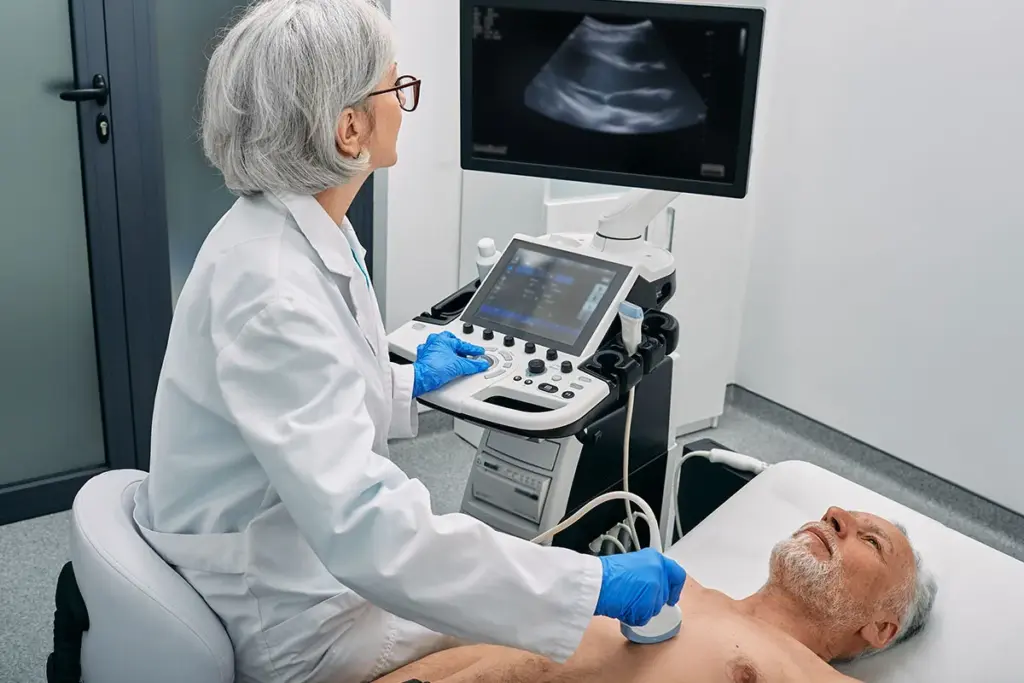
Did you know over 1 million cardiac MRI tests are done every year in the U.S.? Understanding how to choose the right attire is essential for ensuring a positive experience. A cardiac MRI is a test that looks at the heart without surgery. Getting ready right is important for clear pictures. What to wear for a cardiac MRI? Discover best comfortable clothing tips. Ensure a safe and easy experience without any dangerous metal risks.
We’ll show you how to get ready for a cardiac MRI. We’ll talk about clothes that are comfy and right for the test. Our aim is to help you understand everything, making the test easier.
Key Takeaways
- Understand the importance of wearing comfortable, metal-free clothing for a cardiac MRI.
- Learn how to prepare your clothing and personal items for the procedure.
- Discover what to expect during the cardiac MRI process.
- Find out how to minimize delays and ensure a smooth experience.
- Get tips on maintaining comfort during the procedure.
Understanding Cardiac MRI Basics

It’s important for patients to know about Cardiac MRI basics. Cardiac MRI, or Magnetic Resonance Imaging, is a detailed imaging method. It shows the heart’s structure and how it works.
What is a Cardiac MRI?
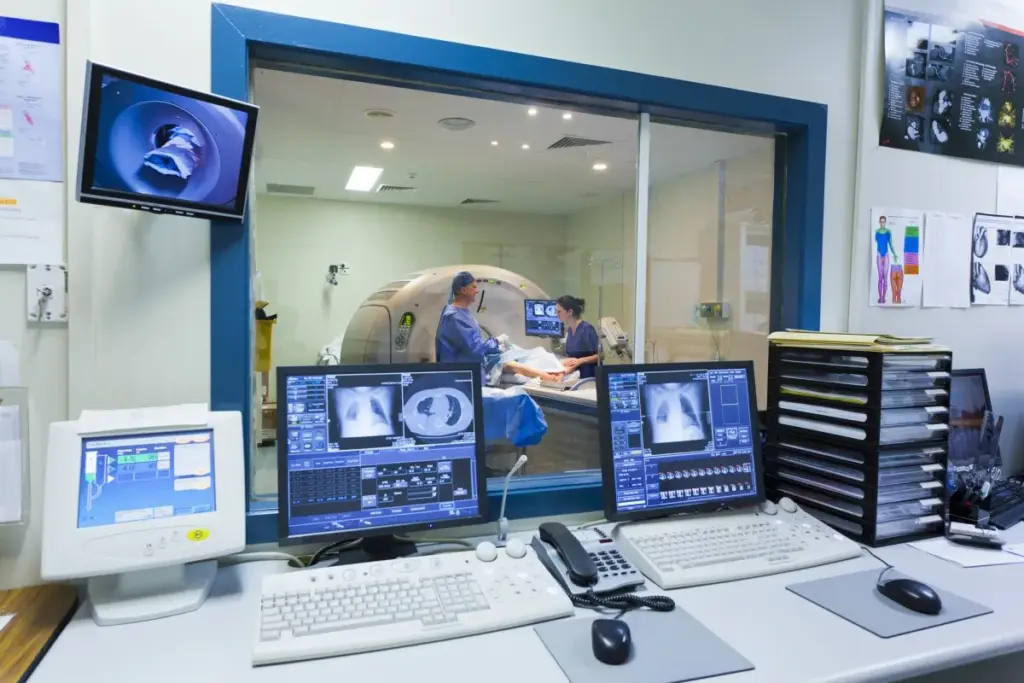
A Cardiac MRI is a non-invasive test. It uses strong magnetic fields and radio waves to create heart images. Doctors use it to find and track heart problems like coronary artery disease and heart failure.
Why is Cardiac MRI Performed?
Cardiac MRI is done for many reasons. It checks the heart’s shape and how well it works. It also helps figure out how bad heart disease is and plan treatments. It’s used to see if treatments are working and spot any problems early.
Benefits of Cardiac MRI
Cardiac MRI has many benefits. It’s non-invasive and gives clear images of the heart. It’s also safe because it doesn’t use harmful radiation.
Here is a summary of the key benefits and aspects of Cardiac MRI in the table below:
|
Aspect |
Description |
Benefit |
|---|---|---|
|
Non-invasive |
No surgery or insertion of instruments into the body |
Reduces risk of complications |
|
High-resolution images |
Detailed pictures of the heart’s structure and function |
Accurate diagnosis and monitoring |
|
No ionizing radiation |
Uses magnetic fields and radio waves instead of X-rays |
Safer for patients, specially for repeated tests |
Preparing for Your Cardiac MRI Appointment
Getting ready for a cardiac MRI is important. It makes sure your experience is smooth and effective. Being well-prepared can greatly improve your procedure’s success.
Importance of Preparation
Preparation is key for a successful cardiac MRI. By following your healthcare team’s instructions, you help get clear images. Proper preparation can reduce the need for repeat scans, saving time and avoiding delays.
Arriving on time is also critical. We suggest arriving at least 30 minutes early. This allows time to fill out paperwork and get settled.
Patient Instructions Before the Procedure
Before your cardiac MRI, there are important steps to take. These include:
- Removing any metal objects, such as jewelry, glasses, or clothing with metal parts
- Informing your healthcare team about any medical implants, such as pacemakers or artificial joints
- Disclosing any claustrophobia or anxiety concerns
- Following any specific dietary instructions, if applicable
Also, bring any relevant medical records or documents. This includes previous MRI or CT scans, medical history, and a list of your current medications.
|
Pre-Procedure Requirement |
Description |
|---|---|
|
Arrival Time |
Arrive at least 30 minutes before your scheduled appointment |
|
Metal Objects |
Remove jewelry, glasses, and clothing with metal parts |
|
Medical Records |
Bring previous MRI or CT scans, medical history, and current medications list |
By following these instructions and arriving prepared, you ensure a successful cardiac MRI. This helps your healthcare team get the diagnostic information they need.
Appropriate Clothing for Cardiac MRI
The clothes you wear for a cardiac MRI matter a lot. They affect how comfortable you are and how well the test goes. It’s important to pick clothes that are comfy and work with the MRI tech.
Recommended Attire for Patients
Patients should wear loose clothes without metal parts. Loose clothes make you comfy during the test, which can take 30 to 90 minutes. Metal parts, like zippers and buttons, can mess with the MRI machine.
Choose clothes that let you move easily. You’ll lie on an MRI table and might need to move as the tech tells you. Wearing comfy clothes can lower your stress and make the test better.
Fabrics to Avoid
Some fabrics can be uncomfortable or mess with the MRI images. We tell patients to stay away from clothes with metal or lots of metal parts.
- Clothing with metallic threads or glitter
- Garments with metal buttons or zippers
- Fabric that is too tight or constricting
Staying away from these fabrics and clothes helps your MRI go well. You might also get a hospital gown to wear, which is safe for MRI.
|
Clothing Item |
Recommended |
Not Recommended |
|---|---|---|
|
Shirts/Tops |
Loose-fitting, metal-free |
Tight, with metal buttons or zippers |
|
Pants |
Comfortable, without metal fasteners |
Tight or with metal zippers |
|
Footwear |
Comfortable shoes or socks |
Shoes with metal parts |
Personal Items and Jewelry Guidelines
When getting ready for a Cardiac MRI, think about what to wear and what not to bring. The MRI needs a safe space, and some items can get in the way.
What to Leave at Home
For a smooth MRI, leave some personal items behind. This includes jewelry, watches, and other metal objects that could be affected by the MRI’s strong magnetic field.
Here are some items to avoid:
- Necklaces and earrings
- Rings and watches
- Metal clasps and hairpins
Managing Medical Devices and Implants
If you have medical devices or implants, like pacemakers or artificial joints, tell your doctor first. Some devices might not work with the MRI, and you might need special care or other tests.
|
Item |
Compatible with Cardiac MRI? |
Action Required |
|---|---|---|
|
Jewelry |
No |
Remove before procedure |
|
Watches |
No |
Remove before procedure |
|
Pacemakers |
Check with manufacturer |
Inform healthcare provider |
|
Artificial Joints |
Usually Yes, but check |
Inform healthcare provider |
Gaining Comfort During the MRI
Being comfortable during a cardiac MRI makes the experience better and helps get clear images. It can be hard to stay calm for a long time. So, here are some tips to make your MRI as comfortable as it can be.
Tips for Relaxation
Relaxation is key for a good cardiac MRI. Here are some ways to relax:
- Breathing Exercises: Deep, controlled breathing can help calm your nerves.
- Listening to Music: Many MRI facilities allow you to listen to music during the procedure.
- Visualization: Imagine yourself in a peaceful, relaxing environment.
- Progressive Muscle Relaxation: Tense and then relax different muscle groups in your body.
One patient said, “The more relaxed I was, the easier it was to stay in place during the MRI.” Relaxation techniques can really improve your MRI experience.
|
Relaxation Technique |
Description |
Benefit |
|---|---|---|
|
Deep Breathing |
Slow, deep breaths |
Reduces anxiety |
|
Music Therapy |
Listening to calming music |
Distracts from discomfort |
|
Visualization |
Imagining a peaceful place |
Calms the mind |
Communicating with Your Technician
Talking to your MRI technician is very important. Tell them about any discomfort or worries you have before or during the test. They can help, adjust the equipment, or offer support to make you more comfortable.
Here are some things to talk about with your technician:
- Any claustrophobia or anxiety you may experience.
- Discomfort or pain you’re feeling during the procedure.
- Any need for adjustments in the MRI machine’s positioning.
Working together with your technician can make your cardiac MRI experience smoother and more comfortable.
Children and Cardiac MRI Attire
Cardiac MRI for kids needs special care, including their clothes and how they’re prepared. It’s key to make sure they’re comfy and ready for the test. This helps lower their stress and anxiety.
Pediatric Patient Guidelines
Kids should wear comfy, loose clothes without metal. Parents should pick simple outfits that are easy to take off. This makes getting ready for the MRI easier.
It’s important to explain the test in a way kids can get. This helps them feel less scared. We suggest parents or guardians be there to support their child during this time.
Ensuring Comfort for Young Patients
We give earplugs or headphones to block out the MRI noise. We also let a parent or guardian stay in the MRI room. This helps keep the child calm.
For the youngest kids, sedation might be needed. We talk about this with parents or guardians first. Our team is trained to care for kids gently and with understanding.
|
Age Group |
Recommended Attire |
Comfort Measures |
|---|---|---|
|
Infants (0-2 years) |
Simple onesies without metal |
Sedation (if necessary), swaddling |
|
Toddlers (2-4 years) |
Loose-fitting clothes, easy to remove |
Parental presence, earplugs/headphones |
|
Children (5+ years) |
Comfortable clothes, no metal |
Explanation of procedure, earplugs/headphones |
By following these tips and focusing on comfort, we aim to make the cardiac MRI less scary for kids and their families.
Cardiac Catheterization and Cardiac MRI
Cardiac catheterization and cardiac MRI are key in diagnosing heart issues. Cardiac catheterization uses a catheter to check or treat heart problems. Cardiac MRI gives detailed images of the heart’s structure and function. Knowing how these tools work together is important for heart exams.
Understanding Cardiac Catheterization
Cardiac catheterization involves putting a thin tube into a blood vessel. It’s done to diagnose and sometimes treat heart issues. The tube can inject dye into arteries to show blockages or problems on an X-ray.
Key aspects of cardiac catheterization include:
- Diagnosing coronary artery disease
- Checking the heart’s chambers and valves
- Performing angioplasty or stenting to open blocked arteries
Relation to Cardiac MRI
Cardiac catheterization lets doctors directly see the heart’s inner workings. Cardiac MRI, on the other hand, is a non-invasive way to see the heart’s details. It can show the heart’s shape, blood flow, and any damage. Together, they give a full picture of heart health.
|
Diagnostic Tool |
Purpose |
Benefits |
|---|---|---|
|
Cardiac Catheterization |
Diagnose and treat heart conditions directly |
Can be used for angioplasty or stenting, provides real-time data |
|
Cardiac MRI |
Non-invasive imaging of the heart |
Detailed images of heart structure and function, no radiation |
Alternatives for Patients with Claustrophobia
We know that claustrophobia can make medical imaging tough. So, we’re looking into other options for Cardiac MRI.
Open MRI Options
Traditional closed MRI machines can be scary for those with claustrophobia. Open MRI machines are a better choice. They offer a bigger, less tight space.
These machines have a design that lets patients feel less trapped. Not all places have them, but they’re getting more common.
|
Feature |
Traditional MRI |
Open MRI |
|---|---|---|
|
Design |
Closed tube |
Open design |
|
Patient Comfort |
May cause claustrophobia |
More spacious, less confining |
|
Availability |
Widely available |
Increasingly available |
Pre-Procedure Techniques to Manage Anxiety
It’s key to manage anxiety before a Cardiac MRI, for those with claustrophobia. There are ways to ease worries and make the test more comfortable.
- Breathing Exercises: Simple breathing can calm nerves.
- Relaxation Techniques: Like progressive muscle relaxation, can lower stress.
- Communication: Telling your technician about your claustrophobia can get extra help during the test.
By trying these options and methods, patients with claustrophobia can find Cardiac MRI easier and more comfortable.
Understanding MRI Gown Use
Wearing MRI gowns during a Cardiac MRI is a common practice. It ensures safety and comfort. These gowns are made to work with MRI machines’ strong magnetic fields. This reduces the risk of any bad reactions or problems.
Hospital Provided Gowns
Hospitals usually give MRI gowns to patients. These gowns are safe for MRI environments. They are made to be comfy and to lower risks from the MRI’s magnetic field.
Wearing a hospital gown can make patients feel more relaxed during the procedure. Our facilities make sure these gowns are clean and comfy.
When to Wear a Gown vs. Your Clothes
There are times when you must wear a gown, and times when you can keep your clothes on. For a Cardiac MRI, you’ll likely need to wear a hospital gown. This is to avoid any interference from your clothes.
Whether to wear a gown or your clothes depends on several things. This includes what you’re wearing and the MRI procedure’s needs. For example, clothes with metal or certain fabrics might not be good for an MRI.
|
Clothing Type |
Suitability for MRI |
Recommendation |
|---|---|---|
|
Clothing with metal parts (zippers, buttons) |
No |
Wear a hospital gown |
|
Cotton or synthetic fabrics without metal |
Yes, but depends on the MRI center’s policy |
Check with the MRI center |
|
Clothing with magnetic or electronic components |
No |
Wear a hospital gown |
Always listen to your healthcare provider or the MRI center about what to wear for your Cardiac MRI. They can give advice based on your needs and the procedure’s needs.
Post-Examination Attire Considerations
After your cardiac MRI, you can usually go back to wearing what you like. We know you might wonder about what to wear and how to get back to normal after the test.
Changes in Attire Post-MRI
After the MRI, you can change into your regular clothes unless told not to by your doctor. You don’t need to keep wearing a hospital gown or special MRI clothes.
Always listen to what your healthcare team says about what to wear after the test. Usually, you can go back to wearing what you normally do right after the test.
What to Expect After the Procedure
After your cardiac MRI, you can usually go back to doing what you normally do. You can wear your usual clothes. Most people don’t have any problems after the test.
Here are some things you might expect after the test:
- You can usually go back to normal activities right away.
- There’s usually no need to wait to change your clothes.
- Always follow any special instructions from your doctor.
If you had a cardiac catheterization and then a cardiac MRI, it’s important to follow your doctor’s specific recovery instructions. The recovery process might be different.
|
Procedure |
Typical Recovery Attire |
Special Instructions |
|---|---|---|
|
Cardiac MRI |
Resume normal attire |
None typically required |
|
Cardiac Catheterization |
May require specific post-procedure attire |
Follow healthcare provider’s instructions |
We suggest talking to your doctor for advice on what to wear and how to recover after the test. Your comfort and safety are our main concerns.
“The key to a smooth recovery is following the post-procedure instructions provided by your healthcare team.”
Medical Professional
Frequently Asked Questions About Cardiac MRI Attire
Patients often wonder what to wear for a cardiac MRI. They also ask how to prepare for the procedure. We answer some common questions and offer tips for a smooth experience.
Common Concerns and Practical Advice
When getting ready for a cardiac MRI, wear comfortable, loose clothes without metal parts. Avoid clothes with metal, like zippers or buttons, as they can mess with the MRI machine. For those having a heart cath, wearing loose clothes can make things easier.
Tips for a Stress-Free Experience
To have a stress-free MRI, arrive early to fill out paperwork. Tell your doctor about any medical implants or devices you have. These tips can help make your procedure a success. If you’ve had a heart cath, following these tips can help with recovery.
FAQ
What is a cardiac MRI, and what is it used for?
A cardiac MRI is a non-invasive test that uses strong magnetic fields and radio waves. It creates detailed images of the heart. It helps diagnose and monitor heart conditions like coronary artery disease and heart failure.
How long does a cardiac MRI take?
A cardiac MRI usually takes between 30 to 90 minutes. The exact time depends on the test’s complexity.
What should I wear for a cardiac MRI?
Wear loose, comfortable clothing made of breathable fabrics like cotton. Avoid clothes with metal parts, like zippers or buttons, as they can interfere with the MRI machine.
Can I wear jewelry during a cardiac MRI?
No, remove all jewelry before a cardiac MRI. This includes watches, necklaces, and earrings. They can cause artifacts or be affected by the strong magnetic field.
What if I have a medical implant or device?
If you have a medical implant or device, tell your doctor or the MRI technician before the test. They will check if it’s safe for you to have a cardiac MRI.
How can I manage claustrophobia during a cardiac MRI?
If you have claustrophobia, consider an open MRI machine. Or talk to your doctor about relaxation techniques, like deep breathing or sedation.
What is a heart catheterization procedure?
A heart catheterization is a minimally invasive procedure. It involves inserting a catheter into an artery in the leg or arm. The catheter is guided to the heart to diagnose and treat various heart conditions.
How long does a heart cath procedure take?
A heart cath procedure usually takes between 30 to 60 minutes. It may take longer if interventions are performed.
What are the risks associated with cardiac catheterization?
Cardiac catheterization is generally safe but carries risks. These include bleeding, infection, and damage to the blood vessels or heart. Your doctor will discuss the risks and benefits with you.
What should I expect after a cardiac MRI?
After a cardiac MRI, you can usually resume your normal activities. Your doctor will discuss the results with you. They may recommend further testing or treatment.
Can children undergo cardiac MRI?
Yes, children can undergo cardiac MRI. We provide guidelines for pediatric patients to ensure their comfort and safety during the procedure.
Do I need to wear an MRI gown?
You may need to wear an MRI gown, depending on your clothing and medical implants. The MRI technician will advise you on what to wear.
National Center for Biotechnology Information. Evidence-Based Medical Insight. Retrieved from https://pubmed.ncbi.nlm.nih.gov/30819340/