

Nearly 1 in 5 American adults live with heart disease. This makes heart health very important. For those with heart conditions or who have had heart surgery, a heart health program is key to recovery cardiac rehab.
Recovering from heart surgery or a heart condition is tough. That’s why cardiac rehabilitation programs exist. They offer a full approach, including exercise, nutrition advice, and mental support.
These programs aim to boost heart health and lower future heart risks. They help patients live a healthier life. So, is cardiac rehab worth it? The answer depends on its benefits and how it meets individual health goals.
Key Takeaways
- Cardiac rehabilitation is a medically supervised program.
- It includes exercise training, nutritional counseling, and psychological support.
- The program aims to improve cardiovascular health.
- It helps reduce the risk of future heart problems.
- Cardiac rehab supports patients in achieving a healthier lifestyle.
What Is Cardiac Rehabilitation?
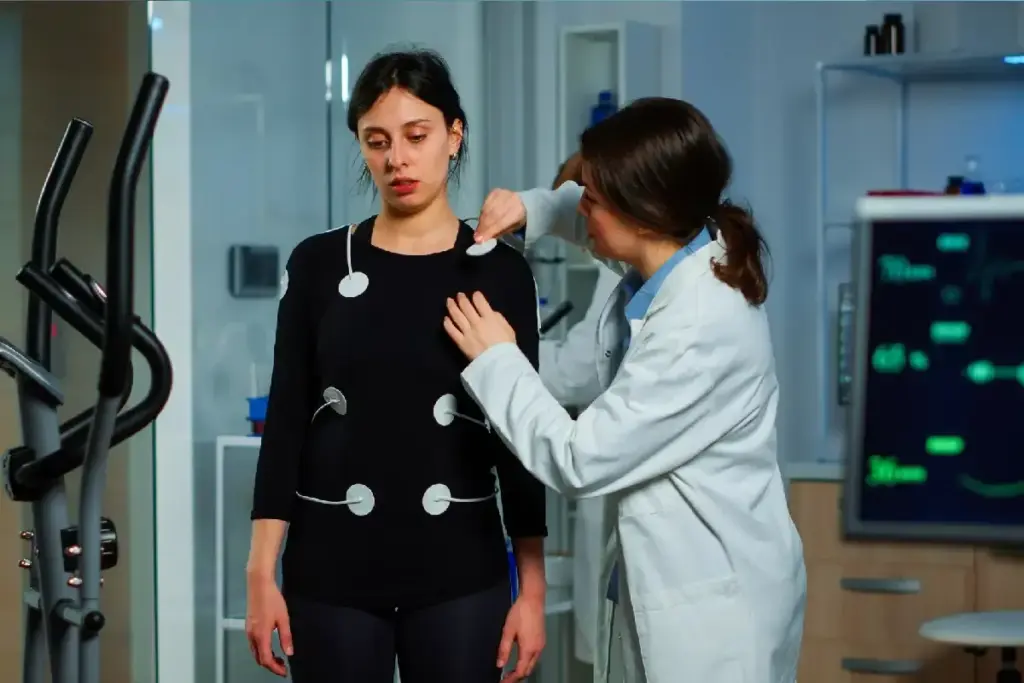
Cardiac rehabilitation has grown to include more than just exercise. It now covers education and counseling too. It’s a program for those who have had heart issues or surgery. It aims to improve heart health under medical supervision.
Definition and Core Objectives
Cardiac rehabilitation is a detailed program. It includes exercise, education on heart health, and stress counseling. Its main goals are:
- To help patients recover from heart conditions or surgeries
- To improve overall health and well-being
- To reduce the risk of future heart problems
This program is vital for those with heart disease. It helps them live better lives.
The Multidisciplinary Approach
Cardiac rehabilitation is known for its team effort. It brings together many healthcare experts. This team includes:
|
Professional |
Role in Cardiac Rehabilitation |
|---|---|
|
Cardiologists |
Provide medical oversight and guidance |
|
Nurses |
Offer patient education and support |
|
Exercise Physiologists |
Design and supervise exercise programs |
|
Dietitians |
Provide nutritional counseling |
This team creates a plan tailored to each patient. They focus on the patient’s specific needs and goals.
With the help of many experts, cardiac rehabilitation offers full care. It meets patients’ physical, emotional, and educational needs.
Who Benefits From Cardiac Rehab?
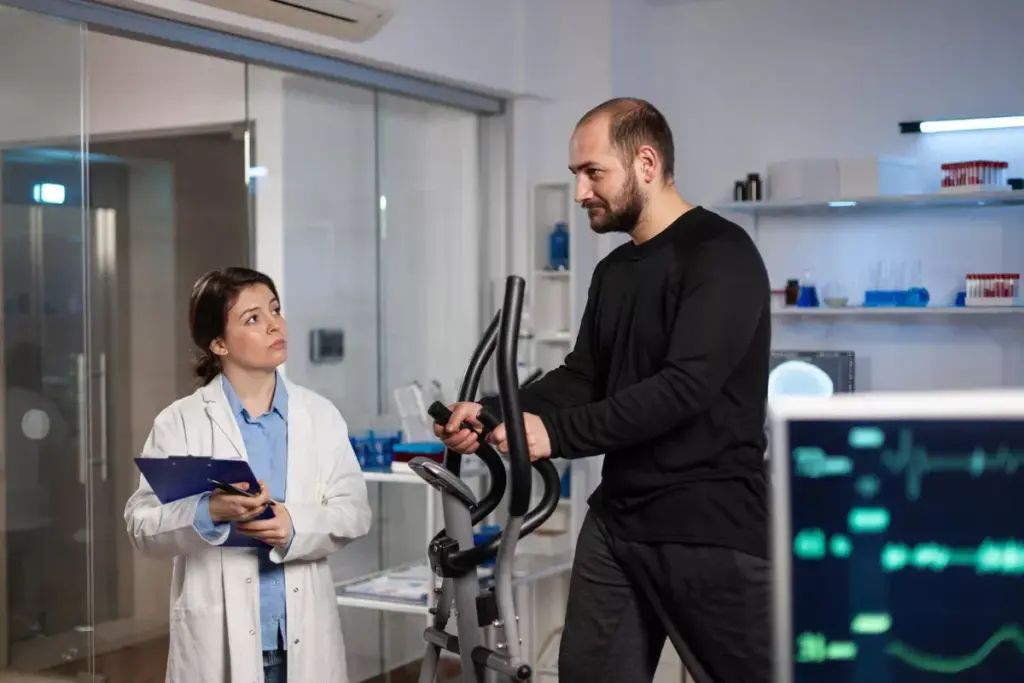
Many people can benefit from cardiac rehab. This includes those who have had a heart attack or undergone heart surgery. It’s a program designed to help individuals recover from heart-related health issues.
Post-Heart Attack Recovery
For those who have had a heart attack, cardiac rehab is key. It helps regain strength and improve heart health. It also reduces the risk of future heart problems.
A healthcare professional says, “Cardiac rehab is a game-changer for post-heart attack patients. It offers a structured path to recovery and a healthier lifestyle.”
Post-Surgical Candidates
Patients who have had heart surgery, like CABG or heart transplant, also benefit. The program aids in healing and improves physical function. It helps manage symptoms too.
Supervised exercise and education are key components that support a successful recovery.
Chronic Heart Condition Management
Those with chronic heart conditions, like heart failure or angina, can also benefit. The program includes nutritional counseling, stress management, and exercise training. These are all important for maintaining heart health and improving quality of life.
A cardiac rehabilitation specialist says, “The multidisciplinary approach of cardiac rehab addresses not just the physical aspects of heart health. It also addresses emotional and educational needs, making it a holistic recovery solution.”
The Cardiac Rehab Process
Cardiac rehab is a structured program that starts with an initial assessment. Then, a personalized plan is made. This approach helps patients recover from heart issues or surgeries. It aims to improve their health and well-being.
Initial Assessment and Evaluation
The journey through cardiac rehab begins with a detailed initial assessment. Healthcare professionals check the patient’s health, medical history, and needs. They look at the patient’s heart condition, other health issues, and lifestyle.
This assessment is key to creating an effective rehab plan.
Developing a Personalized Program
After the initial assessment, a personalized rehab program is created. This plan includes supervised exercise, nutrition advice, and psychological support. It’s designed to meet the patient’s specific needs.
The goal is to help patients reach their rehab goals and improve their life quality.
The Three Phases of Cardiac Rehabilitation
Cardiac rehab is divided into three phases. Each phase has its own goals and benefits.
|
Phase |
Description |
Key Components |
|---|---|---|
|
Phase 1: Inpatient |
This phase starts in the hospital. It focuses on early movement and education. It prepares patients for discharge and the next stages of recovery. |
Early mobilization, patient education, risk factor assessment |
|
Phase 2: Outpatient |
After discharge, patients enter the outpatient phase. This phase includes more intense exercise, education, and support. |
Supervised exercise, nutritional counseling, stress management |
|
Phase 3: Maintenance |
The final phase helps maintain progress made in the previous phases. It encourages long-term lifestyle changes. |
Lifestyle modification, ongoing support, monitoring progress |
By understanding and participating in these phases, patients can get the most out of cardiac rehab. This improves their heart health and overall quality of life.
Evidence-Based Benefits of Cardiac Rehab
Cardiac rehabilitation is key in managing heart disease. It offers many benefits backed by science. We’ll look at how cardiac rehab improves patient outcomes.
Reduced Mortality Rates
One big plus of cardiac rehab is reduced mortality rates. Studies show that those in rehab have lower death rates. This is thanks to the rehab’s focus on exercise, heart-healthy living, and managing risks.
A meta-analysis of studies found a big drop in all-cause mortality in rehab participants. This shows how cardiac rehab can save lives.
Decreased Hospital Readmissions
Cardiac rehab also leads to decreased hospital readmissions. It improves heart health and lowers the risk of complications. This means fewer hospital visits, which is good for patients and saves money.
Research shows that rehab participants are less likely to be readmitted for heart issues. This proves that rehab is effective in managing heart disease and preventing more problems.
Improved Quality of Life Measures
Cardiac rehab also boosts quality of life measures. People in rehab often feel better physically, have fewer heart symptoms, and feel more well overall. These gains help them get back to their daily lives and enjoy a better quality of life.
To show the benefits of cardiac rehab, here’s some data:
|
Outcome Measure |
Cardiac Rehab Participants |
Non-Participants |
|---|---|---|
|
Mortality Rate Reduction |
26% reduction |
No significant reduction |
|
Hospital Readmission Rate |
30% lower |
Higher readmission rates |
|
Quality of Life Improvement |
Significant improvement |
Less improvement |
The evidence is clear: cardiac rehab offers big benefits. It improves patient outcomes and quality of life. Understanding these benefits shows how valuable cardiac rehab is in managing heart disease.
Key Components of Cardiac Rehab
A cardiac rehab program has several key parts that work together. They aim to improve heart health in many ways. This ensures patients get all-around care.
Supervised Exercise Training
Supervised exercise training is a key part of cardiac rehab. It helps patients safely boost their heart health. The exercises are tailored to fit each person’s fitness level and health.
Healthcare experts supervise these exercises. They watch how patients do and change the program if needed. This improves heart health and helps manage symptoms.
Nutritional Counseling
Nutritional counseling is very important in cardiac rehab. It teaches patients about eating right for their heart. Experts help create a diet plan that’s good for heart health.
Nutrition experts teach patients about the right foods for their heart. They help patients make better food choices.
Psychological Support
Cardiac rehab also focuses on psychological support. Heart patients often deal with stress, anxiety, and depression. It’s key to tackle these issues for overall well-being.
Support can include counseling, stress management, and group support. These help patients handle the emotional side of heart disease. They improve mental health and strength.
Risk Factor Modification
Risk factor modification is another key part. It aims to lower risks for heart disease. This includes managing blood pressure, cholesterol, diabetes, and quitting smoking.
By tackling these risks, patients can lower their chance of future heart problems. Healthcare teams work with patients to find ways to manage these risks.
The Cost-Benefit Analysis of Cardiac Rehab
When thinking about cardiac rehab, knowing the costs is key. These programs offer many health benefits. But, the money side also matters a lot to patients.
Insurance Coverage in the United States
In the U.S., many insurance plans cover cardiac rehab. For example, Medicare helps those who’ve had heart attacks or surgery. Private insurance plans also help, but what they cover can differ.
Cardiologist
Out-of-Pocket Expenses
Even with insurance, patients might face extra costs. These can include copays, deductibles, and costs for services not covered.
|
Service |
Average Cost |
Insurance Coverage |
|---|---|---|
|
Initial Assessment |
$100-$200 |
Covered by most plans |
|
Supervised Exercise Sessions |
$20-$50 per session |
Copay or coinsurance applies |
|
Nutritional Counseling |
$50-$100 per session |
Partially covered by some plans |
Economic Value Compared to Alternatives
Looking at the cost-effectiveness of cardiac rehab is important. It’s cheaper in the long run than other treatments. This is because it can lower the need for more medical care and hospital stays.
In summary, though cardiac rehab costs a lot, its long-term savings make it a good choice for many. Knowing about insurance, extra costs, and benefits helps patients make smart choices about their health.
Cardiac Rehab After Stent Placement
After getting a stent, a good cardiac rehab program can really help. It includes exercise, heart-healthy living tips, and stress counseling. For those with stents, rehab is key to getting strong again, managing their heart health, and avoiding future heart issues.
Recovery Timeline Following Angioplasty
The time it takes to recover from angioplasty and stent placement varies. Most people can start doing normal things in a few days to a week. But, it can take weeks for the artery to fully heal and for the body to adjust to new meds.
Typical Recovery Timeline:
|
Timeframe |
Recovery Milestones |
|---|---|
|
1-3 days |
Resume light activities, such as walking |
|
1-2 weeks |
Gradually increase activity level, return to driving |
|
2-6 weeks |
Resume more strenuous activities, including sexual activity |
|
6-12 weeks |
Full recovery, including healing of the artery |
Exercise Modifications for Stent Patients
Exercise is key in cardiac rehab after stent placement. But, it’s important to start slowly and avoid heavy activities at first. As you get better, you can do more intense exercises with a doctor’s help.
Medication Management During Rehabilitation
Managing meds is a big part of cardiac rehab after stent placement. Patients usually take meds to prevent blood clots. They might also take meds for high blood pressure, cholesterol, or diabetes. Taking your meds as directed is very important for rehab success.
Key Medications:
- Antiplatelet drugs (e.g., aspirin, clopidogrel)
- Beta-blockers
- ACE inhibitors or ARBs
- Statins
By knowing the recovery timeline, making the right exercise changes, and following your medication plan, you can get the most out of cardiac rehab after stent placement. This approach helps you recover smoothly and keeps your heart healthy in the long run.
Barriers to Cardiac Rehab Participation
Many patients face barriers that stop them from joining cardiac rehab programs. These programs are key for recovery after heart issues. But, several obstacles make it hard for people to get to them.
Access and Logistical Challenges
Getting to cardiac rehab can be tough. Some patients struggle with location, transportation, or scheduling. For example, those in rural areas might have to travel far.
Here’s some data on these challenges:
|
Barrier |
Percentage of Patients Affected |
|---|---|
|
Distance to rehab center |
35% |
|
Transportation issues |
25% |
|
Scheduling conflicts |
20% |
Socioeconomic Factors
Socioeconomic status also affects who can join cardiac rehab. Those with less money might not be able to afford it. Education and health literacy also matter.
A study showed that lower-income patients often can’t join due to cost.
Psychological Barriers
Psychological issues like depression and fear of exercise also stop people. Lack of motivation or feeling like they don’t need it can also be a problem.
Healthcare providers can help by:
- Explaining the benefits of cardiac rehab
- Offering flexible schedules
- Helping with mental health through counseling
- Starting rehab at home for those who can’t get to a center
By tackling these barriers, we can help more people join cardiac rehab and get better.
Home-Based vs. Center-Based Cardiac Rehab
Cardiac rehab programs now offer home-based and center-based options. This meets different patient needs. It’s important for patients to get the care they need, no matter where they are.
Comparing Effectiveness and Outcomes
Studies show both home and center-based cardiac rehab can improve patient outcomes. Success depends on how well patients stick to the program.
Research has mixed results. Center-based programs might have a slight edge in patient adherence and outcomes. This could be because of the social support and motivation from group settings. Yet, home-based programs offer more flexibility and convenience. This is great for patients with mobility issues or those far from centers.
Advantages of Each Approach
Center-Based Cardiac Rehab: Provides a structured setting with direct supervision. It also offers social interaction, which can boost motivation and adherence.
Home-Based Cardiac Rehab: Offers flexibility and convenience. Patients can manage their rehab at their own pace. It’s perfect for those with travel constraints.
Hybrid Models of Rehabilitation
Some programs now use hybrid models. These combine home and center-based rehab. They aim to offer a personalized and flexible rehab experience.
|
Program Aspect |
Center-Based |
Home-Based |
Hybrid |
|---|---|---|---|
|
Supervision |
Direct supervision |
Remote monitoring |
Combination of both |
|
Flexibility |
Limited by center hours |
Highly flexible |
Flexible with some center visits |
|
Social Interaction |
High |
Limited |
Moderate |
The choice between home, center, and hybrid rehab depends on patient needs and preferences. Understanding each model’s strengths and weaknesses helps healthcare providers tailor programs for their patients.
The Role of Technology in Modern Cardiac Rehab
Technology is changing cardiac rehabilitation a lot. It makes rehab more accessible, personalized, and effective.
Telehealth Rehabilitation Services
Telehealth services are key in cardiac rehab, helping those who can’t get to in-person programs. They use video calls and remote monitoring to care for patients at home.
Benefits of Telehealth in Cardiac Rehab:
- It’s easier for people in rural areas or with mobility issues.
- Patients stay engaged with regular virtual meetings.
- It saves money on travel and building costs.
Mobile Applications for Recovery
Mobile apps are changing cardiac rehab too. They track activity, heart rate, and offer educational content and reminders.
|
Feature |
Description |
Benefit |
|---|---|---|
|
Activity Tracking |
Monitors daily physical activity |
Encourages regular exercise |
|
Heart Rate Monitoring |
Tracks heart rate in real-time |
Ensures safe exercise practices |
|
Educational Content |
Provides information on heart health |
Empowers patients with knowledge |
Wearable Devices in Cardiac Monitoring
Wearable devices like smartwatches and fitness trackers are used in cardiac rehab. They track vital signs and activity levels. This data helps tailor rehab programs to each patient.
As noted by
The data from these devices helps spot issues early. This allows for quick changes to the rehab program.
Success Stories: Patient Experiences with Cardiac Rehab
For many, cardiac rehab is more than a recovery program. It’s a journey to a new sense of purpose and well-being. Each person’s experience is unique, yet common themes of resilience, transformation, and health emerge.
Recovery Journeys
Patients who’ve gone through cardiac rehab share amazing recovery stories. For example, a patient who had a heart attack and angioplasty found rehab key to their recovery. The supervised exercise and nutrition helped them regain strength and confidence, allowing them to live an active life again.
“Cardiac rehab was a lifeline. It provided the support and guidance I needed to recover and make lasting lifestyle changes.”
Lifestyle Transformations
Cardiac rehab is about more than just recovery; it’s about transformation. Patients often change their lifestyles, eating healthier and exercising regularly. The psychological support during rehab is key, helping them deal with their emotional challenges.
- Adopting a heart-healthy diet
- Incorporating regular physical activity into daily routines
- Managing stress through mindfulness and relaxation techniques
Long-term Maintenance Success
The real success of cardiac rehab is seen in the long term. Studies show that those who complete rehab tend to keep a healthy lifestyle, lowering their risk of future heart issues. Long-term maintenance is supported by the skills and knowledge gained during rehab, along with ongoing support from healthcare providers.
- Regular follow-up appointments with healthcare providers
- Ongoing monitoring of health metrics, such as blood pressure and cholesterol levels
- Continued participation in physical activity and healthy lifestyle choices
These success stories highlight the importance of cardiac rehab. It’s not just a medical treatment but a catalyst for lasting change and better quality of life.
What to Expect During Your Cardiac Rehab Journey
Knowing what to expect in cardiac rehab can make the journey easier for patients and their families. This program is specifically designed to aid individuals in recovering from heart issues or surgeries.
First Sessions and Initial Experience
At the start, patients get a detailed check-up. This includes looking at their medical history, current health, and fitness level. This helps the team create a plan just for them.
Key parts of the first check-up are:
- Medical evaluation
- Fitness testing
- Nutritional counseling
- Psychological support
The first few sessions open your eyes. You learn that cardiac rehab is more than just working out. It’s about living a healthier life.
“Cardiac rehab is a journey, not a destination. It’s about making sustainable lifestyle changes that improve your overall health and well-being.” –
A cardiac rehab patient
Weekly Progress Expectations
As you move through the program, you’ll see big improvements. You’ll get stronger and more energetic. The program lasts for weeks or months, with regular checks and changes as needed.
|
Week |
Expected Progress |
|---|---|
|
1-4 |
Initial assessment, introduction to exercise and nutrition counseling |
|
5-8 |
Increased exercise intensity, continued nutritional guidance |
|
9-12 |
Advanced exercise training, stress management techniques |
Program Completion and Transition
When you finish the program, you’ll have the tools to keep going. The next step is to keep up the good work in your daily life. You’ll get support from your healthcare team.
Long-term success depends on:
- Continuing the exercise routine
- Maintaining a healthy diet
- Managing stress effectively
After leaving the program, it’s important to stay in touch with your healthcare team. You might also want to join support groups or maintenance programs.
How to Maximize Your Cardiac Rehab Benefits
To get the most out of cardiac rehab, you need a solid plan. This plan should include sticking to a routine, talking openly with your team, and making lifestyle changes. These steps can greatly improve your recovery and keep your heart healthy for the long run.
Consistency and Adherence Strategies
Being consistent is vital for getting the most from cardiac rehab. It’s important to stick to your exercise and education plans. Make sure to adjust them as needed with your healthcare team’s help.
Strategies for maintaining consistency include:
- Setting realistic goals and tracking progress
- Creating a schedule that incorporates rehab activities
- Finding a support system, such as family or support groups
Effective Communication with Your Rehab Team
Talking openly with your cardiac rehab team is key to a good recovery. We suggest patients share their worries, ask questions, and tell their team about any changes in their health.
Tips for effective communication:
- Be honest about your symptoms and challenges
- Ask questions about your treatment plan
- Provide feedback on your rehab program
Integrating Rehab Principles into Daily Life
It’s important to apply what you learn in cardiac rehab to your everyday life. We recommend making lasting lifestyle changes that support heart health.
Practical ways to integrate rehab principles include:
- Adopting a heart-healthy diet
- Engaging in regular physical activity
- Managing stress through relaxation techniques
By using these strategies, patients can make the most of their cardiac rehab. This leads to better heart health and overall well-being.
The Future of Cardiac Rehab
Cardiac rehab is on the verge of a big change. New treatments and technologies will change how we care for patients. It’s important to keep up with these changes in cardiology.
Emerging Treatment Approaches
Mind-body therapies are also becoming part of rehab. These include meditation, yoga, and therapy to help with heart disease’s mental side. They aim for a complete recovery.
Technological Innovations on the Horizon
Technology is changing cardiac rehab. Telehealth services let patients do rehab at home. Mobile apps and wearables track progress and help patients stay on track.
A study found digital health in rehab can really help. It makes rehab more accessible and effective.
Expanding Access to Underserved Populations
Many people can’t get to cardiac rehab. But, efforts are underway to change this. Community-based programs and partnerships with local health providers are making rehab more available.
By using new treatments and tech, we can help more people. It’s key to make sure everyone can get the rehab they need.
Measuring the Long-Term Success of Cardiac Rehab
It’s key to check how well cardiac rehab works over time. We look at physical health, how well patients live, and their mental state. These checks help doctors see if rehab is working and make it better.
Physical Health Outcome Metrics
Checking physical health is a big part of seeing if rehab works. We look at:
- Exercise Capacity: This shows how well patients can do daily tasks. It’s a big sign of how long they might live.
- Blood Pressure Control: Keeping blood pressure low helps avoid heart problems later.
- Lipid Profile Management: Keeping cholesterol levels in check is key to avoiding heart disease.
- Weight Management: Being at a healthy weight is good for the heart and overall health.
Quality of Life Assessments
Quality of life checks show how rehab affects daily life. They look at:
- Functional Capacity: How well patients can do daily tasks without getting tired.
- Symptom Management: Keeping symptoms like chest pain or shortness of breath under control.
- Social and Emotional Well-being: How well patients do in social situations and if they’re happy or anxious.
Psychological Well-being Indicators
Mental health is also very important in rehab success. We check for:
- Anxiety and Depression Management: If symptoms of anxiety or depression are getting better.
- Stress Management: How well patients handle stress, like through meditation or yoga.
- Adherence to Treatment Plans: If patients stick to their treatment plans and lifestyle changes.
By looking at these areas, doctors can really see how well rehab works. This helps them make rehab even better for patients.
Conclusion: Is Cardiac Rehab Worth the Investment?
Cardiac rehabilitation is a detailed program that helps people recover from heart issues or surgeries. It offers many benefits. By looking at the evidence, cost analysis, and patient success, we see its true value.
Investing in cardiac rehab brings big rewards. It lowers death rates, cuts down on hospital visits, and boosts life quality. Even though it costs, the long-term gains are much greater. Studies show it can save money by avoiding more medical needs.
In the end, cardiac rehab is a smart choice for better heart health and overall well-being. It gives patients a supportive place to learn and grow. This way, they can manage their health, live healthier, and avoid future heart problems. So, cardiac rehab is a key investment for better health and a better life.
FAQ
What is cardiac rehabilitation?
Cardiac rehabilitation is a program to help patients with heart issues. It’s supervised by doctors to improve heart health.
Who benefits from cardiac rehab?
It helps those who’ve had heart attacks, surgery, or chronic heart conditions like heart failure.
What are the core objectives of cardiac rehabilitation?
It aims to help patients recover, improve health, and lower future heart risks.
What are the three phases of cardiac rehab?
There are three phases: Phase 1 (inpatient), Phase 2 (outpatient), and Phase 3 (maintenance).
What are the benefits of cardiac rehab?
It reduces death rates and hospital visits, and boosts quality of life.
What is the role of supervised exercise training in cardiac rehab?
It’s key to improving heart health and preventing future heart problems.
Does insurance cover cardiac rehab?
Yes, many U.S. insurance plans cover it, but coverage varies.
What are the out-of-pocket expenses for cardiac rehab?
Costs vary based on insurance and the program.
How does cardiac rehab help after stent placement?
It helps patients adjust to their health after stent placement, with exercise and medication guidance.
What are the barriers to cardiac rehab participation?
Barriers include access, cost, and psychological issues.
What is the difference between home-based and center-based cardiac rehab?
Home-based rehab is done at home, while center-based is at a facility.
How is technology used in modern cardiac rehab?
Technology like telehealth, apps, and wearables is used to improve rehab.
What can I expect during my cardiac rehab journey?
You’ll get an assessment, a personalized plan, and ongoing support.
How can I maximize the benefits of cardiac rehab?
Stay consistent, communicate with your team, and apply rehab principles in daily life.
What is the future of cardiac rehab?
It’s evolving with new treatments, tech, and efforts to reach more people.
How is the long-term success of cardiac rehab measured?
Success is measured by physical health, quality of life, and mental well-being.
References
National Center for Biotechnology Information. Evidence-Based Medical Insight. Retrieved from https://pubmed.ncbi.nlm.nih.gov/36746187/



 Departments
 Related Videos
 Our Doctors
 News
News