Nearly 800,000 Americans have a heart attack each year. Cardiac rehabilitation programs are key in their recovery. These programs are medically supervised and designed to improve cardiovascular health in patients who have experienced heart conditions or procedures cardiac rehab.
Recovering from a heart-related illness or surgery is tough. That’s why our cardiac rehabilitation programs are tailored to support patients’ recovery and overall heart health. By incorporating various components, these programs aim to reduce the risk of future heart problems and improve overall well-being.
Key Takeaways
- Cardiac rehabilitation is a medically supervised program.
- These programs improve cardiovascular health.
- They are designed for patients who have experienced heart conditions or procedures.
- Cardiac rehabilitation programs reduce the risk of future heart problems.
- They are tailored to support patients’ recovery and overall heart health.
The Fundamentals of Cardiac Rehab and Its Importance
It’s key to understand cardiac rehab for those who’ve had heart issues. These programs are all-in-one solutions for heart condition recovery.
What Defines a Cardiac Rehabilitation Program
Cardiac rehab programs are set up to help patients get better after heart problems or surgeries. They mix medical checks, exercise, and heart-healthy tips. This way, they meet both physical and emotional needs, aiming to boost heart health.
Common Conditions That Benefit from Cardiac Rehab
Many heart conditions can benefit from cardiac rehab, like heart attacks, heart failure, and bypass surgeries. Studies show it can cut down on deaths and boost life quality. It offers a supportive space and specific plans to help manage heart issues and prevent future problems.
The Recovery Journey After Heart Events
Recovering from heart events is tough, both in body and mind. Cardiac rehab is a big help, providing a safe and guided space for healing. It combines exercise, education, and counseling to help patients manage their health and make lasting lifestyle changes.
Cardiac rehab tailors its approach to each patient’s needs. It offers custom exercise plans and nutrition advice to support heart patients’ overall health.
1. Comprehensive Medical Evaluation and Monitoring

The initial step in cardiac rehabilitation involves a comprehensive medical evaluation. This sets the stage for a recovery plan that fits the patient. It’s key to know the patient’s health status and find the best treatment.
Initial Assessment and Baseline Testing
The first check-up includes many tests to see where the patient starts. This might include:
- Medical History Review: Looking at the patient’s past health to spot any issues.
- Physical Examination: A full check-up to see how the patient is doing overall.
- Diagnostic Tests: Tests like echocardiograms and blood work to check the heart and health.
These tests give important info. They help doctors make the rehab program just right for the patient.
Continuous Health Monitoring Techniques
Keeping an eye on the patient’s health is key in cardiac rehab. It lets doctors see how the patient is doing and change the plan if needed. Methods used include:
- Remote Monitoring: Using tech to check on the patient from afar, so they can get help fast.
- Regular Check-Ups: Meeting with doctors to check on progress and talk about any problems.
By watching the patient’s health closely, we can make sure the rehab is working. And we can make changes if it’s not.
Personalized Risk Factor Identification
Finding out what risks a patient has is very important in cardiac rehab. It means looking at their lifestyle, past health, and current health. This helps us make a plan that really meets their needs.
Collaboration with Your Healthcare Team
Working together with the healthcare team is very important in cardiac rehab. It means teaming up with doctors, nurses, dietitians, and physical therapists to make a complete plan. This way, we can give the patient the best care and support as they get better.
2. Structured Physical Exercise Programs
Exercise is key in cardiac rehab, with programs made for each patient. They aim to boost heart health, fitness, and aid in recovery.
Aerobic Exercise Protocols for Heart Recovery
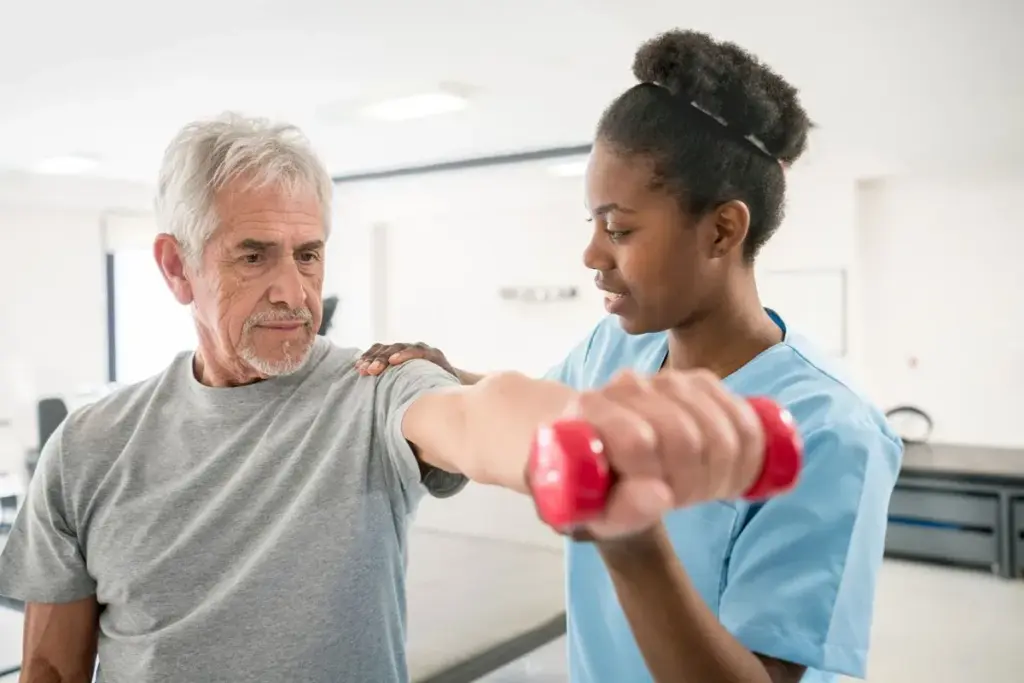
Aerobic exercises are vital in cardiac rehab. They help improve heart function and endurance. Walking, cycling, and swimming are good choices because they’re easy on the body.
These exercises start off at a moderate level. As patients get better, the intensity and time increase. This helps avoid overdoing it and ensures the heart gets the best benefits.
Strength Training Components and Benefits
Strength training is also important in cardiac rehab. It uses resistance bands, light weights, or bodyweight exercises to build muscle. This strengthens the body and aids in recovery.
Strength training boosts muscle strength, bone density, and metabolism. It’s added later in rehab, when patients are more stable.
Flexibility and Balance Activities
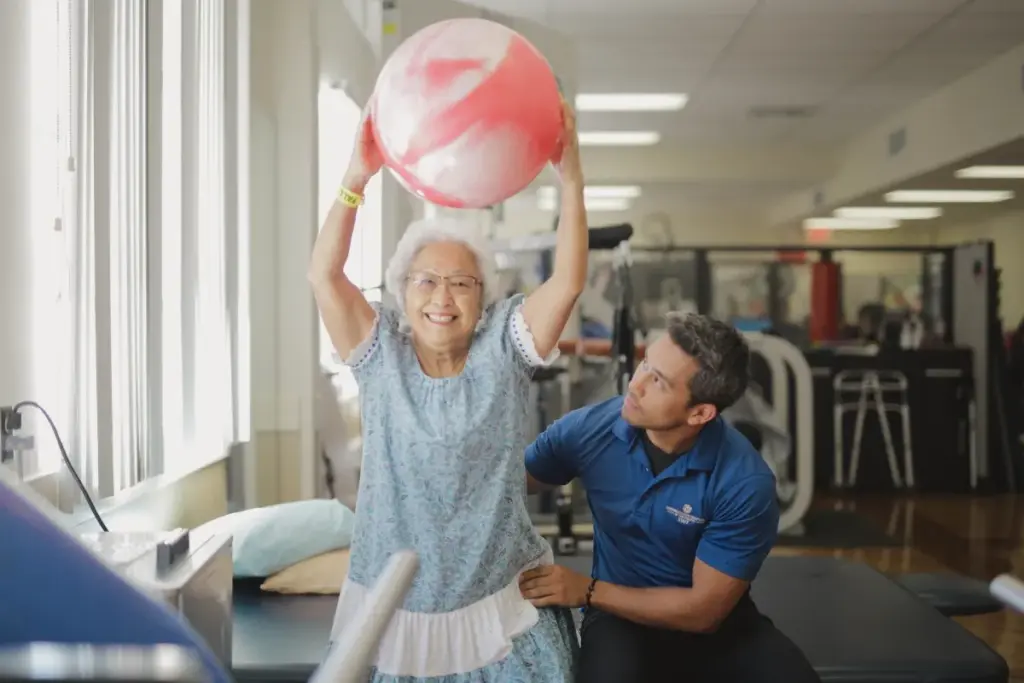
Flexibility and balance exercises are key in cardiac rehab. They include stretching exercises and balance training. These improve flexibility, reduce fall risks, and enhance physical function.
Adding these activities to a workout plan helps keep joints flexible. It’s great for older adults or those with mobility issues.
Exercise Progression and Intensity Management
It’s important to manage exercise intensity and progression in cardiac rehab. Healthcare professionals watch how patients react to exercise. They adjust the intensity and time based on how well patients do.
The goal is to find the right balance between working out and resting. This way, patients get the most from their workouts without risking their health. The plan is regularly checked and updated to keep up with progress.
3. Heart-Healthy Nutrition Counseling
Heart-healthy nutrition counseling is key in cardiac rehab. It helps support heart health. A balanced diet is vital for heart patients’ recovery and well-being.
We teach patients to make smart food choices. This helps manage and even reverse heart disease. By focusing on heart-healthy nutrition, we help them control their diet. This is a big step in their recovery.
Dietary Patterns That Support Cardiovascular Health
Eating lots of fruits, veggies, whole grains, and lean proteins is good for the heart. The Mediterranean diet is often suggested because it lowers heart disease risk.
We tell patients to avoid processed and sugary foods. These can harm the heart. Instead, we encourage eating foods rich in nutrients and antioxidants.
Managing Sodium, Fat, and Cholesterol Intake
It’s important for heart patients to watch their sodium, fat, and cholesterol intake. Too much sodium can raise blood pressure, a heart disease risk. We advise reading food labels and choosing low-sodium foods.
Knowing about different fats is also key. We tell patients to limit saturated and trans fats. These are often found in processed and fried foods.
Weight Management Strategies for Heart Patients
Managing weight is a big part of cardiac rehab. We help patients create weight management plans. These include diet, exercise, and behavior changes.
Keeping a healthy weight can lower the risk of more heart problems. We support patients in their weight management journey.
Meal Planning and Preparation Guidance
Helping patients plan and prepare meals is important. We give tips on meal planning, shopping for healthy foods, and cooking nutritious meals. These meals should be tasty and good for the heart.
By teaching patients how to make healthy food choices, we empower them. They can actively participate in their cardiac rehab and heart health.
4. Psychological Support and Mental Health Services
Psychological support and mental health services are key in cardiac rehab. They help patients deal with emotional challenges during recovery.
Addressing Depression and Anxiety After Cardiac Events
Heart issues can really affect a person’s mental state, causing depression and anxiety. Our programs offer professional help to manage these feelings.
Some effective strategies include:
- Cognitive-behavioral therapy (CBT) to change negative thought patterns
- Mindfulness and relaxation techniques to reduce anxiety
- Support groups where patients can share their experiences and connect with others
Effective Stress Management Techniques
Stress is bad for the heart. We teach patients how to manage stress with:
- Deep breathing exercises
- Progressive muscle relaxation
- Meditation and guided imagery
These methods help lower stress, aiding in a healthier recovery.
Benefits of Group Support and Shared Experiences
Group support is a big part of our programs. It lets patients:
- Feel less alone in their recovery
- Learn from others who’ve faced similar issues
- Build a community that lasts beyond the program
Building Emotional Resilience During Recovery
Being emotionally strong is important for recovery. Our programs help build this resilience by:
- Teaching coping skills
- Encouraging positive lifestyle changes
- Providing ongoing support from healthcare professionals
This way, patients can better face recovery challenges and keep their heart healthy long-term.
5. Comprehensive Education on Heart Disease Management
Heart disease management education is key in cardiac rehab. It helps patients manage their health better. They learn about their condition, treatment, and how to live healthier.
Understanding Your Specific Heart Condition
Knowing your heart condition is the first step. Cardiac rehab gives detailed info on your heart issue. This includes what it is, why it happens, and possible risks.
Medication Management and Adherence
Managing meds is vital for heart health. Cardiac rehab teaches about your meds. This includes why you take them, how much, and possible side effects.
Recognizing Warning Signs and Emergency Response
Knowing heart attack signs is critical. Cardiac rehab teaches you to spot symptoms like chest pain or shortness of breath. If you see these signs, get help fast.
Self-Monitoring Skills for Long-Term Health
Monitoring your health is important. Cardiac rehab teaches you to track your blood pressure, weight, and activity. This helps you catch problems early and make smart health choices.
6. Lifestyle Modification Coaching and Support
Our cardiac rehabilitation program includes lifestyle coaching to help patients make lasting changes. We know that healthy habits are key for heart health. Our programs aim to empower patients on their recovery journey.
Smoking Cessation Programs and Resources
Quitting smoking is a big step towards better heart health for cardiac patients. Our smoking cessation programs offer counseling, medication, and support. They help patients overcome nicotine addiction.
Here are some resources we provide:
- Nicotine replacement therapy guidance
- Prescription medication support
- Counseling sessions to manage cravings
- Support groups for encouragement and accountability
Alcohol Consumption Guidelines for Heart Patients
It’s important for cardiac patients to understand how alcohol affects their heart. While some alcohol may be okay, too much can harm the heart.
|
Alcohol Consumption Level |
Guidelines for Heart Patients |
|---|---|
|
Moderate Drinking |
Up to one drink per day for women, up to two drinks per day for men |
|
Excessive Drinking |
Avoid or significantly limit alcohol intake |
Sleep Optimization Strategies
Good sleep is vital for heart health. Poor sleep can make heart conditions worse. Our strategies include:
- Establishing a consistent sleep schedule
- Creating a sleep-conducive environment
- Avoiding stimulants before bedtime
- Relaxation techniques to improve sleep quality
Stress Reduction in Daily Life
Chronic stress can harm heart health. That’s why stress reduction is key in cardiac rehab. We teach patients stress management techniques, such as:
- Mindfulness and meditation practices
- Deep breathing exercises
- Physical activity tailored to the patient’s condition
- Time management and prioritization skills
By adopting these lifestyle changes, cardiac patients can greatly improve their heart health and overall well-being.
The Four Phases of Cardiac Rehabilitation Programs
Cardiac rehabilitation programs are split into four phases. Each phase supports patients at different recovery stages. Knowing these phases helps both patients and healthcare providers ensure a thorough and effective rehab process.
Phase I: Inpatient Rehabilitation
The first phase happens while the patient is in the hospital. Our team works to stabilize the patient, manage symptoms, and start early movement. This phase is key for setting the recovery foundation.
Key components of Phase I include:
- Initial assessment and baseline testing
- Early mobilization and gentle exercises
- Education on heart-healthy habits
- Emotional support and counseling
Phase II: Early Outpatient Rehabilitation
After discharge, patients move to Phase II. This phase starts a few weeks later. It focuses on structured exercise and education to boost heart health and reduce symptoms.
The main goals of Phase II are to:
- Improve cardiovascular fitness
- Enhance functional capacity
- Provide education on risk factor management
- Support psychological well-being
Phase III: Intensive Outpatient Rehabilitation
Phase III is more intense, with patients building on past progress. This phase is key for big improvements in physical function and heart health.
In Phase III, patients do supervised exercises, get ongoing education, and work on lifestyle changes. The aim is to reach full function and prepare for long-term care.
Phase IV: Maintenance and Long-Term Adherence
Phase IV focuses on keeping up the progress and sticking to healthy habits long-term. It’s about maintaining health and improving it over time.
Strategies for success in Phase IV include:
- Continuing regular physical activity
- Managing risk factors through lifestyle and medication
- Ongoing monitoring and support
- Staying connected with healthcare providers and support groups
By going through these four phases, patients can get a full cardiac rehab. This improves their life quality and health outcomes in the long run.
Getting Started with Cardiac Rehab: Referral and Enrollment Process
Cardiac rehabilitation is key for many heart patients. It starts with several important steps. We know it can be tough, but with the right help, you can start your heart health journey.
Obtaining a Medical Referral
Getting a medical referral is the first step for cardiac rehab. It makes sure the program fits your health needs. Your doctor will check your condition and suggest a program for you. This makes the rehab more effective.
Insurance Coverage and Financial Considerations
Knowing your insurance is vital. Many plans cover cardiac rehab, but coverage varies. Call your insurance to see what’s covered and what you might pay. Talk to the rehab team about costs and see if they offer help.
Initial Consultation and Program Customization
After getting your referral and checking insurance, meet the rehab team. You’ll be assessed to see your health and fitness level. Then, a program will be made just for you, helping you recover well.
By following these steps, you can join a cardiac rehab program. Start your journey to better heart health and well-being.
Home-Based vs. Center-Based Cardiac Rehab Options
It’s important to know the difference between home-based and center-based cardiac rehab. This helps you choose the best path for your recovery.
Comparing Program Structures and Requirements
Home-based cardiac rehab lets you work out at home. It’s flexible and convenient. You’ll get a workout plan, nutrition advice, and heart health tips from doctors remotely.
Center-based programs happen in clinics or hospitals. They offer a traditional approach with doctors watching over you. You’ll get exercise training, education, and support right there.
|
Program Aspect |
Home-Based |
Center-Based |
|---|---|---|
|
Location |
Patient’s home |
Clinical or hospital setting |
|
Supervision |
Remote monitoring |
Direct supervision |
|
Flexibility |
High |
Moderate |
Effectiveness and Outcome Differences
Studies show both home and center-based cardiac rehab can improve heart health. But, how well it works depends on how well you stick to it and your health.
The success of either program also depends on the support and monitoring you get. Center-based programs offer quick feedback and adjustments. Home-based programs use technology for monitoring.
“The choice between home-based and center-based cardiac rehab should be based on individual patient needs, preferences, and circumstances.”
Determining the Best Fit for Your Situation
Think about your mobility, support at home, comfort with technology, and what you prefer. Do you like structured environments or working at home?
It’s essential to talk to your doctor about these things. They can help you decide what’s best for your recovery goals.
Measuring Progress and Success in Cardiac Rehab
The journey through cardiac rehabilitation is filled with important milestones. These are watched closely to ensure success. Patients’ progress is tracked through physical tests and quality of life checks.
Physical Performance Metrics and Improvements
Physical performance is key in cardiac rehab. It includes:
- Exercise tolerance tests
- Strength assessments
- Flexibility evaluations
|
Metric |
Baseline |
6 Months |
12 Months |
|---|---|---|---|
|
Exercise Tolerance (METs) |
4.2 ± 1.1 |
6.5 ± 1.3 |
8.1 ± 1.5 |
|
Strength (kg) |
25 ± 5 |
35 ± 6 |
40 ± 7 |
Quality of Life Assessments
Quality of life checks are also critical. They look at how well patients do daily tasks, their independence, and overall happiness.
“The goal of cardiac rehabilitation is not just to improve physical health but also to enhance the overall quality of life for patients.”Cardiologist
These assessments use questionnaires that cover physical function, emotional state, and social interactions.
Long-term Health Outcome Tracking
Tracking long-term health outcomes is key. It shows how well the rehab program lasts over time.
Healthcare providers use this tracking to see where more support is needed. They can then adjust the program to help more.
Celebrating Milestones in Recovery
Celebrating recovery milestones is vital. Recognizing achievements boosts morale and keeps patients motivated.
Milestones can be small, like finishing a set number of workouts or reaching a heart rate goal. They can also be about doing daily tasks more easily.
By celebrating these achievements, patients stay motivated. This leads to better long-term results.
Overcoming Common Barriers to Cardiac Rehab Participation
Cardiac rehabilitation is key for those who have had heart problems. But, many obstacles can stop people from joining these programs. It’s important to beat these barriers for a good recovery.
Addressing Transportation and Access Issues
Transportation and access are big hurdles. Many patients need a ride or face long distances to the rehab center. Some programs offer rides or online rehab, so patients can stay home.
Managing Time Constraints and Scheduling
Time and scheduling can be tough. Patients have to fit rehab into work, family, and other life stuff. Talking to doctors about schedules helps. Online programs and flexible hours can also help.
Maintaining Motivation Throughout the Program
Staying motivated is key in cardiac rehab. Slow progress or frustration can be tough. Setting goals and celebrating wins helps. Family, friends, and groups also boost motivation.
Handling Physical Limitations and Setbacks
Physical issues and setbacks happen in rehab. Pain, fatigue, or other symptoms can slow you down. Working with your team to adjust your plan is important. This might mean changing exercises or easing up on intensity.
The Role of Family and Caregivers in Cardiac Rehabilitation
Family and caregivers are key in cardiac rehab, giving vital support to patients. Their help can greatly improve the patient’s recovery and happiness. This makes their role very important in the rehab journey.
Supporting Your Loved One Through Recovery
Helping a loved one through cardiac rehab needs empathy, understanding, and patience. We suggest family and caregivers get involved in the rehab process. They can go to sessions, manage meds, and offer emotional support when it’s tough.
Emotional support is very important. Cardiac events can be hard on both the patient and their family. A caring environment can really help the patient recover better.
Family Education and Involvement Opportunities
Learning is a big part of family involvement in cardiac rehab. We have educational resources and workshops for family members. These teach them about the rehab process, the patient’s condition, and how to best support them.
Family members can also join counseling sessions, alone or together. This helps them deal with worries or fears, making a more supportive home. Being informed and involved helps family members support their loved one’s recovery better.
Creating a Supportive Home Environment
Having a supportive home environment is key for recovery. Simple changes, like eating heart-healthy foods and staying active, can help a lot. We suggest families work together to create a daily routine that supports recovery goals.
Also, making the home safe and easy to move around in is important. This might mean removing hazards, installing handrails, or making other changes. These steps help prevent accidents and help the patient stay independent.
By working together and keeping communication open, families can make a supportive and caring environment. This environment can greatly improve the patient’s cardiac rehab experience.
Innovations and Future Directions in Cardiac Rehab
The future of cardiac rehabilitation is bright, thanks to new technologies. These advancements are making care better and more accessible. Several key innovations are set to change how we do cardiac rehab.
Telehealth and Remote Monitoring Advances
Telehealth is a big deal in healthcare today, and cardiac rehab is no exception. Remote monitoring lets doctors keep an eye on patients’ progress in real-time. This helps improve care and makes it easier for patients to get the help they need.
- Virtual consultations with healthcare professionals
- Real-time monitoring of vital signs and exercise performance
- Personalized feedback and adjustments to treatment plans
Mobile Applications and Wearable Technology
Mobile apps and wearable tech are big in cardiac rehab now. They help patients track their progress and stay in touch with their doctors. Wearable devices track heart rate and activity, giving doctors valuable data.
- Activity tracking and heart rate monitoring
- Personalized exercise plans and progress tracking
- Reminders and notifications for medication and appointments
Expanding Access to Underserved Populations
Getting all people to cardiac rehab is a big challenge. But new tech in telehealth and mobile apps is helping. This lets underserved populations get the care they need.
- Increased access to care for rural and remote communities
- Culturally sensitive programs tailored to diverse populations
- Language support and accessibility features
Emerging Research and Treatment Approaches
Cardiac rehab is always getting better, thanks to new research and treatments. Emerging research aims to improve patient outcomes and quality of life. It’s all about making cardiac rehab more effective.
Some new trends include:
- Personalized medicine approaches tailored to individual genetic profiles
- Advanced exercise protocols that incorporate new technologies
- Integration of mental health support into cardiac rehab programs
Looking ahead, cardiac rehab will keep getting better. New technologies and approaches will improve patient care. By embracing these changes, we can make cardiac rehab more effective for patients everywhere.
Conclusion: Maximizing the Benefits of Your Cardiac Rehabilitation Journey
Cardiac rehabilitation programs offer many cardiac rehab benefits for those recovering from heart issues. Understanding the parts of these programs helps people get the most out of their cardiac rehabilitation journey. This leads to better heart health.
To get the most from cardiac rehab, patients need to fully participate in their programs. This includes medical checks, exercise plans, nutrition advice, mental support, and help with lifestyle changes. This way, they can improve their cardiac recovery and feel better overall.
We suggest patients team up with their healthcare teams to create a rehab plan that fits them. With the help of cardiac rehab experts and sticking to their plans, people can live healthier and more active lives.
FAQ
CardiologyWhat is cardiac rehabilitation?
Cardiac rehabilitation is a program for people with heart issues. It’s designed to improve heart health under medical supervision.Cardiology
What are the benefits of participating in a cardiac rehabilitation program?
These programs boost heart health and physical fitness. They also help manage heart disease risks.
What can I expect during the initial assessment and baseline testing?
You’ll get a full medical check-up at first. This includes looking at your health history and doing tests like an ECG or stress test.
How are exercise programs tailored to individual needs in cardiac rehabilitation?
Programs are made just for you. They consider your fitness level, health, and goals.
What dietary guidance is provided in cardiac rehabilitation programs?
You’ll learn about healthy eating. This includes tips on sodium, fat, and cholesterol, and weight management.
How do cardiac rehabilitation programs address mental health and stress?
They offer stress management and counseling. This helps with anxiety and depression.
What are the four phases of cardiac rehabilitation?
There are four phases. Phase I is inpatient, Phase II is early outpatient, Phase III is intensive outpatient, and Phase IV is for long-term care.
How do I get started with a cardiac rehabilitation program?
First, get a referral from your doctor. Then, have an initial consultation to tailor the program to you.
What is the difference between home-based and center-based cardiac rehabilitation?
Home-based programs are done at home, often with remote monitoring. Center-based programs are at hospitals or clinics, with more resources.
How is progress measured in cardiac rehabilitation?
Progress is tracked through physical improvements and quality of life assessments. Long-term health outcomes are also monitored.
What role do family and caregivers play in cardiac rehabilitation?
Family and caregivers are key in supporting patients. They can help with education and support at home.
What role do family and caregivers play in cardiac rehabilitation?
Family and caregivers are key in supporting patients. They can help with education and support at home.
What innovations are emerging in cardiac rehabilitation?
New technologies like telehealth and mobile apps are coming. They aim to make care more accessible and effective.
How can I overcome common barriers to participating in cardiac rehabilitation?
Overcome barriers by solving transportation issues and managing time. Stay motivated and handle physical challenges.
References
National Center for Biotechnology Information. Evidence-Based Medical Insight. Retrieved from https://www.ncbi.nlm.nih.gov/books/NBK537196/[3