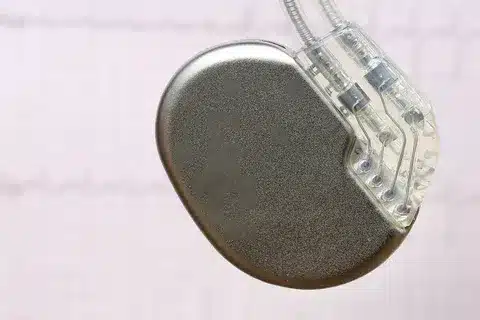
Did you know that heart arrhythmias affect millions of people worldwide? They cause symptoms like palpitations, shortness of breath, and fatigue. Understanding rhythm management is essential for maintaining a healthy heart. Cardiac rhythms management meaning? Controlling the beat. Get best vital info. Therapies prevent dangerous strokes and ensure amazing safety.
We’ll dive into what rhythm management is. It’s about finding, treating, and stopping heart rhythm problems. Keeping our heart rhythm normal is important for our health, and arrhythmias can be very serious if not treated.
Learning about rhythm management helps us see why a healthy heart rhythm is so important. It also encourages us to take action to prevent and treat arrhythmias.
Key Takeaways
- Rhythm management is vital for our heart health.
- Heart arrhythmias can be very serious if not treated.
- Keeping our heart rhythm normal is key to our overall health.
- Rhythm management includes diagnosing, treating, and preventing heart rhythm issues.
- Understanding rhythm management helps us prevent and treat arrhythmias.
The Electrical System of the Heart
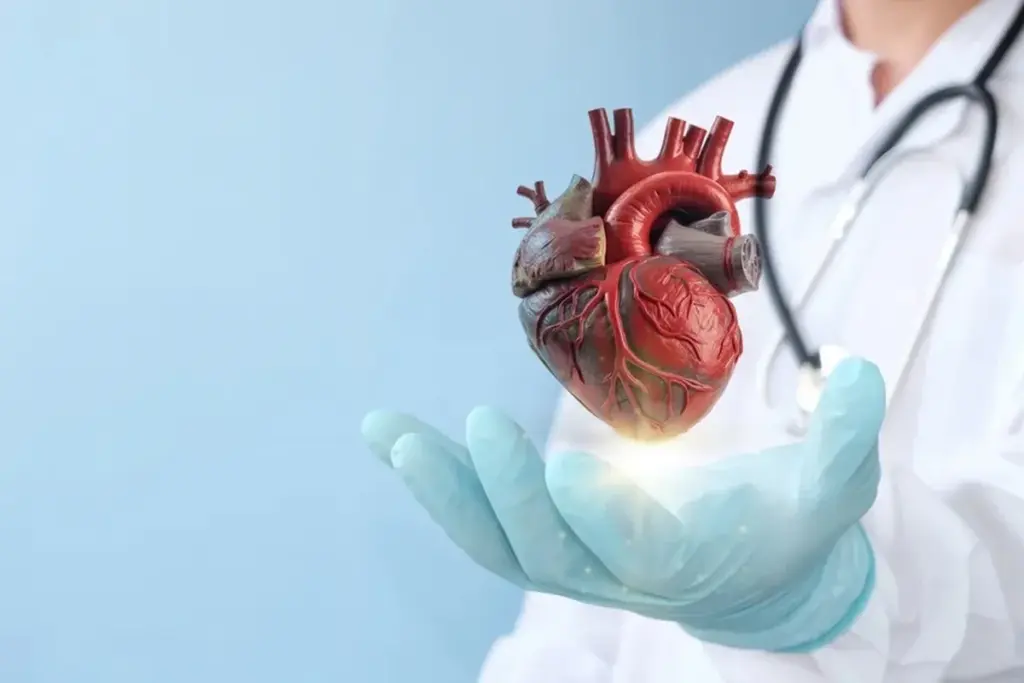
The heart’s electrical activity is a complex process. It involves detailed pathways and precise coordination. This system is key for controlling the heartbeat.
The heart’s electrical system has several important parts. Each part plays a vital role in keeping the heart rhythm regular. At the heart of this system is the heart’s natural pacemaker.
The Heart’s Natural Pacemaker

The sinoatrial (SA) node, in the right atrium, is the heart’s natural pacemaker. It sends out electrical impulses at a rate of about 60-100 beats per minute when we’re at rest. The SA node’s activity can change due to the autonomic nervous system and hormones.
Conduction Pathways
The electrical impulses from the SA node go through the atrial tissue to the AV node. Then, they move to the Bundle of His and the Purkinje fibers. This path ensures the heart contracts in a coordinated way.
Electrical Impulse Generation and Propagation
The heart’s function relies on electrical impulse generation and propagation. Cardiac cells have a resting membrane that’s kept in balance by ions. When an electrical impulse is sent, it quickly changes the membrane, causing the heart muscle to contract.
|
Component |
Function |
|---|---|
|
SA Node |
Generates electrical impulses |
|
AV Node |
Delays impulse to allow atrial contraction |
|
Bundle of His |
Transmits impulse to ventricles |
|
Purkinje Fibers |
Distributes impulse to ventricular muscle |
Understanding the heart’s electrical system is key for diagnosing and treating heart rhythm disorders. By knowing how the heart’s electrical impulses are generated and conducted, doctors can better find the causes of arrhythmias. They can then create effective treatment plans.
Understanding Cardiac Rhythms
Cardiac rhythms are key to diagnosing and managing heart issues. They control the heartbeat’s electrical activity. A normal rhythm is vital for the heart’s function and health.
Normal Sinus Rhythm Characteristics
A normal heart rhythm comes from the sinoatrial (SA) node, the heart’s natural leader. It’s shaped by the autonomic nervous system. This rhythm has a heart rate of 60 to 100 beats per minute, a consistent P wave, and a PR interval of 0.12 to 0.20 seconds.
Heart Rate Variability
Heart rate variability (HRV) shows how the heart changes with different conditions and stress. A high HRV means good heart health, showing the heart can adapt. A low HRV might mean stress, fatigue, or heart issues.
HRV is controlled by the autonomic nervous system. The sympathetic system speeds up the heart, while the parasympathetic system slows it down. Age, fitness, and health can change HRV.
Factors Affecting Heart Rhythm
Many things can change heart rhythm. These include age, fitness, and lifestyle choices. Stress, smoking, and too much alcohol can also affect it.
Medical issues like high blood pressure, diabetes, and heart disease can alter rhythms. Some medicines, like beta-blockers, can too. Knowing these factors helps manage heart rhythm problems.
Common Cardiac Rhythm Disorders
Cardiac arrhythmias, or heart rhythm disorders, affect how fast and steady the heart beats. They can be fast (tachycardias) or slow (bradycardias).
Tachycardias vs. Bradycardias
Tachycardias make the heart beat too fast, over 100 beats per minute. This can happen due to stress, some medicines, or heart problems. Bradycardias, on the other hand, make the heart beat too slow, under 60 beats per minute. This can lead to not enough blood and oxygen getting to the body’s tissues.
Tachycardia Symptoms: You might feel your heart racing, get short of breath, dizzy, or have chest pain.
Bradycardia Symptoms: You could feel very tired, dizzy, faint, or short of breath.
|
Condition |
Heart Rate |
Common Symptoms |
|---|---|---|
|
Tachycardia |
>100 bpm |
Palpitations, dizziness |
|
Bradycardia |
Fatigue, fainting |
Supraventricular Arrhythmias
Supraventricular arrhythmias start above the ventricles, often in the atria. They include atrial fibrillation, atrial flutter, and supraventricular tachycardia (SVT). These can cause heart racing, chest pain, and trouble breathing.
Atrial Fibrillation: It’s when the heart beats fast and irregularly, raising the risk of stroke and heart failure.
Ventricular Arrhythmias
Ventricular arrhythmias happen in the heart’s ventricles. They can be mild or very serious. Ventricular tachycardia (VT) and ventricular fibrillation (VF) are dangerous and can cause cardiac arrest if not treated quickly.
Ventricular Tachycardia (VT): It’s a fast heartbeat in the ventricles, which can make you dizzy, faint, or even lead to cardiac arrest.
Knowing about these heart rhythm disorders is key to managing them. By understanding the symptoms and types, doctors can give better care and improve patient outcomes.
Atrial Fibrillation: The Most Common Arrhythmia
Atrial fibrillation is the most common arrhythmia, affecting millions globally. It causes an irregular and often fast heart rate. This can lead to serious complications if not treated right. We’ll look at what causes it, its risks, possible problems, and how to manage it.
Mechanisms and Pathophysiology
Atrial fibrillation happens when the heart’s upper chambers (atria) beat irregularly. This irregular beating can cause blood clots. These clots can lead to stroke or other heart issues. The heart’s electrical and structural changes play a big role in this.
Risk Factors and Complications
Many things can raise your risk of atrial fibrillation, like age, high blood pressure, and heart disease. Complications can be serious, such as stroke, heart failure, and other heart problems. Knowing these risks is key to preventing and treating the condition early.
Management Approaches
Managing atrial fibrillation involves controlling the heart rate and rhythm, and preventing stroke. This can be done with medicines, lifestyle changes, or procedures like cardioversion or catheter ablation. Anticoagulation therapy is also used to lower stroke risk.
|
Management Strategy |
Description |
Benefits |
|---|---|---|
|
Rate Control |
Using medications to control heart rate |
Reduces symptoms, improves quality of life |
|
Rhythm Control |
Restoring normal sinus rhythm through cardioversion or antiarrhythmic drugs |
Improves heart function, reduces risk of complications |
|
Anticoagulation Therapy |
Preventing stroke by reducing blood clot formation |
Significantly reduces stroke risk |
Ventricular Tachycardia and Fibrillation
Ventricular tachycardia and fibrillation are serious heart rhythm disorders. They can lead to severe consequences if not treated quickly. These arrhythmias start in the heart’s ventricles and can make the heart beat too fast or irregularly. This can lead to cardiac arrest.
Life-Threatening Rhythm Disturbances
Ventricular tachycardia (VT) is a fast heart rate, over 100 beats per minute, from the ventricles. It can turn into ventricular fibrillation (VF), a more severe condition. VF is a medical emergency that needs immediate treatment.
Key characteristics of VT and VF include:
- Rapid heart rate in VT
- Disorganized ventricular activity in VF
- Potential for cardiac arrest
- Need for immediate medical intervention
Causes and Risk Factors
The causes and risk factors for ventricular tachycardia and fibrillation include:
- Coronary artery disease
- Previous myocardial infarction
- Cardiomyopathy
- Electrolyte imbalances
- Certain medications
Knowing these risk factors helps identify who is at high risk. It’s important for preventive measures.
Emergency Management
Emergency management of VT and VF involves:
- Cardiopulmonary resuscitation (CPR)
- Defibrillation using an automated external defibrillator (AED)
- Administration of antiarrhythmic medications
- Advanced cardiac life support (ACLS) protocols
Prompt treatment is key to prevent cardiac arrest and improve outcomes. We stress the need for quick intervention and proper medical care for these arrhythmias.
Bradyarrhythmias and Heart Blocks
The heart’s electrical system can be disrupted by bradyarrhythmias and heart blocks. This can lead to serious health issues. These conditions make it hard for the heart to beat normally, often causing slow heart rates.
Sinus Node Dysfunction
Sinus node dysfunction happens when the heart’s natural pacemaker doesn’t work right. This can cause irregular heart rhythms, including bradycardia (slow heart rate).
There are many reasons for this condition, like age, heart disease, and some medicines. Doctors use electrocardiogram (ECG) monitoring and other tests to diagnose it.
Atrioventricular Blocks
Atrioventricular (AV) blocks happen when there’s a delay or block in signals between the atria and ventricles. AV blocks can be different levels, with third-degree being the worst, where signals are completely blocked.
Many things can cause AV blocks, like heart disease, valve problems, and some medicines. Treatment depends on how bad it is and how it makes you feel, from just watching it to getting a pacemaker.
Clinical Significance
Bradyarrhythmias and heart blocks can be very serious if not treated right. They can cause symptoms like dizziness, fatigue, fainting, and even heart failure in bad cases.
It’s key to know what’s causing these problems and to treat them well. Treatment might include medicines, pacemakers, or fixing the underlying issues.
|
Condition |
Description |
Common Causes |
Treatment Options |
|---|---|---|---|
|
Sinus Node Dysfunction |
Abnormal functioning of the heart’s natural pacemaker |
Age, heart disease, certain medications |
Pacemaker implantation, medication adjustment |
|
First-Degree AV Block |
Delayed electrical conduction between atria and ventricles |
Coronary artery disease, heart valve issues |
Monitoring, addressing underlying causes |
|
Third-Degree AV Block |
Complete blockage of electrical signals between atria and ventricles |
Severe coronary artery disease, heart attack |
Pacemaker implantation, emergency care |
We stress the need for correct diagnosis and treatment plans for bradyarrhythmias and heart blocks. Knowing about these conditions helps doctors give better care and improve patient results.
Diagnostic Tools in Rhythm Management
Effective rhythm management starts with the right tools. We use different tests to understand and manage heart rhythm disorders well.
Electrocardiogram (ECG) Basics
An electrocardiogram (ECG) is a key tool that records the heart’s electrical activity. It shows important info about the heart’s rhythm, rate, and function.
The ECG uses electrodes on the skin to capture heart signals. These signals are shown as waves on a monitor or printed on paper.
Holter and Event Monitoring
For longer monitoring, Holter and event monitors are used. A Holter monitor records the heart’s activity for 24 to 48 hours. It shows heart rhythm during daily life.
Event monitors record heart activity for up to 30 days. They track heart rhythm when symptoms happen, linking symptoms to heart rhythm.
Electrophysiology Studies
Electrophysiology studies (EPS) are detailed tests of the heart’s electrical system. During an EPS, catheters are inserted through a vein to the heart. They record electrical activity.
EPS helps find complex arrhythmias and where abnormal electrical pathways are. It’s very useful.
|
Diagnostic Tool |
Description |
Duration |
|---|---|---|
|
Electrocardiogram (ECG) |
Records heart’s electrical activity |
Instantaneous |
|
Holter Monitor |
Portable, continuous recording |
24-48 hours |
|
Event Monitor |
Records activity during symptoms |
Up to 30 days |
|
Electrophysiology Studies (EPS) |
Invasive, assesses electrical system |
Variable |
Diagnostic tools are key for diagnosing and managing heart rhythm disorders. Knowing how these tools work helps healthcare providers create good treatment plans.
ECG Interpretation Fundamentals
Understanding ECGs is key to spotting and managing heart problems. These tests show us the heart’s electrical signals. They help us find and fix arrhythmias and other heart issues.
Reading the 12-Lead ECG
A 12-lead ECG gives us a full view of the heart’s electrical signals from different angles. We look at the P wave, QRS complex, and T wave. We also check the spaces between them. This detailed look helps us spot arrhythmias or other heart problems.
When we read a 12-lead ECG, we check the rhythm strip and the 12 leads. We search for signs of arrhythmias, heart attacks, or other issues. This helps us understand how well the heart is working.
Identifying Common Arrhythmias
Spotting common arrhythmias like atrial fibrillation and ventricular tachycardia is important. By looking at the ECG, we can figure out the arrhythmia type and what might have caused it. Accurate diagnosis is key to picking the right treatment.
Some common arrhythmias include:
- Atrial fibrillation
- Ventricular tachycardia
- Supraventricular tachycardia
Clinical Decision Making
ECG results are vital in deciding how to treat patients. By understanding the ECG, we can choose the best treatment for heart problems. Clinical decision making combines ECG findings with other tests and patient info to create a treatment plan.
ECG interpretation helps us decide on treatments like medicines or procedures. It also helps us see if a patient might need a pacemaker or ICD.
Continuous Cardiac Monitoring Techniques
Continuous cardiac monitoring has changed how we handle heart rhythm issues. These new tools let doctors watch a patient’s heart in real-time. This gives them key insights into heart health.
Telemetry Monitoring
Telemetry monitoring tracks a patient’s heart activity with a portable device. It sends data to a monitoring station. This method is great in hospitals, keeping an eye on patients at risk for heart problems.
Benefits of Telemetry Monitoring:
- Real-time data transmission
- Continuous observation of cardiac activity
- Early detection of possible complications
Implantable Loop Recorders
Implantable loop recorders (ILRs) are tiny devices put under the skin. They can monitor heart activity for years. They’re good for catching arrhythmias that don’t show up in short monitoring periods.
|
Feature |
Implantable Loop Recorders |
External Loop Recorders |
|---|---|---|
|
Implantation |
Yes, under the skin |
No, worn externally |
|
Monitoring Duration |
Up to several years |
Limited by battery life or patient compliance |
|
Data Transmission |
Automatic or patient-activated |
Patient-activated |
Remote Monitoring Technologies
Remote monitoring lets patients send heart data to their doctors from home. This cuts down on the need for doctor visits. It’s a big help for those with pacemakers or ICDs.
These monitoring methods help doctors give better care to patients with heart rhythm issues. Using these technologies is a big step forward in managing heart arrhythmias.
Pharmacological Management of Arrhythmias
Pharmacological management is key in treating arrhythmias. It offers different ways to control heart rhythm. The right treatment depends on the arrhythmia type, its severity, and the patient’s health.
Antiarrhythmic Drug Classifications
Antiarrhythmic drugs are grouped into four categories. Class I drugs block sodium channels, divided into IA, IB, and IC. Class II drugs, like beta-blockers, slow the heart rate and contraction force. Class III drugs prolong the action duration by blocking potassium channels. Class IV drugs, calcium channel blockers, slow the heart rate and reduce contraction force.
|
Class |
Mechanism of Action |
Examples |
|---|---|---|
|
I |
Sodium channel blockers |
Lidocaine, Flecainide |
|
II |
Beta-blockers |
Propranolol, Metoprolol |
|
III |
Potassium channel blockers |
Amiodarone, Sotalol |
|
IV |
Calcium channel blockers |
Verapamil, Diltiazem |
Rate Control vs. Rhythm Control
Arrhythmia management often involves rate control or rhythm control. Rate control aims to manage heart rate to ease symptoms. Rhythm control tries to restore a normal heart rhythm.
The choice between these strategies depends on the arrhythmia type, symptoms, and heart disease presence. Rate control might be enough for some to manage symptoms. Others might need rhythm control to lower stroke risk.
Anticoagulation Therapy
Anticoagulation therapy is vital for arrhythmia management, mainly for atrial fibrillation. It prevents blood clots and stroke. Anticoagulants stop blood clot formation or prevent clots from growing.
The right anticoagulant depends on stroke risk, bleeding risk, and other health conditions. Warfarin is a traditional anticoagulant needing regular INR checks. Newer anticoagulants like dabigatran, rivaroxaban, and apixaban offer alternatives with fewer interactions and monitoring needs.
Interventional Approaches to Rhythm Management
Interventional cardiology brings new treatments for heart rhythm disorders. These methods change how we treat arrhythmias, making treatments more effective and less invasive.
Catheter Ablation Procedures
Catheter ablation is a minimally invasive treatment for arrhythmias. It destroys the abnormal electrical pathways in the heart. Advanced mapping technologies help find and treat the arrhythmia source.
This treatment reduces symptoms and improves life quality. It may also lower the need for certain medications. But, like any invasive procedure, it carries risks like bleeding, infection, and heart damage.
|
Procedure |
Success Rate |
Complication Rate |
|---|---|---|
|
Catheter Ablation for AF |
70-80% |
5-7% |
|
Catheter Ablation for SVT |
90-95% |
2-3% |
Cardioversion Techniques
Cardioversion is used to fix abnormal heart rhythms like atrial fibrillation or flutter. It uses a controlled electric shock to the heart, timed with the patient’s heartbeat.
It’s often used in emergencies or when other treatments fail. The procedure is done under sedation to make it less uncomfortable.
Surgical Interventions
Surgical treatments are needed for complex arrhythmias. The Maze procedure is one, creating scar tissue to guide electrical signals.
Surgery is for those who haven’t responded to other treatments or have other heart issues. It’s a last resort.
Knowing about these treatments helps us create better plans for our patients. This improves their outcomes and quality of life.
Implantable Cardiac Devices
Implantable cardiac devices have changed how we manage heart rhythm problems. These devices watch and fix irregular heartbeats. They greatly improve life quality for those with heart rhythm issues.
Pacemakers for Bradyarrhythmias
Pacemakers are small devices that control the heartbeat. They send electrical impulses to make the heart muscle contract. They mainly treat bradyarrhythmias, where the heart beats too slow.
Key Features of Pacemakers:
- Monitoring the heart’s natural rhythm
- Generating electrical impulses to maintain an adequate heart rate
- Adjusting the heart rate in response to physical activity
Implantable Cardioverter-Defibrillators (ICDs)
ICDs are advanced devices that watch the heart rhythm and give shocks to fix dangerous arrhythmias. They are key for those at risk of serious heart rhythm problems.
Functions of ICDs:
- Continuous monitoring of the heart rhythm
- Delivery of appropriate shocks to correct ventricular tachycardia or fibrillation
- Pacing for bradycardia or tachycardia
Cardiac Resynchronization Therapy
Cardiac Resynchronization Therapy (CRT) treats heart failure by syncing the left and right ventricles. CRT devices, often with ICDs (CRT-D), make the heart work better and reduce heart failure symptoms.
Benefits of CRT:
- Improved heart function and reduced symptoms of heart failure
- Enhanced exercise tolerance and quality of life
- Reduced hospitalization for heart failure
Here’s a comparison of the different implantable cardiac devices:
|
Device Type |
Primary Use |
Key Features |
|---|---|---|
|
Pacemakers |
Bradyarrhythmias |
Heart rate regulation, activity response |
|
ICDs |
Life-threatening ventricular arrhythmias |
Arrhythmia detection, shock delivery, pacing |
|
CRT Devices |
Heart Failure |
Ventricular resynchronization, improved heart function |
In conclusion, devices like pacemakers, ICDs, and CRT devices are vital for heart rhythm disorders. Knowing their roles, benefits, and risks is important for doctors and patients.
Vascular Assessment in Rhythm Management
Vascular assessment has changed how we handle cardiac arrhythmias. It lets us see a patient’s heart health better. This is thanks to adding vascular checks to our tests.
Vascular Ultrasound Applications
Vascular ultrasound is key for checking heart rhythm patients’ blood vessels. It’s a safe way to see inside the blood vessels. It helps spot problems that might cause arrhythmias.
Here are some main uses of vascular ultrasound in rhythm management:
- Checking for blockages in blood vessels
- Looking at how flexible blood vessels are
- Finding unusual blood vessel shapes or sizes
Interpreting Vascular Sonography Results
It’s vital to understand vascular sonography results well. Our team must look closely at the images. They need to find important details that help care for the patient.
When we look at sonography results, we think about:
- How blood flows and moves
- The thickness and shape of blood vessel walls
- If there are any blood clots or lesions
|
Sonography Finding |
Clinical Implication |
|---|---|
|
Reduced vascular compliance |
Increased risk of arrhythmias |
|
Vascular stenosis >50% |
Potential cause of ischemic arrhythmias |
|
Vascular thrombosis |
Risk of embolic events and arrhythmias |
Integration with Cardiac Care
Combining vascular checks with heart care is key for full patient care. By mixing vascular ultrasound results with other tests, we make better treatment plans.
Our way of mixing vascular checks with heart care includes:
- Working together with heart and blood vessel doctors
- Adding vascular ultrasound findings to patient files
- Using vascular data to decide on treatments
This approach helps improve patient results and care quality in rhythm management.
Lifestyle Modifications for Heart Rhythm Health
Changing our lifestyle can greatly improve heart rhythm health. By adding healthy habits to our daily routine, we can lower the risk of heart rhythm problems. This also boosts our overall heart health.
Exercise and Physical Activity
Regular exercise is key for a healthy heart rhythm. Physical activity makes the heart stronger, improves blood flow, and lowers stress. Aim for 150 minutes of moderate exercise each week, like brisk walking or swimming.
Adding flexibility and strength training can also help. Yoga and Pilates improve flexibility, while lifting weights builds muscle.
Dietary Considerations
Eating a balanced diet is essential for heart rhythm health. Focus on whole foods like fruits, veggies, whole grains, lean proteins, and healthy fats.
Try to limit foods high in sodium, sugar, and saturated fats. Drinking plenty of water is also important.
Stress Management Techniques
Too much stress can harm heart rhythm health. Try stress-reducing activities like meditation or yoga to help.
Getting enough sleep and using relaxation techniques before bed can also help. This improves sleep quality and lowers stress.
By making these lifestyle changes, we can keep our heart rhythm healthy. This reduces the risk of heart rhythm disorders.
Emerging Technologies and Future Directions
New technologies and treatments are changing rhythm management. Cardiology is advancing, bringing better care and outcomes for patients.
Wearable Rhythm Monitoring Devices
Wearable devices are now used to track heart rhythms. They monitor the heart outside of a doctor’s office. This gives valuable data on heart health in everyday life.
Smartwatches and fitness trackers use ECG technology. They can spot irregular heartbeats, like atrial fibrillation. They alert the wearer to any heart issues.
Artificial Intelligence in Arrhythmia Detection
Artificial intelligence (AI) is being used in healthcare, including finding arrhythmias. AI looks at big data, like ECGs, to find patterns that show arrhythmias.
AI helps doctors find arrhythmias more accurately. It also predicts when arrhythmias might happen again. This helps doctors plan better care.
Novel Therapeutic Approaches
New ways to treat arrhythmias are being explored. These include better medicines, new ablation techniques, and improved devices.
|
Therapeutic Approach |
Description |
Benefits |
|---|---|---|
|
Pharmacological Advances |
New antiarrhythmic drugs with improved efficacy and safety profiles. |
Better management of arrhythmias with fewer side effects. |
|
Catheter Ablation |
Minimally invasive procedures to destroy abnormal electrical pathways. |
Potential cure for certain arrhythmias, reducing reliance on medication. |
|
Device Therapies |
Advancements in pacemakers and implantable cardioverter-defibrillators (ICDs). |
Improved device longevity and functionality, enhanced patient outcomes. |
Conclusion
Keeping your heart healthy is key to feeling your best. Rhythm management is a big part of this. We’ve looked into heart rhythm disorders, how to find them, and how to treat them.
Managing heart rhythms means knowing how the heart works. It’s about spotting common heart rhythm problems and using tests like electrocardiograms. This way, doctors can help patients a lot.
We talked about how to keep your heart in rhythm. This includes exercising, eating right, and managing stress. New tech like wearable devices and AI in detecting arrhythmias is changing how we manage heart rhythms.
Using these new tools and focusing on prevention can make a big difference. It helps keep hearts healthy and reduces the impact of heart rhythm disorders. This is important for top-notch healthcare, both at home and for international patients.
FAQ
What is rhythm management and why is it important?
Rhythm management deals with treating heart rhythm disorders. It’s key for keeping your heart healthy. Without it, arrhythmias can cause serious problems.
What is a vascular ultrasound, and how is it used in rhythm management?
A vascular ultrasound uses sound waves to see blood vessels and check blood flow. It helps in rhythm management by checking vascular health and spotting issues.
What are the different types of cardiac rhythms, and how are they classified?
Cardiac rhythms include normal beats and arrhythmias like tachycardias and bradycardias. Knowing these types is vital for correct diagnosis and treatment.
What is atrial fibrillation, and how is it managed?
Atrial fibrillation is a common arrhythmia with fast and irregular heartbeats. Treatment varies, including rate control, rhythm control, and anticoagulation, based on the patient’s needs.
What is the role of electrocardiogram (ECG) in diagnosing heart rhythm disorders?
An ECG records the heart’s electrical activity. It’s a key tool for diagnosing heart rhythm disorders, like arrhythmias and conduction problems.
How is ECG interpretation used in clinical decision making?
ECG interpretation helps identify heart rhythm disorders and guide treatment. Accurate reading is critical for effective patient care.
What are implantable cardiac devices, and how are they used in rhythm management?
Devices like pacemakers and ICDs manage heart rhythm disorders. They help regulate rhythm, prevent arrhythmias, and improve heart function.
What lifestyle modifications can help maintain heart rhythm health?
Regular exercise, a healthy diet, stress management, and avoiding triggers can keep your heart rhythm healthy. This reduces arrhythmia risk.
What are the emerging technologies and future directions in rhythm management?
New technologies, like wearable devices and AI in arrhythmia detection, are being developed. They aim to improve diagnosis and treatment of heart rhythm disorders.
How is vascular assessment integrated with cardiac care in rhythm management?
Vascular assessment, including ultrasound, is part of cardiac care for rhythm management. It helps identify vascular issues and improve treatment plans.
National Center for Biotechnology Information. Evidence-Based Medical Insight. Retrieved from https://pmc.ncbi.nlm.nih.gov/articles/PMC11381938/