

Heart disease affects millions of people worldwide. Cardiac surgery is often a necessary treatment option. But is it worth considering?Is cardiac surgery worth the risk? Explore the amazing long-term value and positive impact on your quality of life.
According to the American Heart Association, over 500,000 heart surgeries are performed annually in the United States alone. With such a high volume of procedures, it’s essential to understand the benefits and risks associated with cardiac surgery.
We help patients determine if cardiac surgery is the right choice for their individual health needs. We consider factors such as surgery risks vs benefits and possible cardiac surgery outcomes.
Key Takeaways
- Cardiac surgery can be a life-saving treatment option for many heart conditions.
- Understanding the benefits and risks is key to making an informed decision.
- Individual health needs and medical history are important in deciding if cardiac surgery is worth it.
- Getting expert advice is vital in weighing the pros and cons of cardiac surgery.
- Cardiac surgery outcomes can vary based on several factors, including the type of procedure and overall health.
The Critical Role of Cardiac Surgery in Modern Medicine

Cardiac surgery is key in modern medicine, saving lives for those with heart issues. We’ve seen big steps forward in treating heart diseases.
Evolution of Heart Surgery Techniques
Cardiac surgery has changed a lot over the years. It’s moved from open-heart surgery to today’s minimally invasive methods. Now, we have off-pump coronary artery bypass grafting and robotic-assisted surgery, making recovery faster.
New tech and surgical methods let surgeons do complex surgeries better. For example, 3D printing helps plan surgeries, and intraoperative guidance systems help during them.
When Cardiac Intervention Becomes Necessary
When heart conditions are severe and can’t be fixed with medicine, surgery is needed. This includes coronary artery disease, heart valve disorders, and congenital heart defects.
Doctors decide if surgery is right after a detailed check-up. They look at how bad the condition is, the patient’s health, and the surgery’s benefits and risks. This helps decide if surgery is the best choice.
Common Types of Cardiac Procedures and Their Purposes
The field of cardiac surgery has grown a lot. It now offers many procedures for different needs. These advances have made cardiac surgery outcomes better and heart surgery effectiveness higher. Here, we’ll look at some common cardiac procedures and why they’re done.
Coronary Artery Bypass Grafting (CABG)
CABG is a surgery to improve blood flow to the heart. It bypasses blocked or partially blocked arteries. A healthy blood vessel is grafted onto the heart from another part of the body. This helps the heart get more blood.
CABG has been shown to help patients with severe coronary artery disease live longer. It relieves chest pain, improves heart function, and boosts quality of life. It also offers cardiac procedure benefits for those with complex coronary disease.
The benefits of CABG include:
- Relief from angina (chest pain)
- Improved heart function
- Enhanced quality of life
- Increased cardiac procedure benefits for patients with complex coronary disease
Valve Repair and Replacement Options
Heart valves are key for blood flow in the heart. If they’re damaged or diseased, they might need fixing or replacing. Valve repair fixes the existing valve, while replacement uses a mechanical or biological valve.
Studies show valve repair and replacement surgeries have greatly improved patient outcomes. Many patients see better heart surgery effectiveness after these surgeries.
Congenital Heart Defect Corrections
Congenital heart defects are heart problems present at birth. Surgery is often needed to fix these defects. The surgery type depends on the defect’s nature and severity.
“Surgical correction of congenital heart defects has become increasingly effective, giving children and adults a chance at a normal, active life.” – A Cardiothoracic Surgeon
Heart Transplantation
Heart transplantation is for patients with severely diseased hearts and no other treatment options. It replaces the diseased heart with a healthy donor heart. This surgery can save many lives with end-stage heart failure.
After a transplant, careful care is key for success. This includes lifelong immunosuppression and regular doctor visits.
Knowing about these cardiac procedures helps patients understand the cardiac procedure benefits. It helps them make better choices for their care.
The Life-Saving Potential of Heart Surgery
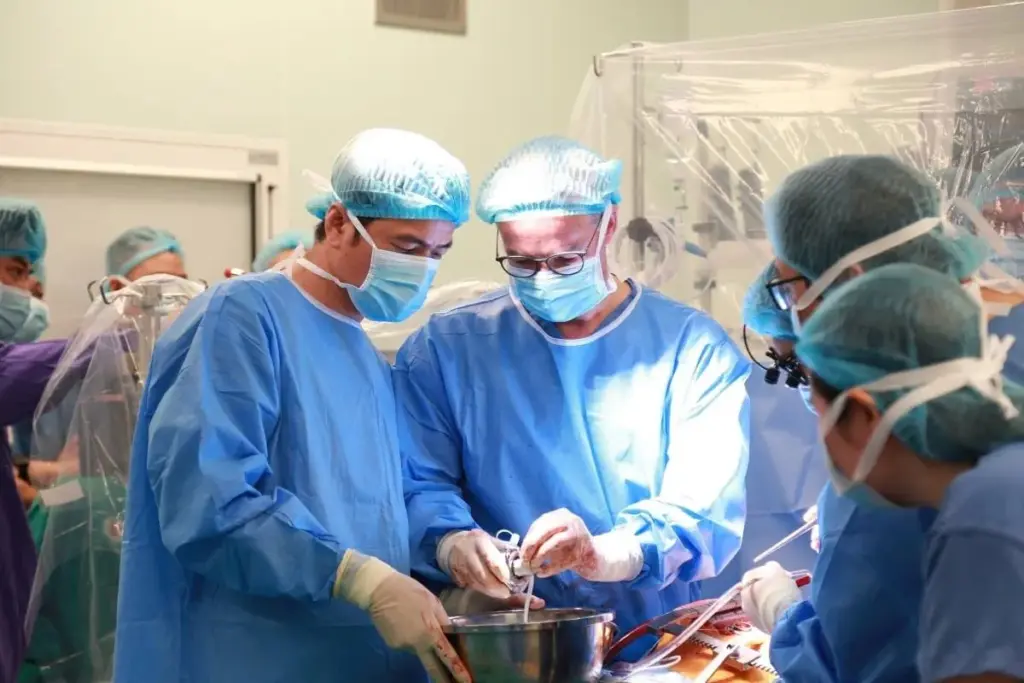
Heart surgery is key in saving lives and improving health for those with severe heart issues. We look into how heart surgery can save lives, including survival rates for major surgeries and how they compare to other treatments.
Survival Statistics for Major Cardiac Procedures
Major heart surgeries, like coronary artery bypass grafting (CABG), valve repairs, and heart transplants, have seen big jumps in survival rates. Research shows CABG can boost long-term survival for those with complex heart disease. Data from heart surgery registries show a 95% survival rate at one year and 80% at five years for CABG patients.
Comparing Outcomes: Surgery vs. Conservative Management
When we compare surgery to other treatments for heart issues, several things matter. Surgery often provides a more lasting fix for some conditions, leading to better long-term results. For example, fixing or replacing heart valves can greatly improve symptoms and survival for those with severe valve disease.
A study comparing surgery and medication for heart disease found surgery lowers the risk of serious heart problems and improves survival. Yet, choosing between surgery and other treatments depends on the patient’s health, preferences, and specific heart condition.
- Surgery can offer a lasting solution for some heart conditions.
- Other treatments might be better for those with milder disease or who can’t have surgery.
- Choosing the right treatment is all about the individual.
Knowing the survival rates and outcomes of surgery versus other treatments helps patients and doctors make better choices. This way, they can pick the best treatment plan.
Is Cardiac Surgery Worth It? A Detailed Look at Risks and Benefits
Choosing to have cardiac surgery is a big decision. It’s about weighing the good things it can do against the possible bad things. We need to look at many factors to understand the outcome of such a big medical step.
Immediate Surgical Risks and Complications
Like any big surgery, cardiac surgery has risks and possible problems. These can be bleeding, infection, bad reactions to anesthesia, and stroke. It’s important for patients and their families to know about these risks when deciding on treatment.
Even though these risks are serious, skilled cardiac surgeons and teams work hard to manage them. New surgical methods and care before and after surgery have made these problems less common.
|
Complication |
Risk Factor |
Management Strategy |
|---|---|---|
|
Bleeding |
Anticoagulant use, surgical complexity |
Careful monitoring, blood conservation techniques |
|
Infection |
Prolonged hospital stay, comorbidities |
Prophylactic antibiotics, sterile techniques |
|
Stroke |
Aortic atherosclerosis, cardiopulmonary bypass |
Careful patient selection, intraoperative monitoring |
Long-term Benefits for Cardiovascular Health
Cardiac surgery has big benefits for heart health in the long run. Procedures like CABG and valve repair or replacement can greatly improve life quality and survival chances.
Key benefits include:
- Improved survival rates for patients with complex heart conditions
- Enhanced quality of life through reduced symptoms and improved physical functioning
- Potential for reduced need for long-term medication
Many studies show that cardiac surgery has positive effects. For example, CABG can help patients with multi-vessel coronary artery disease live longer.
Risk Calculators and Predictive Tools
Healthcare providers use risk calculators and predictive tools to understand cardiac surgery risks and benefits. These tools help estimate a patient’s risk of complications and death. This helps in making better decisions.
Tools like the STS risk calculator and EuroSCORE are used. They consider patient factors like age, health conditions, and surgery complexity. This gives a personalized risk assessment.
Using these tools helps patients understand their specific risks and benefits. This makes it easier for them to make informed decisions.
Quality of Life Improvements After Successful Heart Surgery
Heart surgery can greatly improve a patient’s life. It brings new hope and changes many areas of daily life. These changes make a big difference in how well a person feels and lives.
Physical Functioning Enhancements
Patients often see big changes after heart surgery. They can:
- Feel more energetic and have more stamina
- Breathe better and do more strenuous activities
- Do daily tasks without getting as tired
These physical gains help patients feel more independent. They can start doing things they couldn’t before because of their heart issues.
Psychological and Emotional Well-being Changes
Heart surgery also has a big impact on the mind. Patients often feel:
- Less anxious and depressed
- More mentally healthy and happy
- More confident in their health and future
These mental health improvements are key to a better life. They let patients enjoy life more and spend time with loved ones without heart disease worries.
Return to Daily Activities and Work
Being able to do daily tasks and work again is a big sign of recovery. Many patients can start doing things they stopped because of their heart condition. This makes life more rewarding.
Going back to work also helps financially. It gives a sense of purpose and normalcy. Heart surgery improves life in many ways. It shows how important it is for a better life.
The Financial Perspective: Cost-Benefit Considerations
When thinking about cardiac surgery, knowing the financial side is key. The cost can change a lot based on the procedure, where it’s done, and who does it.
The cost of cardiac surgery can be a big worry. It’s important to look at all the costs and see what help is out there.
Average Costs of Common Cardiac Procedures in the US
In the US, cardiac surgery costs can be very high. For example, Coronary Artery Bypass Grafting (CABG) can cost between $40,000 and $200,000. Heart transplant surgeries can cost over $1 million.
Here’s a quick look at the average costs for some common cardiac procedures:
- CABG: $60,000 – $150,000
- Valve repair or replacement: $50,000 – $150,000
- Heart transplant: $1,000,000 – $1,500,000
Insurance Coverage and Out-of-Pocket Expenses
Many people have insurance that helps with the cost of cardiac surgery. But, there can be extra costs. It’s important to know what your insurance covers and what you might have to pay for.
We suggest talking to your healthcare provider about your insurance. This will help you understand what you’ll have to pay.
Financial Assistance Programs and Resources
If the cost of cardiac surgery is too much, there are programs to help. These can cover costs like medication and travel.
There are organizations that offer financial help for cardiac surgery. We encourage you to look into these options to ease the financial burden.
Long-term Economic Benefits of Successful Surgery
Even though cardiac surgery can be expensive upfront, it can save money in the long run. It can improve your health, help you go back to work, and make your life better.
Research shows that successful surgery can lower healthcare costs over time. Understanding these benefits is important when thinking about the costs and benefits of cardiac surgery.
Recovery Journey: What to Expect After Cardiac Surgery
Cardiac surgery starts a new chapter in a patient’s life. Recovery is a key part of healing. Knowing the recovery stages can help improve patient outcomes and well-being.
Hospital Stay and Immediate Post-Op Period
The recovery starts in the hospital. Here, patients are watched for any immediate problems after surgery. This time is important for managing pain, avoiding infection, and making sure the patient is ready to go home.
Patients usually stay in the hospital for a few days. The medical team watches their vital signs, manages pain, and teaches them about post-operative care.
Key aspects of hospital stay include:
- Close monitoring of vital signs and surgical site
- Pain management through medication
- Early mobilization to prevent complications
- Education on post-discharge care and follow-up appointments
Typical Recovery Timeline and Milestones
The recovery time varies based on surgery type, health, and age. Patients usually see improvement over weeks to months. Important milestones include getting stronger, doing daily activities, and doing more strenuous tasks.
A typical recovery timeline might look like this:
- 1-2 weeks: Gradual return to light activities and short walks
- 2-6 weeks: Increased mobility and return to most daily activities
- 3-6 months: Significant improvement in physical strength and endurance
Cardiac Rehabilitation Programs and Their Effectiveness
Cardiac rehabilitation programs are key in recovery. They offer a structured way to improve heart health through exercise, education, and support. These programs help improve outcomes, lower complication risks, and enhance quality of life.
“Cardiac rehabilitation is a medically supervised program designed to improve cardiovascular health in patients who have experienced heart conditions or procedures. It combines exercise training, education on heart-healthy living, and stress reduction, leading to significant improvements in both physical and emotional well-being.”
Understanding the recovery journey and using resources like cardiac rehabilitation can help patients get the best results. This leads to a better quality of life after cardiac surgery.
Patient Decision-Making: Factors to Consider Before Surgery
Thinking about cardiac surgery means looking at many things. You need to think about if it’s really needed, what you value, your family’s support, and if getting a second opinion is a good idea.
Medical Necessity Assessment
Figuring out if you really need cardiac surgery is key. You must understand how serious your heart problem is, the risks of not having surgery, and if surgery can help.
Our team of cardiologists and cardiac surgeons work together. They use tests and your medical history to decide if surgery is needed.
|
Condition |
Surgical Necessity |
Potential Outcomes |
|---|---|---|
|
Coronary Artery Disease |
High |
Improved blood flow, reduced angina |
|
Valve Disease |
Moderate to High |
Improved heart function, reduced symptoms |
|
Congenital Heart Defects |
High |
Correction of defects, improved quality of life |
Personal Values and Quality of Life Goals
Your personal values and what you want from life are important. You should think about how your heart problem affects you every day. And what you hope to get from surgery.
Some people want to feel better and move more easily. Others want to stay independent or keep doing things they love.
Family Support and Caregiving Considerations
Family support is very important when thinking about surgery. Having a strong support system can help a lot with recovery and results.
Talking to your family about what you need is important. You should also plan for care after surgery, like getting to doctor visits and help with daily tasks.
Second Opinion Importance
Getting a second opinion is a big step. It gives you more information and reassurance. It can help you feel sure about your decision.
A second opinion can give a new view on your condition and treatment plan. It might suggest other options or confirm what you were thinking.
By thinking about these things, you can make a good choice about your care. This can lead to better results and a better life.
Impact on Life Expectancy: Statistical Insights
It’s important to know how cardiac surgery affects life expectancy. This surgery is key in treating heart issues, helping patients live better and longer. We’ll look at how surgery impacts life expectancy, including survival rates, age, and health conditions.
Procedure-Specific Survival Rates
Each cardiac surgery has its own effect on survival. For example, Coronary Artery Bypass Grafting (CABG) greatly improves survival for those with severe heart disease. It’s most beneficial for patients with major blockages in their heart arteries.
Heart transplantation is for those with failing hearts. Survival rates have risen, with 85% to 90% living one year after surgery. Five years later, 70% to 75% are alive.
Age and Comorbidity Considerations
Age and health issues affect surgery outcomes. Older patients or those with many health problems face higher risks. But, better surgery and care have made it safer for older adults.
When deciding if surgery is right, we look at diabetes, high blood pressure, and kidney disease. These can change how well someone does after surgery. A full check-up helps figure out who will benefit most.
Life Expectancy Gains by Condition Type
How much life expectancy improves with surgery depends on the heart problem. For coronary artery disease, surgery can greatly extend life. This is true for those with severe disease that can’t be managed with medicine or lifestyle changes.
Those with valvular heart disease also see benefits from surgery. Valve repair or replacement can improve symptoms and survival. The choice between mechanical and bioprosthetic valves is important for long-term health.
By studying these factors, we can see the benefits of cardiac surgery. This helps us make better choices for our health.
Technological Advancements Improving Cardiac Surgery Outcomes
Technology has changed cardiac surgery for the better. It makes surgeries more precise and cuts down recovery times. This leads to better survival rates for patients.
Minimally Invasive Techniques
Minimally invasive cardiac surgery is gaining popularity. It offers smaller cuts, less pain, and faster healing. These methods use special tools and cameras through small chest openings, unlike traditional open-heart surgery.
These techniques have lowered complications and boosted patient happiness. As technology improves, minimally invasive techniques are being used more often.
Robotic-Assisted Cardiac Surgery
Robotic-assisted cardiac surgery is a big leap forward. It gives surgeons better control and precision. Robotic systems help perform complex surgeries with less invasion, leading to better results.
Using robots in cardiac surgery has cut down on complications and sped up recovery. We aim to lead in this technology to give our patients the best care.
Hybrid Procedures Combining Surgery and Catheterization
Hybrid procedures mix surgery and catheterization in cardiac care. They use both surgical and catheter-based methods to treat complex heart issues, providing a more complete care approach.
Hybrid procedures have shown great benefits, like lower risks and better outcomes. They let us customize care for each patient’s needs.
Artificial Intelligence in Surgical Planning
Artificial intelligence (AI) is now key in planning cardiac surgeries. AI analyzes data to help surgeons plan the best treatments, making surgeries more precise and effective.
AI in surgical planning is growing fast, with big chances to improve care. We’re committed to using the latest AI to better our surgical planning and delivery.
|
Technological Advancement |
Benefits |
Impact on Patient Care |
|---|---|---|
|
Minimally Invasive Techniques |
Smaller incisions, less pain, quicker recovery |
Reduced complications, improved satisfaction |
|
Robotic-Assisted Surgery |
Enhanced precision, control, and minimal invasion |
Better outcomes, reduced risk of complications |
|
Hybrid Procedures |
Comprehensive treatment approach |
Improved outcomes, reduced risk |
|
Artificial Intelligence |
Data-driven surgical planning |
Improved precision, outcomes, and patient care |
Patient Testimonials: Real-Life Experiences with Heart Surgery
People thinking about heart surgery can learn a lot from others who have gone through it. Patient stories give a glimpse into the ups and downs of cardiac surgery. They show the tough times and the triumphs.
Success Stories and Positive Transformations
Many patients say heart surgery greatly improved their lives. For example, John, a 55-year-old ex-smoker, had this to say:
“After my coronary artery bypass grafting (CABG), I felt like a new person. The recovery was tougher than I expected, but the outcome was worth it. I’m now back to hiking and enjoying time with my family.”
Challenging Experiences and Lessons Learned
Not all patients have easy recoveries. Sarah, a 62-year-old who had valve replacement surgery, shared her struggles:
“The first few weeks were tough. I struggled with fatigue and pain, but with the support of my family and the cardiac rehabilitation program, I slowly regained my strength.”
Sarah’s story shows how important family support and post-op care are.
Her journey also teaches us about the need for tailored care plans. It shows how vital it is to prepare patients for recovery challenges.
Advice from Former Patients to Those Considering Surgery
Patients who have had heart surgery often have wise words for those thinking about it. Mark, a 70-year-old heart transplant recipient, advises:
“Don’t be afraid to ask questions and seek a second opinion. Understand that the journey is not just about the surgery itself, but about the recovery and lifestyle changes that follow.”
Mark’s advice highlights the importance of being informed and empowered.
Other patients emphasize following doctor’s orders and joining cardiac rehab. They say this helps ensure a good recovery and long-term success.
By sharing their stories, patients offer hope and guidance to those facing heart surgery. Their experiences show the journey’s complexities and rewards, helping others understand what to expect.
Finding the Best Cardiac Surgery Centers in the United States
Finding the best cardiac surgery center means looking at several important factors. These factors help ensure the success of surgeries. The U.S. has many top-rated hospitals, giving patients access to excellent cardiac care.
Top-Rated Cardiac Hospitals and Their Specialties
The U.S. has many famous cardiac surgery centers. Each one is great at different things in cardiac care. For example, some focus on innovative heart procedures like new surgeries and robotic help.
When looking at cardiac surgery centers, think about these things:
- Specialties in complex cardiac procedures
- Availability of cutting-edge heart surgery techniques
- Multidisciplinary teams experienced in cardiac care
- State-of-the-art facilities and equipment
Some of the top cardiac hospitals in the U.S. include:
|
Hospital Name |
Specialty |
Cardiac Surgery Success Rate |
|---|---|---|
|
Cleveland Clinic |
Heart Transplantation |
95% |
|
Mayo Clinic |
Complex Valve Repairs |
96% |
|
Johns Hopkins Hospital |
Minimally Invasive Cardiac Surgery |
97% |
Volume-Outcome Relationship in Cardiac Surgery
Studies show a big link between how many cardiac surgeries a hospital does and how well patients do. High-volume centers usually have better success rates. This is because they get better with more practice.
Quality Metrics to Evaluate When Choosing a Facility
When picking a cardiac surgery center, look at these quality metrics:
- Risk-adjusted mortality rates
- Complication rates
- Patient satisfaction scores
- Accreditation status
By looking at these, patients can make smart choices about their cardiac care.
Selecting a Qualified Cardiac Surgeon
Choosing the right cardiac surgeon is a big decision. It can greatly affect your surgery’s outcome. You need a surgeon with the right skills, experience, and care approach.
Credentials and Experience to Look For
When looking for a cardiac surgeon, check their qualifications and experience. Make sure they are board-certified by the American Board of Thoracic Surgery (ABTS). They should also have a lot of experience with your needed procedure. Expert cardiac care means they have both advanced training and a lot of surgeries under their belt.
Also, see if they have any extra training or certifications in cardiac surgery. A surgeon who handles complex cases well and has a good track record is skilled.
Surgeon-Specific Outcome Data
Outcome data for the surgeon can give you important insights. Many hospitals now share data on surgeons, like complication rates and success rates. Reputable cardiac surgery centers are open about this to help patients choose wisely.
Look at the surgeon’s number of procedures, their complication rates, and patient satisfaction scores. This helps you understand their skill and the quality of care they offer.
Essential Questions to Ask Your Surgeon
Before deciding, ask your surgeon important questions. Ask about their experience with your condition, their surgery approach, and what to expect during recovery. Advanced cardiac treatments need a tailored approach, so it’s key to know the surgeon’s plan.
- What is your experience with this particular procedure?
- What are the possible risks and complications?
- How will you manage my pain and recovery?
- What follow-up care can I expect?
The Importance of Surgeon-Patient Communication
Good communication between you and your surgeon is key for success. A great surgeon will explain your diagnosis, treatment options, and their reasoning. They should be ready to answer your questions and address any worries.
We think that best cardiac surgeons focus on building a strong relationship with their patients. They make sure patients feel informed, supported, and comfortable during treatment.
Alternative Treatments: When Surgery Might Not Be the Answer
Cardiac surgery is often life-saving, but it’s not the only option. Each person’s health is different. What works for one might not work for another.
Medical Management Options
For some, medical management is a good alternative to surgery. This method uses medicines and non-surgical ways to manage heart issues.
- Medications to control symptoms and slow disease progression
- Monitoring and adjusting treatment plans as needed
- Lifestyle modifications to support overall heart health
Medical management can be used with other treatments. It’s a way to manage heart conditions without surgery.
Interventional Cardiology Procedures
Interventional cardiology offers another option instead of traditional surgery. These methods are less invasive and can treat many heart problems.
|
Procedure |
Description |
Benefits |
|---|---|---|
|
Angioplasty |
A procedure to open blocked arteries |
Minimally invasive, quick recovery |
|
Stenting |
Placing a stent to keep arteries open |
Reduces risk of artery re-narrowing |
These procedures are done in a cath lab. They can help with conditions like coronary artery disease.
Lifestyle Modifications as Treatment
Lifestyle changes are key in managing heart health. They can help slow down heart disease and improve well-being.
Key Lifestyle Changes:
- Dietary adjustments to reduce cholesterol and blood pressure
- Increased physical activity tailored to the patient’s condition
- Smoking cessation and stress management techniques
By making these changes, patients can improve their heart health. This might even reduce the need for surgery.
In conclusion, while surgery is important for many heart conditions, it’s not the only choice. Options like medical management, interventional cardiology, and lifestyle changes can also help. We work with patients to find the best treatment plan for them.
Special Considerations for High-Risk Patients
Choosing to have cardiac surgery is tough for those at high risk. This includes older adults, people with many health problems, or those who are frail. We need to look closely at these factors to find the best treatment.
Elderly Patients and Cardiac Surgery Outcomes
Elderly people often face higher risks because of health issues and less strength. But, age alone doesn’t mean they can’t have surgery. We must carefully check their health and how well they might recover.
Research shows that even though older adults face more risks during surgery, many can see big benefits. For example, a study on older patients having CABG found they could live longer and feel better. This shows that surgery can be worth it for them.
Managing Pre-existing Conditions
Patients at high risk often have many health problems that make surgery harder. It’s key to manage these issues well to improve surgery results. A team of doctors, including cardiologists and surgeons, can help a lot.
For instance, people with diabetes need to control their blood sugar before and after surgery. Those with kidney problems might need their medicines changed and their kidney function closely watched after surgery.
|
Pre-existing Condition |
Management Strategy |
Impact on Surgery |
|---|---|---|
|
Diabetes |
Glucose control, medication adjustment |
Reduces risk of infection and complications |
|
Renal Impairment |
Medication adjustment, close monitoring |
Minimizes risk of renal failure |
|
Chronic Obstructive Pulmonary Disease (COPD) |
Preoperative pulmonary rehabilitation, careful ventilation management |
Reduces respiratory complications |
Frailty Assessment and Its Importance
Frailty is a big factor in how well someone does after heart surgery. We check a patient’s physical strength, nutrition, and overall health. The Fried Frailty Index helps us spot frail patients who might need extra help before surgery.
Checking for frailty helps us tailor care to each patient. This can lead to better results by fixing things that can be changed before surgery.
Palliative Options When Surgery Is Too Risky
For some high-risk patients, surgery might not be the best choice. This could be because the risks are too high or the chance of dying is too great. Palliative care can help a lot, focusing on managing symptoms and improving life quality.
Palliative care might include managing heart failure symptoms, controlling pain, and supporting patients and their families. It’s very helpful for those who can’t have surgery or other big treatments.
Conclusion: Making an Informed Decision About Cardiac Surgery
Cardiac surgery is a big and personal choice. It’s important to weigh the heart surgery benefits against the risks. Knowing about different surgeries, their goals, and risks helps people make better choices.
The outcomes of cardiac surgery are often positive. Many people see big improvements in their lives. They feel better, move more easily, and may even live longer. But, it’s key to think about your own health, how serious your heart problem is, and what matters most to you.
Deciding if cardiac surgery is worth it means talking a lot with your doctor. You need to understand the surgery risks vs benefits and look at other treatment options. This way, you can choose what’s best for your health and what you want.
In the end, choosing to have cardiac surgery should be a well-thought-out decision. It’s about knowing what might happen and thinking about your own situation carefully.
FAQ
What is cardiac surgery, and when is it necessary?
Cardiac surgery, or heart surgery, is a medical treatment for heart issues. It’s needed when other treatments don’t work or when the problem is severe. We talk about how important it is in today’s medicine and how it has evolved.
What are the common types of cardiac procedures?
Common heart surgeries include CABG, valve repairs, fixing congenital heart defects, and heart transplants. Each one has its own purpose and benefits. We go into detail about each procedure.
Is cardiac surgery worth the risks?
Cardiac surgery can save lives and greatly improve life quality for many. We look at the risks and benefits, including long-term gains. We also talk about tools that help decide if surgery is right for you.
How does cardiac surgery improve quality of life?
Successful heart surgery can greatly improve physical and mental health. It helps people get back to daily activities and work. We share how surgery can improve your life.
What are the costs associated with cardiac surgery, and how can they be managed?
The cost of heart surgery varies based on the procedure, location, and insurance. We look at average US costs, insurance options, and financial help. We also talk about the long-term savings of successful surgery.
What can I expect during the recovery journey after cardiac surgery?
Recovery includes a hospital stay, post-op care, and a recovery timeline. We also discuss how cardiac rehab helps in recovery.
How do I decide if cardiac surgery is right for me?
Deciding on surgery involves looking at medical need, personal values, and life goals. We guide you through these factors to help make a decision.
Can cardiac surgery improve life expectancy?
Heart surgery can significantly increase life expectancy. Survival rates vary based on age, health, and condition. We look at how surgery can extend life.
What technological advancements are improving cardiac surgery outcomes?
New technologies like minimally invasive and robotic surgery are improving results. We discuss these advancements and their benefits.
How do I find the best cardiac surgery centers in the United States?
Finding top heart surgery centers involves looking at hospital ratings and quality metrics. We guide you on how to choose the right place for your surgery.
What should I look for when selecting a qualified cardiac surgeon?
Look for a surgeon’s credentials, experience, and outcome data. We outline key factors to help you choose the right surgeon.
Are there alternative treatments to cardiac surgery?
Yes, alternatives include medical treatments, interventional cardiology, and lifestyle changes. We explore these options and when they might be chosen over surgery.
What special considerations are there for high-risk patients undergoing cardiac surgery?
High-risk patients need special care, including the elderly and those with health issues. We discuss managing these risks and when palliative options are considered.
How effective is cardiac rehabilitation after surgery?
Cardiac rehab greatly improves recovery and reduces future heart risks. We discuss its benefits and what to expect.
What are the survival statistics for major cardiac procedures?
Survival rates vary by procedure and patient factors. We provide insights into survival rates and compare them to non-surgical management.
Reference
National Center for Biotechnology Information. Evidence-Based Medical Insight. Retrieved from https://pubmed.ncbi.nlm.nih.gov/39424483/