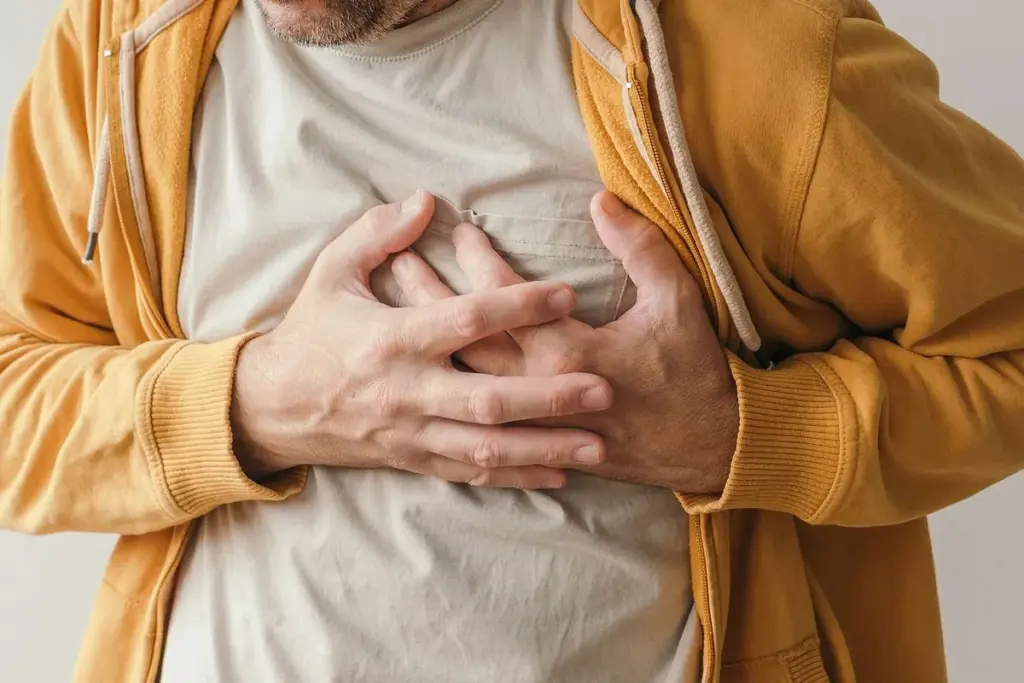
Fluid buildup around the heart is called pericardial effusion. It can lead to a serious condition called cardiac tamponade. This happens when the fluid presses on the heart, making it hard for it to work right.
It’s important to know if this fluid can clear up by itself. The severity of the condition and its outcome depend on several things. These include the reason for the fluid buildup and how well the treatment works.
Key Takeaways
- Cardiac tamponade is a serious medical condition caused by fluid accumulation around the heart.
- The condition can compress the heart and impede its function.
- Understanding the cause of the fluid buildup is key for treatment.
- The fluid around the heart may or may not clear up on its own, based on the cause.
- Quick medical help is needed to manage cardiac tamponade well.
What Is Fluid Around the Heart?
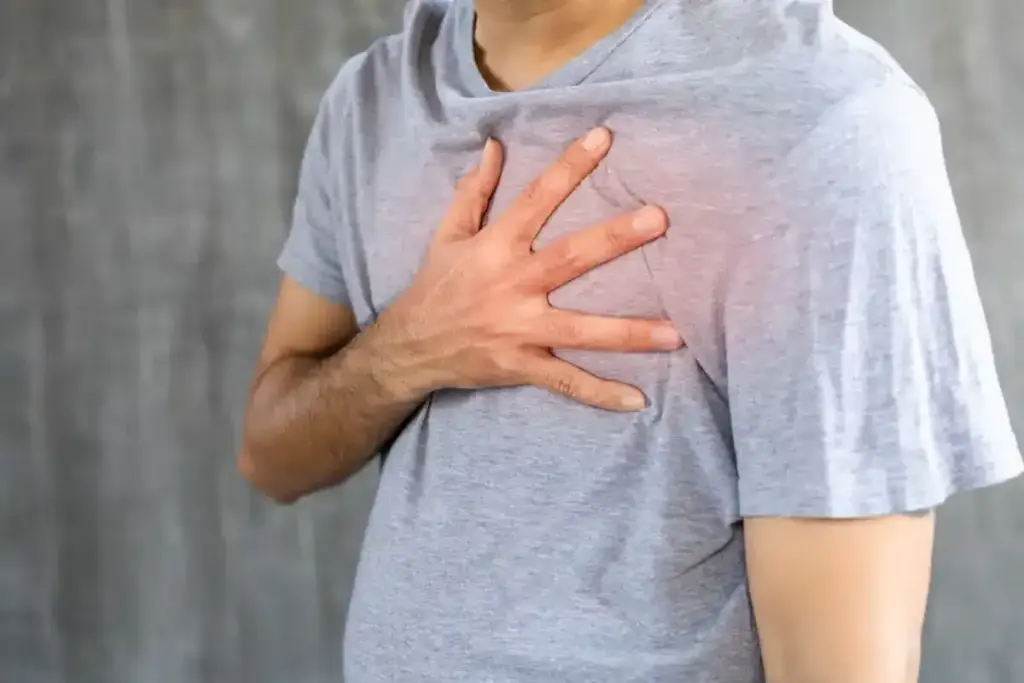
Understanding pericardial effusion is essential for the effective diagnosis and treatment of heart-related conditions. The pericardium is a sac around the heart. It has a small amount of fluid for smooth heart movements.
Definition of Pericardial Effusion
Pericardial effusion is when too much fluid builds up in the pericardial space. It can happen due to inflammation, infection, trauma, or cancer. The fluid can be clear, bloody, or infected, depending on the cause.
This extra fluid can put pressure on the heart. It might make the heart work less well. How serious it is depends on how much fluid, how fast it builds up, and the cause.
Normal Pericardial Fluid vs. Excess Fluid
Normally, the pericardial sac has a small amount of fluid, less than 50 mL. This helps the heart move smoothly. But, pericardial effusion means more than 50 mL of fluid, which can squeeze the heart.
- Normal Fluid: Less than 50 mL, serous, facilitates heart movement.
- Excess Fluid: More than 50 mL, can be serous, sanguineous, or purulent, potentially compressing the heart.
Trivial Pericardial Effusion Explained
A trivial pericardial effusion is a small amount of fluid in the pericardial sac. It’s usually harmless and doesn’t cause big problems. The term “trivial” means the fluid amount is small.
Trivial pericardial effusion is known for:
- Small volume of fluid.
- Often no symptoms.
- May not need special treatment.
Causes of Fluid Accumulation Around the Heart

Pericardial effusion, or fluid buildup around the heart, can come from many causes. Knowing these causes helps doctors diagnose and treat it well.
Inflammatory Conditions
Inflammatory conditions are a big reason for fluid buildup around the heart. When the pericardium gets inflamed, it makes more fluid. This inflammation, called pericarditis, can happen for many reasons, like:
- Infections
- Autoimmune disorders
- Trauma to the chest
- Post-myocardial infarction inflammation
Pericarditis can be either acute or chronic. The acute form often causes sharp chest pain that gets better when sitting up and worse when lying down.
Infections and Viral Causes
Infections are another big reason for pericardial effusion. Bacterial, viral, or fungal infections can cause inflammation of the pericardium. Viral infections, like Coxsackievirus and Echovirus, are often to blame.
“Viral pericarditis is often associated with a good prognosis, but it can sometimes lead to significant morbidity if not properly managed.”
— Journal of Cardiology
Autoimmune Disorders
Autoimmune disorders, where the body attacks its own tissues, can also cause pericardial effusion. Conditions like rheumatoid arthritis and lupus can make the pericardium inflamed, leading to fluid buildup.
|
Autoimmune Disorder |
Association with Pericardial Effusion |
|---|---|
|
Rheumatoid Arthritis |
Commonly associated with pericarditis and effusion |
|
Systemic Lupus Erythematosus (Lupus) |
Can cause pericarditis and effusion as part of its systemic manifestations |
Cancer and Malignancies
Cancer is a big reason for pericardial effusion, mostly in advanced stages. Tumors can spread to the pericardium, causing fluid buildup. Lung cancer, breast cancer, and melanoma are the most common cancers linked to this.
Knowing why pericardial effusion happens is key to the right treatment. Doctors use clinical evaluation, imaging studies, and lab tests to figure it out.
Understanding Cardiac Tamponade
Cardiac tamponade happens when fluid builds up in the pericardial sac around the heart. This buildup presses on the heart, making it hard to pump blood. It’s a serious condition that can be life-threatening.
How Tamponade Develops
Fluid buildup in the pericardial space causes cardiac tamponade. Normally, a small amount of fluid helps the heart move smoothly. But too much fluid increases pressure on the heart, stopping it from pumping well.
The speed at which fluid builds up matters. Rapid accumulation leads to acute tamponade, while gradual accumulation causes chronic tamponade.
Acute vs. Chronic Tamponade
Cardiac tamponade comes in two types: acute and chronic.
- Acute Tamponade: Fluid builds up quickly, often from trauma or medical procedures. Symptoms like severe chest pain and shortness of breath appear suddenly.
- Chronic Tamponade: Fluid builds up slowly, linked to conditions like cancer or autoimmune diseases. Symptoms may take longer to appear, giving time for treatment.
Risk Factors for Developing Tamponade
Several factors raise the risk of cardiac tamponade. These include:
- Inflammatory and Infectious Conditions: Such as pericarditis, which can cause fluid buildup.
- Cancer and Malignancies: Tumors can spread to the pericardium, causing effusion.
- Trauma: Both penetrating and non-penetrating trauma can lead to hemopericardium and tamponade.
- Autoimmune Disorders: Conditions like lupus or rheumatoid arthritis can cause pericardial effusion.
Knowing these risk factors helps in early diagnosis and treatment of cardiac tamponade.
Symptoms of Pericardial Effusion
Knowing the symptoms of pericardial effusion is key for quick medical help. This condition can show mild to severe signs. Spotting these early is important for good care.
Early Warning Signs
The first signs of pericardial effusion might be chest pain, shortness of breath, and feeling unwell. These signs can be like other health issues, making it hard to diagnose.
Some people might feel their heart racing or have palpitations. If these symptoms last or get worse, seeing a doctor is a must.
Severe Symptoms Requiring Immediate Attention
Severe cases can lead to cardiac tamponade, a serious condition. Look out for severe chest pain, trouble breathing, and fainting or feeling like you’re going to faint.
If you or someone you know has these symptoms, get emergency help right away.
Beck’s Triad and Other Clinical Presentations
Beck’s triad includes low blood pressure, muffled heart sounds, and swollen jugular veins. It’s a sign of severe cardiac tamponade. Not everyone with pericardial effusion will have Beck’s triad, but it’s a big warning sign.
Other signs might be pulsus paradoxus, where blood pressure drops too much when you breathe in. Spotting these signs helps doctors treat pericardial effusion right.
Diagnosing Fluid Around the Heart
To find fluid around the heart, doctors use a detailed process. This includes checking the body, using imaging tests like echocardiography, and lab tests.
Physical Examination Findings
A detailed check-up is key in finding fluid around the heart. Doctors look for signs like distended neck veins, low blood pressure, and pulsus paradoxus. This is when blood pressure drops too much when you breathe in.
These signs help doctors know if there’s fluid and what to do next.
Imaging Tests
Imaging tests are very important in finding fluid around the heart. Echocardiography is the main tool. It can spot even a little bit of fluid.
Other tests like chest X-ray, CT scan, and MRI also help. They give a clear view of the heart and the area around it.
|
Imaging Test |
Use in Diagnosing Pericardial Effusion |
|---|---|
|
Echocardiography |
Primary test for detecting fluid around the heart |
|
Chest X-ray |
Can show enlarged cardiac silhouette |
|
CT Scan |
Provides detailed images of the heart and pericardium |
|
MRI |
Offers detailed assessment of the pericardium and surrounding structures |
Laboratory Tests
Laboratory tests are vital to find out why there’s fluid around the heart. Tests like complete blood count (CBC), blood chemistry tests, and pericardial fluid analysis are used. These are done if fluid is taken out through a procedure.
These tests help find out if there’s an infection, an autoimmune disease, or cancer.
Classification of Pericardial Effusion
Pericardial effusions are divided into different sizes. The size affects how severe symptoms are and what treatment is needed. Knowing the size is key to choosing the right treatment and understanding the risks.
Trivial vs. Small Effusions
Trivial effusions are small and usually harmless. They have little fluid around the heart. Small effusions are a bit larger but are also mild. Both types might not cause big symptoms and can sometimes be watched instead of treated right away.
Monitoring is important for these cases. If the cause is not fixed, the condition can get worse. A study in the Journal of the American College of Cardiology found that small effusions might mean a higher risk of heart problems.
Moderate Effusions
Moderate effusions have more fluid and can cause symptoms. People might feel chest pain or have trouble breathing. This means they need closer watch by doctors.
Large and Very Large Effusions
Large and very large effusions have a lot of fluid around the heart. This can lead to cardiac tamponade, a serious condition. These need quick medical help and often need fluid drained.
“The development of cardiac tamponade is a medical emergency that requires prompt recognition and treatment to prevent hemodynamic collapse.”
Pleuropericardial Effusion
Pleuropericardial effusion is when fluid builds up in both the pericardial and pleural spaces. This affects both the heart and lungs. It might need a team effort to manage, looking at both heart and lung health.
Knowing the size of pericardial effusions is vital for treatment. It helps doctors understand the severity and plan the best care for each patient. This includes knowing the difference between trivial, small, moderate, large, and very large effusions, and recognizing pleuropericardial effusion.
Can Fluid Around the Heart Resolve Naturally?
Can fluid around the heart clear up by itself? It depends on the cause and how big the fluid buildup is. These factors play a big role in whether it can fix itself.
Factors That Determine Self-Resolution
Several things affect if fluid around the heart can clear up naturally. These include:
- The underlying cause of the effusion
- The size of the effusion
- The presence of symptoms
- The overall health of the patient
For example, a small fluid buildup from a viral infection might clear up once the virus is gone. But, a big fluid buildup from something like cancer might need treatment to go away.
Timeframe for Natural Resolution
How long it takes for fluid around the heart to clear up can vary a lot. It might go away in a few weeks for some, but it could take longer for others.
|
Cause of Effusion |
Typical Timeframe for Resolution |
|---|---|
|
Viral Infection |
2-6 weeks |
|
Autoimmune Disorder |
Variable, depends on treatment |
|
Cancer |
Unlikely to resolve without treatment |
When Self-Resolution Is Unlikely
In some cases, fluid around the heart won’t clear up by itself. This is often true for big or severe fluid buildups.
“The presence of a large pericardial effusion or one that is causing significant symptoms often necessitates medical intervention to prevent complications such as cardiac tamponade.”
It’s important for people with fluid buildup around the heart to talk to their doctor. They can figure out the best plan based on their situation.
Treatment Options for Pericardial Effusion
There are many ways to treat pericardial effusion, from simple steps to more serious actions. The right treatment depends on the cause, how big the effusion is, and how the patient feels.
Conservative Management Approaches
For small, painless effusions, doctors might just watch and wait. They use close monitoring with echocardiograms to see if the size changes. They also suggest lifestyle modifications to help manage any underlying issues.
Medication Therapies
For effusions caused by inflammation or autoimmune diseases, doctors might use anti-inflammatory medications like NSAIDs or corticosteroids. If it’s an infection, they’ll start antibiotic therapy. For cancer-related effusions, chemotherapy or other cancer treatments are used.
When Intervention Becomes Necessary
When the effusion is big, causing symptoms, or leading to tamponade, more serious steps are needed. A common method is pericardiocentesis, where fluid is removed with a needle and catheter. For effusions that keep coming back, a pericardial window procedure is done to help drain the fluid.
|
Treatment Approach |
Description |
Indications |
|---|---|---|
|
Conservative Management |
Monitoring with echocardiograms and lifestyle modifications |
Small, asymptomatic effusions |
|
Medication Therapies |
Anti-inflammatory, antibiotics, or chemotherapy |
Inflammatory, infectious, or malignant causes |
|
Pericardiocentesis |
Removal of fluid from the pericardial sac |
Large, symptomatic effusions or tamponade |
|
Pericardial Window |
Surgical creation of a window for drainage |
Recurrent or persistent effusions |
Pericardiocentesis Procedure Explained
When fluid builds up around the heart, a procedure called pericardiocentesis is used to relieve pressure. This is key for treating cardiac tamponade. In this condition, too much fluid presses on the heart, making it hard to pump blood.
How the Procedure Is Performed
Pericardiocentesis involves putting a needle and catheter into the pericardial sac to remove fluid. It’s done under ultrasound to make sure it’s done right. The patient gets local anesthesia to lessen pain. The needle is placed carefully, and then a catheter is used to drain the fluid.
Risks and Complications
Though pericardiocentesis saves lives, it comes with risks. Possible issues include tearing the heart or coronary arteries, a collapsed lung, and irregular heartbeats. Infection is also a risk, like with any invasive procedure. But, using imaging and strict cleanliness helps lower these risks.
Recovery and Aftercare
After the procedure, the patient is watched for any signs of trouble. The catheter might stay in to keep draining fluid. Patients are told to rest and avoid hard activities while they recover. They’ll also need to check back with their doctor to make sure the fluid doesn’t come back.
How long it takes to recover depends on the person’s health and why the fluid built up. Usually, doctors tell patients to wait before getting back to normal activities.
Surgical Interventions for Persistent Effusions
When other treatments don’t work, surgery is often needed for pericardial effusions. For those with ongoing or coming back effusions, surgery can be a lasting fix. It helps ease symptoms and stops more problems.
Pericardial Window Procedure
The pericardial window procedure makes a hole in the pericardium to drain fluid. It helps stop future fluid buildup. This surgery can be done in different ways, like through the chest or with a camera.
- Benefits: It lowers the risk of heart problems, relieves symptoms, and is often less invasive.
- Indications: It’s for those with ongoing or coming back fluid buildup, when other treatments don’t work.
Pericardiectomy
Pericardiectomy removes part or all of the pericardium. It’s for severe or ongoing fluid buildup, like in constrictive pericarditis. in medical resources.
“Pericardiectomy is a lasting fix for constrictive pericarditis. It greatly improves life quality for those with chronic pericardial disease.”
— Cardiac Surgery Expert
Newer Minimally Invasive Approaches
New surgical methods offer less invasive ways to manage pericardial effusions. These include thoracoscopic and robotic surgeries. They have smaller cuts, less pain, and faster healing.
In summary, surgery is key for managing ongoing pericardial effusions. Knowing about the pericardial window, pericardiectomy, and new, less invasive surgeries helps doctors tailor treatments for each patient.
Living with Pericardial Effusion
Living with pericardial effusion can be tough, but it’s possible to lead an active life. To manage it well, you need to understand the condition, make lifestyle changes, and follow medical advice.
Lifestyle Modifications
Changing your lifestyle can help a lot with pericardial effusion. Here are some key changes:
- Eating a diet that helps reduce fluid and improves heart health
- Doing gentle exercises to keep your heart fit without pushing too hard
- Not smoking and drinking less alcohol
- Using stress-reducing activities like meditation or yoga
These changes can lessen symptoms and improve your life quality.
Activity Restrictions
Some activities might need to be avoided to not make the condition worse. This includes:
- Not lifting heavy or bending a lot
- Limiting hard exercise or activities that strain the heart
- Taking breaks to rest
It’s important to talk to a doctor to figure out what activities are safe for you.
Monitoring and Follow-up Care
Keeping an eye on your condition and regular check-ups are key to managing pericardial effusion. This includes:
|
Monitoring Aspect |
Description |
Frequency |
|---|---|---|
|
Symptom monitoring |
Tracking changes in symptoms like chest pain or shortness of breath |
Daily/As needed |
|
Imaging tests |
Regular echocardiograms or other tests to check the effusion |
As recommended by healthcare provider |
|
Follow-up appointments |
Regular visits with healthcare providers to review your condition and adjust treatment |
As scheduled |
By watching your condition closely and following your care plan, you can manage your pericardial effusion better. This helps lower the risk of serious problems.
Complications of Untreated Fluid Around the Heart
Fluid around the heart that isn’t treated can cause serious problems. This fluid can press on the heart, making it hard for it to work right.
Short-term Complications
One big problem is cardiac tamponade. This happens when fluid presses too hard on the heart. It makes it hard for the heart to pump blood. Symptoms include low blood pressure, fast heart rate, and trouble breathing. You need to see a doctor right away.
“Cardiac tamponade is a medical emergency that necessitates prompt intervention to prevent fatal outcomes.”
Other short-term issues might include:
- Heart rhythm problems from the pressure
- Less blood getting to important organs
Long-term Health Impacts
Not treating fluid around the heart can cause long-term problems. These include:
|
Condition |
Description |
Potential Outcome |
|---|---|---|
|
Chronic Heart Failure |
Prolonged strain on the heart |
Lower quality of life, higher risk of death |
|
Permanent Heart Damage |
Continuous pressure on heart chambers |
Irreversible damage, need for ongoing care |
Impact on Heart Function
Fluid around the heart can really hurt how well it works. The pressure from the fluid can:
- Make it harder for the heart to fill with blood
- Lead to scarring in the heart muscle from long-term inflammation
Getting medical help quickly is very important. Early treatment can stop these problems and help patients get better.
Prevention Strategies
Effective prevention strategies can greatly lower the risk of getting pericardial effusion. By knowing and using these strategies, people can protect their heart health better.
Managing Underlying Conditions
It’s key to manage health conditions to prevent pericardial effusion. Issues like high blood pressure, autoimmune diseases, and infections can cause fluid around the heart. Proper management through medicine, lifestyle changes, and regular check-ups can reduce this risk.
For example, controlling high blood pressure with diet, exercise, and medicine can ease heart strain. Managing autoimmune diseases with treatments can stop inflammation that might cause pericardial effusion.
Regular Medical Check-ups
Regular medical check-ups are vital for early detection and prevention of pericardial effusion. Routine examinations help healthcare providers keep an eye on heart health and spot issues early.
During these visits, doctors might do tests like echocardiograms to check heart function and find any problems. Finding issues early means they can act quickly, stopping pericardial effusion from getting worse.
|
Test |
Purpose |
Frequency |
|---|---|---|
|
Echocardiogram |
Assess heart function and detect abnormalities |
Annually or as recommended |
|
Blood Tests |
Monitor for infections and inflammatory markers |
As necessary based on health status |
|
Electrocardiogram (ECG) |
Evaluate heart rhythm and detect irregularities |
During routine check-ups or if symptoms arise |
Recognizing Early Warning Signs
It’s important to recognize early signs of pericardial effusion for quick medical help. Symptoms like chest pain, shortness of breath, and palpitations should not be ignored. Early recognition of these signs can lead to quick diagnosis and treatment, possibly avoiding serious issues.
People with heart conditions or risk factors should watch out closely. If strange symptoms show up, getting medical help right away is key.
When to Seek Emergency Medical Care
Knowing when to get emergency care can save lives, like for those with . People with pericardial effusion need to know the signs that mean they need help fast.
Red Flag Symptoms
Some symptoms are serious and could be life-threatening. These include:
- Severe chest pain or discomfort that may spread to the neck, back, or arms
- Shortness of breath or trouble breathing, even when sitting or lying down
- Rapid or irregular heartbeat
- Fainting or feeling like you’re going to faint
- Swelling in the legs or belly
If you notice any of these, get emergency care right away.
Emergency Response Protocols
Acting fast is key in a medical emergency. Here’s what to do:
- Call emergency services or your local emergency number right away
- If you’re in a hospital or medical facility, tell the staff immediately
- Stay calm and try not to move while waiting for help
- If you’re with someone, have them stay with you until help comes
Emergency responders are trained to handle heart emergencies. So, get help as soon as you can.
What to Tell Healthcare Providers
When you need emergency care, telling healthcare providers the right info is key. Be ready to:
- Describe your symptoms in detail, including when they started and how long they’ve lasted
- Share your medical history, including any heart conditions or surgeries you’ve had
- List all the medications you’re taking
- Tell them about any recent illnesses or infections
Giving accurate and timely info helps healthcare providers make the best decisions for you.
Knowing when to seek emergency care is very important for people with pericardial effusion. By recognizing serious symptoms and knowing how to act, you can protect your health.
Conclusion
It’s important to know about pericardial effusion and cardiac tamponade. This condition happens when fluid builds up around the heart. It can come from many things like infections or cancer.
Spotting the signs early is key. Knowing how doctors diagnose it helps too. This way, we can act fast.
Some cases might get better by themselves. But others need medical help. This could be draining the fluid or surgery.
It’s vital to treat the root cause. And to watch for signs that something is wrong. This helps avoid serious problems.
Knowing about pericardial effusion and cardiac tamponade helps a lot. It lets people get the right care early. This can stop serious health issues.
By understanding the causes, symptoms, and treatments, patients can take better care of themselves. This leads to better health outcomes.
FAQ
What is cardiac tamponade?
Cardiac tamponade is a serious condition. It happens when fluid builds up around the heart. This fluid presses on the heart, making it hard for it to work right.
What is pericardial effusion?
Pericardial effusion is when too much fluid gathers around the heart. It can be caused by inflammation, infection, or trauma.
Can a trivial pericardial effusion resolve on its own?
Yes, sometimes a small amount of fluid around the heart can go away by itself. But it depends on the cause and the person’s health.
What are the symptoms of pericardial effusion?
Symptoms can vary. They might include chest pain, shortness of breath, and feeling very tired. In severe cases, you might see signs of cardiac tamponade like low blood pressure, muffled heart sounds, and swelling in the neck veins.
How is pericardial effusion diagnosed?
Doctors use physical exams, imaging tests like echocardiography, and lab tests to diagnose it. These help find out how much fluid is there and why.
What is the difference between acute and chronic cardiac tamponade?
Acute tamponade happens quickly, often from trauma or a heart rupture. Chronic tamponade develops slowly, usually from ongoing conditions like cancer or autoimmune diseases.
How is cardiac tamponade treated?
Treatment often starts with draining the fluid through pericardiocentesis. Sometimes, surgery like creating a new drainage area or removing part of the pericardium is needed.
Can fluid around the heart cause long-term health impacts?
Yes, if not treated, fluid around the heart can lead to serious problems. These include cardiac tamponade, heart function issues, and even life-threatening conditions.
What are the risk factors for developing cardiac tamponade?
Certain conditions like cancer, autoimmune diseases, infections, and trauma increase the risk. So do some medical procedures.
When should I seek emergency medical care for pericardial effusion?
Get help right away if you have severe symptoms. This includes trouble breathing, chest pain, or signs of shock.
What is pericardiocentesis?
Pericardiocentesis is a procedure where a needle is used to drain fluid from around the heart. It’s often done with the help of imaging techniques.
What lifestyle modifications are recommended for living with pericardial effusion?
To manage it, avoid hard activities, take care of any underlying conditions, and see your doctor regularly.
How can pericardial effusion be prevented?
Preventing it means managing health conditions, getting regular check-ups, and catching early signs. This way, you can act before problems get worse.
What is pulsus paradoxus?
Pulsus paradoxus is when blood pressure drops too much during breathing. It’s often seen in cardiac tamponade.
What is a pericardial window?
A pericardial window is a surgery. It creates a new path for fluid to drain, helping to prevent it from building up again.
References
National Center for Biotechnology Information. Evidence-Based Medical Insight. Retrieved from https://pmc.ncbi.nlm.nih.gov/articles/PMC4623015/