
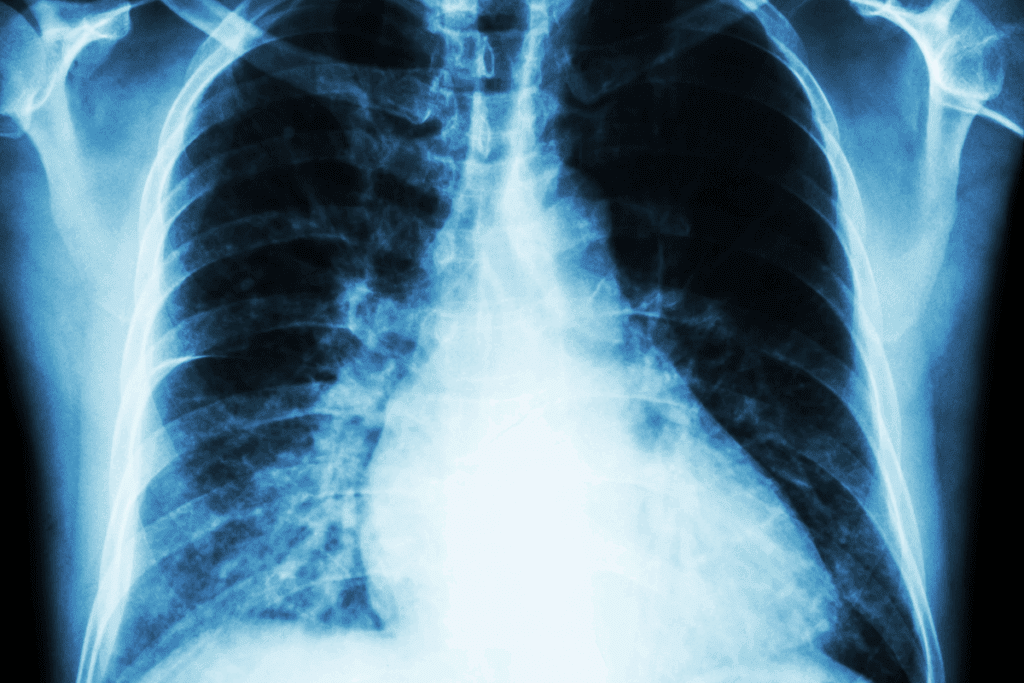
At Liv Hospital, we know how key it is to tell cardiomegaly and cardiac hypertrophy apart. Cardiomegaly, or an enlarged heart, happens when the heart grows too big.cardiomegaly is most similar to cardiac hypertrophyWhat Sickle Cell Disease Causes? Key Genetic Factors This can be due to many reasons, both good and bad.
Cardiac hypertrophy is when the heart muscle gets thicker. This is because the heart is working harder or has a disease. Even though both make the heart bigger, they start in different ways.
Knowing the similarities and differences between cardiomegaly and cardiac hypertrophy is very important. It helps us find problems early and treat them well. We’ll dive into these topics, giving you a better understanding of their impact on heart health.
Key Takeaways
- Cardiomegaly refers to an enlarged heart, which can result from various causes.
- Cardiac hypertrophy is a specific condition where the heart muscle thickens in response to increased workload or disease.
- Both conditions involve heart enlargement but have distinct mechanisms.
- Understanding the differences between cardiomegaly and cardiac hypertrophy is key for effective treatment.
- Liv Hospital is dedicated to top-notch care for heart patients.
Understanding Cardiomegaly: The Enlarged Heart Condition

It’s important to understand cardiomegaly to treat heart problems well. Cardiomegaly, or an enlarged heart, happens when the heart gets too big. This can be due to high blood pressure, heart disease, or heart muscle issues.
Definition and Medical Terminology
Cardiomegaly means the heart is bigger than it should be. The term comes from “cardia,” meaning heart, and “megaly,” meaning big. Doctors use tests like chest X-rays or echocardiograms to spot it.
Alternative Terms: Megalocardia, Megacardia, and Common Misspellings
Other names for cardiomegaly are megalocardia or megacardia. But, these names are not used much today. You might see cardiomelagy, cardimegaly, or cadiomegaly misspelled. Using the right words helps doctors give the right treatment.
Prevalence and Risk Factors
How common cardiomegaly is can vary. It often shows up in people with heart problems. High blood pressure, heart disease, valve issues, and muscle diseases are big risks. Knowing these risks helps prevent and treat the condition early.
| Risk Factor | Description | Impact on Heart |
| Hypertension | High blood pressure that the heart must work against | Can lead to thickening of heart walls |
| Coronary Artery Disease | Narrowing or blockage of coronary arteries | Can cause heart muscle damage |
| Cardiomyopathy | Diseases of the heart muscle | Can lead to heart failure if severe |
Cardiac Hypertrophy: When Heart Muscle Grows
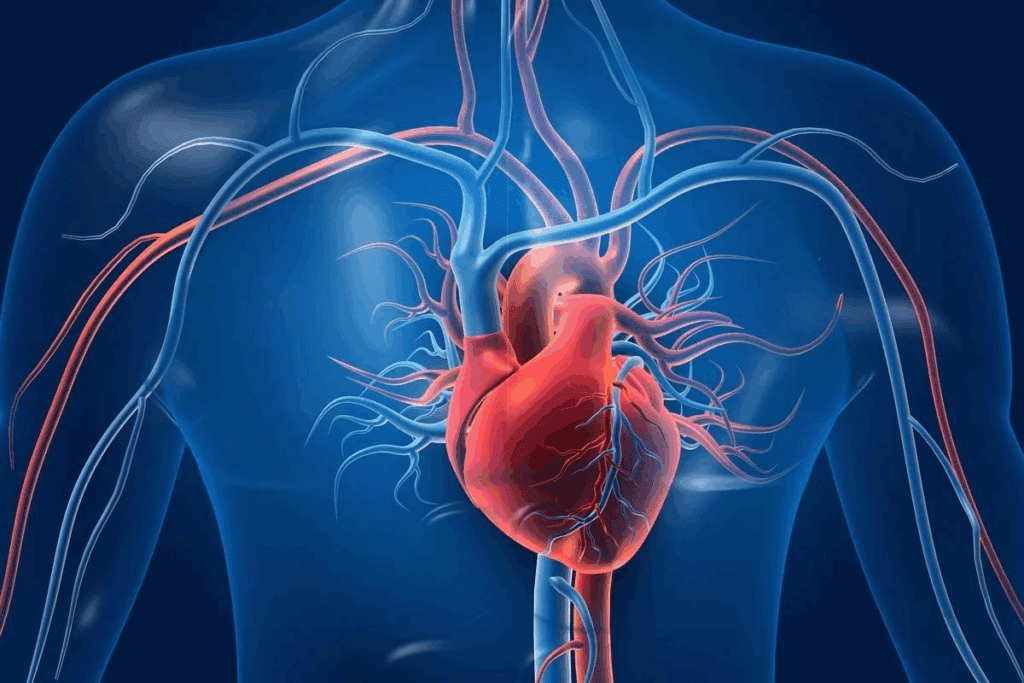
Cardiac hypertrophy is when the heart muscle gets thicker. This can happen because of exercise or disease. It makes the heart bigger and can affect how well it works.
Physiological vs. Pathological Hypertrophy
There are two kinds of cardiac hypertrophy: physiological and pathological. Physiological hypertrophy happens when you exercise a lot, like with aerobic activities. It’s usually okay.
On the other hand, pathological hypertrophy is linked to heart diseases like high blood pressure. It can lead to serious problems if not treated right.
We tell these types apart by their causes and effects. Physiological hypertrophy is mostly safe and might even help. But pathological hypertrophy is a big risk for heart failure and other heart issues.
Cellular and Molecular Mechanisms
The growth of the heart muscle involves many complex steps. These steps start with signals from the body, like stress or hormones. They lead to the heart cells getting bigger.
Important pathways include PI3K/AKT, MAPK, and calcineurin-NFAT. Knowing about these helps us find new ways to treat heart muscle growth and stop it from getting worse.
Types of Cardiac Hypertrophy
Cardiac hypertrophy can be split into different types based on how the heart grows and why. The main types are concentric and eccentric hypertrophy. Concentric is when the walls get thicker evenly. Eccentric is when the heart chamber gets bigger along with the walls.
| Type of Hypertrophy | Description | Common Causes |
| Concentric Hypertrophy | Uniform thickening of ventricular walls | Hypertension, aortic stenosis |
| Eccentric Hypertrophy | Ventricular chamber enlargement with wall thickening | Volume overload, heart failure |
| Physiological Hypertrophy | Adaptive response to exercise | Aerobic exercise, athletic training |
A heart weighing 600 grams is a big sign of cardiac hypertrophy. Knowing about the different types and causes helps doctors diagnose and treat it right.
Cardiomegaly is Most Similar to Cardiac Hypertrophy: Key Connections
It’s important to understand the link between cardiomegaly and cardiac hypertrophy. Both affect the heart, causing it to grow larger. But they do so in different ways.
Shared Pathophysiological Processes
Cardiomegaly and cardiac hypertrophy have similar causes. They both happen when the heart changes due to high blood pressure or valve problems. These changes can make the heart bigger, raising the risk of heart failure and irregular heartbeats.
Overlapping Clinical Presentations
The symptoms of cardiomegaly and cardiac hypertrophy can be the same. People with either condition might have trouble breathing or feel tired. Both conditions make the heart bigger, leading to similar symptoms.
Relationship Between the Two Conditions
Cardiomegaly and cardiac hypertrophy are closely related. They can both be caused by high blood pressure or heart muscle diseases. Knowing this helps doctors find the best treatments.
Why They’re Often Confused
Cardiomegaly and cardiac hypertrophy are often mixed up because they look similar. When we think “cardiomegaly is similar to what,” cardiac hypertrophy comes to mind. Both need careful diagnosis to treat them right.
In summary, cardiomegaly and cardiac hypertrophy are similar because of their shared causes and symptoms. Recognizing this helps doctors manage these heart conditions better.
Common Causes Leading to Both Conditions
Cardiomegaly and cardiac hypertrophy have similar causes. Knowing these causes helps doctors diagnose and treat these conditions better.
Hypertension and Pressure Overload
Hypertension is a big risk for both conditions. It puts too much pressure on the heart. This makes the heart muscle work harder, leading to left ventricular hypertrophy.
Long-term hypertension can make the heart bigger. This is because the heart chambers get bigger to handle the extra work.
Valvular Heart Disease
Valvular heart disease is another major cause. Problems with the heart valves, like aortic stenosis or mitral regurgitation, make the heart work harder. This can lead to hypertrophy and, if not treated, cardiomegaly.
Cardiomyopathies
Cardiomyopathies, like dilated cardiomyopathy and hypertrophic cardiomyopathy, are diseases of the heart muscle. They can cause both cardiomegaly and cardiac hypertrophy. These conditions often come from genetic mutations or other factors that harm the heart’s structure and function.
Genetic Factors
Genetic factors are key in developing both conditions. Some genetic mutations make people more likely to get cardiomyopathies and other heart problems. This can lead to cardiomegaly and cardiac hypertrophy.
Knowing the genetic causes helps in early diagnosis and treatment. This can stop the disease from getting worse and prevent severe heart problems.
Distinguishing Features: Where the Conditions Diverge
It’s important to know the difference between cardiomegaly and cardiac hypertrophy for proper treatment. Both involve heart enlargement, but they differ in structure and function.
Structural Differences
Cardiomegaly means the heart chambers get bigger. Cardiac hypertrophy makes the heart muscle thicker. These differences affect how well the heart works and the patient’s future.
Cardiomegaly makes the heart larger because the chambers get bigger. Cardiac hypertrophy makes the heart muscle thicker, leading to stronger contractions but can harm diastolic function.
Functional Implications
The heart’s function changes with these structural differences. Cardiomegaly can make the heart less efficient and increase heart failure risk. Cardiac hypertrophy might improve cardiac output at first but could lead to heart failure if not treated.
“The heart’s ability to adapt to increased workload through hypertrophy can be both a compensatory mechanism and a pathological process, depending on the context.”
Prognostic Variations
The outlook for patients with cardiomegaly versus cardiac hypertrophy differs. Cardiomegaly often means a worse prognosis due to advanced heart failure. Cardiac hypertrophy, though serious, might have a better outlook if the cause is treated well.
Understanding the differences between cardiomegaly and cardiac hypertrophy is key to creating effective treatments.
Pathophysiology: Mechanical and Neurohormonal Triggers
Cardiomegaly and cardiac hypertrophy have complex causes. They involve mechanical stretch and neurohormonal activation. These factors help explain how these heart conditions develop and grow.
Mechanical Stretch Mechanisms
Mechanical stretch is key in causing both cardiomegaly and cardiac hypertrophy. When the heart works harder or faces more pressure, it stretches and grows. This stretch starts a chain of events that leads to hypertrophy.
Mechanical stretch triggers many cellular actions, including the opening of stretch-activated channels. These actions are vital for the heart’s initial response to increased load. But, too much stretch can cause harm and worsen these conditions.
Neurohormonal Activation
Neurohormonal activation is also vital in the development of cardiomegaly and cardiac hypertrophy. The RAAS and sympathetic nervous systems are major players. They release hormones that help the heart grow and become fibrotic.
The RAAS system is key in controlling blood pressure and fluid balance. Its imbalance can lead to cardiac hypertrophy. Knowing how neurohormones affect the heart is important for finding treatments.
Cellular Signaling Pathways
Cellular signaling pathways are essential in the growth of cardiomegaly and cardiac hypertrophy. Many pathways, like the calcineurin-NFAT and MAPK cascades, are turned on by stretch and hormones. These pathways control gene expression and help myocytes grow.
These pathways show how complex cardiomegaly and cardiac hypertrophy are. They highlight the many factors involved in these conditions.
The 600 Gram Heart: What It Signifies
A 600 gram heart is severely enlarged, showing severe cardiomegaly. This is often due to long-term high blood pressure, heart valve problems, or cardiomyopathy. A heart this size means the heart has undergone significant remodeling and hypertrophy, leading to poor function.
A 600 gram heart is a sign of serious heart issues. It means the heart’s function is at risk, and the patient’s prognosis is poor. Understanding the causes of such severe heart enlargement is key to better treatment options.
Clinical Manifestations and Symptoms
Cardiomegaly and cardiac hypertrophy can show different symptoms. These can range from no symptoms at all to very severe ones. It’s important to know how these conditions can affect people differently.
Asymptomatic Presentation
Many people with these conditions don’t show any symptoms at first. This makes it hard to catch them early, often needing tests for other reasons.
But as the conditions get worse, symptoms can start to show. It’s key for those at risk, like those with high blood pressure or heart disease in their family, to get checked regularly.
Respiratory Symptoms and Shortness of Breath
Shortness of breath, or dyspnea, is a common symptom. It happens when the heart can’t pump blood well, causing fluid in the lungs. This can really affect a person’s life, making it hard to do everyday things.
Other signs include coughing, often at night, and feeling short of breath when lying down. These are clear signs to see a doctor.
| Symptom | Description |
| Dyspnea | Shortness of breath, often a result of fluid buildup in the lungs due to heart failure. |
| Orthopnea | Shortness of breath while lying down, relieved by sitting or standing up. |
| Coughing | Often occurs at night and can be a sign of pulmonary congestion. |
Cardiovascular Complications
Both cardiomegaly and cardiac hypertrophy can lead to heart problems. These include irregular heartbeats, heart failure, and a higher risk of heart attacks. Getting a diagnosis and treatment early is very important.
“The presence of cardiac hypertrophy is a significant predictor of cardiovascular morbidity and mortality, stressing the need for early detection and management.”
The symptoms of cardiomegaly and cardiac hypertrophy can be very different. Knowing these symptoms helps doctors diagnose and treat these conditions better.
Diagnostic Approaches for Heart Enlargement
Diagnosing heart enlargement needs a detailed plan. We use many tools to find and tell apart these issues.
Imaging Techniques
Imaging is key in spotting heart enlargement. Echocardiography gives us clear heart pictures. It checks the heart’s size and how well it works.
Magnetic Resonance Imaging (MRI) and Computed Tomography (CT) scans help too. They look at the heart’s shape and find problems.
Laboratory Tests and Biomarkers
Lab tests and biomarkers are vital. B-type natriuretic peptide (BNP) and N-terminal pro-b-type natriuretic peptide (NT-proBNP) show heart stress and failure.
| Biomarker | Clinical Significance |
| BNP | Elevated levels indicate heart failure and cardiac stress |
| NT-proBNP | Used for diagnosing and monitoring heart failure |
| Troponin | Indicates cardiac injury or myocardial infarction |
Differential Diagnosis Between the Conditions
Telling cardiomegaly from cardiac hypertrophy is hard. But, getting it right is key for good care.
- Cardiomegaly means a big heart, caused by many things.
- Cardiac hypertrophy is when the heart muscle gets thick, usually from too much work or high blood pressure.
Right diagnosis comes from looking at symptoms, imaging, and lab tests. This helps choose the right treatment.
Treatment Strategies and Prevention
Managing cardiomegaly and cardiac hypertrophy needs a full plan. This plan tackles the root causes and uses many treatment methods. We will look at how to treat these conditions, focusing on managing health issues, using medicines, and making lifestyle changes.
Addressing Underlying Causes
It’s key to manage hypertension, heart failure, and other health issues to treat cardiomegaly and cardiac hypertrophy. Controlling high blood pressure through lifestyle and medicine can slow these conditions. We also need to tackle other causes, like valvular heart disease and cardiomyopathies, to stop more heart damage.
Pharmacological Interventions
Medicines are a big help in managing cardiomegaly and cardiac hypertrophy. ACE inhibitors and beta-blockers are used to ease the heart’s workload and manage symptoms. These drugs help lower blood pressure and boost heart function, slowing disease progress.
Lifestyle Modifications
Lifestyle changes are key in managing cardiomegaly and cardiac hypertrophy. We suggest a healthy diet low in sodium and high in fruits, veggies, and whole grains. Regular physical activity, like walking, can improve heart health. Also, quitting smoking and cutting down on alcohol are important steps.
Surgical Options
In some cases, surgery is needed to treat underlying conditions causing cardiomegaly and cardiac hypertrophy. Heart valve repair or replacement might be needed for valvular heart disease. Other surgeries, like implantable cardioverter-defibrillators (ICDs), may be considered for those at high risk of dangerous arrhythmias.
Conclusion
It’s key to understand cardiomegaly and cardiac hypertrophy for better patient care. Both affect the heart’s structure in big ways. Their treatment needs a full plan.
We’ve looked at what makes cardiomegaly and cardiac hypertrophy similar and different. We’ve covered their causes, symptoms, and how to diagnose them. Each condition has its own special traits that need attention.
Quick diagnosis and treatment are vital to avoid serious problems. Knowing how cardiomegaly and cardiac hypertrophy work helps doctors create the right treatment plans. This way, we can help patients get better.
Managing cardiomegaly and cardiac hypertrophy well means using many approaches. This includes changing lifestyles, using medicines, and fixing the root causes. With a detailed care plan, we can make life better for those with these conditions.
FAQ
What is cardiomegaly, and how is it related to cardiac hypertrophy?
Cardiomegaly means your heart is enlarged. Cardiac hypertrophy is when your heart muscle gets thicker. Both involve heart growth but in different ways.
What are some alternative terms for cardiomegaly?
Other names for cardiomegaly include megalocardia and megacardia. You might also see misspellings like cardiomelagy or cadiomegaly.
What is a 600 gram heart indicative of?
A 600 gram heart shows your heart has grown a lot. This is due to various reasons.
What are the common causes of cardiomegaly and cardiac hypertrophy?
Causes include high blood pressure and heart valve problems. Also, certain heart diseases and genetics play a role.
How do cardiomegaly and cardiac hypertrophy differ?
Cardiomegaly is about the heart’s size. Cardiac hypertrophy is about the muscle thickening.
What are the clinical manifestations of cardiomegaly and cardiac hypertrophy?
Symptoms can range from no symptoms at all to shortness of breath. You might also face respiratory issues and heart problems.
How are cardiomegaly and cardiac hypertrophy diagnosed?
Doctors use imaging and tests to check your heart. They look at size and function to make a diagnosis.
What are the treatment strategies for cardiomegaly and cardiac hypertrophy?
Treatment aims to fix the cause. It includes medicine, lifestyle changes, and sometimes surgery.
Can cardiomegaly and cardiac hypertrophy be prevented?
Yes, by managing risks like high blood pressure. Lifestyle changes and medical care can help prevent these conditions.
What is the significance of understanding cardiomegaly and cardiac hypertrophy?
Knowing about these conditions helps in better treatment. It improves patient care by addressing each condition’s specific needs.
References:
- Chaudhry, R. (2022). Physiology, Cardiovascular. In StatPearls. National Center for Biotechnology Information.https://www.ncbi.nlm.nih.gov/books/NBK493197/



 Departments
 Related Videos
 Our Doctors
 News
News