Last Updated on December 4, 2025 by Ugurkan Demir
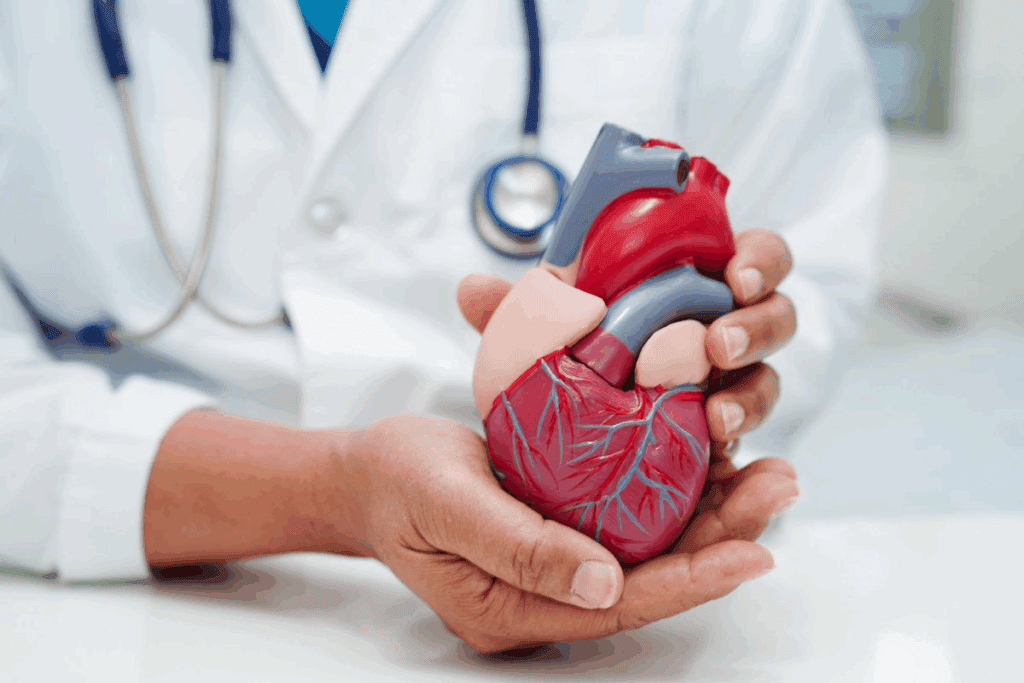
When the heart’s pumping ability is compromised, it can lead to a range of concerning symptoms. We often see patients who experience persistent fatigue and shortness of breath. These signs can be indicative of underlying heart muscle damage.
At Liv Hospital, we adopt a patient-centered approach. We follow international standards to thoroughly evaluate even the earliest signs of heart issues. This way, we support both preventive care and advanced diagnostic precision for those at risk.
Learn the top cardiomyopathy symptoms and how doctors diagnose this serious heart condition.
Key Takeaways
- Early detection of cardiomyopathy is key for effective management.
- Common symptoms include fatigue, shortness of breath, and swelling in the legs.
- A patient-centered approach ensures complete care for those at risk.
- Advanced diagnostic precision is vital for identifying heart muscle damage.
- Timely intervention can significantly improve patient outcomes.
Understanding Cardiomyopathy: A Brief Overview
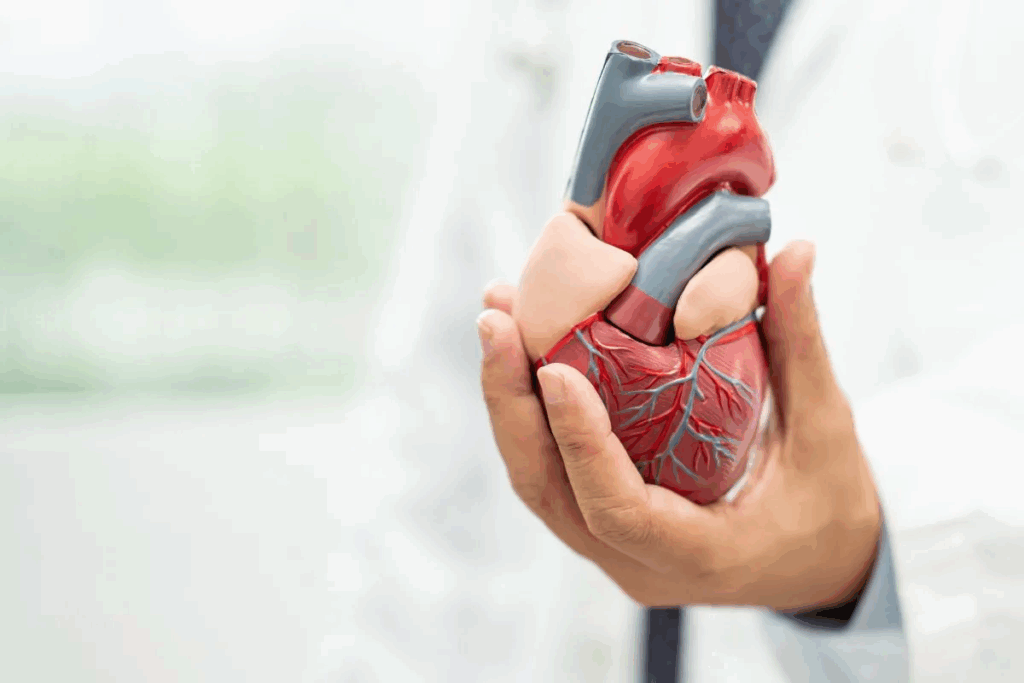
It’s important to know about cardiomyopathy to catch it early and manage it well. This heart condition makes the heart muscle thick or stiff. It stops the heart from pumping blood right.
What Is Cardiomyopathy?
Cardiomyopathy makes the heart muscle weak. It can happen for many reasons, like genes, infections, or toxins. “Cardiomyopathy is not just a single disease entity but a group of disorders that affect the heart muscle,” says recent research.
Types of Cardiomyopathy
There are many types of cardiomyopathy, each different. The main ones are:
- Dilated cardiomyopathy, where the heart muscle weakens and chambers get bigger.
- Hypertrophic cardiomyopathy, where the heart muscle thickens.
- Arrhythmogenic right ventricular dysplasia, a rare condition where the right ventricle’s muscle turns to fat.
- Restrictive cardiomyopathy, where the heart muscle stiffens, making it hard to fill with blood.
- Transthyretin amyloid cardiomyopathy, caused by abnormal proteins in the heart muscle.
These types can cause heart failure and arrhythmias. Catching it early is key to managing it well.
Global Impact and Mortality Rates
Cardiomyopathy is a big health problem worldwide. It causes a lot of sickness and death. Many people don’t show symptoms early, making it hard to find unless checked for other reasons. It can lead to heart failure, arrhythmias, and sudden death.
Early detection and the right treatment are key to better outcomes for cardiomyopathy patients. Knowing about it helps doctors give better care and support.
The Silent Progression: Why Early Detection Matters

Cardiomyopathy often starts quietly, making it key to catch it early. This heart muscle issue can lead to serious problems if not treated quickly.
Asymptomatic Phases of the Disease
In the beginning, cardiomyopathy might not show any signs. People might not feel anything wrong, even if their heart muscle is getting weaker or thicker. The lack of symptoms makes it hard to spot cardiomyopathy early, which is why knowing the risks and getting regular check-ups is important.
As it gets worse, the heart can’t pump blood well. Symptoms start to show up, but they might be mild or seem like something else at first.
Risk Factors for Developing Cardiomyopathy
There are several things that can raise your chance of getting cardiomyopathy. These include:
- Family history of heart problems
- High blood pressure
- Diabetes
- Being overweight
- Having had a heart attack or coronary artery disease
- Valvular heart disease
Knowing these risk factors helps find people who should get checked early and take steps to prevent it.
Progression to Heart Failure
Cardiomyopathy can turn into heart failure, where the heart can’t pump enough blood. As it gets worse, symptoms of heart failure get stronger. These include:
- Pulmonary congestion
- Cough
- Orthopnea (shortness of breath when lying down)
- Paroxysmal nocturnal dyspnea (waking up with shortness of breath)
Managing these symptoms and slowing the disease gets harder as it gets worse. Catching it early and treating it can really help people with cardiomyopathy.
“Early diagnosis and treatment of cardiomyopathy can significantly improve patient outcomes by slowing disease progression and reducing the risk of complications.”
Understanding how cardiomyopathy quietly gets worse and why catching it early is so important helps us manage it better. This improves life quality for those dealing with it.
Cardiomyopathy Symptoms: The 10 Warning Signs
Knowing the warning signs of cardiomyopathy is key to catching it early. Symptoms show up when the heart can’t pump well. This can lead to serious problems that affect your life a lot.
When to Be Concerned About Symptoms
Signs of cardiomyopathy include shortness of breath, feeling tired, swelling, chest pain, and irregular heartbeats. It’s important to notice these signs and see a doctor if they don’t go away or get worse. Spotting these symptoms early can really help manage the condition.
As cardiomyopathy gets worse, symptoms can get much harder to handle. We must keep an eye on these signs and change treatment plans to help patients get better.
Symptom Severity and Disease Progression
The severity of cardiomyopathy symptoms often shows how bad the disease is. As the heart’s pumping gets worse, symptoms get more obvious. Keeping track of how bad symptoms are is key to knowing how the disease is progressing and changing treatment plans.
Some important symptoms to watch for include:
- Shortness of breath during activity or at rest
- Fatigue and weakness
- Swelling in the legs, ankles, and feet
- Chest pain or discomfort
- Palpitations or irregular heartbeats
- Dizziness or lightheadedness
- Fainting or near-fainting episodes
- Reduced ability to exercise
- Chronic cough or wheezing
- Abdominal bloating or discomfort
Spotting these symptoms early and knowing what they mean helps doctors create good treatment plans. As the disease gets worse, it’s important to update these plans to meet the patient’s changing needs.
“The key to managing cardiomyopathy lies in early detection and tailored treatment strategies that address the unique needs of each patient.”
Symptom #1: Persistent Fatigue and Weakness
Fatigue is a common and tough symptom for people with cardiomyopathy. It makes everyday tasks hard. This feeling of tiredness or weakness can really affect your life.
Why Cardiomyopathy Causes Fatigue
Cardiomyopathy makes you tired because your heart can’t pump blood well. When your heart can’t supply enough blood and oxygen, you feel weak and tired.
The heart’s problem means muscles and tissues don’t get the oxygen and nutrients they need. This makes you feel even more tired.
Distinguishing Cardiac Fatigue from Other Types
Fatigue is common in many conditions, but cardiac fatigue is different. It doesn’t go away with rest and often comes with heart symptoms.
Here’s what makes cardiac fatigue unique:
- Persistence: It doesn’t get better with rest.
- Association with other symptoms: It comes with other heart symptoms like shortness of breath or swelling.
- Impact on daily activities: It makes it hard to do daily tasks.
Knowing the difference between cardiac fatigue and other types can help manage cardiomyopathy better. Visual aids can help explain it better:
Symptom #2: Shortness of Breath During Activity and Rest
Cardiomyopathy often shows as shortness of breath, which can get worse with activity or lying down. This is called dyspnea. It happens because the heart can’t pump blood well, causing fluid to build up in the lungs.
Exertional Dyspnea
Exertional dyspnea is shortness of breath when you’re active. In cardiomyopathy, the heart can’t pump enough blood and oxygen during exercise. This makes it hard to breathe, even with light activity.
Orthopnea and Paroxysmal Nocturnal Dyspnea
Orthopnea is shortness of breath when lying down, which gets better when sitting or standing. It’s often seen in heart failure, a possible complication of cardiomyopathy. Paroxysmal nocturnal dyspnea (PND) is waking up with severe shortness of breath, which goes away when sitting up. Both are signs of fluid buildup and increased pressure in the lungs when lying down.
When Breathing Difficulties Indicate Heart Problems
Shortness of breath can mean different things, but in cardiomyopathy, it usually points to heart issues. If you have ongoing or getting worse breathing trouble, you should see a doctor. Doctors can check how bad the heart problem is through tests and exams.
Key Takeaways:
- Shortness of breath during activity or rest is a big sign of cardiomyopathy.
- Exertional dyspnea, orthopnea, and paroxysmal nocturnal dyspnea are specific breathing problems linked to cardiomyopathy.
- These symptoms can show heart issues and possibly heart failure, so getting medical help is important.
Symptom #3: Swelling in the Legs, Ankles, and Feet
Swelling in the legs, ankles, and feet is a key symptom of cardiomyopathy. It’s a sign that the heart may not be pumping blood well. This can worry patients a lot.
The Connection Between Heart Function and Edema
When the heart pumps blood poorly, fluid builds up in the body. This is called edema. It mainly happens in the lower parts of the body.
Edema gets worse in advanced cardiomyopathy. The heart can’t pump enough, causing fluid to leak into tissues. This can cause pain, discomfort, and make it hard to move.
Recognizing Cardiac-Related Swelling
To spot cardiac-related swelling, look for certain signs. It usually starts in the legs and can come with shortness of breath and tiredness.
The table below shows how cardiac-related edema differs from other swelling:
| Characteristics | Cardiac-Related Edema | Other Causes of Edema |
| Location | Typically starts in lower extremities | Can occur anywhere, depending on the cause |
| Associated Symptoms | Shortness of breath, fatigue | Varies depending on the underlying cause |
| Timing | Worsens by the end of the day | Can be constant or vary |
It’s important to know how heart function affects swelling. Spotting signs of cardiac swelling helps doctors treat it better. This can help patients feel better and live better lives.
Symptom #4: Heart Palpitations and Irregular Heartbeats
Heart palpitations can be scary, and they might mean you have arrhythmias if you have cardiomyopathy. These are irregular heartbeats or a feeling of your heart pounding in your chest. People with cardiomyopathy often worry about these symptoms.
Types of Arrhythmias in Cardiomyopathy
Arrhythmias are a big problem for people with cardiomyopathy. They can be very dangerous. There are a few types, including:
- Atrial fibrillation: A fast and irregular heartbeat from the atria.
- Ventricular tachycardia: A fast heart rate from the ventricles.
- Ventricular fibrillation: A serious arrhythmia where the ventricles don’t beat right.
These arrhythmias can really hurt your heart’s ability to work. They can lead to less blood being pumped and serious problems.
When Palpitations Require Immediate Attention
Not all palpitations need urgent care, but some do. If you have any of these, get help right away:
| Situation | Symptoms to Watch For |
| Severe palpitations | Palpitations with chest pain, shortness of breath, or dizziness. |
| Prolonged palpitations | Palpitations that last a long time or keep coming back. |
| Fainting or near-fainting | Feeling like you’re going to pass out during palpitations. |
Even though palpitations can be okay sometimes, they’re serious if you have cardiomyopathy. It’s important to see a doctor right away. They can figure out what’s going on and how to help.
Symptom #5: Dizziness, Lightheadedness, and Fainting
Dizziness or fainting might mean you have a heart problem like cardiomyopathy. It’s not just a minor issue. It could be a sign of a serious heart issue that needs quick attention.
Syncope in Cardiomyopathy
Syncope, or fainting, happens when the brain doesn’t get enough blood. In cardiomyopathy, it can be caused by abnormal heart rhythms or blocked blood flow. As cardiomyopathy gets worse, it can make the heart pump less blood. This can lower blood pressure and cause fainting.
Doctors say syncope in cardiomyopathy is a big warning sign. It could lead to sudden cardiac death.
“The occurrence of syncope in patients with cardiomyopathy is a red flag, indicating a higher risk of adverse outcomes.”
The Risk of Sudden Cardiac Events
Dizziness, lightheadedness, and fainting are warning signs for serious heart problems. The risk of sudden cardiac death is high in patients with cardiomyopathy, even more so in hypertrophic cardiomyopathy.
| Risk Factor | Description | Implication |
| Hypertrophic Cardiomyopathy | A condition where the heart muscle becomes thickened | Increased risk of sudden cardiac death |
| Abnormal Heart Rhythms | Arrhythmias that can be life-threatening | Potential for sudden cardiac arrest |
| Family History | A history of sudden cardiac death in the family | Higher risk for cardiomyopathy patients |
Hypertrophic Cardiomyopathy and Sudden Death Risk
Hypertrophic cardiomyopathy (HCM) is a big concern for sudden cardiac events. It makes the heart muscle thick, which can block blood flow and cause dangerous heart rhythms. The risk of sudden cardiac death in HCM is high, so it’s important for those with it to see doctors regularly.
It’s important to know about the risks of cardiomyopathy and its symptoms. Dizziness, lightheadedness, and fainting are serious signs that need to be checked out. Early detection and treatment can save lives.
Additional Cardiomyopathy Symptoms to Monitor
Cardiomyopathy is more than just a few symptoms. It has a wide range of signs that patients and doctors need to watch for. This is key to managing the condition well.
Chest Pain and Discomfort
Chest pain or discomfort is a big symptom of cardiomyopathy. It shows how the heart is not working right. This pain can get worse with activity or stress.
Reduced Exercise Tolerance
Reduced exercise tolerance really affects a person’s life. As cardiomyopathy gets worse, the heart can’t keep up with the body’s needs. This leads to feeling tired or short of breath even when doing little.
Chronic Cough and Wheezing
In some cases, cardiomyopathy causes chronic cough or wheezing. This happens when fluid builds up in the lungs. These symptoms can be mistaken for other issues, making a correct diagnosis very important.
Abdominal Bloating and Discomfort
Abdominal bloating and discomfort can also happen. This is due to fluid in the belly, known as ascites. It’s a sign of heart failure, which can be a complication of cardiomyopathy.
It’s vital to recognize these extra symptoms for managing cardiomyopathy well. Knowing all the ways cardiomyopathy can show up helps patients and doctors create better treatment plans. This leads to better health outcomes.
The Diagnostic Process: How Cardiomyopathy Is Identified
Diagnosing cardiomyopathy involves several tests to find out if you have it and how severe it is. Knowing the exact diagnosis is key to creating a good treatment plan.
Initial Evaluation and Medical History
The first step is a detailed medical history and physical check-up. We ask about your symptoms, family heart disease history, and past health issues.
Key elements of the initial evaluation include:
- Questions about symptoms like chest pain, shortness of breath, and tiredness
- Looking at your medical and family history
- Checking your lifestyle, including diet, exercise, and smoking
Physical Examination Findings
During the physical exam, we search for signs of heart problems. These can be:
- Swelling in your legs, ankles, and feet
- A fast or irregular heartbeat
- Jugular venous distension
These signs help us decide on more tests.
Laboratory Tests and Biomarkers
Laboratory tests are vital in diagnosing cardiomyopathy. They help find biomarkers linked to heart damage or dysfunction.
Common laboratory tests include:
- Blood tests for heart failure signs or other issues
- An electrocardiogram (ECG) to check heart rhythm
- B-type natriuretic peptide (BNP) or NT-proBNP tests for heart failure severity
Imaging Studies
Imaging studies are key to seeing the heart’s structure and function. They help diagnose cardiomyopathy and its type and severity.
Common imaging studies used include:
- Echocardiography to check heart structure and function
- Magnetic Resonance Imaging (MRI) for detailed heart images
- Cardiac Catheterization to check coronary artery disease and heart function
By combining these diagnostic tests, we can accurately diagnose cardiomyopathy and create a personalized treatment plan.
Treatment Approaches and Management Strategies
Treatment for cardiomyopathy aims to ease symptoms and enhance life quality. It involves a detailed plan based on the patient’s condition and type of cardiomyopathy.
Medication Options
Medicines are key in managing cardiomyopathy symptoms and slowing disease growth. Beta-blockers, ACE inhibitors, and anti-arrhythmic drugs are often used. They help reduce symptoms like shortness of breath, fatigue, and irregular heartbeats.
Lifestyle Modifications
Changing lifestyle is vital in managing cardiomyopathy. Patients should eat a healthy diet, low in salt and fat, and exercise regularly. Quitting smoking and drinking less alcohol are also important.
Surgical and Device Interventions
In severe cases or certain types of cardiomyopathy, surgery or device therapy may be needed. This includes septal myectomy for hypertrophic cardiomyopathy. It also includes devices like pacemakers or ICDs to manage irregular heartbeats and prevent sudden death.
Monitoring and Follow-up Care
Regular check-ups and follow-up care are essential. Patients need ongoing assessments to adjust treatments and address any complications or worsening symptoms.
With a multi-faceted treatment approach, we can greatly improve life quality for those with cardiomyopathy. This can also help slow the disease’s progression.
Conclusion: Living With Cardiomyopathy
Early recognition and proper management can greatly improve life for those with cardiomyopathy. With the right treatment and lifestyle changes, people can manage their condition well.
Managing cardiomyopathy means using medication, making lifestyle changes, and keeping an eye on health. Patients can stay healthy by understanding their condition and its management.
Effective management of cardiomyopathy involves both medical care and lifestyle changes. We help patients create treatment plans that fit their needs and life.
By being proactive in managing cardiomyopathy, people can lower the risk of serious problems. This approach helps them live active and meaningful lives.
FAQ
What are the common symptoms of cardiomyopathy?
Symptoms include persistent fatigue and shortness of breath. You might also notice swelling in your legs, ankles, and feet. Heart palpitations, dizziness, and fainting are common too.
Other signs are chest pain, reduced exercise ability, chronic cough, and abdominal bloating.
How is cardiomyopathy diagnosed?
Doctors use a detailed evaluation to diagnose it. This includes looking at your medical history and doing a physical exam. They also run lab tests and imaging studies like echocardiography and cardiac MRI.
What are the risk factors for developing cardiomyopathy?
Several factors increase your risk. These include a family history of the disease, high blood pressure, and diabetes. Also, coronary artery disease and certain infections or toxins are risks.Lifestyle choices like drinking too much alcohol or using drugs can also play a part.
Can cardiomyopathy be treated, and if so, how?
Yes, treatment varies based on the type and severity. It might include medications, changes in lifestyle, surgery, or devices like pacemakers or ICDs.
What is the importance of early detection and management of cardiomyopathy?
Early detection and management can greatly improve life quality. It reduces the risk of complications and slows disease progression.
How does cardiomyopathy affect the heart’s pumping ability?
It can make the heart less effective at pumping blood. If not treated, it can lead to heart failure.
What are the different types of cardiomyopathy?
There are several types. These include dilated cardiomyopathy, hypertrophic cardiomyopathy, and restrictive cardiomyopathy. There’s also arrhythmogenic right ventricular cardiomyopathy and left ventricular non-compaction.
Can lifestyle changes help manage cardiomyopathy?
Yes, making healthy lifestyle choices can help. This includes eating well, exercising regularly, reducing stress, and avoiding too much alcohol or drugs.
How often should someone with cardiomyopathy see their doctor for follow-up care?
Follow-up care frequency varies based on your condition and doctor’s advice. But regular check-ups are key to adjusting treatment plans as needed.
Are there any specific tests used to diagnose cardiomyopathy?
Yes, several tests are used. These include an electrocardiogram (ECG), echocardiogram, and cardiac MRI. CT scans, blood tests for biomarkers, and genetic testing may also be done.
References
- Chaudhry, R. (2022). Physiology, Cardiovascular. In StatPearls. National Center for Biotechnology Information. https://www.ncbi.nlm.nih.gov/books/NBK493197/