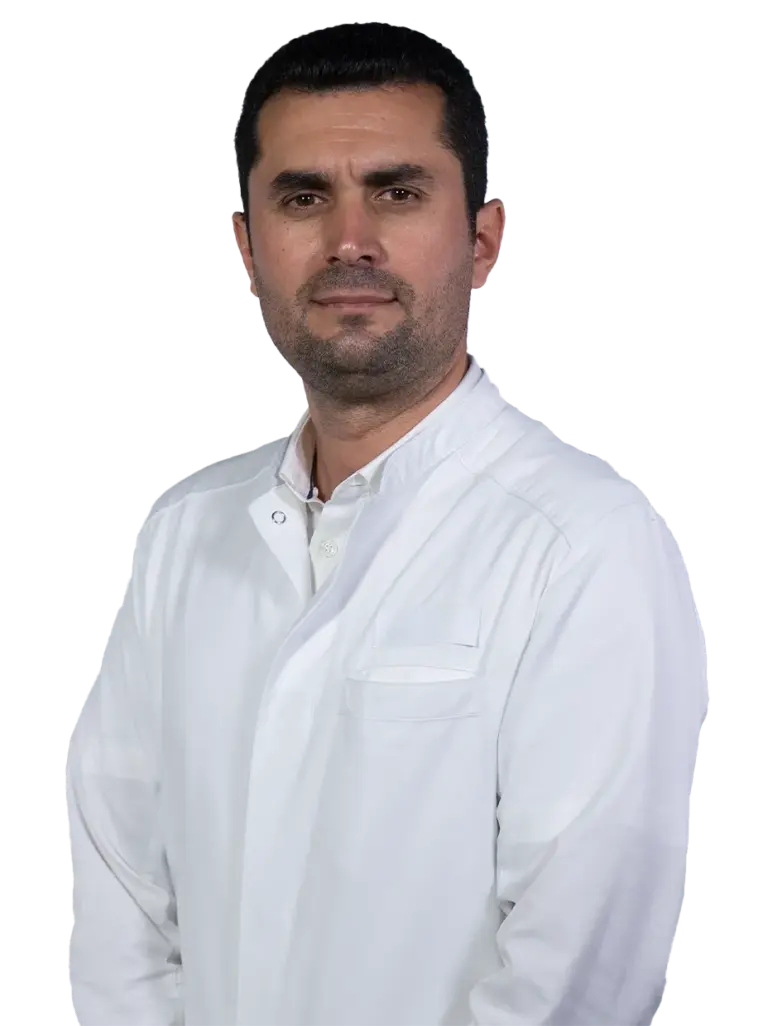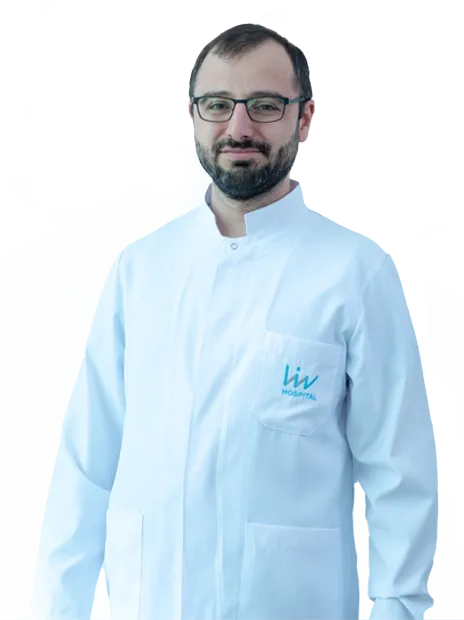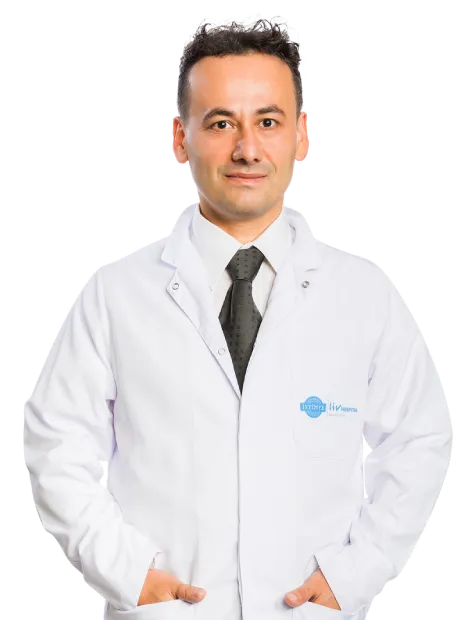
The medical field is full of high-earning jobs, but cardiothoracic surgeons are at the top. They are known for their skill and the complex work they do. In the United States, they are among the highest paid doctors.
The salary of a cardiac surgeon changes a lot. It depends on where they work, how long they’ve been doing it, and the hospital they’re at. The highest paid cardiothoracic surgeons get paid a lot because of their skill and how much people need their help.
Key Takeaways
- The salary of cardiothoracic surgeons varies significantly across different regions.
- Experience and the type of practice setting are key factors that influence their earnings.
- Cardiothoracic surgeons are among the highest paid professionals in the medical field.
- Location plays a critical role in determining the salary of a cardiothoracic surgeon.
- The complexity and risk associated with cardiothoracic surgery contribute to its high compensation.
Understanding the Role of a Cardiothoracic Surgeon

Cardiothoracic surgeons are experts in treating heart and lung issues. They perform many surgeries, like coronary artery bypass grafting and heart transplants.
Definition and Specialization Areas
A cardiothoracic surgeon is also called a cardiac or cardiovascular surgeon. They work on the heart, lungs, and other organs in the chest. They handle conditions like coronary artery disease and lung cancer.
Daily Responsibilities and Procedures
Every day, cardiothoracic surgeons diagnose and decide on surgeries. They also care for patients before and after surgery. Some of their surgeries include:
- Coronary artery bypass grafting (CABG)
- Heart transplant
- Lung resection for cancer
- Thoracic aortic aneurysm repair
|
Procedure |
Description |
Complexity Level |
|---|---|---|
|
CABG |
Coronary artery bypass grafting to treat blocked arteries |
High |
|
Heart Transplant |
Replacement of a diseased heart with a donor heart |
Very High |
|
Lung Resection |
Surgical removal of lung tissue, often for cancer |
High |
Cardiothoracic surgeons need great skill and precision. Their work is vital in saving lives and improving health for heart and lung patients.
The Path to Becoming a Cardiothoracic Surgeon

Cardiothoracic surgery is a very specialized field. It needs a lot of education and training. Becoming a cardiothoracic surgeon takes many years after high school.
Medical School and General Surgery Residency
First, you need to finish medical school, which takes four years. Here, you learn a lot about medicine and start to think about your future specialty. Then, you must do a general surgery residency, lasting from five to seven years. This residency gives you real experience in surgery and caring for patients.
Cardiothoracic Surgery Fellowship
After the general surgery residency, you can apply for a cardiothoracic surgery fellowship. This lasts two to three years. It’s focused on heart and lung surgery. You’ll learn about complex surgeries like heart transplants.
Board Certification Requirements
To get certified, you must pass the exam from the American Board of Thoracic Surgery (ABTS). You need to meet certain requirements, like finishing your education and training. You also need to show you’re very good at cardiothoracic surgery.
Becoming a cardiothoracic surgeon is a big commitment. It involves many hard steps in education and training. But, it leads to a fulfilling career in a very specialized field.
Factors Influencing Cardiothoracic Surgeon Salaries
Cardiothoracic surgeon salaries depend on many factors. It’s important for both new and experienced surgeons to know these.
Experience and Expertise
Experience and skill level greatly affect a surgeon’s pay. More seasoned surgeons earn more because they can handle complex surgeries.
Geographic Location
Where you work also matters a lot. Doctors in big cities or areas with high living costs get paid more. Those in rural areas earn less.
Practice Setting and Institution Prestige
The place you work and the hospital’s reputation matter too. Doctors at top hospitals or schools might earn differently than those in private practice.
Subspecialty Focus
What area of cardiothoracic surgery you focus on also affects your salary. For example, heart transplant specialists often earn more because of their unique skills.
In summary, a cardiothoracic surgeon’s salary depends on experience, location, where they work, and their specialty. Knowing these factors helps surgeons plan their careers better.
Average Cardiothoracic Surgeon Salary in the United States
The average salary for cardiothoracic surgeons in the United States is quite high. This reflects the complexity and high stakes of their work. These surgeons are highly specialized. They undergo extensive training to perform complex surgeries on the heart and lungs.
National Salary Statistics
Recent data shows that cardiothoracic surgeons in the U.S. earn between $400,000 and over $600,000 annually. This amount varies based on experience, location, and practice type. Their earnings put them among the top in the medical field.
Comparison to Other Surgical Specialties
Cardiothoracic surgeons are among the highest paid in surgical specialties. Their salaries are similar to, or slightly higher than, those in neurosurgery and orthopedic surgery.
Salary vs. Training Investment
The training to become a cardiothoracic surgeon is a big investment. It includes many years of education and residency. But, the financial rewards make it worth it. Their salaries reflect the critical care they provide.
|
Specialty |
Average Salary Range |
|---|---|
|
Cardiothoracic Surgery |
$400,000 – $600,000+ |
|
Neurosurgery |
$450,000 – $550,000 |
|
Orthopedic Surgery |
$400,000 – $500,000 |
Top-Paying States for Cardiothoracic Surgeons
Cardiothoracic surgeons earn some of the highest salaries in medicine. Some states pay them much more than others. This difference comes from various factors like regional pay, cost of living, and urban vs. rural pay.
Regional Salary Variations
Different parts of the United States pay cardiothoracic surgeons differently. Major medical centers like California, New York, and Texas pay more. This is because they need skilled surgeons a lot.
Cost of Living Adjustments
The cost of living affects how much cardiothoracic surgeons earn. Places like California and New York, with higher costs, pay more. This helps surgeons keep up with living expenses.
Urban vs. Rural Compensation Differences
Urban and rural areas pay surgeons differently. Cities, with more hospitals and patients, pay more. Rural areas pay less because there are fewer jobs and patients.
Salary Differences Based on Practice Settings
Cardiothoracic surgeon salaries change based on where they work. This includes private practice, hospital jobs, or academic centers. Each setting offers different pay and benefits, affecting how much a surgeon can earn.
Private Practice Earnings
Private practice surgeons can make more money than those in hospitals or academia. Their pay depends on how many surgeries they do and how much money their practice makes. Data shows that private practice surgeons can earn a lot more than those who are employed.
Hospital Employment Compensation
Hospital-employed surgeons get a salary and benefits like malpractice insurance and retirement plans. Their pay might be less than private practice, but they get stable income. The salary can change based on the hospital’s size, location, and finances.
Academic Medical Centers and Research Institutions
Surgeons in academia or research get paid differently. They might earn less but get extra money from grants and teaching. The chance to earn more and the prestige of academic work are big pluses.
|
Practice Setting |
Average Salary Range |
Benefits |
|---|---|---|
|
Private Practice |
$600,000 – $1,000,000+ |
Potential for high earnings, control over practice |
|
Hospital Employment |
$500,000 – $700,000 |
Stable income, benefits, malpractice insurance |
|
Academic Medical Centers |
$450,000 – $650,000 |
Opportunities for research grants, teaching stipends, prestige |
The table shows how salaries and benefits differ by practice setting. Surgeons must weigh their financial goals against personal and professional desires when choosing where to work.
Experience Level and Salary Progression
As cardiothoracic surgeons gain more experience, their pay goes up a lot. The amount of experience greatly affects their salary. There are big differences between those just starting, those in the middle of their career, and the most experienced surgeons.
Entry-Level Cardiothoracic Surgeon Earnings
Those new to the field, right after finishing their training, start with a salary. The average salary for these new surgeons in the U.S. is about $400,000 a year.
Mid-Career Compensation Growth
As they get more experience, their pay goes up. Mid-career surgeons, with 5-10 years under their belt, can earn more than $600,000 a year.
Senior Surgeon and Department Chair Salaries
Senior surgeons, like those leading departments at top hospitals, can make over $1 million a year. Their long experience and skill earn them high pay.
|
Experience Level |
Average Salary |
|---|---|
|
Entry-Level (0-5 years) |
$400,000 |
|
Mid-Career (5-10 years) |
$600,000 – $800,000 |
|
Senior (10+ years) |
$1,000,000+ |
Salary Progression: The table shows how salaries increase from starting to senior positions. It shows how experience boosts earnings.
The Highest Paid Cardiothoracic Surgeons in America
In America, top cardiothoracic surgeons earn high salaries. This is because of their skill and the demand for their work. They work at famous hospitals and are known for their excellence.
Profiles of Top Earners
Doctors like Medical Expert. Joseph Lamelas are among the highest earners. They are known for their skill and new techniques. Their pay shows they are leaders in cardiothoracic surgery.
“The financial rewards for cardiothoracic surgeons are significant, but they are commensurate with the level of expertise and the high-stakes nature of their work.” –
A leading medical journal
Factors Contributing to Elite Compensation
Many things affect the high pay of top cardiothoracic surgeons. Their experience, reputation, and where they work are key. They also earn more for doing complex surgeries and for their research.
|
Factor |
Impact on Compensation |
|---|---|
|
Experience |
Significant increase with years of practice |
|
Reputation |
High reputation leads to higher earnings |
|
Institution Prestige |
Employment at top institutions boosts salary |
Compensation at Prestigious Institutions
Places like the Medical organization and Stanford Health Care pay well. They want the best surgeons. They know skilled surgeons add a lot to their team.
The pay at these places shows their surgeons’ skill and their work in research and teaching. So, these surgeons are often among the highest paid.
Notable High-Earning Cardiothoracic Surgeons
The field of cardiothoracic surgery is home to many high-earning professionals. These surgeons stand out for their skill and innovative methods. They make big contributions to medicine and earn high salaries.
Medical Expert. Joseph Lamelas
Medical Expert. Joseph Lamelas are well-known in cardiothoracic surgery. Medical Expert, known for his skill and new techniques. Medical Expert, focusing on minimally invasive procedures.
Both surgeons work at top institutions and earn well for their work. Their salaries show their value to their employers.
Medical Expert. Frank Hanley
Medical Expert. Frank Hanley are also leaders in cardiothoracic surgery. Medical Expert, with a focus on mitral valve repair. Medical Expert, making key discoveries in treating congenital heart defects.
Their achievements have earned them awards and high pay.
Medical Expert. Emile Bacha
Medical Expert. Emile Bacha are also among the top earners. Medical Expert. Medical Expert.
Their salaries reflect their status as leading experts. They earn based on their experience and the complexity of their work.
|
Surgeon Name |
Specialty |
Approximate Annual Salary |
|---|---|---|
|
Dr. Kevin Accola |
Adult Cardiac Surgery |
$600,000 – $800,000 |
|
Dr. Joseph Lamelas |
Adult and Pediatric Cardiac Surgery |
$700,000 – $900,000 |
|
Dr. Marc Gerdisch |
Cardiac Surgery |
$650,000 – $850,000 |
Cardiac Surgery Subspecialties and Earnings
Cardiac surgery has many subspecialties. Each one needs special skills and offers different pay. This affects how much surgeons earn.
Surgeons in complex areas get paid more. They have more training and face bigger challenges. For example, heart transplant surgeons earn a lot because of the risks and complexity of their work.
Heart Transplant Surgeon Compensation
Heart transplant surgeons get paid well. They have to be very skilled and handle high-risk surgeries. Their pay is often higher than other cardiac surgeons.
Congenital Heart Surgery Specialists
Congenital heart surgery specialists also earn a lot. They work on complex repairs in young patients. Their skills are rare and very valuable.
Minimally Invasive Cardiac Surgery Experts
Experts in minimally invasive cardiac surgery are in demand. They do complex surgeries with less harm to patients. Their skills are rewarded with good pay.
In summary, cardiac surgery subspecialties improve patient care and offer different pay levels. Pay reflects the complexity, risk, and demand of each specialty.
Thoracic Surgery Specialization and Compensation
Thoracic surgery is a very specialized field. It includes lung transplant and thoracic oncology. Surgeons in this field get a lot of training. They learn to do complex procedures that are very important for patients.
Lung Transplant Surgeons
Lung transplant surgeons are among the highest paid. This is because their work is very complex and high-stakes. They do transplantations that save lives, needing a lot of skill and precision.
Thoracic Oncology Specialists
Thoracic oncology specialists deal with cancers in the thoracic cavity, like lung cancer. They do detailed surgeries and work with other cancer experts.
Medical Expert
Medical Expert-known in thoracic surgery. His work in thoracic oncology has helped the field a lot. He sets a high standard for surgery.
|
Subspecialty |
Average Compensation |
Notable Procedures |
|---|---|---|
|
Lung Transplant |
$600,000 – $800,000 |
Lung transplantation, ECMO |
|
Thoracic Oncology |
$500,000 – $700,000 |
Lung cancer resection, mediastinoscopy |
The pay for thoracic surgeons depends on their specialty, experience, and where they work. But, their work is so complex and critical. This makes them some of the highest-paid doctors.
Professional Organizations and Salary Impact
Professional organizations are key for cardiothoracic surgeons’ growth and pay. They help surgeons move up in their careers, keep up with new medical methods, and connect with others in the field.
The Society of Thoracic Surgeons (STS)
The Society of Thoracic Surgeons is a top group for cardiothoracic surgeons. Being part of STS means getting many benefits like ongoing education, research chances, and networking events. STS also helps surgeons share knowledge and improve their skills, which can raise their salary.
International Association for Cardio-Thoracic Surgery (IACTS)
The International Association for Cardio-Thoracic Surgery is another big group for cardiothoracic surgeons around the world. Joining IACTS means getting to meet people globally, going to international meetings, and helping with worldwide health projects.
Networking and Career Advancement Opportunities
Both STS and IACTS offer great chances to meet others and grow in your career. By connecting with other professionals, surgeons can find new chances, work on research together, and keep up with the latest trends.
|
Organization |
Benefits |
Potential Salary Impact |
|---|---|---|
|
The Society of Thoracic Surgeons (STS) |
Continuing education, research opportunities, networking events |
Enhanced professional development, possible salary boost |
|
International Association for Cardio-Thoracic Surgery (IACTS) |
Global networking, international conferences, global health initiatives |
Opportunities for career growth, possible salary increase |
Future Outlook for Cardiothoracic Surgery Compensation
The future of cardiothoracic surgery pay is set to change. This change will be due to several important factors. Knowing these will help both current and future cardiothoracic surgeons.
Technological Advancements and Specialization
New technology is changing cardiothoracic surgery. It allows for more complex surgeries and better patient care. This means specialists, like those in robotic surgery, will likely earn more.
Healthcare Policy Changes
Healthcare policy changes will also affect surgeon pay. If policies support more surgeries, demand will rise. This could lead to higher pay for surgeons.
Supply and Demand Projections
The number of cardiothoracic surgeons and the need for them will be key. If there’s a shortage, salaries might go up. But too many surgeons could mean lower pay.
|
Factor |
Impact on Compensation |
|---|---|
|
Technological Advancements |
Increased demand for specialized skills |
|
Healthcare Policy Changes |
Potential for higher reimbursement rates |
|
Supply and Demand Imbalance |
Possible increase in salaries due to shortages |
Conclusion
The salary of a cardiothoracic surgeon depends on many things. These include experience, where they work, and their specialty. Each of these factors affects how much they earn, from starting salaries to the highest.
Cardiothoracic surgeons are among the top earners in the US. Places like California and New York pay more. Working in a private practice or at a top hospital also boosts earnings. Specialties like heart transplant surgery bring in even more money.
The need for skilled cardiothoracic surgeons will keep growing. This is because of new technologies and changes in healthcare. The high pay reflects the hard work and education needed for this job.
In short, the salary of a cardiothoracic surgeon shows the importance of their work. As healthcare changes, knowing what affects their pay is key. This is important for both current and future surgeons.
FAQ
What is the average salary of a cardiothoracic surgeon in the United States?
In the United States, a cardiothoracic surgeon’s salary varies. It depends on their experience, where they work, and their location. But, it usually ranges from $400,000 to over $600,000 a year.
How long does it take to become a cardiothoracic surgeon?
It takes at least 15 years of education and training after high school. This includes four years of college, four years of medical school, and five to seven years of general surgery residency. Then, there are two to three years of cardiothoracic surgery fellowship.
What factors influence the salary of a cardiothoracic surgeon?
Several things affect a cardiothoracic surgeon’s salary. These include their experience, where they work, and their focus. Also, the prestige of their employer plays a role.
Are cardiothoracic surgeons among the highest-paid medical professionals?
Yes, they are. Their salaries are high because of their long training, the complexity of their work, and the demand for their services.
How does the salary of a cardiothoracic surgeon compare to other surgical specialties?
Cardiothoracic surgeons usually earn more than many other surgeons. This is because their work is complex and risky.
What are the top-paying states for cardiothoracic surgeons?
The highest-paying states for cardiothoracic surgeons are often big cities and areas with high living costs. Examples include New York, California, and Texas.
Do cardiothoracic surgeons in private practice earn more than those employed by hospitals?
It depends. Surgeons in private practice might earn more, based on their patient numbers, billing, and other factors. But, hospital-employed surgeons can also have good salaries.
How does experience impact the salary of a cardiothoracic surgeon?
Experience greatly affects a cardiothoracic surgeon’s salary. More experienced surgeons earn more. This is because they have better skills, a good reputation, and handle more complex cases.
What role do professional organizations play in the careers of cardiothoracic surgeons?
Organizations like The Society of Thoracic Surgeons (STS) and the International Association for Cardio-Thoracic Surgery (IACTS) help a lot. They offer networking, education, and advocacy. These can boost a surgeon’s career and salary.
What is the future outlook for cardiothoracic surgery compensation?
The future for cardiothoracic surgery pay looks good. It will depend on tech advancements, policy changes, and supply and demand. This could mean even higher salaries for these surgeons.
References
National Center for Biotechnology Information. Retrieved from https://pmc.ncbi.nlm.nih.gov/articles/PMC11974443/