
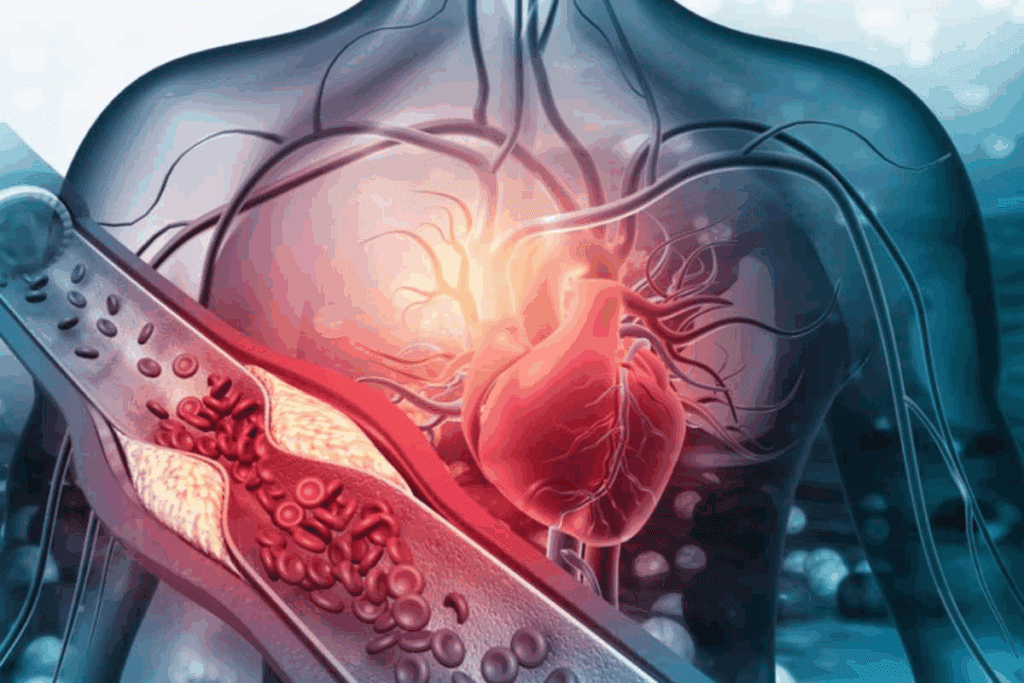
Knowing the difference betweencardiovascular collapse and circulatory collapse can save lives. At Liv Hospital, we focus on quick and effective treatments for these emergencies.
Cardiovascular collapse is when the heart and blood vessels fail to keep blood flowing well. This leads to very low blood pressure and less blood to important organs.
It’s important to tell the difference between cardiac arrest and heart failure. Cardiac arrest means the heart stops beating, while heart failure means it can’t pump enough blood. Our team at Liv Hospital is here to help with trusted care.
Key Takeaways
- Cardiovascular collapse is a life-threatening condition requiring immediate medical attention.
- It is characterized by the failure of the heart and blood vessels to maintain adequate circulation.
- Understanding the differences between cardiovascular and circulatory collapse is critical for effective care.
- Liv Hospital provides rapid and effective interventions for these critical emergencies.
- Distinguishing between cardiac arrest and heart failure is vital for appropriate treatment.
Defining Cardiovascular Collapse

Cardiovascular collapse is a serious medical emergency. It happens when the heart can’t pump enough blood. This leads to organs not getting enough blood, which is vital.
This condition can start suddenly. It needs quick action to avoid lasting harm.
Medical Definition and Significance
Cardiovascular collapse is also known as cardiogenic shock. It means the heart can’t pump enough blood for the body. This can happen for many reasons, like a heart attack or heart defects.
It’s important to know about cardiovascular collapse because it can be deadly. Quick treatment is key to saving lives.
Key factors contributing to cardiovascular collapse include:
- Myocardial dysfunction
- Severe arrhythmias
- Structural heart defects
- External factors such as severe trauma or infection
Acute Physiological Changes During Collapse
When the heart can’t pump well, several things happen quickly. Blood pressure drops, and the heart’s output falls. This means organs don’t get enough blood.
This can cause tissues to not get enough oxygen. It can also lead to acid buildup and even failure of organs. Quick action is needed to prevent this.
| Physiological Change | Description | Clinical Impact |
| Sudden Drop in Blood Pressure | Reduced perfusion pressure | Inadequate organ perfusion |
| Reduced Cardiac Output | Decreased blood flow to tissues | Tissue hypoxia and organ dysfunction |
| Inadequate Perfusion of Vital Organs | Failure of vital organs | Multi-organ failure |
Healthcare providers need to know these changes to treat cardiovascular collapse well. Quick action can greatly improve a patient’s chances of recovery.
Circulatory Collapse Meaning and Mechanism

When the circulatory system fails, it can cause a serious condition called circulatory collapse. This condition is very dangerous and needs quick treatment. It happens when blood flow drops too low, often because of heart problems or vascular issues.
What Is a Circulatory Collapse
Circulatory collapse means the body can’t get enough blood to its vital organs. It can be caused by heart problems, too much blood loss, or when blood vessels open too wide. Heart problems can make it hard for the heart to pump enough blood.
This condition is complex and can come from many sources. For example, heart failure can cause circulatory collapse if not treated right. The effects on the body can be very bad, leading to organ failure if not fixed quickly.
Systemic Impact on Vital Organs
The effects of circulatory collapse on vital organs are serious. Organs like the brain, kidneys, and liver can get damaged because they don’t get enough blood. Ischemia, or reduced blood flow, can harm cells and make organs not work right.
- The brain may have trouble thinking or even suffer a stroke.
- The kidneys can get injured because they don’t get enough blood.
- The liver may also get affected, causing problems with how the body breaks down food.
It’s important to understand how circulatory collapse works to find good treatments. By knowing the causes and how it affects the body, doctors can act fast to avoid lasting harm.
“Quick action and treatment for circulatory collapse are key to avoiding permanent damage to vital organs.”
Cardiovascular Collapse vs. Circulatory Collapse: Critical Differences
Cardiovascular collapse and circulatory collapse are often confused with each other. But they are different in how they affect the body. Knowing the difference is key to treating them right.
Primary Systems Affected
Cardiovascular collapse mainly affects the heart’s ability to pump blood. Circulatory collapse, on the other hand, deals with blood volume, blood vessel function, and overall blood flow.
Cardiac arrest is a heart electrical issue that stops the heart from beating. It directly hits the cardiovascular system. Circulatory collapse can come from dehydration, blood loss, or other factors, affecting the whole circulatory system.
Onset and Progression Patterns
These conditions start and progress differently. Cardiovascular collapse often starts suddenly, like in heart attacks or arrhythmias. Circulatory collapse can start quickly too, but sometimes it develops slowly, like with dehydration.
Knowing how these conditions progress is key to acting fast. Spotting early signs of circulatory collapse can lead to quick treatments like fluids, which can stop things from getting worse.
Clinical Presentation and Outcomes
These conditions share some symptoms but also have unique ones. Both can show low blood pressure and poor blood flow to vital organs. But cardiovascular collapse often has heart-related symptoms like chest pain.
| Characteristics | Cardiovascular Collapse | Circulatory Collapse |
| Primary System Affected | Heart as a pump | Overall circulation (blood volume, vascular tone) |
| Onset Pattern | Often sudden (e.g., cardiac arrest) | Can be gradual or sudden (e.g., hypovolemia, sepsis) |
| Common Causes | Cardiac arrest, myocardial infarction, arrhythmias | Severe dehydration, blood loss, sepsis, anaphylaxis |
| Clinical Presentation | Hypotension, decreased perfusion, cardiac-specific symptoms | Hypotension, decreased perfusion, symptoms related to underlying cause |
How well these conditions are managed depends a lot on quick action and right treatment. The table above shows the main differences between cardiovascular and circulatory collapse. It highlights why understanding these differences is vital for good care.
Types of Collapse: Cardiac, Vascular, and Cardiocirculatory
Cardiac, vascular, and cardiocirculatory collapse are all about failing circulation. Each needs its own treatment plan. Knowing the differences is key to treating them right.
What Is Cardiac Collapse
Cardiac collapse means the heart can’t pump blood well. This leads to poor circulation. It can be caused by cardiomyopathy, severe heart failure, or heart attacks.
For example, cardiomyopathy makes the heart pump blood poorly. This shows why treating heart diseases early is so important.
Vascular Collapse Mechanisms
Vascular collapse happens when blood pressure and circulation fail. It can be caused by too much vasodilation, a lot of blood loss, or other issues. It’s about losing blood vessel tone and decreasing resistance.
In severe sepsis or anaphylaxis, vascular collapse can happen. It’s because of chemicals that make blood vessels open too much. We need to act fast to fix this and keep blood flowing.
Cardio Circulatory Collapse as an Integrated Failure
Cardio circulatory collapse is when both the heart and blood vessels fail. The heart can’t pump well, and blood vessels can’t keep blood flowing. It’s a serious situation that needs a detailed plan to fix.
The heart and blood vessels working together is key in cardio circulatory collapse. To treat it, we must fix both the heart and blood vessels. This is how we get circulation back on track.
Handling these complex problems needs a team effort. We use advanced medicine and supportive care to tackle all parts of circulatory failure.
Common Causes and Triggers
Knowing why cardiac circulatory collapse happens is important. It helps us prevent and treat it better. We’ll look at the main reasons, like heart problems, blood issues, and other body conditions.
Primary Cardiac Causes
Heart problems are a big reason for cv collapse. Coronary artery disease is a big risk. It can cause heart arrest if not treated right.
Other heart issues include:
- Heart failure
- Arrhythmias
- Cardiac structural abnormalities
- Myocardial infarction
These heart problems can make it hard for the heart to work. This can lead to cardiac circulatory collapse. It’s important to catch and treat these heart problems early.
Vascular and Blood Volume-Related Factors
Vascular issues, like severe vasodilation and blood loss, can also cause cv collapse. Severe dehydration, bleeding, or sepsis can lower blood pressure a lot. This makes it hard for the body to keep blood flowing well.
Also, blockages in blood vessels, like pulmonary embolism or aortic dissection, can stop blood flow. This can lead to cardiac circulatory collapse. It’s important to know about these blood and vessel problems to act fast.
Systemic Conditions Leading to Collapse
Severe infections, anaphylaxis, and metabolic problems can also cause cardiac circulatory collapse. These can really affect the body’s health. If not treated quickly, they can lead to collapse.
For example, severe infections can cause septic shock. This is when blood vessels open too much and don’t circulate blood well. Anaphylaxis can also cause blood pressure to drop fast because of an allergic reaction. Spotting these problems early is key to stopping cv collapse.
In summary, cardiac circulatory collapse can come from many sources. These include heart problems, blood and vessel issues, and body-wide conditions. Knowing these causes helps us find better ways to prevent and treat it.
Recognizing Signs and Symptoms of Circulatory System Collapse
Spotting early signs of circulatory system collapse can greatly help patients. It’s key to know these signs to give the right care quickly.
Early Warning Indicators
Circulatory system collapse starts with small signs that can get worse fast. Look out for:
- Dizziness or lightheadedness, often due to inadequate blood flow to the brain.
- Rapid or weak pulse, indicating possible heart problems.
- Cold or clammy skin, showing poor blood flow to the skin.
- Shortness of breath, which can mean heart trouble.
Critical Clinical Manifestations
As circulatory collapse gets worse, the signs get more serious. Watch for:
- Loss of consciousness, meaning very low blood flow to the brain.
- No breathing or abnormal breathing patterns, like agonal breathing.
- No palpable pulse, which means the heart has stopped.
Heart attack symptoms include sudden collapse, loss of consciousness, and no breathing. Spotting these signs quickly is key to saving lives.
Monitoring Vital Signs During Collapse
Keeping an eye on vital signs is critical during a circulatory collapse. Watch closely for:
- Heart rate and rhythm to catch arrhythmias or cardiac arrest.
- Blood pressure to check if blood is flowing well.
- Oxygen saturation to make sure oxygen levels are good.
Spotting the signs of circulatory system collapse early is vital. Knowing these signs helps healthcare teams give the best care and improve patient results.
Irreversible Cardiovascular Collapse
The term irreversible cardiovascular collapse describes a state where the heart can’t recover, even with medical help. This means the heart can’t keep blood flowing well anymore.
It’s key for doctors and patients to know when this happens. They need to understand when the heart’s failure is permanent and what it means for survival chances.
Point of No Return: When Collapse Becomes Irreversible
Finding out when a heart collapse is permanent is hard. It depends on the cause, how fast and well treatment starts, and the patient’s health. Sudden cardiac arrest can quickly turn into a permanent collapse if not treated right away.
When the heart can’t pump enough blood for a long time, organs start to fail. Even if some blood flow is restored, organs can keep getting worse.
Mortality Rates and Survival Outcomes
Death rates for permanent heart collapse are high, even with new medical tools and ways to save lives. Chances of survival are low, mainly if help doesn’t come fast enough.
Survival depends on the cause of the collapse, how long the heart wasn’t working, and the patient’s health before. Knowing these helps doctors make better choices about treatment.
In short, permanent heart collapse is a severe condition with big effects on patient care. Knowing the signs and what to expect helps doctors and patients better support each other.
Diagnostic Approaches and Assessment
Diagnosing cardiovascular collapse needs a detailed look. We use both quick checks and advanced tests. Getting it right is key to helping patients.
Immediate Clinical Evaluation
First, we quickly check how bad the collapse is. We look at blood pressure, heart rate, and oxygen levels. We also do a full body check for heart problems.
Key parts of the first check include:
- Checking how awake and alert the person is
- Looking at blood flow and how fast it comes back
- Checking for signs of heart failure, like swollen neck veins
- Listening to the heart for unusual sounds
Laboratory and Imaging Studies
Tests and scans help find what’s causing the collapse. Echocardiograms are great for seeing how the heart is working. They can spot heart attacks or bad valves.
| Diagnostic Test | Primary Use in Cardiovascular Collapse |
| Echocardiography | Checks the heart’s function and looks for problems |
| Electrocardiogram (ECG) | Finds heart rhythm issues, blockages, or damage |
| Arterial Blood Gas (ABG) | Looks at oxygen levels, breathing, and acid levels |
| Biomarkers (e.g., Troponin) | Shows if the heart muscle is damaged |
Advanced Hemodynamic Monitoring Techniques
In tough cases, we use special monitoring tools. These tools help us see how well the heart is working. They also help us manage fluids and medicines better.
These tools help in many ways:
- They give us exact numbers on heart function and blood flow
- They help us decide on fluids and medicines
- They let us see how well treatments are working
By combining quick checks, tests, and advanced monitoring, we get a full picture of the patient’s health. This helps us make the best treatment plans for heart or blood problems.
Emergency Treatment Protocols for Heart Collapsing Conditions
When the heart collapses, quick medical help is key. We know that heart problems need fast and effective treatment to help patients get better.
First-Line Resuscitative Measures
CPR is a vital first step for cardiac arrest. It keeps blood flowing and oxygen to important organs. Starting CPR quickly can greatly increase a patient’s chance of survival.
Key components of CPR include:
- Chest compressions to maintain blood flow
- Rescue breaths to provide oxygen
- Defibrillation when necessary to restore a normal heart rhythm
Pharmacological Interventions
Medicines also play a big role in treating heart problems. We use drugs to help the heart work better and keep blood flowing right.
Vasoactive medications, like adrenaline (epinephrine), help with blood pressure and heart function. Other medicines might be used to fix specific heart issues.
Mechanical Circulatory Support Options
For extra help, mechanical devices can be very important. We might use IABP, VAD, or ECMO to help the heart and keep organs working.
The choice of mechanical support depends on:
- The underlying cause of cardiovascular collapse
- The patient’s hemodynamic status
- The patient’s chance of recovering heart function
By using CPR, medicines, and mechanical devices, we offer full care for heart problems.
Special Considerations in High-Risk Populations
High-risk groups, like the elderly and those with heart problems, need special care. These groups face a higher risk of heart or blood system failure. This is due to age and health issues.
Age-Specific Concerns: Pediatric and Elderly Patients
Dealing with heart failure in kids and older adults is tricky. Kids need special care because of their size and growing bodies. Older adults face challenges because of their health problems and weaker bodies.
- Pediatric considerations include:
- Weight-based dosing of medications
- Specialized equipment for smaller patients
- Family-centered care
- Elderly considerations include:
- Comorbid conditions such as diabetes and hypertension
- Polypharmacy and possible drug interactions
- Potential for frailty and decreased physiological reserve
Management in Patients with Pre-existing Cardiovascular Disease
People with heart disease are more likely to have heart problems during heart failure. It’s important to know what is cardiac collapse to help these patients.
Here are some ways to manage these patients:
- Optimizing existing cardiovascular medications
- Close monitoring for signs of deterioration
- Early intervention with mechanical circulatory support when necessary
Also, knowing what is circulatory collapse helps us spot at-risk patients. This can prevent heart problems from getting worse. It’s a cycle that can lead to serious issues if not treated quickly.
By focusing on these high-risk groups, we can make their care better. This can help avoid complications from heart or blood system failure.
Conclusion
It’s key to understand cardiovascular and circulatory collapse to give top-notch care to patients. We’ve looked into what makes these conditions unique, like their causes, signs, and how to treat them.
Acting fast when someone has cardiovascular collapse can really help them live. Spotting the first signs and starting the right treatment can lower the chance of bad outcomes.
Handling cardiovascular and circulatory collapse well needs a full plan. This includes using the latest tests and treatments that work. As we learn more about these serious issues, we can make care better for those affected.
Using what we know about these collapses in our work can help patients a lot. This leads to better health for them.
FAQ:
What is cardiovascular collapse?
Cardiovascular collapse is a serious condition where the heart and blood vessels fail. This failure leads to not enough blood reaching vital organs.
What is the difference between cardiovascular collapse and circulatory collapse?
Cardiovascular collapse focuses on the heart and blood vessels failing. Circulatory collapse is broader, covering many reasons for poor blood flow.
What are the signs and symptoms of circulatory system collapse?
Early signs include dizziness, fainting, and a fast heartbeat. Critical signs are low blood pressure, less urine, and decreased consciousness.
What causes cardiovascular collapse?
It can be caused by heart problems, blood vessel issues, or severe infections. Allergic reactions and trauma also play a role.
How is cardiovascular collapse diagnosed?
Doctors use quick checks, lab tests, and imaging to diagnose. They also monitor blood flow closely to guide treatment.
What is the treatment for heart collapsing conditions?
Treatment starts with emergency care. It includes medicines and devices to help the heart and blood vessels work better.
Can cardiovascular collapse be irreversible?
Yes, if not treated quickly, it can be fatal. This leads to high death rates and poor survival chances.
Are there special considerations for high-risk populations?
Yes, certain groups like kids, the elderly, and those with heart disease need special care. This helps improve their chances of survival.
What is the significance of understanding cardiovascular and circulatory collapse?
Knowing about these conditions helps doctors provide better care. It also improves patient survival rates and outcomes.
What is cardiac collapse?
Cardiac collapse happens when the heart can’t pump enough blood. This is often due to heart problems or severe conditions.
What is vascular collapse?
Vascular collapse occurs when blood vessels can’t keep blood flowing. It’s often caused by severe blood loss, too much vasodilation, or blockages.
What is cardiocirculatory collapse?
Cardiocirculatory collapse is when both the heart and blood vessels fail. This leads to poor blood flow and vital organ damage.
References:
- O’Rourke, M. F. (2018). Structure and function of systemic arteries: reflections on the vascular wall and blood flow. Vascular Medicine, 23(4), 316-323.https://pubmed.ncbi.nlm.nih.gov/30016416/



 Departments
 Related Videos
 Our Doctors
 News
News