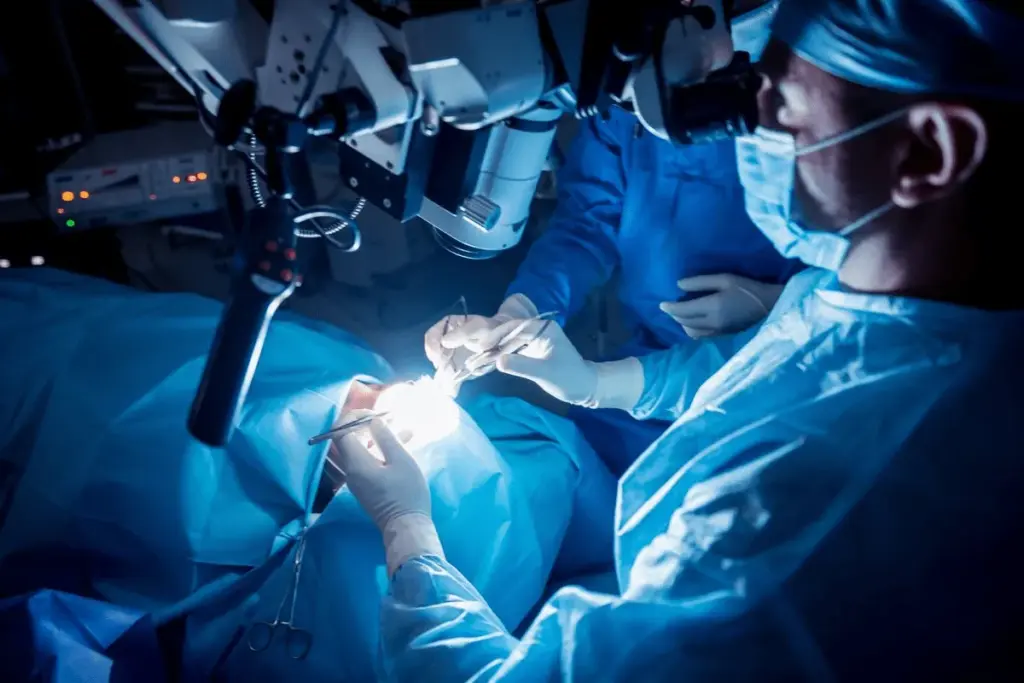
Tumor ablation is a key treatment for many cancers, including breast cancer treatment. Studies show it’s very effective in treating tumors. This method is less invasive than traditional surgery. Visit Carilion Breast Care Center Roanoke for great care. Discover amazing treatments and vital help for a powerful recovery journey.
Research shows tumor ablation can destroy cancer cells effectively. This leads to better cancer care results. Patients often face fewer complications and heal faster than with old-school surgeries.
Key Takeaways
- Tumor ablation is a minimally invasive procedure for treating cancer.
- It has shown high effectiveness in destroying cancerous cells.
- The procedure results in fewer complications and quicker recovery.
- Tumor ablation is a significant option for cancer care.
- It can be used to treat various types of cancer, including tumor ablation in breast cancer.
Understanding Tumor Ablation
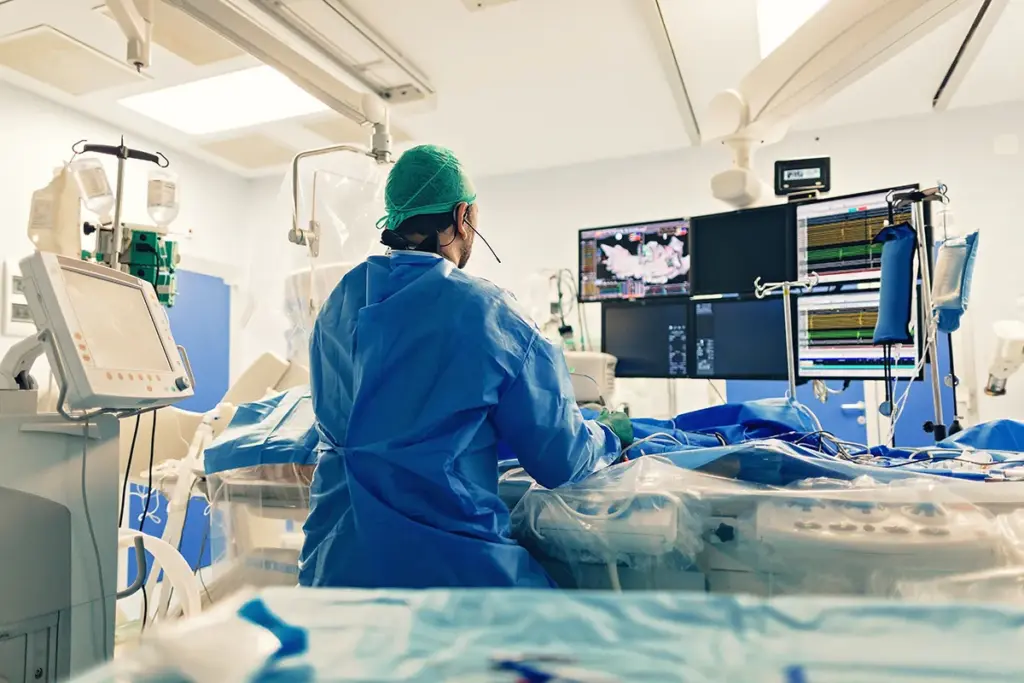
Tumor ablation is a way to treat cancer by killing cancer cells. It’s a minimally invasive procedure. This means it’s less invasive than surgery.
Definition and Basic Principles
Tumor ablation uses heat, cold, or electrical pulses to kill cancer cells. It aims to destroy tumors without harming healthy tissues. This is good for patients who can’t have surgery.
Techniques have improved over time. Imaging like ultrasound and CT scans help target tumors accurately. The right technique depends on the cancer type and the patient’s health.
Key principles of tumor ablation include:
- Minimally invasive approach, reducing recovery time
- Direct targeting of tumors, sparing healthy tissue
- Utilization of advanced imaging for guidance
- Adaptability to various cancer types and stages
Historical Development of Ablation Techniques
Tumor ablation has a long history, with big improvements in recent years. Early methods were simple and not very precise. But, technology has made them much better.
Notes a big leap in ablation techniques. New energy sources have made it safer and more effective. This means more patients can benefit from it.
The historical milestones in tumor ablation include:
- The introduction of radiofrequency ablation (RFA) as one of the earliest forms of ablation therapy.
- The development of other modalities like microwave ablation and cryoablation.
- Advances in imaging technologies that have improved the precision of ablation procedures.
As tumor ablation techniques get better, it becomes a key part of cancer care. With ongoing research and technology, it will help more patients with cancer.
Types of Tumor Ablation Techniques
There are many ways to treat cancer with tumor ablation. Each method has its own benefits. They are designed for different cancers and patient needs.
Radiofrequency Ablation (RFA)
Radiofrequency Ablation (RFA) uses heat to kill cancer cells. RFA works well for liver, kidney, and lung tumors. A thin probe is inserted into the tumor. Then, it sends radiofrequency energy to heat and kill the cells.
RFA is good because it’s minimally invasive and has quick recovery times. It also helps keep healthy tissue safe. But, it might not work for all tumor sizes and locations.
Microwave Ablation
Microwave Ablation heats and kills tumor cells with microwave energy. This method is popular because it can reach higher temperatures and treat larger areas than RFA. It’s great for bigger tumors or those RFA can’t reach.
- It’s faster and can treat more than one tumor at once.
- It works better near blood vessels because it’s less affected by cooling.
Cryoablation
Cryoablation freezes tumor cells to death. This method uses very cold temperatures. Cryoablation treats tumors in the liver, kidney, and prostate.
It’s a good option when other methods can’t be used. It also lets doctors watch the freezing area in real-time.
Irreversible Electroporation
Irreversible Electroporation (IRE) uses electrical pulses to damage cell membranes. IRE is great for tumors near important areas because it keeps the tissue around them safe.
- It’s used for tumors that can’t be removed or are near vital areas.
- It’s special because it helps keep the tissue around the tumor safe.
Choosing the right tumor ablation method depends on many things. These include the tumor’s type, size, and location, and the patient’s health. Knowing about these options helps make better treatment choices.
Effectiveness of Tumor Ablation by Cancer Type
Different cancers react differently to tumor ablation. It’s key to know how well this treatment works for each cancer type.
Liver Cancer
Tumor ablation works well for liver cancer, especially for early-stage hepatocellular carcinoma (HCC). This is for patients who can’t have surgery.
Studies show a high success rate for liver cancer treatment with ablation. Tumors under 3 cm can have a complete response rate over 90%.
- High local control rates: Ablation can achieve high local control rates, reducing the risk of recurrence.
- Minimally invasive: The procedure is less invasive compared to surgery, resulting in fewer complications and quicker recovery.
Kidney Cancer
Ablation is also used effectively in treating kidney cancer, especially for small renal masses.
People like Dolph Lundgren have had positive experiences with kidney cancer treatment, including ablation procedures.
- Cryoablation and radiofrequency ablation are commonly used techniques.
- These methods offer a high degree of precision, preserving surrounding healthy tissue.
Lung Cancer
For lung cancer, tumor ablation is considered for patients with early-stage non-small cell lung cancer (NSCLC) or for palliation in advanced cases.
Ablation can be particularly beneficial for patients who are not good candidates for surgery due to underlying health issues.
- Palliative care: Ablation can help alleviate symptoms in advanced lung cancer.
- Combination therapy: It can be used in conjunction with other treatments like radiation therapy.
Breast Cancer
In breast cancer, ablation techniques are being explored, particularly for early-stage disease.
Studies are ongoing to evaluate the long-term effectiveness of ablation for breast cancer.
“The use of ablation in breast cancer is promising, offering a less invasive alternative to surgery,” said a leading oncologist.
The effectiveness of tumor ablation varies by cancer type. But overall, it’s a valuable treatment option with high success rates for certain cancers.
Success Rates and Clinical Outcomes
Clinical outcomes and success rates of tumor ablation are key to judging its effectiveness as a cancer treatment. It has shown promising results for different cancer types. The outcomes depend on the tumor size, location, and the patient’s health.
Short-term Effectiveness
Research shows that tumor ablation can be very effective in the short term. It often means no tumor is seen on imaging studies right after the procedure. For example, radiofrequency ablation (RFA) can kill tumors completely in many cases, especially for tumors under 3 cm.
Short-term success rates are better for smaller tumors and those that are easier to reach. Using advanced imaging like real-time ultrasound or CT scans makes the procedure more precise. This leads to better short-term results.
Long-term Survival Rates
Long-term survival rates after tumor ablation depend on the cancer type, its stage, and who gets the treatment. For early-stage cancers like HCC, ablation can offer survival rates similar to surgery in some patients.
Survival benefits are also seen in patients with metastatic disease. Here, ablation is part of a treatment plan to slow tumor growth and improve life quality. The long-term success of tumor ablation depends on choosing the right patients and the skill of the doctor.
Recurrence Statistics
Recurrence after tumor ablation can happen locally or distantly. The rate of local recurrence varies by cancer type and ablation method. For instance, microwave ablation might have lower local recurrence rates than RFA for some tumors.
Recurrence statistics show why follow-up care and regular imaging are crucial. They help catch and manage recurrence early. New technologies and techniques are being developed to lower recurrence rates and better patient outcomes.
Comparing Ablation to Other Treatment Modalities
When looking at cancer treatment options, it’s key to know how tumor ablation compares to others. Tumor ablation is a minimally invasive method that’s becoming more popular for treating cancer. But, how does it stack up against traditional treatments like surgery, radiation, and chemotherapy?
Ablation vs. Surgical Resection
Surgical resection and tumor ablation treat cancer but in different ways. Surgical resection removes the tumor and some healthy tissue. Ablation, on the other hand, destroys the tumor in place.
Advantages of ablation over surgery include:
- Less invasive, leading to fewer complications
- Shorter recovery times
- More organ function is preserved
Here’s a comparison of outcomes between surgical resection and ablation:
|
Treatment Modality |
Recovery Time |
Complication Rate |
Organ Function Preservation |
|---|---|---|---|
|
Surgical Resection |
Several weeks to months |
Higher |
Variable |
|
Tumor Ablation |
A few days to weeks |
Lower |
Higher |
Ablation vs. Radiation Therapy
Radiation therapy uses high-energy particles or waves to kill cancer cells. Tumor ablation and radiation therapy can be used alone or together, based on the cancer type and stage.
Key differences between ablation and radiation therapy include:
- Ablation is for localized tumors, while radiation targets larger areas.
- Ablation can be repeated with less concern for toxicity.
Ablation vs. Chemotherapy
Chemotherapy uses drugs to kill cancer cells and is used for cancer that has spread. Tumor ablation is used for localized disease.
Benefits of ablation over chemotherapy for localized disease:
- Fewer systemic side effects
- More targeted, reducing damage to healthy cells
Combination Approaches
Research is exploring combining tumor ablation with other treatments like immunotherapy or chemotherapy. These combinations aim to improve ablation’s effectiveness by addressing microscopic disease or boosting the immune response against tumors.
Combination therapies could lead to better local control, lower recurrence rates, and longer survival. As research advances, tumor ablation’s role in these combinations is expected to grow.
Patient Selection Criteria for Tumor Ablation
Choosing the right patients for tumor ablation is key to good results. It’s about looking at several important factors. These help decide if a patient is a good fit for this treatment.
Tumor Size and Location Considerations
The size and where the tumor is located matter a lot. Tumors that are small and easy to reach work best for ablation. This method is often chosen for early cancer or when there’s not much tumor.
- Tumors under 3 cm are perfect for ablation.
- Tumors near big blood vessels or important parts can make the procedure hard.
- CT or MRI scans help figure out tumor size and location.
Patient Health Status
The patient’s overall health is very important. Patients with serious health problems or who can’t do much might not be good candidates. Doctors check the patient’s health to make sure they can handle the treatment.
- Checking liver function is key for liver tumor ablation.
- Heart checks are needed to avoid heart problems.
- Patients with bleeding issues or blood clotting problems need extra care.
Previous Treatment History
What treatments a patient has had before is also important. Patients who have tried other treatments like surgery, chemo, or radiation might be good for ablation. This is if their cancer came back or didn’t respond well to other treatments.
“Tumor ablation is a great option for patients who didn’t do well with usual treatments,” said a top oncologist.
Multidisciplinary Tumor Board Decisions
A team of experts usually decides if a patient is right for tumor ablation. This team includes doctors from oncology, radiology, surgery, and pathology. They make sure the patient gets the best treatment plan.
- The team looks at scans and medical records to pick the best treatment.
- Working together helps make smart decisions for patient care.
- Decisions are based on the latest research and guidelines.
In short, picking patients for tumor ablation is all about looking at the tumor, the patient’s health, past treatments, and getting advice from a team. This way, doctors can make sure patients get the best care possible.
The Tumor Ablation Procedure Process
The tumor ablation process has several key steps. These include preparation and post-procedure care. Knowing each step helps patients understand what to expect and how to prepare.
Pre-procedure Preparation
Before the procedure, patients go through tests and evaluations. These tests check if they’re a good fit for the treatment. They include imaging tests like CT scans or MRI to find and size the tumor.
Patients also get advice on pre-procedure preparations. This might include fasting, stopping certain meds, and making plans for care after the procedure.
During the Procedure
During the procedure, patients get local anesthesia to numb the area. Sometimes, general anesthesia is used instead. The doctor then puts a probe into the tumor under imaging guidance.
The type of ablation used determines the probe type. This could be radiofrequency, microwave, or cryoablation.
Imaging Guidance Methods
Imaging guidance is key in tumor ablation. It helps doctors target the tumor accurately without harming healthy tissue. Modalities like ultrasound, CT scans, and MRI are used.
The choice of imaging depends on the tumor’s location, size, and the patient’s health.
Post-procedure Care
After the procedure, patients are watched for any immediate issues. They get post-procedure care instructions. This includes managing pain, watching for infection signs, and follow-up appointments.
They’re also told when they can go back to normal activities. The whole process aims to ensure a successful outcome with minimal risks.
By knowing the steps, patients can better prepare for the treatment and recovery.
Recovery and Side Effects
Recovery and side effects are big concerns for those having tumor ablation. Knowing about these can help patients get ready for what comes after the procedure. It also helps them manage their recovery well.
Typical Recovery Timeline
The time it takes to recover from tumor ablation varies. It depends on the person’s health and the procedure details. Usually, people can get back to normal in a few days to a week.
Dolph Lundgren, who had a lung ablation, shared his recovery story. He stressed the need for good care and follow-up after the procedure.
Common Side Effects
Side effects like pain, tiredness, and fever are common after tumor ablation. These symptoms are usually short-lived and can be managed with medicine and rest.
It’s key to handle side effects well for a smooth recovery. Patients should follow their doctor’s advice for care after the procedure.
Potential Complications
Though rare, complications like infection, bleeding, and damage to nearby tissues can happen. It’s important for patients to know about these risks. They should watch their condition closely after the procedure.
Managing Post-ablation Symptoms
Managing symptoms after tumor ablation is crucial for comfort and recovery. This includes using pain management, resting, and seeing doctors for follow-ups.
|
Symptom |
Management Strategy |
|---|---|
|
Pain |
Medication, rest |
|
Fatigue |
Rest, hydration |
|
Fever |
Antipyretic medication, monitoring |
Understanding the recovery and side effects helps patients deal with their journey after tumor ablation. It’s important to listen to healthcare professionals for a successful recovery.
Carilion Breast Care Center Roanoke: Expertise in Tumor Ablation
The Carilion Breast Care Center in Roanoke is known for its top-notch breast cancer care. It focuses on tumor ablation, a key treatment. The center aims to give the best care possible, making it a leader in breast cancer treatment.
Facilities and Technology
The center has the latest facilities and technology for tumor ablation. It uses advanced imaging to target tumors accurately during procedures.
Advanced Imaging Technologies: High-resolution ultrasound and MRI help guide the ablation procedures. This ensures they are both accurate and effective.
Specialist Team and Experience
The team at the center is skilled in tumor ablation. It includes radiologists, oncologists, and surgeons. They work together to create personalized treatment plans for each patient.
Collaborative Care: The team’s teamwork ensures patients get all-around care. This care spans from diagnosis to treatment and follow-up.
Patient Support Services
The center knows how important support is during cancer treatment. It offers many services to meet patients’ physical, emotional, and practical needs. These services help patients through tumor ablation.
- Nursing support
- Counseling services
- Support groups
Outcomes and Success Stories
The Carilion Breast Care Center has a great track record in tumor ablation. It keeps track of its outcomes to ensure high-quality care. This helps maintain the center’s reputation for success.
|
Treatment Outcome |
Success Rate |
|---|---|
|
Complete Tumor Ablation |
95% |
|
Partial Response |
3% |
|
No Response |
2% |
Cost and Insurance Considerations
It’s important for patients to know about the costs of tumor ablation. The price can change a lot. This depends on the type of treatment, where the tumor is, and what insurance covers.
Average Costs of Different Ablation Techniques
The price for tumor ablation varies with the method used. Here’s a look at the average costs for different methods:
|
Ablation Technique |
Average Cost Range |
|---|---|
|
Radiofrequency Ablation (RFA) |
$8,000 – $15,000 |
|
Microwave Ablation |
$10,000 – $20,000 |
|
Cryoablation |
$12,000 – $25,000 |
|
Irreversible Electroporation |
$15,000 – $30,000 |
Remember, these prices are just estimates. They can change based on the doctor, location, and your specific needs.
Insurance Coverage
Insurance for tumor ablation can vary a lot. Many plans cover it for some cancers, but how much can differ.
- Check your insurance policy to understand what is covered and what is not.
- Pre-approval may be required for certain ablation procedures.
- Out-of-pocket costs, such as deductibles and co-pays, should be considered.
Financial Assistance Options
If you’re facing financial issues, there are ways to get help:
- Patient assistance programs offered by pharmaceutical companies or non-profit organizations.
- Financial counseling services provided by hospitals or cancer centers.
- Government programs, such as Medicaid or Medicare, for eligible patients.
It’s key to look into these options and talk to your doctor about money worries. This way, you can get the care you need.
Research and Advancements in Tumor Ablation
The field of tumor ablation is seeing big changes. This is thanks to ongoing research and clinical trials. These efforts are key to better cancer treatment results.
Recent Clinical Trials
Recent studies have been crucial in testing tumor ablation methods. For example, radiofrequency ablation (RFA) has shown great promise in treating liver and kidney cancers. These trials help us understand how effective ablation can be alone or with other treatments.
Also, trials are looking into irreversible electroporation for tumors in hard-to-reach places. This includes areas close to major blood vessels or sensitive spots like the brain.
Technological Innovations
New technologies are making tumor ablation better. Advances in imaging technologies, like real-time MRI and ultrasound, have made treatments more precise. These tools help doctors target tumors more accurately and check how well the treatment is working.
Also, new ablation devices are being made. They have better energy delivery systems, which means they can treat bigger tumors. For example, microwave ablation devices are being designed to tackle larger tumors more effectively.
Combination Therapies
Research into combining treatments is also growing. This includes pairing tumor ablation with immunotherapy or chemotherapy to improve results. These combinations aim to not just destroy the main tumor but also fight any hidden cancer cells.
For example, studies are looking into how ablation and immunotherapy work together. They hope to boost the body’s immune response against cancer, leading to better survival rates.
Patient Experiences with Tumor Ablation
Tumor ablation is becoming a key treatment, with patients sharing varied experiences. It’s important to understand these experiences to improve care and outcomes.
Quality of Life After Ablation
After tumor ablation, patients’ quality of life is a big concern. Many see a big boost in their well-being. For example, a study in a found liver cancer patients felt better and had fewer symptoms after radiofrequency ablation.
Key aspects influencing quality of life include:
- Reduced tumor-related symptoms
- Minimally invasive nature of the procedure
- Shorter recovery times compared to surgical resection
Patient Testimonials
Patient stories offer real insights into tumor ablation’s impact. Dolph Lundgren, for instance, was diagnosed with kidney cancer. He found tumor ablation effective and life-preserving.
“I was amazed at how quickly I recovered from the procedure. Tumor ablation was a game-changer for me, allowing me to get back to my normal life in no time.” – Dolph Lundgren
These stories highlight tumor ablation’s potential to treat cancer and support patients’ independence and lifestyle.
Psychological Aspects
The psychological effects of tumor ablation are significant. Patients feel a mix of emotions, from anxiety and fear to hope and relief. A study showed that support and counseling improve psychological outcomes.
|
Psychological Aspect |
Pre-Ablation |
Post-Ablation |
|---|---|---|
|
Anxiety Levels |
High |
Reduced |
|
Patient Satisfaction |
N/A |
High |
|
Quality of Life |
Variable |
Improved |
It’s vital to address these psychological aspects for comprehensive care in tumor ablation.
When Is Tumor Ablation Recommended?
To understand when tumor ablation is suggested, we need to look at its use in various cancers and stages. This procedure is minimally invasive and is chosen for patients based on certain criteria. These criteria include the cancer type and stage.
First-line Treatment Scenarios
Tumor ablation is often the first choice for treating some early-stage cancers. It’s also for patients who can’t have surgery because of health issues. For example, small liver and kidney cancers are sometimes treated with ablation first.
Palliative Care Applications
Another use of tumor ablation is in palliative care. It aims to ease symptoms and improve life quality for those with advanced cancer. Ablation can help manage pain, stop bleeding, and clear blockages caused by tumors.
Contraindications
However, there are contraindications for tumor ablation. These include severe bleeding problems, large tumors, and tumors in hard-to-reach places. A team of experts must carefully check if ablation is right for each patient.
Choosing tumor ablation involves a detailed look at the patient’s health, the tumor’s details, and the procedure’s benefits and risks.
The Future of Tumor Ablation Technology
The world of cancer treatment is changing fast. Tumor ablation technology is leading the way to better, less invasive treatments. Many new developments are set to change the field for the better.
Emerging Ablation Techniques
New methods for treating cancer are being developed. High-intensity focused ultrasound (HIFU) uses sound waves to kill cancer cells safely. Laser-induced thermotherapy heats cancer cells with laser energy.
These new techniques show great promise. They are being tested in clinical trials. As research continues, they will likely become standard treatments.
Artificial Intelligence in Treatment Planning
Artificial intelligence (AI) is making a big impact in cancer treatment. AI helps doctors plan the best ablation procedures. It looks at imaging studies and predicts outcomes.
AI also helps make treatment plans fit each patient’s needs. This means better results and fewer side effects.
Personalized Ablation Approaches
Personalized medicine is changing cancer treatment, including ablation. Doctors tailor treatments to each patient’s needs. This makes treatments more effective and safer.
Using genomic data and advanced imaging techniques helps target tumors better. As we learn more about cancer, treatments will get even better.
Conclusion
Tumor ablation is a key treatment for many cancers. It’s a less invasive option compared to surgery. This method can kill cancer cells without harming the healthy tissue around them.A detailed cancer treatment summary shows tumor ablation works well for liver, kidney, and lung cancers. Its success depends on the tumor’s size, location, and the patient’s health.Looking at tumor ablation, it’s clear it’s a valuable cancer treatment. Knowing its benefits and limits helps patients and doctors make better choices. This leads to more tailored cancer care.In wrapping up our talk on tumor ablation, it’s clear more research will improve this treatment. It will make it more effective and available to more people.
FAQ
What is tumor ablation?
Tumor ablation is a minimally invasive procedure. It uses heat, cold, or other methods to destroy cancer cells.
How effective is tumor ablation for breast cancer?
Tumor ablation is very effective for breast cancer. It has high success rates and causes minimal side effects.
What are the different types of tumor ablation techniques?
There are several types of tumor ablation techniques. These include Radiofrequency Ablation (RFA), Microwave Ablation, Cryoablation, and Irreversible Electroporation.
What is the recovery time after tumor ablation?
Recovery time after tumor ablation varies. It depends on the individual and the type of ablation. Most patients can get back to normal activities in a few days.
Is tumor ablation covered by insurance?
Insurance coverage for tumor ablation varies. It depends on the provider and the specific policy. Many plans cover this treatment for certain types of cancer.
What are the potential complications of tumor ablation?
Potential complications include pain, bleeding, infection, and damage to surrounding tissues.
Can tumor ablation be used in combination with other treatments?
Yes, tumor ablation can be used with other treatments. This includes chemotherapy, radiation therapy, or surgical resection. It aims to achieve better outcomes.
How is tumor ablation performed?
Tumor ablation is performed using imaging guidance. This includes ultrasound or CT scans. It ensures accurate placement of the ablation device.
What are the benefits of tumor ablation compared to surgical resection?
Tumor ablation is less invasive than surgical resection. It has fewer risks and complications. It can often be done on an outpatient basis.
Can tumor ablation be used for palliative care?
Yes, tumor ablation can be used for palliative care. It helps relieve symptoms and improve quality of life in patients with advanced cancer.
What is the role of artificial intelligence in tumor ablation?
Artificial intelligence is being explored in tumor ablation. It aims to improve treatment planning and outcomes. It provides more accurate and personalized treatment approaches.
Are there any new advancements in tumor ablation technology?
Yes, there are ongoing advancements in tumor ablation technology. These include emerging ablation techniques and improved imaging guidance methods.
National Center for Biotechnology Information. Evidence-Based Medical Insight. Retrieved from