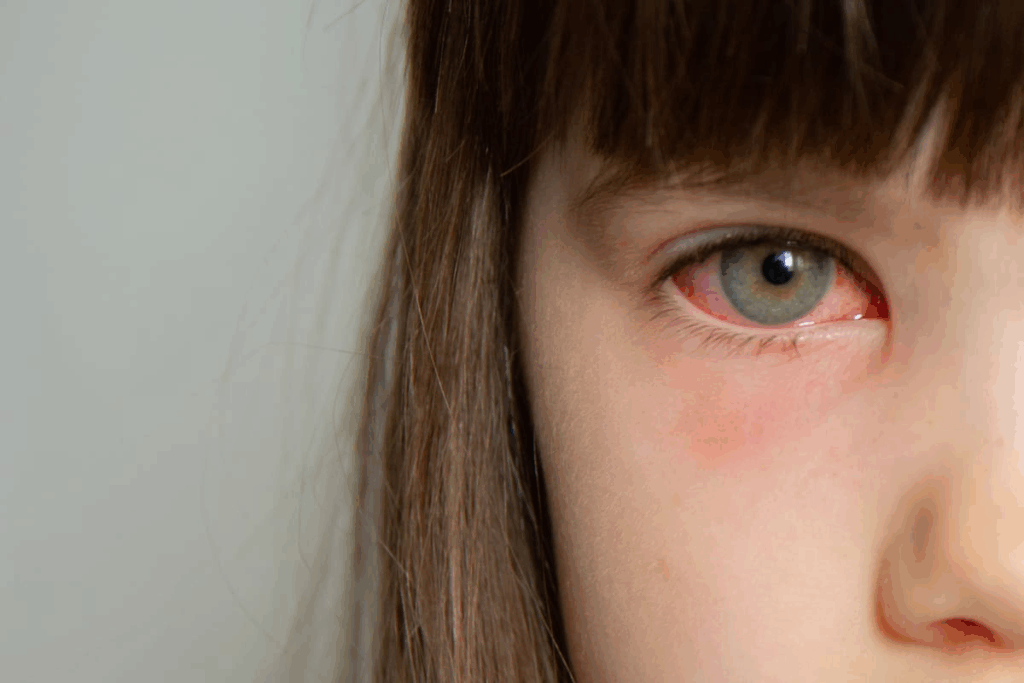
Are you seeing double vision or ghosting in your eyes? This could be a sign of cataracts, a common eye problem affecting millions. It’s something to watch out for cataracts double vision.
At Liv Hospital, we know how important it is to deal with vision issues fast. Cataracts can make your vision blurry, colors seem faded, and lights appear as halos. It’s key to understand how cataracts and double vision are linked for early treatment.
We’ll look into what causes cataracts, their symptoms, and how to treat them. We want to give you the info you need to handle this condition.
Key Takeaways
- Cataracts can cause double vision, a condition medically known as diplopia.
- Early detection is key for effective treatment and to get your vision back.
- Liv Hospital offers top-notch eye care with caring, patient-focused solutions.
- Knowing how cataracts and double vision are connected is important for vision problems.
- Quick treatment can greatly improve your vision and life quality.
Understanding Cataracts and Their Prevalence

Cataracts cloud the eye’s lens, causing vision loss worldwide. This clouding stops the lens from focusing light on the retina. This leads to vision problems.
What Are Cataracts?
A cataract clouds the eye’s lens, which is key for clear vision. When the lens gets cloudy, it blocks or scatters light. This causes vision issues. Cataracts are not a growth or a film over the eye, but an internal lens change.
It’s important to know cataracts are linked to aging or other factors. They mostly affect people over 60. But, they can also happen in younger people for various reasons.
Demographics and Risk Factors
Cataracts are a major cause of vision loss globally. They mainly affect older adults. Age is a big risk factor, with more cases after 60. Other risks include genetics, certain health conditions like diabetes, and UV radiation exposure.
Knowing these risks helps in prevention and treatment. Healthcare providers can give advice and interventions to those at higher risk. This can help slow cataract progression or treat related vision issues early.
The Science Behind Cataracts Double Vision
Cataracts can scatter light, making things seem double. This happens because the cloudy lens messes with light’s path to the retina. It spreads light unevenly, causing double vision.
Light Scattering and Its Effects
Cataracts make things seem double by scattering light. As the cataract grows, it can cause big visual problems. It bends light, making multiple images appear on the retina.
Looking through a foggy window is like seeing through a cataract. The image gets fuzzy, and details are lost. Cataracts distort light, causing double vision by blocking the lens.
The Mechanism of Visual Distortion
Double vision from cataracts comes from light distortion. This distortion creates multiple images on the retina. It makes things seem double or multiple.
Cause | Effect on Vision |
Light Scattering by Cataract | Double Vision or Multiple Images |
Clouding of the Lens | Distortion and Blurred Vision |
Uneven Dispersion of Light | Visual Disturbances and Discomfort |
Understanding cataracts and double vision is key. It helps us see how it affects life. Knowing the science helps us find better treatments.
Types of Double Vision Related to Eye Health
Double vision, or diplopia, can really affect someone’s life, even more so with cataracts. We’ll look at the different kinds of double vision linked to eye health. This includes monocular and binocular diplopia, and the “ghosting” effect.
Monocular vs. Binocular Diplopia
Diplopia is split into two main types: monocular and binocular.Monocular diplopiahappens when you see double in one eye, even with the other closed. It’s often seen in cataracts, where the lens clouds and scatters light, making you see double. On the other hand,binocular diplopiais when you see double with both eyes open but goes away with one eye closed. This usually means there’s a problem with how your eyes line up.
Knowing the difference between these types is key to figuring out why you’re seeing double. Monocular diplopia, a common sign of cataracts, is more noticeable in bright lights or close-up things.
The “Ghosting” Effect Explained
The “ghosting” effect is a sign of double vision from cataracts. It’s when you see a faint, secondary image along with the main one. This is called seeing a “ghost” image, which is why it’s named that way.
This happens because light scatters irregularly through the cataractous lens. It creates multiple images on the retina. People with cataracts might see this “ghosting” effect, more so in bright places or with glare.
Recognizing Symptoms of Cataract-Related Vision Problems
It’s important for patients to know the signs of cataracts. These vision problems can really affect your daily life.
Early Warning Signs
The first signs of cataracts can be small but are very important to notice. You might see:
- Blurry or cloudy vision
- Increased sensitivity to light
- Double vision or “ghosting” effects, mainly at night
- Hard time reading or doing daily tasks because of vision issues
Cataracts make the lens in your eye cloudy. This scatters light and messes with your vision. Spotting these signs early is key to managing them well.
Progression of Symptoms
As cataracts get worse, symptoms can get stronger and harder to deal with. You might notice:
- Fading or yellowing of colors
- Frequent changes in eyeglass or contact lens prescription
- Harder night driving because of glare or halos around lights
- Double vision that gets worse over time
It’s important to watch your symptoms and tell your doctor about any changes. This helps figure out the best treatment.
When to Seek Medical Attention
If you notice any of these, you should see a doctor right away:
- Sudden changes in vision
- Significant increase in eye pain or redness
- Double vision that lasts or comes with other symptoms like headache or dizziness
Getting medical help quickly can really help with cataract-related vision problems. We suggest getting regular eye exams to keep an eye on your eye health and catch any problems early.
Diagnosing Cataracts as the Cause of Double Vision
To find out if cataracts are causing double vision, a detailed eye check is needed. This check includes tests like visual acuity and refraction. We’ll talk about these tests and how they help figure out if cataracts are the problem.
Common Diagnostic Tests
There are key tests to see if cataracts are behind double vision. These include:
- Visual Acuity Tests: These check how clear your vision is. If one eye sees better than the other, it might mean cataracts.
- Refraction Assessments: This test finds the right lens for your eyes. If your prescription changes, it could mean cataracts are growing.
- Slit-Lamp Examination: This tool lets doctors look closely at your lens and other eye parts for cataracts or other issues.
- Dilated Eye Exam: By making your pupils bigger, doctors can see more of your lens and retina. This helps them spot cataracts.
Differentiating from Other Causes of Diplopia
It’s important to tell if double vision is from cataracts or something else. Other things that can cause it include:
- Strabismus: When your eyes don’t line up right, it can lead to double vision.
- Nerve Palsies: Weakness in the nerves that control your eyes can cause double vision.
- Thyroid Eye Disease: This condition makes the tissues around your eyes swell, causing double vision.
Knowing the exact cause of double vision is key to treating it right. Doctors can then suggest the best course of action, like surgery for cataracts or treatment for another issue.
Treatment Options for Cataract-Related Vision Disturbances
Treatment for cataract-related vision disturbances varies based on the severity. We’ll look at non-surgical and surgical options. Each has its benefits and risks.
Non-Surgical Management Approaches
In the early stages, non-surgical methods can help. These include:
- Updating eyeglass prescriptions to compensate for vision changes
- Using magnifying lenses for reading and other daily tasks
- Improving lighting conditions to reduce glare
- Employing anti-glare coatings on glasses
These methods can temporarily improve vision. But they don’t fix the underlying problem.
When Surgery Becomes Necessary
When cataracts severely affect daily life, surgery is the best option. Surgery removes the cloudy lens and replaces it with an intraocular lens (IOL). The decision to have surgery depends on weighing benefits against risks.
Consider surgery when:
- Vision loss interferes with daily activities like driving or reading
- Cataracts cause significant glare or double vision
- Other eye conditions are complicating factors
Treatment Option | Description | Benefits |
Non-Surgical Management | Updating eyeglasses, using magnifying lenses, improving lighting | Temporary improvement in vision, easy to implement |
Cataract Surgery | Removing the cloudy lens and replacing it with an IOL | Permanent vision correction, significant improvement in quality of life |
Cataract surgery is very successful, improving vision for most patients. But, like any surgery, it carries risks such as infection or posterior capsule opacification.
It’s vital to talk about the benefits and risks with an eye care professional before making a decision.
Understanding Cataract Surgery and Success Rates
Cataract surgery removes the cloudy lens and replaces it with a clear one. It’s a common procedure with high success rates. Over 3 million Americans have it done each year. About 9 out of 10 patients see their vision fully restored.
The Surgical Procedure Explained
Cataract surgery is usually done on an outpatient basis. This means patients can go home the same day. The surgery takes less than an hour and is mostly painless.
Surgeons use advanced technology, like femtosecond lasers, to improve precision and outcomes. They remove the cloudy lens and put in an intraocular lens (IOL). This lens becomes a permanent part of the eye.
Types of Intraocular Lens Implants
There are many types of intraocular lenses, each for different needs. Monofocal lenses are the most common. They’re set for distance vision, but some patients might need glasses for near or intermediate vision.
Multifocal lenses offer a range of vision, reducing the need for glasses. Toric lenses correct astigmatism, a condition where the cornea is irregularly shaped.
Recovery Timeline and Expectations
Recovery from cataract surgery is quick, with most seeing better vision in a few days. Full recovery usually takes a few weeks. During this time, patients should avoid heavy lifting, bending, or rubbing their eyes.
Eye drops are given to prevent infection and inflammation. Most patients can get back to normal activities in a few days. It’s important to follow the surgeon’s instructions for a smooth recovery.
Statistical Outcomes and Vision Restoration
The success rate of cataract surgery is very high, with about 90% of patients seeing significant vision improvement. Complications are rare, and most can be managed with proper care. Advances in surgery and lens technology keep improving outcomes.
Double Vision After Cataract Surgery
Some patients see double after cataract surgery. This is called post-surgical diplopia. It’s important to know how common it is, why it happens, and how to fix it.
Prevalence and Underlying Causes
About 3 percent of patients see double after cataract surgery. This can happen for many reasons. It might be because of how the eyes were before surgery or problems with the lens implant.
People with strabismus before surgery are more likely to see double. Other reasons include aniseikonia and issues with the lens implant.
Cause | Description | Potential Treatment |
Pre-existing Strabismus | Eye alignment issues before surgery | Vision therapy, prism lenses |
Intraocular Lens Issues | Problems with the lens implant | Lens replacement, adjustment |
Aniseikonia | Differences in image size/shape between eyes | Special lenses, vision therapy |
Treatment Approaches for Post-Surgical Diplopia
Fixing double vision after cataract surgery depends on why it’s happening. Sometimes, it goes away as the eye heals. But if it doesn’t, there are treatments.
For those with strabismus, vision therapy can help. It’s a set of exercises to improve how the eyes work together. Prism lenses can also help by making the images from each eye match up.
If the lens is the problem, replacing or adjusting the lens might be needed. Doctors use special tools to figure out the best way to fix it.
Seeing double after cataract surgery can be scary. But, with the right treatment, many people get better. If you’re seeing double, talking to an eye doctor is the first step to feeling better.
Technological Advancements in Cataract Treatment
Technology has changed cataract surgery a lot. Now, we can do the surgery more precisely and patients recover faster. These changes make the surgery better and make patients happier.
Innovative Surgical Techniques
Laser-assisted cataract surgery is a big step forward. It uses a laser to make exact cuts in the eye. This makes the surgery safer and more accurate.
Studies show it gives better results and fewer problems than old methods.
Another big change is phacoemulsification techniques. They use sound waves to break up cataracts. New systems are better and gentler, helping the eye heal faster.
Next-Generation Lens Technologies
New intraocular lens (IOL) implants are also key. They offer better vision and less need for glasses. The latest lenses can even correct astigmatism.
Toric IOLs are a big deal. They fix astigmatism and cataracts together. This helps patients with complex eye problems see better without more surgery.
As technology keeps getting better, we’ll see even more improvements in cataract treatment. This will make life better for many people.
Conclusion
It’s important to know how cataracts and double vision are linked. This knowledge helps in getting the right treatment quickly. Cataracts can make your vision blurry and cause double vision, affecting your daily life.
Cataract surgery is a top choice for fixing vision problems. It helps improve your life quality. Knowing about cataracts and treatment options helps you make better eye care choices.
Medical help is key if you’re seeing double or if your vision gets worse. New surgery methods and lenses mean better results and fewer risks. With the right treatment, you can see clearly again and live better.
FAQ
Can cataracts cause double vision?
Yes, cataracts can cause double vision. The clouding of the lens in the eye scatters light. This leads to visual distortion and seeing multiple images.
What is the difference between monocular and binocular diplopia?
Monocular diplopia is when you see double in one eye. It’s often due to cataracts or other eye issues. Binocular diplopia is when you see double with both eyes open. It’s usually due to eye alignment problems.
What is the “ghosting” effect in cataract-related double vision?
The “ghosting” effect is when a secondary image appears next to the main image. This happens because the cataractous lens scatters light.
How is cataract-related double vision diagnosed?
To diagnose cataract-related double vision, a thorough eye exam is needed. This includes visual acuity tests, refraction, and a slit-lamp exam. These help check for and measure cataracts.
Can double vision after cataract surgery be corrected?
Yes, double vision after cataract surgery can be fixed. Treatments include prismatic lenses, eye exercises, or more surgery to adjust the intraocular lens.
What are the treatment options for cataract-related vision disturbances?
For cataract-related vision issues, treatments range from non-surgical to surgical. Non-surgical options include updating glasses. Surgical options include removing the cataract and implanting an intraocular lens.
What are the benefits and risks of cataract surgery?
Cataract surgery is very successful and can greatly improve vision and life quality. But, like any surgery, there are risks. These include infection, inflammation, and posterior capsule opacification.
How long does it take to recover from cataract surgery?
Recovery from cataract surgery usually takes a few days to weeks. Most people see big improvements in vision within a few weeks.
What are the latest advancements in cataract treatment?
New advancements include better surgical techniques and lens technologies. For example, femtosecond laser-assisted surgery and next-generation intraocular lenses.
Does cataract surgery improve double vision?
Cataract surgery can help with double vision caused by cataracts. But, the success depends on the cause of the double vision and other eye conditions.
Can cataracts cause double vision at night?
Yes, cataracts can cause double vision at night. This is because light scattering and visual distortion are worse in low light.
References
National Center for Biotechnology Information. Cataracts and Double Vision: Causes and Considerations. Retrieved from https://pubmed.ncbi.nlm.nih.gov/15078662/