

Angioplasty is a procedure that helps open narrowed arteries. It’s a lifesaver but comes with risks. Nearly 1 in 5 patients face complications after it. The main dangers are restenosis and blood clots or thrombosis catheter.
It’s important for patients to know about these risks. We’ll dive into the details of these complications. This includes their causes, symptoms, and how to manage them. Knowing the risks helps patients make better choices about their treatment.
Key Takeaways
- Angioplasty is associated with significant risks, including restenosis and blood clots.
- Restenosis occurs when the treated artery narrows again.
- Blood clots or thrombosis can form after angioplasty.
- Understanding these risks is key for making informed decisions.
- There are strategies to reduce these risks.
Understanding Angioplasty: A Life-Saving Procedure

Angioplasty is a key medical procedure that has changed how we treat coronary artery disease. It helps restore blood flow through blocked or narrowed arteries. This greatly improves heart health.
Definition and Purpose of Angioplasty
Angioplasty uses a thin, flexible tube called a catheter to widen a blocked artery. Its main goal is to treat coronary artery disease by removing blockages. This improves blood flow to the heart, easing symptoms like chest pain and shortness of breath.
Catheterization, or inserting the catheter, is a vital part of angioplasty. It allows for precise targeting of the blocked area. This ensures effective treatment with minimal invasion.
When Angioplasty is Recommended
Doctors recommend angioplasty for patients with severe coronary artery disease. The decision to have angioplasty depends on several factors. These include the blockage’s severity, the patient’s health, and their medical history.
Pediatric cardiology has also made strides in angioplasty, adapting it for younger patients. These advancements are significant, as they help more patients by improving treatment outcomes.
The Catheter: The Essential Tool in Angioplasty
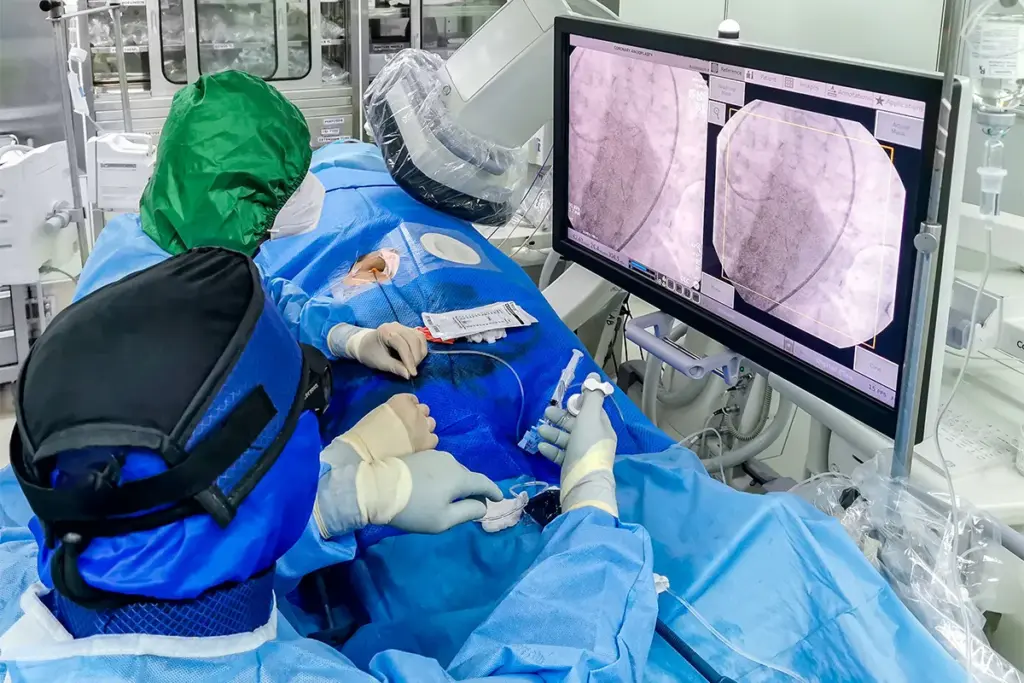
The catheter is key in angioplasty, helping doctors reach blockages in arteries. It’s a small tool that goes through blood vessels to find and fix problems. This way, doctors can help without making big cuts.
The design and how it works are very important for angioplasty to succeed. There are many types of catheters, each for a different part of the procedure.
Types of Catheters Used in Angioplasty
In angioplasty, doctors use balloon catheters and stent catheters. Balloon catheters widen blocked arteries by inflating a balloon. This pushes the plaque aside, letting blood flow again. Stent catheters place a small, mesh tube to keep the artery open and prevent it from getting blocked again.
Which catheter to use depends on the patient’s situation and where the blockage is. Knowing about the types of catheters helps us understand angioplasty better.
How Catheters Function During the Procedure
During angioplasty, doctors guide the catheter to the blockage using special images. Once there, it does its job, like inflating a balloon or placing a stent. Modern catheters help doctors work more precisely, making the procedure better.
Catheters are also great because they help patients recover faster and with less scarring. This makes the whole experience better for them.
Major Danger #1: Restenosis – Recurrence of Artery Narrowing
After angioplasty, a big worry is restenosis. This is when the artery gets narrow again. It can bring back symptoms or even worse heart problems.
It’s key to know how restenosis happens to stop it. After angioplasty, the artery tries to heal. But sometimes, it grows too much and gets narrow again.
Understanding the Restenosis Process
Restenosis goes through several steps. First, the artery gets hurt from the angioplasty. This hurts the artery wall and starts inflammation.
This inflammation makes smooth muscle cells grow and move. They form new tissue that narrows the artery.
- Injury response to the artery wall during angioplasty
- Inflammation and the release of various growth factors
- Proliferation and migration of smooth muscle cells
- Excessive tissue growth leading to artery narrowing
Risk Factors for Developing Restenosis
Some things can make restenosis more likely. These include diabetes, high blood pressure, and heart disease. Also, the type of catheter used and the lesion’s characteristics matter.
Diabetes, for example, raises the risk because of insulin resistance and inflammation. Long or complex lesions also have a higher risk.
- Patient-related factors: diabetes, hypertension, cardiovascular disease
- Procedural factors: type of catheter, lesion characteristics
Knowing these risks helps doctors take better care of patients. Talking to a pediatric cardiologist in New York or a heart specialist can help find the best treatment.
Major Danger #2: Blood Clots and Thrombosis
After angioplasty, patients face a risk of blood clots and thrombosis. These can cause serious heart problems. It’s key to know this risk to care for patients well after the procedure.
Formation of Blood Clots After Angioplasty
Blood clots form due to the body’s reaction to angioplasty and the stent in the artery. Platelets get activated and stick together, forming a clot. Risks include the stent type, its size, and how well the patient responds to blood-thinning drugs.
Key factors influencing blood clot formation include:
- Incomplete stent apposition
- Stent fracture or damage
- Inadequate antiplatelet therapy
Consequences of Post-Angioplasty Thrombosis
Thrombosis after angioplasty can lead to serious issues like heart attacks or strokes. Quick medical help is vital if symptoms show up. It can greatly improve the outcome.
Monitoring and managing thrombosis risk is very important. Patients usually take blood-thinning drugs to prevent clots. Sticking to this treatment is critical.
It’s vital for both patients and doctors to understand blood clot and thrombosis risks. By knowing what causes these problems, we can work to prevent them. This ensures the best results for those having angioplasty.
Arterial Damage and Perforation Risks
Arterial damage is a serious risk during angioplasty. It can cause severe problems if not treated quickly. The tools used in angioplasty can sometimes hurt the artery, leading to a hole.
Causes of Arterial Damage
The main reasons for artery damage during angioplasty are:
- The mechanical stress from the catheter and guidewires on the artery walls.
- Existing artery problems, like severe calcification or weak walls.
- Challenges during the procedure, like navigating through tight or narrow arteries.
Knowing these causes helps us reduce the risk of artery damage. We need to check the patient’s artery condition before starting. We also use advanced imaging to guide the catheter.
Managing Perforation Complications
Handling artery perforation complications needs quick action and treatment. The steps to manage perforation are:
- Stop the procedure right away and check the perforation.
- Use a covered stent to close the hole.
- Watch for any bleeding or hematoma.
Having a team ready to handle these issues is key. Being ready for these risks helps us protect our patients’ health.
Allergic Reactions to Contrast Dye
Contrast dye is used in angioplasty to see the arteries. But, it can cause allergic reactions in some. These reactions can be mild or very serious.
Common Contrast Dye Reactions
Common reactions include skin rashes and itching. In severe cases, it can lead to anaphylaxis, a life-threatening condition. Symptoms of anaphylaxis are hard breathing, fast heartbeat, and low blood pressure.
“Allergic reactions to contrast media are a big worry in cardiology,” say doctors. “Knowing the risks and taking steps to prevent them is key for patient safety.”
Preventing and Treating Dye Allergies
To avoid allergic reactions, doctors ask about your medical history. They look for any past allergies to contrast dye or iodine. If you have an allergy, alternative contrast agents might be used, or you might get steroids and antihistamines before the procedure.
If an allergic reaction happens, quick action is needed. This could mean giving antihistamines or steroids. In serious cases, oxygen therapy or CPR might be needed.
By knowing the risks of contrast dye and taking steps to prevent them, we can make angioplasty safer for patients.
Kidney Damage from Contrast Materials
Contrast materials used in angioplasty can harm the kidneys. This harm is called contrast-induced nephropathy (CIN). We will look at why CIN happens and how to keep kidneys safe before and after the procedure.
Causes and Risk Factors
Contrast dye is the main cause of CIN during angioplasty. People with kidney disease, diabetes, or dehydration are more at risk. Knowing these risks helps us lower the chance of kidney damage.
We check patients’ medical history and current health to find those at high risk. This includes looking at kidney function and any conditions that might raise CIN risk. We also consider other imaging options if needed.
Protecting Kidney Function
Keeping kidneys safe before and after angioplasty is key for those at risk of CIN. We use hydration, choose safe contrast agents, and watch kidney function after the procedure.
Drinking lots of water is a big help in preventing CIN. We tell patients to drink plenty before and after the procedure. Choosing the right contrast agent is also important for those at risk.
|
Strategy |
Description |
Benefit |
|---|---|---|
|
Hydration |
Drinking plenty of fluids before and after angioplasty |
Flushes out contrast dye, reducing the risk of CIN |
|
Careful Selection of Contrast Agents |
Choosing contrast agents that are safer for patients at risk |
Reduces the risk of kidney damage |
|
Monitoring Kidney Function |
Assessing kidney function post-procedure |
Early detection of CIN, allowing for timely intervention |
By understanding CIN risks and protecting kidney function, we can reduce kidney damage in angioplasty patients. Our aim is to offer safe and effective care, balancing the benefits of angioplasty with its risks.
Infection Risks Associated with Catheter Insertion Sites
Catheter insertion site infections are a risk for patients and healthcare providers during angioplasty. These infections can happen at the insertion site. It’s important to know the common sites, symptoms, and how to prevent them.
Common Infection Sites and Symptoms
Infections can occur at the insertion site or along the catheter. Symptoms include redness, swelling, warmth, and pain. In severe cases, patients might have fever, chills, or pus.
It’s key to spot infection signs early to manage it well and stop it from spreading. We stress the need to watch the insertion site closely after the procedure.
Infection Prevention Protocols
To prevent infections, we use proper technique during insertion and keep the site clean. We also watch for infection signs. Sterile techniques during insertion help avoid bacteria.
|
Prevention Measure |
Description |
Benefit |
|---|---|---|
|
Sterile Technique |
Using sterile equipment and gloves during catheter insertion |
Reduces risk of introducing bacteria |
|
Site Care |
Regular cleaning and dressing of the catheter insertion site |
Prevents bacterial colonization |
|
Surveillance |
Monitoring the site for signs of infection |
Enables early detection and treatment |
Following these prevention steps can greatly lower the risk of infections. This ensures patients have a smoother recovery after angioplasty.
Bleeding Complications at Access Sites
Angioplasty can lead to bleeding at the catheter site. This is due to several reasons. It’s key to know why and how to handle it.
Factors Contributing to Excessive Bleeding
Many things can cause too much bleeding at the site. The catheter size, where it’s placed, and the patient’s health are important. Knowing these can help lower bleeding risks.
The bigger the catheter, the more damage it can do. Where the site is also matters. Some spots bleed more than others.
Techniques to Control Access Site Bleeding
There are ways to stop bleeding at the site. One method is manual compression. This works by applying pressure to stop the bleeding.
Closure devices are another option. They seal the site to prevent bleeding. This is a good choice for some patients.
Good care after the procedure is vital. It helps catch and treat bleeding quickly. By understanding and managing these risks, we can make angioplasty safer.
Arrhythmias and Heart Rhythm Disturbances
After angioplasty, arrhythmias or irregular heartbeats can happen. These occur when the heart’s electrical impulses get out of order. It’s important to know the types of arrhythmias and how to manage them.
Types of Arrhythmias Following Angioplasty
After angioplasty, several arrhythmias can occur. Some are mild, while others are serious. Atrial fibrillation is a common one, causing a fast and irregular heartbeat. Other arrhythmias include bradyarrhythmias and ventricular tachycardia, which can be dangerous.
Doctors say, “Arrhythmias after angioplasty need careful watching and sometimes treatment to avoid serious problems.”
This shows how important it is to watch patients closely after angioplasty.
Monitoring and Managing Heart Rhythm Changes
It’s key to monitor and manage arrhythmias well. We use tools like electrocardiogram (ECG) monitoring to catch them early. Treatment might include medicines, cardioversion, or even a pacemaker.
Knowing about arrhythmias after angioplasty helps us give better care. By watching heart rhythms closely and using the right treatments, we can lower risks.
Stroke Risk During and After Angioplasty
Angioplasty carries a risk of stroke, a serious complication. This risk comes from the procedure itself or from blood clots forming later. It’s important to know how stroke happens during these procedures and how to lower the risk, mainly for those at higher risk.
Mechanisms of Stroke During Catheter Procedures
Stroke can happen during angioplasty in a few ways. The catheter might move plaque or blood clots to the brain. Or, it could damage atherosclerotic plaques in major arteries, causing clots to form.
A study in the Journal of the American College of Cardiology found stroke risk after angioplasty is high. Older patients, those with past strokes, and those with carotid artery disease face higher risks.
|
Risk Factor |
Description |
Impact on Stroke Risk |
|---|---|---|
|
Advanced Age |
Patients over 65 years |
Increased risk due to vascular changes |
|
History of Stroke/TIA |
Previous stroke or transient ischemic attack |
Higher likelihood of subsequent stroke |
|
Carotid Artery Disease |
Significant stenosis or plaque buildup |
Increased risk of embolic events |
Minimizing Stroke Risk in High-Risk Patients
To lower stroke risk, we must carefully choose patients and use precise techniques. A detailed check before the procedure is key. Using the right anticoagulants and antiplatelets is also vital.
For those at higher risk, we can take extra steps.
“Using embolic protection devices during angioplasty can help by catching debris that might cause stroke.”
Monitoring closely during and after the procedure is also important. This helps catch and manage any problems early.
Understanding how stroke happens during these procedures and how to prevent it is key. As healthcare providers, we must ensure patients are well-informed and receive top care to reduce these risks.
Radiation Exposure Concerns
Fluoroscopy in angioplasty brings up big questions about safety. As we keep using this life-saving method, it’s key to understand radiation risks. This is important for both patients and healthcare workers.
Cumulative Effects of Radiation
Radiation from angioplasty can harm health. It’s not just for patients who have it often, but also for doctors and nurses. We need to weigh these risks against the benefits of treating heart disease.
Cumulative radiation dose is a big deal. It’s the total radiation a patient gets over time. This is very important for those who need many procedures.
|
Procedure |
Average Radiation Dose (mSv) |
Cumulative Risk Level |
|---|---|---|
|
Diagnostic Angiography |
2-5 |
Low |
|
Angioplasty |
5-15 |
Moderate |
|
Complex Angioplasty |
15-30 |
High |
Radiation Safety Measures
We take many steps to reduce radiation risks. We use the least amount of radiation needed. We also make sure equipment is top-notch and staff wear protective gear.
Radiation safety protocols are key. We keep an eye on radiation doses, train staff, and maintain equipment. This helps us provide safe care for patients.
We aim to find a balance between clear diagnosis and low radiation. This way, we can keep giving effective care for angioplasty patients.
Risk Factors That Increase Angioplasty Complications
It’s key to know what increases the risk of problems after angioplasty. Both things about the patient and the procedure itself matter a lot.
Patient-Related Risk Factors
Some health issues and patient traits can make angioplasty risks higher. These include:
- Diabetes: People with diabetes face more risks because of blood sugar control challenges during and after the procedure.
- Kidney Disease: Kidney problems can make it hard for the body to handle contrast dyes, raising the risk of kidney damage.
- Cardiovascular History: A history of heart problems, like heart attacks or strokes, can make angioplasty riskier.
Age, smoking, and heart health also play a part in angioplasty risks.
Procedure-Related Risk Factors
The type of angioplasty procedure can also raise risks. Important factors include:
- Lesion Complexity: Dealing with complex lesions increases the chance of problems during the procedure.
- Device Selection: The choice of catheter and devices can affect the risk of complications, like blockages or blood clots.
- Operator Experience: The skill and experience of the doctor doing the angioplasty greatly affects the outcome.
Knowing these risk factors helps doctors assess patient risks better. They can then take steps to lower the chance of complications.
Preventing Angioplasty Complications: Best Practices
To lower risks from angioplasty, following best practices is key. This includes detailed preparation before the procedure and careful care after. By doing this, doctors can greatly cut down on complications, leading to better results for patients.
Pre-Procedure Preparation Guidelines
Getting ready for angioplasty is the first step to success. It starts with a deep look at the patient’s health history, including any heart issues. Adjusting medications like blood thinners is also important before starting.
- Do a full check-up, looking at medical history and current health.
- Make sure medications are right, adjusting as needed.
- Make sure the patient knows what to expect and how to care for themselves after.
Post-Procedure Care and Monitoring
Aftercare is just as important as preparation. It means watching closely for any signs of trouble like bleeding or clotting. Managing blood thinners is also key to prevent clots but avoid bleeding.
By sticking to these guidelines, doctors can make angioplasty safer and more effective. It’s a detailed plan that boosts immediate results and helps with long-term heart health.
For those having angioplasty, knowing about preparation and aftercare is vital. It can greatly improve their experience and recovery. As we keep improving heart care, the importance of prevention and careful management grows.
Alternative Treatments to Angioplasty
For those with cardiovascular disease, there are other treatments than angioplasty. These options help manage the condition in different ways. Not everyone is a good fit for angioplasty, or they might want something else.
Every patient is different. What works for one might not work for another. Knowing the alternatives is key to making the right choice for heart care.
Medical Management Options
Medical management is a good choice for some. It focuses on using medicine to control symptoms and slow the disease. Optimizing antiplatelet therapy is important to prevent blood clots. Also, managing risk factors like high blood pressure, diabetes, and cholesterol is critical.
“Medical management aims to lower the risk of heart problems and improve life quality,” says a top cardiologist. “By customizing treatment, we can manage heart disease without surgery.”
- Managing high blood pressure through lifestyle and medicine
- Controlling diabetes with diet, exercise, and medicine
- Lowering cholesterol with statins and other treatments
Surgical Alternatives for Severe Cases
For severe coronary artery disease, coronary artery bypass grafting (CABG) might be an option. CABG uses grafts to bypass blocked arteries, improving heart blood flow.
CABG is for those with complex or multi-vessel disease not suited for angioplasty. “CABG is a reliable treatment for severe heart disease,” says a cardiovascular surgeon.
Choosing an alternative to angioplasty should be discussed with a healthcare provider. They will consider your condition, preferences, and overall health.
Conclusion: Balancing Angioplasty Benefits and Risks
Angioplasty helps patients with coronary artery disease by improving blood flow. It also reduces symptoms. But, it’s not without risks like restenosis, blood clots, and catheter complications.
It’s important for patients and doctors to understand both sides of angioplasty. Knowing the risks helps us work to reduce them. This way, we can get the best results for patients’ heart health.
The field of cardiology is always growing, thanks to new technology and techniques. These advancements make angioplasty safer and more effective. As we keep moving forward, we must weigh the good and bad of angioplasty. This ensures patients get the top care for their heart health.
FAQ
What are the two major dangers associated with angioplasty?
Angioplasty can lead to two big dangers. The first is restenosis, where the artery gets narrower again. The second is the formation of blood clots or thrombosis.
What is angioplasty and its purpose?
Angioplasty is a medical procedure. It aims to improve blood flow by widening blocked or narrowed arteries. This is done using a catheter.
What types of catheters are used in angioplasty?
Angioplasty uses different catheters. Balloon catheters widen the artery. Stent catheters place a stent to keep the artery open.
What is restenosis and how can it be managed?
Restenosis is when the artery narrows again after treatment. It depends on the patient’s health, diabetes status, and the treated area.
How can blood clots form after angioplasty and what are the consequences?
Blood clots can form on the stent or in the artery after angioplasty. This can lead to acute thrombosis. It can cause heart attack or stroke.
What are the risks of arterial damage and perforation during angioplasty?
The catheter and guidewires can damage the artery. This can cause perforation. It’s important to treat it quickly to avoid serious problems.
Can patients be allergic to the contrast dye used during angioplasty?
Yes, some patients can be allergic to the contrast dye. This can cause reactions from mild skin rashes to severe anaphylaxis.
How can contrast-induced nephropathy be prevented?
To prevent contrast-induced nephropathy, patients should stay hydrated. Choosing the right contrast agent is also important, more so for those with kidney disease.
What are the infection risks associated with catheter insertion sites?
Infections can happen at the catheter insertion site. Keeping the site clean and using sterile techniques during the procedure can lower the risk of infection.
How can bleeding complications at access sites be controlled?
To control bleeding, manual compression and closure devices can be used. These methods help reduce the risk of bleeding at the access site.
What are the risks of arrhythmias following angioplasty?
Angioplasty can cause arrhythmias, from mild to severe. Monitoring and management are necessary to handle these conditions.
How can stroke risk be minimized during and after angioplasty?
To lower stroke risk, carefully select patients and use precise techniques. Proper anticoagulation is also key, mainly for high-risk patients.
What are the concerns regarding radiation exposure during angioplasty?
Radiation exposure during angioplasty is a concern. It’s important to weigh the benefits against the risks. Using the lowest dose of radiation helps minimize this risk.
What are the patient-related and procedure-related risk factors that increase angioplasty complications?
Complications can be influenced by patient factors like diabetes and kidney disease. The complexity of the lesion being treated also plays a role.
How can angioplasty complications be prevented?
To prevent complications, follow guidelines for preparation and care. Assessing patient risk and optimizing therapy before and after the procedure is key.
What are the alternative treatments to angioplasty?
Alternatives include medical management and surgery like CABG. The choice depends on the disease’s severity and the patient’s specific needs.
What is the role of a pediatric cardiologist in New York?
Pediatric cardiologists in New York specialize in heart conditions in children. They provide full care and management for cardiovascular health.
What is the average salary of a pediatric cardiologist?
The salary of a pediatric cardiologist varies. It depends on location, experience, and institution. It’s competitive for medical specialists.
How to become a pediatric cardiologist?
To become a pediatric cardiologist, complete medical school and pediatrics residency. Then, do fellowship training in pediatric cardiology. Get the necessary certifications.
References
Nature. Evidence-Based Medical Insight. Retrieved from https://www.nature.com/articles/nrcardio.2015.152



 Departments
 Related Videos
 Our Doctors
 News
News