


After heart surgery, some patients notice changes in their thinking. They might forget things, feel confused, or get very tired mentally. This is often called ‘pump head.’ It happens because of the cardiopulmonary bypass (CPB) used during surgery. Preparing for heart surgery? Learn why the catheter is a vital tool and discover amazing facts about the tests done before AFib care.
For over 40 years, scientists have been studying pump head syndrome. It’s also known as postperfusion syndrome. Some research suggests that the heart-lung machine might cause tiny particles that affect the brain. These changes can include memory loss and feeling anxious.
A study on healthy college students found similar brain changes. They experienced these effects after being in a hospital-like setting without surgery. Luckily, most of these brain issues go away within a year.
Key Takeaways
- Pump head syndrome is linked to cardiopulmonary bypass during heart surgery.
- Common symptoms include memory loss, confusion, and mental tiredness.
- It’s also known as postperfusion syndrome.
- Research on pump head syndrome has shown mixed results over the years.
- Most brain issues related to pump head syndrome get better within a year.
Understanding Pump Head Syndrome

Pump head syndrome is a term for neurological problems after heart surgery. It happens when a heart-lung machine is used. This condition is also called postperfusion syndrome, showing its link to the cardiopulmonary bypass process.
Definition of Postperfusion Syndrome
Postperfusion syndrome is about the brain and memory issues after heart surgery. Symptoms can be mild, like trouble focusing, or severe. It’s caused by the cardiopulmonary bypass used in surgery, which can mess with brain blood flow.
Historical Recognition in Cardiac Medicine
Pump head syndrome has been known in heart medicine for decades. It was first noticed that some patients had brain and memory problems after surgery. Now, it’s studied a lot to find out why it happens and how to treat it.
Relationship to Cardiopulmonary Bypass
Cardiopulmonary bypass is key in many heart surgeries. It lets surgeons work on a heart that’s not beating. But, it can change blood flow, pressure, and temperature, which might harm the brain. Research shows that how long and how it’s done can affect the risk of pump head syndrome.
|
Aspect |
Description |
Relation to Pump Head Syndrome |
|---|---|---|
|
Cardiopulmonary Bypass |
A technique that temporarily takes over the function of the heart and lungs during surgery. |
Directly linked to the occurrence of pump head syndrome due to its effects on blood flow and cerebral circulation. |
|
Neurological Symptoms |
Range from mild cognitive impairments to severe neurological deficits. |
Symptoms are characteristic of pump head syndrome, varying in severity and impact on patients. |
|
Surgical Duration |
The longer the surgery, the higher the potential risk. |
Longer cardiopulmonary bypass times are associated with a higher risk of developing pump head syndrome. |
The Mechanism Behind Pump Head
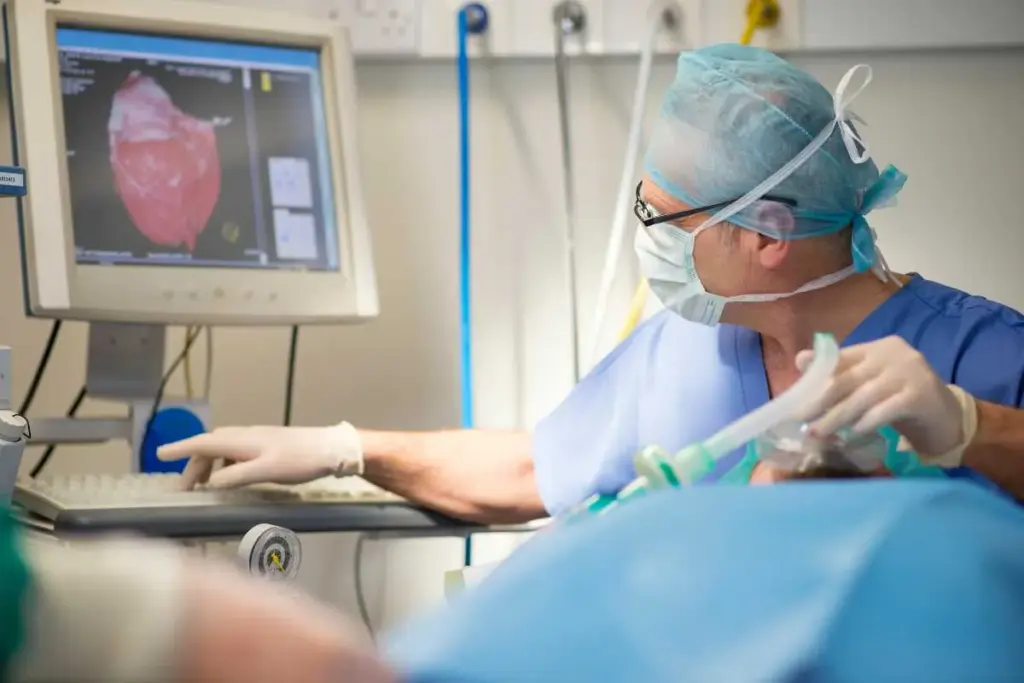
To understand pump head syndrome, we need to look at the cardiopulmonary bypass process. This process, also known as the heart-lung machine, takes over the heart and lungs during surgery. It lets surgeons work on a heart that’s not beating.
How Cardiopulmonary Bypass Works
The cardiopulmonary bypass machine is a complex device. It keeps blood flowing and oxygenated during heart surgery. It takes blood from the heart, oxygenates it, and then pumps it back into the body.
Physiological Changes During Heart-Lung Machine Use
Cardiopulmonary bypass causes several changes in the body. These changes include blood pressure changes, blood composition changes, and the release of inflammatory mediators. These can affect the body’s systems, including the brain’s blood flow.
The machine’s non-pulsatile flow also impacts the body. Unlike the heart’s natural flow, it can change vascular resistance and affect organ perfusion.
Cerebral Blood Flow Alterations
Cerebral blood flow is very sensitive to cardiopulmonary bypass changes. These changes can lead to cognitive impairments, including pump head syndrome. Factors like bypass duration, surgery temperature, and emboli presence can affect cerebral blood flow.
Monitoring and managing these factors during bypass is key. It helps reduce the risk of cerebral complications and pump head syndrome. Understanding these mechanisms helps in developing strategies to reduce risks.
Common Cognitive Symptoms of Pump Head
After heart surgery, some patients face cognitive challenges known as pump head syndrome. These symptoms can be hard to deal with and affect daily life. It’s important to know what they are and how they impact us.
Memory Impairment Patterns
Memory problems are a big part of pump head syndrome. Patients struggle to remember recent events, learn new things, and recall names and words. This happens because the brain is affected during surgery.
Memory issues can make it hard to remember appointments, conversations, or tasks. This can be tough for both patients and their families.
Attention and Concentration Difficulties
Difficulty focusing is another symptom. Patients might find it hard to stay on task, follow conversations, or do activities that need mental effort.
Concentration problems can make everyday activities like reading, watching TV, or hobbies harder. Patients might need to read things over or ask for things to be repeated.
Fine Motor Skill Changes
Fine motor skills can also be affected. Patients might find it hard to do tasks that need precision, like buttoning shirts or tying shoelaces.
Executive Function Challenges
Executive function includes planning, decision-making, and solving problems. Patients with pump head syndrome might struggle with these, making daily tasks and decisions harder.
The following table summarizes the common cognitive symptoms associated with pump head syndrome:
|
Cognitive Symptom |
Description |
Impact on Daily Life |
|---|---|---|
|
Memory Impairment |
Difficulty recalling recent events, learning new information |
Forgetting appointments, conversations |
|
Attention and Concentration Difficulties |
Trouble focusing on tasks, following conversations |
Re-reading material, needing repetition |
|
Fine Motor Skill Changes |
Changes in precision tasks, such as buttoning shirts |
Difficulty with daily activities like dressing |
|
Executive Function Challenges |
Difficulty with planning, decision-making, problem-solving |
Managing daily tasks, making decisions |
Emotional and Psychological Effects
Pump head syndrome affects more than just thinking skills. It also has emotional and psychological impacts. These can change a patient’s life and recovery journey.
Personality Changes After Surgery
Heart surgery can change a person’s personality. These changes can upset both the patient and their family. Patients might become more irritable, have mood swings, or feel disconnected from their old selves.
These shifts come from the surgery’s stress, the brain’s reaction to cardiopulmonary bypass, and adjusting to life after surgery.
Depression and Anxiety Symptoms
Depression and anxiety are common after heart surgery. The surgery’s trauma and recovery challenges can make patients feel sad, hopeless, and worried about the future.
- Depression signs include feeling sad all the time, losing interest in things, and changes in eating or sleeping.
- Anxiety shows as too much worry, fear, or avoiding certain situations.
Impact on Patient’s Self-Perception
Heart surgery and its aftermath can change how patients see themselves. They might feel vulnerable, lose their sense of identity, or doubt their ability to do things they used to.
Healthcare teams should help by supporting patients, counseling them, and providing resources. This helps manage the emotional and psychological sides of recovery.
Prevalence and Statistics
It’s important to know the stats on pump head syndrome to help patients understand what to expect. This condition, which affects thinking after heart surgery, has been studied a lot.
Short-Term Cognitive Deficits
Many patients face thinking problems right after heart surgery. Up to 53% of them show cognitive issues. These can include memory loss, trouble focusing, and problems with fine motor skills.
Medium-Term Recovery Patterns
Recovery from heart surgery can be different for everyone. Some get better quickly, while others take longer. Studies show many patients keep facing thinking problems, even if they get better over time.
Long-Term Outcomes at Five Years
Looking at long-term results is key. About 42% of patients show thinking problems five years after surgery. This shows the need for ongoing support and special programs for those at risk.
In summary, the numbers on pump head syndrome show it’s a complex issue. More research is needed to help patients recover better.
Long-Term Side Effects of Open Heart Surgery
Open heart surgery can have lasting effects on a person’s life. It’s often a lifesaver, but knowing the long-term effects is key for both patients and doctors.
Persistent Cognitive Impairments
One major side effect is lasting cognitive problems. These can make it hard to remember things, focus, and process information. Many patients face these challenges, affecting their daily life and happiness.
Cognitive Rehabilitation: Special programs can help improve these issues. They use exercises and strategies to boost brain function.
Quality of Life Impact
Open heart surgery can change a person’s life in many ways. It can affect physical health, mood, and social life. Patients might need to change their lifestyle to cope.
Support Systems: A strong support network is vital. This includes family, healthcare, and support groups.
Functional Independence Challenges
Keeping independent is a big concern after surgery. Some struggle with everyday tasks, moving around, and managing their health. It’s important to figure out how much help they need.
|
Aspect |
Pre-Surgery |
Post-Surgery (Short-Term) |
Post-Surgery (Long-Term) |
|---|---|---|---|
|
Cognitive Function |
Normal |
Impaired |
Variable Recovery |
|
Physical Health |
Stable |
Compromised |
Improved with Rehabilitation |
|
Emotional Well-being |
Stable |
Anxious/Depressed |
Variable, with Support |
Knowing these long-term effects helps manage expectations and improve care for patients.
Risk Factors for Developing Pump Head
Several key factors can increase the likelihood of developing pump head syndrome after cardiac surgery. It’s important for both patients and healthcare providers to know these risk factors. This knowledge helps manage and potentially mitigate the effects of this condition.
Advanced Age Considerations
Advanced age is a significant risk factor for developing pump head syndrome. Older adults are more likely to experience cognitive decline after heart surgery. This is due to decreased physiological reserve, higher prevalence of comorbid conditions, and increased susceptibility to surgery stresses.
A study notes, “older patients are at a higher risk of cognitive dysfunction after cardiac surgery. This highlights the need for careful preoperative evaluation and postoperative care.”
Pre-existing Cognitive Impairment
Patients with pre-existing cognitive impairment are at a higher risk of developing pump head syndrome. Preoperative cognitive assessment can help identify those at risk. This allows for tailored perioperative care.
Type and Duration of Surgery
The type and duration of surgery also play a key role in the development of pump head syndrome. Longer surgeries and those involving more complex procedures may increase the risk. This is due to longer exposure to cardiopulmonary bypass and a greater cerebral embolic load.
- Complex cardiac procedures
- Prolonged cardiopulmonary bypass time
- Multiple valve surgeries or combined CABG and valve surgeries
Post-Operative Complications
Post-operative complications, such as atrial fibrillation, stroke, or infections, can significantly increase the risk of developing pump head syndrome. Effective management of these complications is critical. It helps reduce the risk of long-term cognitive impairment.
Quote:
“The occurrence of postoperative complications is a significant predictor of cognitive decline after cardiac surgery.”
By understanding and addressing these risk factors, healthcare providers can develop strategies to minimize the risk of pump head syndrome. This improves outcomes for patients undergoing cardiac surgery.
Diagnostic Approaches
Diagnosing pump head syndrome is a detailed process. It involves neuropsychological testing and imaging studies. Accurate diagnosis is key to helping patients after heart surgery.
Neuropsychological Testing
Neuropsychological testing is vital for diagnosing pump head syndrome. These tests check memory, attention, and executive function. These areas are often impacted in patients with this condition.
Common neuropsychological tests include:
- Mini-Mental State Examination (MMSE)
- Trail Making Test
- Digit Span Test
Cognitive Assessment Tools
Cognitive assessment tools help measure cognitive impairment. They pinpoint specific areas of dysfunction. They also track changes over time.
A study in the Journal of Thoracic and Cardiovascular Surgery stressed the need for detailed cognitive assessments. This is to diagnose and monitor pump head syndrome effectively.
Imaging Studies
Imaging studies, like MRI and CT scans, are essential. They reveal structural brain issues that might cause symptoms.
Distinguishing from Other Post-Surgical Conditions
Diagnosing pump head syndrome can be tricky. It’s hard to tell it apart from other post-surgical conditions with similar symptoms, like post-operative delirium.
“comprehensive diagnostic evaluation is essential to differentiate pump head syndrome from other conditions and to guide appropriate management strategies.”
A Cardiothoracic Surgeon.
|
Diagnostic Tool |
Purpose |
Key Features |
|---|---|---|
|
Neuropsychological Testing |
Assess cognitive function |
Evaluates memory, attention, executive function |
|
Cognitive Assessment Tools |
Evaluate extent of cognitive impairment |
Monitors changes over time |
|
Imaging Studies |
Identify structural brain abnormalities |
MRI, CT scans |
Differentiating Pump Head from Post-Surgical Delirium
It’s important to know the difference between Pump Head Syndrome and post-surgical delirium. Both can happen after heart surgery. But they show different signs that help doctors figure out what’s wrong and how to treat it.
Acute vs. Chronic Symptoms
Pump Head Syndrome causes long-term brain problems that can last for years. Post-surgical delirium, on the other hand, is a short-term condition that usually goes away quickly after surgery. Doctors say delirium is a sudden confusion that can change how well someone can think and stay awake.
People with Pump Head Syndrome might have trouble remembering things and focusing for a long time. But delirium’s symptoms are short-lived, even though they can be very bad while they last.
Delirium Characteristics
Delirium starts suddenly and makes people confused and disoriented. It can mess up their sleep patterns and change throughout the day. It’s also linked to more serious problems and even death in people who have had surgery.
Key characteristics of delirium include:
- Fluctuating levels of consciousness
- Disorganized thinking
- Altered sleep-wake cycle
- Hallucinations or delusions
Timeline of Symptom Development
The time it takes for symptoms to show up is very different between Pump Head Syndrome and delirium. Delirium usually starts within hours or days after surgery. Pump Head Syndrome might show up weeks or months later.
Knowing when symptoms start is key for doctors to diagnose and treat these conditions right. A study found that when and how brain problems show up after heart surgery can help doctors understand what’s causing them.
Treatment and Management Strategies
Treating pump head syndrome needs a mix of methods. This condition comes from heart surgery and affects the mind, emotions, and spirit. A detailed plan is needed to tackle these impacts.
Cognitive Rehabilitation Approaches
Cognitive rehab is key in treating pump head syndrome. It aims to boost memory, focus, and decision-making skills. Cognitive training programs are made for each person, helping them get back lost abilities.
These programs teach compensatory techniques for everyday life. They help patients deal with the syndrome’s challenges.
Medication Options
Medicine might be given for certain symptoms of pump head syndrome. This includes drugs to improve thinking, fight depression, or reduce anxiety.
Cholinesterase inhibitors are sometimes used to help with thinking problems. But, how well they work can differ, and doctors decide based on each patient.
Lifestyle Modifications
Changing your lifestyle is important in managing pump head syndrome. Patients are told to stay active, eat well, and find ways to relax.
Also, doing things like reading, solving puzzles, and staying social can help the mind recover. These changes help with thinking and overall health.
Surgical Techniques to Minimize Risk
To lower the risk of pump head syndrome, cardiac surgeons use new surgical techniques. These methods aim to cut down on problems linked to cardiopulmonary bypass. They also work to make patient results better.
Off-Pump Coronary Artery Bypass
Off-pump coronary artery bypass (OPCAB) is one such technique. It lets surgeons do coronary artery bypass grafting without a heart-lung machine. This could lower the chance of brain problems and swelling caused by the bypass.
Minimally Invasive Approaches
Minimally invasive cardiac surgery uses smaller cuts and less damage to tissues. This might cut down on risks like pump head syndrome after surgery. These methods need special training and tools but can lead to faster recovery and less sickness.
Cerebral Protection Strategies
Cerebral protection is key in heart surgery. Cerebral protection strategies include watching brain oxygen levels, using filters to stop clots, and keeping blood pressure right. These steps help lessen brain damage during surgery.
Temperature Management During Surgery
Temperature management is also vital in heart surgery. Cooling the body has been used to lower energy use during surgery, which might protect the brain. Yet, finding the best temperature strategy is ongoing, with some research suggesting normothermia might work just as well to avoid brain injury.
By using these surgical techniques, heart surgeons can greatly lower the risk of pump head syndrome. This helps improve results for patients having heart surgery.
Recent Research and Advancements
New studies are helping us understand pump head syndrome better. They look at how to prevent and manage it. This research is key to finding new ways to help patients.
Their work shows how important cardiopulmonary bypass is. They’re looking at how to make surgery safer for the brain.
Emerging Neuroprotective Strategies
New ways to protect the brain during heart surgery are being explored. This includes using anesthetics and anti-inflammatory agents. These might help prevent brain damage.
They’re also looking at hypothermia and controlled perfusion. These methods could help keep the brain safe during surgery.
Biomarkers for Predicting Risk
Researchers are finding biomarkers to predict pump head syndrome. Biomarkers like S100β protein and neurofilament light chain are being studied. They might help predict who’s at risk.
|
Biomarker |
Association with Pump Head Syndrome |
|---|---|
|
S100β protein |
Elevated levels post-surgery may indicate neurological damage |
|
Neurofilament light chain |
High levels associated with cognitive decline |
Future Directions in Prevention
Future research will focus on personalized medicine. They’ll use genetic info to tailor treatments. Advances in surgical techniques and perioperative care will also help.
In conclusion, recent studies are leading to better ways to prevent and manage pump head syndrome. By exploring new strategies and biomarkers, we can help more patients.
Supporting Loved Ones with Pump Head
Family support is key for those recovering from heart surgery, including those with pump head syndrome. Recovery is not just about physical healing. It also involves getting better mentally.
Recognizing Symptoms in Family Members
Spotting symptoms of pump head syndrome in family members is the first step in helping them. Symptoms include memory loss, trouble focusing, and changes in fine motor skills. Knowing these signs helps family members support their loved ones better.
- Monitor changes in memory and cognitive function.
- Notice difficulties in concentration or confusion.
- Be patient with changes in behavior or mood.
Communication Strategies
Good communication is essential when supporting someone with pump head syndrome. Be patient, speak clearly, and avoid stressful talks. Letting the patient share their feelings helps create a supportive space.
- Use simple, clear language when communicating.
- Avoid complex conversations or decisions.
- Be patient and allow the patient to express themselves.
Creating Supportive Home Environments
A supportive home environment is vital for recovery. Make the space safe, comfortable, and free from distractions. Establishing routines also helps.
- Minimize clutter and distractions.
- Establish a daily routine.
- Ensure the home is safe and accessible.
When to Seek Additional Help
While family support is vital, sometimes professional help is needed. If symptoms don’t improve or get worse, or if the patient is very distressed, seek medical help.
Key indicators for seeking additional help include:
- Persistent or worsening cognitive symptoms.
- Significant changes in mood or behavior.
- Difficulty with daily activities or self-care.
Conclusion
Pump head syndrome is a serious issue linked to open heart surgery. It affects patients’ minds and emotions long after surgery. It’s important for doctors and patients to know about it to get the right care.
The signs of pump head syndrome can be different for everyone. They might include trouble remembering things, paying attention, and feeling emotionally changed. Things like how old you are, any mental health issues before surgery, and how long and what kind of surgery you had can affect your risk.
There are ways to manage and treat pump head syndrome. These include special therapy, medicine, and making healthy lifestyle choices. New surgical methods, like off-pump coronary artery bypass, are also helping to reduce the risk of this condition.
Knowing about pump head syndrome helps patients and their families deal with the aftermath of heart surgery. It can lead to a better life and more independence.
FAQ
What is pump head syndrome?
Pump head syndrome, also known as postperfusion syndrome, is a condition that can occur after heart surgery. It involves cognitive, emotional, and psychological symptoms.
How does cardiopulmonary bypass contribute to pump head syndrome?
Cardiopulmonary bypass can cause changes in the brain’s blood flow. This may lead to pump head syndrome.
What are the common cognitive symptoms of pump head syndrome?
Common symptoms include memory loss, trouble focusing, and changes in fine motor skills. There are also challenges with executive functions.
Can pump head syndrome cause emotional and psychological effects?
Yes, it can cause changes in personality, depression, anxiety, and affect how a person sees themselves.
How prevalent are cognitive deficits after heart surgery?
Cognitive deficits after heart surgery are quite common. The rates vary depending on the time frame.
What are the long-term side effects of open heart surgery?
Long-term effects include ongoing cognitive problems, a lower quality of life, and challenges with daily tasks.
Who is at risk of developing pump head syndrome?
Older people, those with existing brain issues, and those with longer or more complex surgeries are at higher risk.
How is pump head syndrome diagnosed?
Diagnosis involves tests like neuropsychological assessments and imaging studies. It’s important to distinguish it from other conditions.
What is the difference between pump head syndrome and post-surgical delirium?
Pump head syndrome has chronic symptoms, while post-surgical delirium is acute and usually reversible.
How is pump head syndrome treated?
Treatment includes cognitive rehab, medication, and lifestyle changes.
Can surgical techniques minimize the risk of developing pump head syndrome?
Yes, using off-pump coronary artery bypass and minimally invasive surgery can reduce the risk.
How can loved ones support patients with pump head syndrome?
Supportive actions include recognizing symptoms, effective communication, creating a supportive home, and knowing when to seek help.
Can patients fully recover from pump head syndrome?
While some see significant improvement, recovery varies. Some may have ongoing symptoms.
How long does pump head syndrome last?
Symptoms can last from a few months to a long time. It varies by individual.
References
https://my.clevelandclinic.org/health/treatments/14618-dialysis

























