

cause for urine to be redish or brown
Knowing about urine color is key to understanding your health. It tells us about your hydration, how medicines work, and if you have health problems.
At Liv Hospital, we think knowing about your health is very important. Urine color can change based on your health and what you eat. It can also change if you have a urinary tract infection.
Clear urine might mean you’re drinking too much water. Dark colors could mean you’re not drinking enough or have a health issue. Knowing the difference helps you take care of your health.
Key Takeaways
- Urine color is a diagnostic indicator of overall health.
- Changes in urine color can signal various health conditions.
- Understanding healthy urine color helps in early detection of health issues.
- Hydration levels and diet can affect urine color.
- Recognizing abnormal urine colors is critical for preventive care.
The Science Behind Urine Color
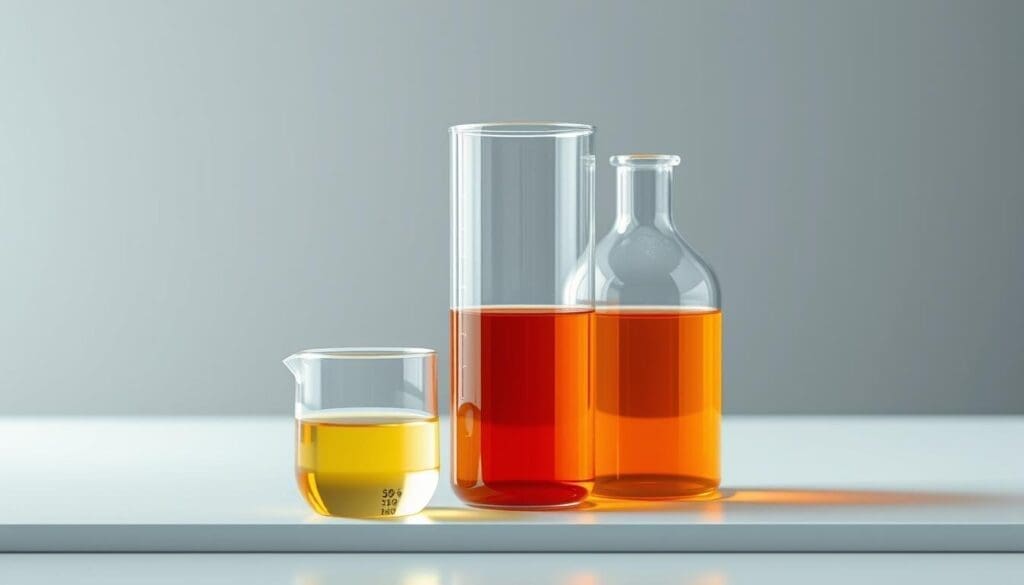
The color of our urine tells us a lot about our health. It’s made by the kidneys filtering out extra water and waste. This liquid is a mix of water, salts, and compounds like urea, which gives it its smell and color.
How Urochrome Creates Normal Urine Color
The pigment urochrome, or urobilin, makes urine its usual yellow color. It comes from breaking down hemoglobin in red blood cells. The body turns old red blood cells into bilirubin, then into urobilinogen in the liver. This is what makes urine yellow.
Factors That Influence Urine Appearance
Many things can change how urine looks. These include how much water we drink, what we eat, our medications, and our health. For example, not drinking enough water can make urine darker. But drinking lots of water can make it clearer.
Some foods and medicines can also change urine color. Eating beets can make urine pink or red. Some antibiotics can darken it. Knowing this helps us understand changes in urine color.
What Healthy Urine Colour Should Look Like
Healthy urine is usually pale yellow to light amber. This means we’re drinking enough water. It’s like the color of lemonade, showing we’re well-hydrated. If it’s different, it might mean we need to drink more or have a health issue.
Normal Urine Colors: What’s Healthy?

The color of our urine can change, but some colors are normal and healthy. Urine color mainly comes from a pigment called urochrome. This pigment is made when the body breaks down old red blood cells.
Pale Yellow to Light Amber: Signs of Good Hydration
Urine that’s pale yellow or light amber means you’re drinking enough water. This color shows your body is well-hydrated and working right. Adequate hydration helps keep your kidneys healthy and supports your body’s functions.
- Pale yellow urine means you’re drinking enough water.
- Light amber urine shows a bit more waste, but it’s okay.
What Does Straw Colored Urine Mean?
Straw-colored urine is another normal color. It shows you’re well-hydrated. This color happens when you drink lots of fluids and your waste is diluted.
It’s worth noting that many things can change urine color. Diet, medicines, and health can all play a part. But straw-colored urine is usually a sign of good health.
Variations in Healthy Colored Urine Throughout the Day
Urine color can change during the day. This is because of how much you drink and the waste in your body. For example, morning urine might be darker because of waste built up overnight. But as you drink more, your urine will get lighter.
| Time of Day | Urine Color Variation | Reason |
| Morning | Darker | Concentration of waste products overnight |
| After Drinking Fluids | Lighter | Dilution of waste products |
Knowing how urine color changes can help you check your hydration and health. By watching your urine and other signs, you can make better choices about drinking water and staying healthy.
Shades of Yellow: From Pale to Dark
Urine color tells us a lot about our health. Different shades of yellow show how hydrated we are. From pale yellow to dark yellow, each color has its own meaning.
What Does Light Yellow Pee Mean?
Light yellow pee means you’re drinking enough water. It shows your body is working well. Your kidneys are filtering waste, making your pee light yellow because of urochrome.
Keeping your pee light yellow is good. It means you’re hydrated and your urinary system is healthy. But, some medicines can change pee color. Always check with a doctor if you’re worried.
What Does It Mean If My Urine Is Dark Yellow?
Dark yellow pee means you might be a bit dehydrated. You need to drink more water. This can happen if you sweat a lot or have a fever.
Drinking more water can help make your pee lighter. Some foods, like those with riboflavin (Vitamin B2), can also make pee darker. But, if your pee stays dark yellow, see a doctor to check for health problems.
Pee Colors and What They Mean: The Yellow Spectrum
The yellow spectrum of urine color is important for knowing if you’re hydrated. Here’s what different shades mean:
- Pale Yellow: Well-hydrated and healthy.
- Light Yellow: Normal and indicates good hydration.
- Dark Yellow: May indicate mild dehydration; increase fluid intake.
- Yellow-Orange: Could be a sign of more severe dehydration or other health issues; consult a healthcare professional.
Knowing about these colors can help you stay healthy. It lets you catch problems early.
Amber and Orange Urine: Causes and Significance
Amber and orange urine colors can tell us a lot about our health and how hydrated we are. These colors often show how concentrated our urine is. This can be due to not drinking enough water, taking certain medicines, or what we eat.
Moderate Dehydration: Understanding Amber Urine
Amber urine means we’re moderately dehydrated. Our body makes our urine darker when we don’t drink enough. This is a sign we need to drink more water.
Urine Dark Amber: When to Increase Fluid Intake
Dark amber urine is a sign of more serious dehydration. Drinking more water is important to avoid problems like kidney stones or heat sickness. Checking our urine color helps us know if we’re drinking enough.
Why Is My Urine Orange in Color?
Orange urine can come from taking certain medicines or eating foods like carrots. Knowing why it happens helps us decide if we need to see a doctor.
Dark Orange Yellow Pee: Medications and Diet Influences
Dark orange or yellow pee can be from what we eat or take medicines. Eating a lot of vitamin C or taking some medicines can change urine color. Knowing this helps us not worry too much.
| Cause | Effect on Urine Color | Action |
| Dehydration | Amber to Dark Amber | Increase fluid intake |
| Certain Medications | Orange or Dark Orange | Consult a doctor |
| Dietary Factors (e.g., Beta-carotene) | Orange | Monitor diet |
Knowing why our urine is amber or orange helps us stay healthy and hydrated. If we’re worried, it’s best to talk to a doctor.
Causes for Urine to Be Reddish or Brown
Urine that looks reddish or brown can come from many things. Some are harmless, while others are serious. Knowing what might cause it can help you feel better and know when to see a doctor.
Why Is My Pee Red Orange?
Red or orange urine might mean you’ve eaten something with pigments. Foods like beets, blackberries, and rhubarb can make urine look pink or red. “Eating these foods is usually safe, and your urine will go back to normal once they’re gone.” But, if the color doesn’t go away, it could mean something more serious.
Foods That Can Discolor Urine
Some foods can change urine color. Beets, blackberries, and rhubarb are just the start. Carrots and carrot juice can make urine orange because of beta-carotene. Knowing how food affects urine color can help you not worry too much.
Medications That Cause Red or Brown Urine
Some medicines can change urine color. Antibiotics, laxatives, and cancer treatments can make urine red, brown, or odd. “Always check the medicine’s leaflet or talk to your doctor if your urine color changes after starting a new medicine.”
Medical Conditions Associated With Reddish Urine
Red or brown urine might mean you have a health issue. Problems like urinary tract infections, kidney stones, and some cancers can change urine color. “If your urine color keeps changing, seeing a doctor is very important. They can check if it’s something serious.” Tests might be needed to find out why your urine looks different.
Unusual Urine Colors and Their Meanings
Unusual urine colors like green, blue, or purple can be caused by many things. This includes medicines and genetic disorders. Most people know urine is usually yellow. But these colors can be scary. We’ll look at what causes these colors and what they might mean for your health.
What Do the Different Colors of Urine Mean?
Urine color can change for many reasons. This includes what you eat, medicines, and health problems. Knowing why urine colors change can help spot health issues early.
Green Urine: Medications and Rare Conditions
Green urine is rare. It can happen from certain medicines, like propofol, or infections like urinary tract infections. Foods or dyes can also make urine green for a short time.
Blue Urine: Genetic Disorders and Dyes
Blue urine is very rare. It might be linked to genetic disorders like familial benign hypercalcemia or blue diaper syndrome. Some medicines or dyes can also make urine blue.
Purple, Black, and Other Rare Urine Colors
Purple urine is rare and linked to a condition called purple urine bag syndrome, often in patients with urinary catheters. Black or dark brown urine can be from medicines, foods, or serious conditions like melanoma or alkaptonuria.
To understand urine colors and their causes, let’s look at a table:
| Urine Color | Possible Causes |
| Green | Medications (e.g., propofol), infections (Pseudomonas aeruginosa), food dyes |
| Blue | Genetic disorders (familial benign hypercalcemia, blue diaper syndrome), dyes, medications |
| Purple | Purple urine bag syndrome, typically in patients with urinary catheters |
| Black/Dark Brown | Medications, foods, serious medical conditions (melanoma, alkaptonuria) |
If you see unusual urine color, see a doctor. Some changes are okay, but others might mean you need medical help. It’s important to find out why and get the right treatment.
Urine Clarity and Consistency: Beyond Color
Urine clarity and consistency are key to our health, just like its color. Color tells us about hydration and health, but clarity and consistency offer more insights. They show how well our body is working.
Cloudy vs. Clear Urine: What It Indicates
Urine can be clear or cloudy. Clear urine means we’re well-hydrated and our body is working right. But cloudy urine might mean infection or too much protein or salt.
Cloudy urine can come from UTIs, kidney stones, or STIs. If your urine stays cloudy, see a doctor to find out why.
Foamy or Bubbly Urine: Causes and Concerns
Foamy or bubbly urine is a worry. It often means too much protein, a sign of kidney trouble. Healthy kidneys keep proteins out of urine.
| Urine Characteristic | Possible Cause | Health Implication |
| Cloudy Urine | Urinary Tract Infection, Kidney Stones | Infection, Kidney Damage |
| Foamy/Bubbly Urine | Excess Protein (Proteinuria) | Kidney Damage/Disease |
| Strong Odor | Dehydration, Infection, Dietary Factors | Potential Infection, Metabolic Issues |
Changes in Urine Odor and What They Mean
Urine smell can change with diet, hydration, and health. A strong or unusual odor might mean something’s off. For example, sweet urine could mean diabetes, while ammonia smell might be dehydration or a UTI.
Food or medicine can also change urine smell. But if it keeps changing or smells really bad, see a doctor. They can check for health problems.
When to See a Doctor About Urine Color Changes
If you notice a change in your urine color, it’s important to figure out if it’s serious. Some changes are normal, but others might mean you need medical help.
Warning Signs That Require Medical Attention
Certain urine color changes need you to see a doctor right away. These include:
- Persistent dark yellow or amber urine, which could indicate dehydration or liver issues.
- Red, pink, or cola-colored urine, potentially signaling blood in the urine or kidney problems.
- Orange urine, which might be caused by certain medications or liver conditions.
- Blue or green urine, often resulting from rare genetic disorders or specific dyes.
If you see any of these signs, you should talk to a healthcare professional.
Accompanying Symptoms to Watch For
Other symptoms can also mean a serious issue. These include:
- Pain or burning during urination.
- Frequent urination or urgent need to urinate.
- Fever or chills.
- Abdominal or back pain.
Diagnostic Tests Your Doctor May Order
Your doctor might run several tests to find out why your urine color changed. These tests include:
| Test | Purpose |
| Urinalysis | Examines the urine for abnormal substances, such as blood, protein, or bacteria. |
| Blood Tests | Assesses kidney function, liver health, and other possible conditions. |
| Imaging Tests (e.g., Ultrasound, CT Scan) | Evaluates the urinary tract for obstructions, tumors, or other abnormalities. |
Knowing why your urine color changed is key to getting the right treatment. By watching for warning signs and symptoms, you can help keep yourself healthy.
Conclusion
Urine color is more than just a bodily function; it’s a vital health indicator. It can signal underlying medical conditions or dehydration. Throughout this article, we’ve explored the various shades of urine color.
We’ve seen how urine color can range from normal pale yellow to more alarming colors like red or brown. We’ve also discussed what these colors mean for our health.
By understanding urine color, individuals can take proactive steps towards maintaining their overall well-being. Recognizing the significance of changes in urine color can prompt timely medical consultations. This can lead to early diagnosis and treatment of underlying conditions.
It’s essential to be mindful of factors that influence urine appearance. These include hydration levels, diet, and medications. As we’ve discussed, certain foods and drugs can alter urine color. Dehydration can also cause it to darken.
Conversely, a healthy, hydrated individual typically has pale yellow urine. Being aware of these changes and understanding their implications is key. If you’re concerned about your urine color or notice persistent changes, consulting a healthcare professional is the best course of action.
They can provide personalized advice and diagnose any underlying health issues. By staying informed and vigilant about urine color, we can better navigate our health. This helps us seek medical attention when needed, ultimately contributing to a healthier life.
FAQ
What does the color of my urine indicate about my health?
The color of your urine can tell a lot about your health. It shows if you’re hydrated and can hint at health issues.
What is considered a healthy urine color?
Healthy urine is usually pale yellow to light amber. This means you’re drinking enough water.
What does it mean if my urine is dark yellow or amber-colored?
Dark yellow or amber urine means you might be dehydrated. You should drink more water.
Why is my urine orange in color?
Orange urine can come from not drinking enough water, some medicines, or what you eat. You might need to see a doctor to find out why.
What does it mean if my urine is reddish or brown?
Reddish or brown urine could be from food, medicine, or health problems. It might be a sign of a urinary tract infection or kidney stones.
Can certain foods or medications change the color of my urine?
Yes, some foods and medicines can change urine color. For example, beets can make urine look reddish, and some antibiotics can make it dark yellow or orange.
When should I see a doctor about changes in my urine color?
See a doctor if your urine color changes a lot or doesn’t go back to normal. Also, if you have pain, fever, or trouble peeing.
What diagnostic tests may my doctor order to evaluate changes in urine color?
Your doctor might do a urinalysis or imaging tests to find out why your urine color changed.
How can I maintain healthy urine color?
Drink enough water, eat well, and manage any health issues. This helps keep your urine color healthy.
References
National Center for Biotechnology Information. (2025). What Do Different Urine Colors Mean and When. Retrieved from https://pmc.ncbi.nlm.nih.gov/articles/PMC12066962/
- Huttinger, R. (2023). Spigelian hernia. In StatPearls. National Library of Medicine. Retrieved from https://www.ncbi.nlm.nih.gov/books/NBK538290/
ShrEstha, G. (2023). Spigelian hernia: A rare case presentation and review of literature. Journal of Surgical Case Reports. Retrieved from https://www.sciencedirect.com/science/article/pii/S2210261223002079



 Departments
 Related Videos
 Our Doctors
 News
News