

Brain tumors are a significant concern among teenagers and young adults. They are a leading cause of cancer-related deaths in this age group. At Liv Hospital, we focus on early detection and caring for young patients with these complex conditions. Learn the top causes of brain tumors in teenagers and the early symptoms that can signal serious health concerns.
Unexplained headaches or vision changes can be easy to ignore. But they might signal a serious problem. We look into the causes and warning signs of brain tumors. This includes gliomas, germ cell tumors, and pituitary adenomas, which can affect brain development.
Knowing the early symptoms is key to effective treatment. We aim to provide top-notch healthcare and support for patients from around the world.
Key Takeaways
- Brain tumors are a leading cause of cancer-related death in teenagers and young adults.
- Early detection is key to effective treatment.
- Symptoms can include unexplained headaches and vision changes.
- Different types of brain tumors can occur, such as gliomas and germ cell tumors.
- Liv Hospital provides compassionate, evidence-based care for young patients.
The Growing Concern of Brain Tumors in Adolescents

Brain tumors in teens are a big worry worldwide. They affect not just the person but also their family and friends. It’s important to understand how these tumors impact and challenge us.
Prevalence and Impact on the Teenage Population
Brain tumors can happen at any age, and in teens, they’re a big worry. They are among the top cancers in kids and teens. Causes include genetics, DNA changes, and sometimes family history. Radiation and certain genetic syndromes also play a role.
These tumors deeply affect teens’ health, school, social life, and happiness. Spotting symptoms early is key to managing them well.
How Brain Tumors Disrupt Neurological Maturation
Brain tumors can mess up the brain’s growth in teens. The young brain is very sensitive to tumors. This can cause problems with thinking, moving, or acting.
As professionals emphasize,
“The brain is a complex organ, and its development is a delicate process. Tumors can have lasting effects on brain function.”
It’s vital to know how tumors affect brain growth. This helps create treatments that reduce lasting harm.
Brain tumors can lead to many challenges, like:
- Memory and focus issues
- Problems with movement and balance
- Mood swings and changes in personality
Dealing with these issues needs a full plan. This includes medical care, mental support, and help with school.
7 Key Causes of Brain Tumors in Teenagers
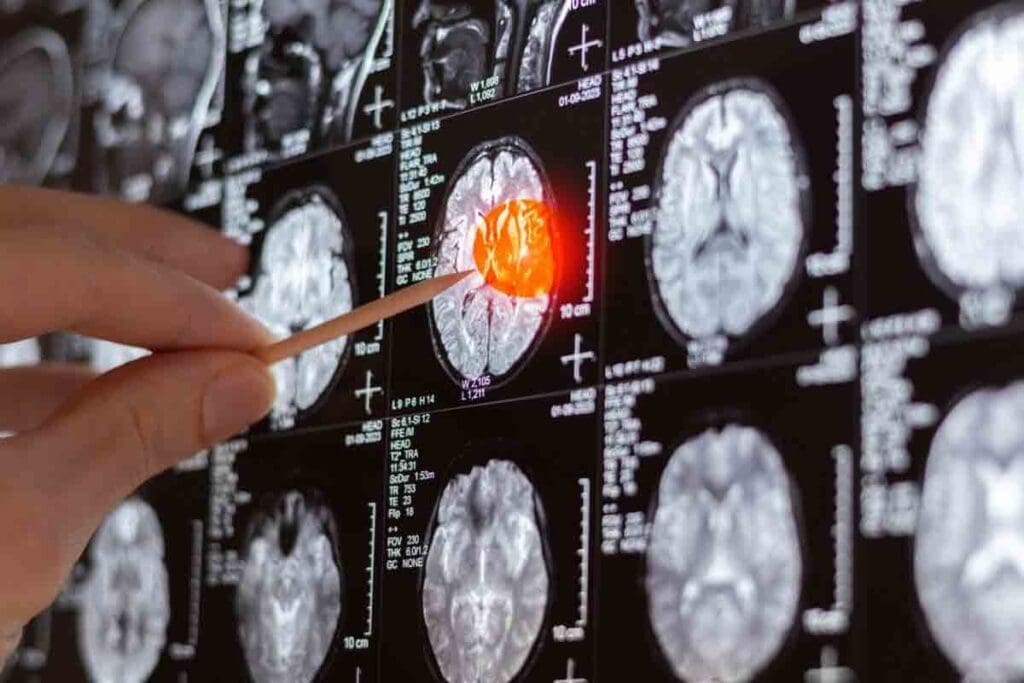
Many brain tumors in teenagers have unknown causes. But, research has found several key risk factors. These include genetic, environmental, and immune system factors.
Genetic Predispositions and DNA Mutations
Genetics plays a big role in brain tumors in teens. DNA changes can cause cells to grow out of control. Certain genetic syndromes, like Li-Fraumeni syndrome and neurofibromatosis, raise the risk.
These conditions can make it hard for the body to fix DNA damage. This can lead to mutations and tumor growth. For example, a TP53 gene mutation, found in Li-Fraumeni syndrome, increases cancer risk, including brain tumors.
Family History and Hereditary Syndromes
A family history of brain tumors or cancers is a big risk factor. Hereditary syndromes, as mentioned earlier, can increase the risk. We are learning more about how these syndromes affect teenagers.
“A family history of certain genetic disorders can increase a teenager’s risk of developing a brain tumor, highlighting the importance of genetic screening and counseling for high-risk families.”
Experts note.
Radiation Exposure Risks
Ionizing radiation is a known risk for brain tumors. It can come from radiation therapy, medical imaging, and environmental sources. We must carefully consider the risks and benefits of radiation, even in children and teens.
| Source of Radiation | Risk Level | Precautionary Measures |
| Radiation Therapy | High | Careful planning to minimize exposure to surrounding healthy tissue |
| CT Scans | Moderate | Use of alternative imaging when possible, limiting scan areas and doses |
| Environmental Exposure | Varies | Avoiding known sources of ionizing radiation |
Immune System Dysfunction
Immune system problems can also lead to brain tumors. People with weakened immune systems, like those with HIV/AIDS, are at higher risk. This includes those on immunosuppressive therapy.
Knowing these causes and risks is key to early detection and treatment of brain tumors in teens. While some risks can’t be changed, being aware can lead to earlier diagnosis and better treatment.
Common Types of Brain Tumors in Young Adults
Brain tumors in young adults come in different forms. Each type has its own traits and treatment plans. Knowing these differences is key for the right diagnosis and treatment.
Gliomas: Astrocytomas and Ependymomas
Gliomas are brain tumors that start from glial cells. They include astrocytomas and ependymomas. Astrocytomas come from astrocytes and can be low-grade or high-grade. Ependymomas grow from cells lining the brain’s ventricles and spinal cord.
For more on brain tumors in teens and young adults, checkNHS Inform.
Gliomas, like astrocytomas and ependymomas, vary in how aggressive they are. Some grow slowly and might not need quick treatment. But others grow fast and need strong treatment.
Medulloblastomas and Other Primitive Neuroectodermal Tumors
Medulloblastomas are very aggressive brain tumors that mostly hit kids but can also affect young adults. They start in the cerebellum and grow fast. They can spread through the cerebrospinal fluid.
Other PNETs, like supratentorial PNETs, are also very aggressive. They need strong treatment like surgery, chemotherapy, and radiation.
Germ Cell Tumors and Pituitary Adenomas
Germ cell tumors come from cells that make reproductive cells. They can happen in the brain, like in the pineal gland. They can be benign or cancerous and are treated with surgery, radiation, and chemotherapy.
Pituitary adenomas grow in the pituitary gland at the brain’s base. Most are not cancerous but can cause health problems. Treatment includes surgery, medicine, and radiation.
| Tumor Type | Origin | Common Treatment Approaches |
| Gliomas (Astrocytomas, Ependymomas) | Glial cells | Surgery, Radiation, Chemotherapy |
| Medulloblastomas | Cerebellum or Posterior Fossa | Surgery, Chemotherapy, Radiation |
| Germ Cell Tumors | Pineal gland or Suprasellar region | Surgery, Radiation, Chemotherapy |
| Pituitary Adenomas | Pituitary gland | Surgery, Medication, Radiation |
Primary Warning Signs of Brain Tumors in Teenagers
It’s vital to know the warning signs of brain tumors in teens. This knowledge can lead to early treatment and save lives. Brain tumors can show up in different ways, and knowing these signs is key to getting help fast.
We’ll talk about the main symptoms that might mean a teen has a brain tumor. These include headaches, nausea, vomiting, seizures, and other brain-related issues.
Persistent Headaches and Their Characteristics
Headaches are a common sign of brain tumors in teens. These headaches are often very bad and happen a lot. Unlike usual headaches, these can get worse over time.
These headaches can feel different, but they’re usually:
- Very severe and hard to handle
- Keep coming back
- Get worse in the morning or when you move
- Make you feel sick to your stomach and want to vomit
Nausea, Vomiting, and Pressure Symptoms
Nausea and vomiting are also signs of brain tumors. They happen because the tumor puts pressure on the brain. This pressure can make you feel uncomfortable and cause other symptoms.
| Symptom | Description |
| Nausea | Feeling queasy or uncomfortable, which might make you vomit |
| Vomiting | Forcing your stomach contents out, often because you feel nauseous |
| Increased Intracranial Pressure | Pressure in the skull can cause headaches and other symptoms |
Seizures and Neurological Events
Seizures are a big neurological event linked to brain tumors. They happen when the brain has abnormal electrical activity, often because of the tumor. Seizures can look different, like convulsions, losing consciousness, or feeling like you’re in a different state.
Other brain-related events can include:
- Weakness or numbness in certain body parts
- Changes in vision or hearing
- Trouble speaking or understanding language
Spotting these warning signs early is key to treating brain tumors in teens. If you or someone you know has these symptoms, get medical help right away.
Physical Symptoms That Shouldn’t Be Ignored
Brain tumors in teenagers can show up in many ways that need quick medical help. These signs can tell us if a tumor is there and how it’s affecting the brain. Let’s look at some important physical symptoms that shouldn’t be ignored.
Balance Problems and Coordination Difficulties
Teenagers with brain tumors might have trouble balancing and coordinating. This is often because the tumor is near the cerebellum or its connections. Symptoms can include:
- Frequent stumbling or falling
- Difficulty with fine motor tasks, such as writing or buttoning shirts
- Unsteady gait or trouble walking in a straight line
These issues can really affect daily life and happiness. If your teenager keeps having these problems, they should see a doctor.
Vision Disturbances and Eye-Related Changes
Vision problems can also be a sign of a brain tumor. Symptoms might include:
- Blurred vision or double vision
- Loss of peripheral vision
- Difficulty seeing colors or details
- Eye pain or discomfort
These vision changes happen when the tumor presses on the optic nerves or the brain areas for vision. If your teenager has ongoing vision issues, they need to see a doctor.
Weakness, Numbness, and Motor Function Changes
Weakness, numbness, or changes in how the body moves can also be signs of a brain tumor. Symptoms might be:
- Weakness or paralysis in one or more limbs
- Numbness or tingling sensations
- Difficulty with speech or swallowing
These happen when the tumor affects brain areas for movement. Quick medical help is needed to figure out the cause and treatment.
Parents and caregivers should know these symptoms and get medical help if they don’t go away or get worse. Early treatment can make a big difference for teenagers with brain tumors.
Location-Specific Brain Tumor Symptoms
It’s key to know the symptoms of brain tumors based on where they are in the brain. Tumors in teenagers can show different signs depending on their spot. The cerebellum and brain stem are important areas that can cause specific symptoms.
Cerebellum Brain Tumor Symptoms
The cerebellum helps with movement, balance, and coordination. Tumors here can lead to:
- Clumsiness and trouble with coordination
- Dizziness and balance issues
- Unsteady gait
These symptoms happen because the cerebellum is vital for controlling movement. A tumor in the cerebellum can mess with these functions. This results in noticeable changes in how someone moves and balances.
Brain Stem Tumor Manifestations
The brain stem links the cerebrum to the spinal cord. It controls important functions like breathing, heart rate, and blood pressure. Tumors in the brain stem can cause:
- Difficulty swallowing
- Double vision or other visual problems
- Weakness or numbness in the face
- Changes in speech
These symptoms are serious because the brain stem is key to many vital functions. Tumors here can have serious and even life-threatening effects.
Spotting these specific symptoms is vital for finding brain tumors in teenagers. Early treatment can greatly improve a patient’s chances of recovery.
Cognitive and Behavioral Warning Signs
When a brain tumor develops in a teenager, it can cause many changes. These changes might start small but grow as the tumor gets bigger.
Academic Performance Changes
One early sign of a brain tumor in teens is a drop in academic performance. They might see their grades fall, struggle with homework, or lose interest in school. These issues come from the tumor affecting their brain’s ability to focus, process information, and remember things.
Personality Alterations and Mood Disturbances
Brain tumors can also change a teen’s personality and mood. They might become more moody, anxious, or withdrawn. Sometimes, they might act out of character, showing sudden anger or a lack of interest. These changes can upset both the teen and their family.
Memory, Concentration, and Processing Difficulties
Teens with brain tumors often have trouble with memory, concentration, and processing information. They might forget recent things, have trouble following directions, or struggle to finish tasks. These problems can affect their daily life and schoolwork.
It’s important for parents, teachers, and doctors to know these warning signs. Catching these issues early can greatly improve treatment and outcomes for teens with brain tumors.
Debunking Common Misconceptions About Brain Tumor Symptoms
It’s key to know the truth about brain tumor symptoms for early treatment. Many myths surround brain tumors. It’s important to know what’s real to get help fast.
Hair Loss and Brain Tumors: What’s the Real Connection?
Many think brain tumors cause hair loss. But hair loss is not usually a sign of a brain tumor. Treatments like chemotherapy can cause hair loss, not the tumor itself.
Hair loss can happen for many reasons, not just brain tumors. If you’re losing hair and have headaches or seizures, see a doctor. They can find out why.
Visual Appearance of Brain Tumors vs. Public Perception
People often think brain tumors look a certain way, but they’re wrong. Brain tumors are not visible outside the body. They don’t have a specific look.
Brain tumors are abnormal growths in the brain. You can’t see them by looking at someone. Symptoms like vision problems or balance issues are signs they might be there.
By clearing up these myths, we can help people understand brain tumor symptoms better. Knowing the truth is important. It helps people get help when they need it.
Diagnostic Approaches for Teenage Brain Tumors
Diagnosing brain tumors in teens involves several steps. These include neurological tests, imaging scans, and sometimes biopsies. Finding tumors early is key to treating them well. We’ll explain how doctors identify brain tumors in young people.
Neurological Examination and Initial Assessment
The first step is a detailed neurological check. This looks at how well the brain works, including thinking, movement, and senses. It helps doctors spot any signs of a tumor.
Advanced Imaging Techniques: MRI, CT, and PET Scans
Imaging tests are vital for finding brain tumors. MRI (Magnetic Resonance Imaging) is top choice because it shows the brain clearly. CT (Computed Tomography) scans are used when an MRI isn’t available. PET (Positron Emission Tomography) scans check how active the tumor is, helping to see how serious it is.
Here’s a comparison of these imaging techniques:
| Imaging Technique | Sensitivity | Primary Use |
| MRI | High | Detailed brain imaging |
| CT Scan | Moderate | Emergencies, quick assessment |
| PET Scan | High (for metabolic activity) | Assessing tumor aggressiveness |
Biopsy Procedures and Laboratory Testing
At times, a biopsy is needed to confirm a tumor diagnosis. This involves removing a tumor sample for lab tests. Tests like histopathology and molecular analysis help understand the tumor. This information helps doctors choose the best treatment.
Conclusion: Recognizing the Signs and Taking Action
It’s key to spot the signs of brain tumors in teens early. We’ve looked at what causes them and their symptoms. Knowing this helps people act fast if they notice something off.
Acting quickly can lead to better treatment results. Watch for ongoing headaches, seizures, and balance issues. If you see these, get medical help right away.
Knowing the risks helps in catching tumors early. We talked about how scans like MRI and CT help find them. This is important for treatment.
Recognizing symptoms early can greatly improve treatment success. We urge everyone to stay alert and seek medical advice if needed.
FAQ
What are the common causes of brain tumors in teenagers?
Brain tumors in teens can come from genetic factors, DNA changes, family history, and radiation. They can also be caused by problems with the immune system. Knowing these causes helps spot risk factors.
What are the primary warning signs of brain tumors in teenagers?
Warning signs include headaches, nausea, vomiting, and seizures. Balance issues, vision problems, and weakness are also signs. Catching these symptoms early is key for quick medical help.
Can brain tumors cause hair loss?
Hair loss isn’t a direct sign of brain tumors. But, treatments like radiation can lead to hair loss. It’s important to know this to reduce worry.
What are the symptoms of cerebellum brain tumors?
Symptoms include balance and coordination problems, and vision issues. Knowing these symptoms helps in finding and treating the tumor.
How are brain tumors in teenagers diagnosed?
Doctors use exams, MRI, CT, and PET scans, and biopsies to diagnose. Knowing these methods helps in getting a quick and accurate diagnosis.
What are the common types of brain tumors found in young adults?
Common types are gliomas, medulloblastomas, germ cell tumors, and pituitary adenomas. Each type needs a specific treatment plan.
Can brain stem tumors cause specific symptoms?
Yes, symptoms include breathing, swallowing, and speech problems. Weakness, numbness, and motor changes are also signs. These symptoms help in diagnosing and treating the tumor.
Are there any cognitive and behavioral warning signs associated with brain tumors?
Yes, signs include changes in school performance, personality, mood, and memory. Recognizing these signs is important for early medical help.
What is the impact of brain tumors on neurological maturation in adolescents?
Brain tumors can affect normal brain development. This can lead to various challenges. Understanding this impact is key to full care and support.
References
- Surveillance, Epidemiology, and End Results (SEER) Program. (n.d.). Cancer Stat Facts: Brain and other nervous system cancer. National Cancer Institute. https://seer.cancer.gov/statfacts/html/brain.html
- American Cancer Society. (2023). Key statistics for brain and spinal cord tumours (adults). https://www.cancer.org/cancer/types/brain-spinal-cord-tumors-adults/about/key-statistics.html