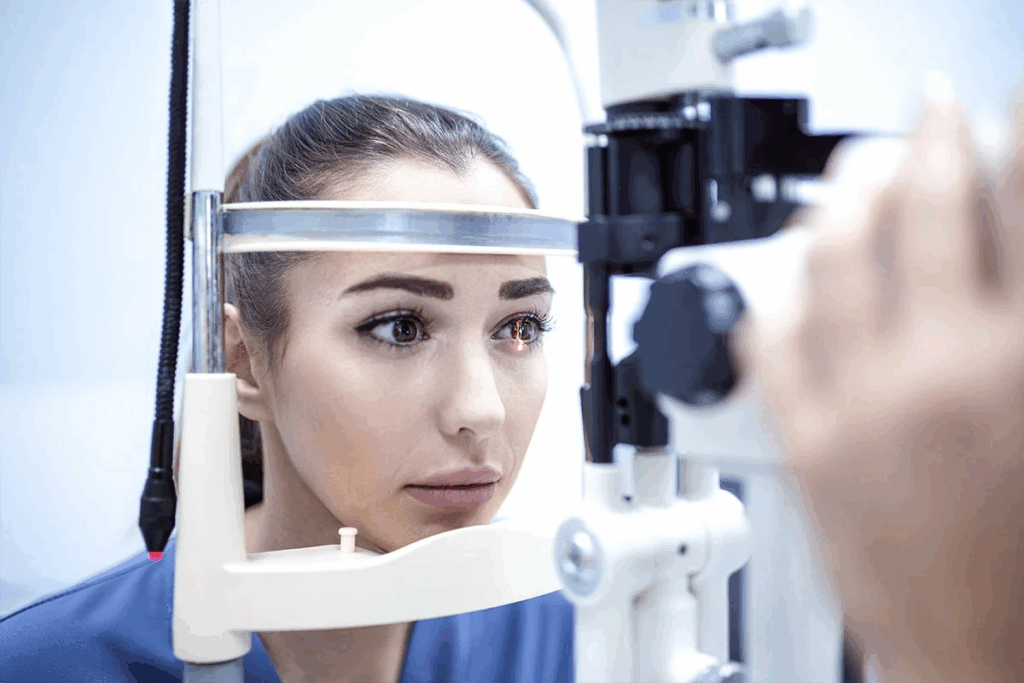
What are the main causes of central vision loss? Learn 5 alarming signs you can’t ignore and discover the essential treatments available. Central vision loss makes it hard to see small details. This makes daily tasks tough. You can see the sides of things but not the details in the middle.
This problem affects many daily activities. It includes reading, seeing faces, and staying independent. If you see blurry vision, dark spots, or trouble seeing details in the middle, it’s scary.
At Liv Hospital, we focus on finding out why and catching it early. This way, we can help you better.
Key Takeaways
- Central vision loss affects the ability to see fine details.
- It can result from injuries or health conditions affecting the macula.
- Early recognition of symptoms is key for good care.
- Liv Hospital offers advanced diagnostics and patient-centered care.
- Understanding the causes is important for managing central vision loss.
Understanding Central Vision and Its Importance

Central vision is key to how we see the world. It helps us do things that need clear focus, like reading and driving. It also lets us recognize faces well.
What Is Central Vision?
Central vision is the sharp vision we use for things right in front of us. It’s made possible by the macula, a special area at the retina’s center.
The macula gives us clear vision, which is vital for tasks needing detail. Damage to it can cause central vision loss, affecting our daily life a lot.
The Role of the Macula in Central Vision
The macula is key for sharp vision in our daily lives. It’s full of cells that catch light, making it super sensitive.
Function | Description |
Visual Acuity | The macula enables sharp, detailed vision. |
Color Vision | The macula is responsible for color perception. |
Daily Activities | Central vision is essential for tasks like reading and driving. |
Difference Between Central and Peripheral Vision
Central vision is different from peripheral vision. Central vision gives us sharp images right in front of us. Peripheral vision, on the other hand, covers the wider area around us.
Peripheral vision helps us see movement and navigate. But it’s not as detailed as central vision. Knowing the difference shows how important central vision is for us.
The Impact of Central Vision Loss on Daily Life

When central vision is lost, even simple tasks become hard. This loss affects daily activities that need clear vision. It changes how we live our lives.
Reading and Close-up Work Difficulties
Central vision loss makes reading and close-up tasks hard. Things like reading books, using phones, or cooking get tough. Adaptive technologies and techniques help, but it’s a big change at first.
Face Recognition Challenges
Seeing faces is hard with central vision loss. It’s tough to spot friends, family, or even yourself. This can make you feel alone and affect social life.
Driving and Mobility Issues
Driving becomes risky with central vision loss. It’s hard to see signs, signals, or pedestrians. This might mean you can’t drive anymore, affecting your freedom.
Psychological and Emotional Effects
The emotional toll of losing central vision is big. Feeling unable to do simple things can lead to frustration, sadness, and worry. Support from healthcare, family, and groups is key to dealing with these feelings.
In summary, losing central vision affects more than just seeing. It impacts our daily life and our emotional health. Knowing this helps us support those who face these challenges.
The Causes of Central Vision Loss
It’s important to know why central vision loss happens. This vision is key for detailed tasks like reading and driving. Losing it can really change our daily lives.
There are many reasons for central vision loss. We’ll look at the main ones. These include age-related macular degeneration, diabetic retinopathy, and advanced glaucoma.
Age-Related Macular Degeneration (AMD)
Age-related macular degeneration is a big problem for people over 50. It harms the macula, causing blurry or distorted vision. There are two types: dry and wet. Dry AMD gets worse slowly, while wet AMD can damage quickly because of blood vessel growth.
Things like age, smoking, and obesity can increase your risk. While there’s no cure, catching it early can help manage it.
Diabetic Retinopathy
Diabetic retinopathy is a big risk for people with diabetes. It happens when high blood sugar damages the retina’s blood vessels. This can lead to vision problems. It can get worse, causing new, fragile blood vessels that can harm your vision.
Controlling diabetes can help prevent or slow this condition. Regular eye checks are key for catching it early.
Advanced Glaucoma
Advanced glaucoma can also cause central vision loss, though it’s more known for affecting the sides of your vision. It happens when the eye’s pressure is too high, damaging the optic nerve. If it gets worse, it can hurt your central vision a lot.
Treatment aims to lower eye pressure. This can include medicines, laser treatments, or surgery. Catching it early is important to avoid losing a lot of vision.
In summary, central vision loss can come from many sources. Age-related macular degeneration, diabetic retinopathy, and advanced glaucoma are the biggest ones. Knowing about these can help catch problems early and keep your vision.
Macular Conditions Leading to Vision Loss
The macula is a key part of the retina. It’s prone to conditions that can cause central vision loss. Central vision is vital for reading, driving, and seeing faces. When these conditions happen, they can greatly affect a person’s life.
Macular Edema
Macular edema happens when fluid and proteins build up in the macula. This makes it swell and thicken. It can be caused by diabetes, uveitis, or cataract surgery. Symptoms include blurred and distorted vision.
Macular Pucker (Epiretinal Membrane)
Macular pucker, or epiretinal membrane, is when a fibrous tissue forms on the macula. This can make the macula wrinkle or distort. It leads to vision problems. Symptoms include blurred vision and distorted vision.
Macular Holes
A macular hole is a small break in the macula. It causes distorted and blurred vision. Macular holes are often linked to aging but can also be caused by high myopia or trauma.
Inoperable Cataracts
While cataracts are usually treatable with surgery, sometimes they can’t be operated on. This is due to other eye conditions or health issues. Advanced cataracts can severely impair vision, leading to central vision loss.
It’s important to understand these macular conditions for proper diagnosis and treatment. The table below summarizes the key aspects of these conditions:
Condition | Causes | Symptoms |
Macular Edema | Diabetes, uveitis, cataract surgery | Blurred vision, distorted vision |
Macular Pucker | Fibrous tissue formation on the macula | Blurred vision, metamorphopsia |
Macular Holes | Aging, high myopia, trauma | Distorted and blurred vision |
Inoperable Cataracts | Underlying eye conditions, health issues | Significant vision impairment |
We know these conditions can deeply affect a person’s life. Getting an accurate diagnosis and proper treatment is key. It helps manage these conditions and keep vision intact.
Inherited and Genetic Causes of Central Vision Loss
It’s key to know the genetic causes of central vision loss early. This helps in getting the right treatment. Central vision loss often comes from inherited conditions that harm the macula. The macula is vital for clear vision in the center of our field of view.
Let’s look at some genetic conditions that cause central vision loss. These include Stargardt’s disease, Best’s disease, and other inherited macular dystrophies. These conditions are usually passed down in an autosomal recessive pattern. This means a person needs two copies of the mutated gene to get the condition.
Stargardt’s Disease
Stargardt’s disease is a common inherited macular degeneration in young people. It happens when a fatty yellow pigment builds up in the retina. This leads to macular degeneration and loss of central vision. Symptoms often start in childhood or early teens and can worsen over time.
Early diagnosis of Stargardt’s disease is very important. It helps in getting the right support and treatment early. Even though there’s no cure yet, research into gene therapy and other treatments gives hope for managing the condition better in the future.
Best’s Disease
Best’s disease, also known as vitelliform macular dystrophy, affects the macula. It’s similar to Stargardt’s disease but usually starts later in life. It causes significant loss of central vision and is often passed down in an autosomal dominant pattern.
Regular monitoring by an eye care professional is key for managing Best’s disease. It helps in catching any vision changes early and dealing with them effectively.
Other Inherited Macular Dystrophies
There are other inherited macular dystrophies that can lead to central vision loss. These include pattern dystrophy and cone dystrophy. Each has its own unique characteristics and effects on vision.
Knowing the exact genetic cause of central vision loss is important for the right care and support. We’re dedicated to helping those with these conditions understand their diagnosis. We also want to explore treatment options with them.
We’re working to better understand genetic causes and find new treatments. Our goal is to improve outcomes for those with inherited macular dystrophies. Ongoing research and clinical trials are promising for new treatments in the future.
Recognizing the Early Signs of Central Vision Loss
It’s important to spot early signs of central vision loss to manage and treat it well. Central vision helps us read, drive, and see faces clearly. Losing it makes everyday tasks hard.
Dark or Blind Spots in Central Vision
Dark or blind spots in the middle of your vision are an early warning sign. These spots make it hard to focus on details, like reading or cooking.
- Difficulty reading fine print
- Trouble recognizing faces or objects
- Dark or empty areas in the central vision
Distorted or Wavy Lines
Seeing straight lines as wavy is another sign of vision loss. This is common when looking at lines in texts or grids.
Common experiences include:
- Straight lines appearing wavy or distorted
- Objects appearing irregularly shaped
- Difficulty with tasks requiring precise vision
Blurred Central Vision
Blurred vision in the center can really affect your day. Even with glasses, this blurriness might mean a bigger problem with your macula.
Color Perception Changes
Seeing colors differently can also signal vision loss. Colors might seem less bright or off.
- Colors seeming duller or washed out
- Difficulty distinguishing between certain colors
Spotting these signs early is key to getting help fast. If you notice any, see an eye doctor right away.
Diagnostic Procedures for Central Vision Problems
We use advanced tools to check for central vision loss. This ensures we get the right diagnosis and treatment. Finding the cause of central vision problems is a detailed process.
Visual Acuity Tests
Visual acuity tests measure how sharp your vision is. You read letters or numbers from a chart to see how well you can see. These tests show how bad your vision is and if it’s getting worse.
Amsler Grid Test
The Amsler grid test is a simple tool for finding central vision problems. It has a dot in the middle and you look at it with one eye covered. It spots distortions or blind spots in your vision, which can mean macular disease. Using the Amsler grid regularly helps you keep an eye on your vision.
Optical Coherence Tomography (OCT)
OCT is a non-invasive test that looks at the retina’s structure. It’s great for checking the macula for problems like edema or holes. This helps diagnose diseases like AMD and diabetic retinopathy.
Fluorescein Angiography
Fluorescein angiography uses dye to see the blood vessels in the retina. It’s good for spotting leaks or blockages in the blood vessels. This is common in diseases like wet AMD and diabetic retinopathy. It helps doctors plan the best treatment.
These tests are key to finding out why you have central vision loss. They help doctors decide the best treatment. By using tests like visual acuity, Amsler grid, OCT, and fluorescein angiography, doctors can understand your condition well. They can then suggest the best treatment for you.
Treatment Options for Different Causes of Central Vision Loss
There are many ways to treat central vision loss, depending on the cause. This can include age-related macular degeneration (AMD), diabetic retinopathy, and other macular diseases. Knowing the cause is key to finding the best treatment.
Anti-VEGF Injections for Wet AMD
For wet AMD, anti-vascular endothelial growth factor (anti-VEGF) injections are a mainstay. These injections stop abnormal blood vessels in the retina from growing. This slows the disease and may even improve vision.
Benefits of Anti-VEGF Injections:
- Slows disease progression
- Can improve vision in some patients
- Reduces the risk of severe vision loss
Medications like ranibizumab (Lucentis) and aflibercept (Eylea) are used. Treatment often starts with monthly injections, which may change based on how well the patient responds.
Laser Therapy Options
Laser therapy is used for some causes of central vision loss. For example, laser photocoagulation treats leaking blood vessels in diabetic retinopathy or wet AMD.
Types of Laser Therapy:
Therapy Type | Description | Indications |
Laser Photocoagulation | Destroys leaking blood vessels | Diabetic Retinopathy, Wet AMD |
Panretinal Photocoagulation | Reduces ischemic areas | Advanced Diabetic Retinopathy |
Surgical Interventions
Surgery may be needed for some cases of central vision loss. For instance, vitreomacular surgery can fix macular holes or remove epiretinal membranes.
“Surgical advancements have significantly improved the outcomes for patients with certain retinal conditions. Vitreomacular surgery, for instance, has become a highly effective treatment for macular holes and epiretinal membranes, giving hope for better vision to many patients.” – Medical Expert, Retina Specialist
Medication Management for Underlying Conditions
It’s important to manage health conditions to prevent or slow central vision loss. For diabetics, keeping blood sugar in check is key to avoiding diabetic retinopathy. Managing blood pressure and cholesterol levels also helps reduce retinal disease risks.
Lifestyle and Medication Tips:
- Maintain tight blood sugar control if diabetic
- Manage blood pressure and cholesterol levels
- Quit smoking to reduce vascular risks
- Follow a healthy diet rich in fruits and vegetables
Understanding the cause of central vision loss and exploring treatment options helps patients work with their doctors. Early treatment can greatly improve outcomes and help keep vision.
Preventive Measures and Risk Reduction
Understanding risk factors and taking steps to prevent them can greatly lower the chance of losing central vision. To prevent central vision loss, it’s important to make lifestyle changes, eat right, get regular eye exams, and manage health conditions.
Lifestyle Modifications
Changing your lifestyle can help a lot in preventing central vision loss. Quitting smoking is a big step, as smoking can lead to eye problems like age-related macular degeneration (AMD).
Staying active is also good for your eyes. Exercise helps keep your weight in check and boosts heart health, which is good for your eyes too.
Dietary Considerations and Supplements
Eating foods rich in fruits, veggies, and omega-3s is good for your eyes. Foods like leafy greens are full of antioxidants that protect your eyes. Taking supplements with lutein and zeaxanthin can also help lower the risk of losing central vision.
Nutrient | Food Sources | Benefit |
Lutein and Zeaxanthin | Leafy greens, eggs | Protects the macula |
Omega-3 Fatty Acids | Fish, nuts, seeds | Supports retinal health |
Vitamin C | Citrus fruits, berries | Antioxidant properties |
Regular Eye Examinations
Getting regular eye exams is key to catching eye problems early. These exams can spot issues before you even notice symptoms, allowing for quick treatment.
Managing Underlying Health Conditions
Health issues like diabetes and high blood pressure can harm your eyes. By controlling these conditions with medicine, lifestyle changes, and regular check-ups, you can lower your risk of losing central vision.
By following these preventive steps, you can greatly reduce your risk of losing central vision. This way, you can keep your vision sharp for many years.
Adaptive Technologies and Vision Rehabilitation
For those with central vision loss, adaptive tech and vision rehab are key. They help keep people independent and happy. These tools make daily tasks easier.
Low Vision Aids and Magnifiers
Low vision aids and magnifiers are vital for those with vision loss. They range from simple glasses to advanced electronic magnifiers. Digital magnifiers can connect to computers or stand alone, with adjustable settings for each person.
Digital Accessibility Tools
In our digital world, digital accessibility tools are essential. Screen readers can read text on devices, and high contrast modes help. Many devices also have built-in features for accessibility.
“The integration of digital accessibility tools into daily life can significantly improve the independence of individuals with central vision loss.” – Vision Rehabilitation Specialist
Vision Rehabilitation Programs
Vision rehab programs help people with vision loss use their vision better. They learn to use aids, adapt to new tasks, and improve mobility.
- Training on adaptive devices
- Strategies for daily living
- Mobility and orientation training
Support Groups and Resources
Support groups and resources are important for those with vision loss. They offer a place to share, get support, and learn about new tech. Online forums and local groups are great for community and advice.
Adaptive tech and vision rehab empower those with vision loss. They give the tools and support to live confidently.
Current Research and Emerging Treatments
New research is leading to exciting treatments for central vision loss. Scientists are exploring new areas in ophthalmology. This is bringing hope to those with central vision loss.
Stem Cell Therapy
Stem cell therapy is a new way to treat central vision loss. It uses stem cells to fix or replace damaged retinal cells. Recent studies have shown promising results in using stem cells to help patients see better.
Gene Therapy for Inherited Conditions
Gene therapy is a new way to treat inherited vision problems. It targets the genetic causes of diseases like Stargardt’s and Best’s. Clinical trials are ongoing to see if it works well.
Artificial Retina Technology
Artificial retina technology is also being researched. It includes devices like retinal implants. These devices aim to bypass damaged cells and stimulate the retina. These technologies are in the early stages but show great promise.
Clinical Trials and Future Directions
Clinical trials are key to improving treatments for central vision loss. They test new treatments and improve existing ones. As research grows, we can expect to see new and innovative treatments soon.
In conclusion, the field of treating central vision loss is changing fast. With ongoing research in stem cell therapy, gene therapy, and artificial retina technology, there’s hope for better treatments. This means better outcomes for those with central vision loss.
Conclusion
Central vision loss can really change how we live our daily lives. It affects things like reading, driving, and seeing faces clearly. We’ve looked at why it happens, like age-related macular degeneration and diabetic retinopathy.
Knowing the signs is key to catching it early. Symptoms include blurry vision, blind spots, and seeing colors differently. Tests like visual acuity and OCT help find the cause.
Treatment depends on the reason for the loss. It can be injections, laser therapy, surgery, or vision therapy. We’ve highlighted the importance of central vision and the need for quick action.
In short, central vision loss is serious and needs quick care. We urge everyone to look after their eye health. If you notice any vision problems, get help right away. This helps manage vision loss effectively.
FAQ
What is central vision loss?
Central vision loss makes it hard to see details. It’s like looking through a foggy window. This happens when the macula, a part of the retina, gets damaged.
What are the primary causes of central vision loss?
Main causes include age-related macular degeneration and diabetic retinopathy. Also, advanced glaucoma and macular conditions like macular edema and holes can cause it.
How does central vision loss affect daily life?
It makes everyday tasks tough. Reading, recognizing faces, and driving become hard. It also affects your mood and emotions.
What are the early signs of central vision loss?
Look out for dark spots, wavy lines, and blurred vision. Changes in color perception are also signs. Catching these early is key.
How is central vision loss diagnosed?
Doctors use tests like visual acuity and Amsler grid tests. Optical Coherence Tomography (OCT) and fluorescein angiography are also used. These help find the cause.
What treatment options are available for central vision loss?
Treatments vary based on the cause. Options include anti-VEGF injections and laser therapy. Surgery and managing health conditions are also used. The goal is to stop vision loss.
Can central vision loss be prevented?
Some causes can’t be prevented. But, lifestyle changes and regular eye exams can help. Managing health conditions also reduces risk.
What adaptive technologies are available for individuals with central vision loss?
There are many tools to help. Low vision aids and digital tools are available. Vision rehabilitation programs also help with daily tasks.
Are there any emerging treatments for central vision loss?
Yes, new treatments are being developed. These include stem cell therapy and artificial retina technology. Clinical trials are ongoing, promising better outcomes.
What is the role of the macula in central vision?
The macula is key for seeing details and colors. Damage to it can cause central vision loss. This affects tasks that need clear vision.
How does age-related macular degeneration affect central vision?
AMD damages the macula, causing blurred vision. If not treated, it can lead to significant vision loss in older adults.
What is the difference between central and peripheral vision?
Central vision is for detailed tasks like reading. Peripheral vision helps see things outside your direct line of sight. Both are important for vision.
Can managing underlying health conditions help reduce the risk of central vision loss?
Yes, managing health conditions like diabetes can help. It prevents complications like diabetic retinopathy that can harm the retina.