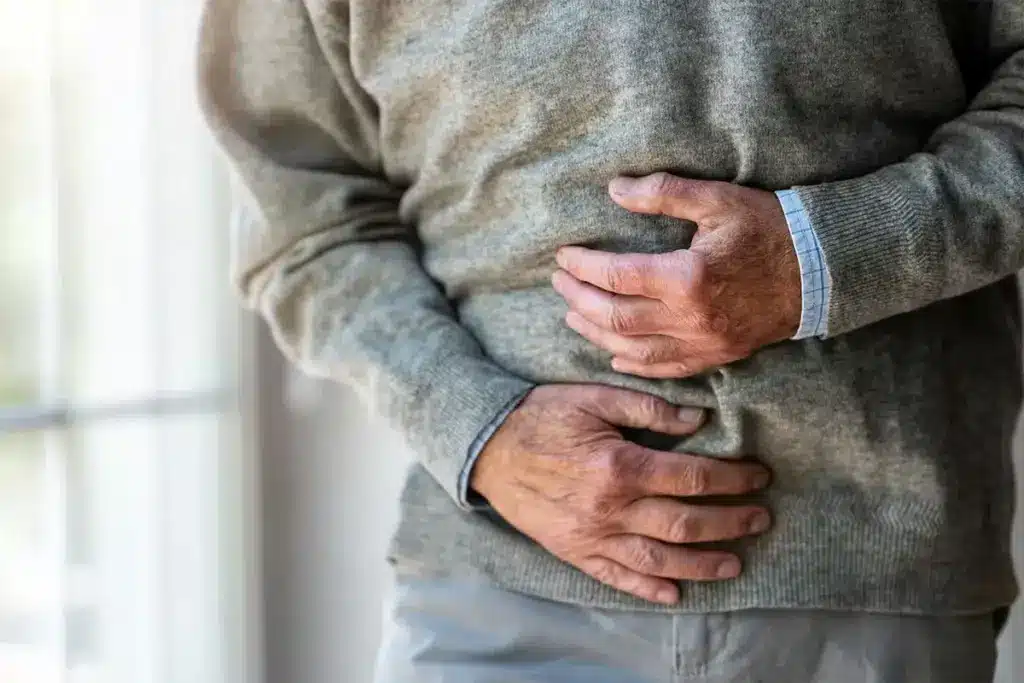
Lower GI bleeding is a big worry for older adults. As people get older, they face a higher risk of certain conditions that can cause GI bleeding.
Diverticulosis coli is the top reason for lower GI bleeding in seniors. It happens when small pouches form in the colon. By age 85, about 65% of people have it. Even though many don’t show symptoms, 3–5% can have serious bleeding.
It’s important to know the risks and how to manage lower GI bleeding in seniors. We’ll look at the main causes and risk profiles for this issue.
Key Takeaways
- Diverticulosis coli is the most common cause of lower GI bleeding in the elderly.
- The prevalence of diverticulosis increases with age, affecting up to 65% of individuals by age 85.
- A significant percentage of individuals with diverticula may experience bleeding.
- Understanding risk factors is key for effective care.
- Management strategies are vital for better outcomes in seniors at risk.
Understanding Lower GI Bleeding in the Elderly Population
As people get older, the risk of lower GI bleeding goes up. This is a big worry for doctors. Lower GI bleeding means blood loss from the lower part of the digestive system. It’s a big problem for older adults, caused by many different factors.
Definition and Prevalence of Lower GI Bleeding
Lower GI bleeding happens when blood comes from the small intestine or colon. It’s more common with age, hitting 27 per 100,000 persons per year in older folks. This is because older people often have conditions like diverticulosis and vascular lesions.
Age-Related Factors Contributing to Increased Risk
There are several reasons why older adults are at higher risk for lower GI bleeding. These include:
- Diverticulosis, where the colon wall gets small pouches.
- Vascular lesions, like angiodysplasia, which are more common in older adults.
- Comorbid conditions, like heart disease and diabetes, which make GI bleeding harder to manage.
- Medications like NSAIDs and anticoagulants, which can increase bleeding risk.
Knowing these factors helps doctors spot who’s at risk. They can then take steps to prevent lower GI bleeding in older adults.
Diverticular Disease: The Leading Cause of Lower GI Bleeding in Elderly Patients

Diverticular disease is a big problem for older adults, causing a lot of lower GI bleeding. As we get older, the chance of getting diverticulosis coli goes up. This makes it more likely for us to have lower GI bleeding. Diverticular diseasehappens when small pouches form in the colon wall.
What is Diverticulosis Coli?
Diverticulosis coli means having many diverticula in the colon. It’s often not a problem but can cause issues like diverticulitis or bleeding. Diverticula form because of low dietary fiber intake and increased intral colonic pressure. They can poke into blood vessels, causing bleeding.
Prevalence Statistics in Aging Populations
More and more people get diverticulosis coli as they age. About 30% of people over 60 have it, and up to 60% of those over 80. It’s a big deal for the elderly, causing 15–48% of lower GI bleeding cases. A study shows it’s a big concern for doctors.
Mechanism of Bleeding in Diverticular Disease
Bleeding in diverticular disease usually happens when a blood vessel in a diverticulum gets damaged. This damage can cause a lot of bleeding. Things like hypertension, atherosclerosis, and nonsteroidal anti-inflammatory drugs (NSAIDs) can make it more likely. Knowing how bleeding happens helps doctors find better ways to treat it.
Causes of GI Bleed in Elderly: A Detailed Look
It’s important to know why GI bleeding happens in older adults. This condition is caused by many health and lifestyle factors. As we get older, we face a higher risk of GI bleeding. This is due to medications, diet, and health conditions.
Incidence Rates Across Age Groups
GI bleeding rates change with age. After 60, the risk goes up. The elderly face a higher risk because of health issues and certain medications. Lower GI bleeding in the elderly is becoming more common, showing the need for prevention.
Statistical Breakdown of Various Causes
Many things can cause GI bleeding in the elderly. Diverticular disease, angiodysplasia, and colorectal polyps are common. Diverticular disease is a big cause of lower GI bleeding in the elderly. Inflammatory bowel disease and ischemic colitis also play a role.
Underlying Factors Triggering Gastrointestinal Hemorrhage
Several factors can lead to GI bleeding in the elderly. NSAIDs, low fiber, constipation, and too many medications are examples. Health issues like heart disease and kidney problems increase the risk. Managing GI bleeding in the elderly means looking at these factors closely.
“The management of GI bleeding in the elderly requires a multifaceted approach, taking into account the various causes and risk factors associated with this condition.”
— Expert in Gastroenterology
Other Common Causes of Lower GI Bleeding in Older Adults

Other than diverticular disease, older adults can face lower GI bleeding from vascular lesions and neoplasms. As we get older, our risk for different gut problems grows. It’s key to know about these other causes.
Angiodysplasia and Vascular Lesions
Angiodysplasia is a big reason for lower GI bleeding in the elderly. It’s about abnormal blood vessels in the GI tract. These can break easily, leading to bleeding, often because of certain meds or health issues.
“The chance of getting angiodysplasia goes up with age,” say experts. This makes it a big worry for older adults with GI bleeding.
Colorectal Polyps and Neoplasms
Colorectal polyps and neoplasms are also common in older adults. These can be harmless or cancerous and might bleed. It’s vital to screen for these, as finding them early can make a big difference.
Inflammatory Bowel Disease in Elderly
Inflammatory bowel disease (IBD) can hit older adults too, causing lower GI bleeding. It’s tough to diagnose and treat in this age group because of other health issues and drug side effects. We should think about IBD when we’re trying to figure out why older adults are bleeding.
Ischemic Colitis
Ischemic colitis happens when the colon doesn’t get enough blood. It’s often linked to heart disease or other health problems. “Ischemic colitis is a serious issue that needs quick diagnosis and treatment to avoid worse problems,” doctors warn.
In short, older adults can bleed from many causes other than diverticular disease. Knowing these can help us find the right treatment.
Risk Factors Exacerbating Lower GI Bleeding in Seniors
It’s important to know what increases the risk of lower GI bleeding in seniors. As we get older, many factors can make us more likely to have this problem.
Medication-Related Risks: NSAIDs and Anticoagulants
Some medicines, like NSAIDs and anticoagulants, raise the risk of lower GI bleeding in older people. NSAIDs can hurt the lining of the stomach, while anticoagulants can make bleeding worse.
Medication-Related Risks:
- NSAIDs: Increase the risk of mucosal damage and bleeding.
- Anticoagulants: Exacerbate bleeding by preventing clot formation.
|
Medication Type |
Risk Factor |
Precaution |
|---|---|---|
|
NSAIDs |
Mucosal damage |
Use alternative pain relief |
|
Anticoagulants |
Bleeding exacerbation |
Monitor INR levels closely |
Dietary and Lifestyle Factors
What we eat and how we live can also affect our risk of lower GI bleeding. Eating foods low in fiber can cause constipation, which may raise the risk of diverticular bleeding.
Impact of Comorbidities
Having other health conditions, like heart disease or kidney disease, can make lower GI bleeding worse in seniors. These conditions can make it harder to manage the bleeding and increase the chance of serious problems.
Comorbid Conditions:
- Cardiovascular disease: Increases the risk of complications.
- Renal disease: Impacts medication clearance and increases risk.
Clinical Presentation and Symptoms of Lower GI Bleeding
It’s important for elderly patients to know the signs of lower GI bleeding. This condition can show up in different ways. Knowing these signs helps doctors diagnose and treat it.
Black Tarry Stools in Elderly: Significance and Evaluation
Black tarry stools, or melena, are a big warning sign. They can happen in both upper and lower GI bleeding. The blood in melena has been changed by digestion, which means the bleeding might have slowed down.
Doctors look at several things when they see black tarry stools. These include:
- The patient’s overall health
- Any recent medicines, like iron or bismuth
- What the patient has eaten, which can affect stool color
Other Common Presentations
Lower GI bleeding can also show up in other ways. These include:
- Hematochezia: Fresh blood coming out, often from lower GI bleeding.
- Abdominal pain or cramping
- Changes in bowel habits
- Feeling weak or dizzy from losing too much blood
The symptoms can be different for each elderly patient. A detailed check is needed to find the cause.
When to Seek Immediate Medical Attention
It’s key for patients and caregivers to know when to get help fast. Warning signs include:
- Severe or ongoing bleeding
- Severe stomach pain
- Dizziness or fainting
- Fast heart rate or palpitations
- Cold or clammy skin
If these symptoms happen, get emergency care right away. Quick action can make a big difference in treating lower GI bleeding.
Understanding Black Stools in Elderly Patients
Black stools, also known as melena, are a serious symptom in older adults. They look like black, tarry stools and can mean there’s blood in the gut. We’ll look at why black stools happen in seniors, how doctors figure out the cause, and other reasons for this symptom.
Causes of Black Stool in Elderly People
Black stools in older adults can come from many sources. The main reason is bleeding in the upper gut, like from ulcers or varices. Some medicines and foods can also make stools look black.
Some key reasons include:
- Gastrointestinal bleeding
- Medications (e.g., iron supplements, bismuth subsalicylate)
- Dietary factors (e.g., black licorice, blueberries)
- Upper GI tract lesions or ulcers
Diagnostic Approach to Black Diarrhea in Elderly
Diagnosing black stools in seniors needs a thorough plan. This includes a detailed medical history, physical check-up, lab tests, and sometimes endoscopy to see the gut.
The steps might be:
- Initial assessment and medical history
- Laboratory tests (CBC, stool guaiac test)
- Endoscopy or colonoscopy
- Imaging studies (e.g., CT scan)
Non-Bleeding Causes of Black Stool in Seniors
Not all black stools come from bleeding. Foods or supplements with dark colors can make stools look black. Some medicines can also cause this.
It’s important to know why black stools happen in seniors. This helps doctors give the right treatment. They can figure out if it’s from bleeding, food, or medicine and plan the best care.
Diagnostic Approach to Lower GI Bleeding in Geriatric Patients
Lower GI bleeding in older adults is a big challenge. We need to check them thoroughly to find the cause. This helps us treat them right.
Initial Assessment and Physical Examination
We start by checking the patient’s overall health. We look at their vital signs and if they’re stable.
We also ask about their medical history. This helps us find out why they might be bleeding. We look at past bleeding, health problems, and medicines.
Laboratory Tests and Imaging Studies
Labs are key in figuring out what’s going on. We do a CBC to see how bad the bleeding is and if they’re anemic.
We might also check coagulation, electrolytes, and kidney function. CT scans help find where the bleeding is coming from or if there’s something else wrong.
Endoscopic Procedures
Endoscopy is a big help in finding the cause of bleeding. We often use colonoscopy to see inside the colon.
This lets us look for problems like lesions or ulcers. Sometimes, we use sigmoidoscopy if we think the bleeding is somewhere else.
Treatment Strategies for Diverticular Bleeding in the Elderly
Managing diverticular bleeding in the elderly needs a detailed plan. It starts with making sure the patient is stable. This is because diverticular bleeding is a big problem in older adults. It can be hard to handle because of other health issues and the risk of not having enough blood.
Initial Stabilization and Resuscitation
The first thing to do is check how bad the bleeding is and if the patient is stable. We focus on making the patient stable again. This means giving fluids, blood if needed, and watching the patient’s vital signs closely. We aim to make sure the blood keeps flowing well to all important parts of the body.
- Assessment of hemodynamic stability
- Fluid resuscitation
- Blood transfusions as necessary
Endoscopic Interventions
After the patient is stable, we use endoscopy to find and treat the bleeding. This lets us see the bleeding spot and fix it with cauterization or clipping.
Endoscopy can stop the bleeding well if we can find the source. We decide to use endoscopy based on how bad the bleeding is and the patient’s health.
Radiological and Surgical Management
If endoscopy doesn’t work or isn’t possible, we look at other options. Radiological and surgical management can help control the bleeding. This is good for patients who can’t have surgery.
Surgery might be needed for very bad or ongoing bleeding. We decide on surgery based on how bad the bleeding is, the patient’s health, and any other health problems.
Considerations for Frail Elderly Patients
Dealing with diverticular bleeding in frail elderly patients is different. We think about their health problems, how well they can function, and their mental state when planning treatment. We aim to give good care that doesn’t risk too many problems and gets the best results.
It’s important to make treatment plans that fit each patient’s needs. This might mean working together with doctors from different fields, like gastroenterology, surgery, and geriatrics.
Management of Other Causes of Lower GI Bleeding
Lower GI bleeding can be caused by several things like angiodysplasia, neoplastic, or inflammatory conditions. We will look at how to treat these causes. This will give you a full view of the treatment options.
Approach to Angiodysplasia
Angiodysplasia is a common cause of bleeding in older adults. We treat it with endoscopic methods. Techniques like cauterization or clipping are used to stop the bleeding.
Sometimes, more steps are needed for angiodysplasia. If the lesions are many or bleeding is heavy, other treatments might be needed. We will talk about these options with the patient, considering their health and the severity of their condition.
Treatment of Neoplastic Causes
Neoplastic causes, like polyps or cancer, need a different treatment plan. Surgery is often the main treatment. We look at how big the disease is and the patient’s health to choose the best surgery.
For early-stage neoplasms, endoscopic removal might be an option. We use advanced techniques to remove the lesion. This can be less invasive and help keep the patient’s quality of life.
Managing Inflammatory Conditions
Inflammatory conditions, like IBD, can also cause bleeding. We treat these with medicines to control inflammation. We use aminosalicylates, corticosteroids, and immunomodulators for IBD.
Changing your lifestyle is also important. We suggest dietary changes, stress management, and other lifestyle adjustments. These can help control symptoms and prevent flare-ups.
Complications and Prognosis of Lower GI Bleeding in Elderly
Lower GI bleeding in the elderly can lead to serious complications. It’s important to understand these issues to provide the best care. This helps keep this vulnerable group safe and healthy.
Rebleeding Rates and Risk Assessment
Rebleeding is a big worry for elderly patients with lower GI bleeding. Studies show that up to 46% of patients will experience it again. This highlights the need to identify and manage risk factors.
We need to look at factors like health conditions, medication use, and the severity of the first bleed. This helps us create a plan to lower the chance of rebleeding.
Mortality Statistics and Predictive Factors
The death rate for elderly patients with lower GI bleeding is about 13% in five years. Several things can predict this risk, like age, health conditions, and how severe the bleeding was.
Knowing these factors helps doctors give patients and their families a clear picture of what to expect. It also helps in creating care plans that meet each patient’s unique needs.
Long-term Outcomes and Quality of Life
The long-term effects of lower GI bleeding on elderly patients are key. Some may fully recover, while others face ongoing health problems. These can be due to the bleeding itself or related health issues.
It’s important to think about how this bleeding affects a patient’s life. This includes their ability to function, eat well, and feel good overall. A holistic approach helps us care for patients’ immediate needs and their long-term well-being.
|
Complication |
Rate/Percentage |
Predictive Factors |
|---|---|---|
|
Rebleeding |
Up to 46% |
Comorbidities, Anticoagulant use, Severity of initial bleed |
|
Mortality |
Around 13% within 5 years |
Age, Comorbid conditions, Severity of bleeding |
|
Poor Long-term Outcome |
Varies |
Underlying cause, Complications, Functional status |
Prevention Strategies for Recurrent Lower GI Bleeding
To stop lower GI bleeding from happening again, we need to make changes in diet, use medicine wisely, and adjust our lifestyle. These steps can help elderly patients avoid more bleeding episodes.
Dietary Modifications and Fiber Supplementation
Changing what we eat is key to preventing lower GI bleeding. Eating more fiber can help prevent diverticulitis and lower bleeding risk. Foods like fruits, veggies, and whole grains keep our gut healthy and prevent constipation.
A study in a Journal shows that fiber can lower diverticulitis and bleeding risk. Foods high in fiber include:
- Fresh fruits such as apples, bananas, and berries
- Leafy green vegetables like spinach and kale
- Whole grains including brown rice, quinoa, and whole-wheat bread
Medication Management and Alternatives
Managing medicines is also important to prevent lower GI bleeding. Some medicines, like NSAIDs and anticoagulants, can increase bleeding risk. Choosing safer alternatives or adjusting doses can help.
For example, using acetaminophen instead of NSAIDs for pain can lower GI bleeding risk. Also, reviewing and adjusting anticoagulant therapy can balance bleeding risk against the need for these medicines.
|
Medication |
Risk Level |
Alternative |
|---|---|---|
|
NSAIDs |
High |
Acetaminophen |
|
Anticoagulants |
High |
Adjust dosage or switch to alternative anticoagulant |
|
Aspirin |
Moderate |
Consider alternative antiplatelet therapy |
Lifestyle Adjustments for Elderly Patients
Changing our lifestyle is also vital to prevent lower GI bleeding. Keeping a healthy weight, managing health conditions, and not smoking can all help. These steps can lower the risk of more bleeding.
Regular exercise and a balanced diet help keep elderly patients healthy and lower bleeding risk. Drinking enough water and managing stress with meditation or deep breathing also helps.
Special Considerations in Managing GI Bleeding in Elderly with Comorbidities
Managing GI bleeding in elderly patients is complex. They often have many health issues that make treatment harder. We must balance treating the GI bleeding with their other health problems.
Cardiovascular Disease and Anticoagulation
Elderly patients with heart disease on blood thinners face a big challenge. Blood thinners can raise the risk of GI bleeding. A study in the PMC found that blood thinners are a big risk for GI bleeding. We must think carefully about the benefits and risks of blood thinners and find other options when needed.
Renal Impairment
Renal impairment also affects GI bleeding management. Patients with kidney problems may not clear drugs well. This means we need to adjust their treatment to avoid more problems.
Cognitive Impairment and Compliance Issues
Cognitive issues can make it hard for patients to follow treatment plans. Patients with these issues may struggle to understand and follow advice. We need to get caregivers and family involved to help with treatment and ensure the best results.
Conclusion
Lower GI bleeding is a serious issue for the elderly. We’ve talked about its causes, risks, and how to manage it. Diverticular disease is the main cause.
It’s key to understand what causes lower GI bleeding. This helps us give better care. Healthcare teams can then manage this condition better and help elderly patients more.
Managing lower GI bleeding requires a few steps. First, stabilize the patient. Then, use endoscopy, radiology, or surgery if needed. Also, think about the patient’s overall health. This approach can lower risks and improve life quality for the elderly.
FAQ
What is the most common cause of lower GI bleeding in elderly individuals?
Diverticular disease, also known as diverticulosis coli, is the most common cause of lower GI bleeding in the elderly.
What are the risk factors that exacerbate lower GI bleeding in seniors?
Factors that increase the risk of lower GI bleeding in seniors include NSAIDs and anticoagulants, low fiber diet, constipation, and age. Polypharmacy also plays a role.
What are the common symptoms of lower GI bleeding?
Symptoms include bloody stools or black tarry stools, known as melena.
What does black stool mean in elderly individuals?
Black stool in the elderly can be due to GI bleeding. But, medications and diet can also cause it.
How is lower GI bleeding diagnosed in geriatric patients?
Diagnosing lower GI bleeding in the elderly involves several steps. It starts with an initial assessment and physical exam. Then, it includes lab tests, imaging, and endoscopy.
What is the treatment for diverticular bleeding in the elderly?
Treating diverticular bleeding in the elderly requires a few steps. First, stabilize and resuscitate the patient. Then, use endoscopy, and consider radiology or surgery if needed.
How can recurrent lower GI bleeding be prevented?
To prevent recurrent bleeding, make dietary changes, manage medications, and adjust your lifestyle.
What are the complications and prognosis of lower GI bleeding in elderly individuals?
Lower GI bleeding in the elderly can lead to serious complications like rebleeding and death. This is more common in those with other health issues.
How does the presence of comorbidities affect the management of GI bleeding in elderly patients?
Managing GI bleeding in the elderly with other health issues requires careful planning. Consider conditions like heart disease, kidney problems, and cognitive issues.
What is the significance of black tarry stools in elderly individuals?
Black tarry stools, or melena, indicate GI tract bleeding. They need quick medical attention to find the cause.
What are the underlying factors that trigger gastrointestinal hemorrhage in the elderly?
Factors that can cause GI hemorrhage in the elderly include diverticulosis, angiodysplasia, polyps, and neoplasms, and inflammatory bowel disease.
How does age affect the risk of lower GI bleeding?
Age significantly increases the risk of lower GI bleeding. It’s a big concern for the elderly.
References
National Center for Biotechnology Information. Evidence-Based Medical Insight. Retrieved from https://www.ncbi.nlm.nih.gov/books/NBK470300/