

Spotting the small changes that mean a brain tumor is key. At Liv Hospital, we aim to give top-notch care to all patients. We support those from around the world.
Symptoms change based on the tumor type and where it is in the brain. Knowing this is very important. Our team is ready to find and treat cerebellar and other brain abnormalities quickly.
Key Takeaways
- Early recognition of brain tumor symptoms is key to quick action.
- Cerebellar tumor symptoms can include trouble with balance and coordination.
- Symptoms change based on the tumor’s location in the brain.
- Liv Hospital is dedicated to giving world-class care to international patients.
- Our doctors are trained to find both common and rare signs of brain tumors.
The Critical Role of Location in Brain Tumor Symptoms
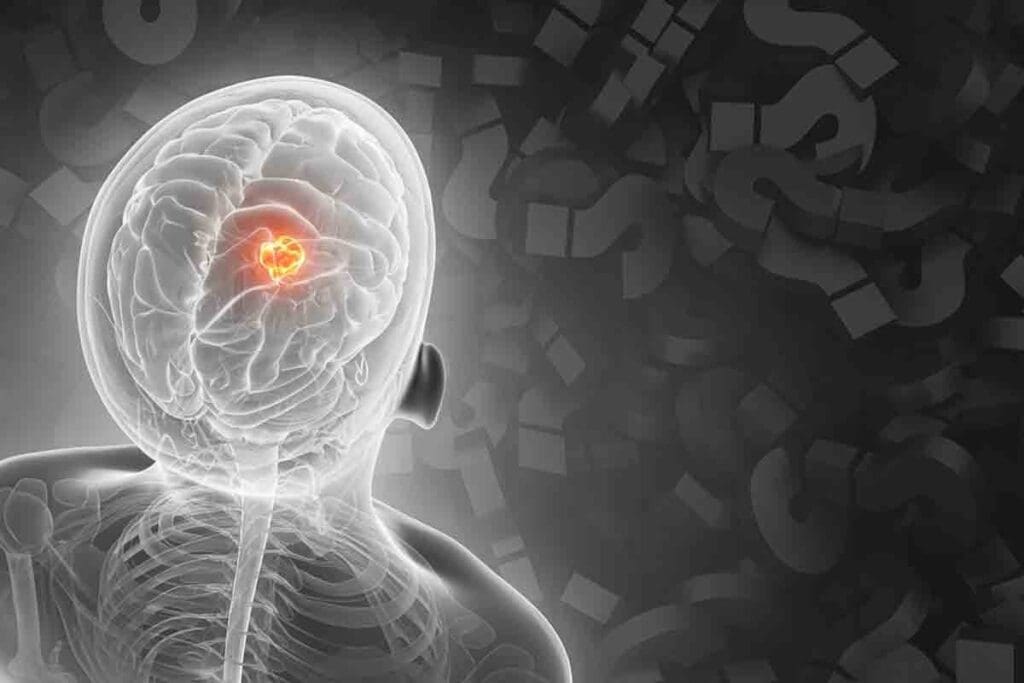
Knowing how a brain tumor’s location affects symptoms is key to early detection. Tumors can cause many symptoms based on their location, size, and growth rate. The brain’s layout means each area controls different functions. A tumor’s spot can greatly affect the symptoms it causes.
How Tumor Position Affects Neurological Signs
The brain has different areas for different tasks, like movement and emotions. A tumor in one area can mess with that area’s work. For example, frontal lobe tumors might affect decision-making and emotions. On the other hand, temporal lobe tumors can mess with memory and language.
Where a tumor is can also change the symptoms it causes. Tumors in the cerebellum can mess with balance. Tumors in the occipital lobe can cause vision problems. Knowing these symptoms by location is key to accurate diagnosis.
- Frontal Lobe: Changes in personality, motor issues
- Temporal Lobe: Memory and language problems, seizures
- Parietal Lobe: Issues with feeling and spatial awareness
- Occipital Lobe: Vision problems, blindness
Why Early Symptom Recognition Matters
Spotting brain tumor symptoms early is critical for quick medical help. Early signs mean doctors can start tests to find and type the tumor. This leads to better treatment plans and outcomes.
Knowing symptoms by tumor location helps patients and caregivers act fast. This can lead to quicker diagnosis and treatment. It can also lessen symptom severity and improve life quality.
Understanding the Cerebellum’s Function
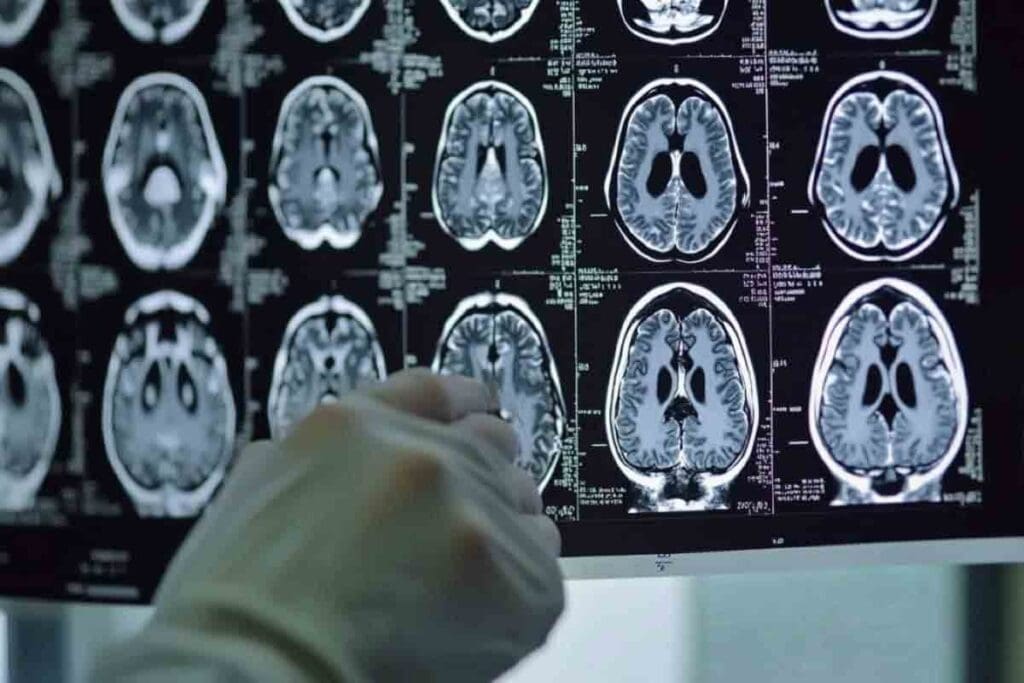
The cerebellum is a key part of our brain. It helps control how we move and stay balanced. It sits at the brain’s base, below the cerebrum, and links to the brainstem.
Anatomy and Connections of the Cerebellum
The cerebellum has different areas, each with its own job. It mainly helps with movement, using information from our senses to make actions smooth.
Its structure is complex, with layers and types of cells. For example, the cerebellar cortex has layers of neurons that handle information.
The Cerebellum’s Role in Movement Coordination
The cerebellum is key to coordinating movements like walking and writing. It makes sure these actions are smooth and accurate.
Damage to it can cause problems like ataxia and dysarthria. Knowing these symptoms helps doctors spot cerebellar tumors.
| Cerebellar Function | Symptoms of Damage |
| Motor Coordination | Ataxia, loss of balance |
| Speech Control | Dysarthria, slurred speech |
| Movement Precision | Dysmetria, inaccurate movements |
How Cerebellar Damage Manifests
Cerebellar damage, like from a tumor, can cause many symptoms. These include trouble with balance and movement, and issues with speech and precision.
Spotting these symptoms early is key to proper diagnosis and treatment. Knowing how damage shows up helps doctors act quickly and accurately.
15 Key Cerebellar Tumor Symptoms to Watch For
It’s important to know the signs of cerebellar tumors early. This helps in getting the right treatment. These tumors can cause many symptoms that affect how we move and feel.
Balance and Coordination Problems
The cerebellum helps us stay balanced and coordinated. Tumors here can make it hard to walk or stand. People might have ataxia, which means they can’t walk straight or move well.
Some common issues include:
- Difficulty walking in a straight line
- Unsteadiness in the feet
- Frequent falls
- Trouble with fine motor tasks
Movement Difficulties
Tumors in the cerebellum can mess with our movements. This can lead to dysmetria (trouble judging distances) and dysarthria (slurred speech). It’s hard to do things like write or button a shirt.
| Symptom | Description |
| Dysmetria | Difficulty judging distances or scale |
| Dysarthria | Slurred or unclear speech |
| Intention Tremor | Tremors that occur when making voluntary movements |
Speech and Swallowing Issues
The cerebellum helps us speak and swallow. Tumors can make these hard, leading to slurred speech and trouble swallowing.
Some issues include:
- Slurred or unclear speech
- Difficulty articulating words
- Trouble swallowing food or liquids
- Choking or gagging
Eye Movement Abnormalities
Tumors can mess with eye movements, causing nystagmus (involuntary eye movements). People might see double, have blurry vision, or have trouble following objects.
- Balance problems
- Coordination difficulties
- Dysmetria
- Dysarthria
- Intention tremor
- Slurred speech
- Swallowing difficulties
- Nystagmus
- Double vision
- Blurred vision
- Headaches
- Nausea and vomiting
- Dizziness
- Fatigue
- Cognitive changes
Spotting these symptoms early can really help treatment work better. If you see these signs, get medical help right away.
Frontal Lobe Tumor Symptoms
Frontal lobe brain tumors can change a person’s behavior, thinking, and physical skills a lot. The frontal lobe handles important brain tasks like making decisions and controlling movements. Tumors here can lead to symptoms that affect daily life and health.
Personality and Behavioral Changes
Frontal lobe tumors can change a person’s personality and behavior. They might become more impulsive, irritable, or show less interest. These changes can be hard for family and caregivers to notice and understand.
As the Brain Tumour Charity points out, where the tumor is in the brain affects the symptoms.
Impaired Decision-Making and Judgment
These tumors can also mess with a person’s decision-making and judgment. This might show up in bad financial choices or changes in social behavior. This can worry both the person and their loved ones.
Motor Function Disruptions
Tumors in the frontal lobe can also mess with motor skills. This can lead to weakness, paralysis, or trouble with coordination and balance. How bad these symptoms are depends on the tumor’s size and where it is.
How Frontal Symptoms Differ from Cerebellar Signs
Frontal lobe and cerebellar tumors both cause neurological symptoms, but in different ways. Frontal lobe tumors affect thinking and personality, while cerebellar tumors mainly mess with motor skills. Knowing these differences helps doctors diagnose and plan treatment better.
| Symptom Category | Frontal Lobe Tumors | Cerebellar Tumors |
| Personality Changes | Common, including impulsivity and apathy | Rare |
| Motor Function | Can cause weakness or paralysis | Primarily affects coordination and balance |
| Cognitive Functions | Impairs decision-making and judgment | Generally not affected |
“The symptoms of brain tumors can vary greatly depending on their location. Frontal lobe tumors, in particular, can cause significant changes in personality and behavior, which can be challenging to manage.”
– Expert in Neuro-Oncology
Temporal Lobe Tumor Symptoms
The temporal lobe is a key part of the brain. When it has a tumor, it can cause many neurological symptoms. These symptoms can really affect a person’s life, impacting how they think and feel.
Memory and Learning Difficulties
Temporal lobe tumors can really mess with memory and learning. People might find it hard to make new memories or remember things they already know. “The tumor can mess with the hippocampus, which is important for memory,” says, a senior neurologist.
This can make everyday life tough, affecting both personal and work life.
Hearing and Language Impairments
Temporal lobe tumors can also mess with hearing and language. Some people might hear strange sounds or have trouble understanding what others say. The left temporal lobe is key for language, and tumors there can cause aphasia.
Aphasia makes it hard to speak or understand language.
Smell Recognition Problems
Temporal lobe tumors can also mess with smell. The temporal lobe helps us process smells, and a tumor can cause anosmia or hyposmia. This means people might not be able to smell well or at all.
Seizure Characteristics in Temporal Tumors
Seizures are a common symptom of temporal lobe tumors. These seizures can be different, like auras or complex partial seizures. They might make a person act strangely or change how they feel.
It’s important to understand these seizures to manage them well.
Every person with a temporal lobe tumor is different. A good treatment plan is key to dealing with these symptoms.
Parietal Lobe Tumor Symptoms
Tumors in the parietal lobe can mess with how the brain handles sensory input and spatial awareness. This part of the brain is key for combining sensory info from the body, understanding where things are, and helping with tasks like reading and math.
Sensory Integration Disruptions
Tumors in the parietal lobe can mess up how we sense things. This can cause numbness or tingling sensations in different parts of the body. It can also make it hard to tell apart different textures, temperatures, or vibrations.
These issues can really affect a person’s life, making simple tasks hard. For example, someone might find it hard to feel the texture of clothes or the temperature around them.
Spatial Awareness and Navigation Issues
The parietal lobe is important for knowing where we are in space and how to get around. Tumors here can make it tough to understand our position compared to other things. This can lead to problems with coordination and balance, making it hard to move around.
People with these tumors might find it hard to judge distances or understand how objects are related. This can make tasks like parking or moving through crowded places tough.
Reading, Writing, and Calculation Difficulties
Tumors in the parietal lobe can also mess with reading, writing, and math skills. Patients might struggle with dyslexia or dysgraphia, making reading or writing hard. They might also find basic math hard, known as dyscalculia.
These problems can be really tough for patients, affecting their daily life and work, or school. We’ve seen patients have to relearn these skills or find new ways to do tasks.
Body Awareness Problems
Another big symptom of parietal lobe tumors is trouble with knowing where our body parts are and how they move. This can make it hard to do coordinated movements and keep a good posture.
These body awareness issues can also cause hemispatial neglect, where patients ignore one side of their body or the world around them. This can really limit how they can interact with their environment.
Occipital Lobe Tumor Symptoms
The occipital lobe deals with visual information. When it gets a tumor, it shows various symptoms. These mainly affect vision and how we process it, greatly impacting life quality.
Visual Field Defects and Blindness
Visual field defects are common in occipital lobe tumors. These can be blind spots or even blindness in one or both eyes. The defect’s type and size depend on the tumor’s location and size.
Patients might have homonymous hemianopia. This means half of the visual field is affected on the same side in both eyes. It can make daily tasks like driving or reading hard.
Visual Hallucinations and Illusions
Occipital lobe tumors can cause visual hallucinations. Patients see things that aren’t there. These can be simple, like flashes of light, or complex, like detailed images or scenes.
They might also see visual illusions. This means real objects are seen as something else. For example, seeing a pattern or object that isn’t there.
Object Recognition Difficulties
Difficulty recognizing objects, known as visual agnosia, is another symptom. Patients might see objects clearly but can’t identify them.
This makes everyday tasks hard. Even simple things, like picking up familiar objects, become challenging.
Visual Processing Impairments
Occipital lobe tumors can also affect visual processing. This includes motion perception, face recognition, and interpreting visual information. These issues make tasks that need complex visual processing hard.
| Symptom | Description | Impact on Daily Life |
| Visual Field Defects | Blind spots or complete blindness | Difficulty with driving, reading |
| Visual Hallucinations | Seeing things that are not there | Confusion, difficulty interpreting reality |
| Object Recognition Difficulties | Inability to identify objects | Challenges with daily tasks, interacting with the environment |
Knowing the symptoms of occipital lobe tumors is key to early diagnosis and treatment. If you or someone you know has these visual issues, seek medical help right away.
Brain Stem Tumor Symptoms
It’s important to know the symptoms of brain stem tumors early. This is because the brain stem controls vital functions like breathing and heart rate. Tumors here can be very dangerous.
Cranial Nerve Dysfunction Signs
Cranial nerve problems are a common sign of brain stem tumors. These nerves help with eye movement, hearing, and swallowing. Trouble with these nerves can cause double vision or swallowing issues.
Swallowing and Breathing Complications
Brain stem tumors can also lead to breathing and swallowing problems. As the tumor grows, it can block the brain stem’s breathing centers. This can cause serious breathing issues. Swallowing problems can lead to malnutrition and pneumonia.
Motor and Sensory Pathway Disruptions
Brain stem tumors can also affect motor and sensory pathways. This can cause weakness or numbness in different parts of the body. The severity of these symptoms depends on the tumor’s size and location.
Why Brain Stem Tumors Are Particularly Dangerous
Brain stem tumors are dangerous because of their location. The brain stem controls many vital functions. Tumors here can quickly become life-threatening by compressing or invading surrounding structures.
The following table summarizes the key symptoms associated with brain stem tumors and their impact:
| Symptom Category | Specific Symptoms | Potential Impact |
| Cranial Nerve Dysfunction | Double vision, facial weakness, and swallowing difficulties | Impaired eye movement, facial paralysis, dysphagia |
| Swallowing and Breathing Complications | Dysphagia, respiratory distress | Malnutrition, aspiration pneumonia, and respiratory failure |
| Motor and Sensory Pathway Disruptions | Weakness, paralysis, numbness, abnormal sensations | Motor deficits, sensory impairments |
It’s vital to recognize these symptoms early. We must watch for signs of brain stem tumors and seek medical help quickly if we notice any.
How Symptoms Progress in Cerebellar Tumor Patients
It’s important to know how symptoms of cerebellar tumors change. These changes can help doctors find and treat the problem early. As tumors grow, symptoms can get worse and affect many parts of a person’s life.
Early Warning Signs Often Missed
Early signs of cerebellar tumors are often hard to spot. They can be mistaken for other issues. Common early signs include:
- Mild balance problems
- Coordination issues
- Slurred speech
- Double vision
These signs might seem like just being tired or stressed. This can cause people to wait too long to get checked.
Symptom Progression Timeline
The way symptoms get worse can vary a lot. Some people see symptoms get much worse fast. Others might see them get worse slowly.
| Symptom | Early Stage | Advanced Stage |
| Balance Problems | Mild instability | Frequent falls |
| Coordination Issues | Occasional clumsiness | Significant difficulty with daily activities |
| Speech Difficulties | Slurring of words | Severe dysarthria |
When Symptoms Require Emergency Attention
Some symptoms need urgent care. These include:
- Sudden severe headache
- Confusion or altered mental state
- Seizures
- Difficulty breathing or swallowing
If you have any of these symptoms, get help right away.
Factors Affecting Symptom Severity
Many things can make symptoms worse. These include:
- Tumor size and location
- Rate of tumor growth
- Patient’s overall health
- Presence of other medical conditions
Knowing these factors helps doctors create better treatment plans for each patient.
Conclusion: Recognizing Brain Tumor Symptoms and Seeking Help
It’s important to know the signs of brain tumors to get the right treatment. We’ve looked at how tumors in different parts of the brain cause different symptoms. Knowing these signs can help you spot problems early.
Symptoms change based on where the tumor is. For example, tumors on the left side can cause different symptoms than those on the right. Knowing these differences is key to getting help fast.
If you keep having headaches, nausea, or trouble balancing, see a doctor. Early diagnosis is key to better treatment.
We aim to provide top-notch healthcare, including support for patients from abroad. By recognizing brain tumor symptoms and getting help quickly, you can start on the path to recovery.
FAQ
What are the common symptoms of a cerebellar tumor?
Symptoms include balance and coordination problems. They also include movement difficulties and speech and swallowing issues. Eye movement abnormalities are common, too.
How do symptoms of a frontal lobe tumor differ from those of a cerebellar tumor?
Frontal lobe tumors cause changes in personality and behavior. They also affect decision-making and judgment. Motor function is disrupted.
Cerebellar tumors mainly affect balance, coordination, and movement.
What are the typical symptoms of a temporal lobe tumor?
Temporal lobe tumors cause memory and learning problems. They also affect hearing and language. Smell recognition and seizures are common symptoms.
How do parietal lobe tumors affect patients?
Parietal lobe tumors disrupt sensory integration. They cause spatial awareness and navigation issues. Reading, writing, and calculation difficulties are also common. Body awareness problems are another symptom.
What symptoms are associated with occipital lobe tumors?
Occipital lobe tumors cause visual field defects and blindness. They lead to visual hallucinations and illusions. Object recognition and visual processing are impaired.
Why are brain stem tumors so dangerous?
Brain stem tumors are dangerous because they can cause cranial nerve dysfunction. Swallowing and breathing complications are common. Motor and sensory pathway disruptions can be life-threatening.
How do cerebellar tumor symptoms progress over time?
Symptoms of cerebellar tumors can progress gradually. Early warning signs are often missed. The timeline varies, but symptoms can worsen, requiring emergency attention.
What factors affect the severity of cerebellar tumor symptoms?
Factors include the tumor’s size, location, and growth rate. The individual’s overall health and response to treatment also play a role.
Can brain tumors cause different symptoms depending on their location?
Yes, brain tumors can cause different symptoms based on their location. Each area, like the cerebellum or frontal lobe, has its own set of symptoms.
What is the importance of recognizing brain tumor symptoms early?
Recognizing symptoms early is ketoor timely diagnosis and treatment. This can significantly improve patient outcomes and quality of life.
References:
- Zinin, A., & Clark, G. (2025). The seven symptoms that can delay brain tumor diagnosis—and why early detection matters. The Conversation. Retrieved from https://medicalxpress.com/news/2025-10-symptoms-delay-brain-tumor-diagnosis.html