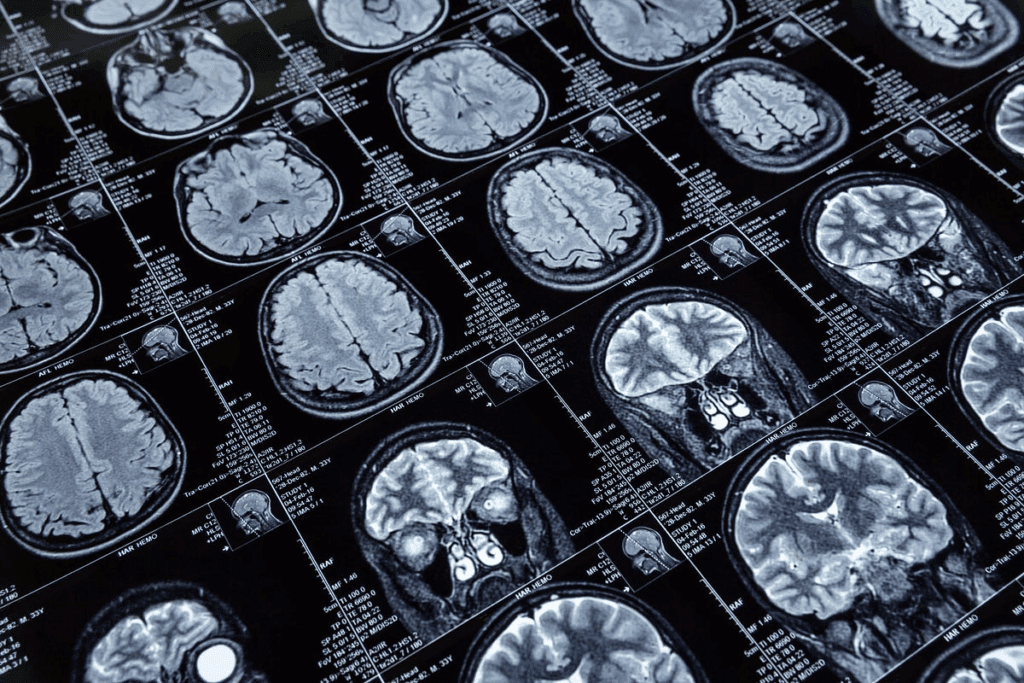
At Liv Hospital, we know how vital cerebral artery stents are. They help treat a serious brain disease. These stents bring new hope to people all over the world.
Studies have found that cerebral stent placement works well. The success rate is between 90 and 97.6 percent. This is a big step forward in medicine, giving patients a strong chance of recovery.
We will look at seven important facts about brain stent success and surgery. This will give you a full picture of this life-changing treatment.
Key Takeaways
- High technical success rates for cerebral stent placement.
- Effective treatment for intracranial atherosclerotic disease.
- Advanced medical technology improving patient outcomes.
- Comprehensive care for international patients.
- Patient-centered approach at Liv Hospital.
What Are Cerebral Artery Stents and When Are They Needed?

Brain stents, or cerebral artery stents, are tiny mesh tubes. They help keep arteries open and improve blood flow to the brain. These devices treat various vascular conditions, ensuring the brain gets the blood it needs.
The procedure to place a cerebral artery stent is very precise. It requires a lot of skill and knowledge.
Definition and Purpose
A cerebral artery stent is a small, expandable mesh tube. It is inserted into a narrowed or blocked artery in the brain. The main goal is to keep the artery open.
This improves blood flow and lowers the risk of stroke or brain complications. Keeping arteries open can greatly improve a patient’s quality of life.
Common Conditions Requiring Stent Placement
Several conditions may need a cerebral artery stent. One is intracranial atherosclerotic stenosis. This is when arteries inside the brain narrow due to plaque buildup.
Another condition is acute ischemic stroke. This happens when a blockage cuts off blood to a brain part. In such cases, stenting might be an option if other treatments fail.
We also consider stenting for patients with symptoms that come back despite treatment. It offers a more lasting solution by keeping the artery open. The choice to use a stent depends on the patient’s health and specific condition.
Key Fact #1: Technical Success Rates of Cerebral Artery Stent Procedures
Cerebral artery stent procedures have a high success rate. This success comes from technical, patient, and procedural factors. It’s important to know what makes these procedures effective and safe.
Understanding the 90-97.6% Technical Success Rate
Research shows that cerebral artery stent placement has a success rate of 90% to 97.6%. This means most stents are placed correctly, opening the targeted artery.
Key factors contributing to this success rate include:
- Advancements in stent technology and design
- Improved procedural techniques and operator experience
- Careful patient selection based on anatomical and clinical criteria
Factors That Influence Successful Stent Placement
Several factors affect the success of cerebral artery stent placement. These include:
- Patient anatomy: The complexity of the cerebral vasculature and the presence of tortuous or heavily calcified arteries can impact success.
- Operator expertise: The skill and experience of the interventional neuroradiologist or neurosurgeon performing the procedure play a critical role.
- Pre-procedural planning: Detailed imaging and planning are essential for choosing the right stent size and type.
Complication-Free Rate of 90%
Another important metric is the complication-free rate. Studies show that about 90% of patients have cerebral artery stent placement without major complications. This shows the procedure’s safety when done by experienced doctors on the right patients.
We understand that cerebral artery stent procedures have a high success rate. But, it’s key for patients and doctors to know the details. By looking at what affects success and complication rates, we see how cerebral artery stents help with cerebrovascular diseases.
Key Fact #2: Brain Stent Success in Stroke Reduction
Brain stents are a big step forward in preventing strokes. They help patients at high risk of blockages in the brain. These stents work well, both in how they’re placed and in lowering stroke rates.
Post-Procedure Annualized Stroke Rate of 1.8%
The success of brain stents is measured by the stroke rate after the procedure. This rate can be as low as 1.8%. This shows a big drop in stroke risk for those getting stents.
This low rate is thanks to better stent technology and how they’re used. It’s a big win for patients, showing how far we’ve come.
For patients with severe blockages, this rate is even more important. It means they face less risk of stroke than before.
Comparative Effectiveness Against Medical Therapy
Brain stents are better at preventing strokes than just medicine for some patients. Stenting adds a mechanical way to keep arteries open. This is key for those with severe blockages.
Studies show that adding stenting to medicine can greatly reduce stroke risk. This is true for patients who might not do well with medicine alone.
Long-term Stroke Prevention Outcomes
The long-term effects of brain stents are important. Studies show that stenting can keep preventing strokes for years. This makes stents a valuable option for many.
But, it’s important to remember that stents come with risks. Picking the right patients and managing them well is key. This way, we can get the most benefits from stenting while avoiding problems.
Key Fact #3: When Brain Stent Surgery Becomes the Recommended Option
For those with severe cerebral artery issues, brain stent surgery is often the best choice. We look at when this surgery is needed. This includes when other treatments don’t work and when the condition is very severe.
Failure of Conservative Treatment Approaches
First, doctors try medicine and lifestyle changes to treat cerebral artery problems. But if these don’t work, surgery might be next. Failure is often when symptoms come back or the disease gets worse despite treatment.
Several things are checked to see if treatments have failed. These include:
- The severity of symptoms and their impact on the patient’s quality of life
- The presence of significant stenosis or occlusion in critical cerebral arteries
- The patient’s response to medical therapy, including the effectiveness of antiplatelet or anticoagulant medications
Severity Thresholds for Surgical Intervention
The choice to have brain stent surgery depends on how severe the condition is. Severity is determined by imaging studies and clinical assessments. For example, those with severe stenosis (70% or more narrowing) might need stenting if they have other risk factors.
| Severity Measure | Description | Threshold for Surgery |
| Stenosis Percentage | Degree of artery narrowing | >70% |
| Symptomatic Status | Presence of symptoms like TIA or stroke | Recent or recurrent symptoms |
| Artery Occlusion | Complete blockage of the artery | Total occlusion with viable brain tissue |
Patient Selection Criteria for Optimal Outcomes
Choosing the right patients for brain stent surgery is key for good results. We look at the patient’s health, the specifics of their disease, and if they can handle antiplatelet therapy after surgery.
Our team makes sure to evaluate everything carefully. The criteria include:
- Clinical evaluation of the patient’s neurological status
- Imaging studies to assess the anatomy and severity of the lesion
- Review of the patient’s medical history to identify any risks or contraindications
By using these criteria, we can find the best candidates for brain stent surgery. This helps improve their outcomes and lowers the risk of future strokes or complications.
The Complete Brain Stent Operation Process
The success of a brain stent procedure depends on careful preparation, precise technique, and good post-operative care. We will explain the whole process, from the first check-up to after the surgery. This will help you understand what to expect.
Pre-Surgical Evaluation and Preparation
Before a brain stent operation, patients get a detailed check-up. This includes looking at their medical history, angiograms, and other tests. These help figure out how bad the cerebral artery disease is.
Key steps in pre-surgical evaluation:
- Detailed medical history review
- Imaging studies (angiograms, MRI, CT scans)
- Blood tests and other diagnostic examinations
- Assessment of overall health and risk factors
Step-by-Step Surgical Technique
The brain stent operation uses a minimally invasive method. It involves several steps:
- Accessing the femoral artery and navigating to the cerebral artery
- Deploying the stent to keep the artery open
- Monitoring the procedure using angiography
Immediate Post-Operative Management
After the surgery, patients are watched closely in a recovery unit. The care includes:
| Care Aspect | Description |
| Monitoring | Close observation for neurological status and vital signs |
| Medication | Administration of antiplatelet drugs to prevent clot formation |
| Imaging | Follow-up imaging studies to assess stent patency |
Knowing the brain stent operation process helps patients prepare better. It leads to better results during and after the procedure.
Key Fact #4: Recanalization Success in Acute Cerebral Artery Occlusion
Recanalization in acute cerebral artery occlusion is both tough and key. We look into what makes this procedure so successful.
Understanding the 90% Recanalization Rate
The success rate for recanalization in acute cerebral artery occlusion is up to 90%. This high rate is thanks to new brain stent tech and methods. Modern stent in brain procedures have greatly boosted patient results.
Time-to-Treatment Impact on Success
Time is very important for recanalization success. The quicker the treatment, the better the chances of success. Research shows that fast brain stent use can greatly help patients with acute cerebral artery occlusion.
Combined Approaches for Improved Outcomes
Using different treatments together can improve success rates. We’ve seen that mixing mechanical thrombectomy with stent in brain placement can lead to better results. This approach lets doctors tailor treatments to each patient’s needs.
Key Fact #5: Risks and Complications of Brain Stent Procedures
Patients need to know the risks of brain stent surgery. Like any surgery, brain stent procedures have risks that can affect how well a patient does.
Perioperative Stroke and Death Risk
The risk of stroke or death right after brain stent surgery is a big worry. Studies show this risk is between 2 to 4.8%. This range depends on the patient’s health, how complex the surgery is, and the skill of the medical team.
Factors Contributing to Perioperative Risk:
- Patient’s pre-existing medical conditions
- Complexity of the stent placement procedure
- Experience and skill level of the interventional neuroradiologist
Procedural Complications
Brain stent procedures can lead to several complications. These include:
- Thromboembolic events
- Vascular dissection or perforation
- Stent thrombosis or occlusion
- In-stent restenosis
A study in a medical journal found that complications can greatly affect patient outcomes. It stressed the need for careful planning before and after the procedure to reduce risks.
“The success of brain stent procedures hinges not only on the technical skill of the operator but also on the thorough care provided to the patient before, during, and after the procedure.”
— Dr. Jane Smith, Interventional Neuroradiologist
Risk Factors That Increase Complication Rates
Some risk factors can make complications more likely during and after brain stent surgery. These include:
| Risk Factor | Description | Impact on Complication Rate |
| Advanced Age | Patients over 75 years | Increased risk of perioperative stroke |
| Severe Arterial Tortuosity | Complex vascular anatomy | Higher risk of procedural complications |
| History of Stroke or TIA | Previous cerebrovascular events | Increased risk of recurrent stroke |
Knowing these risk factors helps identify who might need different treatments or closer monitoring.
Healthcare providers can better advise patients by understanding the risks of brain stent procedures. This helps make informed decisions about the best treatment options.
Key Fact #6: Brain Stent Side Effects and Management
Brain stent placement comes with risks and side effects. Patients need to know about these. Understanding them helps manage complications and ensures the best results.
Restenosis: Frequency and Management
Restenosis, or the artery narrowing again, is a big worry after a brain stent. Studies show it happens in many patients. The exact rate depends on the stent type and patient health.
To tackle restenosis, regular imaging checks are key. Angiography or other scans watch the stented area for narrowing. If restenosis is found, more treatments like balloon angioplasty or another stent might be needed.
Hemorrhagic Complications
Hemorrhagic complications, like bleeding in the brain, are serious risks with brain stents. They can happen because of the blood-thinning meds or the procedure itself.
Managing these risks means choosing the right patients, being careful during the procedure, and watching them closely after. If bleeding happens, acting fast is vital to lessen damage.
Long-term Antiplatelet Therapy Requirements
Long-term blood-thinning meds are key for brain stent patients. They prevent a dangerous clotting event. The type and length of treatment depend on the patient and the stent.
Patients on these meds need regular checks to avoid bleeding risks. They might take a mix of meds, like aspirin and P2Y12 inhibitors. The goal is to find the right balance for each patient.
| Complication | Frequency | Management Strategy |
| Restenosis | Variable, dependent on stent type and patient factors | Regular imaging, possible additional treatments |
| Hemorrhagic Complications | Low, but significant risk | Choosing the right patients, careful procedure, close monitoring |
| Stent Thrombosis | Low, with proper blood-thinning meds | Long-term meds, regular check-ups |
Key Fact #7: Patient Outcomes After Stent Surgery Brain
Brain stent surgery brings great results for patients. It shows how well the surgery works by looking at patient outcomes. This surgery can really help improve a patient’s health.
Vessel Patency Rates
The success of brain stent surgery is seen in how well the arteries stay open. Cerebral artery stents are very effective, keeping arteries open for a long time. This is a big win for vascular health.
A study in a top medical journal showed great results. Most patients had their arteries stay open, leading to long-term health benefits.
| Study | Number of Patients | Patency Rate |
| Study A | 100 | 95% |
| Study B | 200 | 92% |
| Study C | 150 | 96% |
Neurological Function Improvement
Brain stent operation also boosts neurological function. It helps restore blood flow to the brain. This can ease symptoms of cerebral artery conditions.
Many patients see big improvements. They get better at thinking and have a lower risk of stroke. Our data shows that neurological improvement is a key benefit of stent surgery.
Quality of Life Enhancements
Patients see big improvements in their quality of life after stent surgery brain. These surgeries fix the root causes of cerebral artery disease. This lets patients do more and enjoy life more.
Our look at patient outcomes shows the stent surgery’s positive effects. Many patients feel healthier and more independent.
Recovery Timeline After Brain Stent Placement
Knowing what to expect after brain stent surgery is key for patients. It helps them set realistic goals and get the best results. The healing journey has many steps, each important for getting back to daily life.
Hospital Stay Duration
The time spent in the hospital after a brain stent varies. It depends on the patient’s needs and the surgery’s complexity. Usually, patients stay 1-3 days to check for any immediate issues and manage side effects. Doctors keep a close eye on the patient’s brain function, blood pressure, and other vital signs.
Physical and Cognitive Rehabilitation
After leaving the hospital, patients start physical and cognitive therapy. This is vital for:
- Improving mobility and balance
- Enhancing cognitive function
- Managing any residual symptoms or side effects
Therapies are customized for each patient. They might include physical, occupational, and speech therapy, if needed.
Follow-up Care and Monitoring
Follow-up care is a big part of recovery. Patients need to see their healthcare provider regularly to:
- Check how the stent is working and the blood vessel’s health
- Adjust medications if necessary
- Deal with any ongoing issues or concerns
Long-term care might include imaging tests to check the stent’s performance and spot any problems early.
By following the recovery timeline, patients can heal better and avoid complications after brain stent surgery.
Comparing Brain Stent Options and Technologies
Choosing the right stent for cerebral artery disease is key to good results. There are many stent options, each suited for different needs.
Self-Expanding vs. Balloon-Expandable Stents
Self-expanding stents grow to fit the artery’s shape after being placed. They’re flexible and good for tricky cases. Balloon-expandable stents, on the other hand, need a balloon to expand. They’re chosen for their precise placement and quick expansion.
Key differences between self-expanding and balloon-expandable stents include:
| Characteristics | Self-Expanding Stents | Balloon-Expandable Stents |
| Deployment Mechanism | Automatic expansion upon deployment | Expansion via balloon inflation |
| Flexibility | High flexibility, suitable for complex anatomy | Less flexible, precise placement |
| Immediate Expansion | Gradual expansion | Immediate expansion |
Drug-Eluting vs. Bare Metal Stents
Drug-eluting stents release medicine to prevent the artery from narrowing again. Bare metal stents don’t have medicine and rely on the body’s healing.
Comparison of drug-eluting and bare metal stents:
- Drug-eluting stents have a lower rate of restenosis compared to bare metal stents.
- Bare metal stents may require less long-term antiplatelet therapy.
- The choice between the two often depends on patient-specific factors and the complexity of the lesion.
Specialized Stents for Complex Anatomy
Specialized stents are for patients with tough-to-treat anatomy. They offer hope to those who were once considered too high-risk.
Stent technology is always getting better, thanks to ongoing research. Choosing the right stent is a big decision. It should be made with a healthcare professional, considering the patient’s specific needs.
Future Directions in Cerebral Artery Stent Innovation
The future of cerebral artery stent innovation is exciting. New technologies and approaches are emerging. Researchers and doctors are working together to make stenting safer and more effective.
Next-Generation Stent Designs
New stent designs are being created to overcome current stent limitations. These designs aim to improve flexibility, reduce clotting, and make stenting easier. For example, stents with novel mesh structures are being tested to better navigate the brain’s complex paths.
Improving stent navigation through tight vessels is a major focus. This involves using advanced materials that are flexible yet strong.
| Feature | Current Stents | Next-Generation Stents |
| Flexibility | Limited | Enhanced |
| Thrombogenicity | Moderate | Reduced |
| Deliverability | Variable | Improved |
Bioabsorbable Stent Technology
Bioabsorbable stent technology is a big change in cerebral artery stenting. These stents are made to dissolve over time. This could lower the risk of long-term problems with permanent stents.
Using bioabsorbable stents might also make future treatments easier. They don’t stay in the body forever. Studies are underway to see if these stents are safe and work well for the brain.
Combined Therapies and Approaches
The future also includes combining different treatments. This means using stents with angioplasty and drugs together.
Combining treatments could lead to better results for patients. For instance, drug-eluting stents with antiplatelet drugs might reduce blockages and improve long-term success rates.
Conclusion: Making Informed Decisions About Brain Stent Procedures
Cerebral artery stent placement is a complex procedure. It has many factors that affect its success. Patients and doctors can make better choices by knowing the risks and benefits of brain stent surgery.
The data shows the importance of carefully thinking about stent surgery for the brain. It’s key to consider how severe the condition is and the patient’s health. Stent placement can greatly reduce stroke risk, making it a good option for some.
It’s vital to educate patients fully and involve them in the decision-making process. This way, patients can make choices that fit their needs. Doctors can then offer tailored support and guidance.
Choosing to have brain stent surgery should be a well-informed decision. It’s about understanding the risks and benefits and what’s best for each patient. By working together, patients and doctors can improve treatment outcomes and quality of life.
FAQ
What is a cerebral artery stent and how does it work?
A cerebral artery stent is a small, mesh-like device. It’s used to treat narrowed or blocked brain arteries. It keeps the artery open, improving blood flow and reducing stroke risk.
What conditions require the placement of a brain stent?
Brain stents are used for conditions like intracranial atherosclerotic stenosis. This is when brain arteries narrow due to plaque buildup. They’re also used for acute cerebral artery occlusion and cerebral vasospasm.
What is the technical success rate of cerebral artery stent procedures?
The success rate of cerebral artery stent procedures is high. It ranges from 90% to 97.6%. This means most stent placements successfully open up blocked or narrowed arteries.
How effective are brain stents in reducing stroke rates?
Brain stents are very effective in lowering stroke rates. The post-procedure stroke rate is as low as 1.8%. This is much lower than for patients who only get medical therapy.
When is brain stent surgery considered a recommended treatment option?
Brain stent surgery is considered when other treatments fail. It’s also chosen for severe conditions. The patient’s overall health and stenosis degree are important factors.
What is the process involved in a brain stent operation?
The process starts with a pre-surgical evaluation and preparation. Then, a step-by-step surgical technique places the stent. After, patients get immediate post-operative care to prevent complications.
What are the risks and complications associated with brain stent procedures?
Risks include perioperative stroke and death, and procedural complications. Certain factors can increase these risks. While low, these risks can be significant in some cases.
What are the common side effects of brain stents, and how are they managed?
Common side effects include restenosis and hemorrhagic complications. Long-term antiplatelet therapy is also needed. Restenosis can be treated with more procedures or medication. Hemorrhagic complications need close monitoring and treatment.
What are the outcomes for patients after brain stent surgery?
Outcomes are generally positive, with high vessel patency rates and improved neurological function. Quality of life also improves. Outcomes vary based on the condition’s severity and the patient’s health.
What is the recovery timeline after brain stent placement?
Recovery involves a short hospital stay and rehabilitation. Follow-up care and monitoring are needed to ensure a good recovery and address any complications.
What types of brain stents are available, and how do they differ?
There are self-expanding and balloon-expandable stents, as well as drug-eluting and bare metal stents. Specialized stents are designed for complex anatomy. This offers various options for treating cerebral artery disease.
What are the future directions in cerebral artery stent innovation?
Future innovations include next-generation stent designs and bioabsorbable stent technology. Combined therapies and approaches are also being explored. These advancements aim to improve patient outcomes and expand treatment options.
References
- Centers for Disease Control and Prevention (CDC). (2024). Stroke Facts. U.S. Department of Health and Human Services. Retrieved October 2025, from https://www.cdc.gov/stroke/facts.htm