


Many people worry about weight changes when they get sick, like with cervical cancer. Studies show that being overweight or obese can raise the risk of cancer. At Liv Hospital, we focus on how weight affects cervical cancer symptoms.
We look into how cervical cancer and weight changes are connected. We want to help patients understand how their weight might affect cancer risk and their experience. Our aim is to give top-notch care and support, using the latest research to guide us.
Key Takeaways
- Being overweight or obese may increase the risk of developing cervical cancer.
- Weight changes can be a concern for individuals with cervical cancer.
- Liv Hospital provides comprehensive care for patients with cervical cancer.
- Understanding the link between body weight and cervical cancer is key.
- Our team is dedicated to supporting patients through their treatment journey.
The Relationship Between Weight and Cervical Cancer

Weight changes during cervical cancer treatment can be big, but they vary a lot. It’s key to know that how people react to cancer treatment depends on many things. These include the treatment type, overall health, and personal traits.
Current Understanding of Weight Changes During Cancer
Studies show that weight gain is a common side effect of some cancer treatments. But, how much weight changes can vary a lot between people. Some might gain weight, others might lose it, or stay the same as before treatment. Things like the treatment, hormonal shifts, and metabolism changes play a role in these differences.
Individual Variations in Weight Response
How much weight changes during cervical cancer treatment can vary a lot. This is because of many factors, like treatment type, age, and health status before treatment. For example, some treatments can cause more fat storage or changes in body shape. It’s important to understand these differences to create care plans that meet each patient’s needs.
By recognizing and dealing with these differences, doctors can give better support and advice. This helps patients face the challenges of cervical cancer treatment more effectively.
Identifying Cervical Cancer Symptoms and Warning Signs
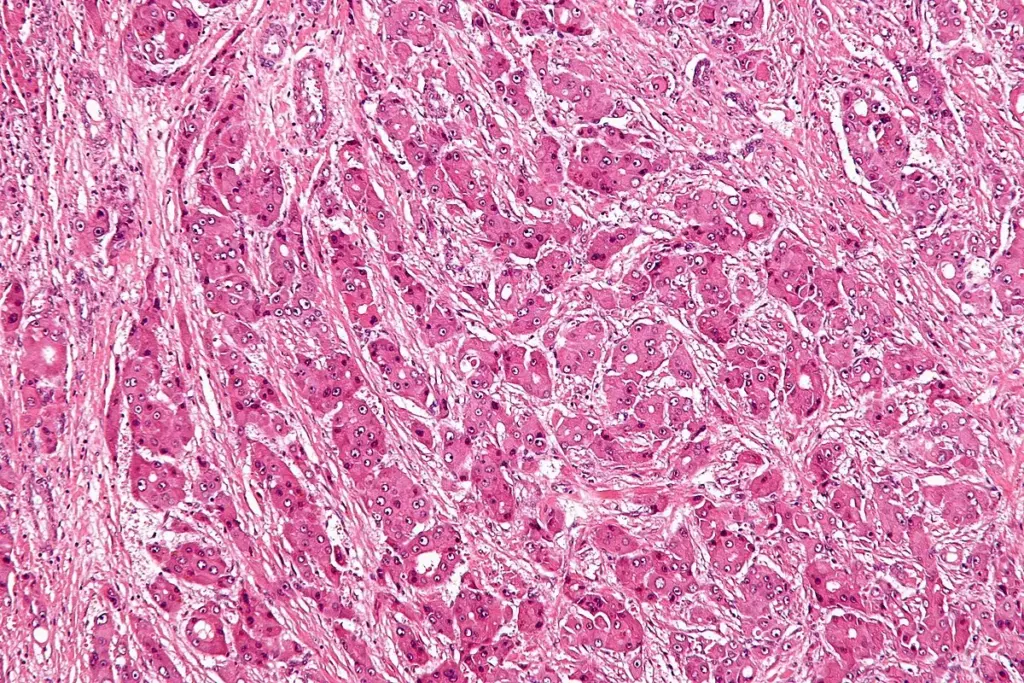
It’s important to know the symptoms of cervical cancer early. This can help in getting the right treatment. Even if you don’t feel sick, knowing the signs can help you get checked.
Primary Symptoms to Be Aware Of
Cervical cancer shows itself in certain ways. These signs should not be ignored:
- Abnormal vaginal bleeding, such as bleeding between periods, after sexual intercourse, or after menopause
- Unusual vaginal discharge, which may be watery, thick, or have a foul odor
- Pelvic pain or discomfort during sexual intercourse
These symptoms might mean cervical cancer, but they can also mean other things. It’s key to watch for them and see a doctor if they don’t go away or get worse.
When to Consult a Healthcare Provider
If you notice any of these symptoms, see a doctor right away. Catching cervical cancer early can really help. Your doctor will do a pelvic exam and might suggest tests like a Pap smear or HPV testing.
|
Symptom |
Description |
Action |
|---|---|---|
|
Abnormal Vaginal Bleeding |
Bleeding between periods, after sex, or after menopause |
Consult a healthcare provider |
|
Unusual Vaginal Discharge |
Watery, thick, or foul-smelling discharge |
Seek medical attention |
|
Pelvic Pain |
Discomfort or pain during sex or at other times |
Discuss with a healthcare provider |
Looking after your health and getting medical help early can really help with cervical cancer.
Obesity as a Risk Factor: What Research Reveals
Studies show that obesity is linked to a higher risk of many cancers, including cervical cancer. It’s important to understand this link to prevent and treat cervical cancer effectively.
The Danish Cohort Study of 384,000 Women
In Denmark, a study of 384,000 women looked at BMI and cervical cancer risk. This big study showed how obesity impacts cervical cancer rates. It helped us understand cervical cancer risk factors better.
Statistical Correlation Between BMI and Cancer Risk
The study found a statistically significant correlation between higher BMI and cervical cancer risk. Women with higher BMIs were more likely to get cervical cancer. This shows the value of staying at a healthy weight to lower cervical cancer risk.
Key findings from the research include:
- Increased BMI is associated with a higher risk of cervical cancer.
- Obesity is linked to various factors that may contribute to cancer development.
- Understanding and managing weight could be key in preventing cervical cancer.
These insights stress the need for more research on obesity and cervical cancer. We also need to work on targeted ways to lower this risk.
Why Weight Gain May Occur During Cervical Cancer<SEP-1185_image_3>
Understanding why weight gain happens during cervical cancer treatment is key. Weight changes can really affect a patient’s life and health. So, it’s important to look into why weight gain happens during treatment.
Weight gain during cervical cancer treatment comes from many factors. Treatment-related factors are a big part of it. Let’s dive into these factors.
Treatment-Related Factors Contributing to Weight Changes
Certain treatments for cervical cancer, like chemotherapy and hormonal therapies, can cause weight gain. Chemotherapy can change how the body uses food and can make people hungrier. Some patients might also feel very tired, which means they move less and gain weight.
Here’s a breakdown of how different treatments can affect weight:
|
Treatment Type |
Potential Effect on Weight |
|---|---|
|
Chemotherapy |
Increased appetite, changes in metabolism |
|
Hormonal Therapy |
Fluid retention, changes in body composition |
|
Radiation Therapy |
Fatigue leading to reduced physical activity |
Hormonal Influences on Body Composition
Hormonal changes during cervical cancer treatment can also affect how the body looks. Some treatments can mess with hormone levels, changing how fat is stored and used. For example, some hormonal therapies can cause the body to hold onto more water, leading to weight gain.
It’s also important to remember that hormonal changes can be different for everyone. Healthcare providers can make plans to help manage weight changes by understanding these differences.
Common Cervical Cancer Symptoms and Their Impact on Weight
It’s important to know how cervical cancer symptoms affect weight. This knowledge helps support patients during their treatment. Cervical cancer shows itself in many ways, each affecting weight differently.
How Symptoms Affect Appetite and Metabolism
Symptoms like pelvic pain, abnormal vaginal bleeding, and bowel changes can really mess with a patient’s appetite and nutrition. For example, pain can make someone eat less, leading to weight loss. On the other hand, some may gain weight because their metabolism changes due to the cancer.
Key symptoms affecting weight include:
- Loss of appetite due to pain or discomfort
- Changes in bowel habits affecting nutrient absorption
- Fatigue leading to reduced physical activity
Every patient is different, so it’s key to offer personalized support.
Distinguishing Between Cancer Symptoms and Treatment Effects
It can be hard to tell if symptoms come from the cancer or the treatment. For instance, chemotherapy and radiation can mess with appetite, taste, and metabolism. This makes it tough to manage weight.
|
Symptom/Treatment Effect |
Potential Impact on Weight |
|---|---|
|
Loss of Appetite |
Weight Loss |
|
Changes in Metabolism |
Weight Gain/Loss |
|
Treatment-Related Fatigue |
Reduced Physical Activity, Possible Weight Gain |
Healthcare providers need to understand these differences. This helps them give better advice and support for managing weight during treatment.
Challenges in Cancer Screening for Overweight Patients
Screening for cervical cancer in overweight patients is tough. They might find it hard during screening, leading to less accurate results.
The Paradox of Lower Detection Rates
Research shows that a higher BMI can mean lower detection rates of cervical cancer precursors. This is worrying because overweight people might already be at a higher risk for cervical cancer.
There are many reasons for these detection challenges. They include technical issues during screening and biases in how screenings are done.
Improving Screening Protocols
Healthcare providers are trying to make screening better for everyone. They’re working on more sensitive tools and training for handling overweight patients’ needs.
By improving these protocols, we aim to ensure accurate and timely screenings for all, no matter their weight.
Nutritional Management During Cervical Cancer Treatment
Nutritional management is key in treating cervical cancer. It improves patients’ quality of life. Good nutrition helps manage side effects, aids in healing, and boosts outcomes.
Evidence-Based Dietary Recommendations
Patients should eat foods rich in essential nutrients during treatment. Evidence-based dietary recommendations suggest fruits, vegetables, whole grains, and lean proteins. These foods give vitamins, minerals, and antioxidants that keep strength up and support the immune system.
Drinking lots of water is also important. Avoiding too much sugar and processed foods can help with nausea and fatigue.
Working with Oncology Nutritionists
Oncology nutritionists create personalized nutrition plans for cancer patients. These plans are made for each patient’s specific needs. They consider the type of cancer, treatment, and any nutritional gaps.
Creating Personalized Nutrition Plans
A personalized nutrition plan looks at the patient’s health, diet, and treatment schedule. Oncology nutritionists work closely with patients to make a plan that fits their needs. This helps manage side effects and keeps nutrition optimal.
Addressing Treatment-Specific Nutritional Challenges
Cervical cancer treatment can cause nutritional challenges like swallowing issues or taste changes. Oncology nutritionists can help with these challenges, giving advice on managing symptoms and ensuring enough nutrition.
With healthcare support, patients get the nutritional help they need during treatment.
Physical Activity Guidelines for Weight Management During Cancer Care
Keeping active during cancer care is key for managing weight and health. We suggest patients do regular physical activity. This helps lessen treatment side effects and boosts their quality of life.
Safe Exercise Protocols During Treatment
It’s vital to stick to safe exercise plans during cervical cancer treatment. Gentle activities like yoga, walking, or light stretching are good choices. Always talk to your healthcare provider before starting any new exercise to make sure it fits your health and treatment plan.
|
Exercise Type |
Intensity Level |
Benefits |
|---|---|---|
|
Walking |
Low to Moderate |
Improves cardiovascular health, boosts mood |
|
Yoga |
Low |
Enhances flexibility, reduces stress |
|
Light Stretching |
Low |
Maintains flexibility, aids in relaxation |
Long-term Activity Recommendations for Survivors
Survivors can start doing more physical activity after treatment. Aim for at least 150 minutes of moderate-intensity aerobic activity or 75 minutes of vigorous-intensity aerobic activity per week. Also, do muscle-strengthening activities on two or more days a week. This helps with weight management and improves survival chances and reduces cancer recurrence risk.
“Exercise is a vital part of cancer care, helping with both physical and emotional healing.”
— A Oncologist
Guiding patients through their cancer journey shows how important physical activity is. By using safe and effective exercises, people can manage their weight and enhance their well-being.
Liv Hospital’s Approach to Cervical Cancer Treatment
Liv Hospital is known for its thorough cervical cancer treatment. We use the latest technology and care with kindness. Our program is made for each patient, focusing on their unique needs and the newest medical methods.
Multidisciplinary Team Management
At Liv Hospital, we value teamwork. Our team includes experts in gynecologic oncology, radiology, and nutrition. They work together to make a treatment plan that fits each patient’s needs. This teamwork makes sure all parts of a patient’s health are looked after, leading to better treatment results.
- A team of specialists works together to create a personalized treatment plan.
- Regular consultations ensure that all aspects of patient care are addressed.
- Our multidisciplinary approach leads to more effective treatment outcomes.
Innovative Therapies and Patient-Centered Care
We are dedicated to new treatments and care that puts the patient first. Our hospital has the latest technology for better treatments. We focus on making our patients comfortable and emotionally supported, ensuring our care is both effective and caring.
We aim to meet both the medical and emotional needs of our patients. Our team supports patients through their treatment, giving them care that covers all their health needs.
Conclusion: Navigating Weight Changes Throughout the Cancer Journey
We’ve looked into how weight changes and cervical cancer are connected. We’ve seen many factors that play a role in this connection. Knowing the symptoms and signs of cervical cancer is key to managing weight during treatment.
Weight gain can happen during cervical cancer treatment. Symptoms can also affect weight. Nutrition and exercise are vital. Patients can make better choices by understanding these points.
At Liv Hospital, we focus on caring for the whole person. We know how weight changes and cervical cancer are linked. This helps us support and guide patients better through their journey.
FAQ
What are the common signs and symptoms of cervical cancer?
Signs include irregular bleeding, pelvic pain, and changes in vaginal discharge. If these happen, see a doctor right away.
Is there a link between higher BMI and the risk of developing cervical cancer?
Studies, like the Danish cohort study, show a link between higher BMI and cervical cancer risk. The exact reasons are being researched.
Can cervical cancer treatment cause weight gain?
Yes, treatments like chemotherapy can lead to weight gain. This is because they affect how our bodies process food and nutrients.
How do symptoms of cervical cancer impact weight?
Symptoms like changes in appetite or pain can affect weight. They might make you eat less or change how your body uses energy.
Are there challenges in screening for cervical cancer in overweight or obese patients?
Yes, finding cervical cancer can be harder in those with higher BMI. It’s important to improve screening for everyone.
What is the importance of nutritional management during cervical cancer treatment?
Working with nutritionists can help manage diet challenges during treatment. This supports your health and recovery.
What are the guidelines for physical activity during cervical cancer treatment?
Safe exercise plans and long-term activity advice help with weight and well-being. They’re key during and after treatment.
How does Liv Hospital approach cervical cancer treatment?
Liv Hospital offers full care through a team approach. They use new therapies that fit each patient’s needs.
What are the visible signs of cervical cancer?
Visible signs include abnormal bleeding or discharge changes. But, some cases have no symptoms, making screenings vital.
Can leg cramps be a symptom of cervical cancer?
Leg cramps aren’t a main symptom but can happen. It’s important to talk to a doctor about any new or bad symptoms.
References
- PubMed: https://pubmed.ncbi.nlm.nih.gov/38103421/
- ASCO Publications: https://ascopubs.org/doi/10.1200/JCO.2017.75.3442
- ASCO Publications: https://ascopubs.org/doi/abs/10.1200/JCO.2017.75.3442
- Centers for Disease Control and Prevention (CDC): https://www.cdc.gov/cancer/cervical/statistics/
- Cancer Research UK: https://www.cancerresearchuk.org/about-cancer/cervical-cancer/symptoms-risk-factors/risk-factors
National Center for Biotechnology Information. Evidence-Based Medical Insight. Retrieved from https://pmc.ncbi.nlm.nih.gov/articles/PMC5398347/

























