
Feeling sharp cervix pain during intercourse can be really upsetting. It makes you worry about your health. This pain is called cervical dyspareunia. It happens to many women and can be caused by infections, inflammation, muscle tension, or structural issues.
At Liv Hospital, we know that painful sex is something that can be fixed. But many women don’t talk about it because they’re embarrassed or don’t know what to do. Figuring out why the cervix hurts during sex is the first step to feeling better. We treat this issue with care and medical knowledge.
Key Takeaways
- Cervical dyspareunia is a common condition affecting many women.
- It can be caused by infections, inflammation, or structural issues.
- Understanding the cause is key to finding a solution.
- There are treatments available to help with cervix pain during sex.
- Getting medical advice is the first step to feeling better.
Understanding Cervical Pain and Sexual Discomfort
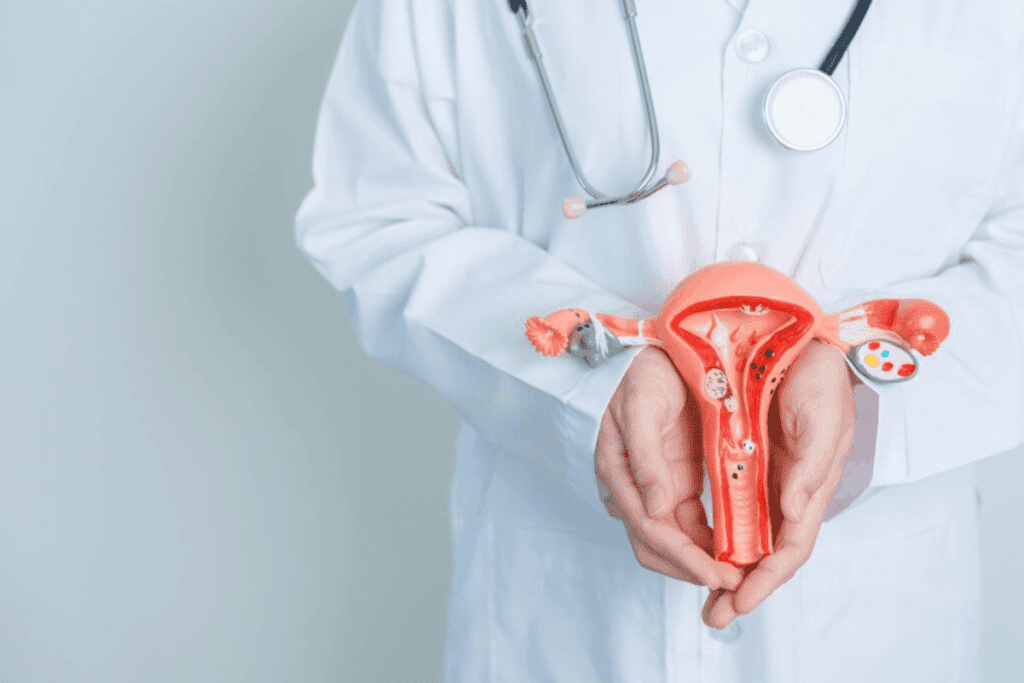
Cervical pain during sex is a big worry for many women. It affects their sex life and overall happiness. Feeling pain in the cervix during sex can be scary and confusing. It often makes women worry about their health and sex life.
Cervical dyspareunia is pain in the cervix during or after sex. It can be caused by many health issues. Knowing what it is, its symptoms, and how common it is is very important.
What is Cervical Dyspareunia?
Cervical dyspareunia is pain or discomfort in the cervix during sex. This pain can feel sharp, dull, or aching. It can vary in how bad it is and how long it lasts. Many things can cause it, like infections, inflammation, structural problems, or hormonal changes.
Understanding the causes of cervical dyspareunia is key. It’s not just about making the pain go away. It’s also about finding and treating the real cause.
How Common is Cervix Pain?
Research shows that cervical tenderness and sensitivity are more common than thought. About 31% of women of reproductive age with pelvic pain have cervical tenderness and sensitivity. This shows how important it is to take cervical dyspareunia seriously as a health issue.
Recognizing the prevalence of cervix pain during sex helps. It makes it easier for those affected to get help without feeling ashamed.
Anatomy of the Cervix and Its Role During Sex

The cervix is at the bottom of the uterus and is important during sex. It’s a small, muscular opening between the uterus and vagina. It plays a key role in reproductive health.
Where is the Cervix Located?
The cervix is at the top of the vagina, leading to the uterus. Its spot makes it prone to touch during deep sex. This can sometimes cause discomfort or pain.
How the Cervix Responds During Sexual Arousal
When sexually aroused, the cervix might move a bit because the uterus rises. But how much it moves can differ from person to person. Knowing this can help manage sex to avoid discomfort.
“The cervix is not just a passive structure; it dynamically responds to sexual arousal and can be influenced by the depth and angle of penetration during sex.”
A healthcare professional’s insight
Why the Cervix Can Be Sensitive to Contact
The cervix can feel sensitive, mainly during deep sex, because of its many nerves and role in reproduction. Things like the sex angle, cervical issues, or conditions like cervicitis can make it more sensitive.
Factors Influencing Cervix Sensitivity | Description |
Deep Penetration | Direct contact with the cervix can cause discomfort or pain. |
Cervical Abnormalities | Conditions such as cervicitis or cervical lesions can increase sensitivity. |
Angle of Penetration | The angle at which penetration occurs can affect the likelihood of cervical contact. |
Knowing about the cervix’s anatomy and function helps people enjoy sex more. It lets them avoid discomfort or pain, making sex better for everyone.
Recognizing Cervix Pain During Intercourse
Knowing the signs of cervical pain during sex is key to finding relief. This pain can be distressing. It’s important to understand its symptoms to tackle the problem effectively.
Common Symptoms and Sensations
Women may feel sharp pain, discomfort, or throbbing during deep penetration. Some might experience a stabbing or stinging sensation when the cervix is hit. The pain can start right away or come later, sometimes lasting after sex.
Some women also feel emotional distress or anxiety during sex. This can make them less interested in sex or avoid it altogether.
Differentiating Cervical Pain from Other Types of Sexual Pain
Cervical pain during sex is often mixed up with other sexual pains. It’s vital to tell them apart to find the right solution. Cervical pain usually happens with deep penetration or direct cervix contact.
Other pains might be superficial discomfort, like pain when entering or vulvar pain. Knowing where and what kind of pain you feel helps find the cause.
The Experience of “Collision Dyspareunia”
“Collision dyspareunia” is pain when the penis hits the cervix during deep penetration. It can be due to many reasons, like body shape or certain sex positions.
Women with this condition might feel a sharp, sudden pain during sex. It’s important to talk to your partner about this. Look for sex positions or ways that don’t involve deep penetration.
By recognizing cervix pain symptoms, you can start working on improving your sexual health.
Medical Causes of Cervix Pain During Intercourse
It’s key to know the medical reasons for cervix pain during sex. This pain can signal several health issues that affect a woman’s reproductive system.
Cervicitis and Inflammation
Cervicitis, or inflammation of the cervix, is a common cause of pain during sex. It can come from infections, allergies, or chemical irritants. Symptoms include abnormal vaginal discharge, painful sex, and bleeding after intercourse. If not treated, it can cause more serious problems like pelvic inflammatory disease.
Infections and STIs
Infections and sexually transmitted infections (STIs) are big reasons for cervix pain. Chlamydia and gonorrhea are common STIs that can cause cervicitis and pain during sex. Other infections, like bacterial vaginosis and yeast infections, can also cause discomfort and pain.
Endometriosis
Endometriosis is when tissue like the uterus lining grows outside the uterus, causing inflammation and pain. This condition can lead to cervix pain during sex, if the growths are near the cervix or affect the surrounding areas.
Pelvic Inflammatory Disease
Pelvic inflammatory disease (PID) is a serious infection of the female reproductive organs. It’s often caused by untreated STIs and can lead to chronic pain, including cervix pain during sex. PID needs quick medical attention to avoid long-term damage.
These conditions show why it’s important to see a doctor if you have cervix pain during sex. By understanding the causes, doctors can provide the right treatment to help you feel better and improve your life.
Physical and Mechanical Factors Causing Cervical Pain
Understanding the physical and mechanical causes of cervical pain is key to relief. These factors include how sex is performed and the presence of medical devices or conditions. They can cause discomfort during sex.
Deep Penetration Issues
Deep penetration can cause cervical pain because it hits or presses the cervix. This is called “collision dyspareunia.” Positions that allow for deep penetration can make this worse. Trying different sexual positions can help find more comfortable ones.
Changing sexual positions can greatly reduce cervical pain, a study found.
“Changing sexual positions to avoid deep penetration can help alleviate cervical pain,” says Medical Expert, a renowned gynecologist.
Cervical Bruising and Trauma
Cervical bruising and trauma can happen from vigorous or rough sex. Cervical bruising is caused by direct trauma to the cervix. Gentle and considerate sex is important to avoid such injuries.
Causes | Symptoms | Prevention |
Deep penetration | Pain during/after sex | Modify sexual positions |
Vigorous sex | Cervical bruising | Practice gentle sex |
IUD Placement and Complications
Putting in an Intrauterine Device (IUD) can sometimes cause cervical pain. This is more likely if it’s not placed right. IUD displacement can also cause discomfort. Regular check-ups with a healthcare provider can spot any issues early.
Pelvic Floor Dysfunction
Pelvic floor dysfunction can also cause cervical pain. This condition makes the muscles and tissues in the pelvic area too tight or too loose. Pelvic floor therapy can help treat this.
Exercises like Kegels can help manage pelvic floor dysfunction.
“Pelvic floor exercises can help strengthen the muscles and reduce pain,” notes Medical Expert, a specialist in pelvic health.
Hormonal and Physiological Influences
Hormonal changes in a woman’s life can affect the cervix, causing pain during sex. These changes happen at different times, like during the menstrual cycle, pregnancy, after childbirth, and menopause. Knowing about these changes is key to managing cervix pain.
Menstrual Cycle Variations
Hormonal shifts in the menstrual cycle can impact the cervix. Estrogen and progesterone levels change, affecting cervical mucus and causing discomfort. Some women feel more pain at certain times in their cycle because of these hormonal changes.
“The menstrual cycle is a complex process involving various hormonal changes that can impact sexual comfort.”
Pregnancy and Postpartum Changes
Pregnancy brings big hormonal changes that can soften the cervix. This can lead to pain during sex. After childbirth, the cervix may take time to get back to normal. Hormonal adjustments can keep affecting cervical sensitivity.
Stage | Hormonal Change | Potential Effect on Cervix |
Pregnancy | Increased Progesterone | Cervical Softening |
Postpartum | Hormonal Adjustment | Cervical Sensitivity |
Menopause and Hormonal Shifts
Menopause brings a drop in estrogen levels, changing the cervix and vaginal tissues. This can cause vaginal dryness and make sex painful. Hormonal therapies and lubricants can help with these symptoms.
Insufficient Lubrication
Not having enough lubrication can cause cervix pain during sex. Hormonal drops, like during menopause, can make vaginal dryness worse. Using the right lubricants and staying aroused can help.
Understanding how hormones and body changes affect the cervix helps women and doctors tackle cervix pain. This knowledge helps pick the right treatments and lifestyle changes to improve sex life and overall health.
When to Seek Medical Help for Cervix Pain During Sex
If you feel pain in your cervix during sex, it’s important to know when to get medical help. This pain could be a sign of a problem that needs a doctor’s check-up.
Warning Signs That Require Immediate Attention
Some symptoms with cervix pain during sex mean you should see a doctor right away. These include:
- Severe pain that doesn’t go away after sex
- Abnormal bleeding, like heavy bleeding or bleeding between periods
- Unusual discharge with a bad smell or color
- Fever or chills, which could mean an infection
- Painful urination or trouble peeing
If you notice any of these, seeing a healthcare provider quickly is key.
What to Expect During a Medical Examination
At your visit, your doctor will start with a detailed medical history. They want to know about your symptoms and any past health issues. Then, they’ll do a pelvic examination to check your cervix and other organs for problems or infections.
Your doctor might also do diagnostic tests, like ultrasounds or swab tests. These help find out why you’re feeling pain in your cervix.
Questions Your Doctor May Ask
To figure out what’s wrong and how to treat it, your doctor will ask you questions. They might ask:
- Can you describe the pain you feel during sex?
- When did you first notice the pain, and is it always there or does it come and go?
- Do you have any other symptoms, like bleeding or discharge?
- Have you had any recent changes in your sexual activity or partners?
- Have you experienced any trauma or injury to the pelvic area?
Telling your doctor everything is important. It helps them give you the right treatment.
Medical Treatments for Cervix Pain During Intercourse
There are many ways to treat cervix pain during sex. The right treatment depends on the cause of the pain. This could be infections, inflammation, structural problems, or hormonal issues.
Medications for Infections and Inflammation
For pain caused by infections or inflammation, doctors often start with medicine. Antibiotics fight bacterial infections, and antifungal medications tackle fungal ones. Anti-inflammatory drugs help reduce swelling and pain.
It’s key to take all the medicine as directed. This ensures the infection is fully treated.
Hormonal Therapies
Hormonal imbalances can also cause cervix pain. Hormone replacement therapy (HRT) might be suggested for those experiencing pain due to hormonal shifts, like during menopause. HRT aims to balance hormones and ease symptoms.
Surgical Options for Structural Issues
For pain from structural problems, like cervical stenosis or endometriosis, surgery might be needed. Laparoscopic surgery is a small incision method for diagnosing and treating endometriosis. Other surgeries may fix anatomical issues.
Physical Therapy Approaches
Physical therapy helps with cervix pain from pelvic floor issues or muscle problems. Pelvic floor rehabilitation strengthens the muscles around the cervix. This improves support and lessens pain.
Physical therapists create custom exercise plans. They might also use heat or electrical stimulation to help heal.
Sexual Positions and Techniques to Prevent Cervical Pain
Knowing the right sexual positions and techniques is key to avoiding cervical pain. A few simple changes can make a big difference in how comfortable you feel during sex.
Positions That Minimize Deep Penetration
Choosing positions that reduce deep penetration is a smart move. The “spoon” or “missionary with a pillow under the hips” are good examples. They help control how deep things go, easing pressure on the cervix.
Deep penetration can make cervical pain worse. By picking positions that let you control how deep things go, you can manage your pain better.
Communication Strategies With Your Partner
Talking openly with your partner is essential for managing cervical pain. Discussing what feels good and what doesn’t helps find pain-free ways to be intimate.
Open communication makes sex more enjoyable and pain-free. It’s important to share your needs and limits clearly.
“Communication is key to a healthy sexual relationship. By talking openly about what works and what doesn’t, couples can find ways to enjoy intimacy without pain.”
Using Penetration Buffers and Aids
Penetration buffers and aids can also help with cervical pain. Things like thicker condoms or special sex toys that reduce deep penetration are helpful.
- Condoms with thicker material
- Sex toys designed for controlled penetration
- Pillows or cushions to adjust positioning
The Importance of Foreplay and Arousal
Foreplay and getting fully aroused are key for a comfortable sex experience. When both partners are well-primed, sex is more natural and less likely to cause pain.
Foreplay boosts pleasure and prepares the body for sex. It’s a must for pain-free sex.
Lifestyle Changes and Self-Care for Reducing Cervix Pain
By making some lifestyle changes and practicing self-care, you can lessen cervix pain during sex. These steps not only manage pain but also boost your overall health.
Stress Management and Relaxation Techniques
Stress can make physical discomfort worse, including cervix pain. Using stress management and relaxation techniques like meditation, yoga, or deep breathing exercises can help. These methods help you relax and reduce muscle tension, making sex more comfortable.
Proper Lubrication Options
Not having enough lubrication can cause discomfort during sex. The right lubricant can cut down on friction and ease cervix pain. There are many lubricants out there, like water-based, silicone-based, and oil-based ones. It’s key to pick one that works well with your body and any protective gear, like condoms.
- Water-based lubricants are gentle and easy to clean up.
- Silicone-based lubricants are long-lasting and suitable for use in water.
- Oil-based lubricants should be used with caution as they can damage certain materials.
Pelvic Floor Exercises
Doing Kegel exercises can strengthen your pelvic floor muscles. This can improve your sex life and lessen pain. These exercises involve tightening and then releasing the muscles that stop urine flow. Doing them regularly can make your muscles stronger and might help reduce cervix pain during sex.
Dietary and Supplement Considerations
Eating a balanced diet full of important nutrients is good for your reproductive health. Some foods and supplements can help fight inflammation and aid in healing. For instance, foods rich in omega-3 fatty acids, like salmon, and antioxidants, found in berries, are beneficial. Also, drinking plenty of water is important for keeping your tissues healthy.
Nutrient | Benefit | Food Sources |
Omega-3 fatty acids | Reduces inflammation | Salmon, walnuts |
Antioxidants | Promotes healing | Berries, leafy greens |
Conclusion: Reclaiming Comfortable and Enjoyable Sexual Experiences
It’s key for women to tackle cervix pain to enjoy sex more. We’ve looked at why cervix pain happens, like health issues, physical reasons, and hormones.
Knowing why cervix pain occurs is the first step to feeling better. We’ve talked about treatments, like medicine, lifestyle changes, and self-care. These can help reduce pain and make sex more enjoyable.
Talking openly with your partner and doctor is vital for fixing cervix pain. By choosing comfy sex positions, managing stress, and using the right lubrication, women can find relief. This improves their sexual health and happiness.
We aim to have given you useful and empowering info. By tackling cervix pain head-on, women can enjoy sex more. This leads to a more fulfilling and healthy sexual life.
FAQ
Does hitting the cervix during sex hurt?
Yes, for some women, hitting the cervix can be painful. This is called cervical dyspareunia. The cervix is sensitive, and deep penetration can cause discomfort or pain.
Why does my cervix hurt during sex?
Several reasons can cause cervix pain during sex. Medical issues like cervicitis or infections are common causes. Physical factors, like deep penetration, can also cause pain.
What are the symptoms of cervix pain during intercourse?
Symptoms include sharp or dull pain during or after sex. You might feel discomfort in the pelvic area. Pain can also spread to other areas.
How can I prevent cervix pain during sex?
Try changing positions to avoid deep penetration. Use aids or buffers for penetration. Foreplay helps with arousal and lubrication. Talking to your partner about your comfort is key.
Can hormonal changes affect cervix pain during sex?
Yes, hormonal changes can affect the cervix and cause pain. This includes changes during the menstrual cycle, pregnancy, or menopause.
What medical treatments are available for cervix pain during intercourse?
Treatments vary based on the cause. They can include medications for infections or inflammation. Hormonal therapies and surgery are also options. Physical therapy can help with pelvic floor issues.
When should I seek medical help for cervix pain during sex?
Seek medical help for persistent or severe pain. If you have other symptoms like bleeding or discharge, get help right away. A healthcare provider can diagnose and treat the cause.
How can lifestyle changes help reduce cervix pain?
Stress management and proper lubrication can help. Pelvic floor exercises and dietary changes also reduce pain. These practices improve pelvic health and comfort during sex.
Can an IUD cause cervix pain during sex?
Yes, an IUD can cause discomfort or pain during sex. This might be due to the device’s position or associated cramping.
Is cervix pain during sex a common issue?
Yes, cervix pain during sex is common. It affects many women at some point. Addressing the discomfort improves quality of life and sexual well-being.
References
National Center for Biotechnology Information. Evidence-Based Medical Guidance. Retrieved from https://www.ncbi.nlm.nih.gov/books/NBK562159/