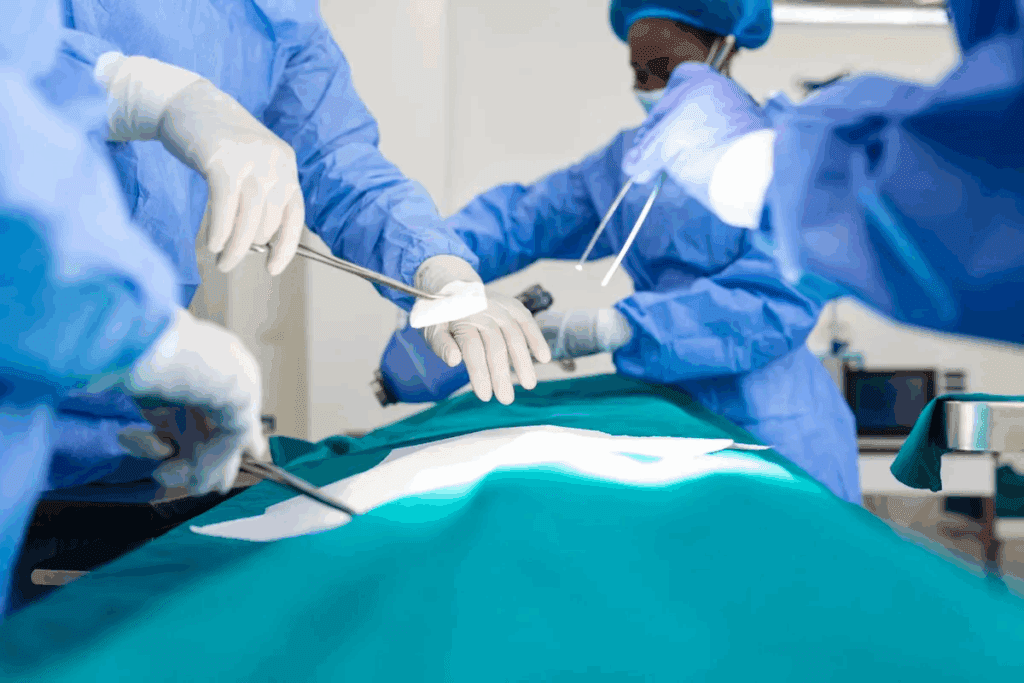
Preparing for cervical cancer surgery can feel overwhelming. But knowing about the different surgeries and their goals can ease your worries. We’re here to help you get ready for cervix surgery and make sure you get the best care.
At Liv Hospital, we have years of experience in gynecologic oncology. We offer detailed support for patients from around the world. Our aim is to clearly explain your treatment options, including fertility-preserving techniques and the latest surgical methods.
Key Takeaways
- Understand the different types of cervix surgery procedures.
- Learn about the benefits and risks associated with each surgical option.
- Discover the necessary steps to prepare for surgery.
- Find out what to expect during the recovery process.
- Explore the advanced surgical techniques available for cervical cancer treatment.
Understanding Cervical Cancer and Precancerous Conditions
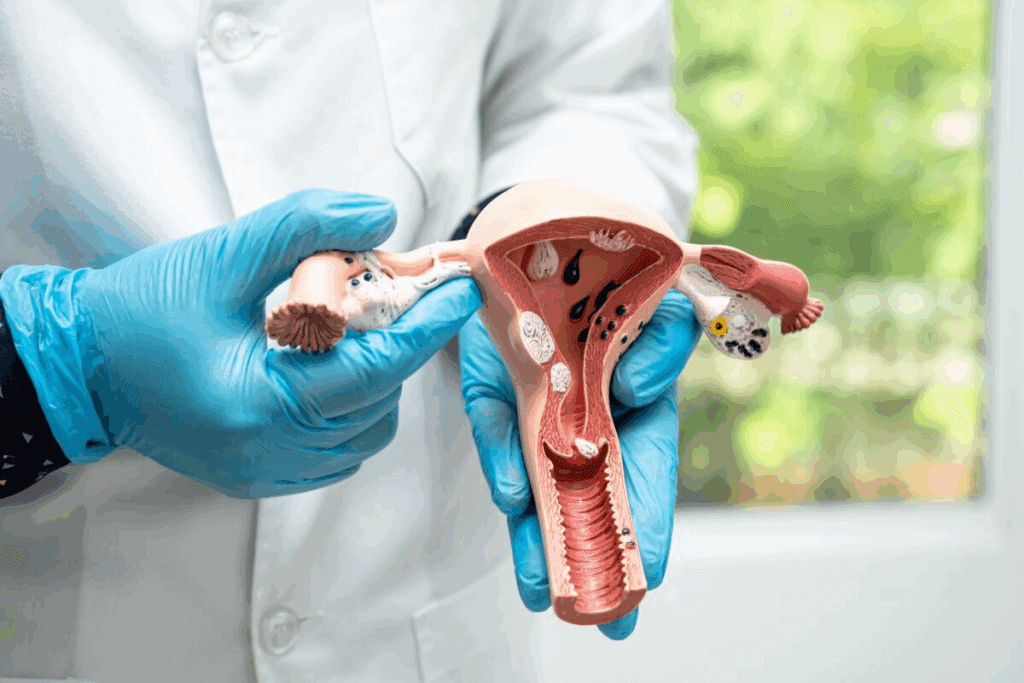
It’s important for both patients and doctors to understand cervical cancer and its early signs. Cervical cancer often starts in the cervix due to certain types of HPV. Early changes, called cervical intraepithelial neoplasia (CIN), can lead to cancer if not treated.
Common Cervical Conditions Requiring Surgery
Some cervical issues need surgery, like cancer and early cancer signs. Precancerous lesions can turn into cancer if not treated. Doctors choose surgery based on how serious these issues are.
Here are some common reasons for surgery:
- Cervical intraepithelial neoplasia (CIN) that is severe or doesn’t go away
- Invasive cervical cancer
- Certain cases of cervical dysplasia
Cervical Cancer Staging and Treatment Options
Staging cervical cancer is key to picking the right treatment. Stages range from IA (early) to IVB (very advanced).
Treatment options depend on the stage. They include:
- Surgery, like hysterectomy or conization
- Radiation therapy
- Chemotherapy
- Targeted therapy
For early cancer, surgery might be enough. But for more advanced cases, a mix of treatments is needed.
The Importance of Early Detection and Treatment
Finding cervical cancer and early signs early is key to better treatment. Tests like the Pap test and HPV test can spot problems before they turn into cancer.
Regular screenings are vital for catching these issues early. If caught early, cervical cancer is very treatable, and survival chances are much better.
Types of Cervix Surgery Procedures
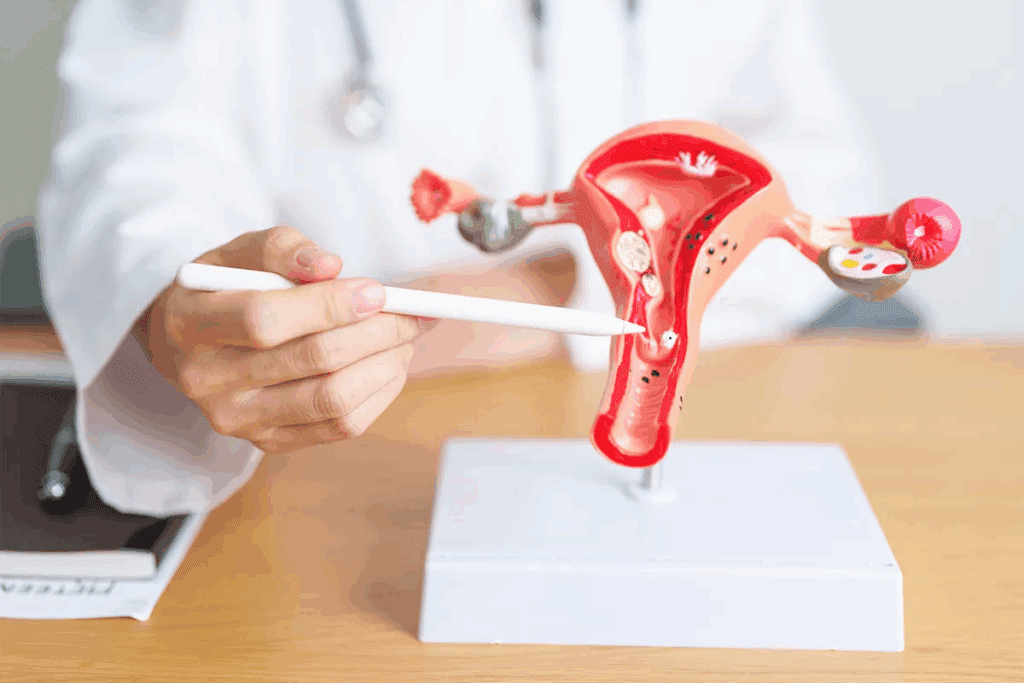
If you have cervical cancer or precancer, knowing about cervix surgery types is key. The right surgery depends on cancer stage, health, and if you want to keep your fertility.
Cold Knife Conization
Cold knife conization removes a cone of tissue from the cervix. It’s both a test and a treatment for early cancer. This method is precise, helping doctors diagnose better and fix issues found by Pap smears and colposcopy.
Radical Hysterectomy
A radical hysterectomy takes out the uterus, cervix, and part of the vagina. It’s for more serious cancer. This surgery aims to remove all cancer, including checking lymph nodes for spread.
Radical Trachelectomy (Cervicectomy)
Radical trachelectomy saves fertility by removing the cervix and upper vagina but keeps the uterus. It’s for women with early cancer who want to have kids. This surgery is complex and needs careful planning and skill.
Modified Radical Hysterectomy
A modified radical hysterectomy is less invasive than the radical version. It removes the uterus and cervix but doesn’t cut as much tissue. It’s for early cancer. This option might lead to fewer problems and a quicker recovery than the full surgery.
Each cervix surgery has its own use, benefits, and risks. Knowing these details helps patients and doctors choose the best treatment.
Initial Consultation and Diagnosis
Your first meeting with your surgeon is more than a chat. It’s a chance to clear up your diagnosis and what surgery will be like. You’ll talk about your health and the steps to fix it.
What to Expect at Your First Appointment
Be ready for your first visit by bringing your medical records and a list of medicines. Also, jot down any questions or worries. Your surgeon will start by talking about your health history and why you’re there.
A detailed check-up will follow, which might include a pelvic exam and looking at test results. This is key to figuring out what’s wrong and how to fix it.
Diagnostic Tests and Procedures
To get a clear diagnosis, several tests might be done. These include:
- Colposcopy: A close look at your cervix for any issues.
- Biopsy: Taking tissue from your cervix for more checks.
- Imaging tests: Like ultrasound or MRI, to see your cervix and nearby areas clearly.
These tests are vital for confirming your diagnosis and planning your treatment.
Questions to Ask Your Surgeon
It’s important to have questions ready for your surgeon. Some key ones are:
- What’s my diagnosis, and how does it affect my health?
- What treatments do I have, and why is surgery a good choice for me?
- What risks or complications could there be with the surgery?
- How will surgery affect my fertility and overall health?
- What’s the recovery time like, and what support will I need?
Asking these questions will help you understand your condition and the surgery. This ensures you’re ready for what’s next.
Choosing the Right Cervix Surgery Approach
Choosing the right surgery for the cervix depends on several important factors. It’s key to know the different methods and how they affect recovery and results.
Open Surgery vs. Minimally Invasive Options
Cervix surgery can be done in two ways: open surgery or minimally invasive methods. Open surgery uses a big cut in the belly to reach the cervix and uterus. This old method is good for complex cases or when the belly needs a thorough check.
Minimally invasive surgery uses small cuts and special tools. It includes laparoscopic or robotic-assisted methods. This way is often chosen for less pain, shorter hospital stays, and faster healing.
Factors That Determine Surgical Method
Many things decide between open surgery and minimally invasive options. These include:
- The stage and extent of the cervical condition
- The patient’s overall health and any previous surgeries
- The surgeon’s expertise and experience with different techniques
- The specific requirements of the procedure, such as the need for lymph node removal
Knowing these factors helps patients make better choices about their surgery.
Getting a Second Opinion
Choosing the right surgery for the cervix is complex. Getting a second opinion is very helpful. A second opinion can give new insights into the best surgery for you, based on the latest medical knowledge and your specific situation.
It’s also a chance to talk about any worries or questions with another expert. This can confirm or suggest a different plan than your first doctor.
Fertility Considerations Before Cervix Surgery
Before cervix surgery, it’s key to know how it might affect your ability to have children. Cervix surgery can impact fertility in many ways. It’s important to understand this to make good choices about your reproductive health.
Impact of Different Procedures on Fertility
The kind of cervix surgery you have can greatly affect your fertility. Some surgeries, like cold knife conization, remove a part of the cervix. Others, like radical hysterectomy, take out the cervix, uterus, and part of the vagina.
| Surgical Procedure | Impact on Fertility |
| Cold Knife Conization | May reduce cervical mucus production, potentially affecting fertility |
| Radical Hysterectomy | Removes the uterus, making pregnancy impossible |
| Radical Trachelectomy | Preserves the uterus but removes the cervix, potentially affecting fertility due to cervical incompetence |
As the table shows, different surgeries have different effects on fertility. It’s important to talk about these with your doctor.
Fertility Preservation Options
If you’re having cervix surgery and want to keep your fertility, there are options. These include:
- Ovarian tissue freezing
- Egg freezing (oocyte cryopreservation)
- Embryo freezing
These methods can offer hope for future pregnancies. But, they depend on your age, health, and the surgery needed.
“Discussing fertility concerns with healthcare providers is vital for those having cervix surgery. It helps make informed choices and explore ways to keep fertility.”
Discussing Family Planning with Your Healthcare Team
Talking openly with your healthcare team about wanting children is essential. They can help choose the best surgery and fertility preservation methods for you.
Understanding how cervix surgery might affect your fertility and looking into preservation options helps make choices that fit your reproductive goals.
Medical Preparation for Cervix Surgery
Before cervix surgery, you need to prepare well. This preparation helps reduce risks and makes recovery easier.
Required Pre-Surgery Tests
Several tests are done before surgery. These include:
- Blood tests to check for infections or blood disorders.
- Imaging tests like ultrasound or MRI to see the cervix and nearby areas.
- Biopsy results if a tissue sample was taken before.
- Cardiac tests for those with heart problems.
These tests help your healthcare team understand your health and find any issues that might affect the surgery.
Medication Adjustments
Some medications might need to be changed or stopped before surgery. It’s important to:
- Tell your surgeon about all medications you’re taking, including blood thinners and supplements.
- Follow your surgeon’s advice on when to stop or change your medications.
- Know why your medications are being changed to ease any worries.
Changing medications is key to reducing the risk of bleeding or other problems during and after surgery.
Nutritional Guidelines
Eating well is important for preparing your body for surgery. Here are some tips:
- Stay hydrated by drinking lots of water.
- Eat foods rich in vitamins and minerals, like vitamin C and zinc, which help with healing.
- Avoid too much alcohol and caffeine before your surgery.
- Talk to your healthcare provider about any special dietary needs or restrictions.
By following these guidelines, you can make your cervix surgery and recovery go smoothly. Always talk to your healthcare provider for advice tailored to you.
Mental and Emotional Preparation
Getting ready for cervix surgery means focusing on your mental and emotional state. Surgery can cause a lot of stress and anxiety. So, it’s important to prepare your mind and heart.
Managing Anxiety and Stress
It’s key to manage your anxiety and stress before surgery. Deep breathing, meditation, and yoga can calm your mind. Adding these to your daily routine can greatly improve your mental health.
A study in the Journal of Clinical Oncology found that mindfulness can reduce anxiety and depression in cancer patients.
“Mindfulness helps patients deal better with the stress of medical treatments,” says Dr. Sarah Lisanby, a leading psycho-oncology expert.
Other ways to handle anxiety include:
- Writing in a journal to share your feelings
- Doing things that make you happy and take your mind off things
- Talking to friends, family, or joining support groups
Support Resources and Counseling
A strong support network is vital for emotional readiness. This can be family, friends, or professional counselors. Talking to a counselor can be a safe way to share your fears and hopes.
| Support Resource | Description | Benefits |
| Family and Friends | Emotional support and practical help | Less loneliness, help with daily tasks |
| Professional Counseling | Guided therapy sessions | Learning to cope, emotional support |
| Support Groups | Community of people with similar experiences | Understanding, advice, and friendship |
Preparing Your Family and Support System
It’s also important to prepare your family and support system for your surgery and recovery. Teach them what to expect and how to support you. Telling them about your needs and limits can avoid confusion and make things easier.
Have a talk with your loved ones about your surgery, your feelings, and what you hope for. This way, they’ll know how to best support you.
Practical Preparations for Your Hospital Stay
Preparing for your cervix surgery means getting ready for your hospital stay. A well-prepared stay can reduce stress and help you recover better. It makes the whole process smoother.
Creating a Hospital Packing List
It’s important to pack the right things for your hospital stay. Here’s a list of essentials to include:
- Comfortable clothing, such as loose-fitting nightgowns or pajamas
- Personal care items, including toothbrush, toothpaste, and any necessary medications
- Slippers or comfortable shoes
- Undergarments and bras (considering post-surgery comfort)
- Snacks and drinks (if allowed by hospital policy)
- Entertainment, such as books, magazines, or a tablet
- Phone and charger
- Important documents, including insurance cards and identification
Home Setup for Recovery
Getting your home ready for recovery is key. Here are some tips for a comfortable recovery space:
- Clean and declutter your living space to minimize the risk of infection
- Prepare meals in advance and store them in the freezer for easy reheating
- Set up a comfortable recovery area with pillows, blankets, and entertainment
- Ensure that essential items, such as medications and water, are within easy reach
Transportation and Caregiver Arrangements
Getting to and from the hospital, and having a caregiver, is vital. Here’s what to consider:
- Ask a friend or family member to drive you to the hospital and pick you up after discharge
- Arrange for someone to stay with you for at least the first few days after surgery
- Discuss your needs with your caregiver, including medication management and daily tasks
Work and Childcare Planning
Planning for work and childcare during your recovery is important. It helps reduce stress and ensures a smooth recovery. Here are some steps to take:
- Notify your employer of your surgery and discuss your leave or work-from-home arrangements
- Arrange for childcare or pet care if necessary
- Prepare a plan for managing household responsibilities during your recovery
The Day Before and Morning of Surgery
Getting ready for cervix surgery is a big deal. The day before and morning are key for a smooth experience. We know you might feel excited and a bit nervous. So, we’ve made a list of important steps to help you get ready.
Dietary Restrictions
Your healthcare team will give you dietary instructions. These are to keep you safe during surgery. You might need to:
- Stop eating and drinking by midnight before surgery
- Avoid foods and drinks that could affect the surgery or anesthesia
- Drink water as told to stay hydrated before the procedure
Don’t hesitate to ask your surgeon or anesthesiologist about any diet questions.
Hygiene Instructions
Good hygiene is key to avoid infections. Your healthcare team might tell you to:
- Use special soap the night before or morning of surgery
- Not use lotions, perfumes, or deodorants on surgery day
- Remove nail polish, jewelry, and contact lenses before going to the hospital
Final Checklist
Here’s what to do to make things go smoothly:
- Check your arrival time and location with your healthcare provider
- Make sure someone can drive you home after surgery
- Sign any final consent forms
- Have your insurance and ID ready
What to Bring to the Hospital
Bring a bag with essentials, like:
- Comfortable clothes to wear home
- Personal hygiene items
- Comfort items
- Your insurance cards and ID
- Any medications or supplements you take
By following these tips, you’ll be ready for your cervix surgery. This will help make your experience stress-free and your recovery smooth.
Potential Risks and Complications of Cervix Surgery
Knowing the risks and complications of cervix surgery is key to making good choices. Cervix surgery is usually safe, but it’s good to know about possible problems.
Common Side Effects
Side effects of cervix surgery can include vaginal discharge, mild pelvic pain, and spotting. These symptoms usually go away in a few weeks.
Some people might face more serious side effects, like:
- Infection
- Bleeding or hemorrhage
- Reaction to anesthesia
- Damage to surrounding organs
Serious Complications
Though rare, serious problems can happen. These include:
- Severe infection
- Significant bleeding needing a blood transfusion
- Injury to the bladder, ureters, or bowel
- Adhesions or scar tissue formation
Serious complications can greatly affect a patient’s quality of life. It’s important to talk to your doctor about these risks. This way, you can understand how they might affect you.
Long-term Health Considerations
Cervix surgery can affect your health long-term. Some things to consider include:
| Long-term Consideration | Description |
| Early Menopause | In some cases, cervix surgery may lead to early menopause, if the ovaries are affected. |
| Pelvic Organ Prolapse | Weakening of the pelvic muscles during surgery can increase the risk of pelvic organ prolapse. |
| Incontinence | Some patients may experience urinary or fecal incontinence following cervix surgery. |
Talking to your healthcare provider about these long-term health considerations is vital. This way, you can understand how they might affect you personally.
Recovery and Follow-up After Cervix Surgery
Recovering from cervix surgery is about more than just physical healing. It also involves emotional support. This process is key to getting the best results and avoiding problems.
Immediate Post-Surgery Recovery
The first part of recovery happens in the hospital. It usually lasts from a few hours to a couple of days. This depends on the surgery type and your health.
Doctors keep a close eye on your health during this time. They manage your pain and watch for any issues.
At-Home Recovery Timeline
After leaving the hospital, recovery moves to your home. Here, you must follow certain steps to heal right.
Full recovery can take weeks to months. It’s important to listen to your surgeon about rest, activity, and wound care.
Follow-up Appointments and Tests
Follow-up care is a big part of getting better. These visits let doctors check on your healing and do tests.
These tests might include imaging or biopsies. They help make sure your cervix is healing right and there’s no cancer coming back.
“Follow-up care is essential for detecting any possible issues early and ensuring the best possible outcomes.” –
A leading gynecologic oncologist
Signs of Complications to Watch For
While recovering, watch for signs of trouble. Look out for too much bleeding, severe pain, fever, or odd discharge.
If you notice any of these, call your doctor right away.
- Severe abdominal pain
- Heavy vaginal bleeding
- Fever above 100.4°F (38°C)
- Unusual or foul-smelling discharge
Conclusion
Preparing for cervix surgery is a detailed process. It includes understanding the surgery, getting ready physically and emotionally, and planning for recovery. By following these steps, patients can feel more confident and ready for their surgery and recovery.
Good cervix surgery preparation helps avoid risks and makes recovery smoother. We talked about the first steps, choosing the right surgery, and thinking about fertility. We also stressed the importance of mental and emotional prep, as well as getting ready for the hospital and aftercare.
In conclusion, cervix surgery needs careful planning and prep. Knowing the procedure, getting ready well, and planning for recovery makes the journey easier. We urge patients to work with their healthcare team for the best results from their cervix surgery.
FAQ
What are the different types of cervix surgery procedures?
There are several cervix surgery procedures. These include cold knife conization, radical hysterectomy, and radical trachelectomy. Each has its own benefits and risks.
How does cervical cancer staging affect treatment options?
The stage of cervical cancer is key in choosing treatment. It helps doctors decide between surgery, radiation, or chemotherapy.
What can I expect during my initial consultation for cervix surgery?
At your first meeting, you’ll have tests and talk with your surgeon. You’ll learn about your treatment options and can ask questions.
How do I choose between open surgery and minimally invasive options for cervix surgery?
Choosing depends on your cancer stage, health, and surgeon’s skill. Your surgeon will guide you based on your situation.
Will cervix surgery affect my fertility?
Surgery’s impact on fertility varies. Some surgeries, like radical trachelectomy, aim to save fertility. Others, like radical hysterectomy, may not.
What pre-surgery preparations are required for cervix surgery?
You’ll need to have tests and adjust medications. You’ll also follow nutritional guidelines to prepare for surgery.
How can I manage anxiety and stress before undergoing cervix surgery?
To manage anxiety, seek support and counseling. Prepare your family for your recovery needs.
What are the common side effects and serious complications of cervix surgery?
Side effects and complications vary by surgery type. Knowing these risks helps you make informed choices.
What should I expect during the recovery period after cervix surgery?
Recovery includes a hospital stay and at-home care. Follow a recovery plan, attend follow-ups, and watch for complications.
How do I prepare my home for recovery after cervix surgery?
Make your home safe and comfortable. Arrange for transport and support. Plan for work and childcare during recovery.
What dietary restrictions and hygiene instructions should I follow before cervix surgery?
Your team will give you dietary and hygiene guidelines. Follow these to ensure your safety and the success of the surgery.
Why is it important to discuss family planning with my healthcare team before cervix surgery?
Talking about family planning is key. It helps you understand how surgery may affect fertility and explore preservation methods.
What are the signs of complications to watch for after cervix surgery?
Know the signs of complications like infection or bleeding. This is important for quick medical help if needed.
Can I get a second opinion before undergoing cervix surgery?
Yes, getting a second opinion is a good idea. It can offer more insights into your condition and treatment options.
How do I know if I need cervix surgery for cervical cancer or precancerous lesions?
Your healthcare team will decide based on tests and evaluations. Early detection through screenings is important for identifying conditions needing surgery.
What is the importance of follow-up appointments and tests after cervix surgery?
Follow-ups are vital for monitoring your recovery and catching complications early. They ensure the surgery’s success.
References
- World Health Organization. (2025). How to Prepare for Cervix Surgery A Complete. Retrieved from https://www.who.int/publications/i/item/9789241548953