Knowing about your fertility at older ages is key for making smart reproductive plans. As women get older, their eggs get worse in quality and number. This makes getting pregnant naturally harder.
The American Society of Reproductive Medicine says the chance of getting pregnant at 45 is less than 5% per month. This might seem tough, but many women wonder about their chances for natural conception or fertility treatments.
At Liv Hospital, we offer honest, caring advice based on the newest medical findings. We believe patients need a plan that fits their unique needs and worries.
Key Takeaways
- Natural pregnancy chances drop a lot with age because of egg quality and number issues.
- The American Society of Reproductive Medicine says there’s less than a 5% chance of getting pregnant per month at 45.
- Fertility treatments are options for women at older reproductive ages.
- A patient-focused approach is key for tackling individual fertility issues.
- Liv Hospital gives full support and advice for international patients looking into fertility treatments.
The Biological Reality of Advanced Maternal Age
Women’s fertility drops with age, a natural process with big implications. As we get older, our eggs become less quality and quantity. This makes it harder to get pregnant.
How Female Fertility Changes Over Time
Female fertility peaks in the late teens to late twenties. This is when getting pregnant is easiest. But after 35, fertility drops fast.
By the mid-to-late 40s, getting pregnant naturally gets much harder. For example, the chances of pregnancy at 50 are very low. The risks of pregnancy at an older age also go up.
It’s key for women planning to conceive to understand these changes. Reproductive aging is linked to fertility decline. As women age, they have fewer eggs and poorer egg quality.
The Concept of Reproductive Aging
Reproductive aging means the reproductive system works less well over time. Hormonal changes, egg quality, and health play a role. As women near menopause, around 45-55, they can no longer get pregnant naturally.
But before menopause, known as perimenopause, getting pregnant is possible, but very unlikely. For example, 1-3% per cycle for women aged 46-49.
Women should know about these changes to make smart choices about their reproductive health. While advanced maternal age brings challenges, understanding the reasons can help women explore their fertility options.
Understanding Egg Quality and Quantity Decline
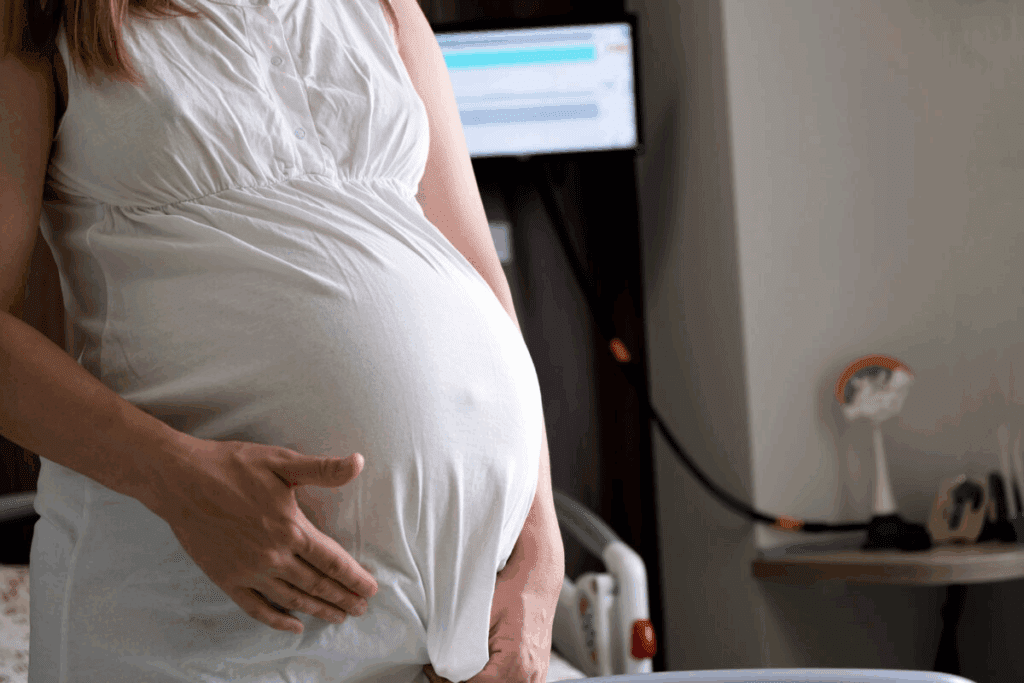
As women get older, they have fewer and less healthy eggs. This drop in egg quality and number makes it harder to get pregnant. It also raises the risk of problems with the chromosomes in a pregnancy.
The Science of Ovarian Reserve
The ovarian reserve is how many eggs a woman has left. We’re born with a set number of eggs, which decreases over time. Knowing about ovarian reserve helps us understand the challenges of getting pregnant when we’re older.
Studies show that egg numbers drop a lot after the late 30s and early 40s. This decrease is not just in how many eggs there are, but also in their quality.
Genetic Normality of Eggs After 40
By the 40s, most eggs are not genetically normal. By 40, about 90% of eggs have chromosomal problems. This makes it harder to have a healthy pregnancy.
Research finds that older eggs have more chromosomal issues. This makes natural conception harder and raises the risk of miscarriage.
How Fewer Than 20% of Eggs Remain Viable by Mid-40s
By mid-40s, less than 20% of eggs are good enough for pregnancy. The mix of fewer and lower-quality eggs makes it very hard to get pregnant at 47, 50, or 55.
It’s key for women thinking about pregnancy at an older age to understand these changes. We need to think about these factors when we talk about getting pregnant naturally at an older age.
Chances of Getting Pregnant at 47 Naturally
Getting pregnant naturally at 47 is harder due to several reasons. Women’s fertility drops because of lower egg quality and quantity at this age.
Statistical Probability: 1-5% Per Cycle
At 47, the chance of getting pregnant naturally is about 1-5 percent per cycle. This shows that while it’s possible, the odds are much lower than for younger women.
- The chances of getting pregnant decrease with age due to declining egg quality.
- Women at 47 may experience irregular ovulation, further reducing conception chances.
- Other health factors can also impact fertility at this age.
Miscarriage Rates of 50-80%
Miscarriage rates at 47 are very high, ranging from 50-80%. This is mainly because of chromosomal problems in the eggs.
This high miscarriage rate is a big concern for women at this age trying to conceive.
Real-World Success Stories
Even though the odds are low, many women have gotten pregnant naturally at 47. These stories, though rare, give hope and inspiration.
- Some women may have a healthier ovarian reserve than others of the same age.
- Lifestyle factors, such as a balanced diet and regular exercise, can positively influence fertility.
- Genetic factors can also play a role in successful conception at an advanced age.
These success stories show the value of staying positive and getting medical advice when trying to conceive at 47.
Pregnancy Possibilities for Women Ages 46-49
Women aged 46 to 49 can get pregnant, but it’s less likely. The clock keeps ticking, and while the odds are low, they’re not zero. Knowing what affects fertility can help women make smart choices about their health.
Conception Rates of 1-3% Per Cycle
Women in this age group face very low conception rates, usually 1-3% per cycle. Medical Expert, a fertility expert, says, “The chances of getting pregnant after 45 are low, but not impossible.” This highlights the need to understand what affects fertility at this age.
Overall Pregnancy Rates for This Age Group
Studies show that about 12% of women aged 46-49 get pregnant. This includes both natural pregnancies and those with help from technology. It shows that, though the odds are against them, some women in this age group can get pregnant.
“The chances of pregnancy decline significantly after the age of 45, but there are instances where women conceive naturally in their late 40s.” – Medical Expert, OB-GYN
Factors That May Improve Odds
Age is a big factor in fertility, but it’s not the only one. Women can boost their chances by eating well, exercising, and staying healthy. Getting advice from a fertility specialist can also help.
- Optimizing overall health and wellness
- Seeking early intervention from fertility specialists
- Considering assisted reproductive technologies
By understanding these factors and taking action, women aged 46-49 can increase their chances of pregnancy. The journey may be tough, but it’s not impossible. Many women have successfully conceived in this age group.
Can a Woman Get Pregnant at Age 50?
As women get closer to 50, getting pregnant naturally becomes much harder. Many changes in the body affect fertility, making pregnancy rare. We’ll look at why pregnancy is hard at 50, including how often it happens and the stages before menopause.
Natural Conception Rates Below 1% Per Cycle
By 50, a woman’s chance of getting pregnant naturally is less than 1% each month. This big drop is because of fewer and lower-quality eggs. The chances of getting pregnant at 50 are very low, but it’s not out of the question.
Perimenopause vs. Menopause: What It Means for Fertility
Perimenopause is the time before menopause when hormones change and periods get irregular. It’s important to know that pregnancy is possible during perimenopause, but it gets less likely as menopause nears. Menopause is when a woman hasn’t had a period for 12 months, ending her ability to get pregnant.
Documented Cases of Natural Pregnancy at 50
Though rare, some women have gotten pregnant naturally at 50. A study found that while it’s rare, it has happened.
“Natural conception at the age of 50 is extremely uncommon and often associated with significant health risks for both mother and child.”
| Age | Conception Rate | Menstrual Status |
|---|---|---|
| 50 | <1% per cycle | Often irregular or ceasing |
| Perimenopause | Decreasing | Irregular |
| Menopause | 0% | Ceased for 12 months |
In conclusion, while getting pregnant at 50 is very unlikely, knowing about fertility decline and the difference between perimenopause and menopause is helpful for women in this age group.
Examining Pregnancy Possibilities at Age 55
Pregnancy at 55 is very unlikely. Most women have stopped having periods by then. This means they are no longer fertile.
Post-Menopausal Realities
After menopause, hormone levels drop a lot. Estrogen and progesterone levels fall a lot. These hormones are key for pregnancy.
Menopause means the end of periods. It also means the end of being able to get pregnant. Even if there’s some bleeding, it doesn’t mean you can get pregnant.
Why Natural Conception Is Virtually Impossible
Getting pregnant naturally at 55 is almost impossible. The ovaries stop making eggs by then. Even if they did, the eggs wouldn’t be good for making a baby.
| Age | Menstrual Status | Fertility Status |
|---|---|---|
| 55 | Post-Menopausal | Extremely Low to No Fertility |
| 50-54 | Perimenopausal/Post-Menopausal | Low Fertility |
| 45-49 | Perimenopausal | Reduced Fertility |
The Rare Exceptions to the Rule
While rare, some women have gotten pregnant at 55. This usually happens with hormone therapy or fertility treatments. But these cases are very rare.
Every woman is different. While chances are low, it’s not impossible. But, getting medical help is very important for women trying to conceive at an older age.
Hormonal Changes That Impact Fertility After 45
As women get closer to 45, their hormones start to change a lot. These changes affect their ability to have children. The shifts in hormones are complex and touch many parts of reproductive health.
Estrogen and Progesterone Fluctuations
Estrogen and progesterone are key hormones for the menstrual cycle and pregnancy. After 45, these hormones start to change. Estrogen levels can swing a lot, causing irregular periods. Progesterone changes too, which can mess with ovulation and keeping a pregnancy.
These changes can cause symptoms like hot flashes and mood swings. But more importantly, they make it harder to get pregnant.
Ovulation Irregularities and Anovulatory Cycles
Ovulation becomes less predictable as hormones change. Women might have cycles where they don’t ovulate or have irregular cycles. This makes it tough to conceive. The quality of eggs also goes down with age, making pregnancy less likely.
Tracking ovulation irregularities is possible with basal body temperature and ovulation predictor kits. But, the hormonal shifts often need a doctor’s help.
The Transition to Menopause
The hormonal shifts after 45 are part of moving towards menopause. Menopause ends a woman’s ability to have children. The years before menopause, called perimenopause, see big hormonal swings.
It’s key for women thinking about pregnancy after 45 to understand these changes. The chance of getting pregnant after 50 is very low. The risk of miscarriage and birth defects also goes up.
| Hormonal Change | Effect on Fertility |
|---|---|
| Estrogen Fluctuations | Irregular menstrual cycles, reduced fertility |
| Progesterone Changes | Affects ovulation and ability to maintain pregnancy |
| Anovulatory Cycles | No ovulation, significantly reduced fertility |
Every woman’s experience with hormonal changes is different. Knowing how these changes affect fertility is vital for making choices about reproductive health.
Health Risks and Complications of Late-Life Pregnancy
Women who delay pregnancy face more health risks. These risks need careful medical attention. Late pregnancies can harm both the mother and the baby.
Maternal Health Concerns
Older women are at higher risk for several health issues. These include:
- Gestational Diabetes: The risk of gestational diabetes goes up with age. This can harm the baby’s health.
- Hypertension: Older women are more likely to have high blood pressure during pregnancy. This is risky for both mother and baby.
- Preeclampsia: This condition is dangerous if not managed well. It involves high blood pressure and protein in the urine.
Increased Risks for the Baby
The baby’s health is a big concern in late pregnancies. Older mothers face:
- Chromosomal Abnormalities: The risk of conditions like Down syndrome goes up with the mother’s age.
- Preterm Birth: Older women are more likely to have preterm births. This can cause health problems for the baby.
- Low Birth Weight: Babies of older mothers are at higher risk of being underweight. This can affect their health and growth.
Medical Management of High-Risk Pregnancies
Given the risks, late pregnancies are considered high-risk. They need careful medical management. This includes:
- Regular Prenatal Care: Frequent check-ups to catch and manage any issues early.
- Specialized Care: Sometimes, women are sent to specialists for extra care.
- Lifestyle Adjustments: Doctors may suggest changes in diet, exercise, and lifestyle to manage risks.
By understanding these risks and working with healthcare providers, women can manage the challenges of late-life pregnancy.
Characteristics of Women Who Conceive After 45
Getting pregnant after 45 is rare, but research has found common traits among those who do. These traits help us understand what makes pregnancy possible at an older age.
Prior Pregnancy History as a Predictor
Having had a baby before is a big factor. Studies show that women who’ve had successful pregnancies before are more likely to get pregnant again after 45. This means a history of being able to get pregnant can help at an older age.
- Women with a history of uncomplicated pregnancies
- Those who have had multiple previous pregnancies
- Women with a shorter interval between previous pregnancies
Genetic and Family Factors
Genetics and family history also matter a lot. Women from families where people get pregnant later in life might get pregnant after 45 too. Genes can affect how long a woman can stay fertile, possibly making her fertile longer.
Key genetic factors include:
- Inherited traits that affect ovarian aging
- Genetic variations that influence hormone regulation
Lifestyle and Health Considerations
Lifestyle and health also play a part. Women who eat well and exercise regularly might have a better chance of getting pregnant after 45. Conditions like PCOS or endometriosis can affect fertility, but some women with these conditions can get pregnant at an older age.
Important lifestyle considerations include:
- A healthy body mass index (BMI)
- Low levels of stress
- Adequate nutrition and vitamin intake
Medical Interventions and Alternatives
For women over 45, medical help can lead to pregnancy. As age increases, getting pregnant naturally gets harder. But, there are medical options available.
Fertility Treatments for Advanced Maternal Age
Fertility treatments have improved a lot, giving hope to older women. In vitro fertilization (IVF) is a common method. It involves fertilizing an egg outside the body.
Other options include Intracytoplasmic Sperm Injection (ICSI) and Assisted Hatching. ICSI injects a single sperm into an egg. Assisted Hatching helps the embryo stick to the uterus.
| Fertility Treatment | Description | Success Rate for Women Over 45 |
|---|---|---|
| IVF | In vitro fertilization | Less than 5% |
| ICSI | Intracytoplasmic Sperm Injection | Less than 3% |
| Assisted Hatching | Helps embryo implantation | Variable, depends on age and egg quality |
Egg Donation and Surrogacy Options
Egg donation is a good choice for many women over 45. It uses eggs from a younger donor. These eggs are then fertilized and implanted in the mother’s uterus.
Surrogacy is another option. It involves a different woman carrying the baby. This is for when pregnancy is not safe for the mother.
Adoption Considerations After 45
Adoption is a rewarding choice for women over 45 who want to be mothers. There are different types of adoption, like domestic, international, and foster care.
Each type has its own process and rules. It’s important to research and choose what’s right for you.
Preparing Your Body for Pregnancy After 45
Getting ready for pregnancy after 45 is a big job. It involves many important steps. As women get older, their bodies change in ways that can affect their ability to get pregnant and stay healthy during pregnancy.
To increase the chances of a healthy pregnancy, focusing on overall health is key. This means getting essential health screenings to catch any problems early.
Essential Health Screenings
Women over 45 should get full health screenings before trying to get pregnant. These tests find any health issues that could make pregnancy harder.
- Complete blood count to check for anemia or infection
- Blood type and Rh factor to determine compatibility with the baby
- Screening for chronic conditions like diabetes or hypertension
- Thyroid function tests, as thyroid issues are common and can affect fertility
These tests give a clear picture of a woman’s health. They help doctors give advice that’s just right for her.
Nutritional and Lifestyle Optimizations
What you eat and how you live can really help get your body ready for pregnancy. Eating a balanced diet full of important nutrients is good for your reproductive health.
| Nutrient | Food Sources | Benefit |
|---|---|---|
| Folic Acid | Leafy greens, citrus fruits, fortified cereals | Prevents birth defects of the baby’s brain and spine |
| Iron | Red meat, poultry, fish, beans, spinach | Supports the production of red blood cells |
| Calcium | Dairy products, leafy greens, fortified plant-based milk | Essential for bone health |
Living a healthy lifestyle is also important. This means exercising regularly and avoiding things like tobacco and too much alcohol. These habits can help improve your chances of getting pregnant.
Working with Fertility Specialists
Women over 45 can really benefit from working with fertility specialists. These experts give advice on the best treatments and help manage any problems that come up.
Fertility specialists can suggest treatments like fertility meds, IUI, and IVF. They tailor these treatments to fit each woman’s needs.
By doing health screenings, eating right, and getting help from fertility specialists, women over 45 can get ready for a healthy pregnancy.
Conclusion: Navigating Fertility Decisions in Your Late 40s and Beyond
Deciding about fertility in your late 40s and beyond is complex. You must think about biological facts, health risks, and medical options. Fertility drops a lot after 45, making pregnancy planning key.
It’s vital to understand fertility at an older age. We’ve seen how egg quality and number drop with age. This affects health risks for both mom and baby. Options like fertility treatments and egg donation are available for those wanting to conceive.
When making choices, consider your health, lifestyle, and past reproductive history. Working with fertility experts and getting health checks can help. Knowing your options and risks is critical.
In the end, making smart choices about fertility in your late 40s and beyond requires a deep understanding. By being informed, you can control your fertility journey and aim for the best outcomes.
FAQ
Can you get pregnant naturally at 47?
Getting pregnant naturally at 47 is tough, but it’s not impossible. The chances are about 1-5% per cycle. But, the risk of miscarriage is very high, between 50-80%.
What are the chances of getting pregnant at 50 naturally?
At 50, the chances of getting pregnant naturally are less than 1% per cycle. Though rare, some women do get pregnant at this age, usually during perimenopause.
Is it possible to get pregnant at 55 naturally?
Getting pregnant naturally at 55 is almost impossible. Menopause usually ends a woman’s ability to get pregnant, making it very unlikely.
How does age affect egg quality and quantity?
As women get older, their eggs get worse and there are fewer of them. By the mid-40s, only about 20% of eggs are good enough to be used for pregnancy.
What hormonal changes impact fertility after 45?
After 45, women’s hormone levels change a lot. This can cause problems with ovulation and make it harder to get pregnant.
What are the health risks associated with late-life pregnancies?
Pregnancies later in life can be risky for both the mother and the baby. They often need special medical care.
What medical interventions are available for women of advanced maternal age?
Women over 45 have options like fertility treatments, egg donation, surrogacy, and adoption if they’re having trouble getting pregnant.
How can women prepare their bodies for a pregnancy after 45?
Women can prepare by getting health checks, eating well, and living a healthy lifestyle. Working with fertility experts can also help.
What are the characteristics of women who conceive after 45?
Women who get pregnant after 45 often have had a baby before, have a supportive family, and live a healthy lifestyle.
Can a woman get pregnant at 46, 48, or 49 naturally?
Getting pregnant naturally between 46 and 49 is hard, but it’s not impossible. The chances are about 1-3% per cycle. But, the overall chances are low.
What is the difference between perimenopause and menopause?
Perimenopause is the time before menopause when hormone levels change and ovulation gets irregular. Menopause is when a woman can no longer get pregnant.
References
National Center for Biotechnology Information. Natural Fertility Decline at Advanced Maternal Age. Retrieved from https://pubmed.ncbi.nlm.nih.gov/8367130/