Cancer in kids is a big change, and chemo is often part of the treatment. It’s important for families and caregivers to know how chemo affects kids Chemo effects on kids.
Did you know over 15,000 kids get cancer each year in the U.S.? Chemo saves lives but can have big pediatric chemotherapy side effects. These effects can hurt a child’s body and mind.
Looking at the challenges of chemo in kids, we see how it impacts their health and recovery. It’s key to understand the impact of chemo on children.
Key Takeaways
- Chemotherapy is a common treatment for various types of cancer in children.
- Pediatric chemotherapy side effects can be significant and varied.
- Understanding the impact of chemo on children is vital for providing necessary care.
- Chemotherapy affects not just physical health but also emotional well-being.
- Support from families and caregivers plays a vital role in a child’s recovery.
The Reality of Childhood Cancer Treatment
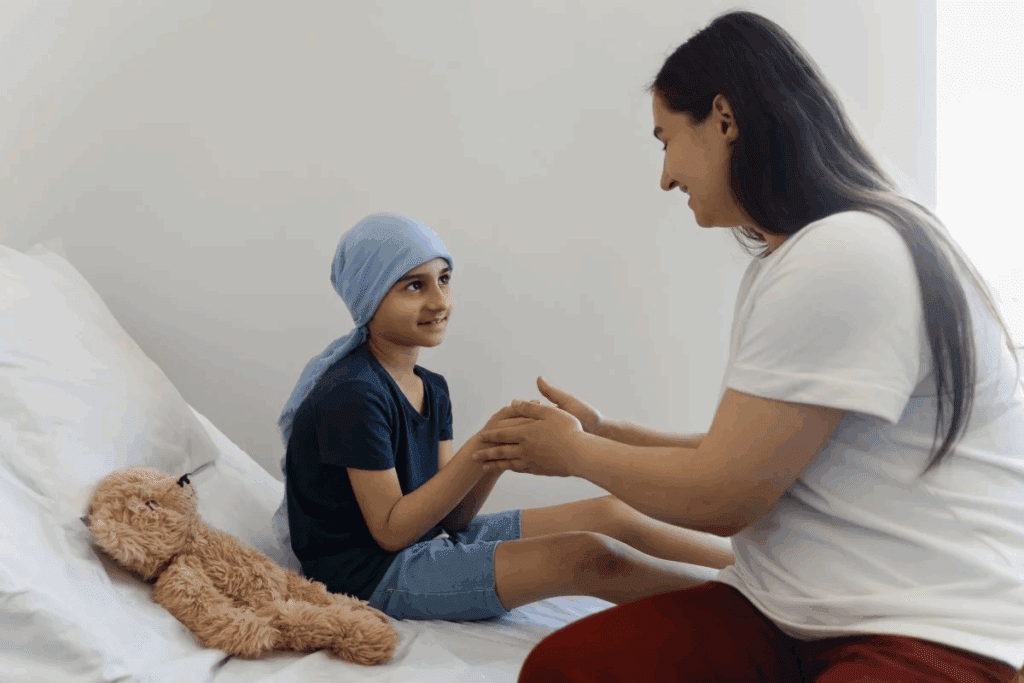
When kids get cancer, families face a tough and uncertain road. It’s key to know about childhood cancer to help navigate treatment.
Current Statistics on Pediatric Cancer
Cancer is a big killer in kids, making it a major health issue. Every year, thousands of children are diagnosed with cancer. Leukemia, lymphoma, and brain tumors are the top cancers in kids.
Common Types of Childhood Cancers
Childhood cancers are different from adult cancers in many ways. Leukemia, which affects blood and bone marrow, is the most common. Then there are brain tumors and lymphoma. Each needs its own treatment plan.
When Chemotherapy is Necessary
Chemotherapy is a key part of treating many childhood cancers. It’s often used with surgery and radiation. The choice to use chemotherapy depends on the cancer type, stage, and the child’s health.
Chemotherapy aims to kill cancer cells. It can cure the disease or control it to ease symptoms. Knowing about chemotherapy’s role in treating childhood cancer is important for families. It helps them get ready for the challenges and make informed decisions about their child’s care.
How Children’s Bodies Process Chemotherapy
Children’s bodies handle chemotherapy differently than adults. This is because they are in different stages of growth. Knowing these differences helps doctors give safe and effective treatments.
Physiological Differences Between Children and Adults
Children’s bodies are always growing and changing. This affects how they process chemotherapy drugs. Their organs, like the liver and kidneys, are not fully grown. This means they can handle drugs differently than adults.
This difference is why it’s important to adjust treatment for kids. It helps avoid harm and make treatment more effective.
Metabolism and Drug Processing in Pediatric Patients
Children’s bodies break down chemotherapy drugs faster than adults. This is because they have a higher metabolic rate and a bigger liver compared to their body size. This can change how long and strong the treatment is, and the side effects of chemotherapy in children.
Doctors must think about these things when setting the right dose and schedule for pediatric chemotherapy.
Dosing Considerations for Children
Figuring out the right dose of chemotherapy for kids is complex. It involves calculating based on their body size or weight. This ensures the dose is both effective and safe. But, because kids metabolize drugs differently, doctors need to watch them closely and adjust doses as needed.
Understanding and dealing with these unique factors helps doctors give better pediatric chemotherapy plans. This improves the chances of success for kids with cancer.
Chemo Effects on Kids: A Complete Overview
It’s key for families to know how chemotherapy affects kids. This treatment is lifesaving for many children with cancer. Yet, it can impact young patients in many ways.
When kids get chemotherapy, they might feel sick right away. These feelings can be mild or severe and affect each child differently.
Immediate Reactions During Administration
Kids might feel sick, vomit, or have allergic reactions during treatment. Doctors use medicine and watch them closely to manage these issues.
- Nausea and vomiting are common immediate reactions to chemotherapy.
- Allergic reactions can occur and are managed with appropriate medical intervention.
- Some children may experience fatigue or drowsiness during or after treatment.
Short-term Side Effects
Kids on chemotherapy may face many side effects in the short term. These include losing hair, changes in appetite, and getting sick easier.
Some common short-term side effects are:
- Hair Loss: Many kids lose their hair due to chemotherapy. It’s usually temporary and can be upsetting.
- Nutritional Challenges: Changes in appetite or taste can make it hard for kids to eat well during treatment.
- Increased Infection Risk: Chemotherapy weakens the immune system. This makes kids more likely to get sick.
Variability of Responses Among Children
It’s important to remember that chemotherapy affects kids differently. The type of cancer, the treatment plan, and the child’s health can all play a role.
Some kids might only have mild side effects, while others could face more serious ones. Knowing this helps doctors tailor care to each child’s needs.
By understanding the immediate and short-term effects of chemotherapy, families and doctors can better support kids through their treatment. This support is vital for their well-being during this challenging time.
Hair Loss and Physical Appearance Changes
Chemotherapy can change a child’s appearance, causing hair loss. This can be hard for kids, affecting their self-esteem and happiness.
Why Hair Loss Occurs
Hair loss is a common side effect of chemotherapy. The drugs target fast-growing cells, including hair follicles. This makes hair fall out, not just on the scalp but also on other parts of the body.
Understanding the process: Chemotherapy drugs go through the body, hitting not just cancer cells but also hair follicles. This leads to hair loss, which can happen suddenly or slowly, depending on the drugs and doses.
Supporting Children Through Appearance Changes
Helping kids through appearance changes needs empathy and proactive steps. We can support them by:
- Preparing them in advance for hair loss
- Encouraging them to talk about their feelings
- Helping them find head coverings or wigs that make them feel good
It’s important to let kids help decide how they look. This lets them feel in control of their appearance.
Options for Head Coverings and Wigs
There are many ways to help kids deal with hair loss, including:
| Option | Description | Benefits |
| Wigs | Available in various styles, colors, and materials | Can closely mimic natural hair, boosting confidence |
| Scarves and Headbands | Colorful, versatile, and easy to wear | Provide comfort and can be a fun fashion statement |
| Caps and Hats | Come in many styles, from casual to formal | Can be a stylish way to cover hair loss |
We can help kids choose the right option by considering their likes and needs. This ensures they feel supported during their treatment.
Digestive System Challenges: Nausea, Vomiting, and Appetite Loss
Pediatric chemotherapy is lifesaving but comes with digestive challenges. Nausea, vomiting, and appetite loss are common side effects. These issues affect a child’s well-being and nutrition.
Chemotherapy-Induced Nausea
Chemotherapy-induced nausea and vomiting (CINV) are big concerns in pediatric oncology. The causes are complex, involving neurotransmitters that trigger the brain’s vomiting center. Understanding these mechanisms is key to managing symptoms effectively.
The risk of nausea and vomiting varies with chemotherapy drugs. Age, past experiences, and individual sensitivity also matter.
Medication Strategies for Symptom Control
Managing CINV requires both medicines and non-medical approaches. Antiemetic medications are the main treatment. They come in different types, each with its own benefits and side effects.
- 5-HT3 receptor antagonists help prevent acute CINV.
- NK1 receptor antagonists work for both acute and delayed CINV.
- Corticosteroids like dexamethasone are often used with other antiemetics.
Nutritional Support During Treatment
Nutritional support is critical for children on chemotherapy. It helps keep them strong, aids in recovery, and ensures they get the nutrients they need. Strategies include:
- Encouraging small, frequent meals to manage nausea and maintain calorie intake.
- Offering a variety of foods to cater to changing tastes and preferences.
- Using nutritional supplements when necessary to meet dietary needs.
By understanding and addressing nausea, vomiting, and appetite loss, we can improve life for children on chemotherapy. Effective medications and nutrition strategies play a big role.
Fatigue and Energy Management
Chemotherapy fatigue in kids is a big problem that affects their energy and well-being. It makes it hard for them to do daily things. Knowing why they get tired and how to manage their energy can help them stay happy and healthy.
Understanding Treatment-Related Fatigue
Treatment-related fatigue in children comes from many places. It’s caused by chemotherapy, cancer, and other issues like pain and not eating well. It’s not just feeling tired; it’s a deep lack of energy that affects their daily life. We must tackle this problem to improve their well-being.
Chemotherapy can lead to anemia, which makes fatigue worse. By managing anemia, we can help reduce some of the tiredness. Also, eating well and managing pain are key to fighting fatigue.
Activity Pacing for Children
Activity pacing helps kids balance rest and play to manage their energy. Helping them focus on fun or important activities keeps them feeling normal. We teach them to pace their day to save energy.
- Breaking tasks into smaller, manageable chunks
- Encouraging regular breaks
- Prioritizing activities based on importance and enjoyment
Sleep Disturbances and Management
Children getting chemotherapy often have trouble sleeping, making fatigue worse. Creating a consistent sleep schedule and a cozy sleep area can improve sleep. We work with families to find ways to manage sleep issues.
Some good strategies include:
- Maintaining a dark, quiet sleep environment
- Avoiding stimulating activities before bedtime
- Encouraging relaxation techniques, such as deep breathing or reading
By tackling fatigue, activity pacing, and sleep problems, we can greatly improve life for kids with chemotherapy. Managing fatigue is more than just fighting tiredness; it’s about making their treatment better.
Pain Management During Pediatric Chemotherapy
Pain is a big worry for kids during chemotherapy. It needs a mix of ways to manage it. Kids might feel pain from the treatment and other medical steps. It’s key to keep them comfortable and well.
Common Sources of Pain During Treatment
Pain in kids during chemotherapy comes from different places. These include:
- Procedural pain from injections, blood draws, or lumbar punctures
- Therapy-induced pain Stemming from the chemotherapy drugs themselves
- Mucosal ulcers and gastrointestinal issues
- General discomfort era trusting from the disease and treatment fatigue PageSpeed Insights
Pharmacological Approaches
Medicines are a big help in managing pain in kids with chemotherapy. These include:>
- Opioids: For moderate to severe pain, opioids are often used due to their effectiveness.
- Non-opioid analgesics: Medic PageSpeed Insights as acetaminophen or ibuprofen may be used for mild to moderate pain or to reduce PageSpeed Insights.
- PageSpeed Insights medications: In some PageSpeed Insights, adjuvant medications like gabapentin or amitriptyline may be used to manage neuropathic pain.
PageSpeed Insights Pain Management Techniques
There are also non-medical ways to help with pain. Some good ones are:
Page impuls PageSpeed Insights
- Cognitive-behavioral therapy (CBT): ERA doctors helping children cope with pioneering their pain through PA behavioral techniques.
- Physical therapy: Gentle exercises and stretches can help reduce discomfort and improvisational physical function.
- Relaxation techniques: Methods such as deep breathing, visualization, or meditation can help reduce stress and alleviate pain.
- Distraction methods: Eng supplies activities like playing games, watching movies, PageSpeed Insights listening to music can distract supplies from their discomfort.
By using these methods together, doctors and families can make a plan to help each child with chemotherapy pain.
Immune System Suppression and Infection Prevention
Children on chemotherapy are at a higher risk of getting sick because their immune system is weakened. Chemotherapy harms cells that grow fast, including those in the immune system. This makes kids more likely to catch infections.
How Chemotherapy Affects White Blood Cells
Chemotherapy attacks cells that grow quickly, like white blood cells. These cells are key in fighting off infections. Because of this, the bone marrow makes fewer white blood cells, causing neutropenia.
Neutropenia means there are not enough neutrophils, a type of white blood cell. This makes it harder for the body to fight off infections. It’s very important to keep an eye on neutrophil levels while a child is getting chemotherapy.
Neutropenia Management and Precautions
To manage neutropenia, doctors use a few strategies. Preventive measures include washing hands often, staying away from sick people, and avoiding crowded places. These steps help lower the chance of getting sick.
- Avoiding raw or undercooked foods that may contain harmful bacteria
- Using sterile equipment for medical procedures
- Administering prophylactic antibiotics in some cases
If neutropenia is found, doctors might change the chemotherapy plan. They might also give medicines to help make more white blood cells.
Vaccination Considerations During Treatment
Vaccines are important for preventing infections, but they need to be used carefully during chemotherapy. Live vaccines, which have weakened viruses, are usually not given during treatment. This is because they could cause the infection they’re trying to prevent in people with weak immune systems.
Inactivated vaccines are safer but might not work as well in people getting chemotherapy. Doctors carefully choose the vaccine and when to give it. This is to protect the child while keeping risks low.
It’s important to understand how chemotherapy affects the immune system. We must take steps to prevent infections in children with cancer. By being proactive, we can help keep these kids healthy and well.
Emotional and Psychological Impact on Children
Children face big challenges when they have cancer. The treatment, like chemotherapy, is tough on their bodies and minds. It affects how they feel and think.
Age-Related Responses to Cancer Treatment
How kids react to cancer treatment changes with age. Young ones might not get what’s happening, causing more worry and fear. Older kids and teens might know more but feel left out and upset by treatment’s effects on their lives and plans.
Anxiety, Depression, and PTSD in Pediatric Patients
Getting cancer and going through treatment can really upset kids. They might feel anxious, depressed, or even have PTSD. Anxiety comes from not knowing what will happen. Depression can happen because treatment lasts a long time and changes their life a lot. PTSD is a big deal because of the scary experience of having and treating cancer.
It’s key for doctors to spot these emotional and mental problems early. Then, they can help with the right support and treatments.
Psychological Support Interventions
Helping kids deal with the emotional side of cancer treatment is very important. This includes talking to a counselor, therapy, and other support that fits the child’s age and needs. Also, joining support groups can help kids feel less alone.
Every child’s battle with cancer is different. So, the help they get must be tailored to them. This way, we can lessen the emotional and mental effects of chemotherapy. And help them feel better during and after treatment.
Impact on Education and Social Development
Chemotherapy can deeply affect a child’s education and social growth. It’s a key part of treating childhood cancers. It impacts their health and ability to go to school and socialize with friends.
Managing School During Treatment
Chemotherapy can cause kids to miss school for hospital stays and treatments. Schools and parents work together to keep up with schoolwork at home. This helps kids stay on track with their studies.
Hospital Schooling Programs
For kids in the hospital long-term, special school programs are vital. These programs help keep their education going. They make sure kids can learn even when they’re in the hospital.
Maintaining Peer Relationships
Keeping up with friends is key for a child’s happiness and growth. Friends offer support and a sense of normalcy. Teachers and parents help by keeping friends updated and encouraging visits and messages.
Addressing Learning Challenges
Chemotherapy can make it hard for kids to focus and learn. Some kids might feel “chemo brain” or foggy. Teachers and experts can help find ways to make learning easier.
It’s important to know how chemotherapy affects kids and what help is out there. The table below shows how to support kids during treatment.
Page Page, Page,
| Challenge | Support Mechanism Page, | TD, Benefit |
| Absence era, from school | Home assignments, Hospital schooling | Continuity in education Page, |
| Social isolation | Peer visits, Online Page, communication | Emotional support, Normalcy |
| Learning difficulties | Educational psychology support, Special education strategies | TD, Enhanced era Page, learning capabilities |
Children with chemotherapy face big challenges in school and social life. By understanding these issues and using support systems, we can help. This ensures they get the care and support they need during this tough time.
Family Dynamics and Sibling Support
Childhood cancer treatment is tough for the whole family, not just the sick child. When a child gets cancer, it changes how everyone feels and acts. It brings new challenges to the family.
How Treatment Affects the Entire Family
Cancer treatment changes family life in many ways. It brings emotional stress and changes daily routines. Parents have to balance their sick child’s needs with their other kids, work, and other duties. This can make parents stressed and guilty for not spending enough time with each child.
Supporting Siblings of Children with Cancer
Siblings of kids with cancer feel many emotions, like confusion, fear, jealousy, and resentment. It’s key to give them emotional support and tell them about their sibling’s health and treatment. Talking openly helps siblings feel included and understood.
| Support Strategies | Description | Benefits |
| Open Communication | Regularly update siblings on the patient’s condition | Reduces anxiety and makes siblings feel included |
| Individual Time | Spend quality time with siblings | Strengthens parent-sibling bond and reduces feelings of neglect |
| Support Groups | Encourage participation in sibling support groups | Provides a community of peers with similar experiences |
Parental Stress and Coping Strategies
Parents of kids with cancer often feel a lot of stress. This stress can hurt their mental and physical health. Using coping strategies like getting support from family and friends, joining groups, and taking care of oneself can help. It’s also good for parents to let themselves feel their emotions and not hide them.
By understanding how cancer affects the whole family and using support strategies, families can get through this tough time. This journey needs patience, understanding, and strength from everyone in the family.
Long-term Effects of Childhood Chemotherapy
Chemotherapy is a lifesaver but can deeply affect children’s health and happiness. As doctors get better at saving kids with cancer, it’s key to understand and tackle these lasting effects.
Growth and Development Concerns
Chemotherapy can mess with kids’ growth and development. It can harm the growth plates in bones, leading to growth problems or bone density issues. It’s vital for doctors to keep a close eye on these effects early on.
” Page The care and management of late effects requires a thorough and team-based approach, involving pediatric oncology coordinators, nurses, and other experts.”
Cognitive and Learning Effects
Chemotherapy can also affect kids’ brains and learning. Some treatments might make it hard for them to remember, focus, or process information. Schools and teachers play a big role in helping these kids do well in school and with friends.
- Spotting cognitive challenges early
- Creating special learning plans
- Getting help from special education teachers
Organ System Page Late Effects
Chemotherapy can harm different organs, causing late effects like heart, lung, or kidney problems. For example, some chemotherapy can hurt the heart, so kids need to be checked regularly. Knowing these risks helps doctors give better follow-up care.
Fertility and Reproductive Health Pageh3>
Fertility is a big concern for kids who survive cancer, as they grow older. Some chemotherapy can affect fertility in both boys and girls. It’s important to talk about keeping fertility options open before starting treatment. Then, ongoing support is needed as they face reproductive health issues.
By recognizing and dealing with these long-term effects, doctors and families can work together. This ensures the best future for kids who have had chemotherapy.
Survivorship Care and Monitoring
The journey doesn’t end with the completion of cancer treatment; it transitions into survivorship care. Children who survive cancer enter a new phase of care. This phase is vital for their long-term health and well-being.
Survivorship care involves ongoing monitoring and support. It addresses the long-term effects of cancer treatment. This care is essential for their health.
Long-term Follow-up Guidelines
Long-term follow-up care is key for childhood cancer survivors. It helps monitor and address late effects. Guidelines suggest regular visits with healthcare providers experienced in caring for survivors.
These visits are important for early detection and management of late effects. They improve the survivor’s quality of life.
Key components of long-term follow-up include:
- Regular physical examinations
- Screening tests for late effects based on treatment
- Monitoring for new symptoms or concerns
- Education on healthy lifestyle choices
Screening Recommendations by Treatment Type
Screening recommendations vary by cancer treatment type. For example, children who received certain chemotherapy or radiation may need specific screenings. These screenings help detect late effects early.
- Cardiac evaluations for those who received anthracyclines or chest radiation
- Thyroid function tests for those who received radiation to the head and neck area
- Monitoring for secondary cancers in high-risk populations
As one expert notes,
“The goal of survivorship care is to maximize the survivor’s health and well-being by preventing, detecting, and managing the late effects of cancer treatment.”
Transitioning to Adult Survivorship Care
As childhood cancer survivors grow into adulthood, their care must transition to adult healthcare providers. This transition should be planned carefully. It ensures continuity of care.
It’s essential for survivors to have a care summary and a plan for ongoing follow-up. We encourage survivors and their families to actively participate in their care. Ask questions, seek support, and stay informed about their treatment history and late effects.
Communicating with the Healthcare Team
When your child gets a cancer diagnosis, it’s vital to connect well with their healthcare team. Good communication is key to making sure your child gets the best care. This is important for their treatment journey.
Building Effective Partnerships with Providers
Creating a strong partnership with your child’s healthcare team is more than just talking. It’s about working together to help your child get better. Open and honest communication is essential. It helps you understand your child’s treatment, possible side effects, and how to handle them.
To build this partnership, be proactive. Don’t be shy about asking questions or sharing concerns. Keeping a record of your child’s treatment, including medications and side effects, is very helpful.
Questions to Ask About Treatment and Side Effects
It’s important to know about your child’s treatment plan. Ask questions like “What are the possible side effects?” and “How can we manage them?” Also, ask about signs of complications and how to know if the treatment is working.
Being informed helps you make better choices. It also prepares you for what’s coming. Ask about clinical trials or new treatments for your child’s condition too.
Advocating for Your Child’s Needs
As a parent, you’re your child’s best advocate. Advocating for your child means making sure their needs are met. This includes talking well with the healthcare team, ensuring they get the right pain management, and supporting their emotional and psychological health.
It’s also key to involve your child in their care. Explain their treatment in a way they can understand. Encourage them to share their feelings and concerns. By working with the healthcare team, you can make sure your child gets all the care they need.
Good communication with your child’s healthcare team is a strong tool in dealing with cancer treatment. By building a strong partnership, asking the right questions, and advocating for your child, you can help them have the best outcome.
Coping Strategies and Support Resources
Dealing with childhood cancer treatment is more than just medical care. It needs a strong support system and good coping strategies. Families going through this benefit from a wide approach that covers their emotional, practical, and informational needs.
Age-Appropriate Communication About Cancer
Talking to kids about their cancer is a delicate task. It’s key to use age-appropriate language to explain their condition and treatment. Honesty is key, but it’s also important to match the information to the child’s understanding.
For younger kids, pictures or dolls can help explain complex medical ideas. Older kids and teens might need more detailed info and should be part of treatment discussions.
Play Therapy and Expressive Arts
Play therapy and expressive arts are great for kids dealing with cancer treatment’s emotional side. These therapies give kids a safe place to share their feelings and worries.
“Play therapy lets kids deal with their experiences in a non-verbal way, which is very therapeutic,” a child psychologist notes.
Things like drawing, painting, or playing with dolls help kids express their emotions and fears. These creative ways not only help kids release emotions but also give parents and caregivers a peek into their child’s inner world.
Support Groups and Camps for Children with Cancer
Support groups and camps for kids with cancer and their families offer a sense of community and understanding. These places connect families with others facing similar challenges, reducing feelings of isolation. Support groups are found in many hospitals and cancer organizations, providing a space to share experiences and advice.
Camps for kids with cancer are fun and supportive places where kids can do activities with peers who get their challenges. These camps help kids feel normal and happy, which is key for their emotional well-being during treatment.
Financial and Practical Resources for Families
The cost of cancer treatment can be overwhelming for families. Luckily, many organizations offer financial assistance to help with medical costs, travel, and more. Practical help like meal delivery, transportation aid, and home care support can also make life easier for families.
Families can find relief and support by exploring these resources and reaching out to cancer support organizations. Connecting with these organizations can provide much-needed relief and support during a tough time.
Conclusion: The Resilience and Strength of Children Facing Cancer
Children show amazing strength when facing cancer treatment. Their resilience is a true reflection of the human spirit. As we wrap up our look at how chemotherapy affects kids, it’s clear that the path is tough. Yet, kids and their families show incredible strength in dealing with cancer treatment.
Understanding the effects of treatment and using available support can help families feel more confident. The resilience of children with cancer is truly inspiring. Their ability to handle treatment’s challenges is key to their survival.
We must keep supporting kids and families dealing with cancer. It’s vital to provide care that meets their physical, emotional, and psychological needs. This way, we can create a more hopeful and supportive space for those facing childhood cancer treatment.
FAQ
What are the most common side effects of chemotherapy in children?
Common side effects include hair loss, nausea, and vomiting. Children may also feel tired and have changes in appetite. These effects vary based on the chemotherapy type and how the child reacts.
How does chemotherapy affect a child’s immune system?
Chemotherapy weakens a child’s immune system by lowering white blood cells. This makes them more likely to get sick. It’s important to manage this to prevent infections.
Can chemotherapy cause long-term effects on a child’s growth and development?
Yes, it can affect growth and development. This includes impacts on learning, organ function, and fertility. Long-term care is key to monitor and manage these effects.
How can families cope with the emotional and psychological impact of cancer treatment on children?
Families can seek support from healthcare providers and support groups. Counseling and age-appropriate communication help children deal with their experiences. Play therapy and expressive arts are also beneficial.
What resources are available to support families during cancer treatment?
There are many resources available. These include support groups, camps for children with cancer, and financial help. Practical services like transportation and accommodation are also available.
How can parents advocate for their child’s needs during cancer treatment?
Parents can work closely with healthcare providers. They should ask about treatment and side effects. Support from patient advocacy organizations is also helpful.
What are the guidelines for long-term follow-up care for childhood cancer survivors?
Guidelines include regular check-ups for late effects. Screenings are based on treatment type. Transitioning to adult care is also important.
Can chemotherapy affect a child’s educational and social development?
Yes, it can impact education and social life. Adjustments are needed. Programs and support services help children stay connected and educated.
How does chemotherapy-induced nausea and vomiting affect children?
It can affect nutrition and well-being. Medications and nutrition support help manage these symptoms.
What are the possible effects of chemotherapy on a child’s fertility and reproductive health?
Chemotherapy can affect fertility and reproductive health. The type and dose of chemotherapy matter. Long-term care and monitoring are essential.
References
National Center for Biotechnology Information. Chemotherapy effects on pediatric cancer patients. Retrieved from https://www.ncbi.nlm.nih.gov/pmc/articles/PMC7197223/