

Chemotherapy is the main treatment for Acute Myeloid Leukemia (AML). It uses strong drugs to kill fast-growing cancer cells. We aim to guide you through your treatment with care and detail.
The treatment of AML has two main parts: remission induction and consolidation. In remission induction, the goal of chemo for AML is to kill leukemia cells in the bone marrow. Then, consolidation therapy aims to eliminate any remaining cancer cells.
We believe in a treatment plan that fits you best. For some, like those who are not as healthy, less intense chemotherapy might be better. Or, they might prefer to manage their treatment as an outpatient.
Key Takeaways
- Chemotherapy is the main treatment for AML.
- Treatment is divided into remission induction and consolidation phases.
- Remission induction aims to achieve remission by killing leukemia cells.
- Consolidation therapy eliminates any remaining cancer cells.
- A personalized approach to treatment is key for patient care.
Understanding AML and the Role of Chemotherapy
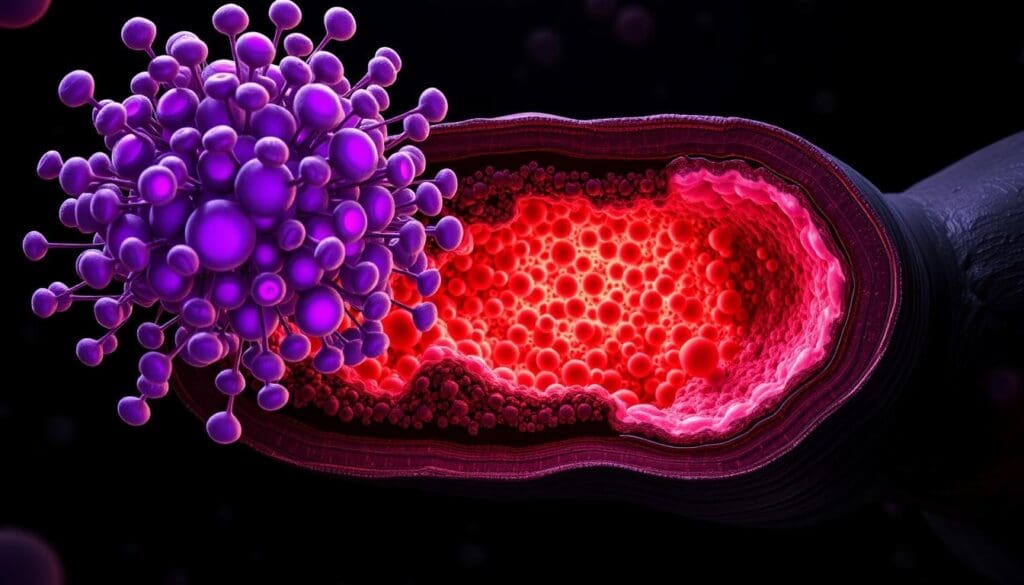
Acute Myeloid Leukemia (AML) is a complex blood cancer. It grows from myeloid cells in the bone marrow. Chemotherapy is key in treating AML.
What is Acute Myeloid Leukemia (AML)?
AML starts in the bone marrow and quickly spreads to the blood. It can also reach other parts like the lymph nodes and liver. The disease blocks normal blood cell production by growing fast.
Doctors diagnose AML through bone marrow tests. These tests check for specific markers and cell shapes. Knowing the AML type helps choose the best treatment.
Why Chemotherapy is the Primary Treatment Option
Chemotherapy is the main treatment for AML. It uses drugs to kill cancer cells. The goal is to get the disease under control and restore bone marrow function.
Chemotherapy for AML often uses a mix of drugs in cycles. This approach helps manage side effects. The treatment plan depends on the patient’s health, age, and AML type.
How Chemotherapy Targets Cancer Cells
Chemotherapy targets fast-growing cancer cells. In AML, drugs disrupt the leukemia cells’ DNA. This stops them from growing.
Chemotherapy’s success in AML depends on several factors. These include the drug’s reach, the cancer cells’ sensitivity, and the patient’s health. Knowing how chemotherapy works helps patients understand their treatment.
The Three Phases of Chemo for AML

Knowing about the three phases of chemotherapy is key for AML patients. We’ll walk you through each phase, explaining why they matter and what to expect.
Induction Phase: The Initial Attack
The induction phase is the first step in treating AML. It aims to kill leukemia cells in the bone marrow and blood. Patients usually get strong chemotherapy in the hospital for weeks.
Doctors watch how well the treatment works with blood tests and bone marrow biopsies.
Consolidation Phase: Reinforcing Treatment
After achieving remission, the consolidation phase starts. It aims to get rid of any cancer cells that might grow back. This phase often includes high-dose chemotherapy and sometimes a stem cell transplant.
The length and strength of consolidation depend on the patient’s health and risk factors.
Maintenance Phase: When and Why It’s Used
The maintenance phase is used to keep remission, mainly in some AML types. It uses less strong treatment, like oral chemotherapy drugs. It’s meant to stop leukemia cells from coming back.
Not every patient needs maintenance therapy. The choice depends on the patient’s risk and how well they respond to treatment.
In summary, the three phases of chemotherapy for AML work together to achieve and keep remission. By understanding these phases, patients can better navigate their treatment journey and make informed decisions about their care.
Common Chemotherapy Drugs for AML Treatment
Chemotherapy is a key part of treating Acute Myeloid Leukemia (AML). Several drugs are used to target and kill leukemia cells. We’ll look at the main chemotherapy agents used in AML treatment.
Cytarabine (Ara-C): The Backbone of AML Treatment
Cytarabine, or Ara-C, is a key drug in AML treatment. This drug stops cancer cells from making new DNA, which stops them from growing. It’s given through an IV or under the skin, depending on the treatment plan. Its success in treating AML makes it a mainstay in chemotherapy.
Anthracyclines: Daunorubicin and Idarubicin
Anthracyclines are also vital in AML treatment. Daunorubicin and idarubicin are the top anthracyclines used. They work by stopping cancer cells from making new DNA. Given through an IV during the first phase, they help improve treatment results when used with cytarabine.
Other Important Medications in AML Protocols
Other drugs like fludarabine, cladribine, and topotecan are also used in AML treatment. The choice of drugs depends on the patient’s health, AML type, and how well they respond to treatment. These drugs offer different ways to fight cancer, which can be helpful in some cases.
Knowing how these drugs work is key for patients and doctors to make the best treatment plans. By mixing these drugs, doctors can tailor treatments to fit each patient’s needs. This helps increase the chances of a good outcome.
Chemo Pills for Leukemia: Oral Treatment Options
Chemo pills are now a big part of leukemia treatment. They offer new hope for patients with certain AML types. Oral chemotherapy lets patients manage their treatment more easily.
Types of Oral Chemotherapy Agents
Oral chemotherapy is used for some AML subtypes. It’s often paired with IV chemotherapy. These drugs target fast-growing cancer cells, helping patients get better.
Some common oral chemotherapy agents include:
- Azacitidine (Vidaza)
- Decitabine (Dacogen)
- Lenalidomide (Revlimid)
These pills are a convenient option compared to IV chemotherapy. They’re often used together for better results.
When Oral Medications Are Recommended
Oral chemotherapy is suggested for those who can’t handle IV treatments well. It’s also used in outpatient settings. This means patients can get treatment without staying in the hospital long.
Doctors choose oral chemotherapy based on the patient’s health and AML type. They also consider how well the patient has responded to previous treatments.
How Oral Treatments Complement IV Chemotherapy
Oral chemotherapy helps keep the disease in check after IV treatment. It’s used in the maintenance phase to control AML long-term.
By mixing oral and IV chemotherapy, doctors can create personalized treatment plans. This approach improves patient outcomes and quality of life.
Treatment Duration: What to Expect with AML Chemotherapy
Chemotherapy for AML is not the same for everyone. It needs a plan made just for you. We want to make sure you know what to expect during your treatment.
Hospital Stay During Induction
The first part of chemotherapy, called induction therapy, usually lasts 7-10 days in the hospital. During this time, you get strong chemotherapy to fight the cancer. Being in the hospital helps doctors watch you closely and manage any side effects.
Timeline for Consolidation Treatments
After the first treatment, you start consolidation treatments. How long this takes can vary, but it’s usually several months. Each treatment is followed by a break to check your blood counts before starting the next one.
Consolidation treatments are key to getting rid of any cancer cells left behind. The number of treatments you need depends on your health and how well you’re doing.
Total Treatment Duration and Follow-up Care
The whole AML chemotherapy process, including both phases, can last 6 to 12 months or even longer. After finishing the consolidation phase, you start follow-up care. This includes regular check-ups and watching for any signs of cancer coming back.
Follow-up care is very important. It helps catch any problems early and deals with long-term side effects. Sticking to your follow-up schedule is key to getting the best results.
Key parts of follow-up care include:
- Regular blood tests to check your blood counts and look for any problems.
- Periodic bone marrow biopsies to see how the disease is doing.
- Imaging tests when needed to watch for any signs of cancer coming back.
Knowing how long treatment will last and what to expect helps you prepare. We’re here to give you the best care and support every step of the way.
Managing Side Effects of Chemo for AML
Managing side effects of chemotherapy is key for AML patients. Chemotherapy drugs can cause many side effects. It’s important to watch for them closely.
Common Physical Side Effects and Their Management
Side effects like fatigue, hair loss, and nausea are common. It’s vital to manage these to keep quality of life high.
- Fatigue: Rest when needed and eat well.
- Nausea: Take anti-nausea meds as told.
- Hair Loss: Get ready emotionally and use scalp cooling devices if you can.
Infection Risks and Prevention Strategies
Chemotherapy weakens the immune system, making infections more likely.
| Prevention Strategy | Description |
| Avoiding Crowds | Stay away from places where infections can spread. |
| Good Hygiene | Wash hands often and use hand sanitizers. |
| Staying Healthy | Eat well and drink plenty of water. |
Long-term Effects and Monitoring
Long-term effects can include heart damage and secondary cancers. Regular check-ups are a must.
Emotional and Psychological Impact
The emotional and psychological effects of AML chemotherapy are significant. Patients often feel anxious, depressed, and scared.
Support from family, friends, and mental health professionals is vital.
Less Intensive Chemotherapy Options
Reduced-intensity chemotherapy is becoming a key option for AML patients with health concerns. It’s perfect for older patients or those with other health issues. These patients often can’t handle the usual strong chemotherapy.
Who Qualifies for Reduced-Intensity Treatments
Those who might get less intensive chemotherapy face challenges with standard treatments. These challenges include being older, having other health problems, or not feeling well enough for strong treatments.
We look at each patient’s health, AML type, and what they want. This helps us decide if reduced-intensity treatments are right for them.
Outpatient Chemotherapy Management
Less intensive chemotherapy can be managed outside the hospital. This can make patients’ lives better by cutting down on hospital time.
Outpatient care means regular visits for treatment and checks. We also teach patients how to handle their treatment at home.
Balancing Efficacy and Quality of Life
Finding the right mix between treatment success and quality of life is key. We talk to patients to understand what matters most to them. This way, we make sure the treatment fits their needs.
We aim to get the best results without ruining patients’ daily lives. This might mean tweaking treatments, managing side effects, and giving extra support when needed.
| Treatment Aspect | Less Intensive Chemotherapy | Standard Chemotherapy |
| Treatment Setting | Often outpatient | Typically requires hospital stay |
| Side Effect Management | Focus on minimizing side effects | More intensive side effect management required |
| Patient Eligibility | Suited for older patients or those with comorbidities | Generally recommended for younger, fitter patients |
Success Rates and Outcomes of AML Chemotherapy
The success of AML chemotherapy depends on many factors. These include the patient’s health and the treatment used. About 60% to 70% of adults with AML can reach complete remission after treatment.
Understanding Remission and Cure Rates
Remission in AML means no leukemia cells are found in the bone marrow or blood. The bone marrow works as it should. But, remission doesn’t always mean a cure.
Studies show that AML patients’ survival rates have improved. Some groups have a 5-year survival rate of up to 40%. But, these rates can change based on age and genetic mutations.
Factors Affecting Treatment Success
Several factors can affect how well AML chemotherapy works. These include:
- Age: Older patients often face poorer outcomes due to health issues and weaker bone marrow.
- Genetic mutations: Some genetic changes can make leukemia harder to treat.
- Overall health: Patients with fewer health problems tend to do better.
- Response to initial treatment: Those who reach CR after the first treatment cycle usually have better results.
Recent Advances Improving Outcomes
New treatments for AML focus on targeted therapies and better care support. Targeted therapies, like FLT3 and IDH inhibitors, are showing promise for certain patients.
What to Expect After Successful Treatment
After successful treatment, patients enter a follow-up phase. They will have regular checks for relapse signs. This may include bone marrow biopsies and blood tests.
“The introduction of novel agents and targeted therapies has significantly improved the landscape of AML treatment, giving new hope to patients who previously had limited options.”
| Factor | Influence on AML Chemotherapy Success |
| Age | Older patients tend to have poorer outcomes |
| Genetic Mutations | Certain mutations affect treatment response |
| Overall Health | Fewer comorbidities correlate with better outcomes |
Conclusion: Making Informed Decisions About AML Treatment
Understanding AML treatment is key for patients to make good choices about their care. We’ve looked at chemotherapy for AML, including treatment phases, common drugs, and oral agents.
AML treatment is a big job that includes chemotherapy, supportive care, and follow-up. Knowing the different treatment options helps patients make choices that fit their needs and wishes.
Chemotherapy is a main treatment for AML, with many options and drugs available. Patients should talk to their doctor about their situation and goals to find the best chemotherapy.
Being informed and involved in care can lead to better treatment results and a better life. We urge patients to get advice from trusted healthcare sources and ask questions about their treatment. This way, they can make informed decisions about their care.
FAQ
What is the primary treatment for Acute Myeloid Leukemia (AML)?
Chemotherapy is the main treatment for AML. It uses strong drugs to kill cancer cells that grow fast.
What are the three phases of chemotherapy for AML?
There are three phases: induction, consolidation, and maintenance. Induction aims to get the patient into remission. Consolidation kills any cancer cells left. Maintenance keeps the remission going.
What are the common chemotherapy drugs used to treat AML?
Cytarabine and anthracyclines, like daunorubicin and idarubicin, are often used. They are part of AML treatment plans.
How long does AML chemotherapy typically last?
Treatment time varies. It usually includes several chemotherapy cycles over months. Then, there are consolidation and maintenance treatments.
What are the common side effects of chemotherapy for AML?
Side effects include nausea, fatigue, hair loss, and a higher risk of infections. These can be managed with care and medicines.
Are there less intensive chemotherapy options available for AML?
Yes, there are options for less intense chemotherapy. These are for older patients or those with health issues. They can be done outside the hospital.
What is the role of oral chemotherapy agents in treating leukemia?
Oral chemotherapy agents are used for some AML subtypes. They are often used with IV chemotherapy. This makes treatment easier for patients.
How does chemotherapy target cancer cells in AML?
Chemotherapy targets fast-growing cancer cells. It helps achieve remission by killing abnormal cells in the bone marrow.
What is the success rate of AML chemotherapy?
Success rates vary. They depend on age, health, and genetic mutations. New treatments have improved outcomes for many.
What are the expectations after successful AML chemotherapy treatment?
After treatment, patients need regular check-ups. These monitor for relapse and manage treatment effects.
Can chemotherapy cure AML?
Chemotherapy can cure AML in some cases. This is more likely when combined with treatments like bone marrow transplantation.
How is the duration of hospital stay determined during induction chemotherapy?
Hospital stay during induction chemotherapy is usually 7-10 days. It depends on treatment response and health.
What factors affect the success of AML chemotherapy?
Success depends on age, health, genetic mutations, and initial treatment response. These factors influence chemotherapy success.
Are there any recent advances improving outcomes for AML patients?
Yes, new chemotherapy, targeted therapies, and supportive care have improved AML patient outcomes.
References:
- Döhner, H., et al. (2025). 2025 European LeukemiaNet recommendations for the diagnosis and management of AML in adults. Leukemia, 39(5), 918-931. https://www.nature.com/articles/s41375-025-02664-w
- National Cancer Institute. (2025). Acute Myeloid Leukemia Treatment (PDQ®)–Patient Version. https://www.cancer.gov/types/leukemia/patient/adult-aml-treatment-pdq



 Departments
 Related Videos
 Our Doctors
 News
News